Hand Tools
Snap-On vs Icon 7-Inch Wire Stripper Cutter Crimper: Which Compact Tool Deserves a Spot in Your Kit?
Two nearly identical 7-inch automotive wire stripper, cutter, and crimper pliers compared on cutting, stripping, crimping, and build quality to see if the budget option can keep up.
Introduction
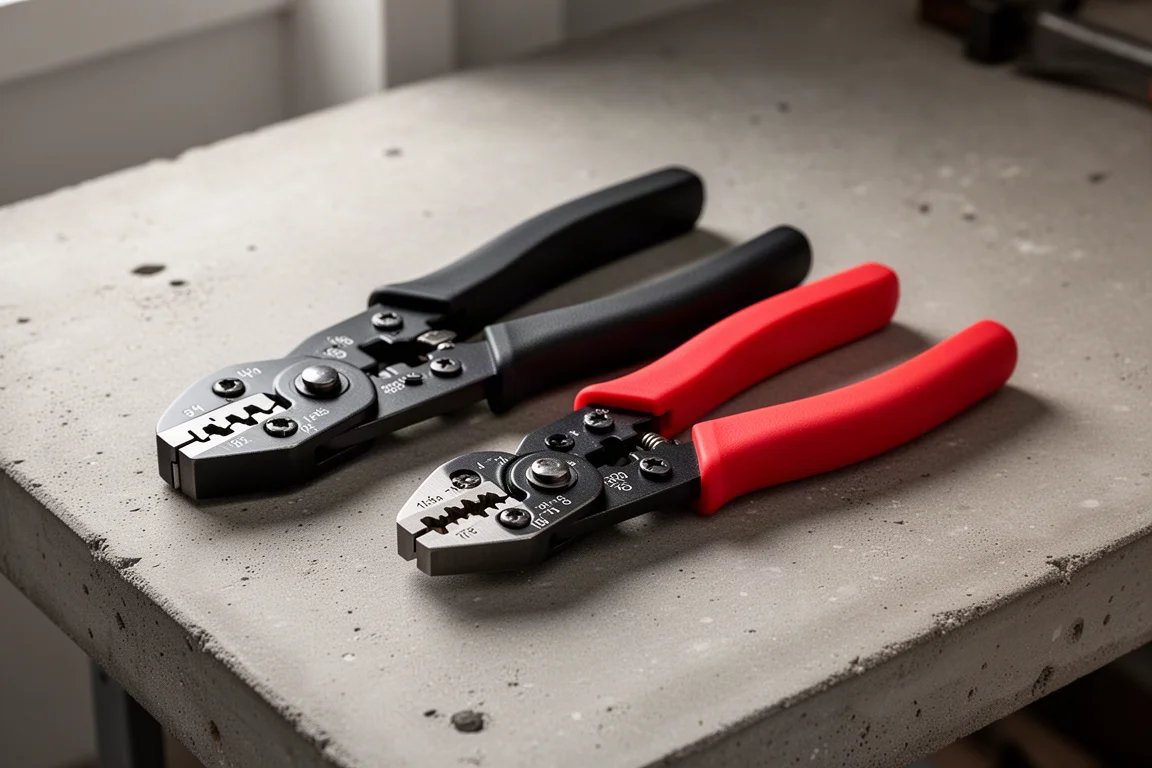
Compact automotive wire tools live or die on how well they handle tight spaces, and these two 7-inch combination pliers are built for exactly that kind of work: under-dash wiring, cramped engine bays, and anywhere a full-size crimper will not fit. One is the Snap-On PWCS7 ACF, sold off the tool truck. The other is the Icon PWCC-7 wire stripper cutter and crimper from Harbor Freight, listed as item 70592. At first glance they are strikingly similar, down to the handle profile, so the real question is how they differ where it counts: steel quality, cutting, stripping, and crimping.
Snap-On PWCS7 ACF
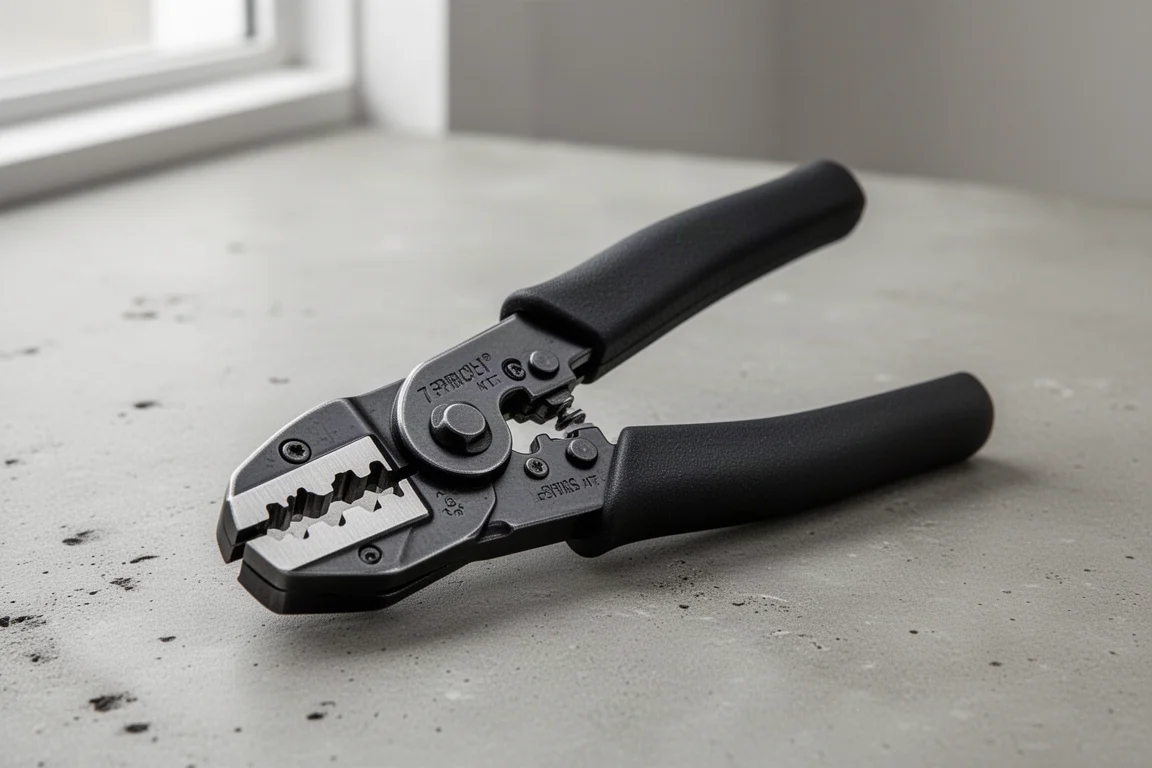
The Snap-On PWCS7 ACF is a compact 7-inch automotive-oriented wire stripper, cutter, and crimper with a small set of plier teeth at the front end. It is forged rather than pressed steel, and it follows the familiar combination profile: plier nose, crimping dies for bare and insulated terminals, two pairs of cutting knives positioned immediately above and below the pivot, and a stripping station rated for 20 to 12 AWG wire.
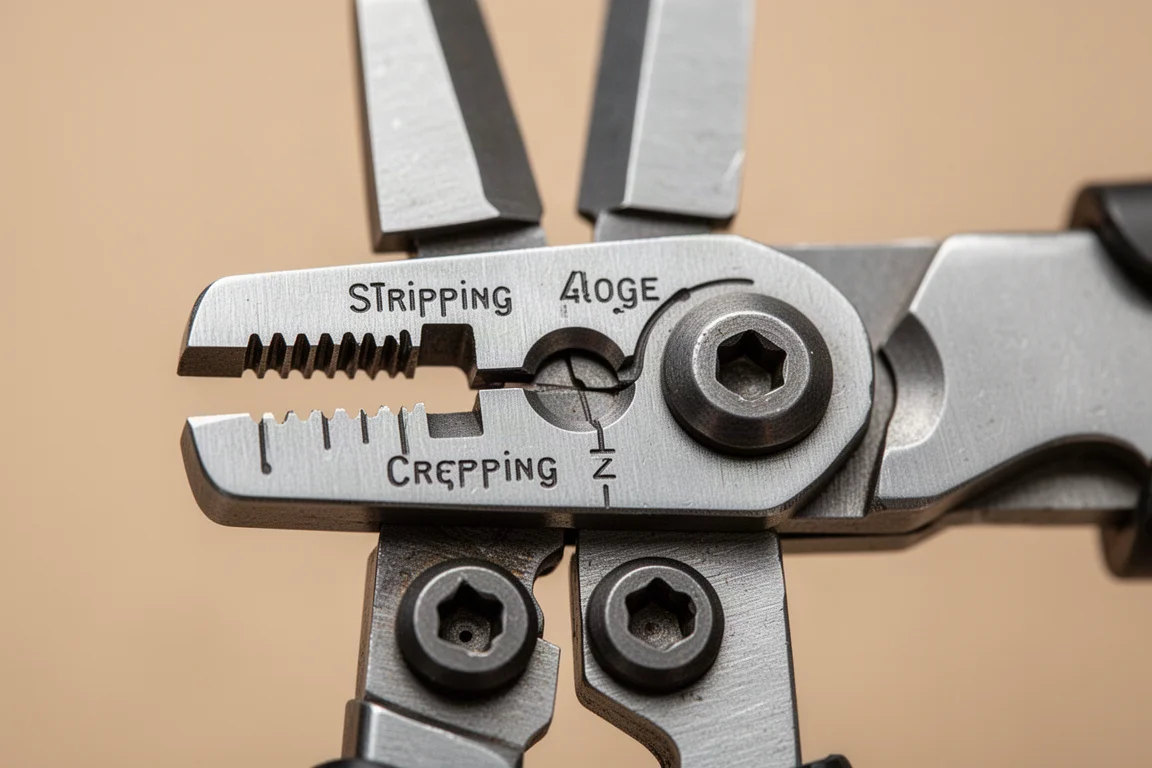
The upper cutting knife is excellent, producing a clean, snappy cut. The lower knife, just below the pivot, is where this tool shows its age in testing: cuts work, but they are not as clean unless taken slowly. The rivet area is beefy, if not exactly elegant, and the jaw teeth are slightly finer than the Icon’s. Stripping is a highlight: the tool produces clean, repeatable strips with no nicked strands, though on smaller wire you need to move up one notch compared to the Icon.
Icon PWCC-7
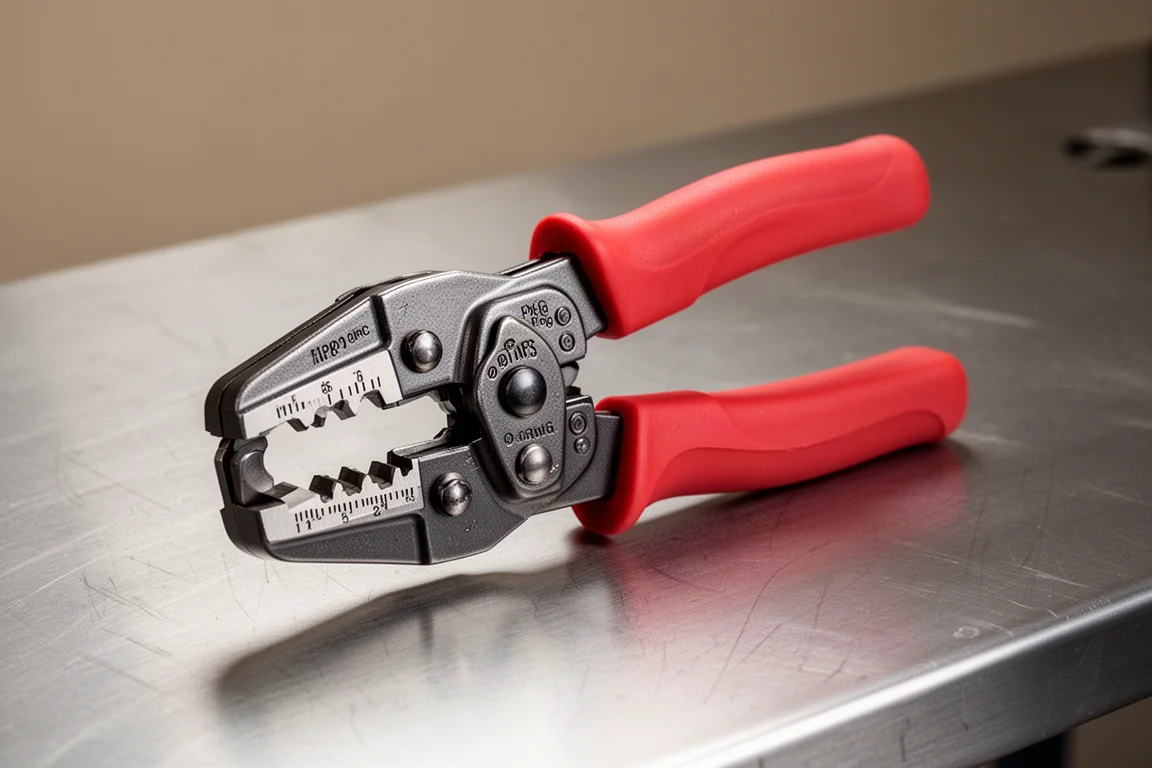
The Icon wire stripper cutter and crimper, model PWCC-7 and item 70592, is nearly identical in shape and layout. It is also forged, and community hardness tests have generally found Icon pliers to land in the same range as Snap-On equivalents, which removes the usual worry about budget steel here. Its crimping profile is slightly more compact and squished than the Snap-On’s, the jaw teeth are a touch coarser, and its stripping station runs from 24 to 14 AWG, reaching down to smaller gauge wire that matters in automotive harness work.
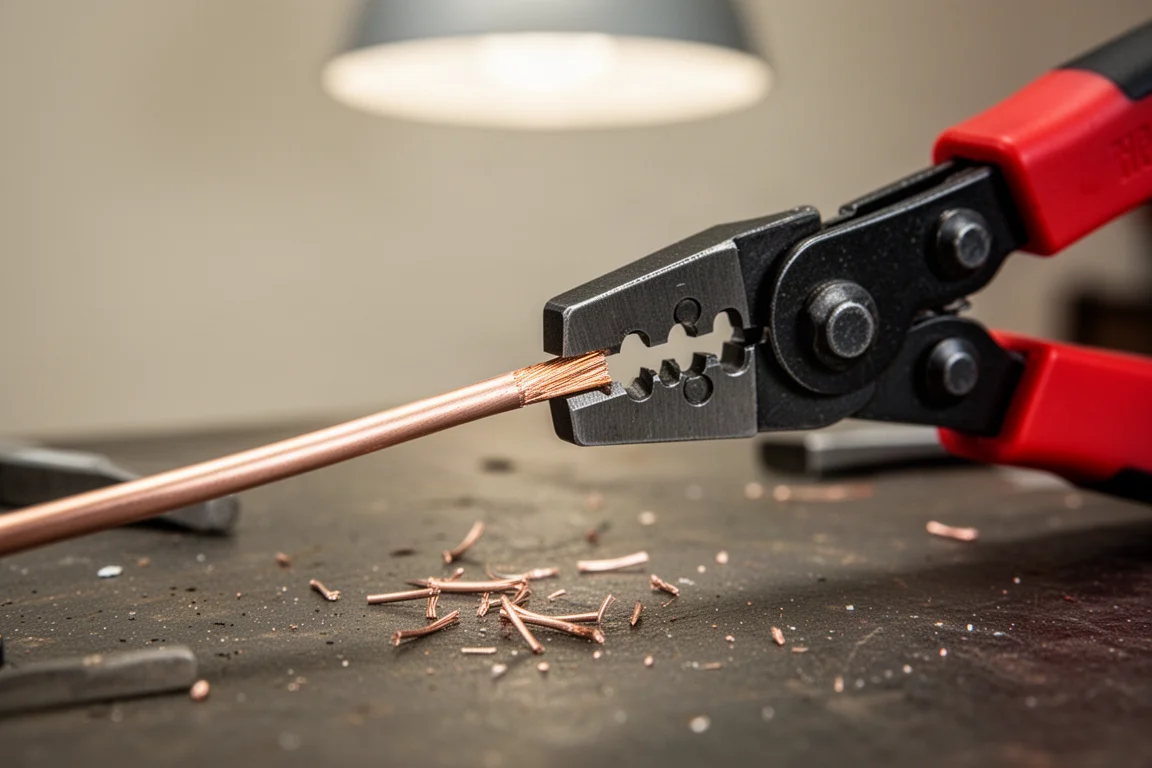
In cutting tests, the Icon came out ahead. Both knives, above and below the pivot, cut cleanly through 14 AWG copper wire, including cuts pushed right up against the pivot. The finish work is arguably cleaner overall too, with fewer visible tool marks around the rivet than on the Snap-On. One caveat: this unit was brand new out of the package during testing, so some of its tightness may settle with use. At the time of writing, it was difficult to find on the Harbor Freight website or in general searches, though that availability could change.
Cutting Performance
Cutting is where the two tools separate most clearly. Both have the same two-knife arrangement above and below the pivot. On the Icon, both cuts were silky smooth, even at the edge of the cutting range. On the Snap-On, the top cut was perfect, but the bottom cut hesitated and left a less clean result unless the cut was made slowly.
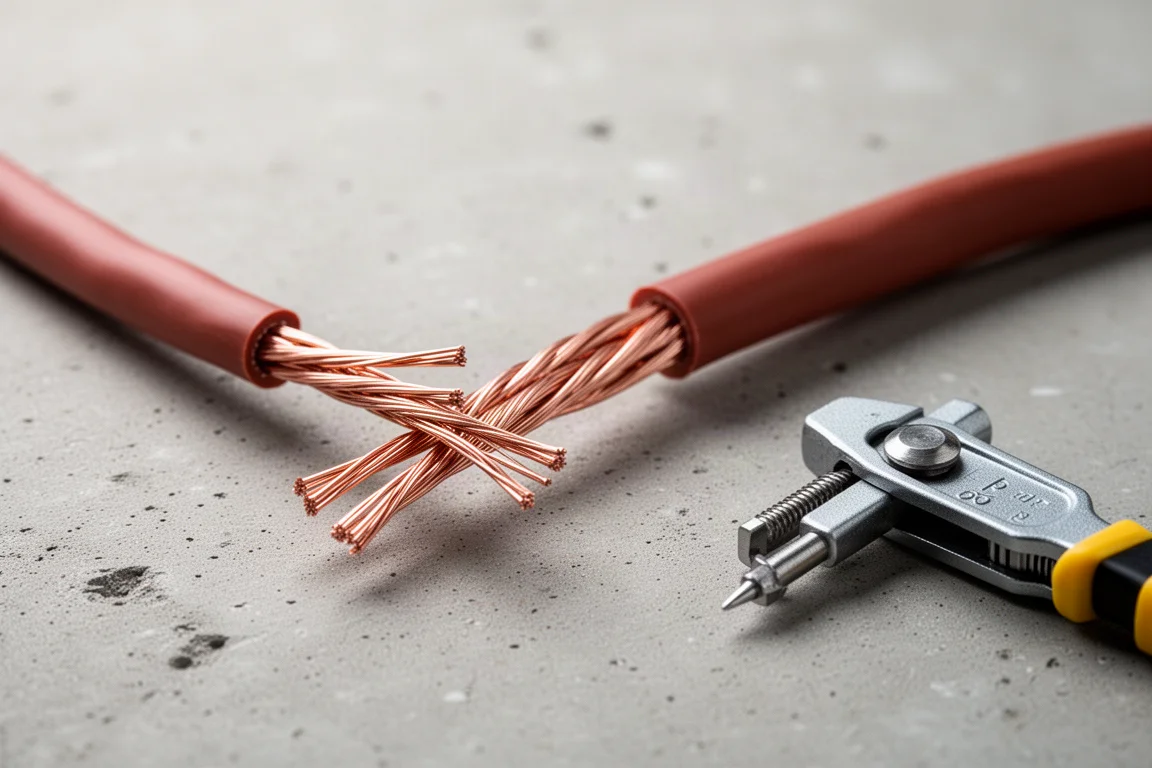
Neither tool closes completely tight at the tip in a pinch test; both let thin plastic slide free, though the Snap-On grips slightly harder and scores the material. For anything held in the jaws during a normal cut, that gap is not a practical problem.
Stripping and Crimping
Both tools stripped 14 AWG wire cleanly with no damaged strands and no snags. The Snap-On required one notch up from where the Icon handled the same wire, reflecting its higher minimum gauge of 20 AWG versus the Icon’s 24 AWG. For automotive use, where 12 AWG is rarely needed, the Icon’s smaller gauge range is arguably the more useful spec.
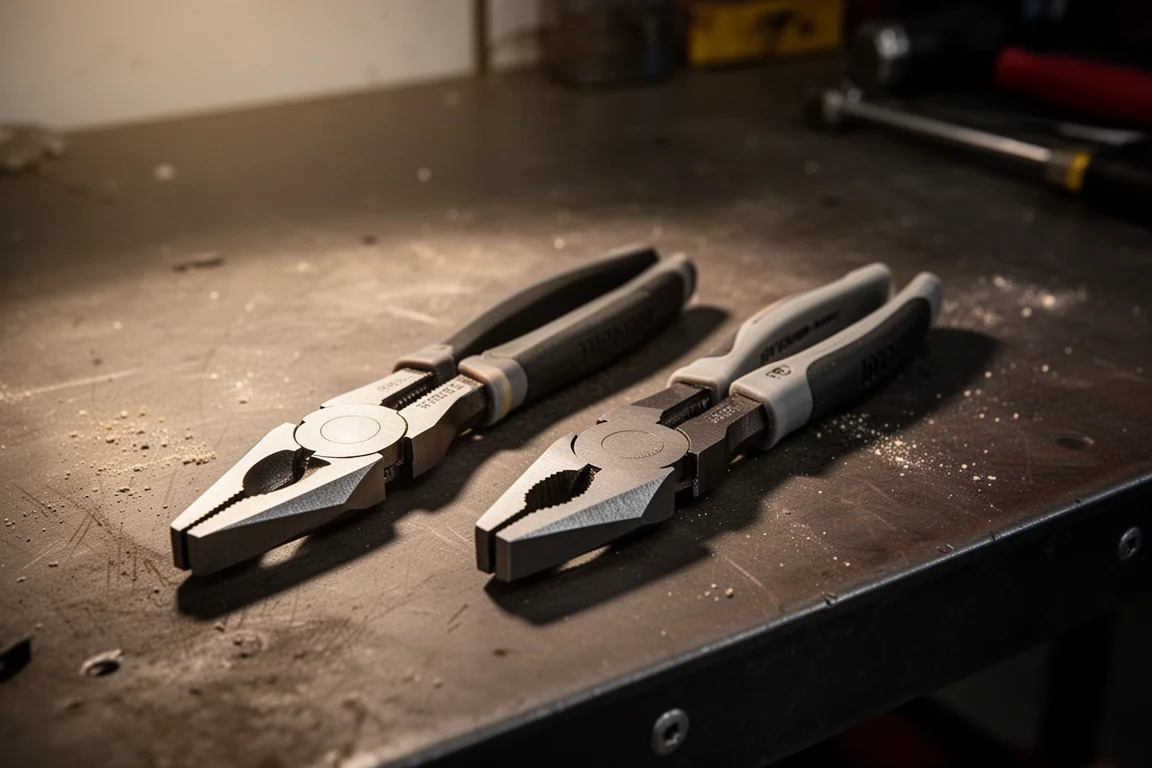
The crimping dies are slightly different in profile: the Icon’s is more compact, which changes how much it compresses a terminal. Both include a bare-wire crimper and an insulated-terminal crimper, and both align neatly with the printed markings on the dies.
Which One Should You Buy?
Price is the deciding factor for most buyers. The Snap-On sells off the truck for $61.95, while the Icon was around $22.99 off the Harbor Freight shelf, with coupons often dropping it further. You could buy almost three Icons for the price of one Snap-On.
If you already buy from the truck and value the finer teeth and the slightly firmer grip, the Snap-On is a fine tool, with the caveat that its lower cutting knife is not as clean as its top one. For everyone else, the Icon is the easier recommendation: identical forged construction, comparable hardness, cleaner cutting on both knives, a more useful 24 to 14 AWG stripping range for automotive work, and a finish that is arguably tidier than the far more expensive original.
Conclusion
These are two nearly identical compact 7-inch wire stripper cutter crimper pliers aimed squarely at automotive work in tight spaces. The Snap-On PWCS7 ACF is well built and strips beautifully, but its lower cutting knife lags slightly and it costs nearly three times as much. The Icon PWCC-7 matches it on hardness and construction, cuts cleaner on both knives, reaches down to 24 AWG, and leaves enough money in your pocket for a whole second tool. For most buyers, the Icon wins this comparison.
Further reading
Related Reviews
Hand Tools
Best Diagonal Cutters 2026: 16 Pliers Tested for Cutting Power and Durability
We put 16 diagonal cutters through nail, screw, drill bit, and hex key tests to find the best value picks for your toolbox.
Hand Tools
Best Hex L Key Sets 2026: Nine Sets Tested for Real-World Torque
Nine hex L key sets from budget to premium, tested for torque, fit, and durability. See which sets deliver real performance and which ones to skip.
Hand Tools
Best Locking Pliers 2026: Top Picks Tested for Grip and Durability
We tested 18 brands of 10-inch locking pliers for grip strength, jaw bite, build quality, and ease of release to find the best options for tough jobs.