Hand Tools
Snap-on vs Icon 16-oz Dead Blow Hammer: Which Soft-Face Hammer Deserves Your Money?
A head-to-head look at two 16-oz soft-face dead blow hammers, covering internal construction, head weight, striking behavior, and handle comfort.
Introduction
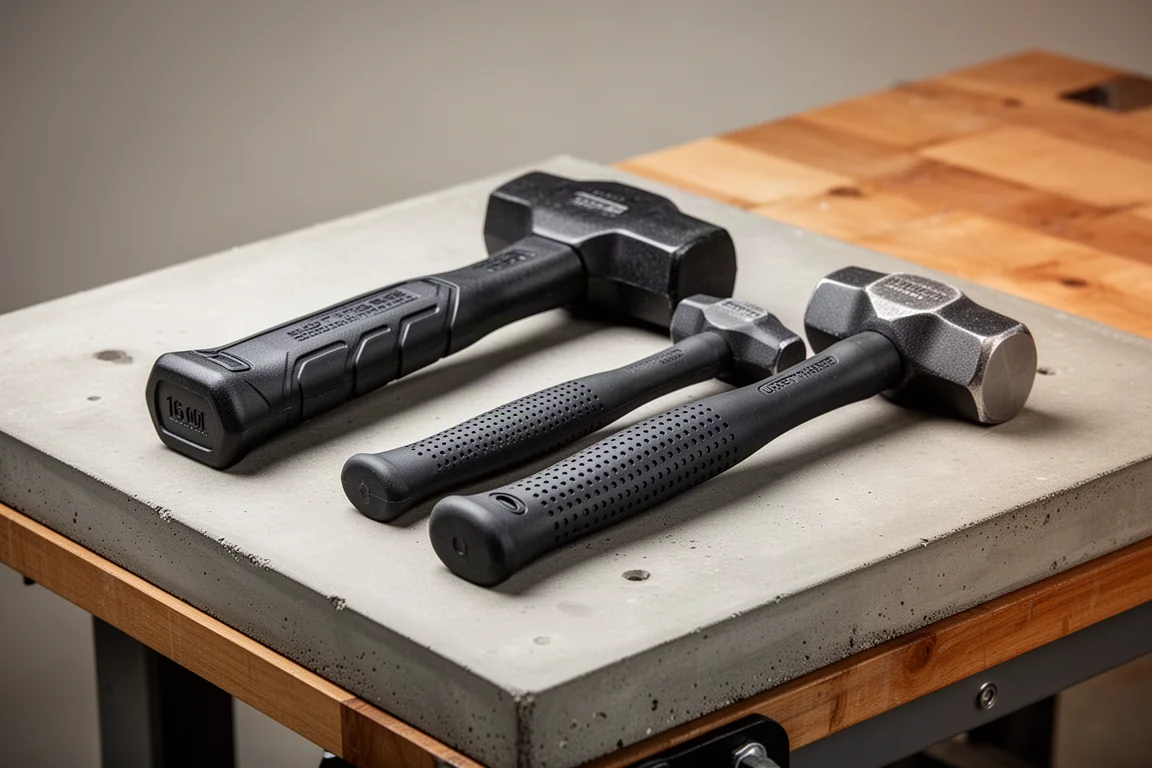
Dead blow hammers are the kind of tool you reach for when a regular soft-face hammer just bounces too much. Two 16-oz options stand out for very different reasons: the Snap-on soft-face dead blow, which sells for roughly $81.75, and the Harbor Freight Icon, which tops out around $19.99. Both carry a lifetime warranty, but they are built differently, feel different in the hand, and behave slightly differently at the workpiece.
This comparison breaks each hammer down into the two parts that matter: the head, which determines how it interacts with your work, and the handle, which determines how it treats your hands.
Two Dead Blow Hammers, Two Different Personalities
The Snap-on is made in the USA and carries the fit, finish, and handle comfort you would expect at its price. The Icon is made in Taiwan and costs about a quarter as much. Right away there is a trade-off to understand: the Icon has a harsher handle but a slightly deader head, while the Snap-on offers a softer, more comfortable handle with a head that stops nearly as dead.
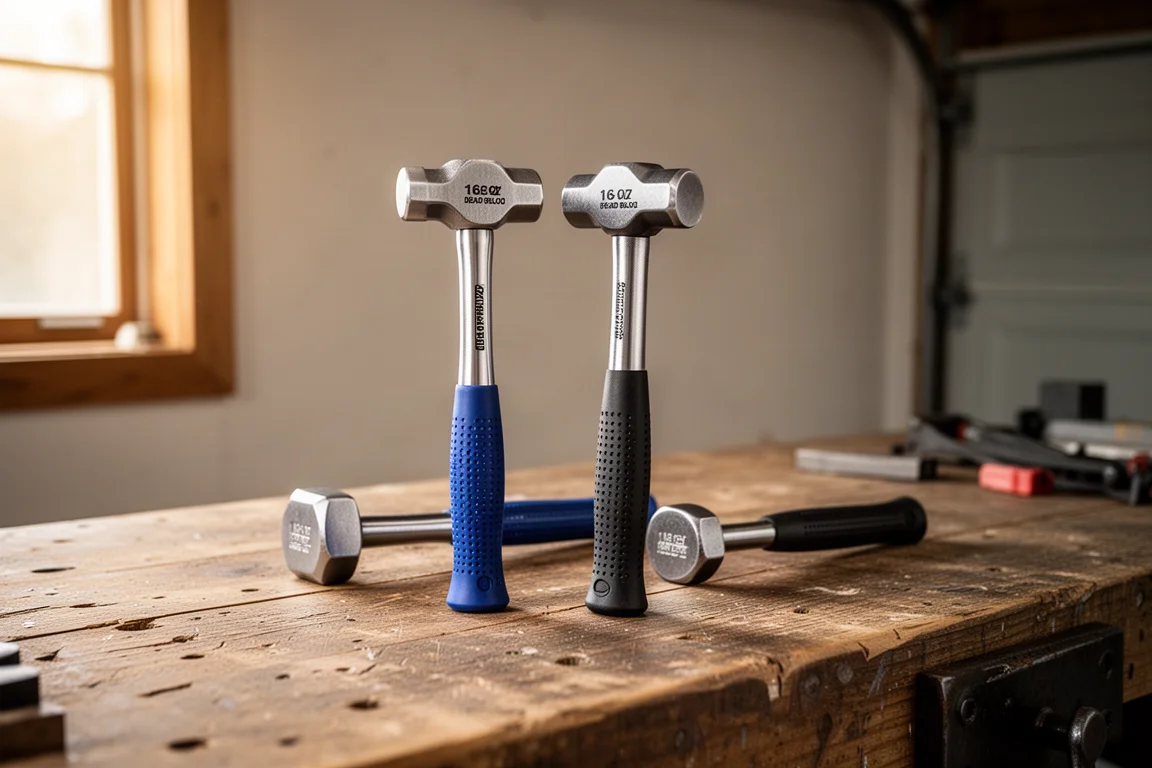
If you swing a dead blow hammer all day, handle comfort matters more than most people realize. If you only pull one out occasionally, that extra $60 buys a lot of other tools.
Inside the Handles: What the Magnet Test Revealed
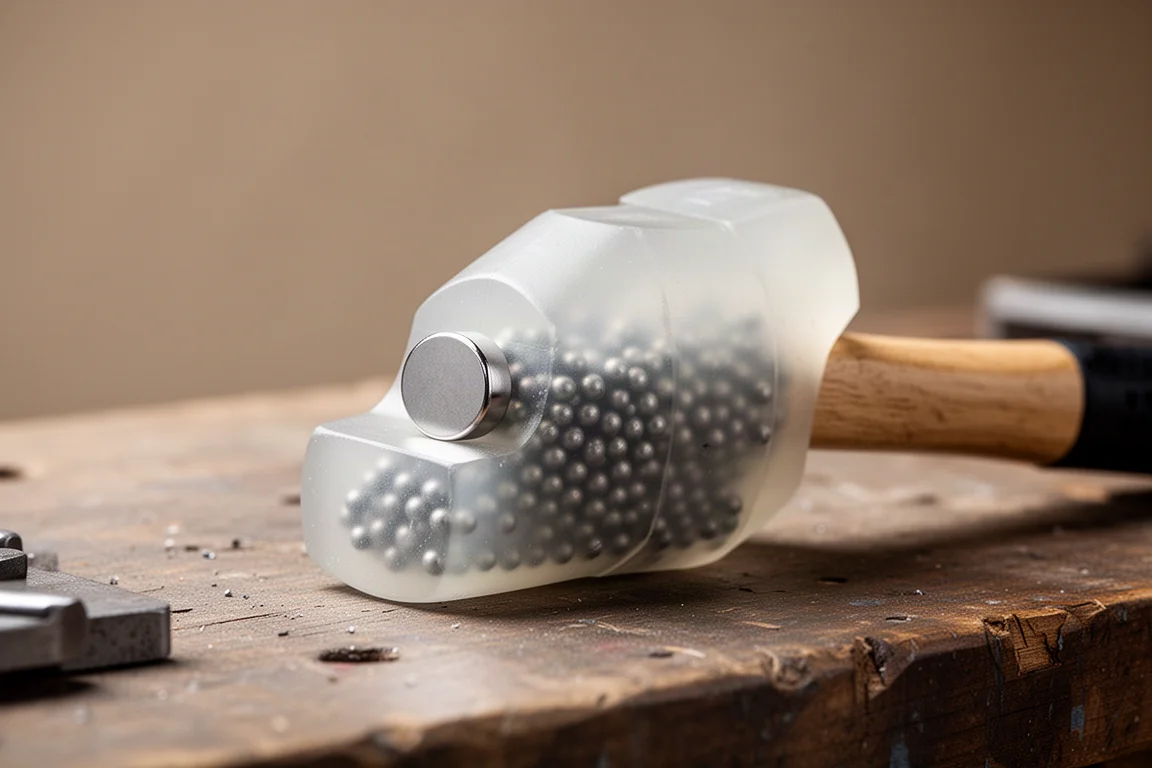
A simple neodymium magnet reveals a lot about what is going on inside these hammers. On the Snap-on, the magnet is attracted to material inside the head, but the entire lower portion of the handle shows no attraction at all. Metal only shows up partway up the handle. That lack of dense material in the grip area is a big reason the Snap-on feels noticeably softer and transmits less vibration to your hand.
The Icon tells a different story. The magnet sticks essentially anywhere along the handle, and it grabs hard, yanking right out of your fingers in places. There is metal throughout, and it is packed tightly. That construction likely contributes to the deader, sharper stop at the head, but it also means the handle transmits more shock. Listening to each hammer strike, the Icon sounds almost like hitting something fiberglass: dense and dead. The Snap-on’s handle rings noticeably harsher by comparison.
Head Weight and Balance
On the scale, the differences are easy to see:
| Hammer | Total weight | Head weight (approx.) |
|---|---|---|
| Icon | 22.4 oz | ~14.8 oz |
| Snap-on | 19.1 oz | ~14.6 oz |
Head weights are nearly identical, which means both deliver a similar strike. The Icon simply carries roughly 2.5 oz more in the handle, and you feel it in use. The Icon is noticeably the heavier hammer overall. If weight is a concern, a smaller dead blow in the 10-oz range is worth considering, and the Snap-on slimline series offers exactly that kind of lighter option.
The Bounce Test: Railroad Tie and Drill Bits
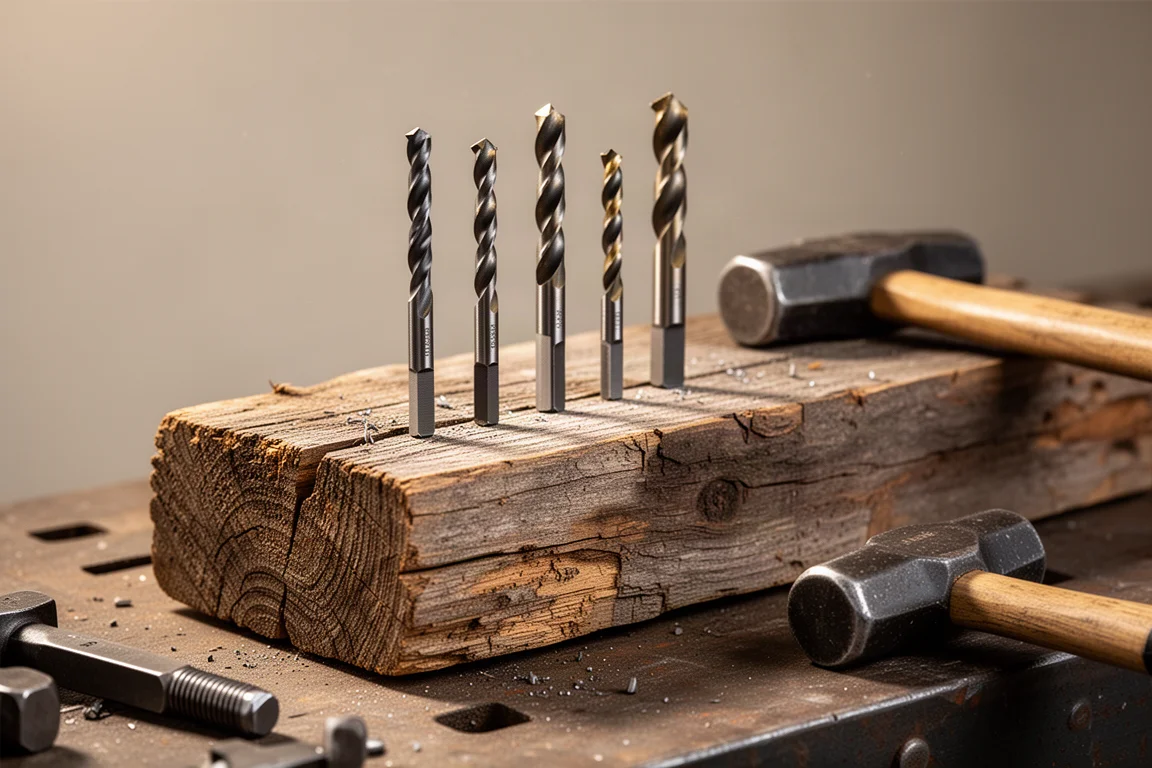
A practical bounce test makes the head difference obvious. Several quarter-inch drill bits were stood upright on a chunk of railroad tie. A regular soft-face hammer knocks them all over with a single tap. A proper dead blow should keep them standing.
Both the Snap-on and the Icon managed this well, but the Icon edged ahead. It teetered a bit less and delivered what can only be described as a deader stop. After repeated strikes, the bits stayed standing longer with the Icon. Some of that could come down to age, since the Snap-on in this comparison was well used while the Icon was new, but the difference was noticeable either way.
Durability and Warranty: Consumables by Design
Both hammers use very similar-feeling material on the heads, and both come with a lifetime warranty. The reality is that soft-face dead blow hammers are closer to consumables than lifetime tools: eventually you will split the urethane cover at the business end, and you simply get a replacement.
Snap-on does not hide this. One well-used Snap-on was even melted during a project, and the warranty exchange resulted in advice to keep using it since these covers can go a little further. That hammer is now showing some show-through, but it still works. With the Icon at $19.99, you can buy four for the price of one Snap-on, which softens the durability conversation considerably.
Which One Should You Buy?
The answer depends on what you value:
- Buy the Snap-on if handle comfort and vibration reduction matter most. The softer grip, lighter overall weight, and metal-free lower handle make it the better hammer for extended use.
- Buy the Icon if you want maximum deadness per dollar. It stops harder, costs about $19.99, and carries the same lifetime warranty.
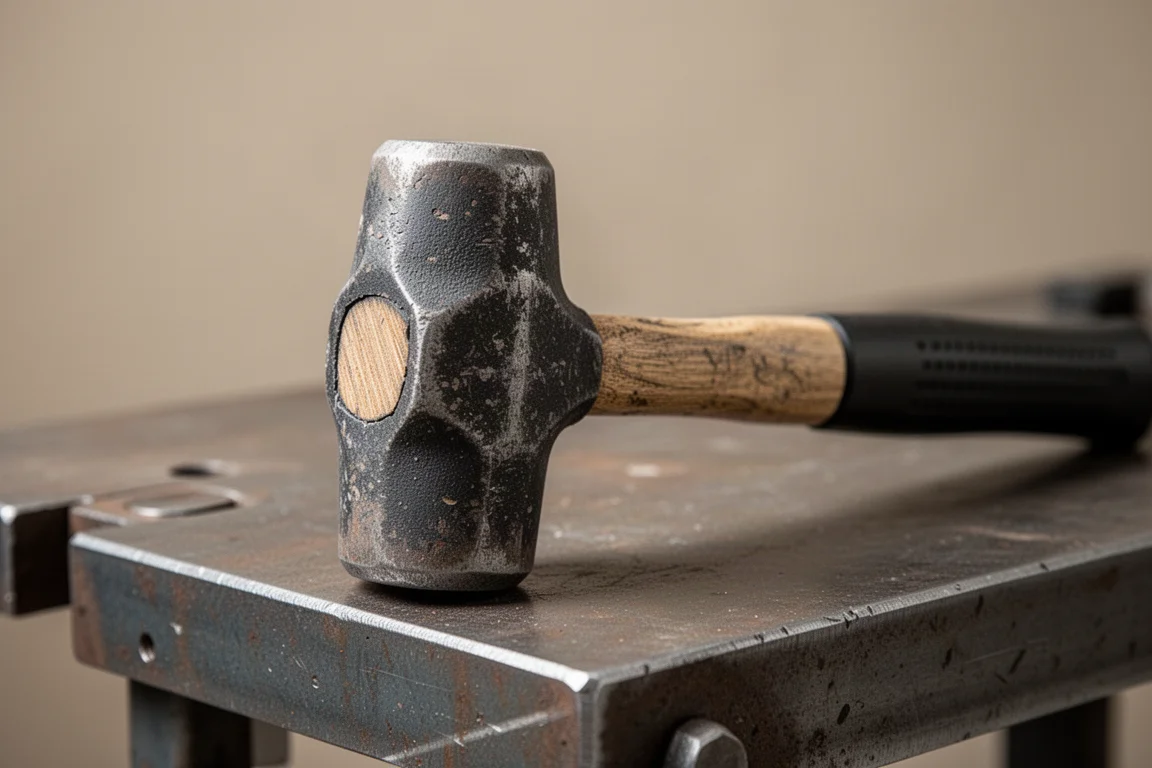
One suggestion for Icon: a smaller, lighter version in the 10-oz range, priced around $14.99, would be a welcome addition for anyone who likes the dead stop but wants less weight in hand.
Conclusion
Both of these 16-oz dead blow hammers are genuinely good tools, and neither is a bad purchase. The Snap-on wins on feel, vibration control, and balance. The Icon wins on raw stopping power and, above all, price. For most occasional users, the Icon’s deader head and lifetime warranty at a quarter of the cost make it the easy recommendation. For those who swing one all day, the Snap-on’s handle is worth the premium.
Product link
View more details for Snap-on 16-oz Soft-Face Dead Blow Hammer
This product is mentioned in the review. Check the specifications, options, and compatibility before buying.
View more details for Snap-on 16-oz Soft-Face Dead Blow HammerFurther reading
Related Reviews
Hand Tools
Best Diagonal Cutters 2026: 16 Pliers Tested for Cutting Power and Durability
We put 16 diagonal cutters through nail, screw, drill bit, and hex key tests to find the best value picks for your toolbox.
Hand Tools
Best Hex L Key Sets 2026: Nine Sets Tested for Real-World Torque
Nine hex L key sets from budget to premium, tested for torque, fit, and durability. See which sets deliver real performance and which ones to skip.
Hand Tools
Best Locking Pliers 2026: Top Picks Tested for Grip and Durability
We tested 18 brands of 10-inch locking pliers for grip strength, jaw bite, build quality, and ease of release to find the best options for tough jobs.