Hand Tools
Snap-on Trim Tools: The Out-the-Front Option and a Long Trim Tool With an Instinct Handle Catch
A closer look at two Snap-on trim tools: the hyped out-the-front design and a long trim tool that makes more practical sense, with one handle-indexing caveat worth knowing before you buy.
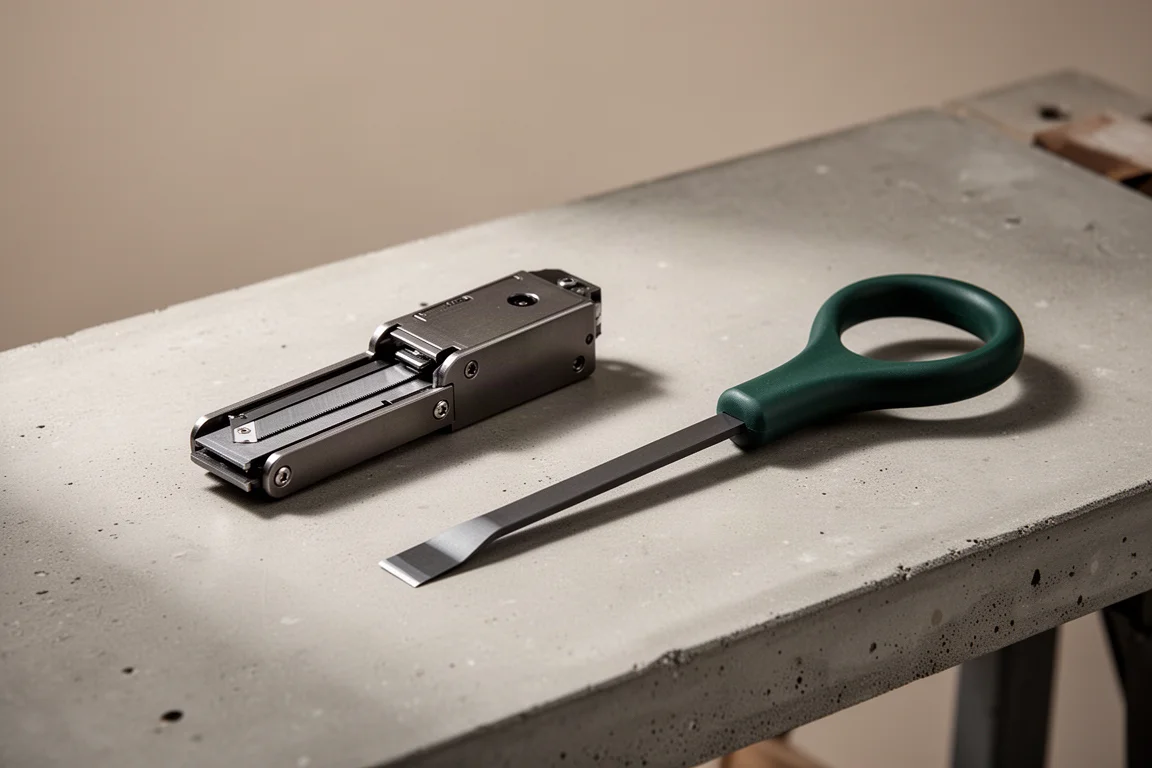
Introduction
When Snap-on released its out-the-front trim tool, it generated genuine buzz among tool enthusiasts. It also prompted a second look at competing designs and, more interestingly, at what actually makes sense for everyday trim work. After spending time with both the out-the-front design and a long trim tool fitted with an Instinct handle, the long tool emerges as the more practical buy, though not without one subtle catch you should know about.
The Out-the-Front Trim Tool: Fun, Hyped, and Hard to Find
There is no denying the appeal. The out-the-front format is genuinely fun to use, and it comes from a well-known company with service support, which matters for a mechanism like this. The flip side: they were completely sold out on release, and the hype cycle was in full swing.
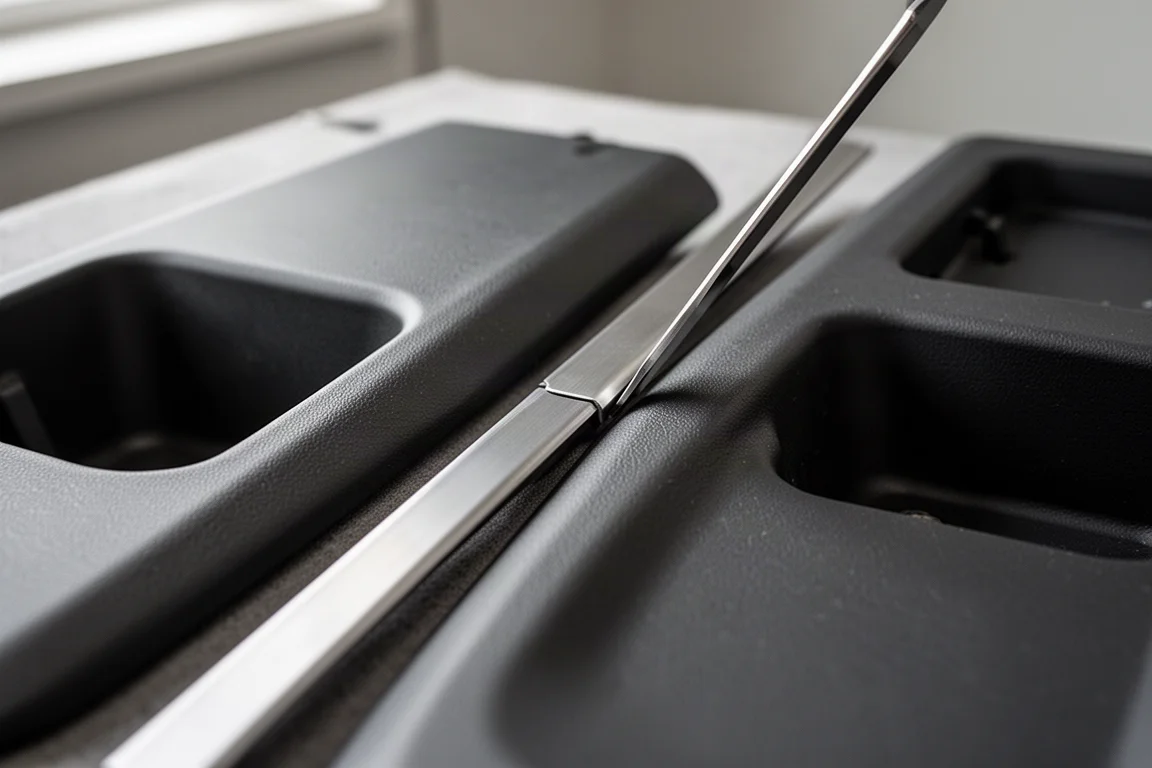
There are also design questions worth considering before paying the premium. A trim tool is fundamentally a prying tool, and the concern is whether enough engineering went into the front end to handle that sideways stress. Pry loads at the pivot are not how a sliding blade design naturally wants to work, so durability over the long term is a fair question. At roughly $90 more than a conventional option, it is a lot of money for a tool that does little more than its simpler counterparts.
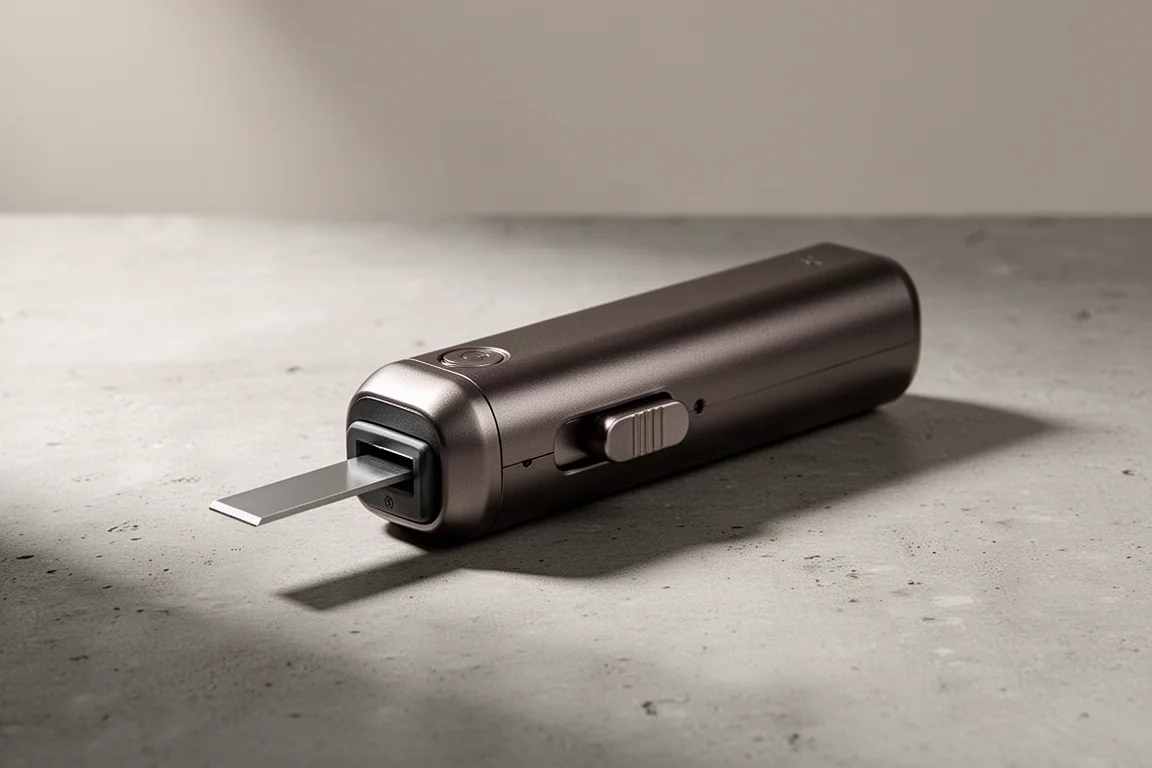
Why a Long Trim Tool Makes More Practical Sense
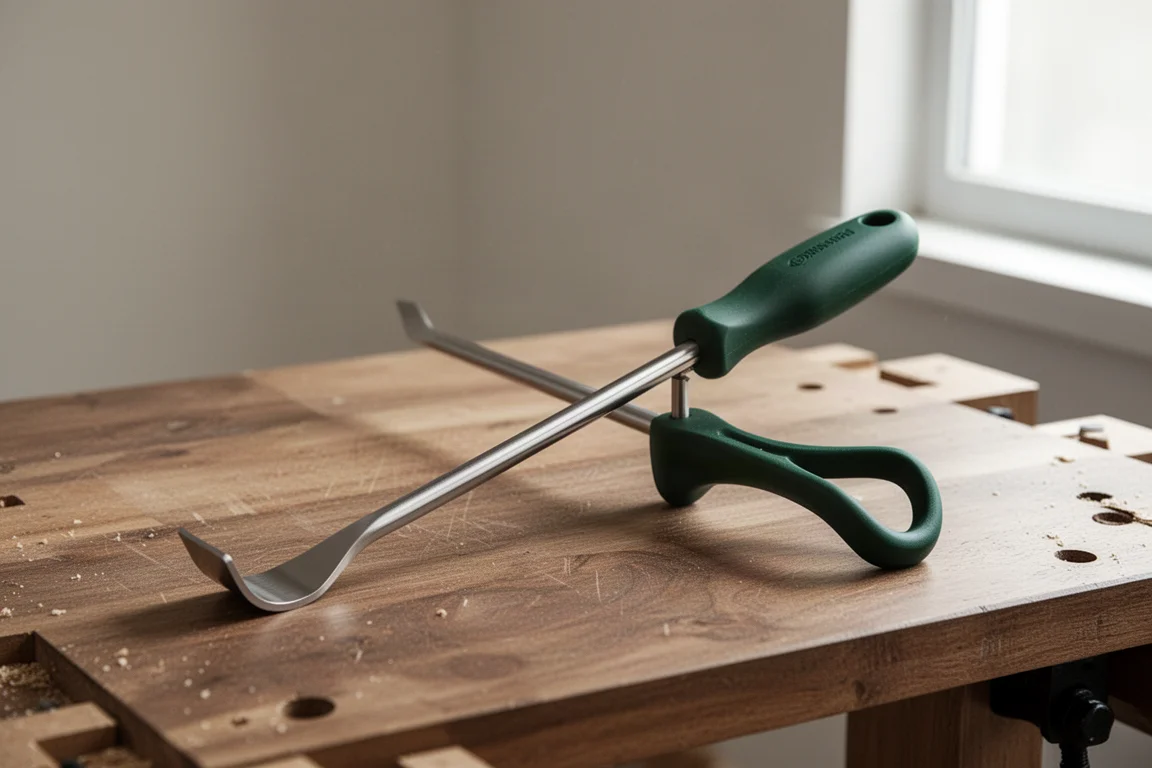
After comparing the range of available trim tools, the long format stands out as the smarter pick. It reaches deeper into panels, offers better leverage, and cost about half the price of the out-the-front version while doing arguably more work. The tool arrived with a red handle that was swapped for the green Instinct handle at the dealer, a simple service that is not a deal breaker if you care about handle color consistency.
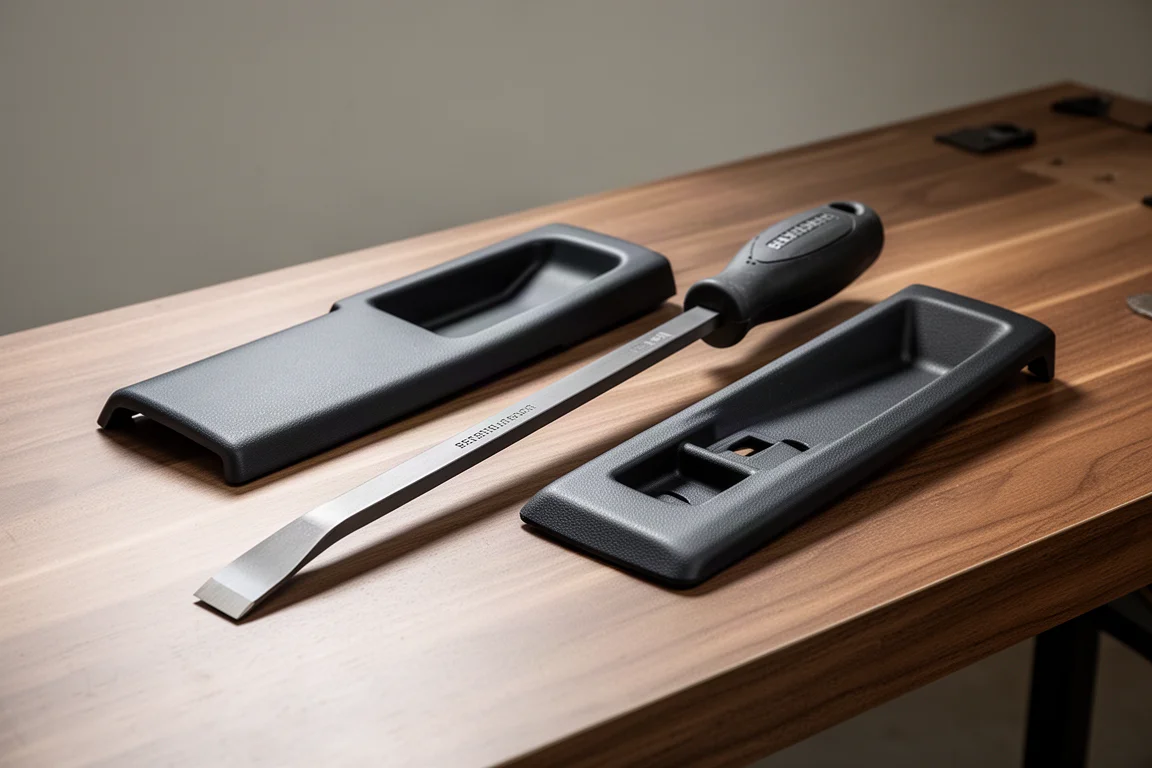
The Instinct Handle Catch: Indexing Matters
Here is the subtle but significant issue: the Instinct handle requires indexing, and the swapped unit was not indexed correctly. Snap-on aligns at least one corner of the tri-lobed handle with the tool, and on this unit the alignment was off center. The moment it was picked up, something felt wrong, and that feeling persisted in use.
The problem is amplified on a highly directional tool. A screwdriver or a pick can be used at various angles, so a slightly skewed handle is easy to work around. A long trim tool has essentially one working orientation, so a misaligned handle forces a constant wrist adjustment to keep the blade properly oriented. It feels awful in the hand precisely because it is such a small error, and most people would not consciously notice, they would just unconsciously compensate.
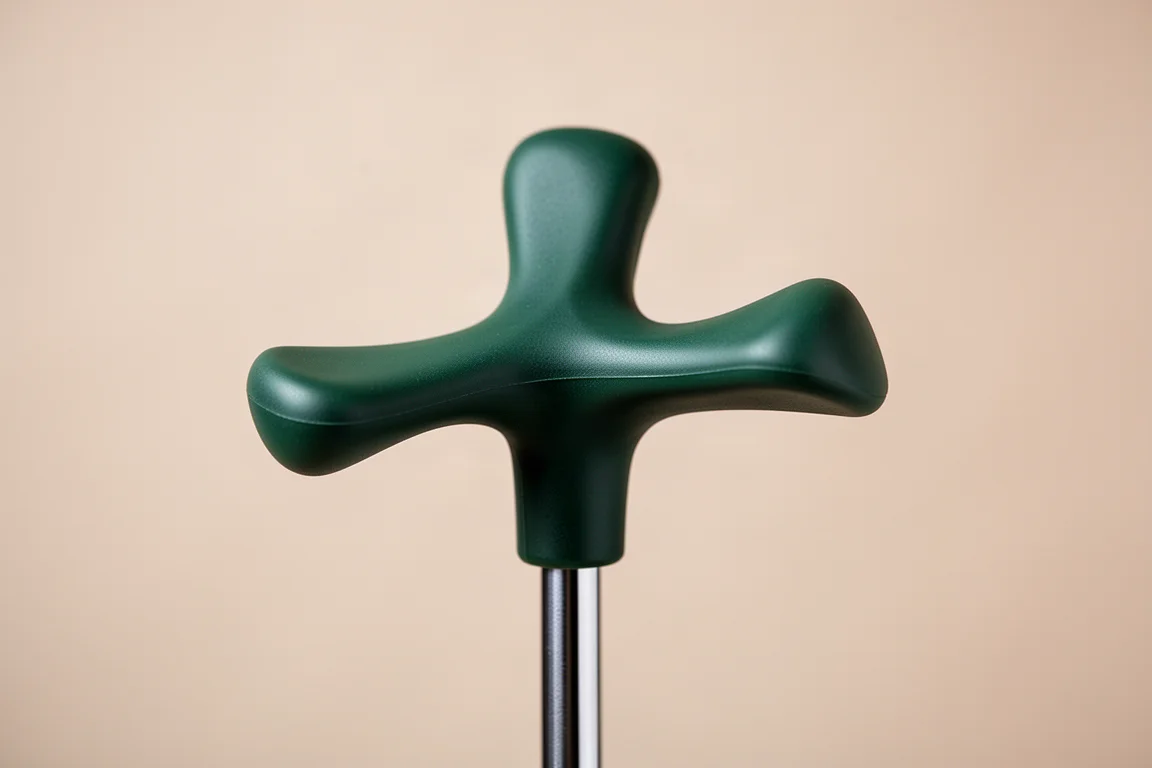
Compare that to other tools: Klein and Vessel handles are perfect circles where orientation does not matter, Fluke adds two small flats likely to keep the tool from rolling away, and even modern ratchet handles get a slight ovalizing that demands proper alignment. On those, you notice the skew immediately, and you notice it here too. The fix is straightforward: the handle should be pulled and re-indexed so the tri-lobed corner lines up with the blade plane. Notably, the logo position itself is not a reliable indexing reference on this handle; the raised corner bump is the true alignment point.

Should You Buy Either One?
If you want the novelty and serviceable mechanism of the out-the-front tool and can find one in stock, it is a fun addition, but go in aware of the prying-direction design question and the premium price. For most people doing actual trim removal work, the long trim tool is the better value: more reach, better leverage, half the cost. Just inspect the handle indexing when it arrives, especially if it ships with a tri-lobed Instinct handle. If the corner does not line up with the tool, have it re-indexed before it ruins the feel of an otherwise excellent design.
Conclusion
The out-the-front trim tool is the headline grabber, but the long trim tool quietly makes more sense for real work. The lesson from both is the same: small details, like whether a handle is indexed to the tool, can make or break daily usability. Buy the tool that matches how you actually work, and check the handle alignment before you commit.
Further reading
Related Reviews
Hand Tools
Best Diagonal Cutters 2026: 16 Pliers Tested for Cutting Power and Durability
We put 16 diagonal cutters through nail, screw, drill bit, and hex key tests to find the best value picks for your toolbox.
Hand Tools
Best Hex L Key Sets 2026: Nine Sets Tested for Real-World Torque
Nine hex L key sets from budget to premium, tested for torque, fit, and durability. See which sets deliver real performance and which ones to skip.
Hand Tools
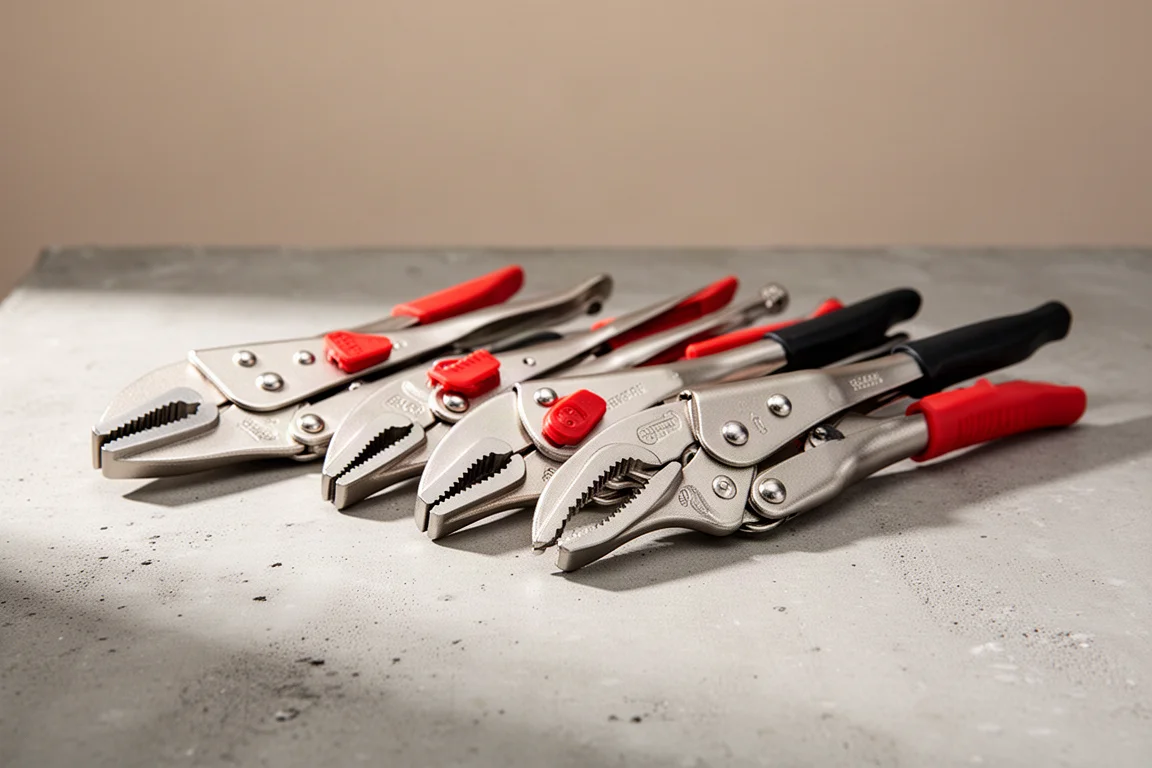
Best Locking Pliers 2026: Top Picks Tested for Grip and Durability
We tested 18 brands of 10-inch locking pliers for grip strength, jaw bite, build quality, and ease of release to find the best options for tough jobs.