Hand Tools
Snap-on Talon Grip vs Duckbill Pliers: Which Needle Nose Belongs in Your Toolbox?
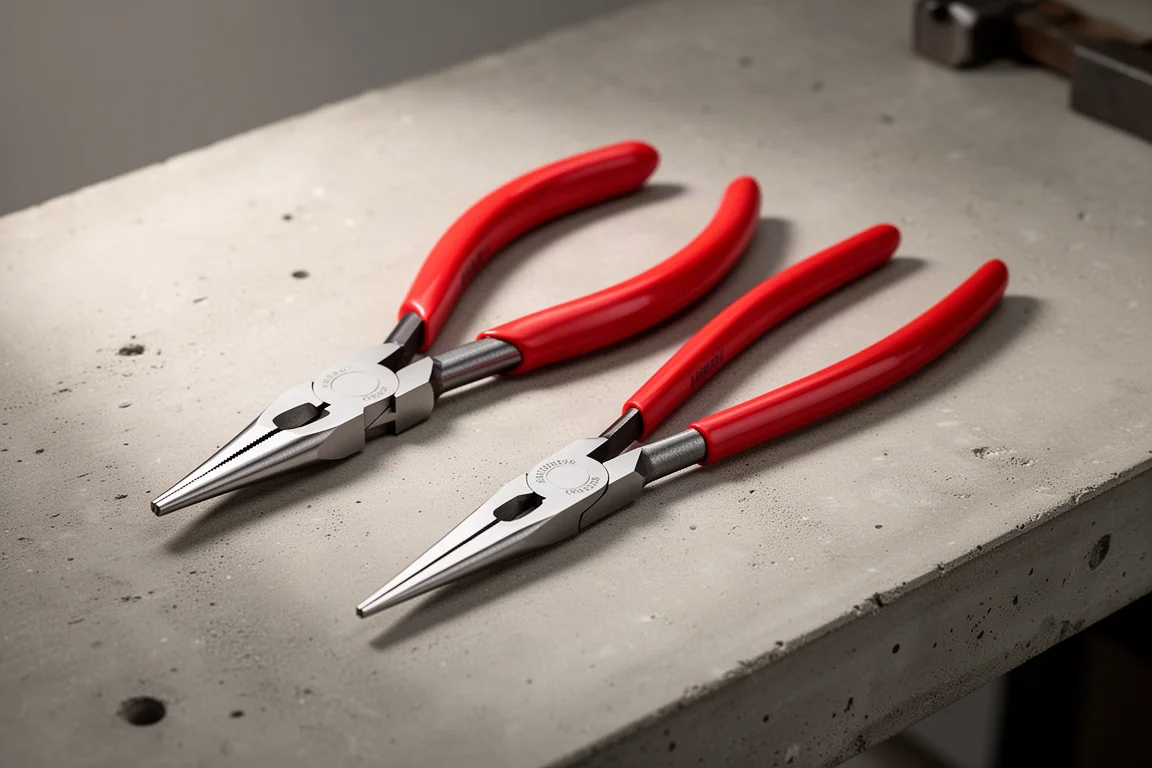
Two Snap-on pliers with nearly identical jaws but very different handle designs. Here is how the 196CF and 61CF compare in real daily use.
Introduction
If you spend any time around pliers, you eventually run into the same question: is the conventional needle nose design the right starting point, or does a slightly different frame layout actually change how the tool feels and performs? Both of the pliers covered here come from Snap-on, and they overlap more than you might expect. The jaw ends are almost identical when laid on top of each other, and the overall length difference is small. What separates them is the handle design, and that difference turns out to matter more than the spec sheet suggests.
The Conventional Choice: Snap-on 196CF Talon Grip
The 196CF is the standard needle nose in the Snap-on lineup, sold under the Talon Grip name and fitted with a cutter. It is the tool most of us start with, and for good reason: it handles a wide range of gripping and cutting work without any fuss. There are various versions of this plier, but the core design is the familiar tapering profile with a high-leverage handle.
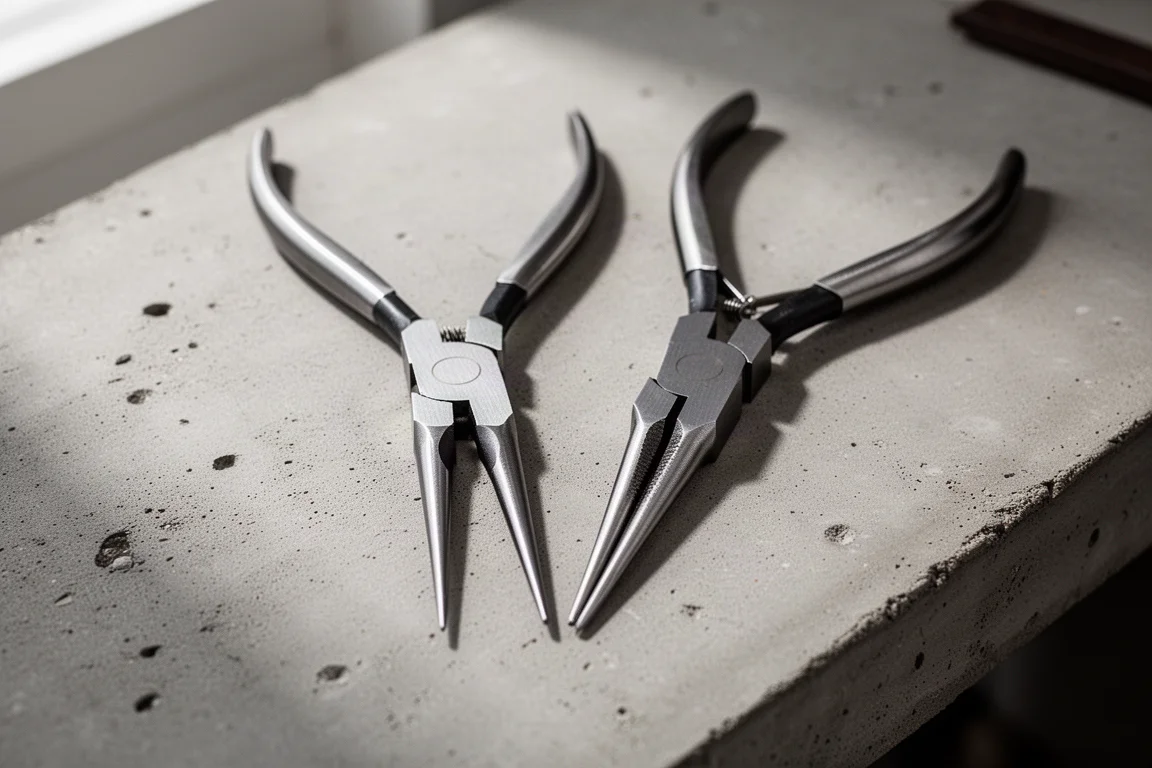
Laid against the duckbill, its jaws line up almost exactly. The handle, however, is noticeably different in shape, and that shape changes the leverage and the flow of using the tool. Whether that change is a benefit or just a habit depends on how you work.
The Alternative: Snap-on 61CF Duckbill
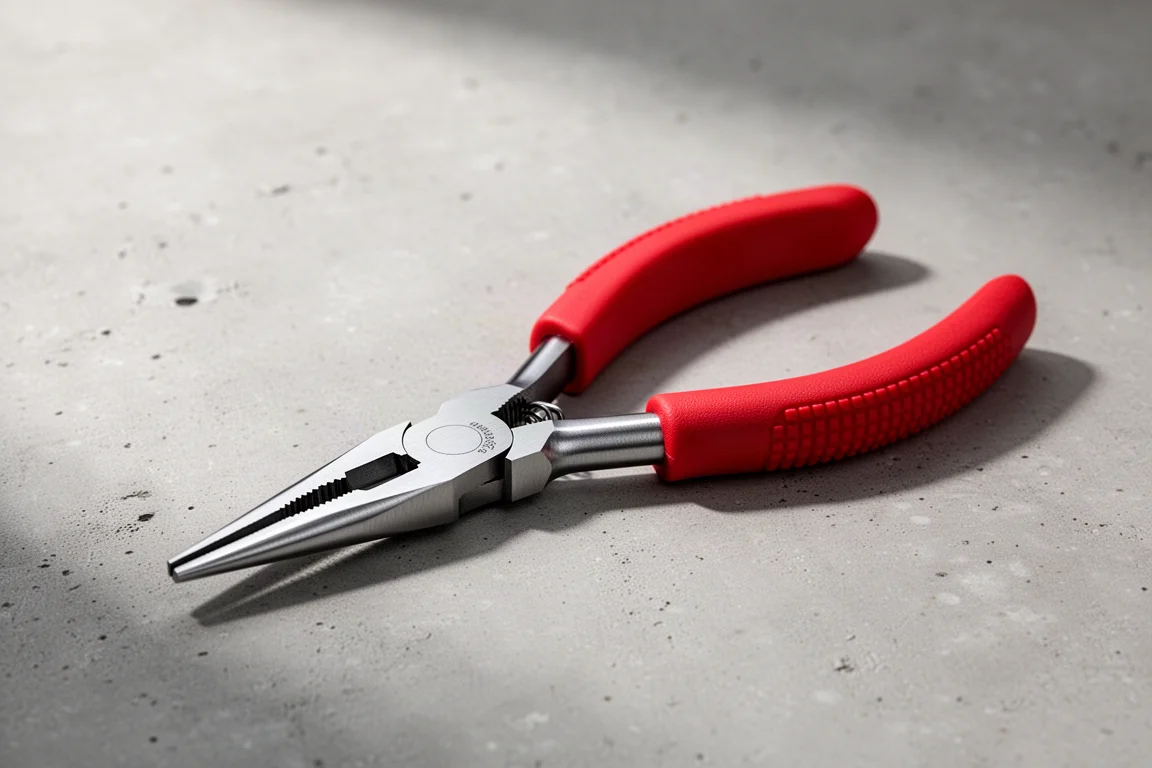
The 61CF duckbill is not a giant high-leverage tool. It uses a different frame design that is only marginally longer overall, yet it feels entirely different in the hand. The narrow, flat duckbill jaws excel at fine work like bending and positioning wire, and the slim frame makes the tool feel more natural to grab.
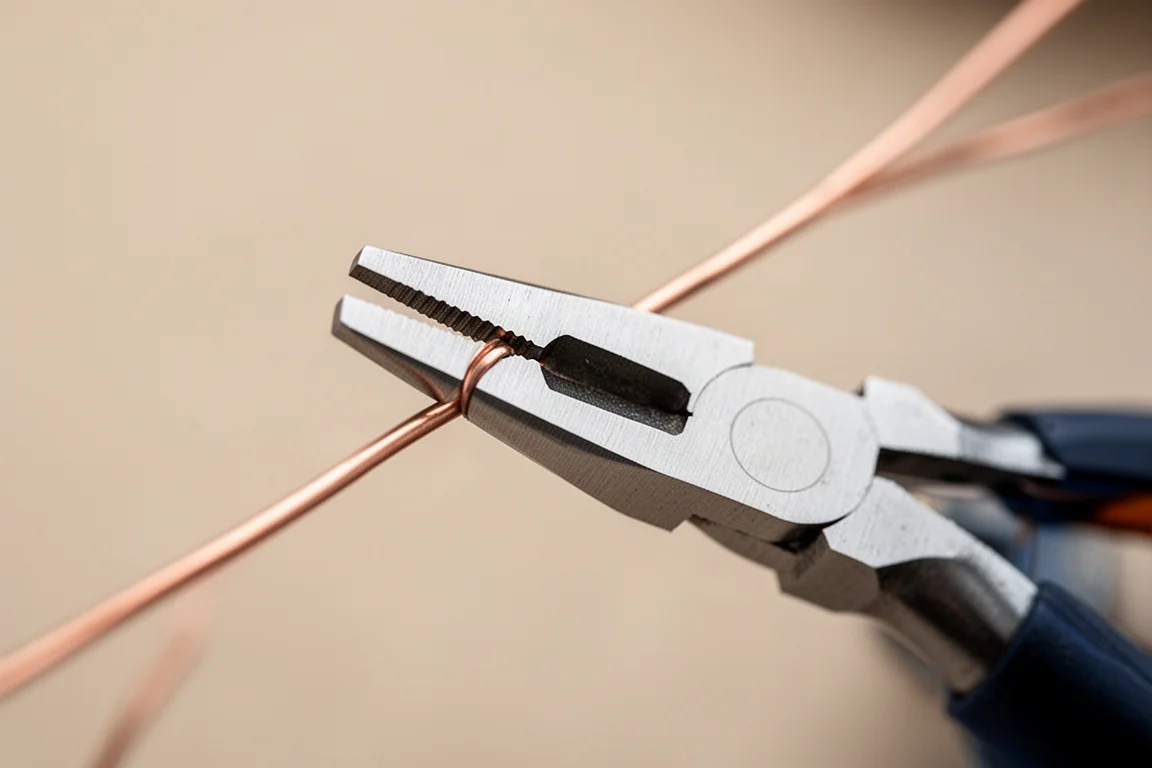
One thing worth understanding before buying either: at this size class, balance matters. Some longer pliers in this range feel top-heavy, with the balance point sitting well forward of the pivot so the tool wants to tip forward like a club on the end. The design difference here changes how the weight sits in your hand during extended use.
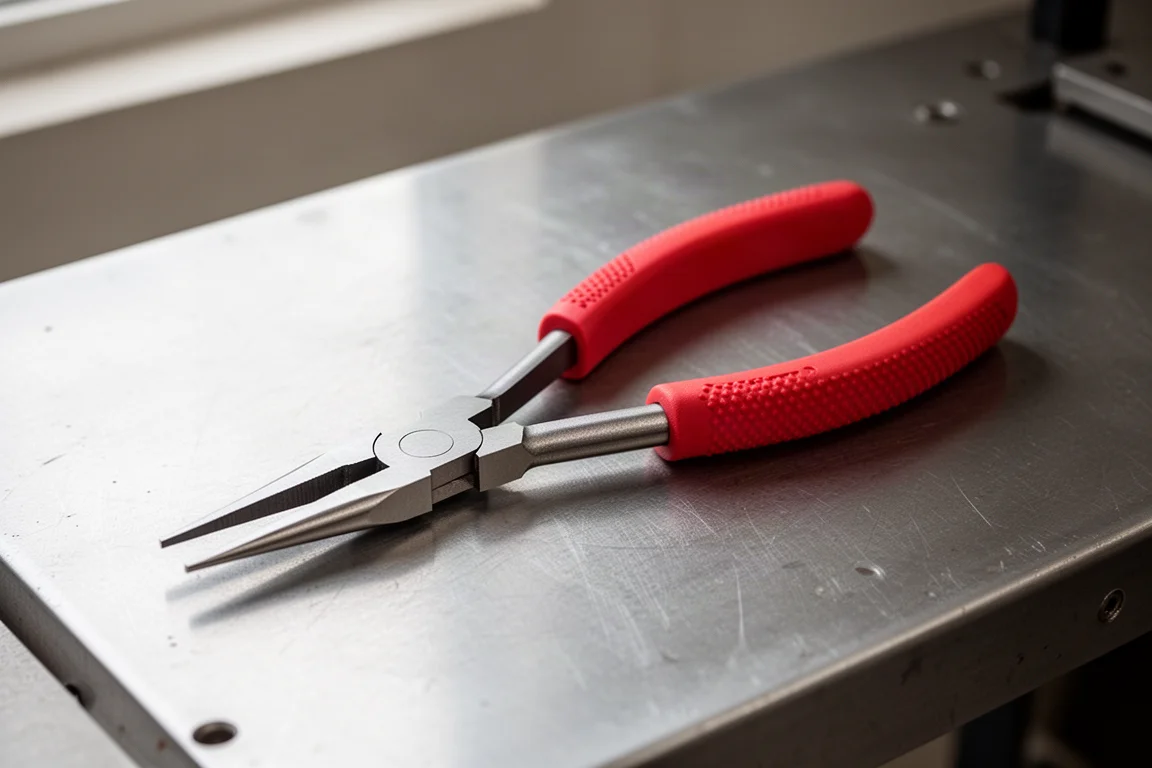
Which One Should You Reach For First?
Here is the honest observation from daily use: when both pliers are sitting in the same tool bag or drawer, the duckbill gets grabbed first almost every time. It feels better in the hand and seems like the more natural choice, even though the front ends are nearly identical. That is not a knock on the 196CF, which remains a superb all-rounder, but the duckbill’s frame simply suits certain hands and tasks better.
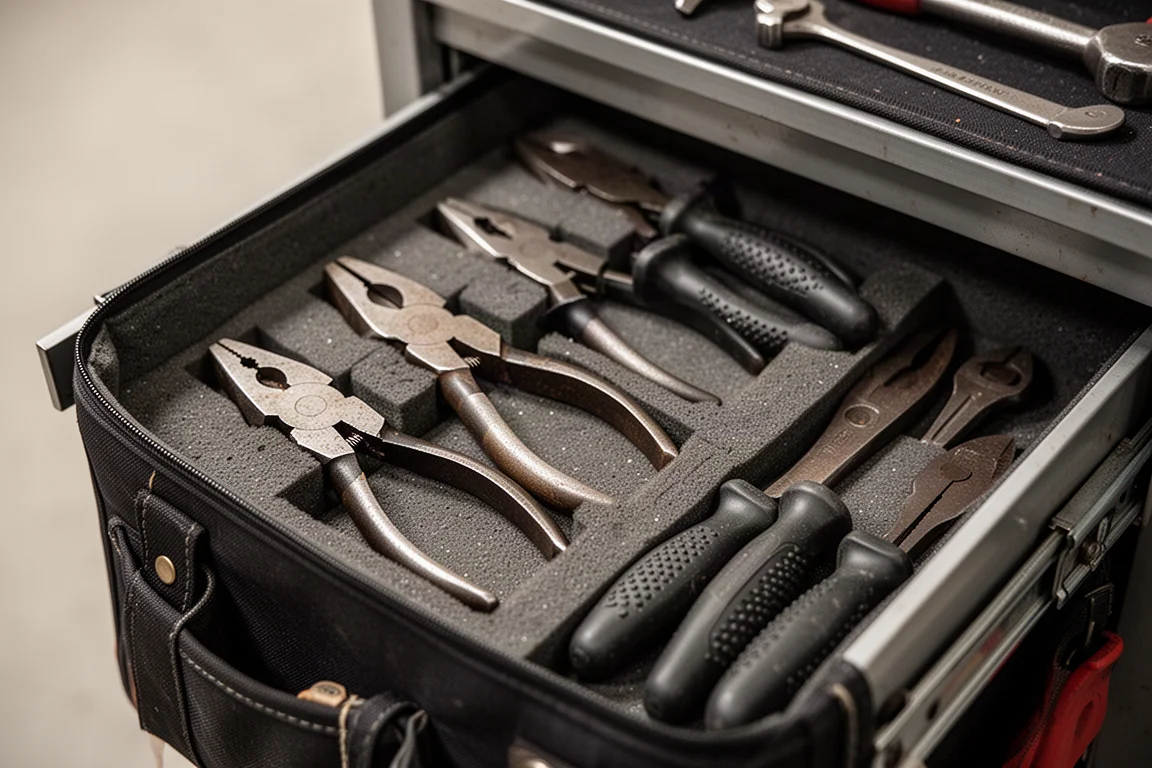
The practical takeaway is that owning both is not redundant. The Talon Grip covers conventional gripping and cutting duty, while the duckbill earns its spot for precision wire work and anything where the slimmer frame feels more controlled.
What About Starting With the Duckbill?
A fair question: could you just skip the conventional style and start with a needle nose like the 61CF instead? Since the jaw capability overlaps heavily and the length difference is minimal, the duckbill can absolutely serve as a first precision plier. The trade-off is that the Talon Grip’s integrated cutter and conventional profile make it a more obvious general-purpose pick. If your work leans toward electrical and fine wire tasks, starting with the duckbill is a reasonable path; if you want one tool that does a bit of everything, the 196CF remains the safer default.
Buying Advice
Both pliers earn a place in a well-rounded kit, and neither requires the other to justify itself. The decision comes down to how the handle design fits your hand and which tasks dominate your work. If you already own one and find yourself reaching for it as a favorite without quite knowing why, that grip comfort is a legitimate reason to keep it as your primary and add the other as a complement.
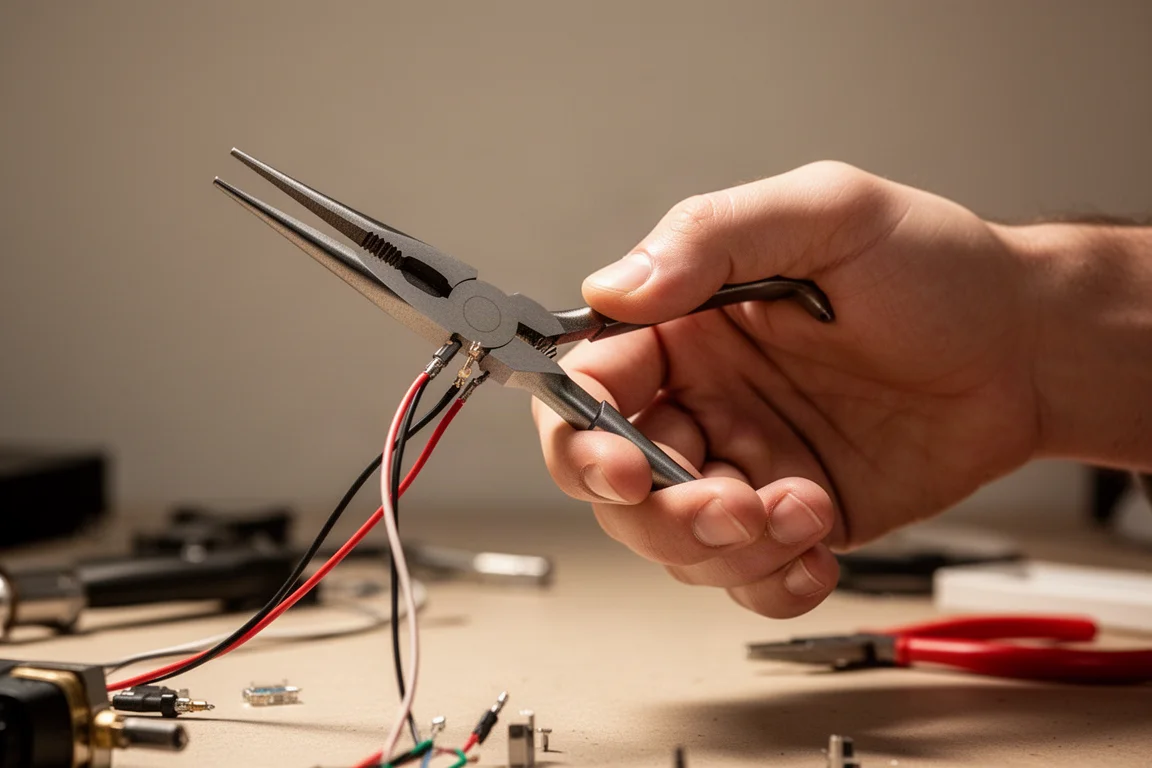
Consider what sits in your tool bag today. If fine wire positioning comes up weekly, the 61CF duckbill will likely become the one you grab. If you cut and grip a wider mix of materials, the 196CF Talon Grip earns its conventional design the old-fashioned way: it simply works.
Conclusion
The Snap-on 196CF Talon Grip and 61CF duckbill prove that near-identical jaws can still deliver very different tools. The conventional design wins on versatility, the duckbill wins on feel, and many users will happily keep both in rotation.
Further reading
Related Reviews
Hand Tools
Best Diagonal Cutters 2026: 16 Pliers Tested for Cutting Power and Durability
We put 16 diagonal cutters through nail, screw, drill bit, and hex key tests to find the best value picks for your toolbox.
Hand Tools
Best Hex L Key Sets 2026: Nine Sets Tested for Real-World Torque
Nine hex L key sets from budget to premium, tested for torque, fit, and durability. See which sets deliver real performance and which ones to skip.
Hand Tools
Best Locking Pliers 2026: Top Picks Tested for Grip and Durability
We tested 18 brands of 10-inch locking pliers for grip strength, jaw bite, build quality, and ease of release to find the best options for tough jobs.