Hand Tools
Snap-on RKRF1100 Retrofit Kit: Fixing the 100-Tooth F100 Ratchet
Snap-on's dual-pawl 100-tooth retrofit kit addresses early back-drag and free-spinning issues on the F100 ratchet. Here is what the kit contains and how the rebuild feels afterward.
Introduction
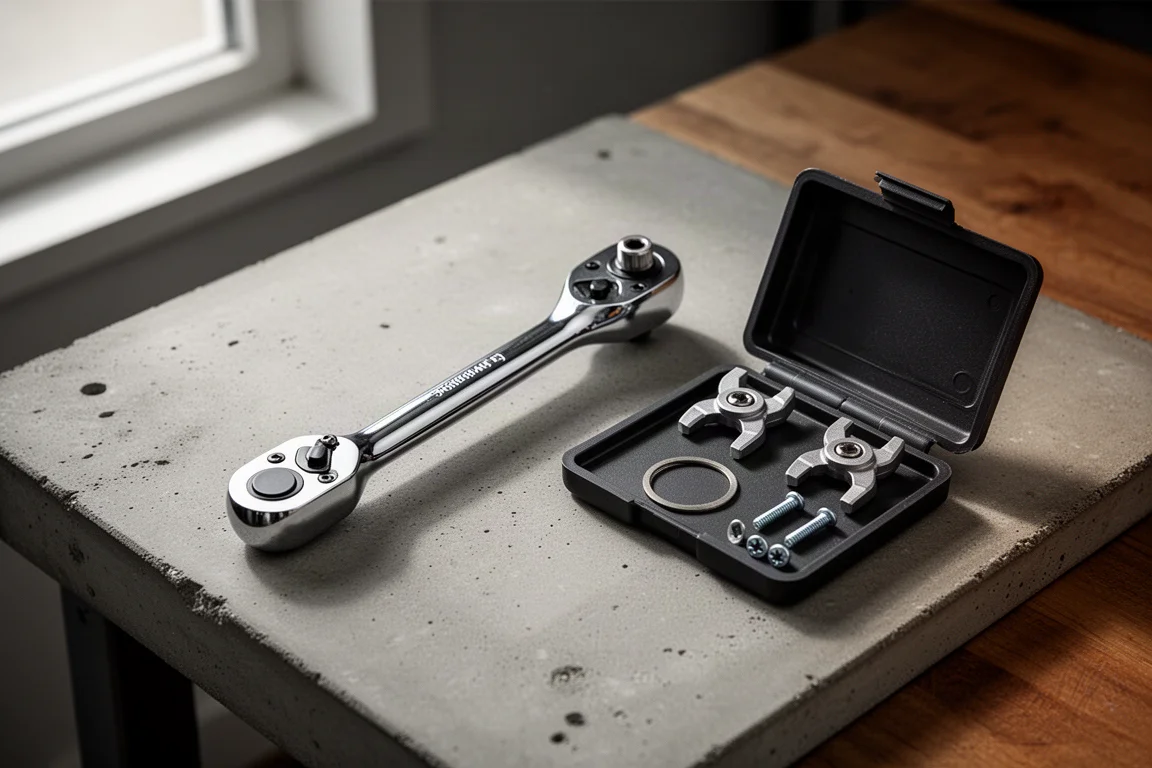
Snap-on’s dual-80 ratchets have a long-standing reputation, and the 100-tooth F100 generation pushed that formula further with a finer arc and a locking flex head. Early units, however, drew plenty of criticism: floppy heads, switches that failed, mechanisms that could spin freely, and, most notably, an enormous amount of back drag straight out of the factory.
The RKRF1100 is Snap-on’s answer. It is a 3/8 drive dual-pawl retrofit kit that converts an early F100 head to the revised internal design, and it is handled as a warranty item. After rebuilding an essentially unused early ratchet with one, the difference in feel is easy to confirm.
Why the Retrofit Kit Exists
Early F100 ratchets shipped with an old script logo and, for the first shipments, a set of internal quirks that owners quickly noticed. Heads flopped, switches stopped working properly, and in some cases pushing on the head could cause the ratchet mechanism to spin freely. The most persistent complaint was back drag: the mechanism felt silky smooth but dragged heavily, and the head was not especially firm.
Snap-on has since revised the design. On later locking flex heads, the large lock lever was moved off the handle where it sat on the previous version, and the internals were reworked. The RKRF1100 kit brings an early ratchet in line with that newer standard, and Snap-on covers it under warranty if you report issues with a 100-tooth or F100-series ratchet.
What Comes in the Kit
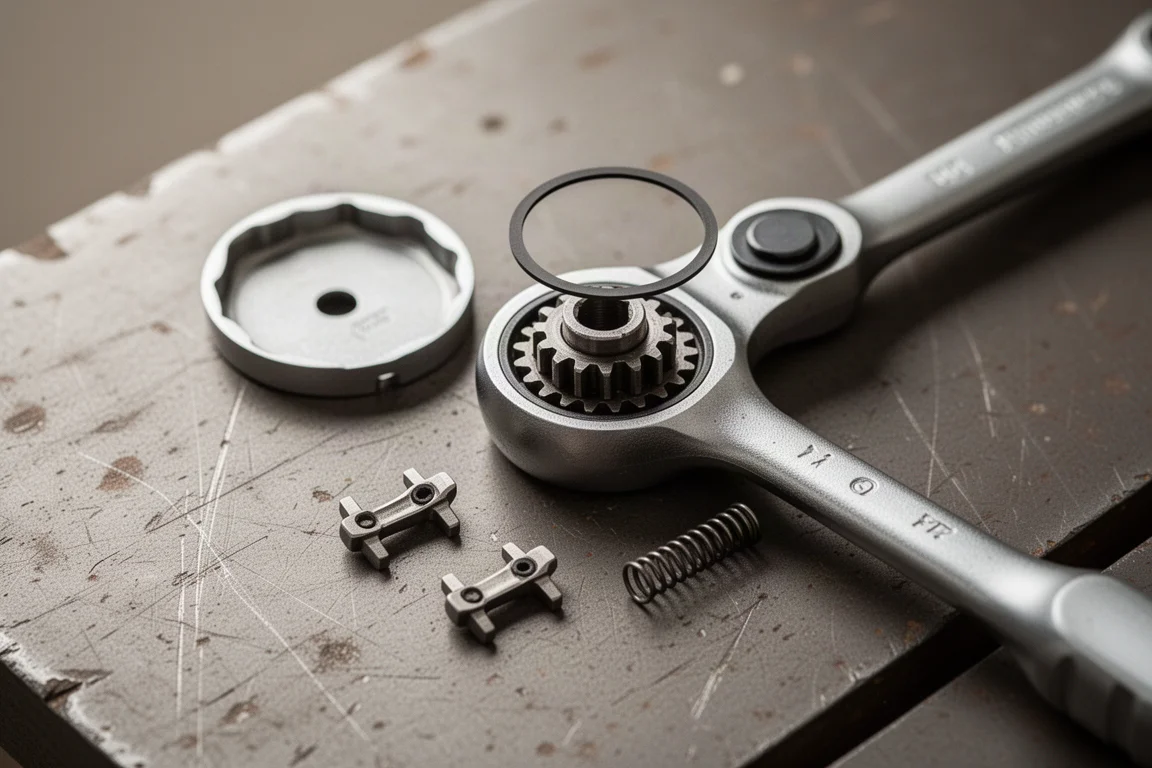
The RKRF1100 arrives with everything needed for a full head rebuild: a new dual-pawl set, a new switch, a new spring mechanism, a new gasket, two small Torx-style bolts, and a packet of Super Lube. A specialized compression tool is included, and you will genuinely need it. The locking spring has to be pulled down so the square on its end can drop into the square recess in the housing, and without the tool that alignment is stubborn at best.
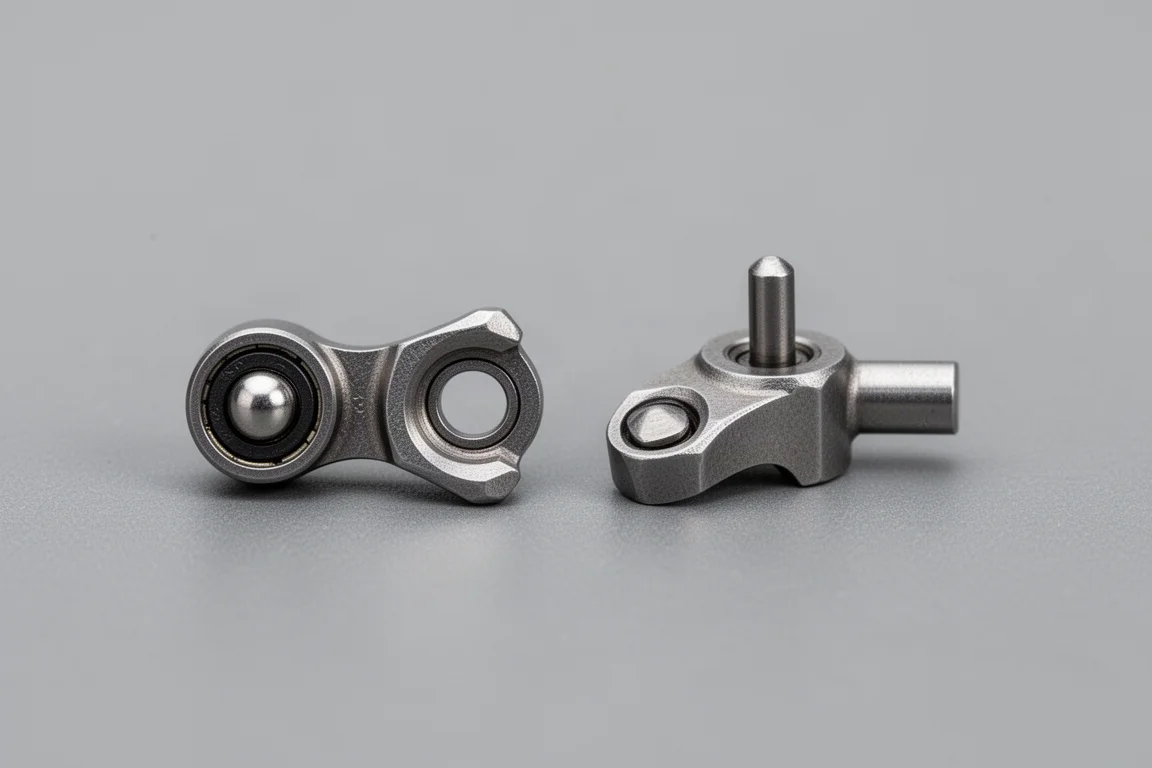
One detail worth noting: the pawls in the kit are symmetrical, one for each side, but they need to be lined up just right or they will not seat over the gear. The gasket material also looks slightly different from the original, with a shinier finish, though the profile is very similar.
The Rebuild Experience
The rebuild itself is fiddly but not difficult. The directional lever drops in first, the pawls follow, and the compression tool makes the spring installation manageable. The trickiest step is lining up the square on the spring so it drops into the recess; the first attempt can fire the spring out of the housing, so working over a clean bench helps.
A quirk to watch for: the new design has the screws going in from the back of the head, something Snap-on had not done for a while, having previously placed them on the inside. Anyone used to rebuilding older ratchets will instinctively put them in the wrong side, as was the case during this rebuild. The gasket is not directional, which removes one potential mistake. Snap-on recommends torquing the bolts to about 9 in-lbs with thread locker.
How It Feels Afterward
The improvement is immediately noticeable. Back drag is down considerably, and the head feels comparable to a long-owned older dual-80 ratchet. It may not be dramatically better than the best of the old-school units, but it is back in the ballpark, which is exactly what a warranty fix should deliver.
Counting clicks confirms the mechanism: a 90-degree turn produces roughly 25 clicks, which works out to the claimed 100 teeth across the dual-pawl system. The shift lever operates smoothly, and parking it in the middle no longer causes the free-spinning behavior that some early units exhibited. Pushing on the head also no longer releases the mechanism; the way the parts fit together appears to have been redesigned to prevent that entirely.
Buying Advice
If you own an early F100-series ratchet, from the F100 through the FHL F100 variants, and it suffers from heavy back drag, a loose head, or a failing switch, the RKRF1100 is the fix. Snap-on treats it as a warranty item, so complaining about a defective 100-tooth ratchet should get you the kit without extra cost.
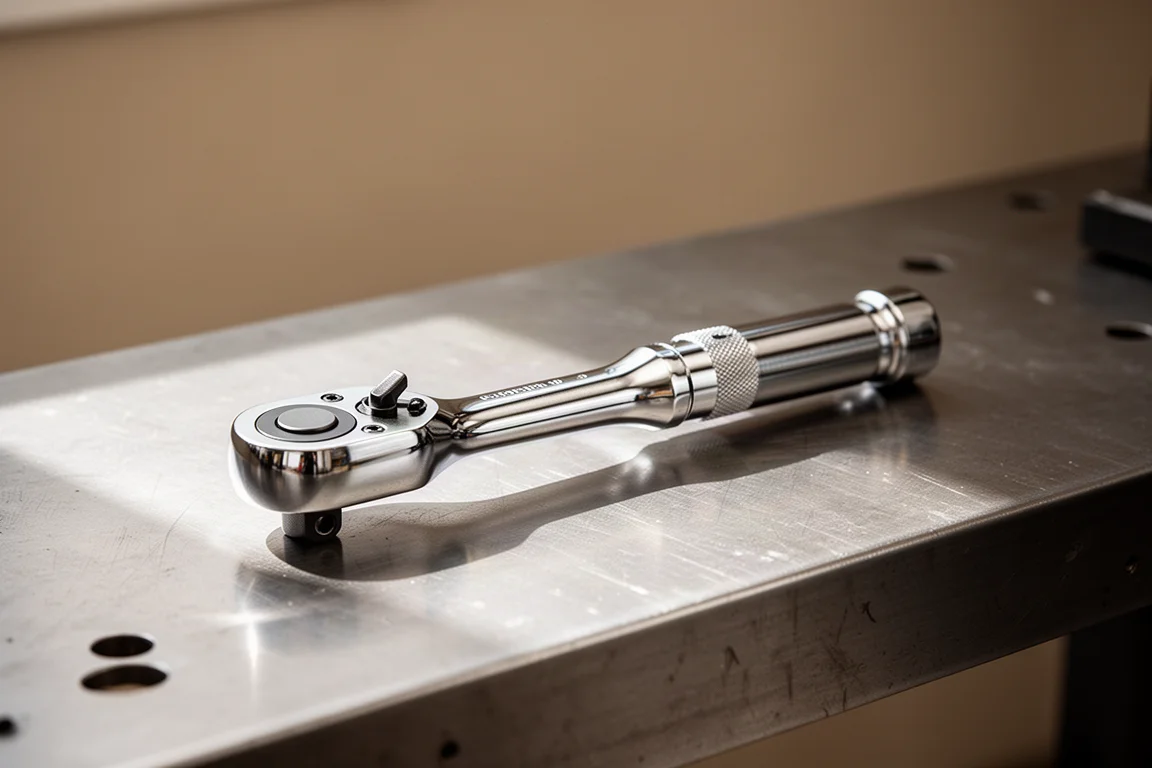
If you are buying a new F100 today, later production should already include the revised internals, so the kit is mostly relevant to owners of the first shipments with the old script logo.
Conclusion
The RKRF1100 does what a warranty retrofit should: it takes a ratchet with real design flaws and brings it back to the standard Snap-on ratchets are known for. Back drag drops, the head firms up, and the free-spinning quirk disappears. For early F100 owners, requesting the kit is an easy decision.
Product link
View more details for Snap-on RKRF1100
This product is mentioned in the review. Check the specifications, options, and compatibility before buying.
View more details for Snap-on RKRF1100Further reading
Related Reviews
Hand Tools
Best Diagonal Cutters 2026: 16 Pliers Tested for Cutting Power and Durability
We put 16 diagonal cutters through nail, screw, drill bit, and hex key tests to find the best value picks for your toolbox.
Hand Tools
Best Hex L Key Sets 2026: Nine Sets Tested for Real-World Torque
Nine hex L key sets from budget to premium, tested for torque, fit, and durability. See which sets deliver real performance and which ones to skip.
Hand Tools
Best Locking Pliers 2026: Top Picks Tested for Grip and Durability
We tested 18 brands of 10-inch locking pliers for grip strength, jaw bite, build quality, and ease of release to find the best options for tough jobs.