Hand Tools
Snap-on Ratcheting Stubby Screwdrivers: Hard Handle vs Soft Grip
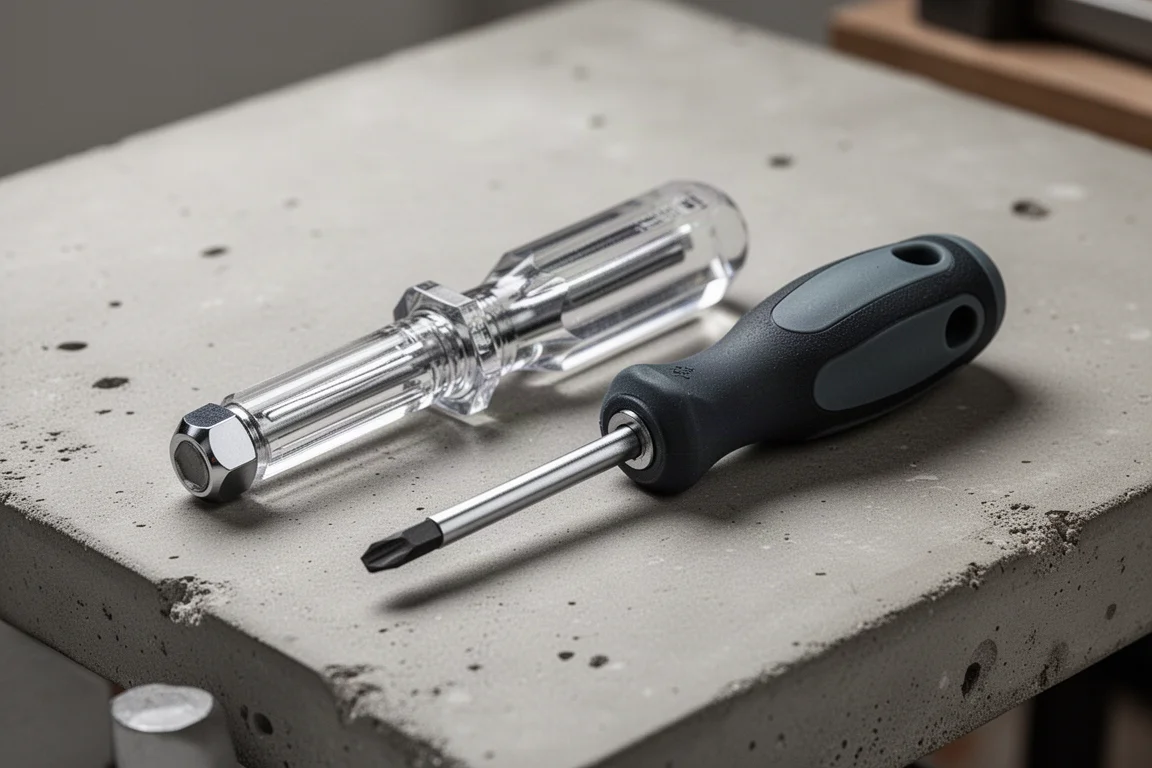
Two Snap-on ratcheting stubby screwdrivers, one classic hard handle and one Instinct soft grip, compared for comfort, durability, and everyday use.
Introduction
The choice between hard handles and soft grips is one of the more debated topics in the hand tool world, and screwdrivers sit right at the center of it. Snap-on’s ratcheting stubby screwdrivers make an interesting case study, because the company offers both a classic hard handle version and an Instinct soft grip version with similar ratcheting mechanisms but noticeably different designs.
Why the Handle Debate Matters
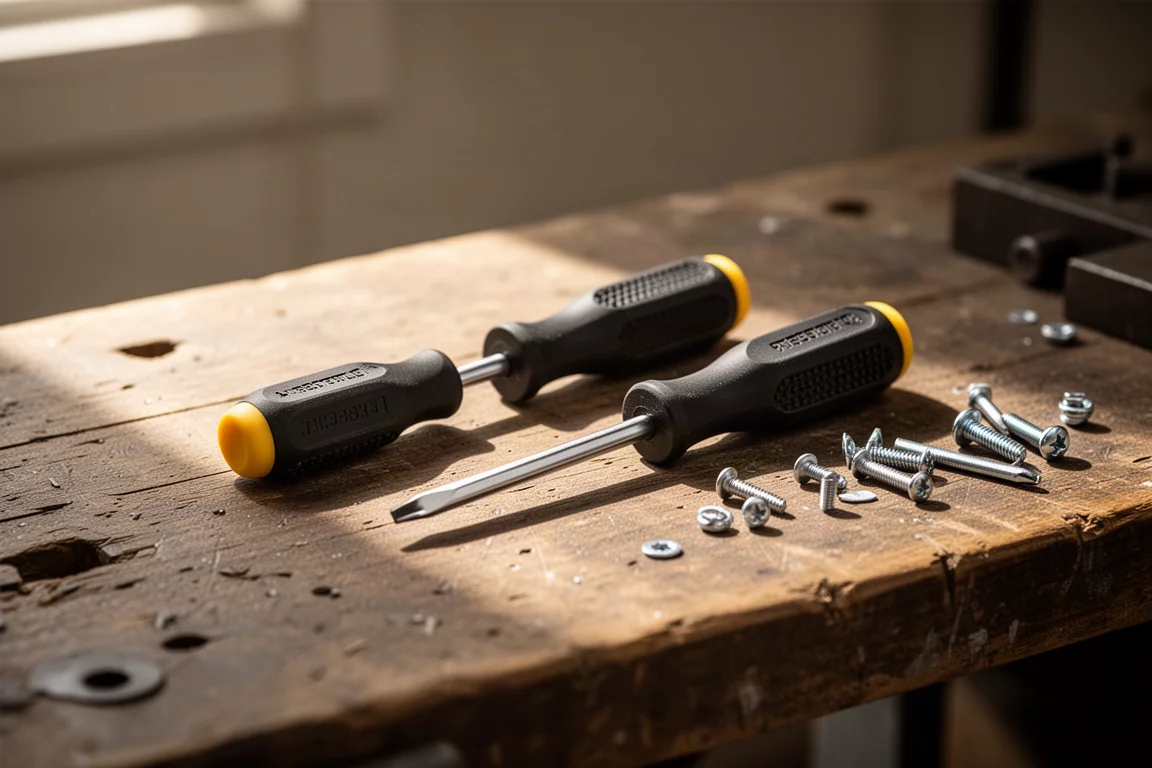
Whether you go hard or soft is more than a comfort decision. It can be an application decision, and sometimes a job-specific one. Soft grips tend to attract dirt, hold grease, and get gouged in ways you cannot simply sand down. Hard handles clean up easily and shrug off abuse, but they can be less forgiving in the hand.
There is also the way each feels in different conditions. Soft grip handles are generally more comfortable, easier to operate with just a couple of fingers, and in cold weather they do not conduct heat away from your hand as much. For very fine work, a softer handle often makes sense, while larger, high-torque work may favor a harder handle.
Comfort and Grip: The Soft Grip Advantage
The Instinct soft grip handle is the more comfortable of the two for extended use, and for high-torque screwdriving in particular it is described as fabulous. The handle shape differs from the classic design, and that contour change matters: if you push hard on the hard handle’s end, the smaller surface area and shape can make it get a bit hot in your palm.
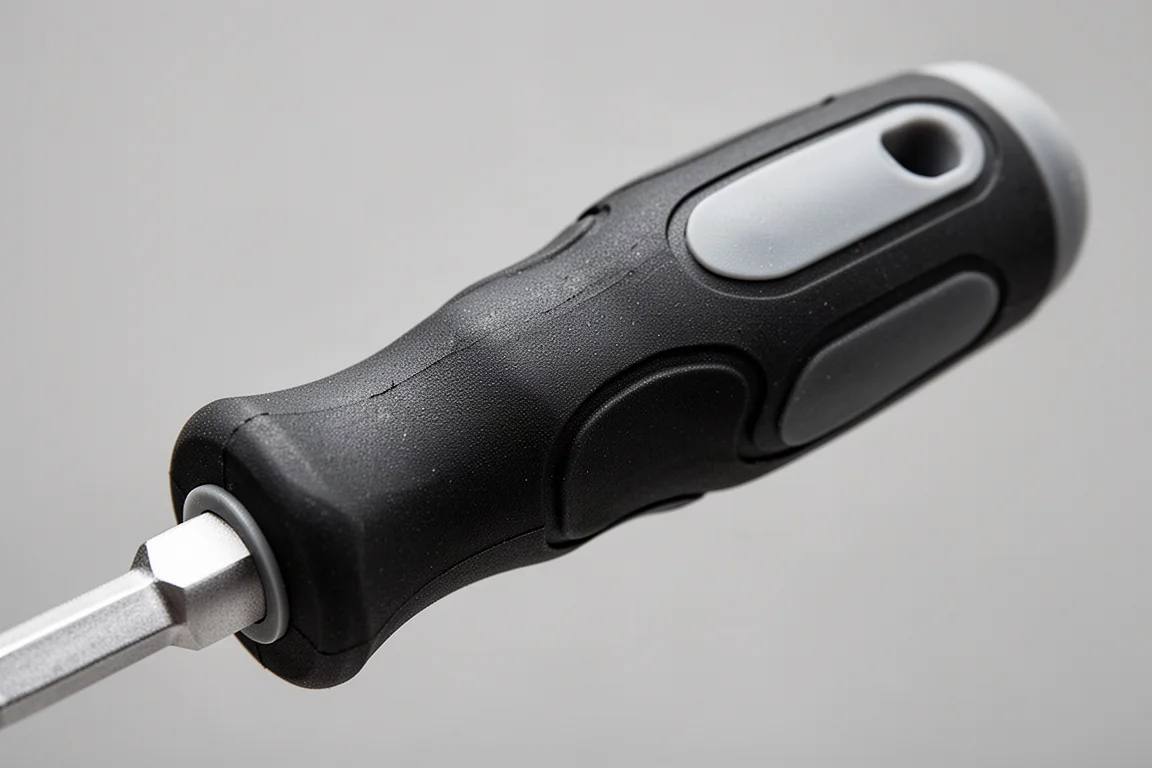
The Instinct handle is also part of Snap-on’s interchangeable screwdriver system. Different shafts, including a quarter square driver and a non-conductive hex driver, can be inserted into the handle for whatever the job calls for. That modularity is a genuine advantage if you like building around a single handle. The rear of the handle uses a slight twist-lock closure with a small spinner included, and the top can accept a longer shaft if you can manage to center it.
Durability and Cleaning: The Hard Handle Case
The classic hard handle is essentially plastic all the way around in a four-sided design, though hard handles have historically come in wood and metal as well. These handles are much easier to clean, feel durable, and you never worry about gouging them the way you might a rubberized grip.
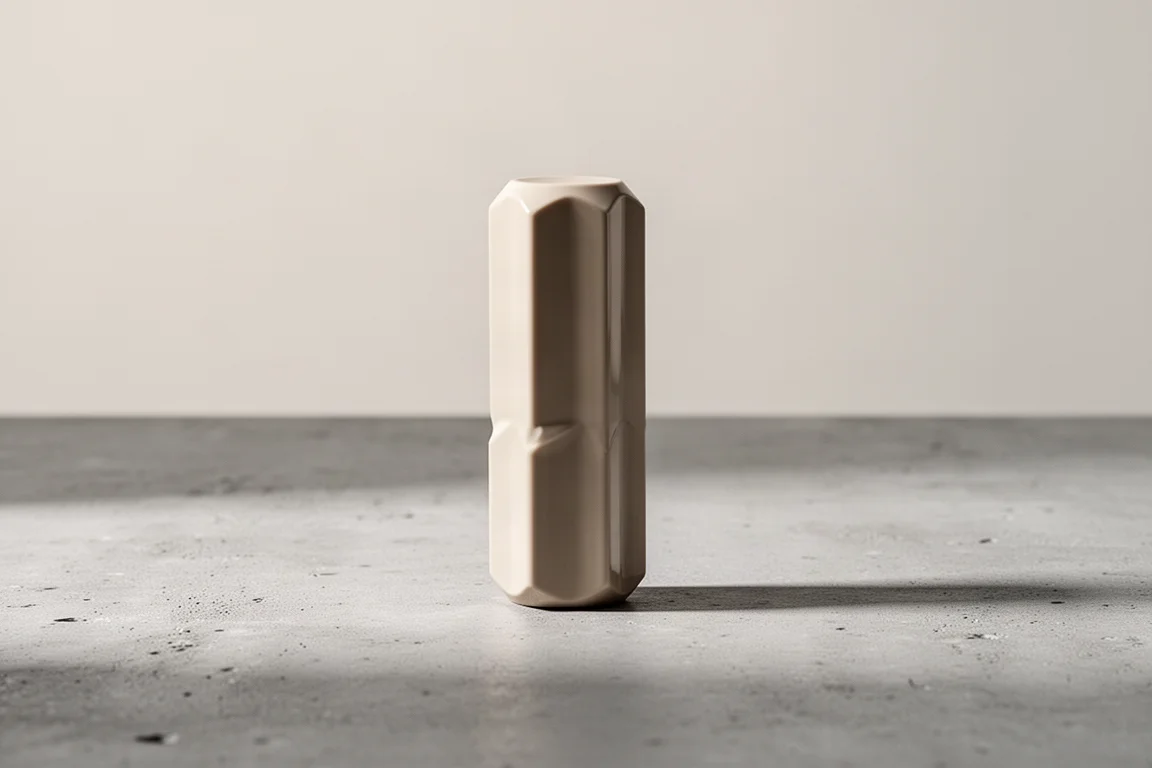
There is one caveat worth knowing: with some older hard handle examples, the plastic compound seems to have changed slightly over the years, and hanging on to them has occasionally been an issue. Still, the classic style is instantly recognizable in the industry, keeps its value well, and for many people who grew up around Snap-on tools, those classic lines simply draw you in. Its storage cap uses a screwing system with a gasket closure. It is really good at what it does, even if it is not very innovative, and it takes a little longer to open. The rear of the handle is empty, though the top may accommodate a longer shaft if centered carefully.
Which One Should You Buy?
The price difference between the two is not huge, with the soft grip version costing a bit more. Both are not cheap, so either purchase is a dedication. If you do a lot of pressure or high-torque screwdriving, the Instinct soft grip handle is the standout pick, with the flexibility of the interchangeable shaft system on top. If you value easy cleaning, durability, classic looks, and strong resale value, the hard handle is the safer classic.
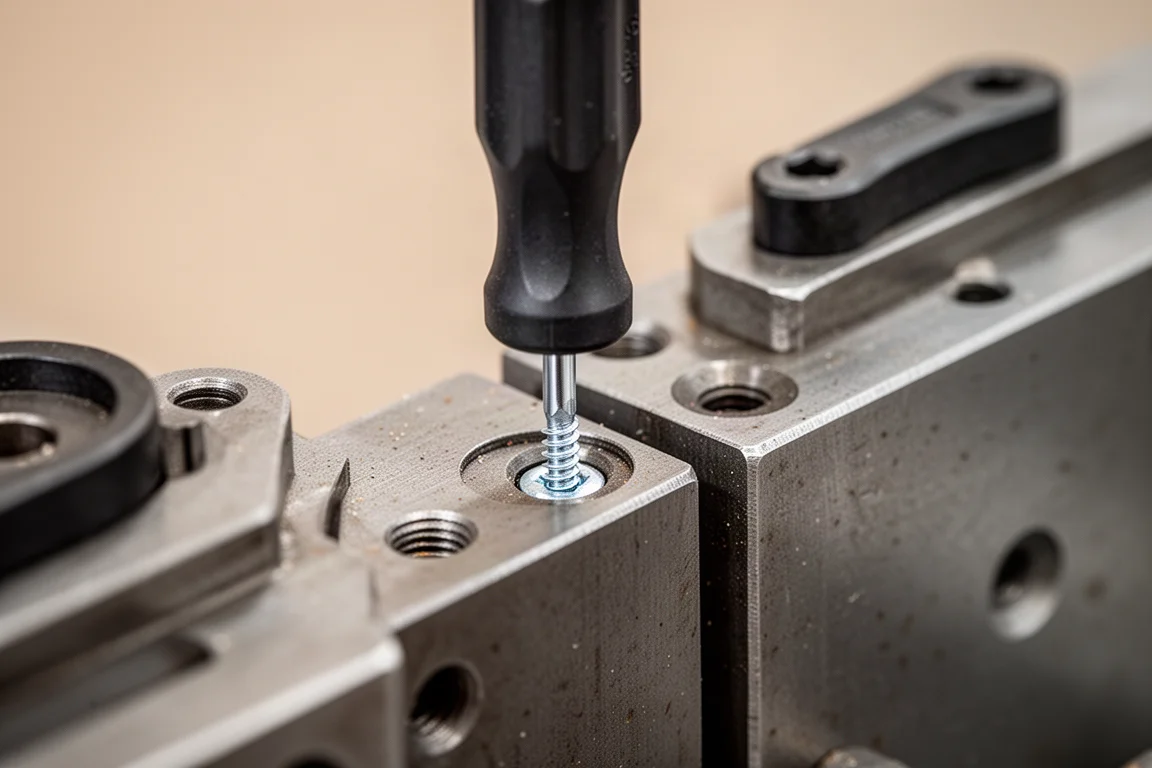
One small quirk applies to both: the ratcheting direction. A ratcheting direction change can catch you out if the mechanism hangs up on something mid-turn and flips the setting unintentionally. Being able to flick the direction switch in the direction you are turning is the preference for most users, and it is worth testing in person before committing.
Conclusion
Both of these Snap-on ratcheting stubby screwdrivers are well made, and the right choice comes down to how you work. Choose the Instinct soft grip for comfort, high-torque driving, and shaft interchangeability. Choose the classic hard handle for durability, easy cleanup, and timeless design. If you can only pick one, let the type of work you do most often make the decision for you.
Product link
View more details for Snap-on Ratcheting Stubby Screwdriver (Hard Handle)
This product is mentioned in the review. Check the specifications, options, and compatibility before buying.
View more details for Snap-on Ratcheting Stubby Screwdriver (Hard Handle)Further reading
Related Reviews
Hand Tools
Best Diagonal Cutters 2026: 16 Pliers Tested for Cutting Power and Durability
We put 16 diagonal cutters through nail, screw, drill bit, and hex key tests to find the best value picks for your toolbox.
Hand Tools
Best Hex L Key Sets 2026: Nine Sets Tested for Real-World Torque
Nine hex L key sets from budget to premium, tested for torque, fit, and durability. See which sets deliver real performance and which ones to skip.
Hand Tools
Best Locking Pliers 2026: Top Picks Tested for Grip and Durability
We tested 18 brands of 10-inch locking pliers for grip strength, jaw bite, build quality, and ease of release to find the best options for tough jobs.