Hand Tools
Snap-on Ratchets Reviewed: 12 Models From $122 to $240 and Which Ones Are Worth It
A full bench breakdown of the Snap-on ratchet lineup across 1/4, 3/8 and 1/2 inch drive, with honest verdicts on which models justify the premium and which have better alternatives.
Introduction
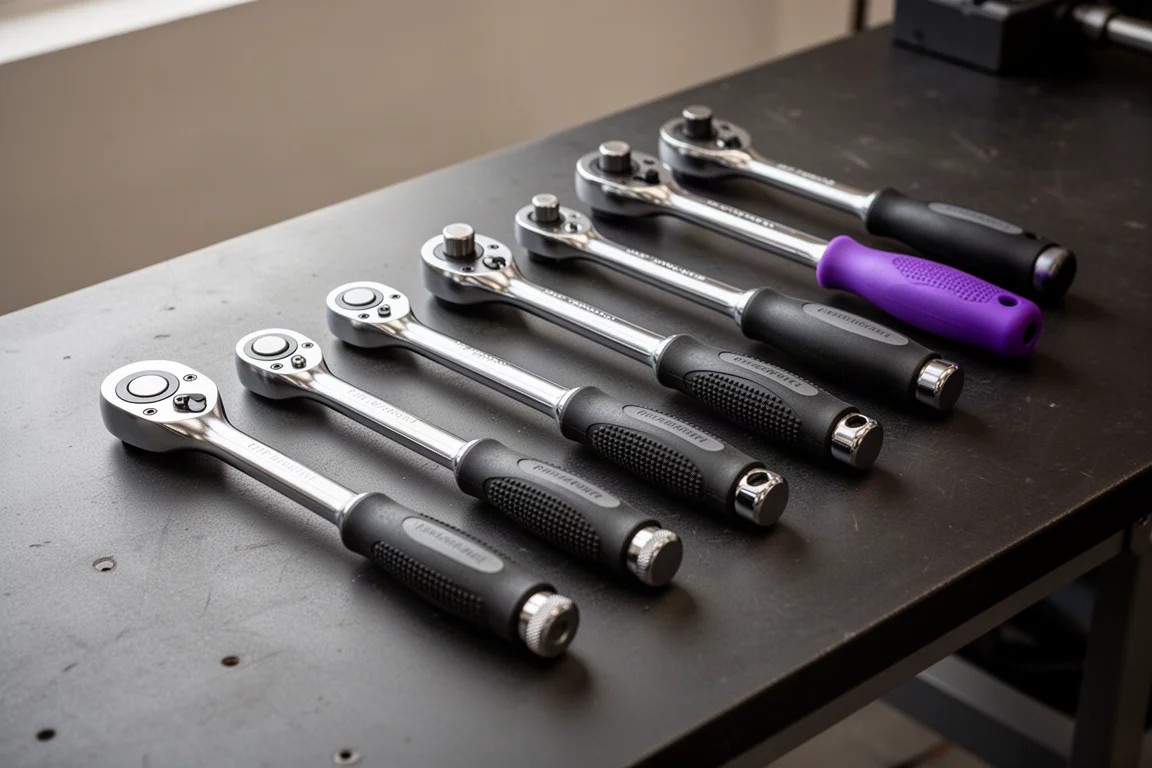
Thirteen Snap-on ratchets on the bench, ranging from about $120 to $240 each, adds up to well over $2,000 invested in a single tool category. These are all genuinely good tools. The real question is not whether they are good, but whether they are good enough to justify Snap-on money, and when a lower-priced alternative may be as good or even better. This walkthrough covers the full lineup in 1/4, 3/8 and 1/2 inch drive, explains what the model numbers actually mean, and gives an honest verdict on which ratchets are worth buying again at full price and which are easier to skip.
How Snap-on Ratchet Model Numbers Work
Snap-on model numbers look cryptic, but there is a simple cheat sheet. If the model starts with a T, it is a 1/4 inch ratchet. If it starts with an F, it is 3/8 inch. If it starts with an S, it is 1/2 inch. The number that follows is the tooth count: 72, 80 or 100. Then come the suffix codes. C means a compact head, F means a flex head, L means a long handle, and a double L means extra long. H indicates a comfort grip handle, D is the newer hard grip handle, MP means multi-position, and N denotes a roto head. An A at the end signals a newer revision of an existing model.
So the THLF72, for example, decodes as a 1/4 inch drive, 72-tooth, flex head, long-handle ratchet. Once you know the system, the whole lineup becomes readable at a glance.
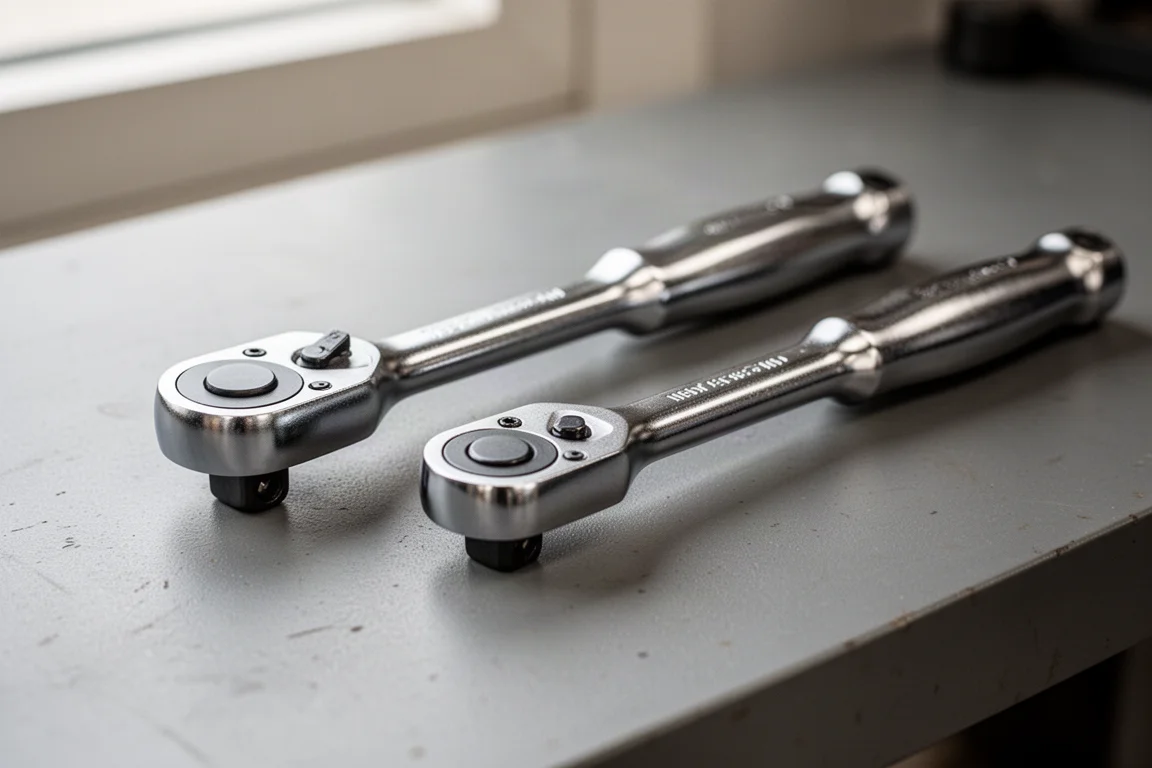
Quarter-Inch Ratchets: T72, THNF72, TH72MP and THLF72
Snap-on T72
The T72 is the basic dual 80 design in 1/4 inch drive. Despite the Dual 80 branding, Snap-on 1/4 inch ratchets are actually 72 tooth. At around $122, it is a simple metal-handled ratchet with nothing fancy about it, and it is the kind of tool that lasts for years of heavy use. Longer handles and comfort grip versions exist, but the small standard version is the classic. The catch is that this exact format is the easiest to substitute with a cheaper high-quality ratchet from another brand, which makes it hard to call essential at full price.
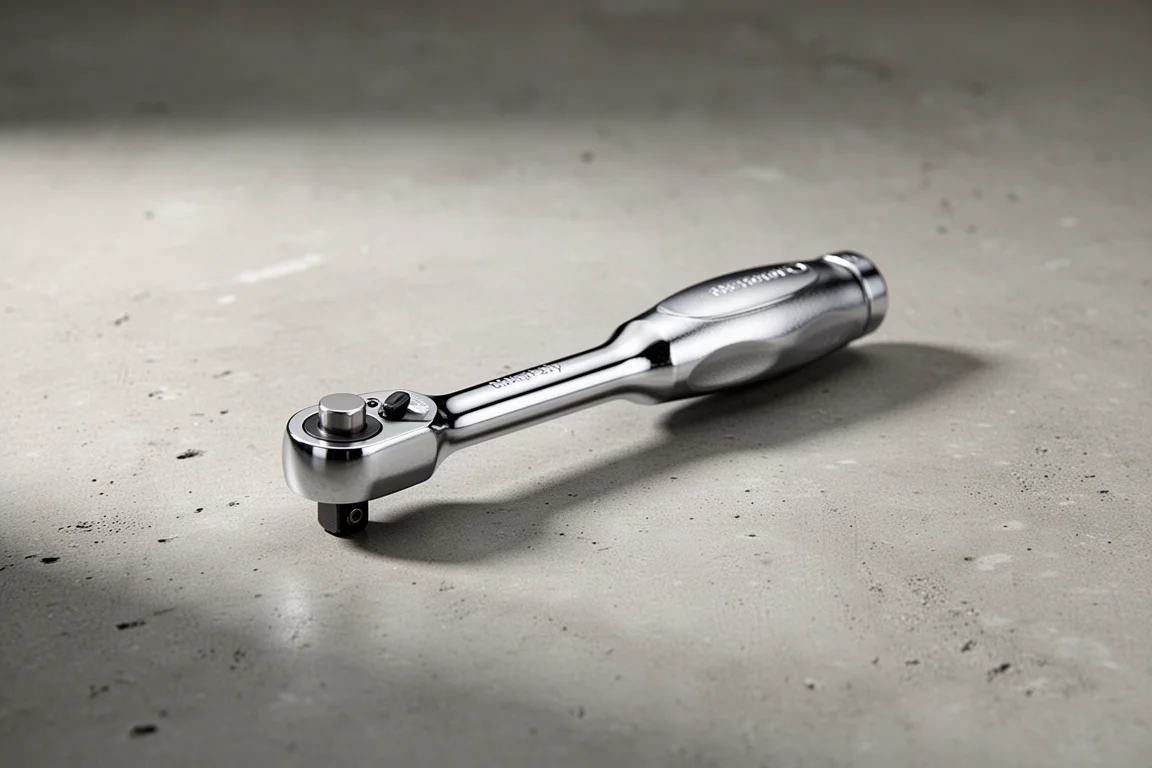
Snap-on THNF72 Roto-Head
The THNF72 roto-head lists at around $170. Like every conventional roto-head ratchet, it carries a fair amount of back-drag, but it is very nicely made with a compact head that is thinner than most roto heads. That head clearance is something few competitors duplicate. Budget options exist, including a Pittsburgh version at roughly $16 that is surprisingly usable, while KTC makes an excellent compact roto-head but only in 3/8 inch. The verdict: if you use a 1/4 inch roto-head every day and know you love the format, this one is arguably worth the Snap-on money. If you are unsure, start cheap and upgrade later.
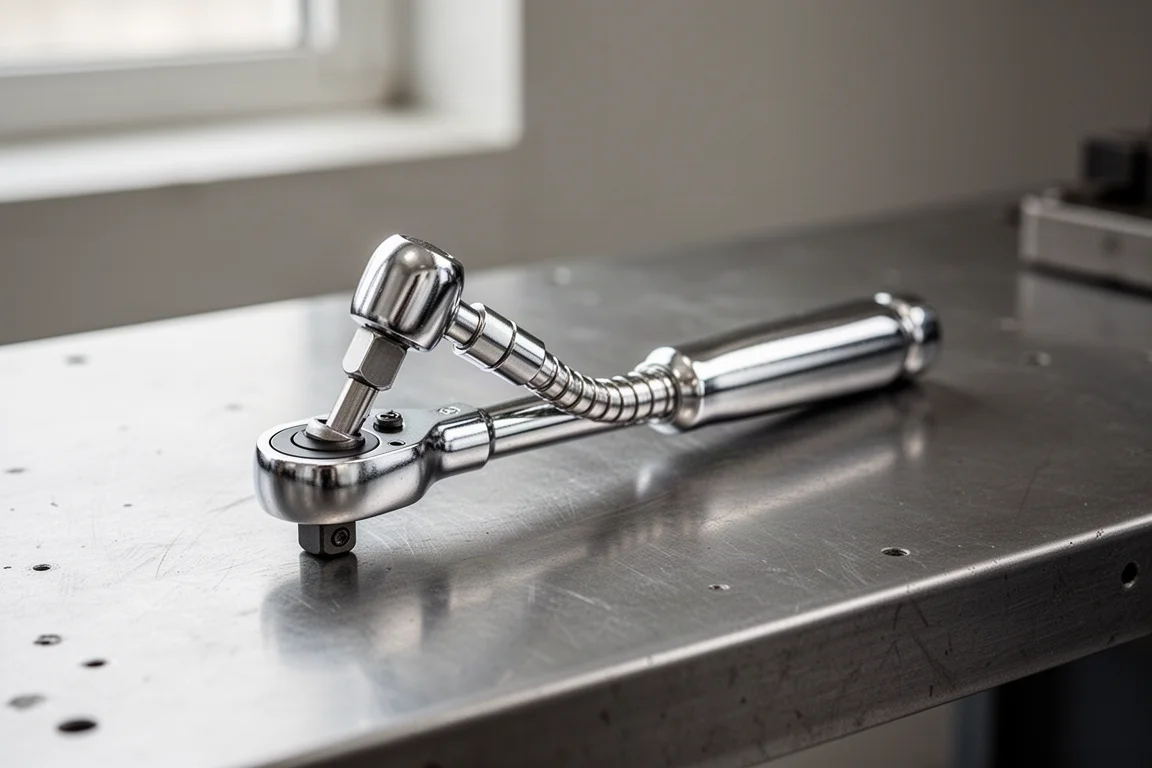
Snap-on TH72MP Multi-Position
The TH72MP uses the same head as the T72 but adds a multi-position interface. You can put it in free mode and use it as a push-pull or speed ratchet, or lock it at an angle and use it as an offset ratchet. There are very few alternatives for this style; Pittsburgh makes one at around $16 to $20 list, but its ratcheting mechanism is coarser with far more back-drag. At roughly $189, this is not a cheap tool, but it is a problem-solver: it turned a hose clamp buried in the back of a Porsche 911 engine bay from a 10 or 15 minute fight into a one-minute job. This is a ratchet worth the premium.
Snap-on THLF72 Long Flex Head
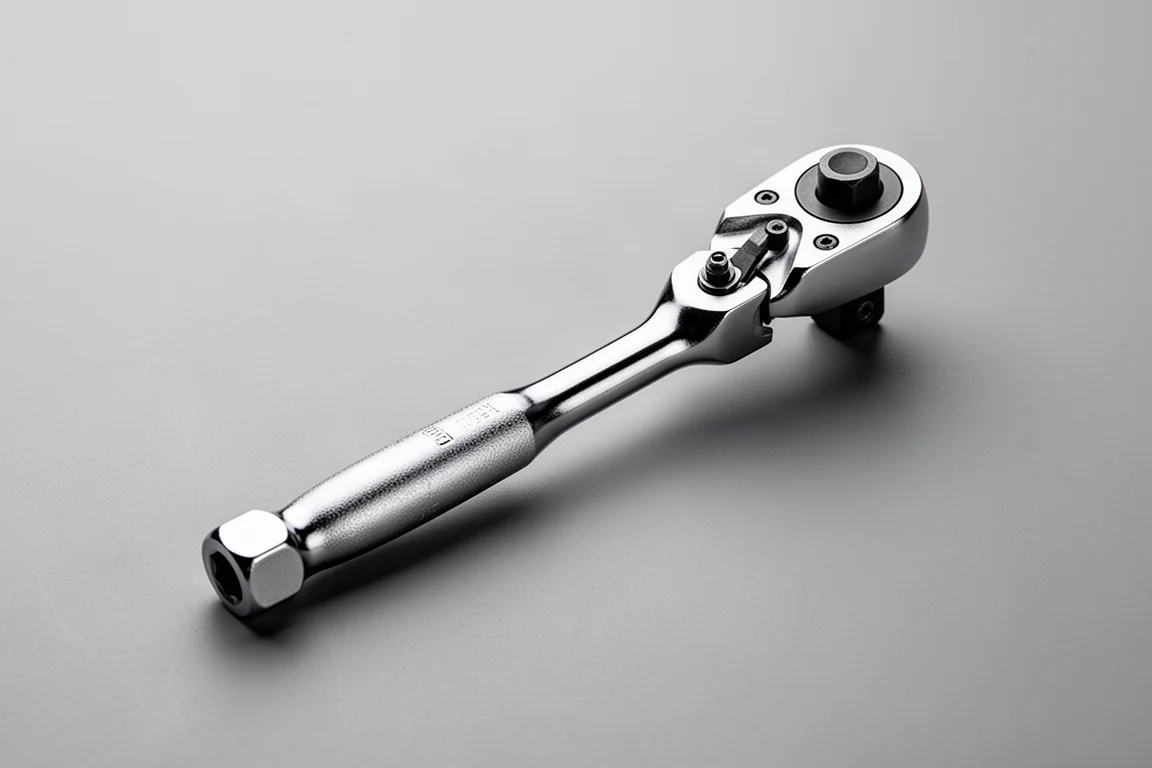
The THLF72 is a newer pickup at around $163. It is a long flex-head 1/4 inch ratchet that feels beautifully balanced in hand. The complication is Capri’s new C2 locking flex-head line, which offers a locking, indexed flex head with very light back-drag at roughly a third of the price. The Snap-on feels better balanced and less nose-heavy, but at this price gap the Capri is a serious alternative. If you use this exact length constantly and do not need the lock, the Snap-on can still make sense.
3/8-Inch Ratchets: FC72, F80, FN100, FHF80A and FLF80A
Snap-on FC72
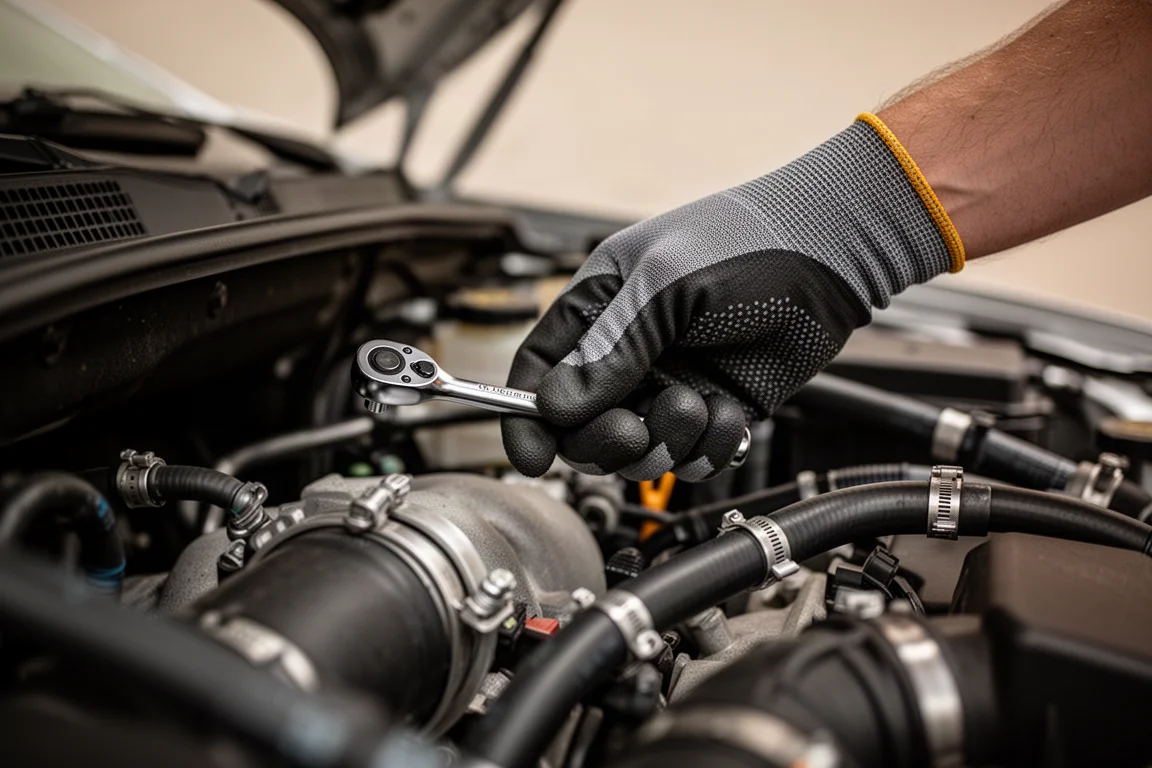
The FC72 is essentially a T72 with a 3/8 inch anvil, still 72 tooth, at $122. It is a great little ratchet, but this size sees serious competition. The Tone RH3CH costs about $32 with an even more compact head, and the Koken 2725Z-38 is a lovely, very low back-drag ratchet typically in the $75 to $95 range depending on source and sales. When a $32 or $95 alternative gets the job done this well, the $122 Snap-on is a skip.
Snap-on F80
The F80 is the plainest model name in the lineup: a basic 80-tooth, non-flex, standard-handle 3/8 inch ratchet at $150 list. It is nice, but it is also probably the most copied ratchet design in the industry, which means alternatives are everywhere. A $20 Astro Tools ratchet offers more back-drag and lower build quality, and the Koken equivalent runs about $50 to $80. Neither matches the Snap-on, but neither needs to at these prices. Koken is a buy here; the F80 is a skip.
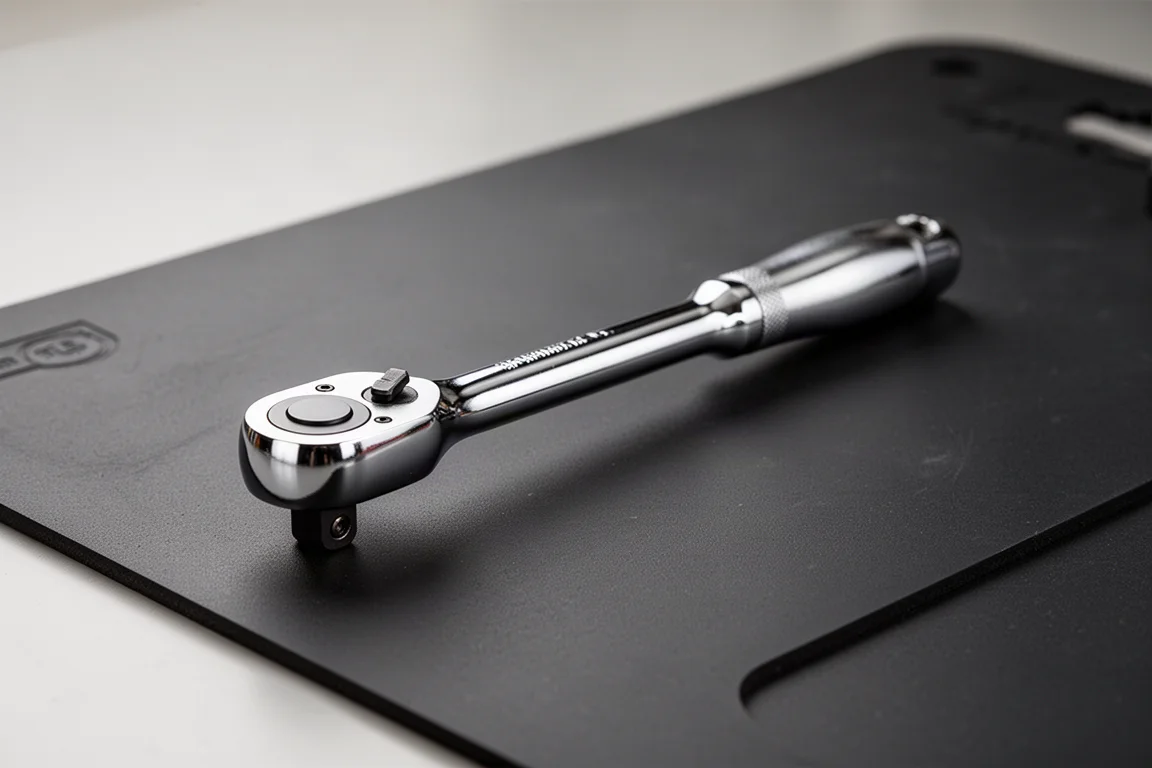
Snap-on FN100
The FN100 is the odd one out: a 100-tooth round-head 3/8 inch ratchet at $151 list, essentially the roto-head body without the roto head. This is the clearest skip on the bench. It has more back-drag than a $20 Astro, an enormous, thick, non-low-profile head, and a high price. Even for daily professional use, this is a take-it-off-the-table ratchet.
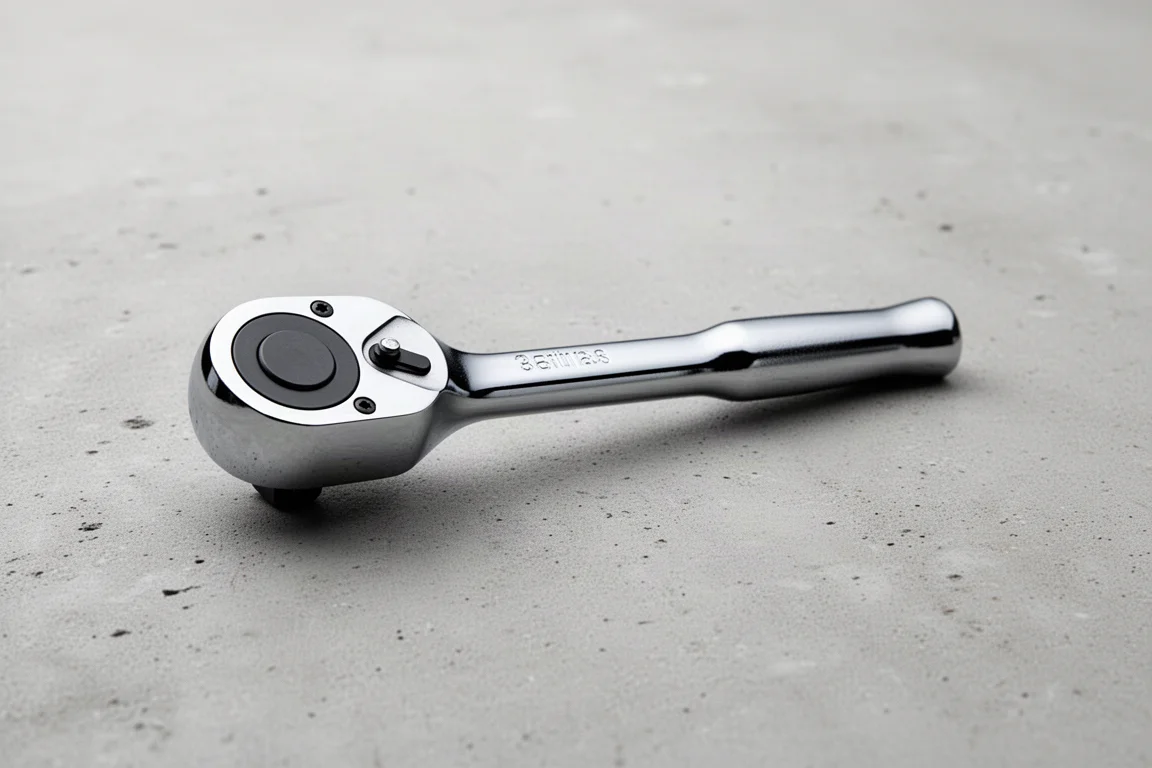
Snap-on FHF80A
The FHF80A is a flex-head 3/8 inch ratchet with a comfort grip at $180 list, and it is one of the most used everyday ratchets in this size. The problem is the Icon 3/8 inch ratchet at $55 list, which is incredibly similar. The internals are so close that repair kits swap between the two, and independent strength testing found the Icon 3/8 inch ratchets actually stronger before the anvil snaps. Since the anvil is the designed torque-limiter weak point on any ratchet, that difference matters less than it sounds. There is really no disadvantage to the Icon here, so this is a skip.
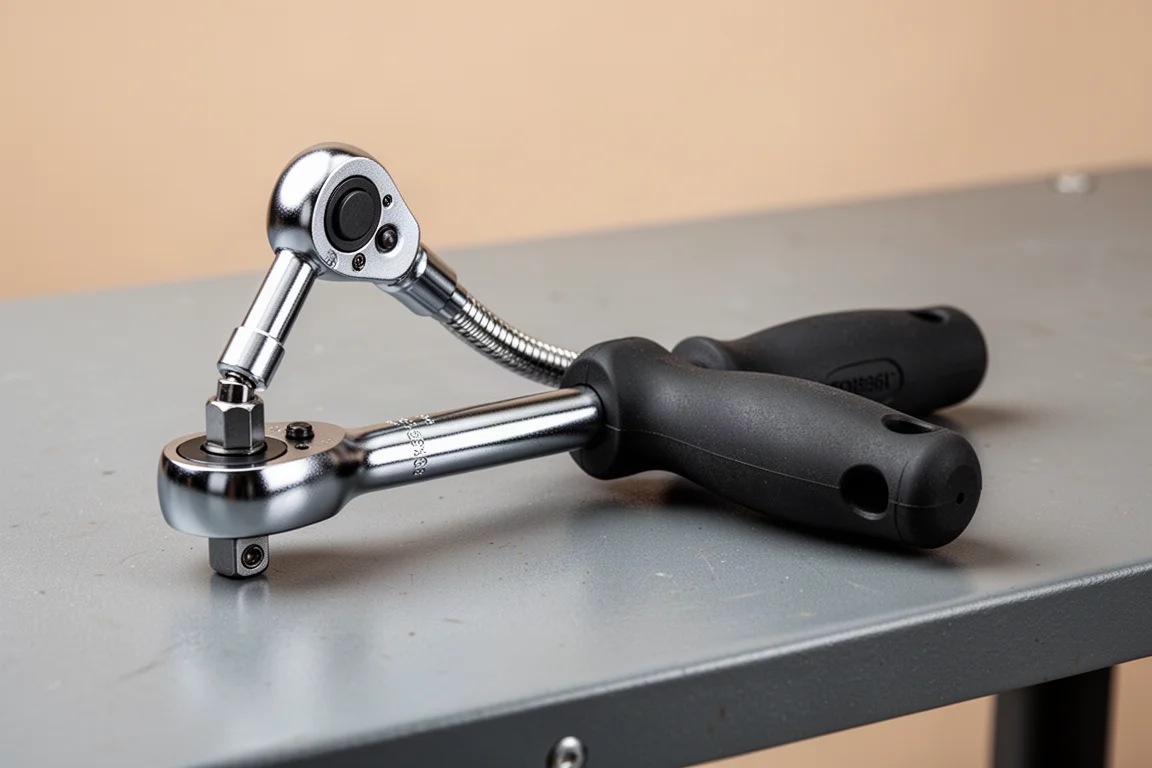
Snap-on FLF80A
The FLF80A is the same head and internals as the FHF80A but with a longer handle and chrome hard handle, at $180. These hold up well over years of abuse, and Snap-on sells rebuild kits and a lifetime warranty, with corporate replacement available if you would rather not rebuild. Still, the alternatives loom large: Koken around $120 to $150, the Tone RH3FH indexed flex-head at about $40 on Amazon, and the new Capri C2 locking flex heads at roughly $50. The Snap-on has the best balance in hand, but it is a little hard to justify at nearly four times the Capri price.
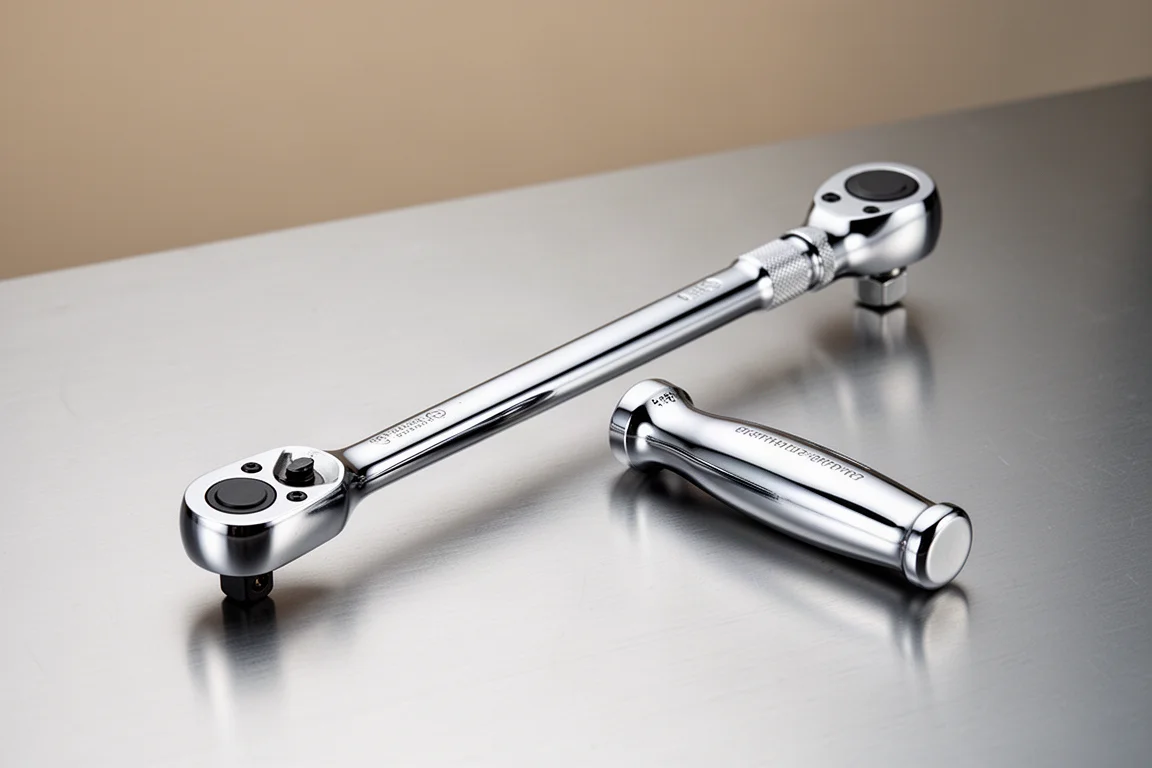
Snap-on FHLD80AM Special Edition
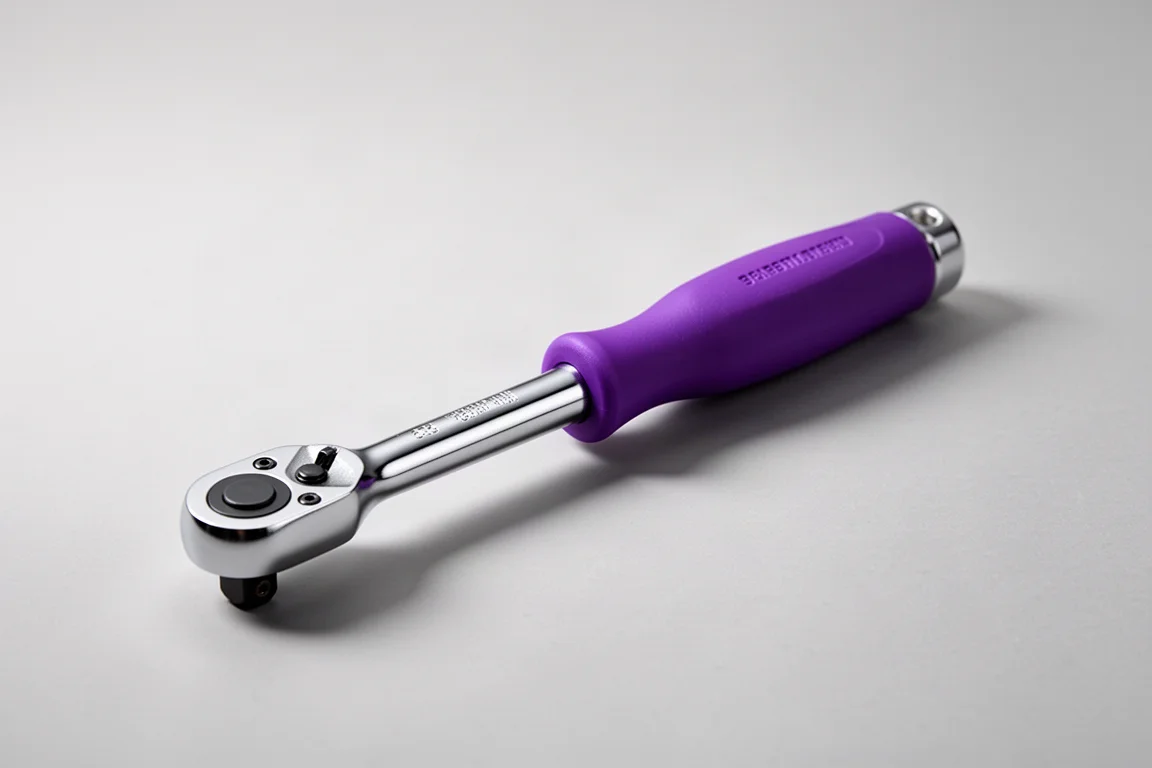
The FHLD80AM is a flex-head long ratchet with the newer hard grip handle, in a purple special edition finish that is no longer available on the Snap-on website. Hard handles clean up easily with brake cleaner, resist the chewed-up look that soft comfort grips develop over time, and are generally more durable. Special edition and collector series ratchets command big premiums secondhand, especially in popular colors. At list price these are enjoyable purchases if cool tools carry extra value for you; on the secondary market, the premium is harder to defend. These are buy-if-you-love-it ratchets rather than must-haves.
Half-Inch Ratchets: S80A and SL80A
The S80A at $218 and SL80A long version at $238 are the standard and long 1/2 inch ratchets. The S80A is the run-of-the-mill 1/2 inch ratchet, and there is a zillion alternatives. The Williams ratchet, made in the USA and likely in a similar factory, offers a coarser 24-tooth count that matters far less on 1/2 inch drive, has been seen as low as $25 and now sits around $65 on Amazon with a lifetime warranty. That makes $218 for the basic S80A hard to justify.
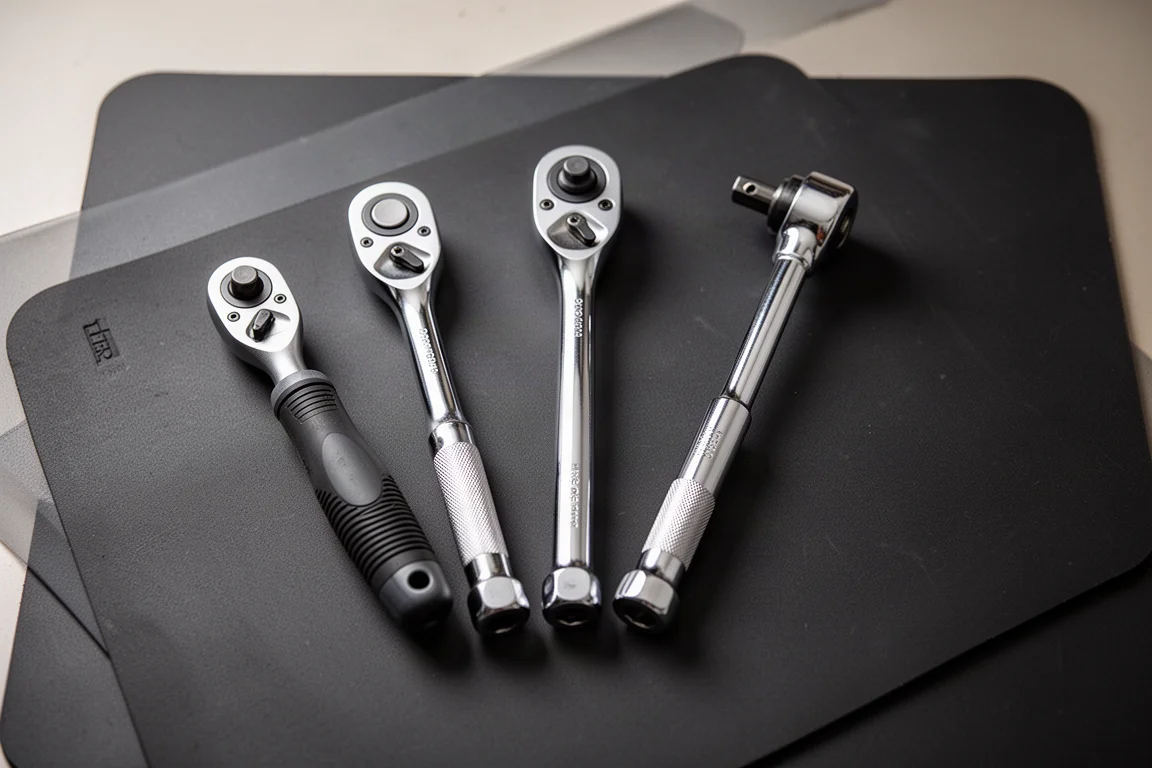
The SL80A is the more interesting pick. If you want a Snap-on 1/2 inch ratchet, this length is the one to choose: it sits between the two Icon lengths, which read as slightly too long and slightly too short respectively. Icon’s comfort-handle equivalent lists at $80 and drops to around $50 on sale, but the length fit of the SL80A is genuinely good. Of the basic models, this is the 1/2 inch ratchet most worth considering.
Which Ones Are Worth the Snap-on Money
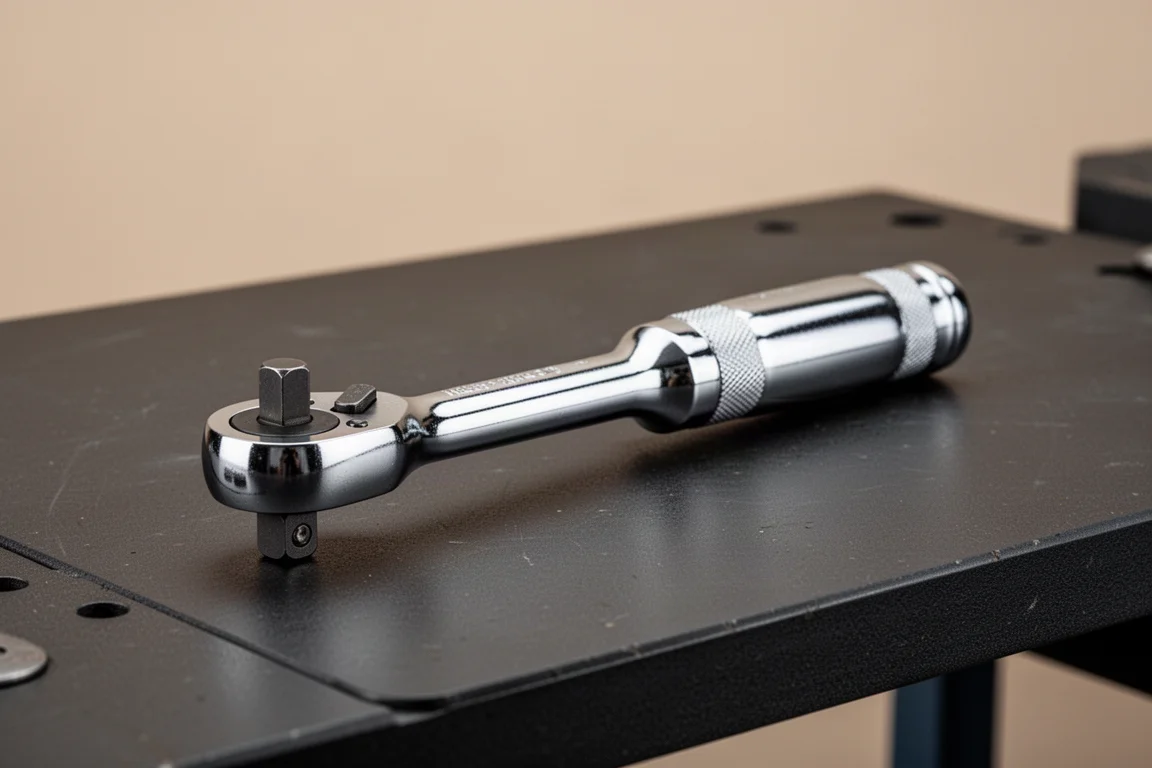
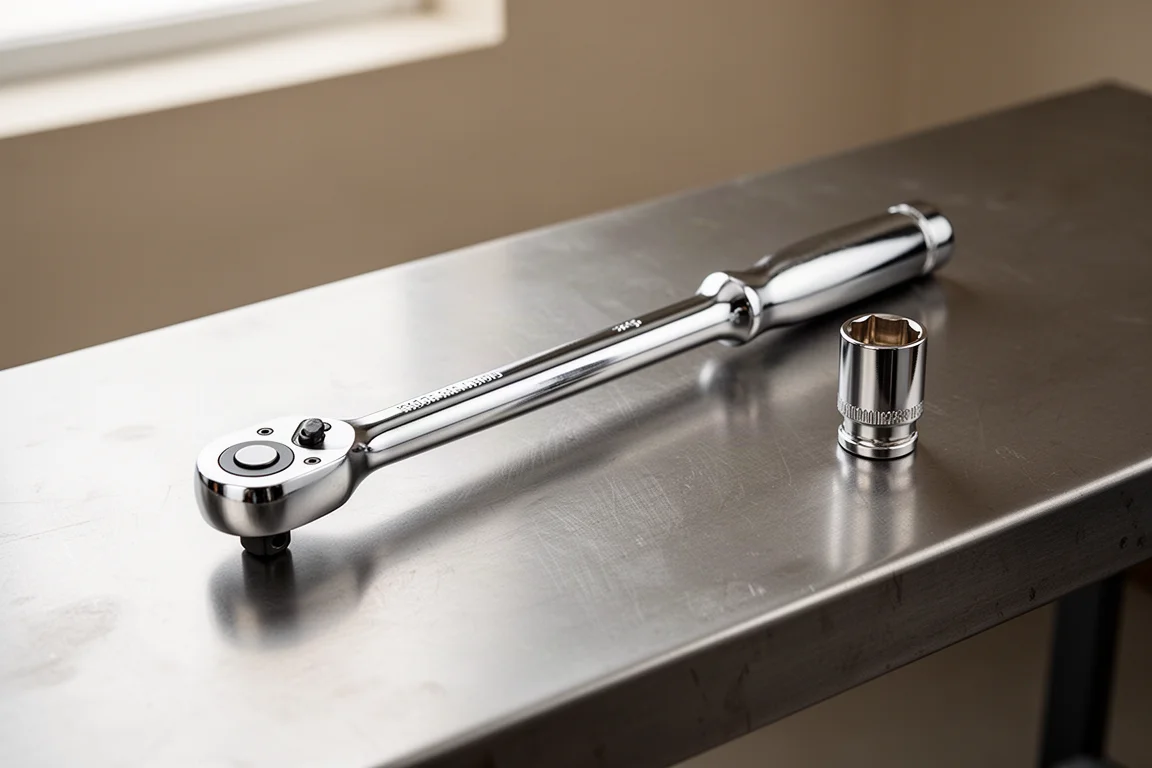
The deciding factors come down to two questions: can you afford it without taking on Snap-on truck debt, which is never recommended, and is it a tool you will use often? On that basis, the standouts are the TH72MP multi-position, which has almost no real competition, and the THNF72 roto-head, whose compact head is genuinely hard to find elsewhere. The THLF72 and SL80A are defensible if you use those exact formats daily. The basic standard-size ratchets in all three drives, plus the FN100, are the easiest to replace with excellent cheaper ratchets from Icon, Koken, Tone, Capri, Williams, Astro or Pittsburgh.
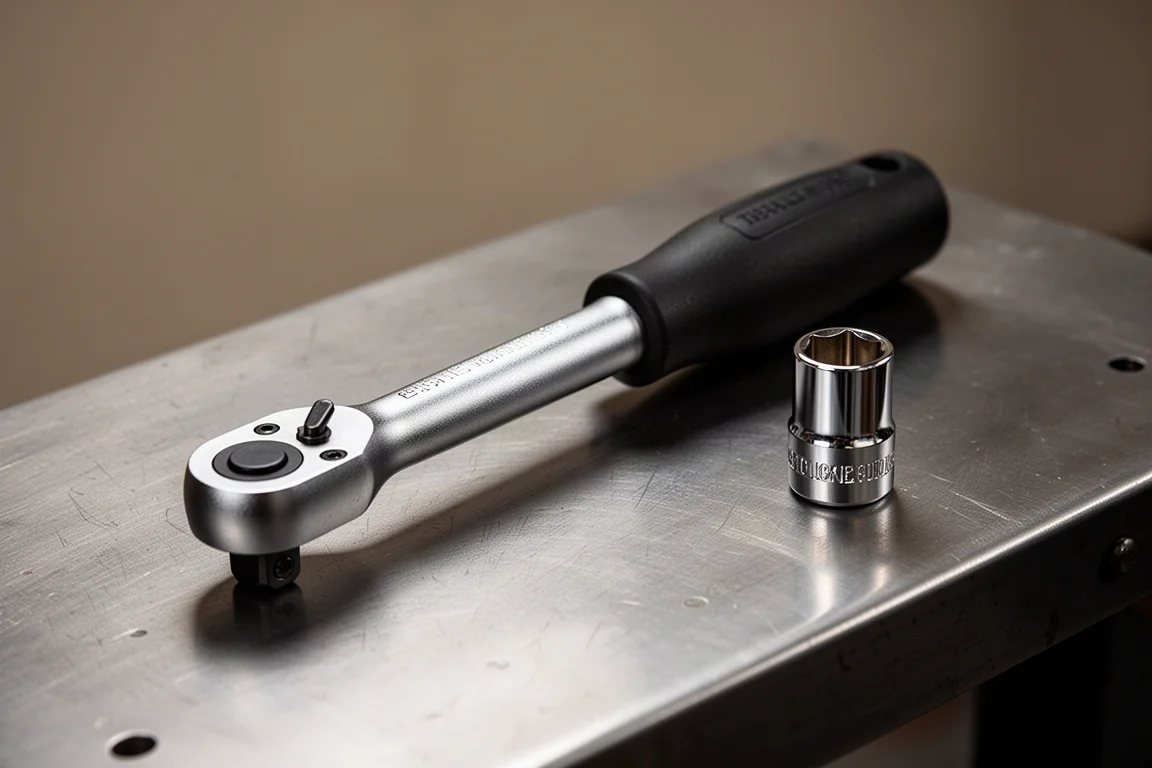
One more note for buyers: Snap-on backs all of these ratchets with a lifetime warranty and sells rebuild kits, and if you send a ratchet back to corporate you will typically get a brand new one. That support is part of what the premium buys, but it does not erase the price gap against tools that are nearly as good.
Conclusion
Snap-on ratchets are excellent, but they are not uniformly worth the money. The multi-position TH72MP and the compact THNF72 roto-head are the models with the least meaningful competition and the strongest case at full price. The THLF72 and SL80A earn their place for users who love those lengths. The rest of the lineup, especially the FN100 and the basic standard-size ratchets, faces alternatives that deliver most of the performance for a third of the price or less. Buy the specialties from Snap-on, buy the standards from whoever gives you the best value, and your toolbox will be better for it.
Further reading
Related Reviews
Hand Tools
Best Diagonal Cutters 2026: 16 Pliers Tested for Cutting Power and Durability
We put 16 diagonal cutters through nail, screw, drill bit, and hex key tests to find the best value picks for your toolbox.
Hand Tools
Best Hex L Key Sets 2026: Nine Sets Tested for Real-World Torque
Nine hex L key sets from budget to premium, tested for torque, fit, and durability. See which sets deliver real performance and which ones to skip.
Hand Tools
Best Locking Pliers 2026: Top Picks Tested for Grip and Durability
We tested 18 brands of 10-inch locking pliers for grip strength, jaw bite, build quality, and ease of release to find the best options for tough jobs.