Hand Tools
Snap-on MPBS1140A Pry Bar Review: A 40-Degree Bender With Everyday Utility
A compact 40-degree bending pry bar from Snap-on that fills a gap traditional 12-inch striking pry bars leave behind.
Introduction
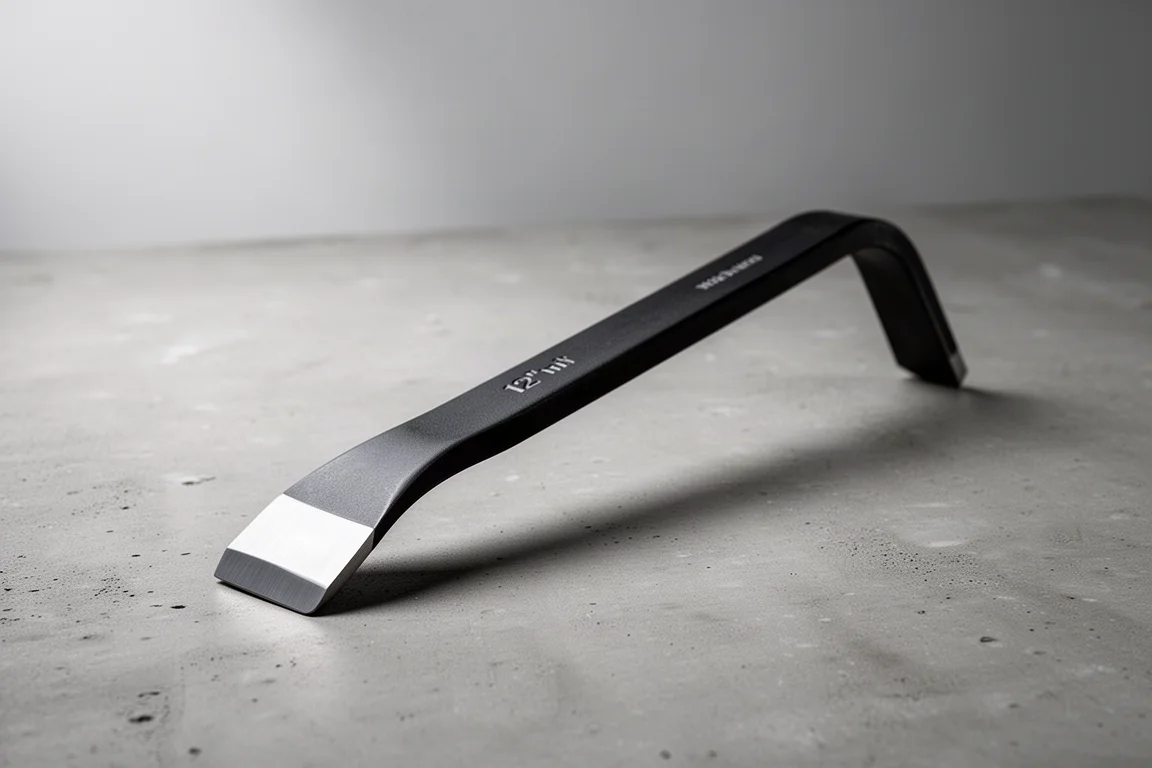
The Snap-on MPBS1140A is a purpose-built 40-degree bending pry bar, essentially a take on a traditional 12-inch striking pry bar with a bent tip and a less aggressive flare. It is sold in orange only, and it is designed for situations where a straight bar just does not give you the angle or the reach you need. At around 50 dollars, it costs roughly 10 dollars more than a comparable traditional pry bar, so the question is whether that bend earns its keep. After spending time with it, this feels like a tool that earns a permanent spot in an everyday tool chest.
What Makes the MPBS1140A Different
The core idea is simple: take a standard striking pry bar and add a 40-degree bend near the tip, with a pretty substantial flat band for leverage or striking. Compared with an old-school Snap-on B3404 brake adjusting wrench, which has concavity on both sides, the MPBS1140A has a cleaner, flatter tip, though the head appears to have been ground down from what was likely a sharper edge. The tip is not perfectly straight either, but for most working profiles that is a non-issue, and it is easy to reprofile the head on a grinder if you want a different working face.
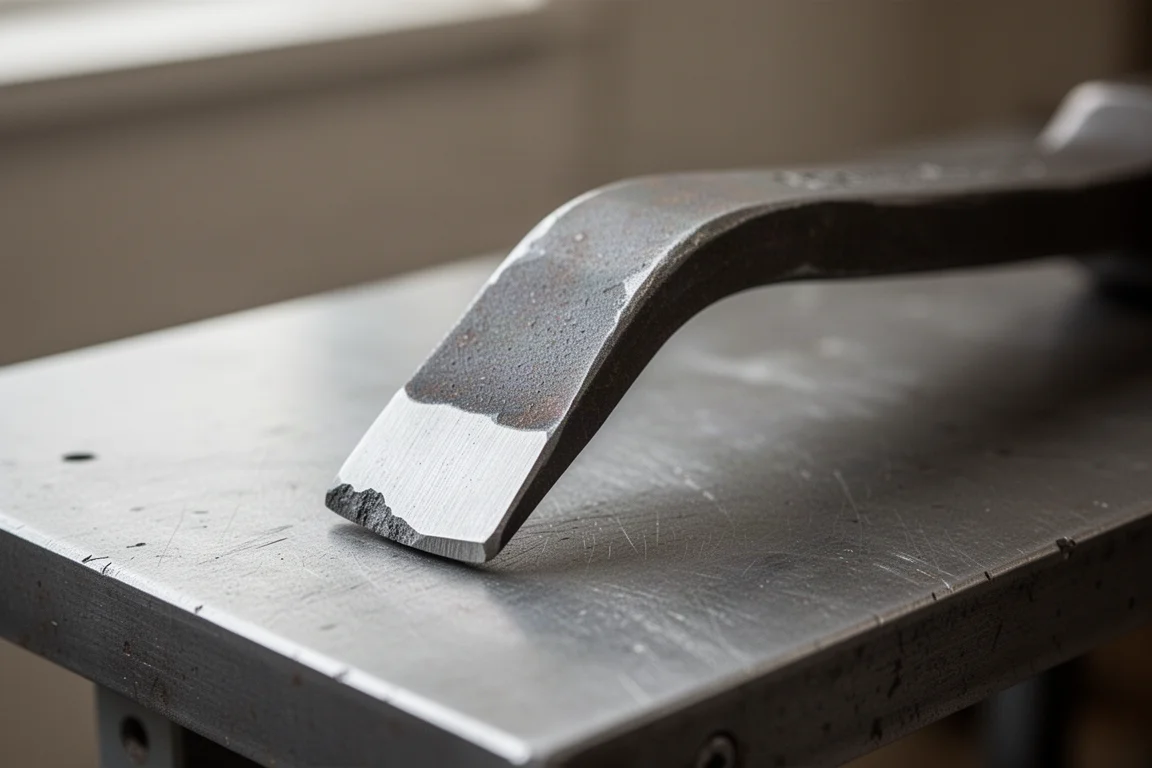
The shaft uses standard 3/8 inch steel stock, which is very strong, and it runs slightly narrower than some competing bars. That combination gives it a good feel in the hand without the bulk of a long striking bar.
Real-World Use Cases
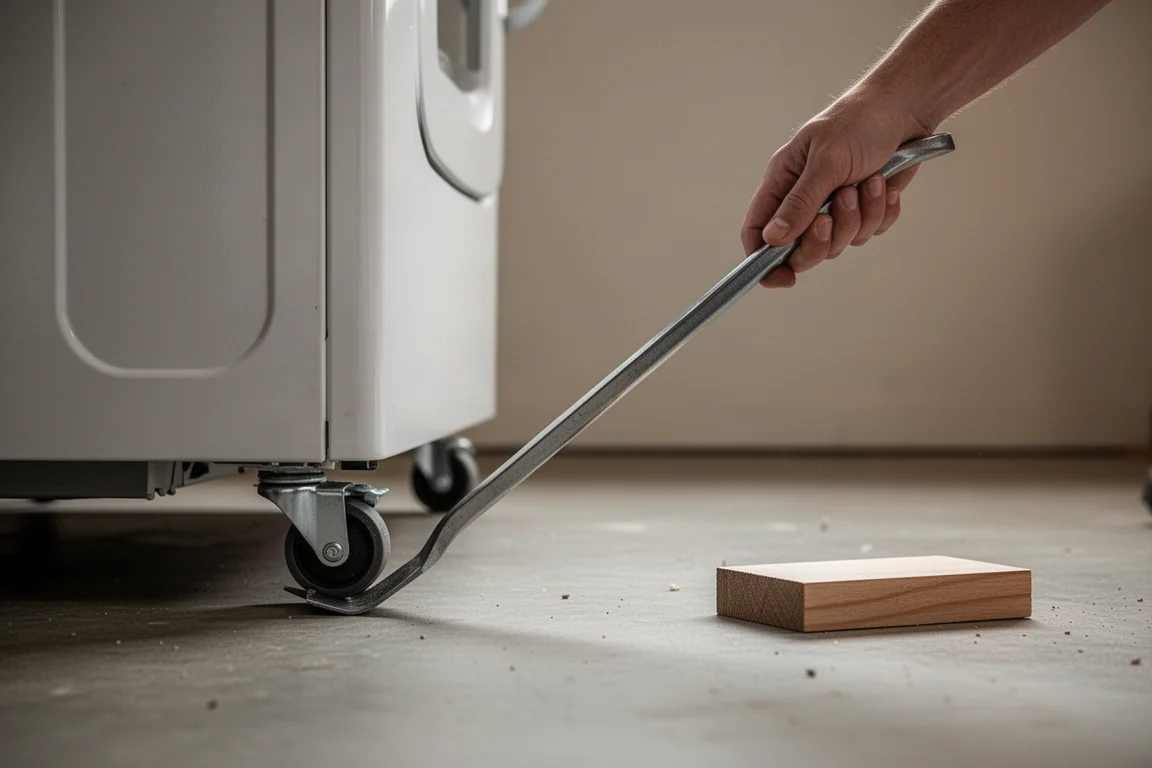
The reason this style of tool exists is reach. If you need to lift and level an appliance, or bend a piece of metal tucked up under something, a straight pry bar forces you to prop it up on blocks or stacks to get the working angle. With the MPBS1140A, the bend does that work for you, and it is far easier in tight environments.
There is also the question of adjustable pry bars. Many adjustable bars set to a similar working angle end up far too extreme, somewhere around 80 degrees, which can be either not enough or way too much depending on the task. The fixed 40-degree angle on this tool sits in a genuinely useful middle ground, which is why it is likely to become a heavy-use tool rather than a drawer queen.
The Bend Angle Reality Check
One honest caveat: when the bend was measured with a digital level, the working angle came out at roughly 37.7 to 38 degrees rather than a full 40. The gap appears to come from the design of the flat band, and it is a small but real shortfall if you specifically want the full 40 degrees of bend.
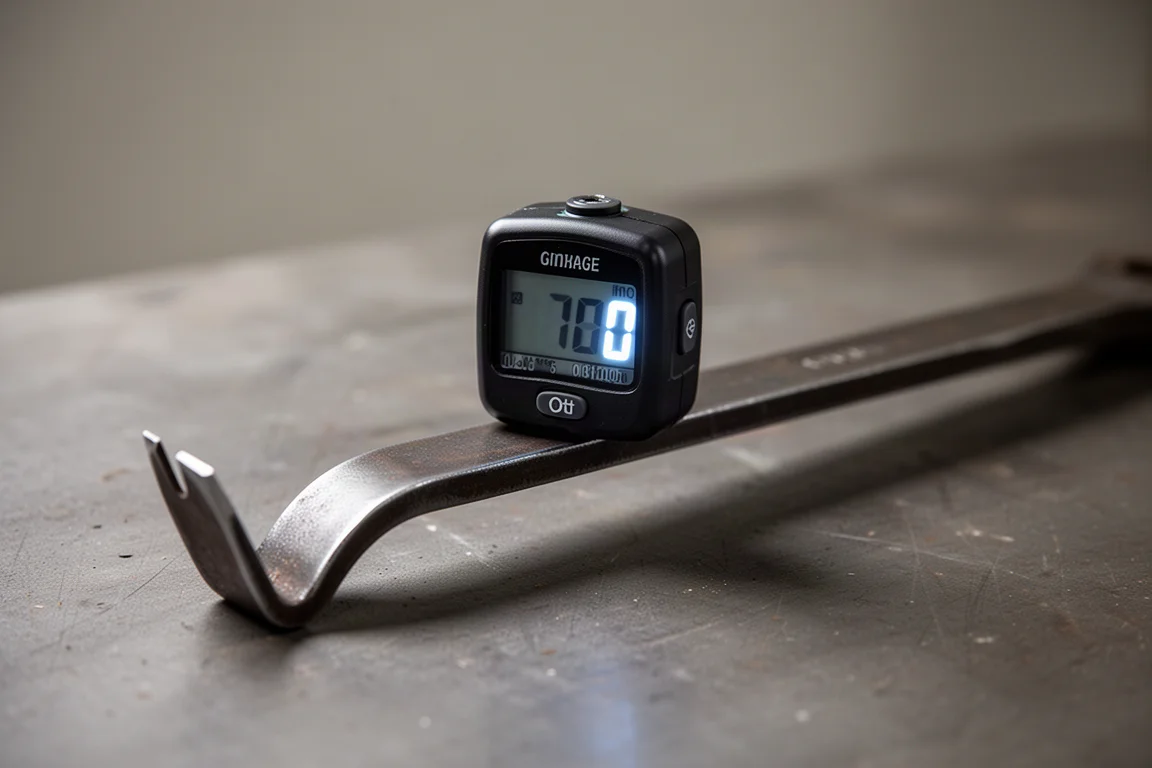
In practice, the band still offers what seems to be an optimal bend for working profiles, so the two missing degrees are more of a specification quibble than a functional failure. The striking sides are a bit of an unknown at this bend angle, and it feels like you may need the knob on the end to strike when wedging something rather than striking directly on the band.
Buying Advice
At about 50 dollars, the MPBS1140A is not a cheap addition, but it also is not priced in a way that makes it a hard sell for anyone who already reaches for pry bars regularly. If your work involves leveling appliances, bending stuck metal, or extracting parts in tight clearances, the bend and the extended working reach justify the premium. If you only occasionally pop off panels, a standard straight pry bar will do fine.
The longer two- or three-foot versions of this style offer more working space at the tip end, but they come with a huge shaft that is often unnecessary, forcing you to stack blocks underneath to get the right angle. This 12-inch version avoids that problem: good size, good band, and a bend that matches how you would end up using an adjustable pry bar anyway.
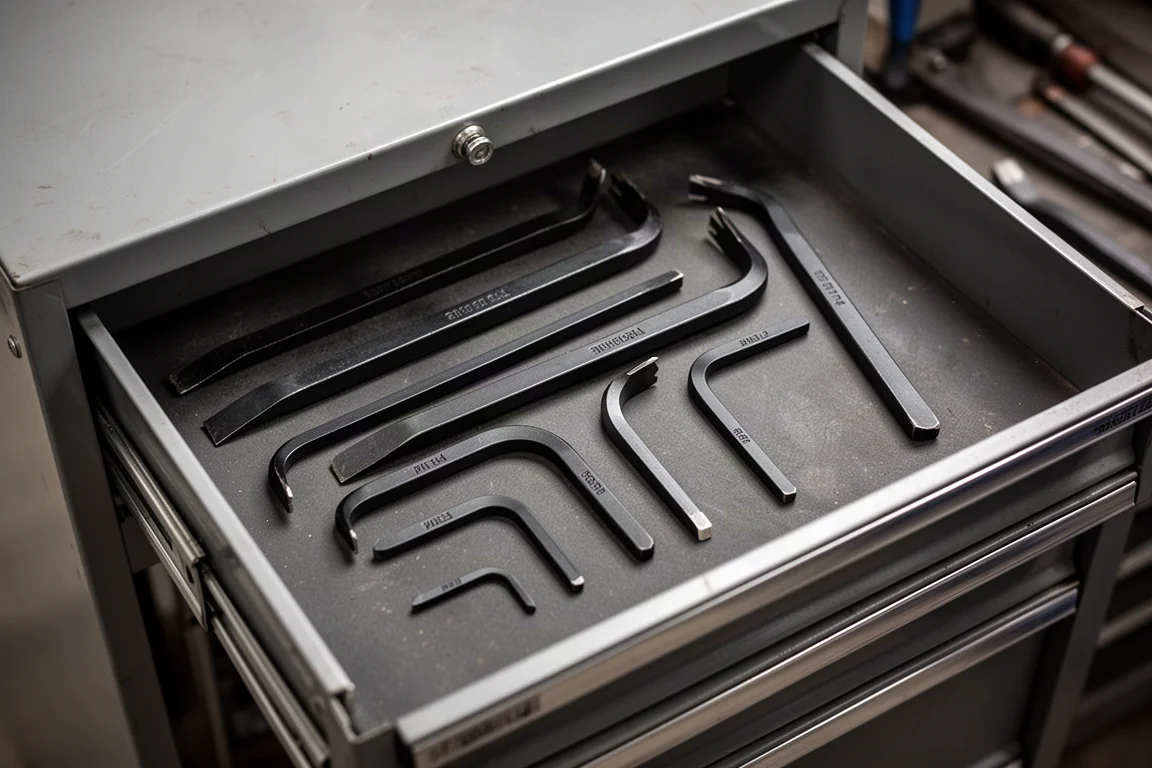
As a very specific-use Snap-on tool, it still deserves a home in everyday tool chest use, precisely because it covers that awkward angle range between a straight bar and an over-adjusted flex bar.
Conclusion
The Snap-on MPBS1140A is a niche tool that punches above its niche. The 40-degree bend, solid 3/8 inch steel stock, and substantial working band make it a practical answer to tasks that straight pry bars handle awkwardly. The slight shortfall from a true 40-degree bend and the 50-dollar price are fair points of hesitation, but for anyone who regularly works in tight spaces, this is the kind of tool that finds its way into everything you do.
Product link
View more details for Snap-on MPBS1140A Pry Bar
This product is mentioned in the review. Check the specifications, options, and compatibility before buying.
View more details for Snap-on MPBS1140A Pry BarFurther reading
Related Reviews
Hand Tools
Best Diagonal Cutters 2026: 16 Pliers Tested for Cutting Power and Durability
We put 16 diagonal cutters through nail, screw, drill bit, and hex key tests to find the best value picks for your toolbox.
Hand Tools
Best Hex L Key Sets 2026: Nine Sets Tested for Real-World Torque
Nine hex L key sets from budget to premium, tested for torque, fit, and durability. See which sets deliver real performance and which ones to skip.
Hand Tools
Best Locking Pliers 2026: Top Picks Tested for Grip and Durability
We tested 18 brands of 10-inch locking pliers for grip strength, jaw bite, build quality, and ease of release to find the best options for tough jobs.