Hand Tools
Snap-On Interchangeable Shank Ratcheting Screwdriver: A Tool You Keep For Decades
A close look at the Snap-On interchangeable shank ratcheting screwdriver family, its handle options, specialty shafts, and why it earns a spot in a working toolbox.
Introduction
Some tools earn their place in a toolbox by being cheap. Others earn it by outlasting everything around them. The Snap-On interchangeable shank ratcheting screwdriver sits firmly in the second camp. It is heavy, it is not inexpensive, and yet it is the kind of tool many professionals buy once and keep for a career. This article breaks down the handle options, the shaft lineup, and the small design details that make the platform worth a long look.
Who This Product Is For
This is a tool for people who drive a lot of screws, use sockets on the go, or simply want one screwdriver chassis that can accept almost any shaft they need. It suits technicians, mechanics, electricians, and anyone doing repetitive fastening work. It is less attractive if you only occasionally need a screwdriver and want to spend as little as possible, since the platform’s value comes from building out a set of interchangeable shafts over time.
Three Handles, One System
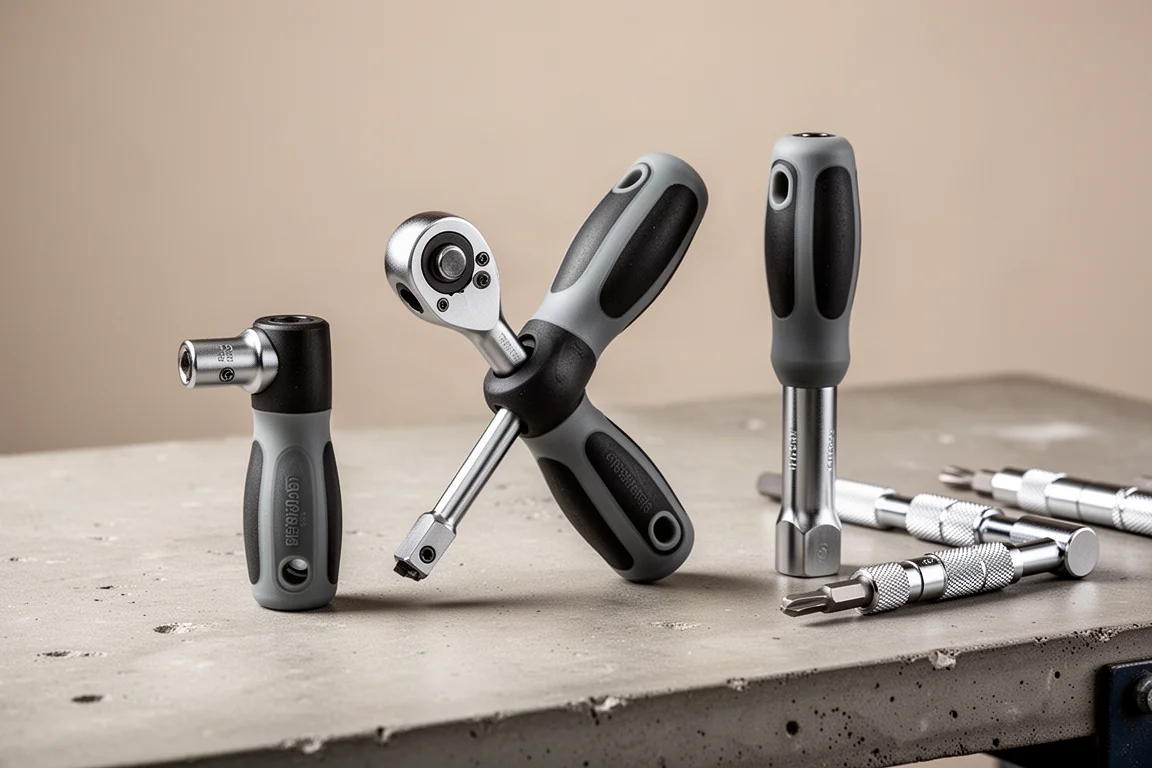
The platform comes in three handle versions, all with a soft over-molded grip. There is a short stubby handle that many people end up loving for tight work, a pivoting handle that tilts to roughly 45 degrees (it cannot fold into a full 90-degree T-handle), and a standard straight handle. The two larger handles include bit storage in the back, and the rear cap doubles as a primitive but genuinely handy bit spinner. The stubby naturally holds fewer bits because of its shorter storage depth.
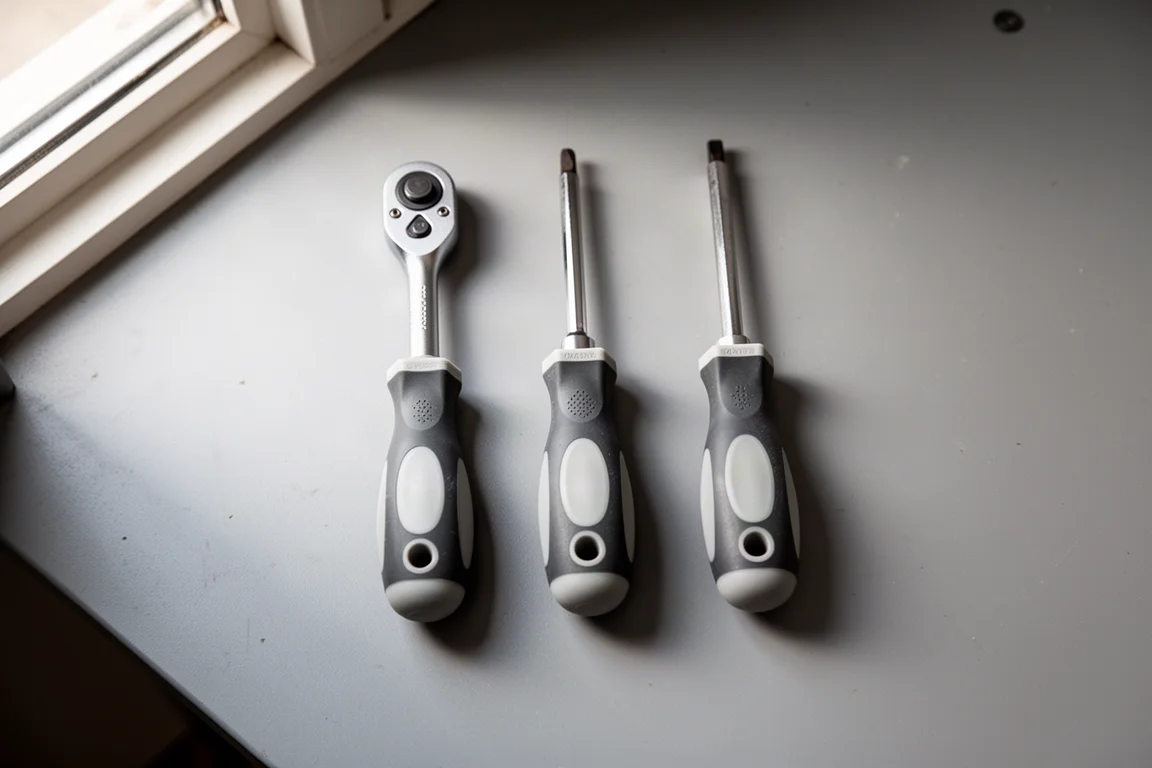
One detail worth understanding before buying: the rotational direction of the ratcheting switch matters more than it sounds. If you grip partway down the handle and your hand slips, flipping the switch in the direction opposite to your driving motion makes it flick into free-spin, and you lose usable handle length. The practical habit is to set the switch in the same direction you want the shaft to turn. Once that becomes muscle memory, the ratchet action feels exceptionally smooth and satisfying.
A Deep Shaft Catalogue With Some Genuinely Useful Extras
The real strength of the platform is the shaft lineup. Standard quarter hex bit drivers come in roughly 3-inch, 5-inch, and 9-inch lengths, with the 9-inch usually sold separately from the others. The stubby handle paired with a long shaft is a combination that works brilliantly in cramped spaces.
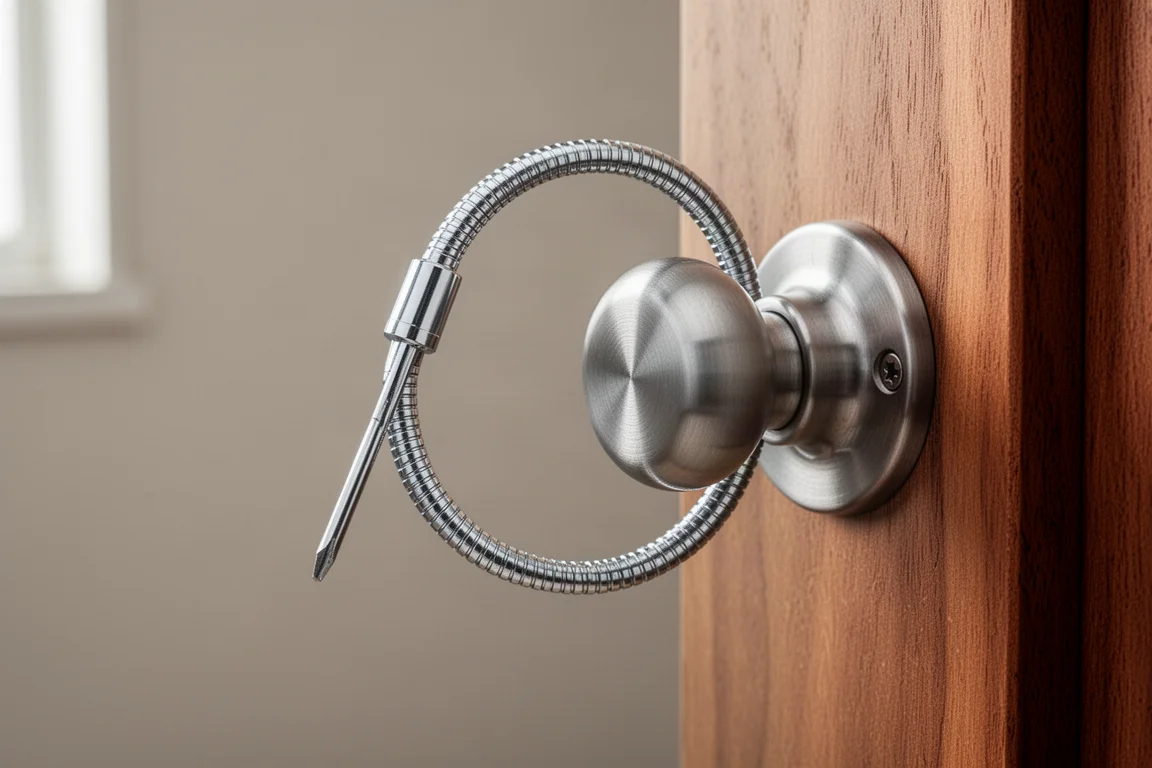
Beyond the standard bits, there is a quarter square shaft that accepts drive sockets on the working end, extending the tool into light nut-driving territory. Taking that further, a quarter square flexible shaft version lets you drive sockets and screws at an angle around obstructions. It will not snake around every door knob, but for general reach-around work it holds up remarkably well, and older, rusty examples of these shafts keep working year after year. That durability shows up in pawn shops too: because many cheap imitations exist, unmarked Snap-On shafts often go unrecognized and sell for next to nothing.
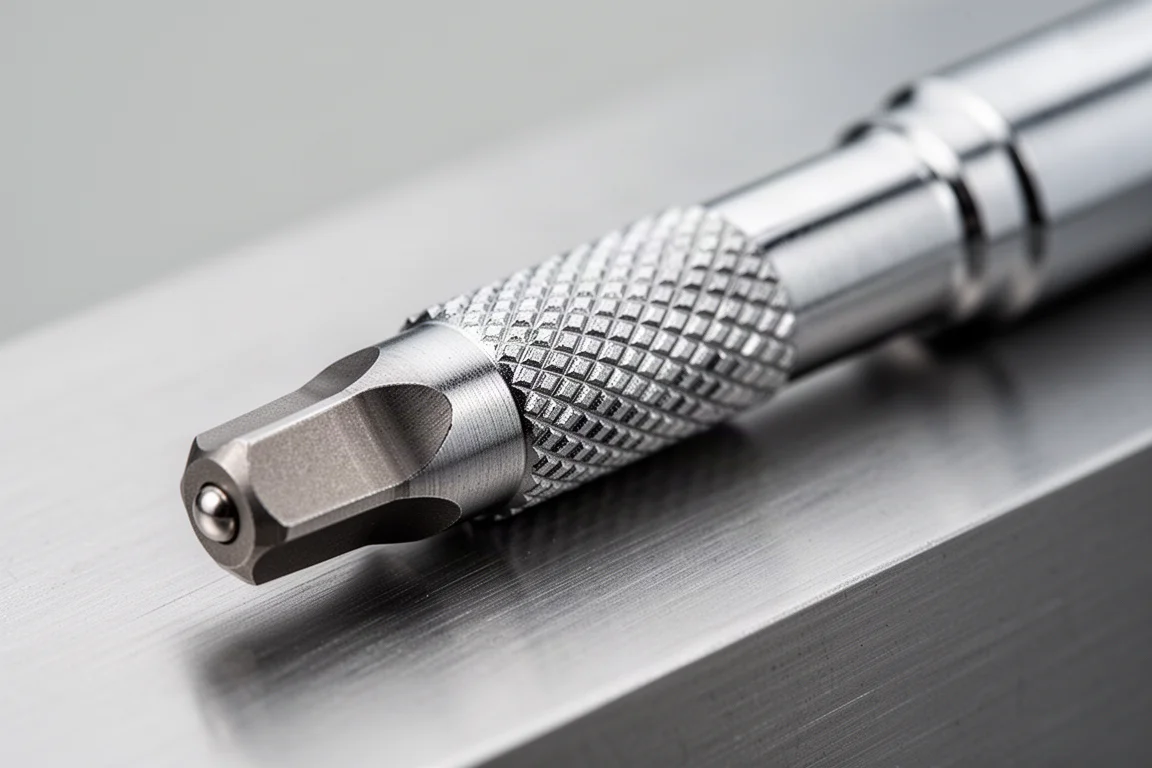
One older category to know about: legacy fixed-blade slotted and Phillips shafts. These no longer appear in the catalog. Because the tip is part of the shaft, a worn or ground-down tip means replacing the whole shaft, which is likely why they were phased out even though the rest of the shaft features extensive machining, chrome plating, knurling, and a ball detent that seem almost excessive for the job.
For electrical work, there is a composite 1000V rated shaft that takes the platform to another level. Tested against a generator, the standard shorter shaft produced a noticeable tingle, while the insulated composite version showed no sensation at the handle end, with the insulation covering roughly the working length of the shaft. That is a meaningful safety margin for anyone working around live circuits.
Speed Handle And Everyday Practicality
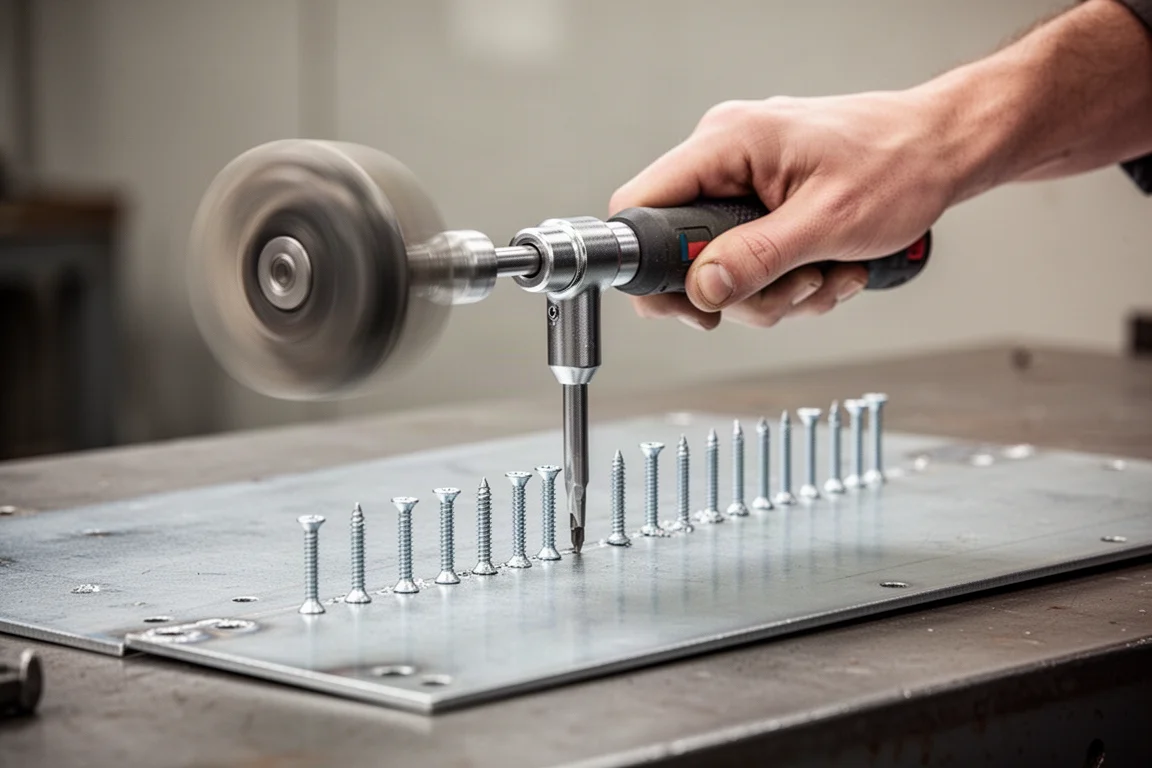
A speed handle shaft snaps into the same system and lets you crank rapidly along long runs of identical screws, a technique familiar from aviation work. It also works as a nut driver, and with a little old-school improvisation it can even function as a manual drill. It is a niche attachment, but it reinforces the appeal of a system where every new shaft multiplies what the handle can do.
Things To Consider Before Buying
This is not a cheap platform, and it is heavier than a basic screwdriver. Off-the-shelf handles come in soft grip only, though some users have converted hard-grip versions to accept interchangeable shanks. Specialty shafts are a genuine reason to buy into the Snap-On ecosystem, since other brands offer compatible shafts, but the fit and performance of the Snap-On specialty pieces are where the system distinguishes itself. If you already own a compatible brand, the standard shafts may be less compelling; the insulated, flexible, and speed handle options are what justify the premium.
Buying Advice
Start with the handle that matches your work: the stubby for tight spaces and portability, the pivoting handle for angled access, or the straight handle as the all-rounder with the most bit storage. Then build out shafts as your work demands them, prioritizing the long 9-inch driver, the flexible quarter square shaft, and the composite 1000V rated version if you touch electrical work. Watch pawn shops and second-hand listings, since unrecognized Snap-On shafts sometimes surface at very low prices.
Conclusion
The Snap-On interchangeable shank ratcheting screwdriver is heavy, expensive, and easy to recommend anyway. The ratcheting action feels excellent, the handle options cover nearly every working position, and the shaft catalogue ranges from everyday bits to insulated and flexible specialty pieces. For anyone who drives screws for a living, it is the rare tool purchase that feels like a long-term investment rather than an expense.
Product link
View more details for Snap-On Interchangeable Shank Ratcheting Screwdriver
This product is mentioned in the review. Check the specifications, options, and compatibility before buying.
View more details for Snap-On Interchangeable Shank Ratcheting ScrewdriverFurther reading
Related Reviews
Hand Tools
Best Diagonal Cutters 2026: 16 Pliers Tested for Cutting Power and Durability
We put 16 diagonal cutters through nail, screw, drill bit, and hex key tests to find the best value picks for your toolbox.
Hand Tools
Best Hex L Key Sets 2026: Nine Sets Tested for Real-World Torque
Nine hex L key sets from budget to premium, tested for torque, fit, and durability. See which sets deliver real performance and which ones to skip.
Hand Tools
Best Locking Pliers 2026: Top Picks Tested for Grip and Durability
We tested 18 brands of 10-inch locking pliers for grip strength, jaw bite, build quality, and ease of release to find the best options for tough jobs.