Hand Tools
Snap-on Impact Swivel Socket: The Handiest Tool You Should Understand Before Buying
A close look at the impact swivel socket: how it works, where the stress concentrates, and what to check before spending serious money.
Introduction
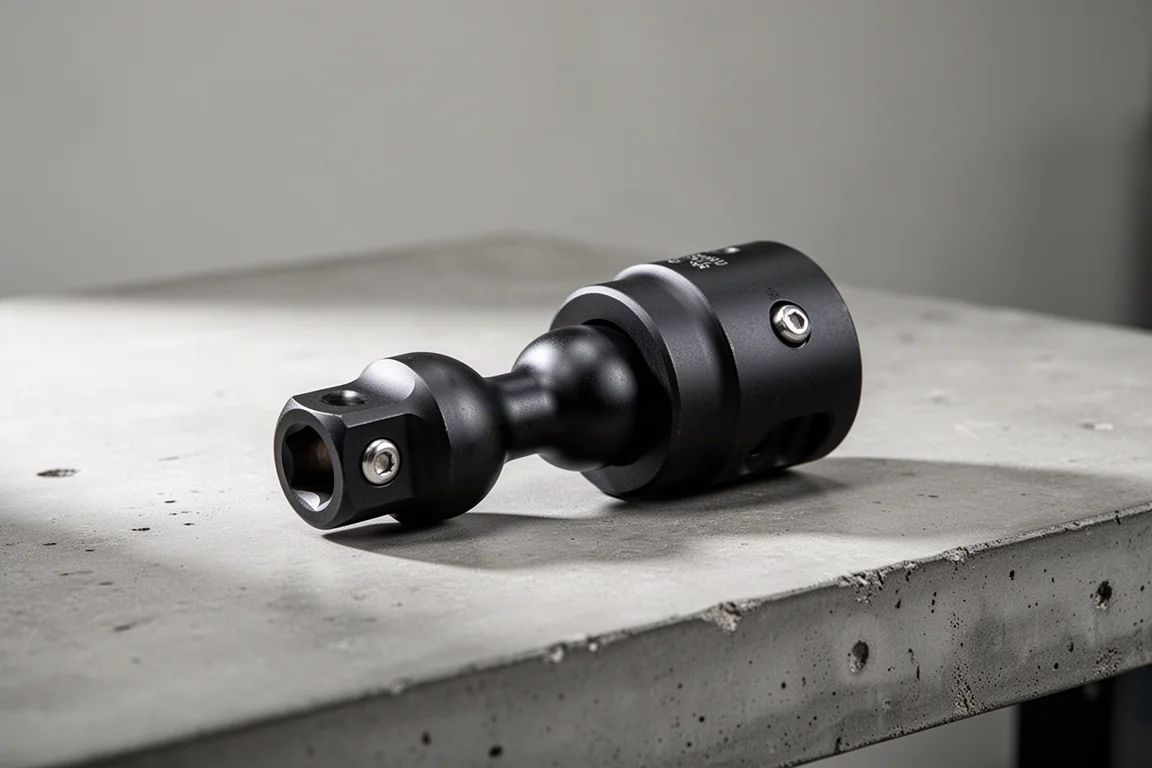
Few tools stack up as many superlatives as the humble impact swivel socket. It might be the handiest, the most used, and the most essential swivel-style socket on a technician’s bench. It is also frequently the most expensive, arguably the most fragile, and quite possibly the most dangerous, because a failure at high impact speed is rarely subtle. Add “most misunderstood” to the list, and you have a tool that deserves a closer look before you buy one.
How an Impact Swivel Socket Is Built
The Snap-on version examined here uses a ball joint design with a surprisingly small parts count. The tool side is where the anvil goes. Underneath the ball sits a spring, the ball connects to the fastener side, and a pin drives straight across the diameter of the tool side part to hold the whole assembly together.
That pin is laser welded to the frame of the socket. Look closely under the right light and you can spot a small circle marking the weld point. The joint can be squeezed down and wobbled around freely, with the spring holding it in position, which is exactly what makes it so useful for reaching fasteners at awkward angles.
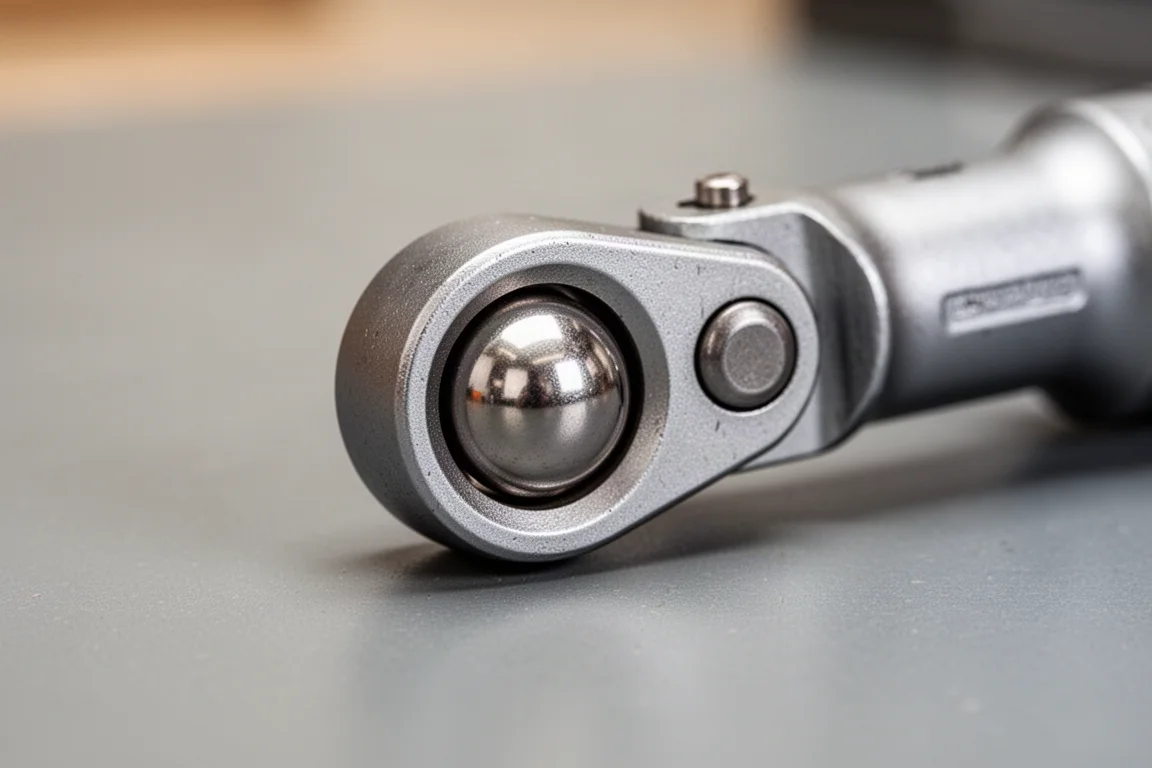
Not every design uses a laser-welded pin. Alternatives include a captive cover arrangement, similar to a wobble extension, but gravity works against that style when you are trying to line up a connection. A U-joint is another option, though that leans more toward the chrome hand-tool side of the world. Many designs also use a plug rather than a fully open socket body, which keeps gunk out of the interior.
The Stress Problem Nobody Talks About
Here is where the physics gets interesting. When the socket grabs a fastener, force spreads across roughly 360 degrees of the fastener corners. But all of that force transfers to the points where the pin contacts the walls of the tool side of the socket. Effectively, 360 degrees of load is concentrated onto essentially two points.
A simple test made this visible: a socket modified with a hole punched through it and a threaded rod running through the joint. Spinning from the fastener end versus the drive end shows clear deformation in the metal, and the strongest flex appears right next to the pin, exactly where the force concentrates. On one heavily used example, a faint bump line appeared just outside the weld circle, a possible pre-crack or deformation in the metal, located a little off from where the pin goes in.
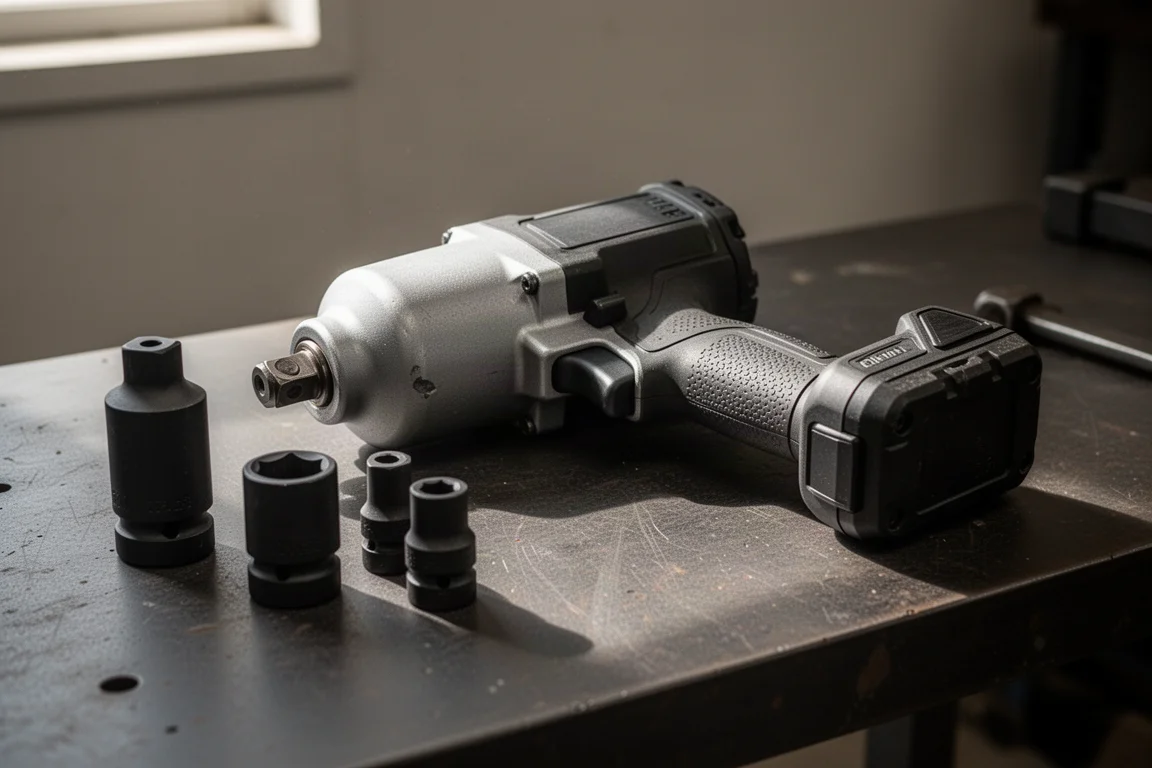
At high impact speeds this matters enormously. A capable impact wrench can deliver around 2,100 blows per minute, roughly 35 blows per second, about three times faster than a typical machine gun. If the socket fails under that kind of input, it is unlikely to be a gentle bend. It is more likely to be catastrophic, which is why the fragility and danger labels are not exaggerations.
Shallow or Deep: Which Do You Actually Need?
A common purchase dilemma is whether to buy deep swivels or shallow ones. The logic is fairly simple: if you need a deep socket, you probably already have clearance, and with clearance you can likely use a deep socket on a swivel extension instead.
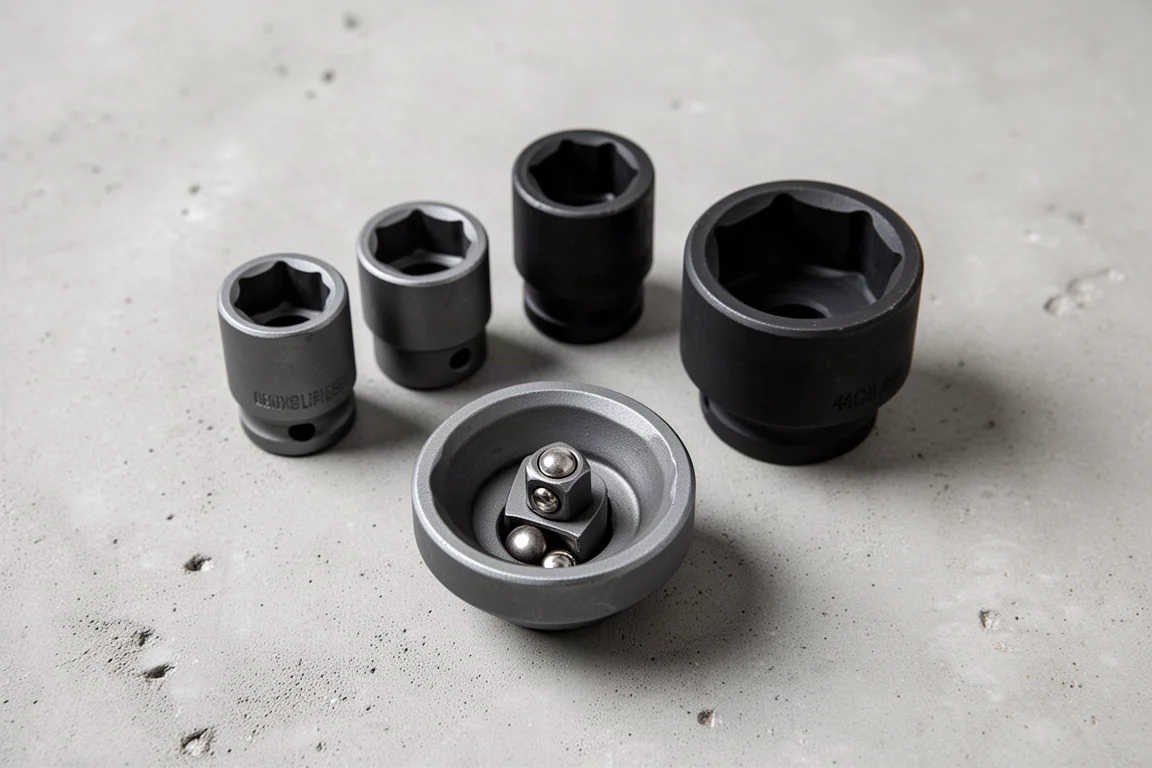
That makes shallow swivels generally the most useful of the two. The swivel joint itself already costs you some clearance because of its length, so adding a deep socket on top of that rarely buys you anything a deep socket plus extension would not handle better. It also leaves flexibility to pair the swivel extension with whatever socket you need.
Buying Advice
If you are shopping in the less expensive tier, favor collared designs. The collar helps maintain the roundness of the socket, keeps the pin captive, and can even improve force transfer: when the pin pushes outward under load, it tries to deform the drive side out of round, but the surrounding collar resists that deformation and takes the load instead.
Laser-welded designs remain a solid choice at the premium end, as the example here demonstrates, but no swivel socket should be considered a perfect design. It is a really useful design, built around a ball joint that nature has been refining for millions of years and still needs assistance with. Inspect used sockets near the pin area, listen and feel for flex, and treat any visible deformation line seriously.
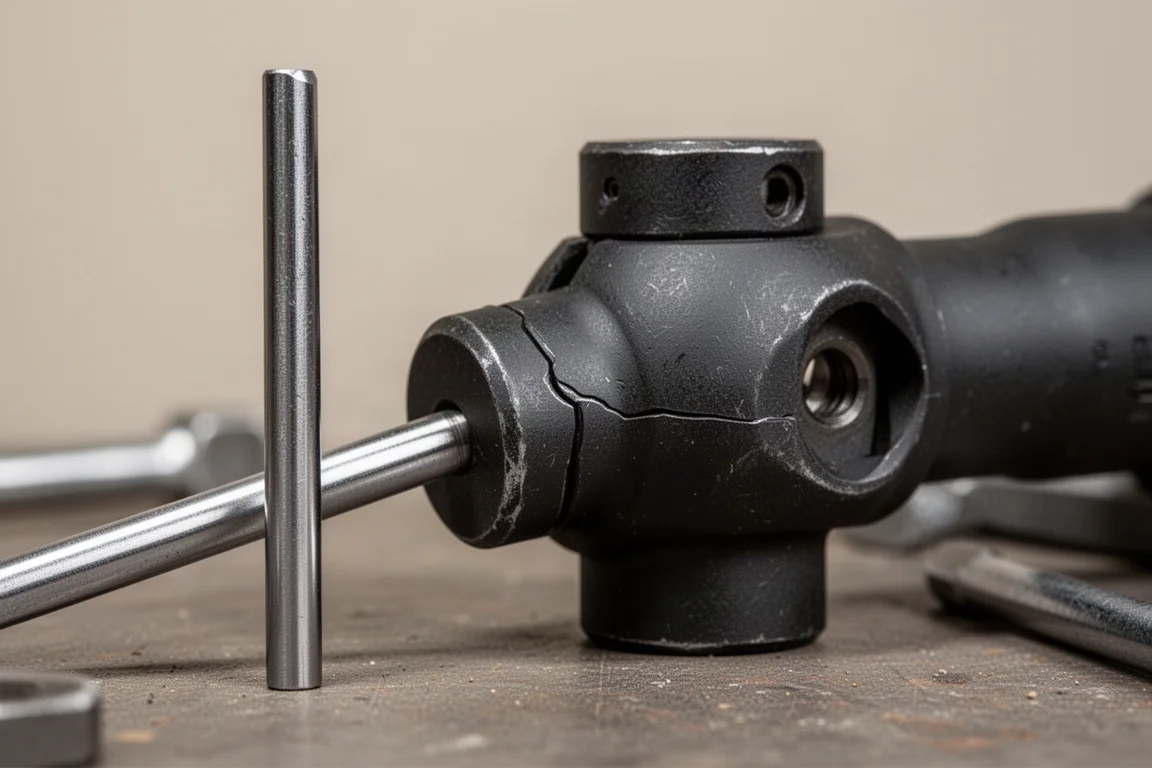
An expensive, heavily used swivel socket that shows a classic deformation bump is worth taking back to the dealer for evaluation before it fails on the job. Given how much engineering is packed into this small joint, and how little clear public explanation exists even at the corporate level, asking questions and sharing real-world experience is the smartest move a buyer can make.
Conclusion
The impact swivel socket earns its reputation as one of the most handy and most used tools in any impact-driven kit, but it earns the other labels too: expensive, fragile, dangerous when abused, and genuinely misunderstood. Choose collared designs for budget buys, inspect the pin area regularly, and match shallow swivels to the work you actually do.
Product link
View more details for Snap-on Impact Swivel Socket
This product is mentioned in the review. Check the specifications, options, and compatibility before buying.
View more details for Snap-on Impact Swivel SocketFurther reading
Related Reviews
Hand Tools
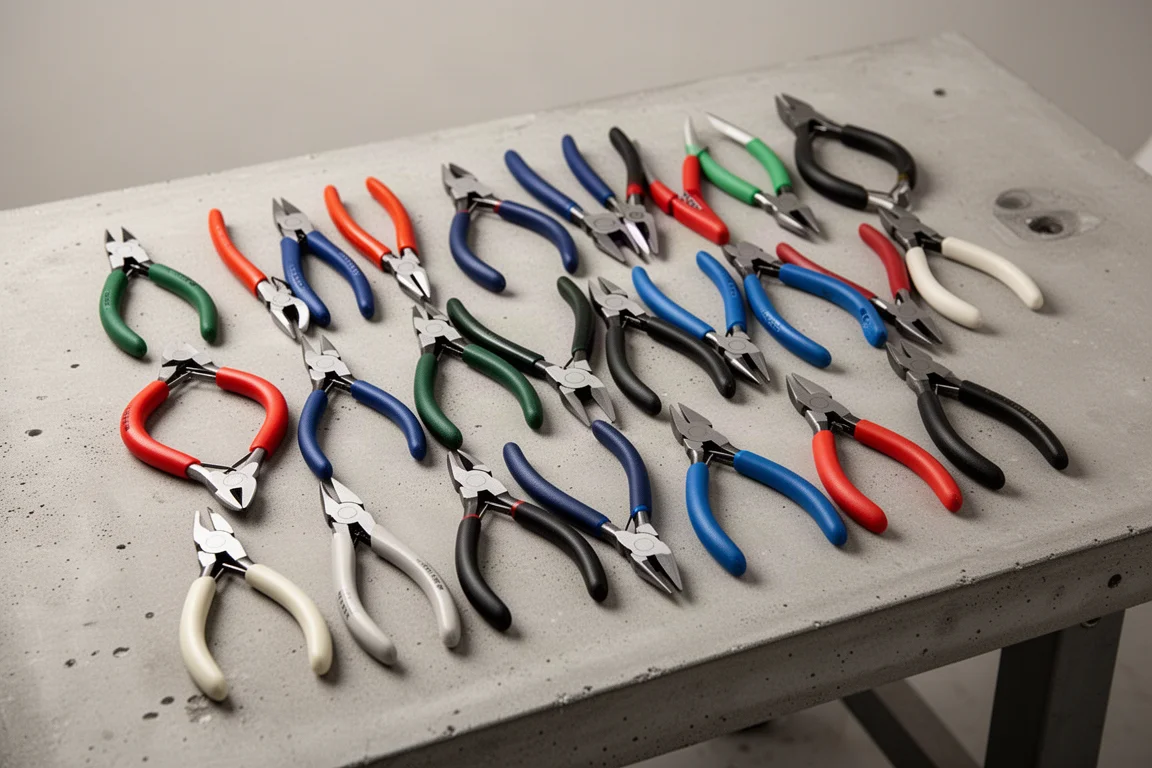
Best Diagonal Cutters 2026: 16 Pliers Tested for Cutting Power and Durability
We put 16 diagonal cutters through nail, screw, drill bit, and hex key tests to find the best value picks for your toolbox.
Hand Tools
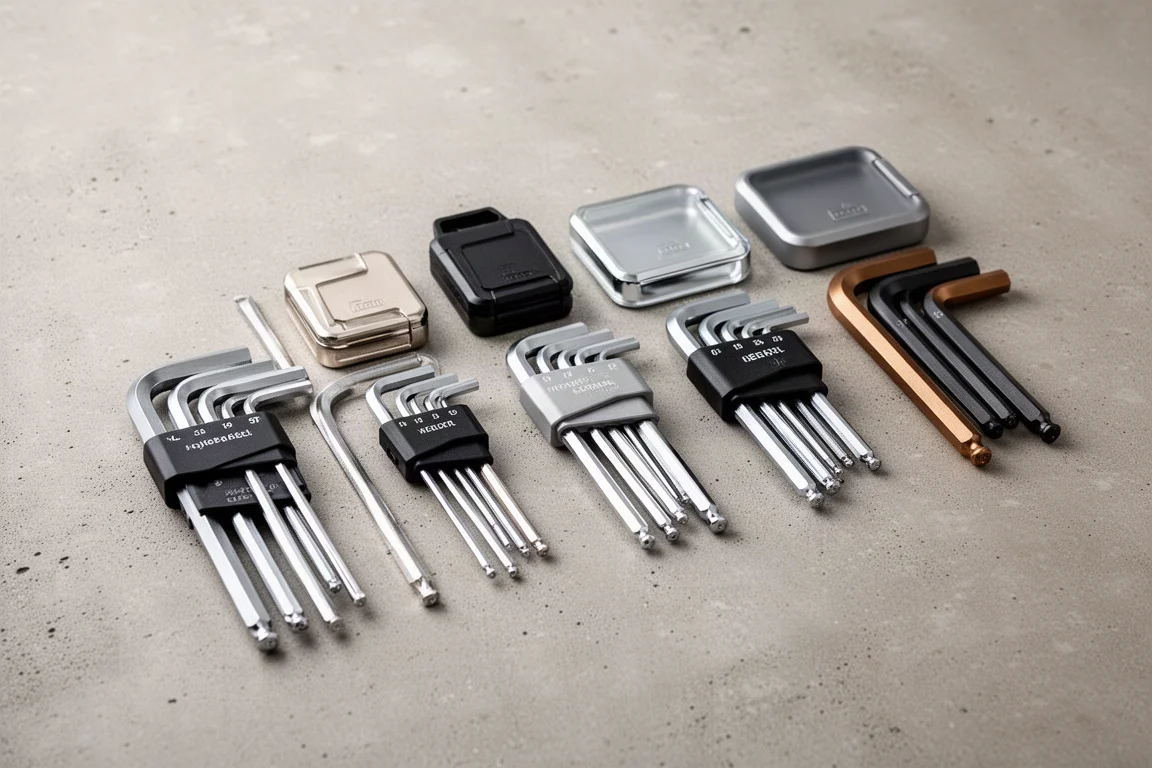
Best Hex L Key Sets 2026: Nine Sets Tested for Real-World Torque
Nine hex L key sets from budget to premium, tested for torque, fit, and durability. See which sets deliver real performance and which ones to skip.
Hand Tools
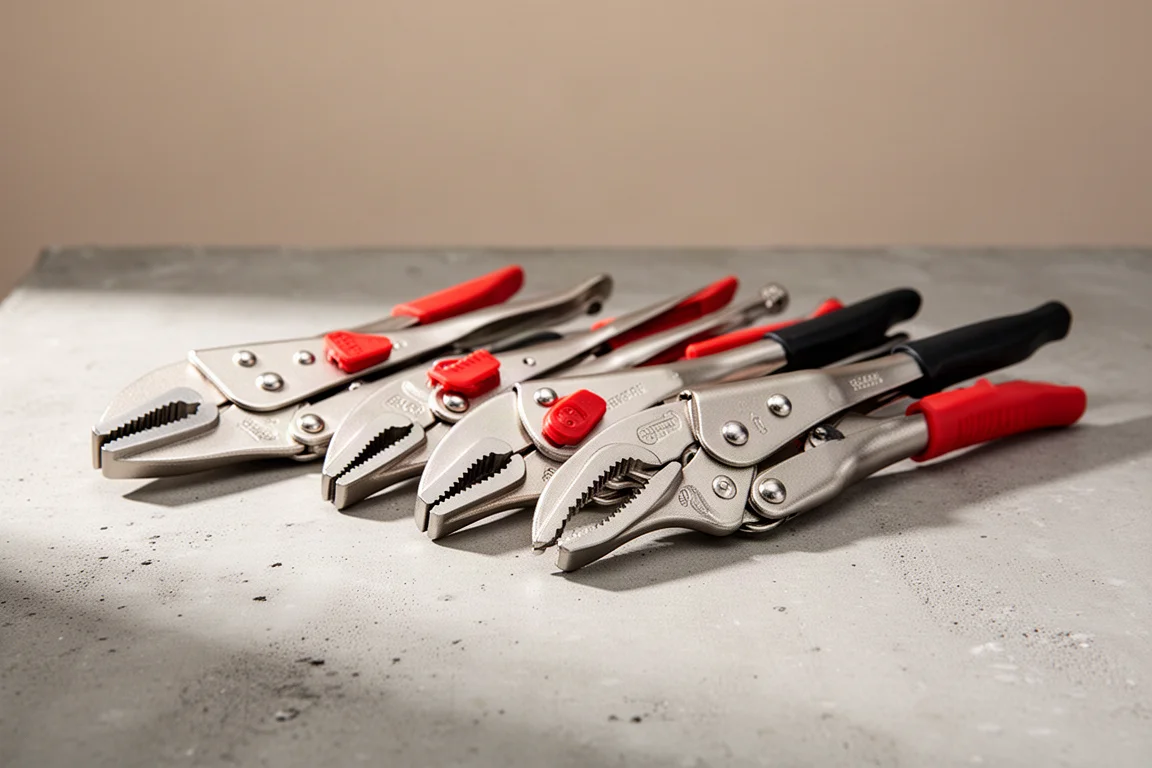
Best Locking Pliers 2026: Top Picks Tested for Grip and Durability
We tested 18 brands of 10-inch locking pliers for grip strength, jaw bite, build quality, and ease of release to find the best options for tough jobs.