Hand Tools
Snap-on Flank Drive vs Flank Drive Plus: Is the Upgrade Worth It?
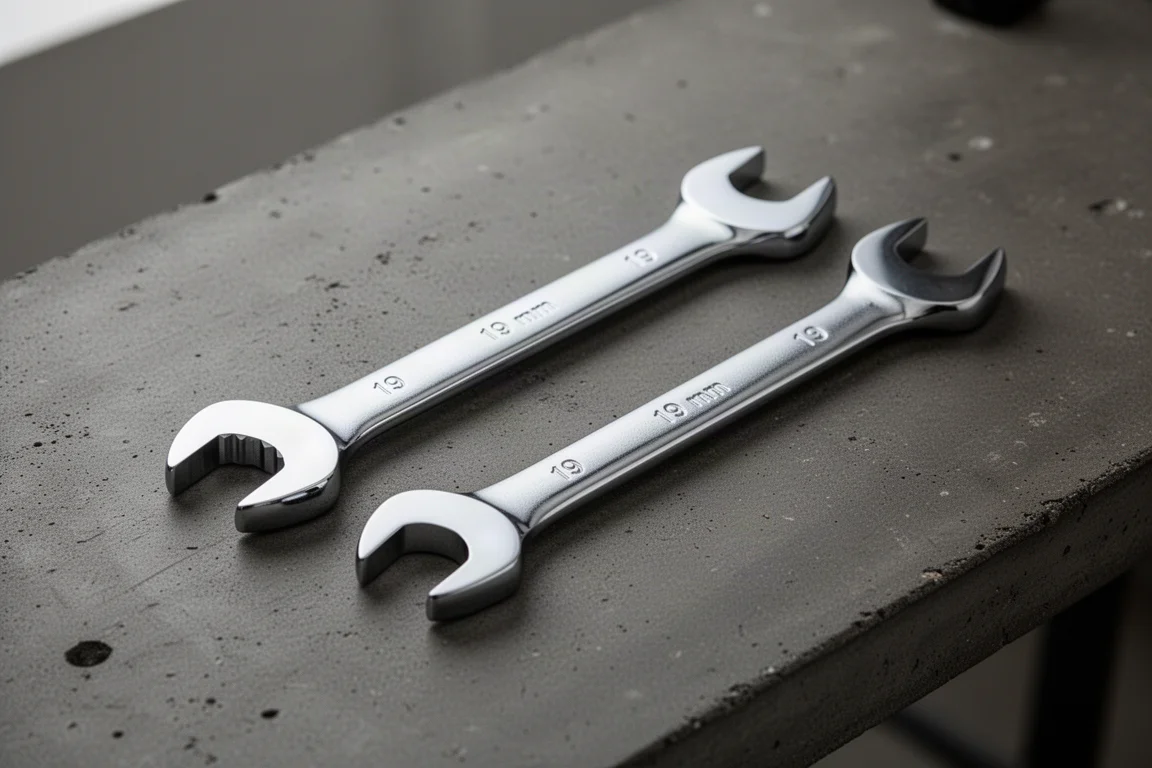
Two 19 mm Snap-on open-end wrench designs compared, with the real differences, price gap, and who actually benefits from the Plus.
Introduction
Snap-on’s Flank Drive and Flank Drive Plus wrenches look nearly identical at first glance, yet the Plus version carries a small but deliberate design change that sparks constant debate among technicians. Both are 19 mm open-end combination wrenches in this comparison, and both sell in the same general price range, with the Plus costing only about three dollars more. The question is whether that difference translates into anything you will actually feel on a fastener.
How Flank Drive Grip Works
The original Flank Drive design is built to grab the fastener and evenly distribute force across its contact surfaces. The goal is to let you apply more force on the wrench without stripping the fastener, or without the wrench jaws spreading and slipping off. In practice, a well-made open-end wrench with the right dimensions grips reliably, and this flank-contact approach is what Snap-on built its reputation on.
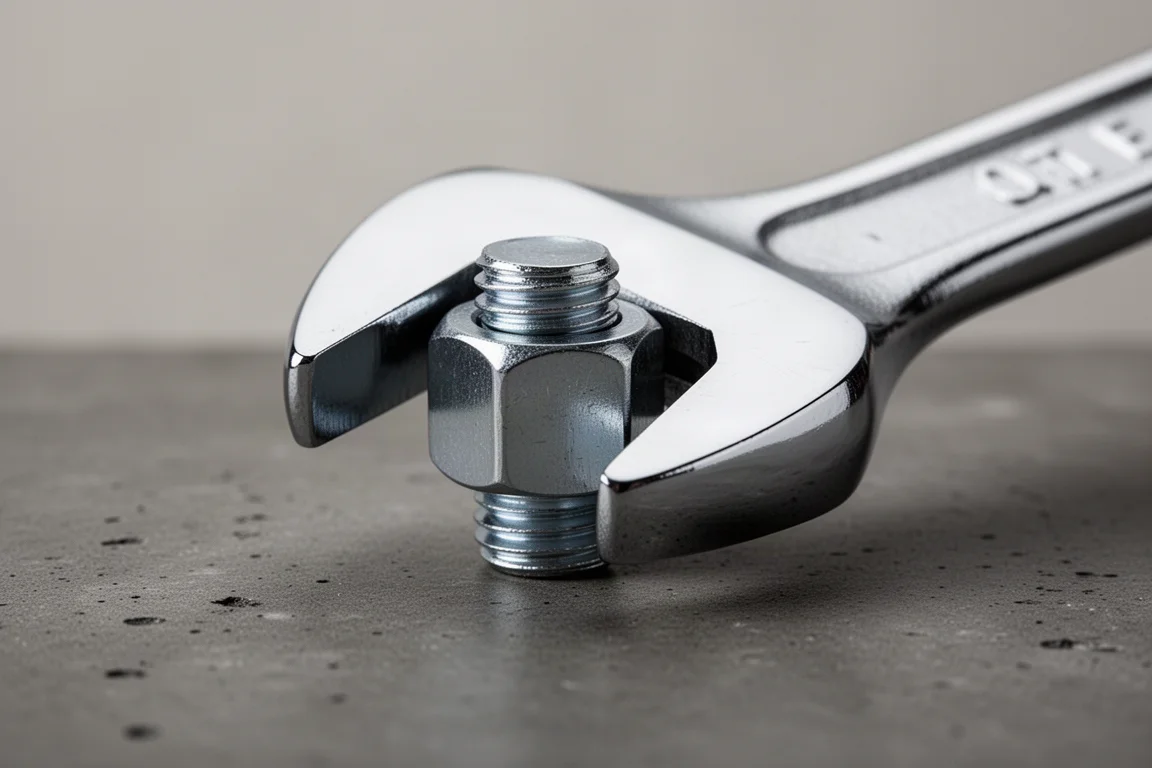
It is worth noting that the Flank Drive family extends beyond combination wrenches. There is a Flank Drive Extra treatment found in Snap-on sockets that adds extra grabbing ability, and Flank Drive geometry appears in the pliers line as well. Combination wrenches like these are directional by design, so the geometry is oriented for the way you pull on them.
What Flank Drive Plus Adds
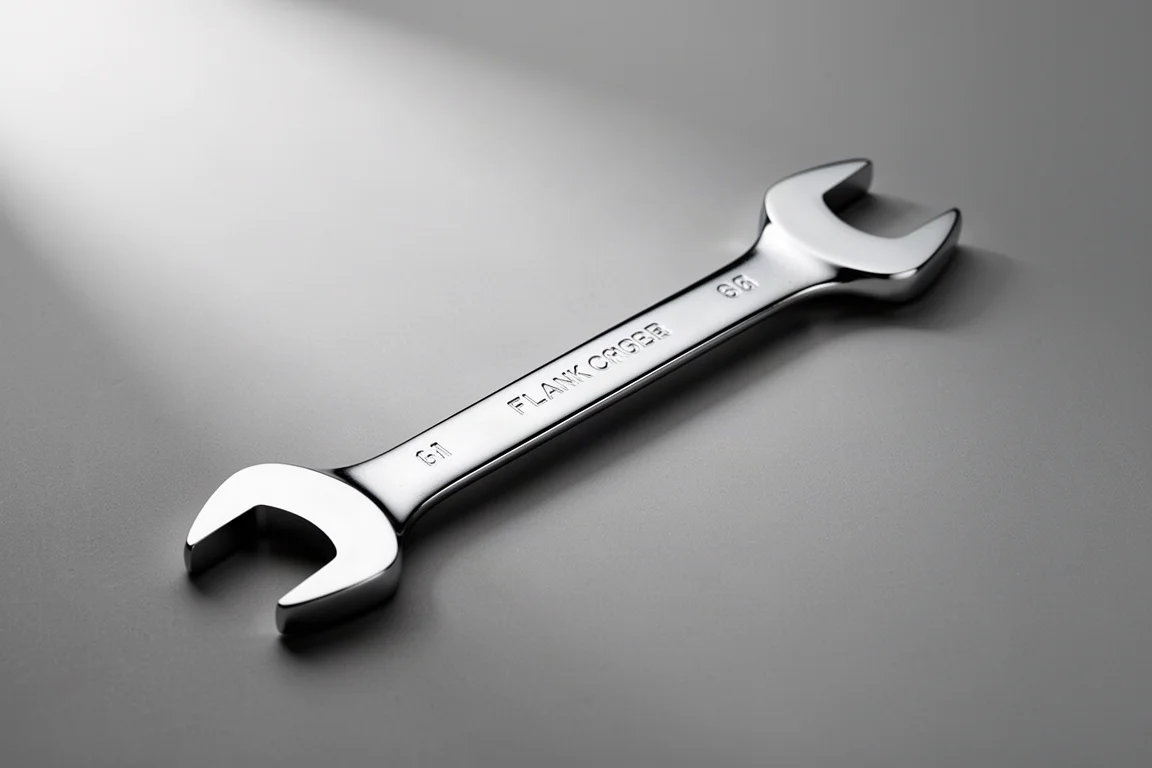
Flank Drive Plus is simply the original design with the addition of extra teeth in the jaw and a large indent on the head. These are not ordinary teeth: the pattern consists of three teeth down at the bottom, a big gap, and one large chunk near the tip. The idea is to bite a little more aggressively into the fastener for extra purchase.
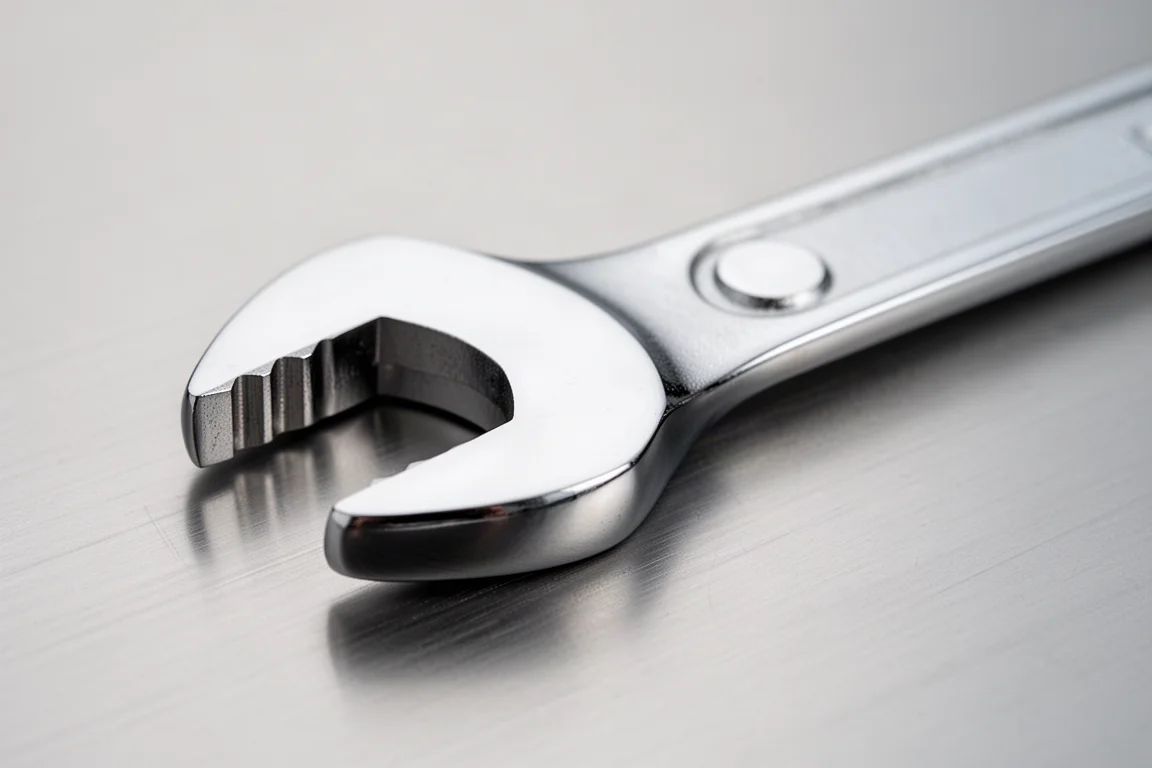
That extra aggression is the trade-off. On soft metal fasteners, the Plus teeth can potentially score the fastener surface. Some users find the toothed jaw slightly aggressive on certain fasteners, while others report it does not work quite as well on all of them. At the same time, plenty of owners consider it the better buy purely because the price difference is so small.
The Standard Flank Drive Still Holds Its Own
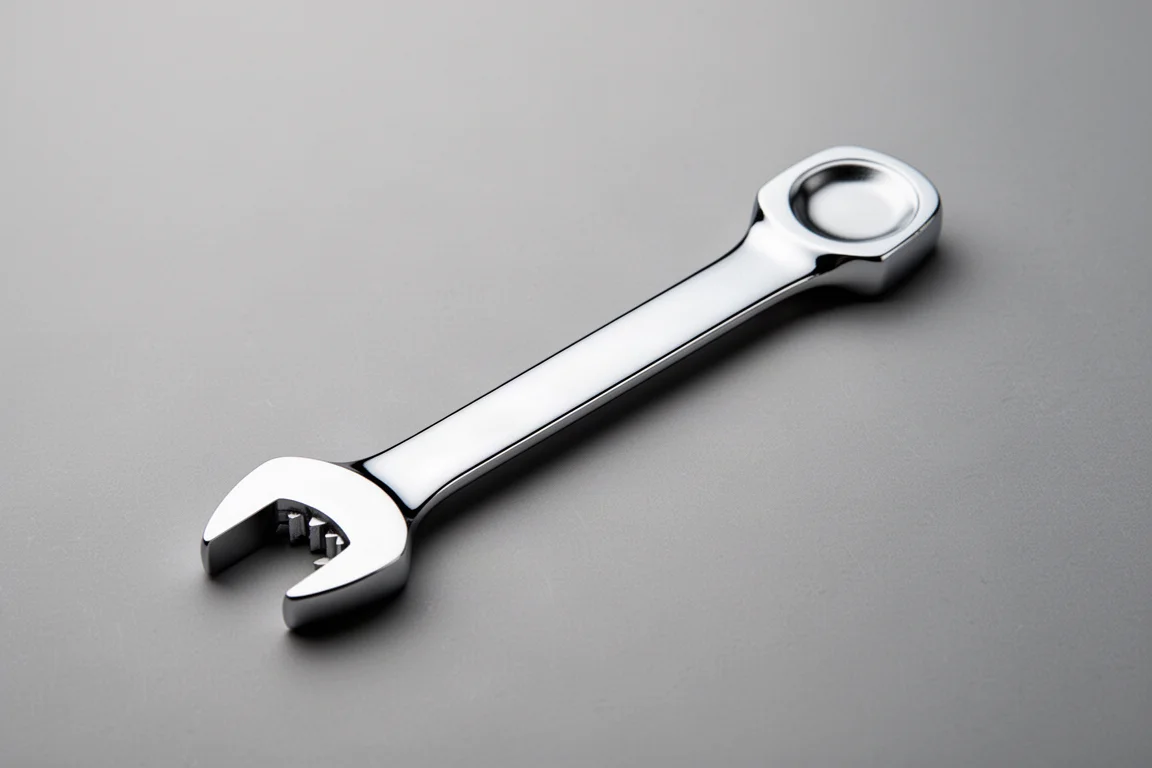
The original Flank Drive remains a fully capable wrench. Feedback from long-term use suggests the toothed Plus version does not deliver a dramatically different grip in most situations. Open-end wrenches in general tend to spread or round fasteners before they slip out, and a solidly made open-end with correct dimensions grabs the fastener reliably every time.
Is the Small Price Gap Worth It?
At the 19 mm size, the standard Flank Drive runs roughly $60 to $61 at most, while the Plus sits around $63, approaching $64. That three-dollar difference is hardly decisive on a single wrench, which is why many buyers default to the Plus simply because it sounds like the more advanced option.
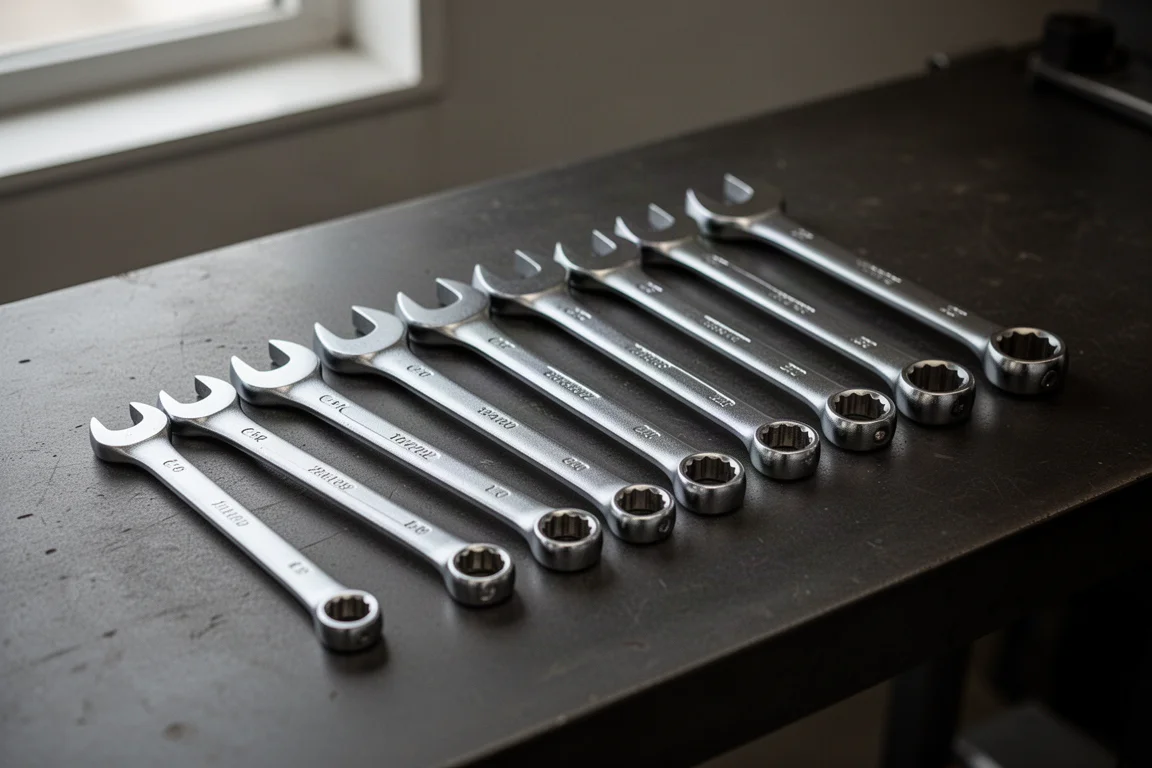
The math changes when you build out a full set. Across roughly twenty wrenches spanning SAE and metric sizes in three to four millimeter steps, the small per-wrench premium starts to add up. Whether that cumulative cost is justified depends on whether the extra tooth texture matters for your daily work, and honest long-term impressions suggest the difference in how each design grabs a fastener is not huge.
Buying Advice
If you mostly work on standard steel fasteners and want the classic proven design, the standard Flank Drive is the safer and slightly cheaper choice. If you occasionally fight stubborn or worn fasteners and do not mind paying a few dollars more, the Plus adds a touch of extra bite that some jobs may reward. Just be mindful around soft metal fasteners, where the extra texture could mark the surface.
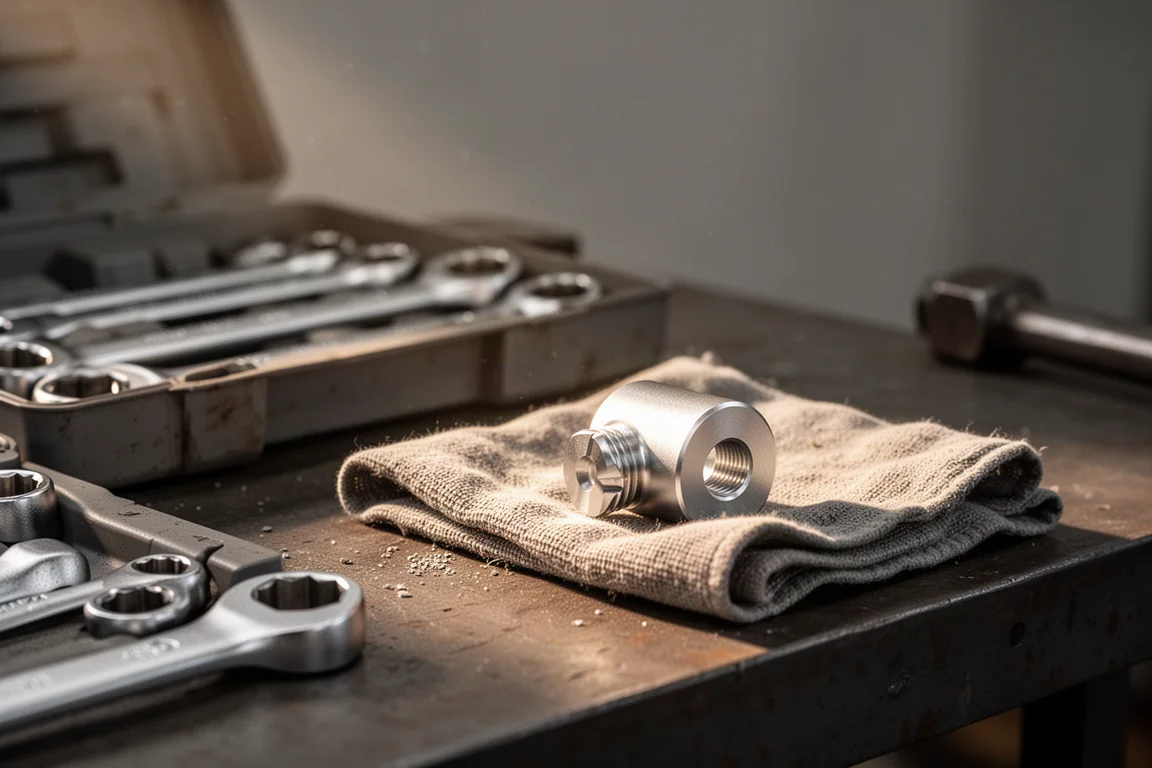
Snap-on has clearly invested in a genuine technology difference here, so dismissing the Plus as pure marketing is not entirely fair. But given the modest real-world grip difference reported in everyday use, the decision is less about performance and more about preference and budget across a full wrench set.
Conclusion
Flank Drive and Flank Drive Plus are close cousins with a small price gap and a small but real design difference. The Plus adds specific teeth and an indent for extra bite, which can help on stubborn fasteners but may score soft metals. For most users, either wrench will grip reliably; the smart move is to weigh the few extra dollars per wrench against the size of the set you plan to build.
Further reading
Related Reviews
Hand Tools
Best Diagonal Cutters 2026: 16 Pliers Tested for Cutting Power and Durability
We put 16 diagonal cutters through nail, screw, drill bit, and hex key tests to find the best value picks for your toolbox.
Hand Tools
Best Hex L Key Sets 2026: Nine Sets Tested for Real-World Torque
Nine hex L key sets from budget to premium, tested for torque, fit, and durability. See which sets deliver real performance and which ones to skip.
Hand Tools
Best Locking Pliers 2026: Top Picks Tested for Grip and Durability
We tested 18 brands of 10-inch locking pliers for grip strength, jaw bite, build quality, and ease of release to find the best options for tough jobs.