Hand Tools
Snap-on FHLF1100 100-Tooth Ratchet Review: A Brilliant Design Held Back by One Flaw
Snap-on's new 100-tooth ratchet has a lower profile, a redesigned mechanism, and a striking retro logo, but heavy back drag may give buyers pause.
Introduction
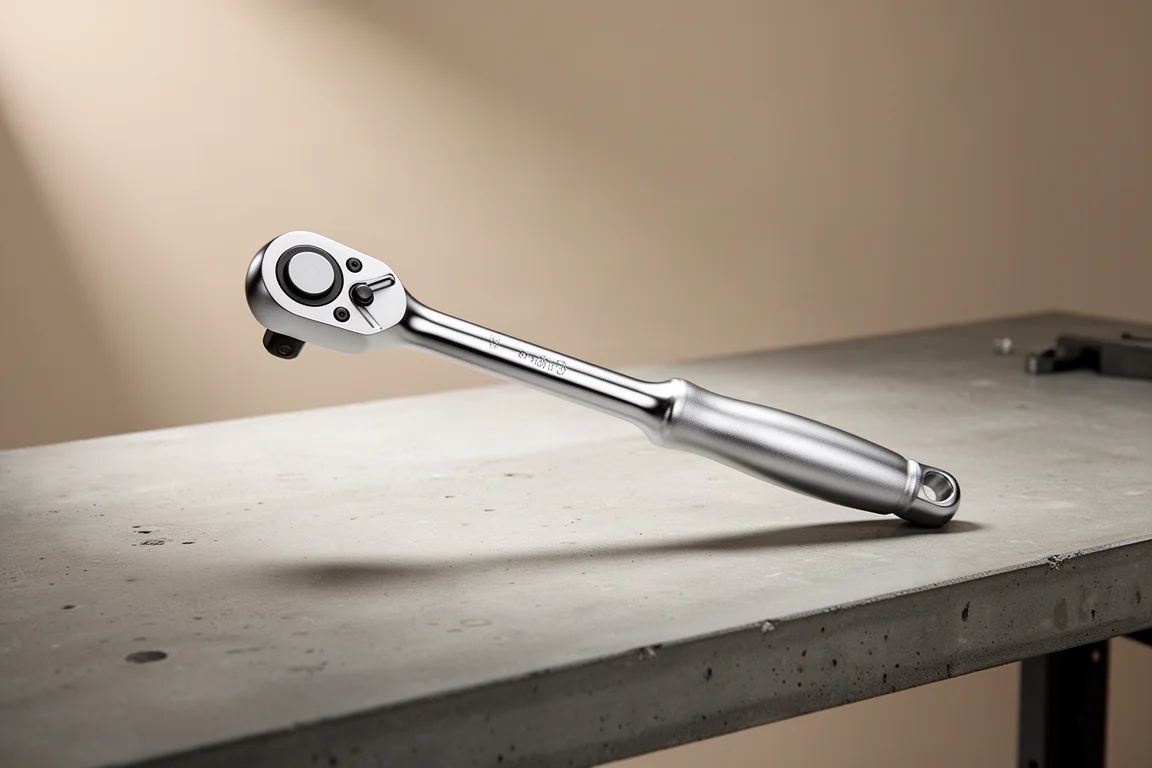
Snap-on’s newest ratchet design promises something no other tool in the line offers: a 100-tooth gear mechanism for finer arc of engagement and faster work in tight spaces. It is a genuinely interesting piece of engineering. The question worth asking is whether the design choices made around that mechanism hold it back.
A New Ratchet Design, Sold Quietly
This is a completely new ratchet design for Snap-on, and even the company seems to be handling the rollout quietly. The ratchet does not appear in the usual product listings, and searching for the model number on the Snap-on site returns nothing, though a web search can surface a product page that offers no price and simply directs buyers to call customer service. That is unusually closed-mouth for a tool launch, and it is unclear what it signals about availability.
The handle uses Snap-on’s new handle design. Some find it too big, but it is a matter of preference, and other handle options are likely to follow. Reports of the flex head getting loose and flopping around have circulated, but the flex head design has been changed on this model, and long-term durability remains to be seen.
Design Details: Lower Profile and Rear Screws
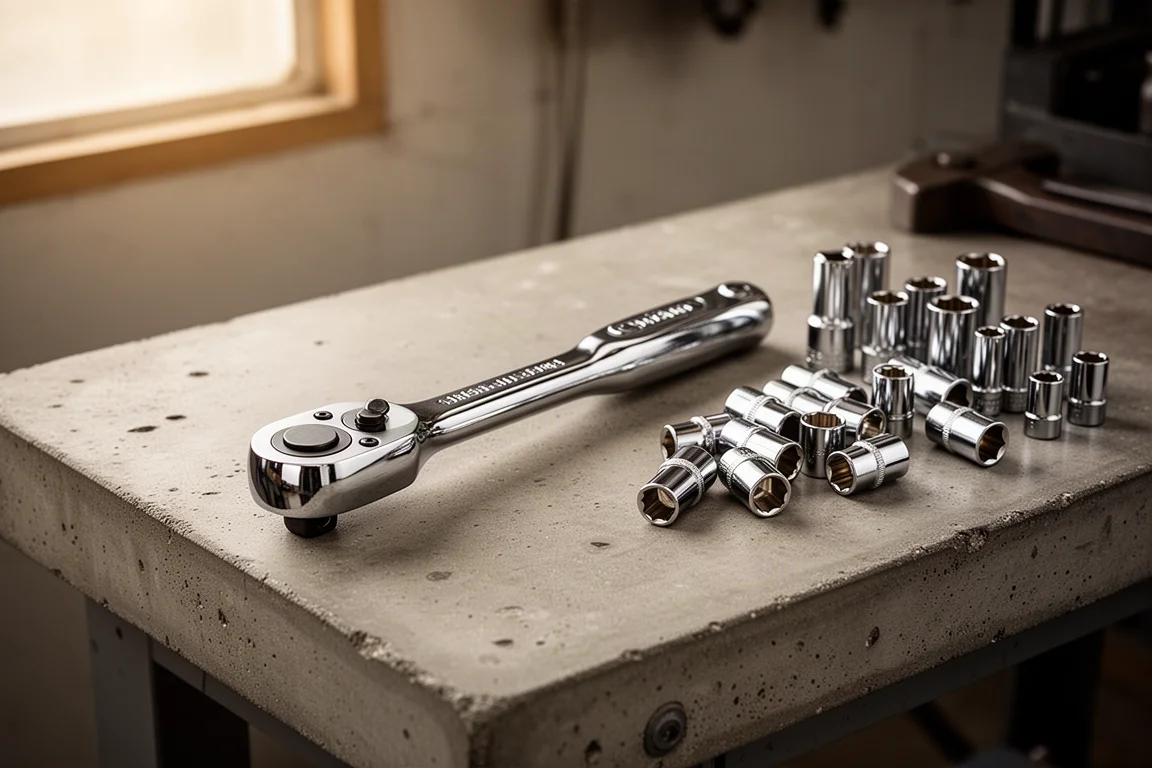
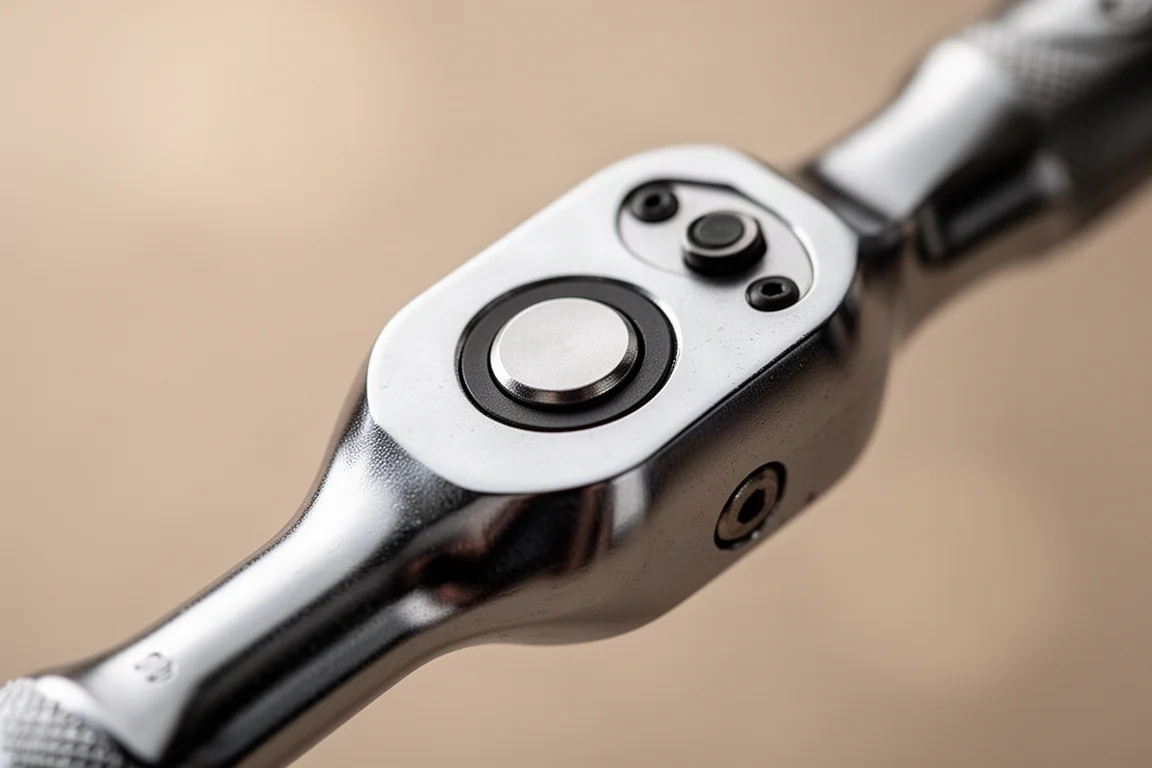
One clear improvement is the low profile. Compared with the closest comparable ratchet, this head sits roughly 2 to 2.5 mm lower. The yoke is noticeably thicker with a wider gap, a change Snap-on made with the new locking head, and the wings have been moved from the handle side to the ratchet head side, an experiment that changes how the tool feels in hand.
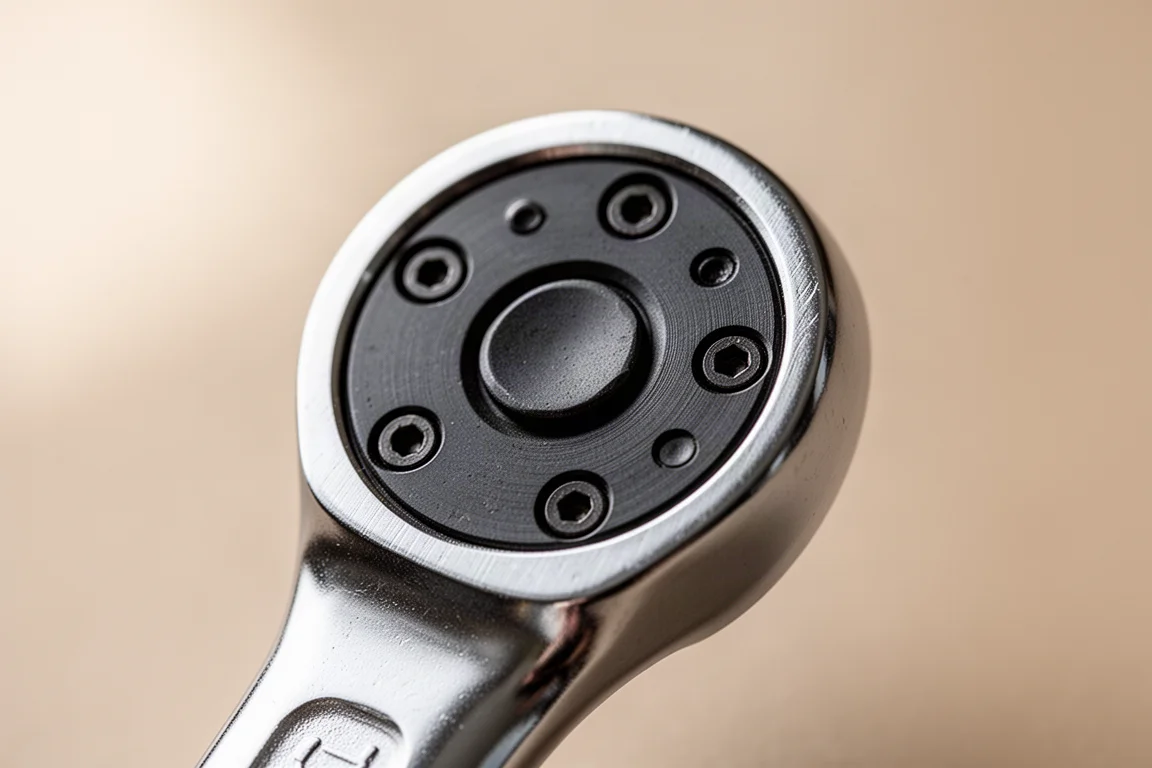
The screws holding the head together have also been moved to the back of the tool. On the traditional design, they sit on the anvil side and can protrude above the surface. Recessing them on the back allows for the lower profile overall, and while the back plate looks less traditional, the design arguably makes more sense.
The Logo Question
The tool carries a retro script logo that many assume is the classic Snap-on script. It is not. This particular script appeared only on products from 1944 to 1948, the shortest run of any Snap-on logo, during a period when the company built tools for a dedicated railroad tool division. As an aesthetic choice, it is an odd one: there is nothing else special about it, and out of all the logos in Snap-on’s history, it is a curious pick for a flagship new design.
Engineered Weak Points
The large bolt holding the head in place appears deliberately oversized, and the guess is that it is engineered to snap off before the yoke or the ratchet head itself is damaged. Similarly, the anvil has a reduced cut designed to shear off rather than break the more intricate internal mechanism. This is sacrificial design: you would break a replaceable bolt rather than the expensive guts of the tool.
Those guts are worth noting. This ratchet does not use the same spring system as the traditional design. Instead, it relies on a more intricately machined mechanism using small cups and rolling elements. It is a different approach entirely, and it is believed to be the source of the back drag discussed below.
The Switch Problem
There have been many reports of a serious fault: pressing the directional switch inward causes the anvil to spin freely, flipping the tool into freewheel mode mid-task. In the example tested, the switch shows visible play, but pushing it hard does not reproduce the freewheeling. It is possible the units currently shipping have been updated, perhaps by extending the switch slightly, since the issue reportedly surfaced quickly after release. Still, this is the kind of defect that explains why the tool might not be broadly listed for sale yet.
Back Drag: The Real Dealbreaker
The measured back drag is roughly twice that of a comparable traditional ratchet, with the needle bouncing around a much higher reading on a drag gauge. Two traits stand out: there is a hard first click to overcome before the mechanism moves, and once moving, resistance remains high. If you pick this ratchet up and cannot tell which direction to turn it because both directions feel similarly stiff, that is back drag you can feel in your hand. For a line that should have been known for being silky smooth, this is a huge amount of resistance, and it is the single biggest complaint about the tool.
Buying Advice
At this stage, this ratchet is hard to recommend without reservations. The design fundamentals are good: the lower profile is genuinely useful, the rear screws make sense, and the sacrificial bolt and anvil are smart engineering. But the doubled back drag is a significant daily-use drawback, the flex head durability is unproven, and the switch freewheeling reports, even if possibly addressed in newer units, are worth asking about before buying. Availability and pricing are also unclear, since no public price is listed and buyers are directed to call customer service.
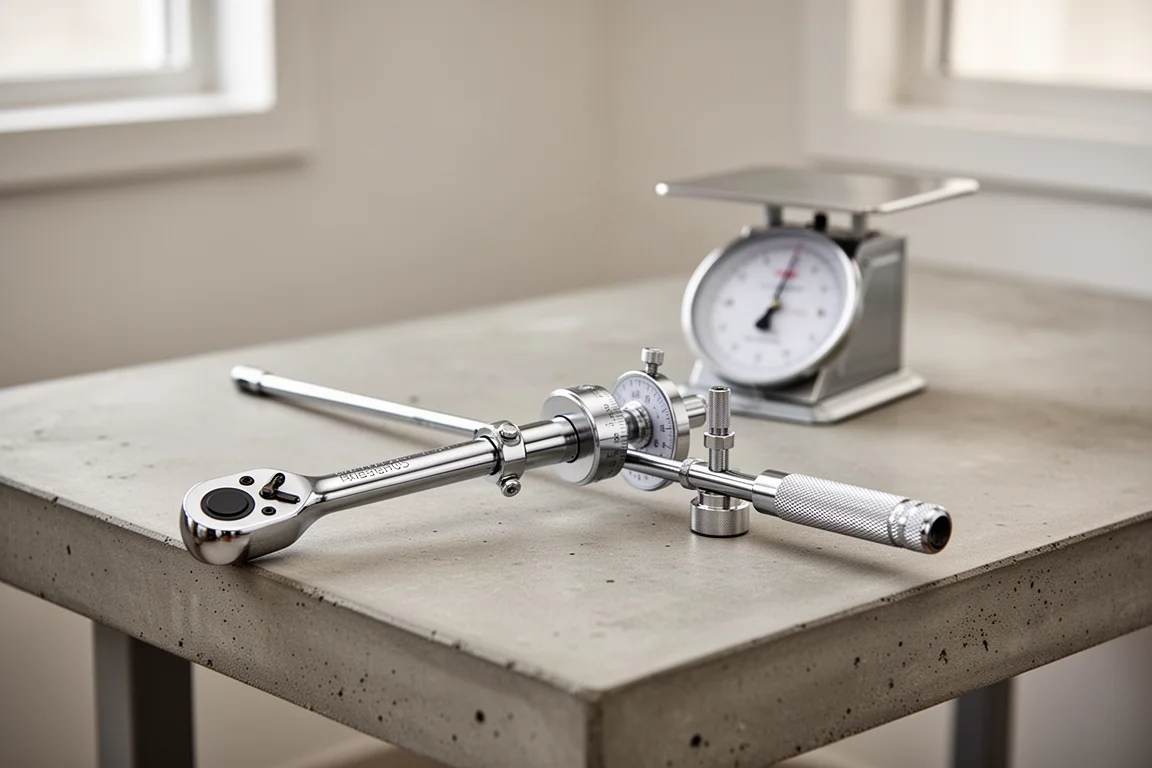
It is a great ratchet design that needs a little help. If the back drag issue can be resolved in a revision, this could become a standout tool. For now, try one in person before committing, and confirm which version you are getting.
Conclusion
Snap-on’s 100-tooth ratchet is a bold new design with real strengths: a lower profile, a cleaner screw arrangement, a protective sacrificial bolt design, and a finely machined new mechanism. But roughly double the back drag of the traditional design, unverified flex head durability, an odd retro logo choice, and an unclear sales situation make this a wait-and-see tool rather than an easy buy today.
Product link
View more details for Snap-on FHLF1100 100-Tooth Ratchet
This product is mentioned in the review. Check the specifications, options, and compatibility before buying.
View more details for Snap-on FHLF1100 100-Tooth RatchetFurther reading
Related Reviews
Hand Tools
Best Diagonal Cutters 2026: 16 Pliers Tested for Cutting Power and Durability
We put 16 diagonal cutters through nail, screw, drill bit, and hex key tests to find the best value picks for your toolbox.
Hand Tools
Best Hex L Key Sets 2026: Nine Sets Tested for Real-World Torque
Nine hex L key sets from budget to premium, tested for torque, fit, and durability. See which sets deliver real performance and which ones to skip.
Hand Tools
Best Locking Pliers 2026: Top Picks Tested for Grip and Durability
We tested 18 brands of 10-inch locking pliers for grip strength, jaw bite, build quality, and ease of release to find the best options for tough jobs.