Hand Tools
Snap-On AWPBX10 10-Inch Water Pump Pliers Review: Ambitious, but Is It Worth $80?
A hands-on look at Snap-On's Cobra-style water pump pliers, where they excel, and why the Knipex Cobra still holds the advantage.
Introduction
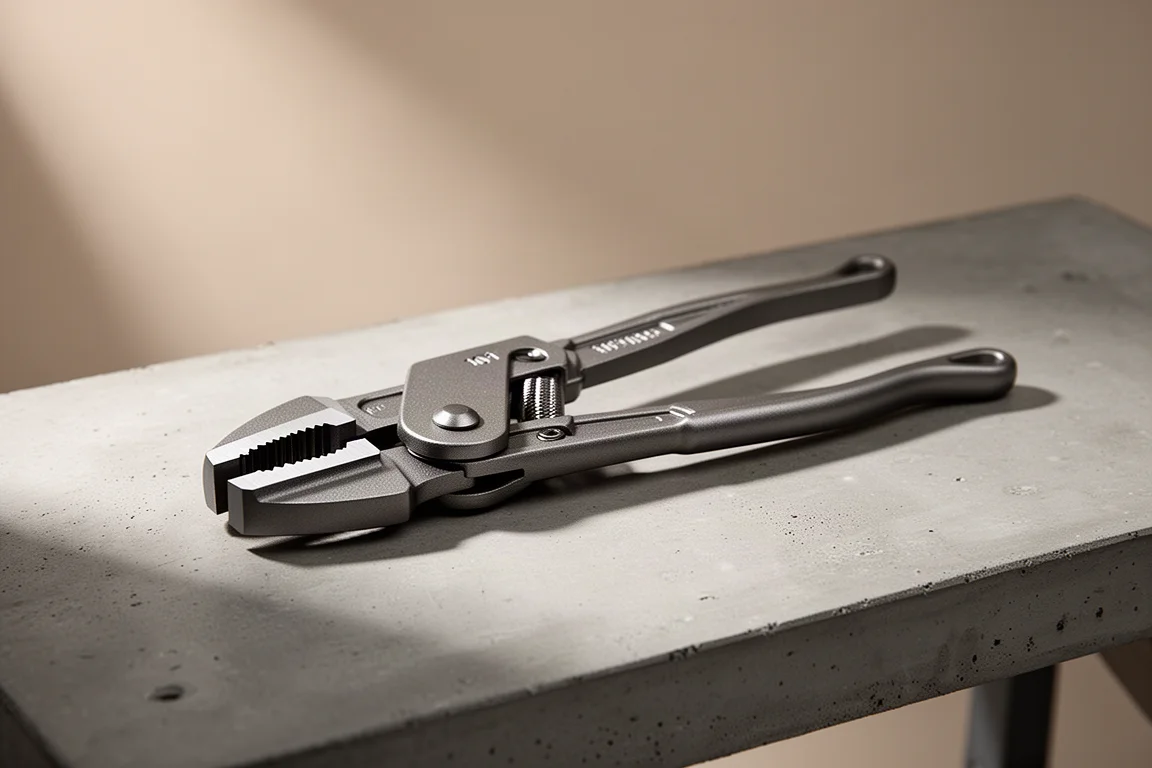
Snap-On’s AWPBX10 is the brand’s take on the Cobra-style water pump plier, and it has been generating real curiosity among tool enthusiasts. It competes directly with the well-established Knipex Cobra, but after spending serious time with both, the comparison is more nuanced than a simple spec sheet suggests. At $80 off the truck, the Snap-On costs considerably more than the Knipex Cobra, which can often be found for well under half that price. The question is whether the premium buys anything meaningful.
First Impressions and Build Quality
Out of the box, the AWPBX10 feels beefier than its rival. The material is thicker, and the overall character leans industrial, closer to a heavy-duty set of channel locks than a precision instrument. The product number is AWPBX10, it is a 10-inch plier, and it is made in Spain, where many Snap-On pliers are produced. This particular version comes in a titanium-colored finish, and the plier is also available in a handful of other colors including red, green, and orange. At the moment, 10-inch is the only size on offer.
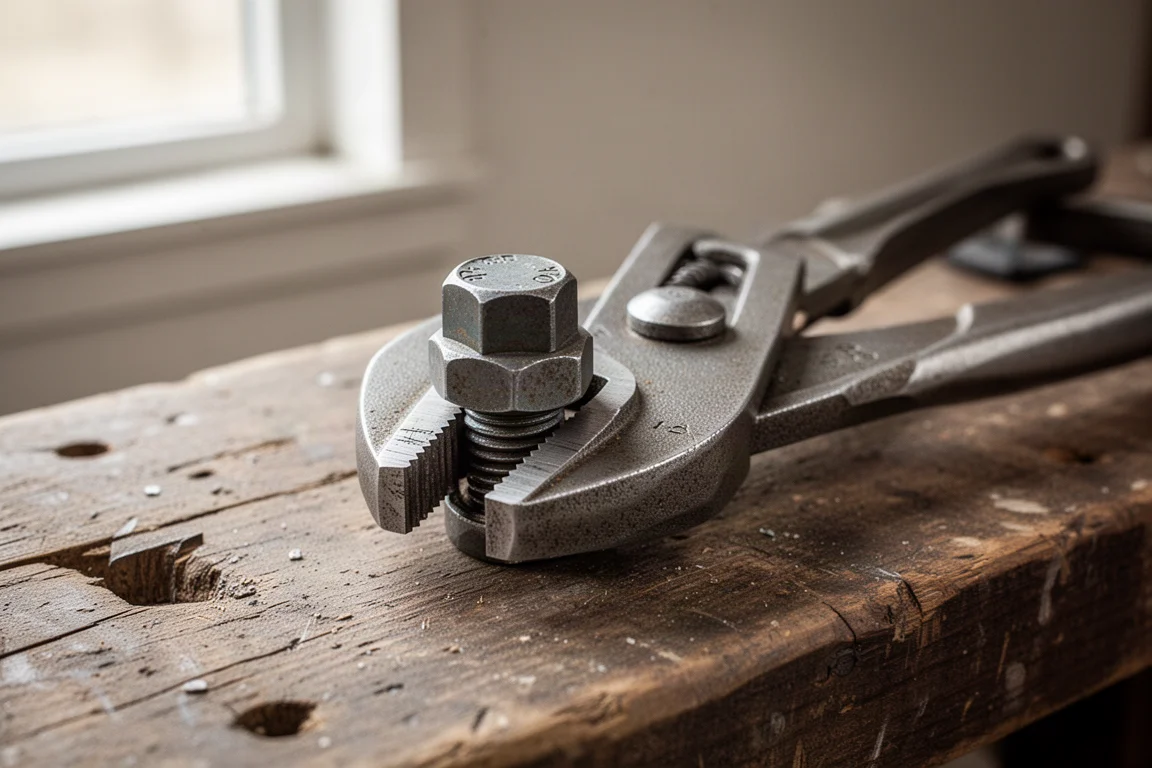
One quirk shows up right at the front end: the large coarse teeth often do not line up perfectly, giving it a slightly off bite. In fairness, it is ground finely enough that the jaws pop back into alignment under pressure, and in real-world grabbing you rarely bite anything exactly where the teeth intersect. Still, at $80, even inexpensive channel locks sometimes feel more precise out of the box. Tightening the torque screw does not take up the slop; that is simply how they are made.
Jaw Design Compared to the Knipex Cobra
The jaw layout differs noticeably. The Snap-On has a crosshatch pattern up front, one plateau of smooth surface, then continuous coarse teeth all the way to the tip, replicated on the opposing jaw. The Knipex Cobra uses a single-direction cut rather than a crosshatch, a slightly more contoured flat spot, and a mix of coarse teeth followed by fine teeth near the tip.
The Knipex design also includes the push-button adjustment that Snap-On deliberately avoided. Interestingly, using the Snap-On revealed that the perceived weakness of the Cobra’s push-button design is actually a feature, not a flaw. That realization only landed once it was missing.
The Adjustment Mechanism: Fast but Less Precise
Snap-On’s mechanism is a free-sliding box configuration, mounted lower than Knipex’s, that lets you slide the jaws back and forth one-handed with real speed. On paper, that sounds like a clear win, and in some cases it genuinely is faster.
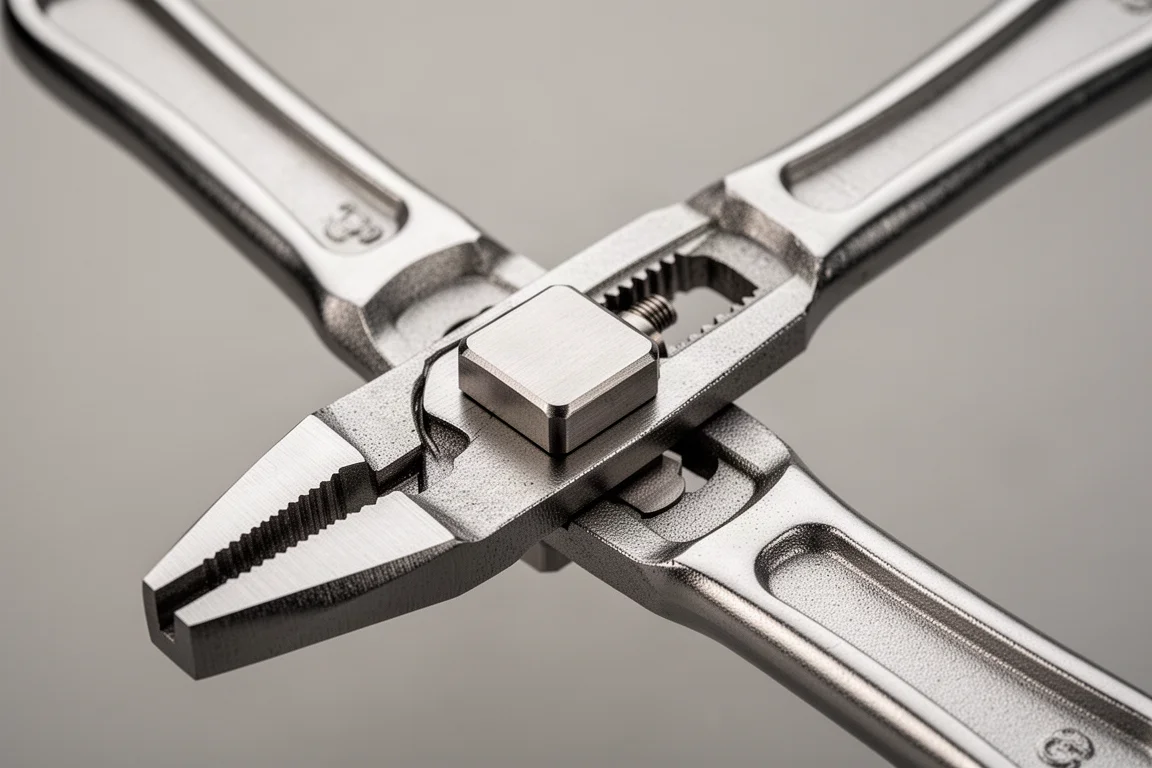
The catch is that the sliding design does not hold a set position. If you put the plier down and pick it back up, the gap may have changed, whereas the Cobra’s push button maintains the exact opening you set. When moving back and forth between tools or fasteners, that locked position matters more than you would expect. Cinching the Snap-On down around a bolt can also leave the grip far too wide at the bottom of the jaw, forcing you to loosen it and start over, which sometimes takes longer than the push button in the first place.
Grip Test: Where the Difference Shows
On a round SAE bolt, the Snap-On actually fits tighter than the Knipex Cobra in terms of total surface contact. The only gripper that edged it out in that specific test was a Bionic Wrench, which clamps down with remarkable uniformity.
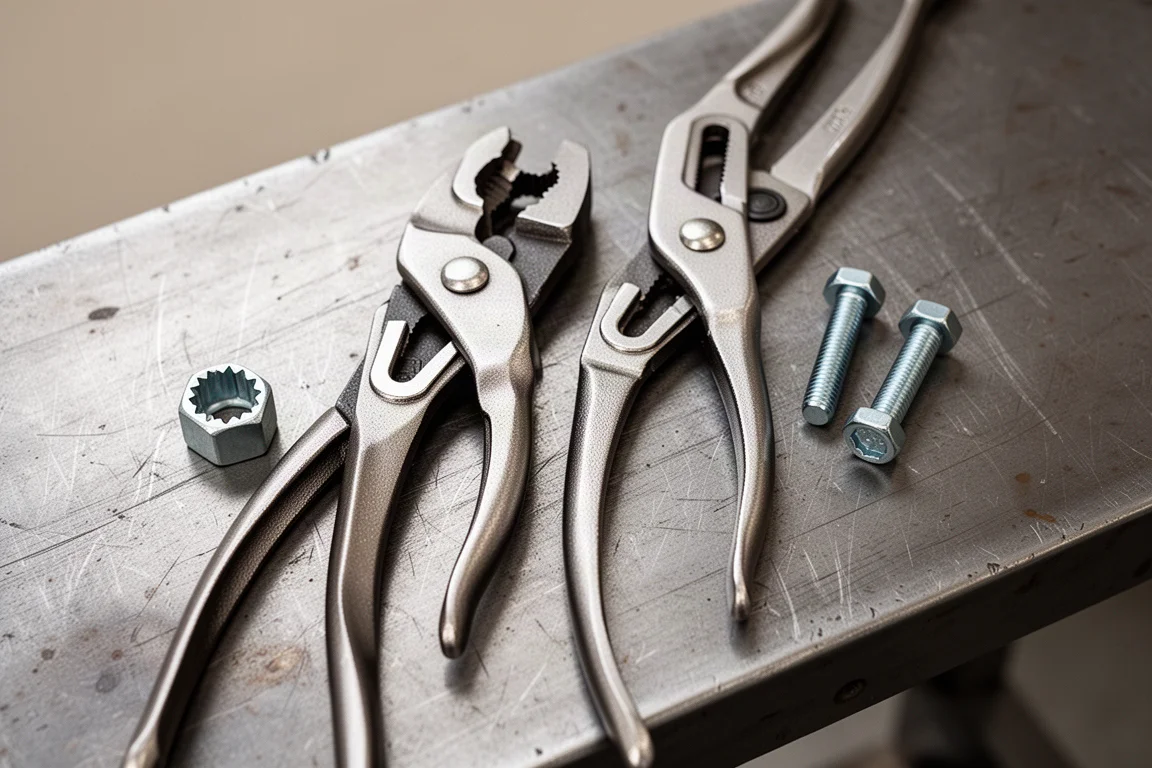
But raw contact is not the whole story. A widely circulated test involves clamping the pliers onto something and standing your full body weight on the upper handle, relying on the geometry to grip even harder. The Knipex Cobra passes that test comfortably. In a direct twisting comparison on a marked bolt, pulling hard in both directions, the result was consistent: the Cobra’s teeth dug in and held, while the Snap-On slid in either direction. No matter the rotation direction, the Knipex simply gripped better.
Who Should Actually Buy These
The AWPBX10 is ultimately more of an industrial plier. A mechanic worried about snapping a more delicate tool might appreciate its thick profile, though the protruding adjustment hardware keeps it from sitting flush. If your priority is fast, simple one-handed adjustment, Snap-On’s approach has real appeal. If you want a plier that locks into a repeatable size and grips with more authority, the Cobra’s advantages are hard to ignore.
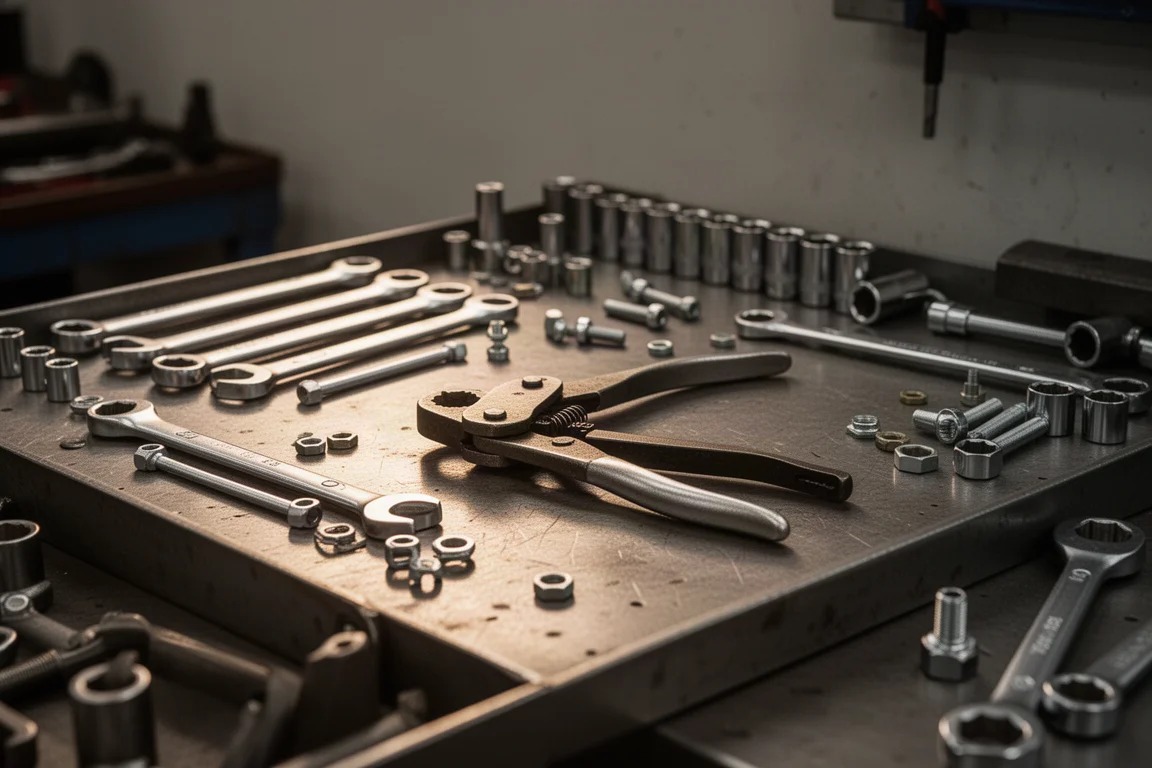
There is also a practical note on price: Knipex pliers are sold off the tool trucks too, so financing is available there as well, and Knipex carries a truck warranty just like Snap-On. Paying $80 for a design that grips less well is a hard case to make, especially when some Snap-On essentials are currently backordered.
Buying Advice
For most buyers, the Knipex Cobra remains the better water pump plier: cheaper, more precise, and measurably stronger under load. The Snap-On AWPBX10 makes sense mainly for brand-loyal mechanics who value the free-sliding speed and heavier industrial feel and do not mind paying roughly double. If that describes you, finance it off the truck with confidence. If it does not, the Cobra’s long track record speaks for itself.
Conclusion
The Snap-On AWPBX10 is a well-built, aggressively priced entry into a category Knipex has refined over many years. It looks the part and grabs big items with authority, but the free-sliding adjustment sacrifices repeatability and the grip under twist falls short of its main rival. As much as one might want to root for it, the Cobra simply holds too many advantages. Buy it only if the sliding speed and industrial build genuinely match your working style.
Product link
View more details for Snap-On AWPBX10 10" Water Pump Pliers
This product is mentioned in the review. Check the specifications, options, and compatibility before buying.
View more details for Snap-On AWPBX10 10" Water Pump PliersFurther reading
Related Reviews
Hand Tools
Best Diagonal Cutters 2026: 16 Pliers Tested for Cutting Power and Durability
We put 16 diagonal cutters through nail, screw, drill bit, and hex key tests to find the best value picks for your toolbox.
Hand Tools
Best Hex L Key Sets 2026: Nine Sets Tested for Real-World Torque
Nine hex L key sets from budget to premium, tested for torque, fit, and durability. See which sets deliver real performance and which ones to skip.
Hand Tools
Best Locking Pliers 2026: Top Picks Tested for Grip and Durability
We tested 18 brands of 10-inch locking pliers for grip strength, jaw bite, build quality, and ease of release to find the best options for tough jobs.