Hand Tools
Snap-on 786CF vs Icon PCF-600 Flush Cutter: Is the Premium Plier Worth It?
A close comparison of two nearly identical flush cutting pliers, covering finish quality, cutting precision, blade hardness, and the price gap.
Introduction
Flush cutting pliers look like the simplest tool in the drawer, and in some ways they are. But as this side-by-side comparison of the Snap-on 786CF and the Icon PCF-600 shows, two tools with nearly identical designs can still differ in ways that matter, especially at a price gap that runs from about $30 to about $84.
The short version: these two pliers are extremely similar all the way around. The differences show up in finish work, cutting smoothness, and how flush the cut really is. Whether those differences justify the premium is exactly what this breakdown is about.
What a Flush Cutter Is Actually For
A flush cutting plier is designed for plastic and soft wire only. It is a fine instrument, not a general-purpose cutter. For most people, the main job is trimming zip ties flush so there is no sharp tail left to snag or scratch anything. More refined applications, like trimming soft wire, use the same principle.
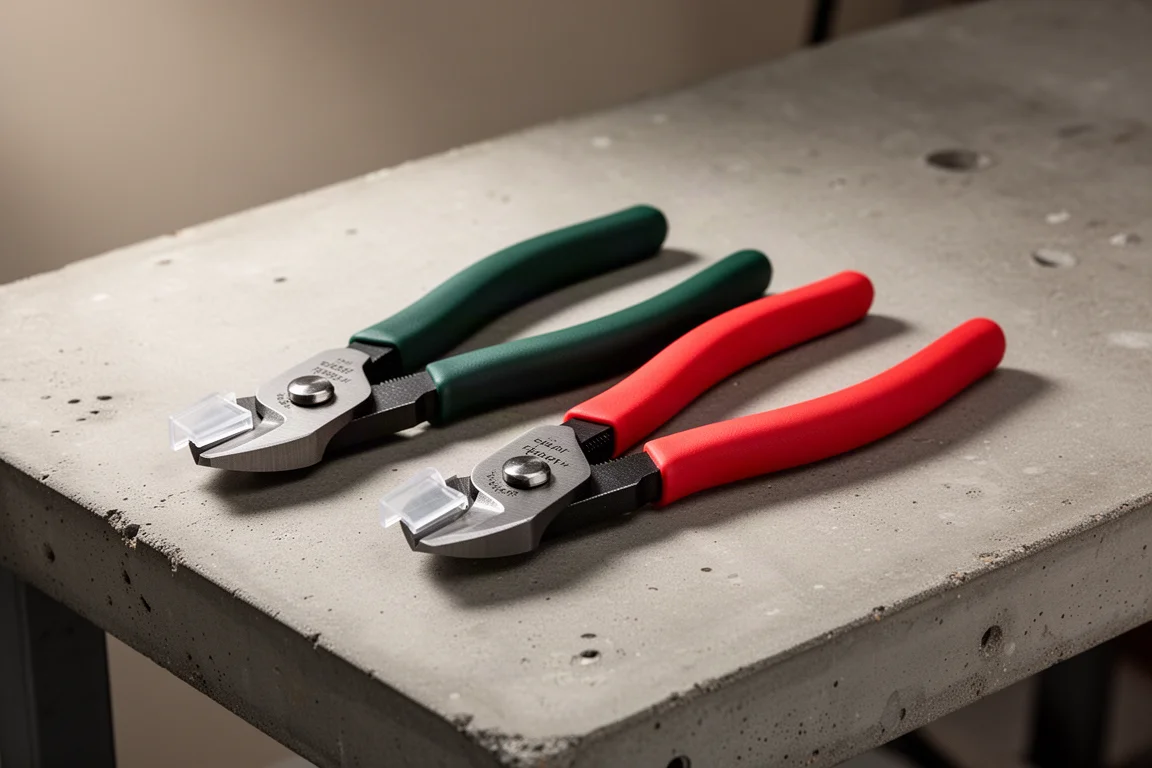
Both the Snap-on 786CF and the Icon PCF-600 come with covers designed to protect the blade when the tool is not in use. The Icon’s cover is shaped like the letter H, while the Snap-on’s is a different form, which makes it easy to tell them apart once you know the trick.
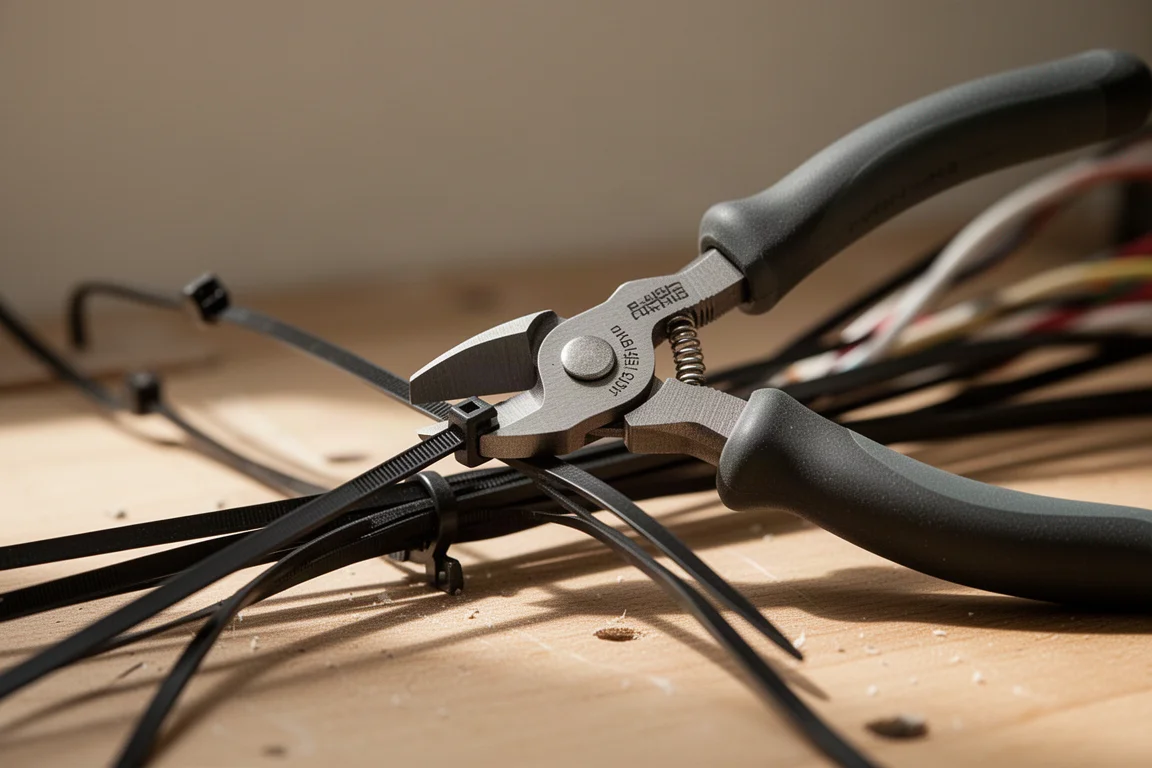
There are simpler and cheaper options in this category too. Small flush cutters in the $10 range exist, some of them made in the United States, and very inexpensive beefier flush cutters can be found for a few dollars. Those heavier options are larger and will likely last longer, but they are not the same class of fine instrument.
Design and Handle Feel
The overall design of the two pliers is almost identical. The handles feel very similar, and the plastic grip material Snap-on uses is common across many industries, essentially a polyvinyl chloride with different dyes and polymers added to adjust the consistency. There is nothing proprietary about it.
The Snap-on 786CF comes with a green handle, while the Icon PCF-600 only comes in red. Neither plier is spring-loaded. Both expand the same way, and in the hand they feel about the same.
Finish and Build Details
This is where the two tools start to separate. On the Snap-on, the forging on the handles is noticeably cruder than the Icon’s, which is an unexpected result given the price difference. Move to the rotating area near the pivot, however, and the picture flips: the Snap-on is polished there, while the Icon is not. It is a surface that does not touch anything, but a rougher texture may hold grit and dirt more easily than a smooth one.
The pivots themselves are a little different in construction, with a hole visible on one side of one design. The newer plier of the pair also retains its internal lubricant and releases it for quite a while.
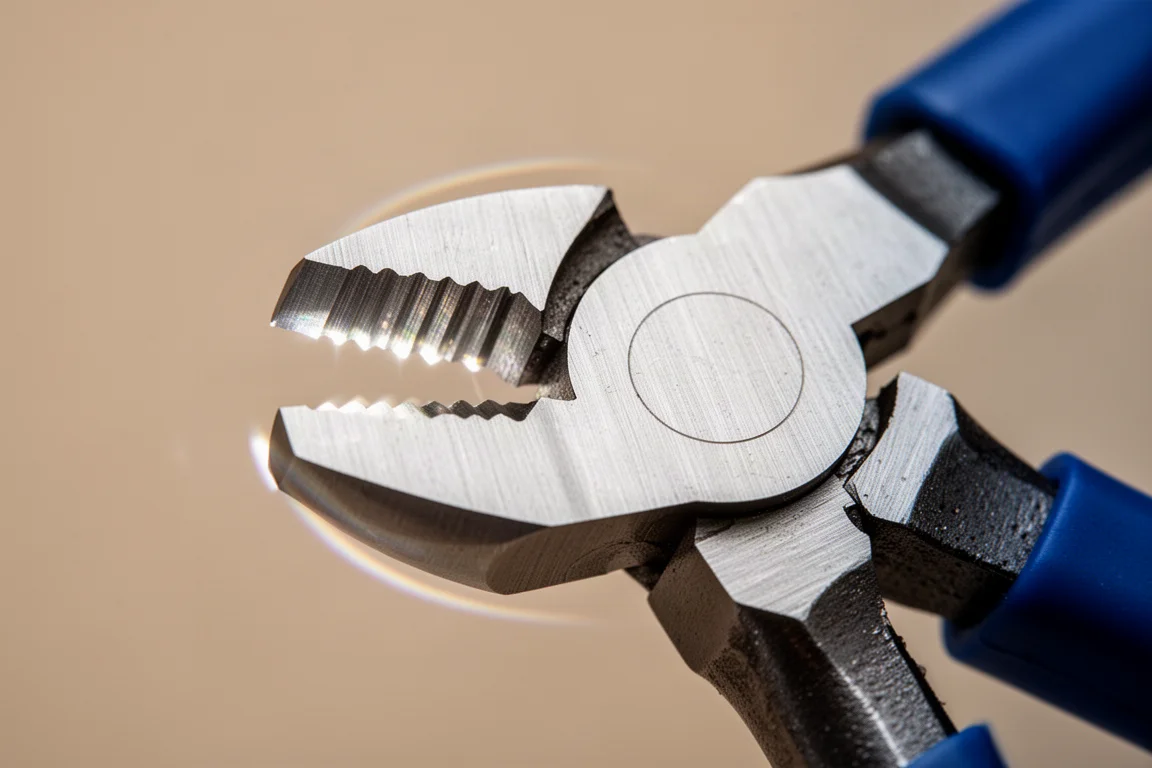
One structural difference: the Snap-on has a very slight overlap at the profile of the business end, while the Icon is silky smooth there. Some flush cutters do have overlap by design, so whether this is intentional or a machining artifact is unclear.
Cutting Performance
Both pliers cut extremely well in the normal working range. The meaningful difference appears close to the pivot, in the small gap at the bottom of the jaws. That gap is bigger on the Icon. If you drop a cut all the way down near the pivot and squeeze, both leave an incomplete cut, but the Snap-on gets much closer to being done, while the Icon leaves noticeably more material behind.
Above that point, neither gap matters. Under magnification, the Icon actually produced the cleaner, more flush cut on soft plastic, cutting more completely and leaving less of a lip sticking up. The Snap-on leaves a small lip that shows up clearly under close inspection.
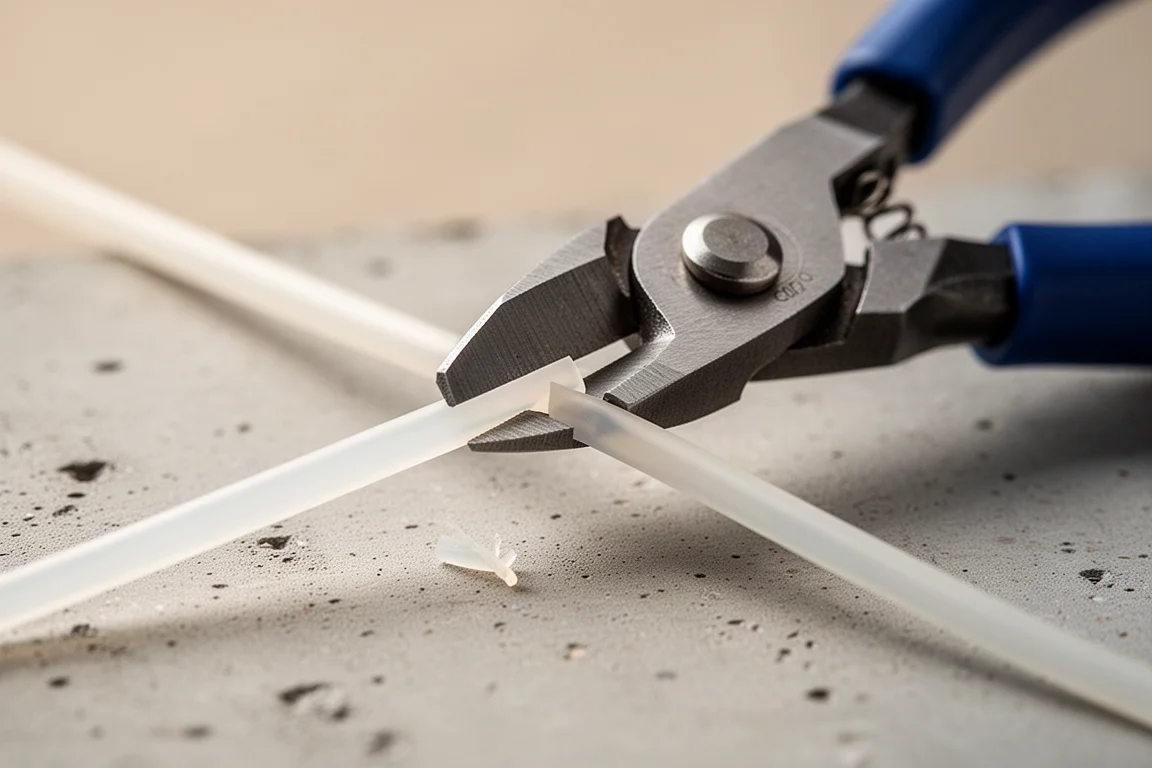
There is also a behavioral difference worth knowing about. The Snap-on has a pop: when it completes a cut, the trimmed piece flies away with force, potentially across the room. That is worth keeping in mind if you are working with small parts. The Icon cuts softer, so the trimmed piece builds up and sticks to the blade rather than launching. It does not appear to have a retainer, but it holds the fragment anyway, which is a genuine advantage in situations where you do not want a piece flying off.
The wear observed on the Snap-on after use, showing up as small imperfections in the closing surfaces, is another detail to keep in mind, though the Snap-on carries a lifetime warranty.
Hardness Testing
Both pliers show evidence of differential hardening, meaning the cutting knives are deliberately harder than the handles. At least the Snap-on is confirmed to have this; Icon does not state it, but it likely uses induction or laser hardening on the cutting knives.
On the handles, both scratched at a hardness level of 60 and did not scratch at 50, with a 55 leaving a marginal mark, so they effectively score the same.
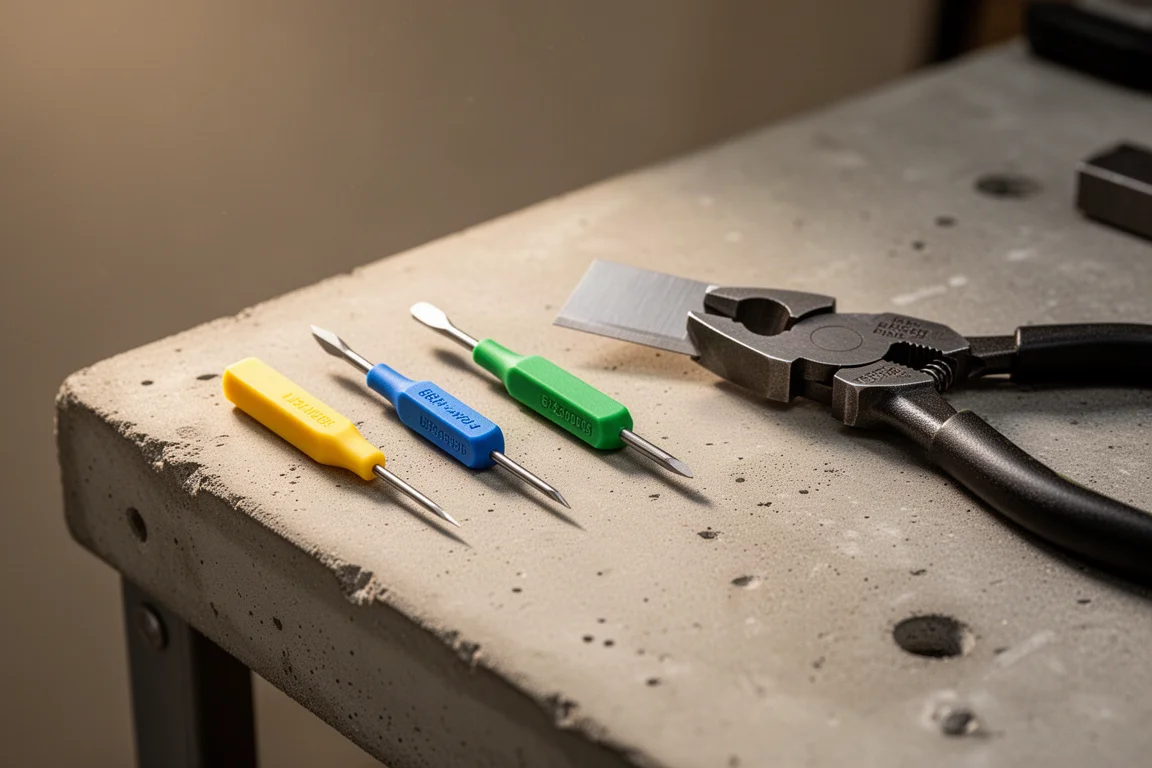
On the cutting knives, the results were harder to separate. Neither blade could be scratched with a 60 tester. A 65 tester barely marked the Icon, while the Snap-on resisted even the 65 tester, suggesting it is over 65 on the scale. Calling it a tie is reasonable, with the caveat that both are extremely hard at the business end, and the test ran out of resolution at the top.
Which One Should You Buy?
If the question is purely about performance, the Icon PCF-600 gives you almost everything: it cuts more flush under magnification, its trimmed pieces do not fly across the room, and its forging finish is actually cleaner than the Snap-on’s. At roughly $30, it is easy to recommend as the practical choice.
The Snap-on 786CF still has arguments in its favor. It cuts smoother in feel, gets closer to a complete cut near the pivot, shows better polish in the rotating area, and its cutting knives resisted the highest hardness tester available. It also comes with a lifetime warranty. Whether that combination is worth about $84 over a $30 tool depends on how much you value those last few percent of refinement.
Conclusion
These are two extremely similar tools with one large price difference. The Icon PCF-600 cuts more flush and handles trimmed pieces more gracefully for around $30, while the Snap-on 786CF offers smoother action, higher confirmed blade hardness, and a lifetime warranty at roughly $84. For most zip tie and soft wire work, the budget option delivers; for buyers who want the last measure of polish and warranty backing, the Snap-on earns its premium.
Product link
View more details for Snap-on 786CF Flush Cutter
This product is mentioned in the review. Check the specifications, options, and compatibility before buying.
View more details for Snap-on 786CF Flush CutterFurther reading
Related Reviews
Hand Tools
Best Diagonal Cutters 2026: 16 Pliers Tested for Cutting Power and Durability
We put 16 diagonal cutters through nail, screw, drill bit, and hex key tests to find the best value picks for your toolbox.
Hand Tools
Best Hex L Key Sets 2026: Nine Sets Tested for Real-World Torque
Nine hex L key sets from budget to premium, tested for torque, fit, and durability. See which sets deliver real performance and which ones to skip.
Hand Tools
Best Locking Pliers 2026: Top Picks Tested for Grip and Durability
We tested 18 brands of 10-inch locking pliers for grip strength, jaw bite, build quality, and ease of release to find the best options for tough jobs.