Snow Sports
Smith Imprint 3D Goggles: A Custom-Fit Snow Goggle Worth the Wait
Smith's 3D-printed Imprint 3D goggle maps your face for a truly custom fit, and it still takes the standard I/O Mag magnetic lens. Here's how it works and who should consider it.
Introduction
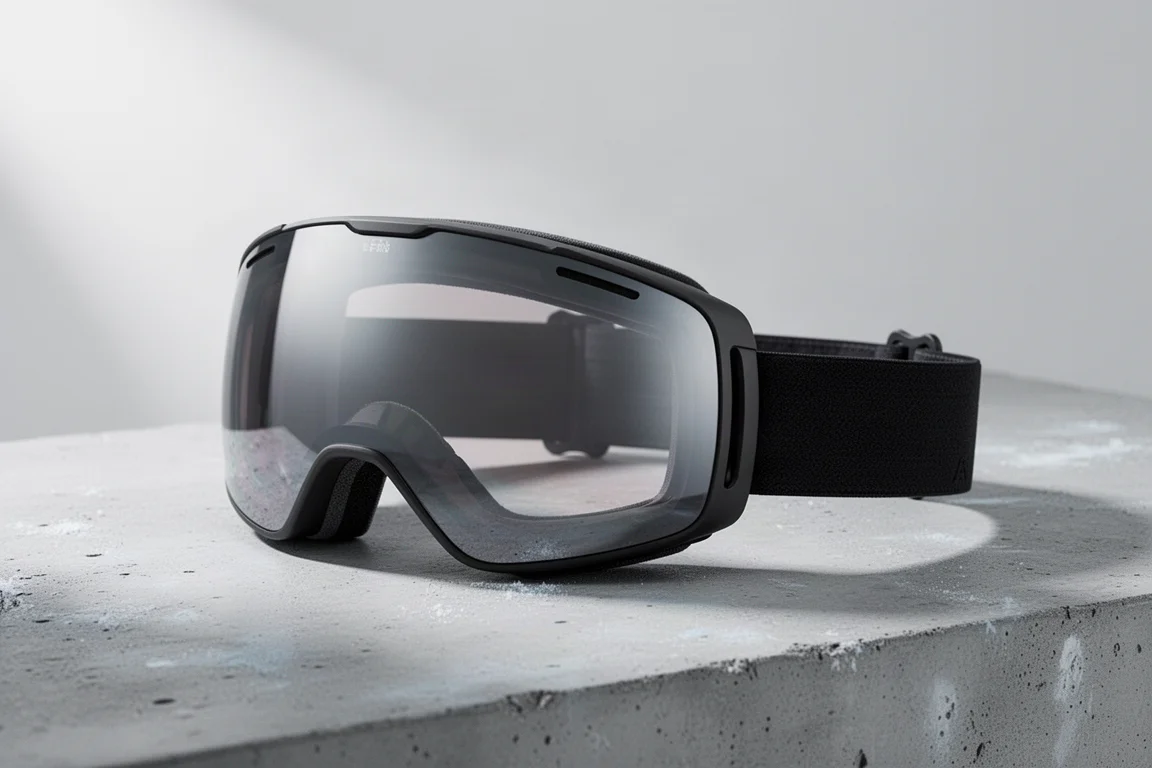
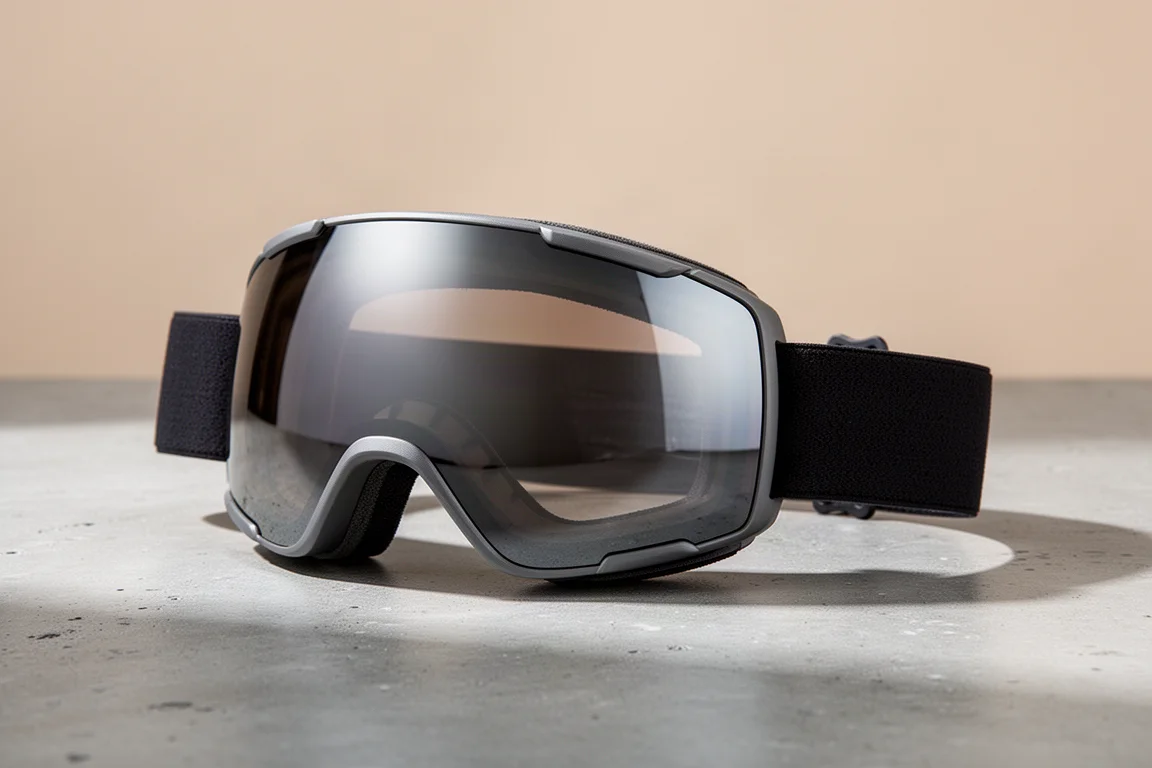
Most snow goggles force your face to adapt to them. Smith’s Imprint 3D flips that around: the goggle frame is 3D printed to match the contours of your actual face. After trying it, the difference was obvious from the first moment it touched down. If you’ve ever fought pressure points, nose gaps, or light leaks with off-the-shelf goggles, this is one of the few products that genuinely addresses the root of the problem.
How the Custom Fit Process Works
Ordering an Imprint 3D starts on Smith’s site, where you pick one of four lens options plus a bonus flat light lens, and choose between two strap colors: black or white. From there you download the Smith Optics app, answer a few quick questions, and scan your face. One look to the left, one to the right, and the app maps your features. The entire scan, mapping, and design step took about five minutes.

About two weeks later, the finished goggle arrives. Smith’s system slices your facial mapping into a print file, and a 3D printer builds the frame layer by layer into a flexible, face-specific structure.
The Custom Fit Difference
The printed frame has two distinct sides. The front accepts a standard I/O Mag magnetic lens, so you keep access to Smith’s regular lens ecosystem. The back, though, is molded precisely to the contours of your face.
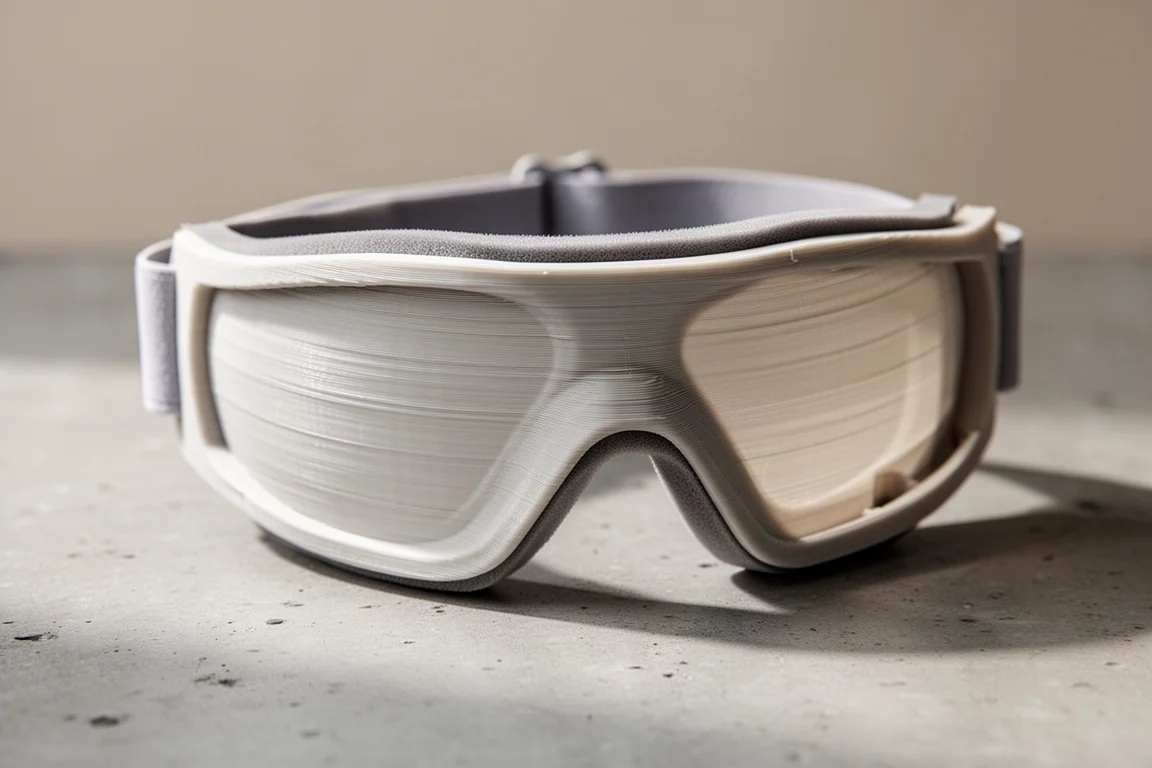
With a standard I/O Mag, the fit was workable but not ideal: without cinching the straps down tight, gaps on each side of the nose let light leak in. The Imprint 3D eliminates those gaps entirely, even though it uses face foam only a third as thick as the standard version. The frame itself does the sealing work, which is exactly what a custom fit should do.
Lens Options and the I/O Mag Connection
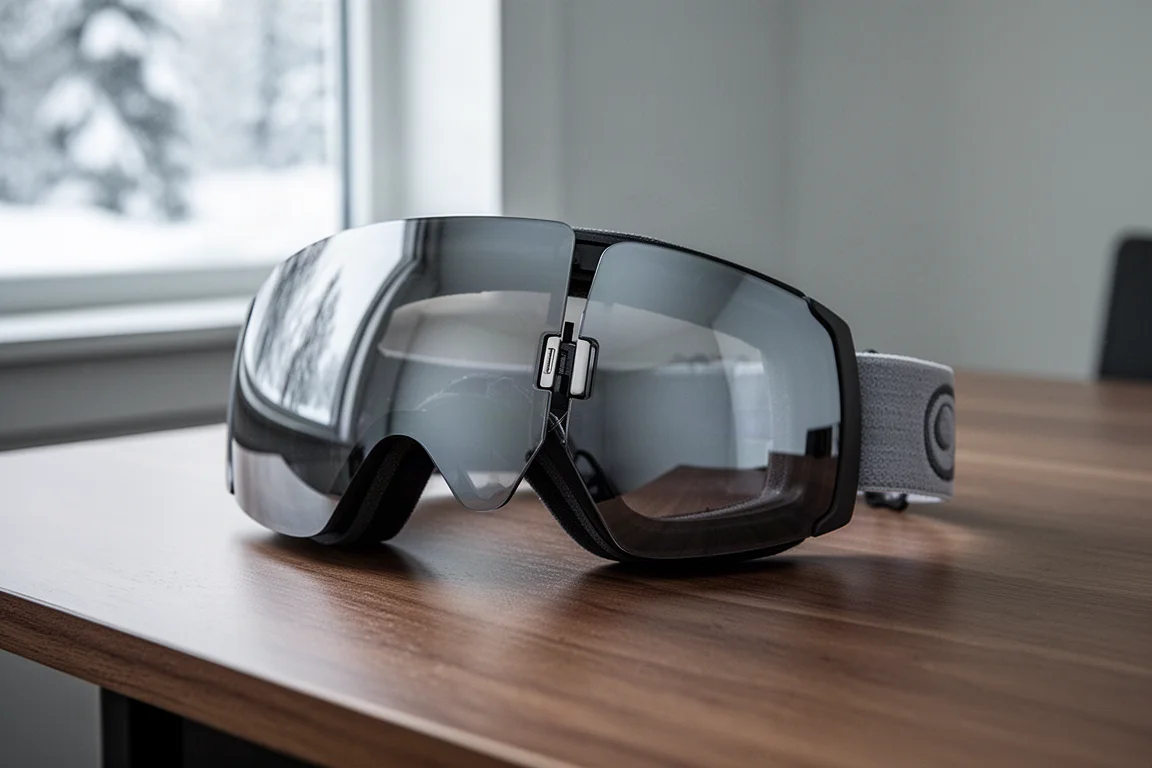
Because the Imprint 3D uses Smith’s standard I/O Mag magnetic lens on the front, lens swapping stays quick and familiar. You choose your lens at checkout from four options plus the included flat light lens, giving you coverage for a range of light conditions from the start.
Things to Consider Before Buying
The custom process adds a wait of roughly two weeks between ordering and delivery, and you need to complete a facial scan through the Smith Optics app. Strap choice is limited to black or white. None of these are deal breakers, but they’re worth knowing before you commit.
Who Each Option Suits
The standard Smith I/O Mag remains a strong choice if your face gets along well with conventional goggle shapes. It delivers the magnetic lens system and proven performance at a lower price and with no waiting period.
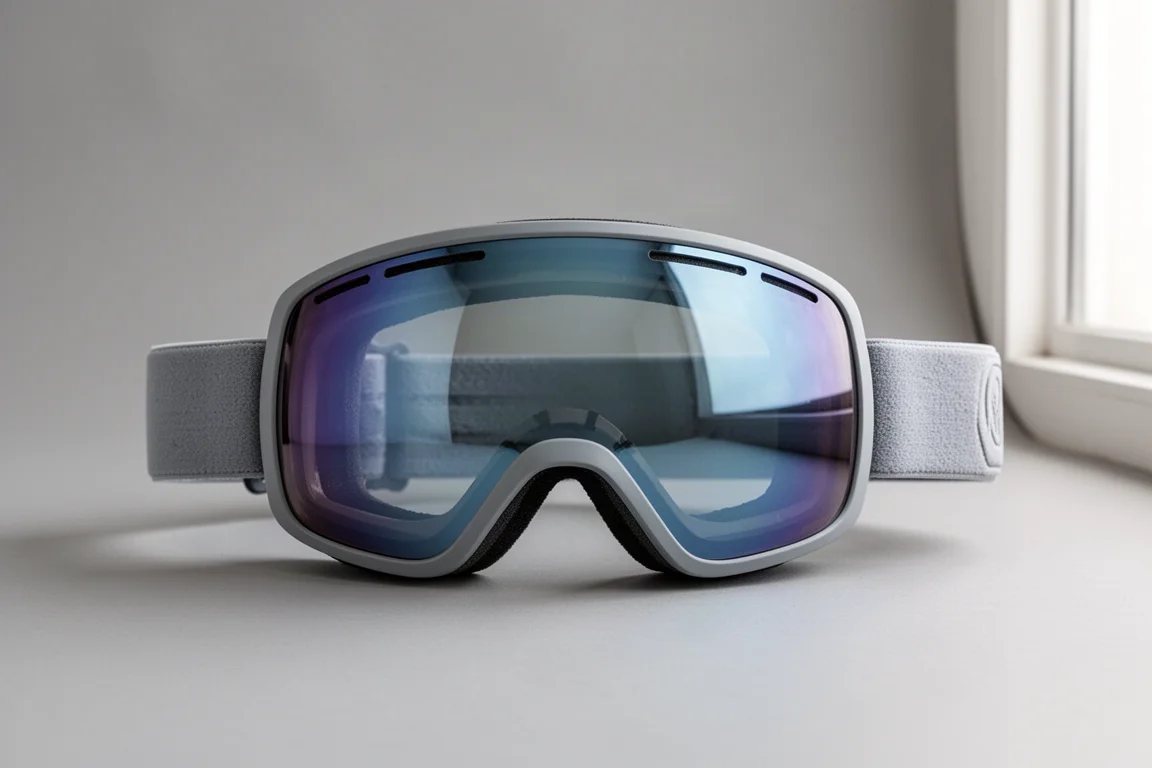
The Imprint 3D is for riders whose faces don’t cooperate with standard frames. If you’ve accepted nose leaks or pressure points as inevitable, this custom-printed frame removes them while keeping the I/O Mag lens ecosystem intact.
Buying Advice
If off-the-shelf goggles fit you fine, the standard I/O Mag covers most needs. If you’ve struggled with fit on every goggle you’ve owned, the five-minute scan is a small step for a fit that feels like the goggle was made for you, because it was.

Conclusion
Smith’s Imprint 3D is one of the rare products where the technology serves a practical purpose rather than a marketing one. A custom 3D printed frame, standard magnetic lenses, and the elimination of fit-related light leaks make it an easy recommendation for anyone who has never found a goggle that truly fits.
Further reading
Related Reviews
Snow Sports
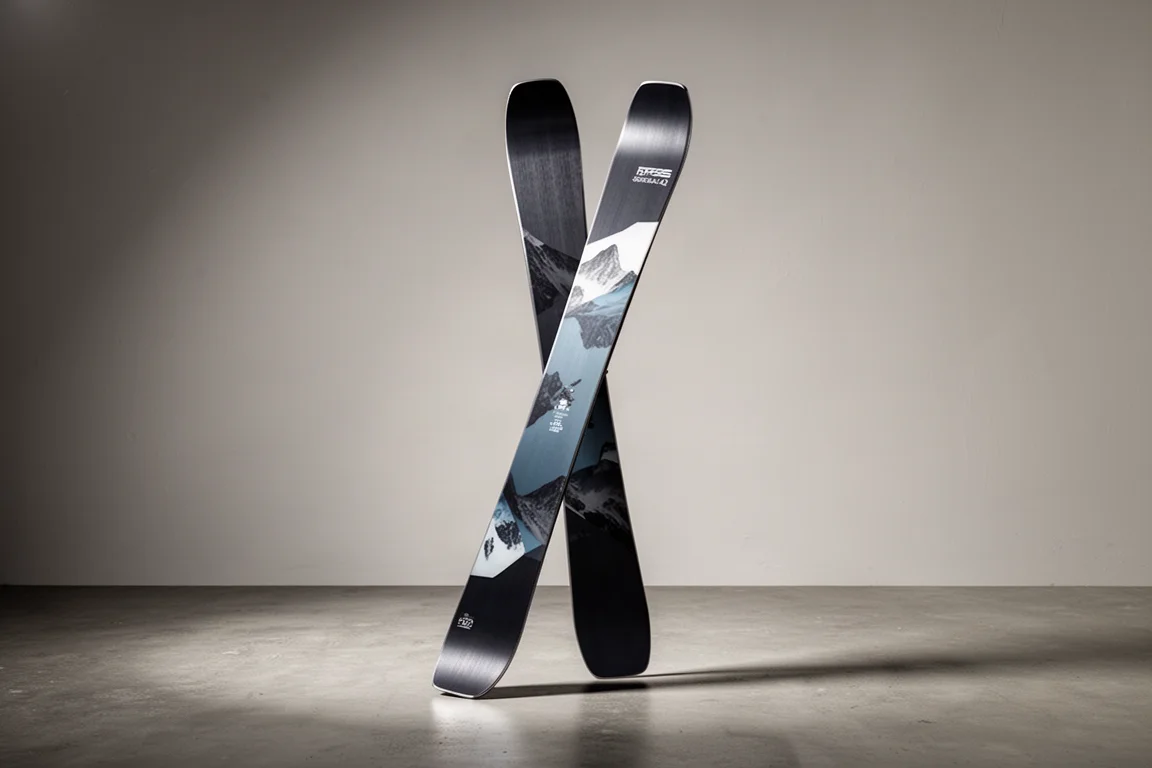
DPS Pagoda 112 RP Review: A Powder Ski Built to Turn
A closer look at the DPS Pagoda 112 RP, a 112mm powder ski with a three-wood core, dual carbon laminates, and RP shaping that holds a 15-meter turn radius at every length.
Snow Sports
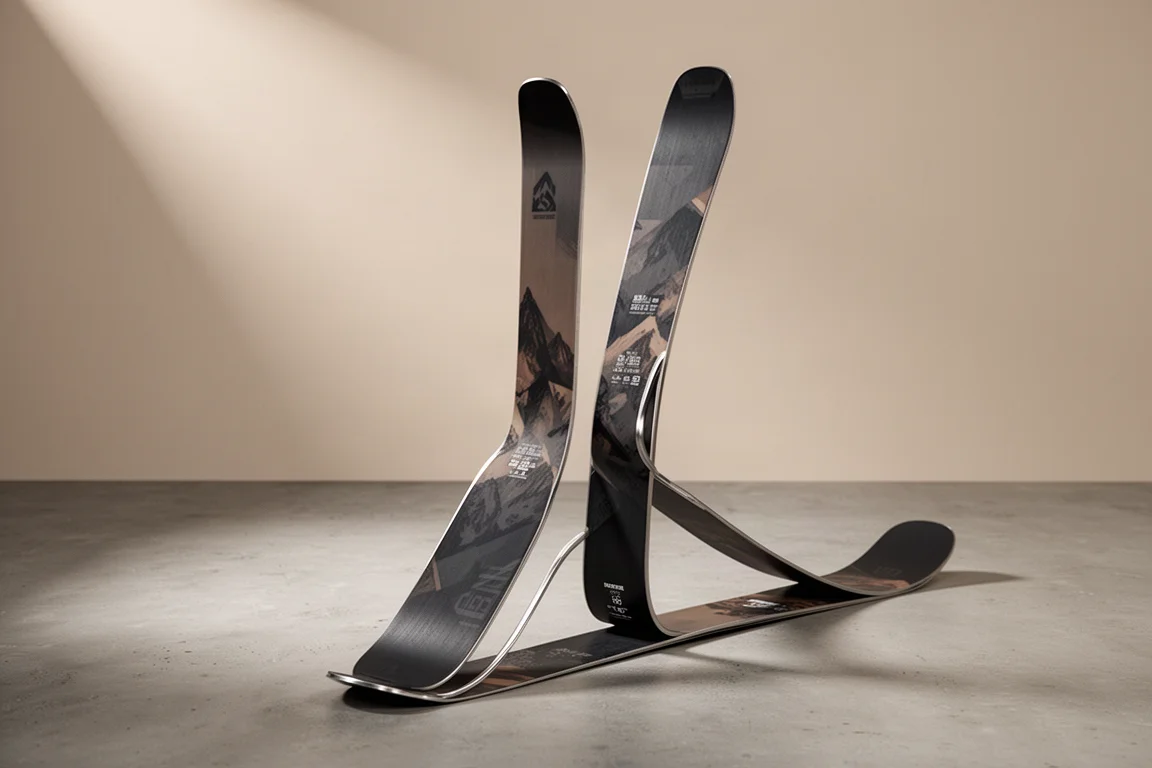
Dynastar M3 108 Review: A Dedicated Powder Ski Built for Effortless Deep Snow
A 108mm powder ski with a lightweight hybrid poplar and polyurethane core, a soft round flex, and generous tip and tail rocker that make deep snow feel effortless.
Snow Sports
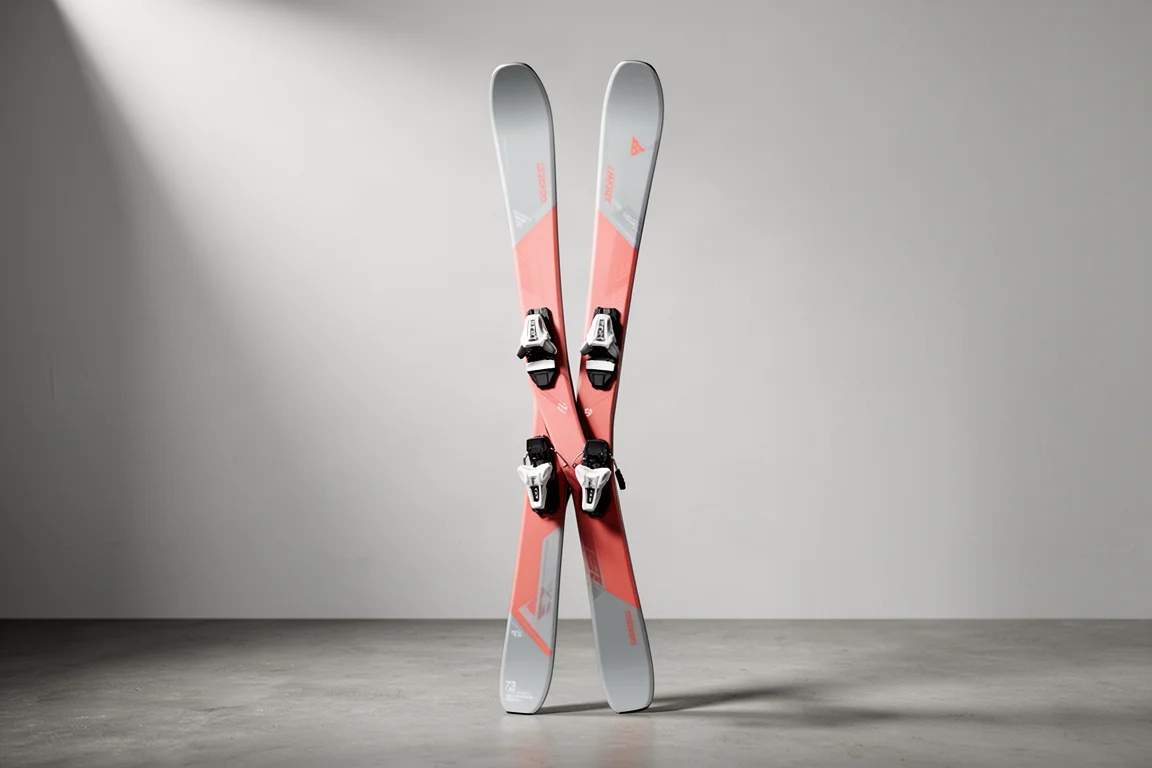
Head Pure Joy Review: A Value-Driven Women's Ski for Beginners and Improving Intermediates
A close look at the Head Pure Joy, a women's system ski with a synthetic core, a graphene layer, and a friendly 73 mm waist aimed at skiers stepping out of rentals.