Smartwatches
Smartwatch Thickness Specs vs Reality: Five Watches Measured
We measured five popular sports and smartwatches against their officially listed thickness and weight specs, and the gap is bigger than you might expect.
Introduction
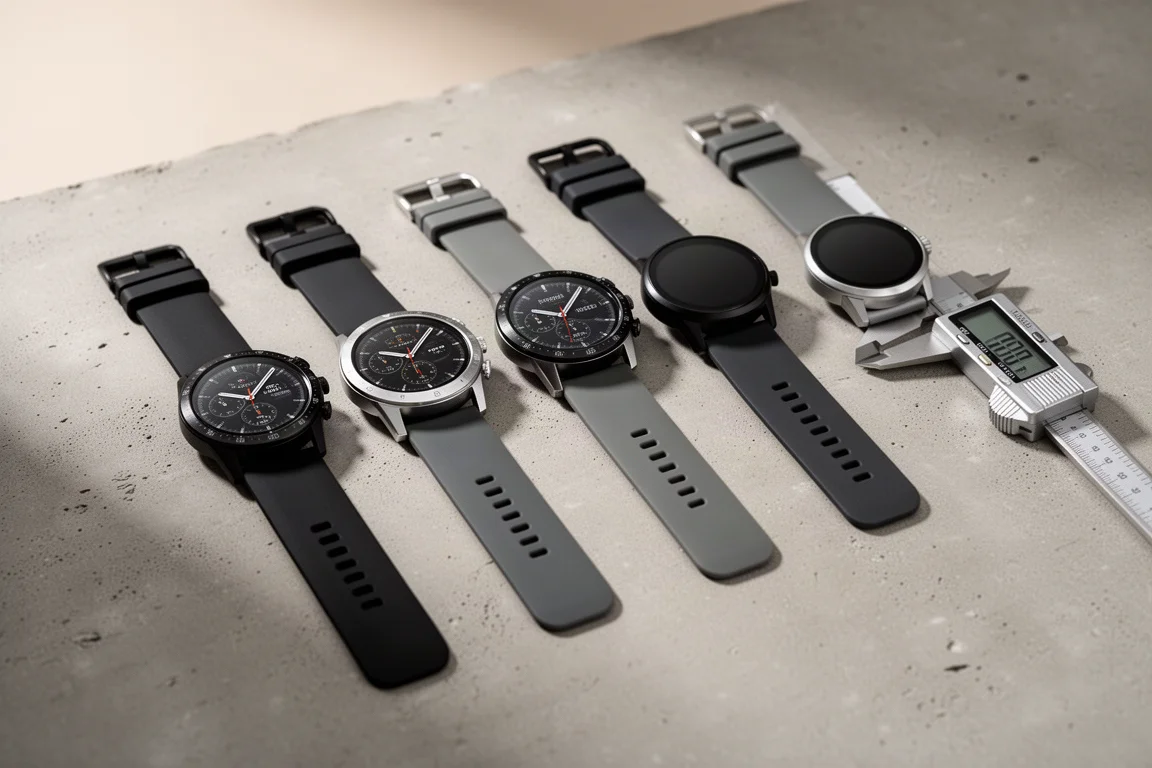
Thickness specs are one of the first numbers shoppers look at when choosing a sports watch or smartwatch, because case depth determines how the watch sits on the wrist. So we put five popular watches on a calibrated measuring tool and a scale, and compared the results against the official numbers published by each brand. The results range from spot-on to genuinely surprising.
What We Measured and How
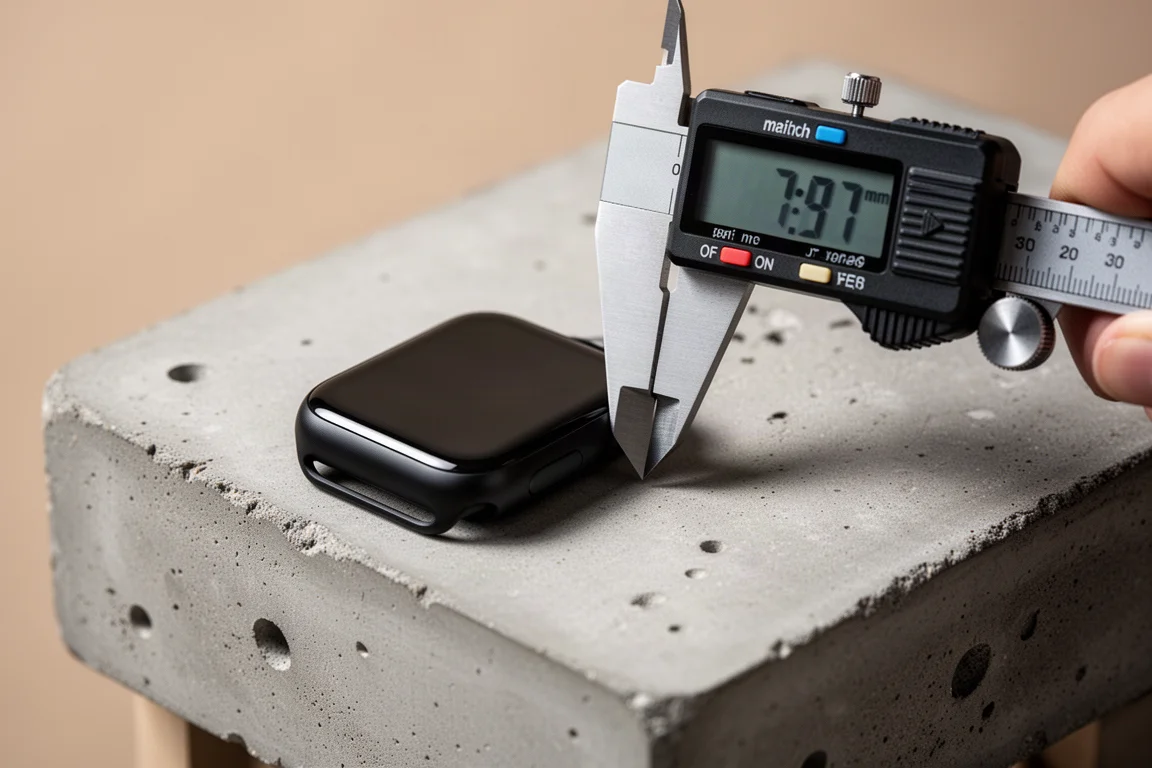
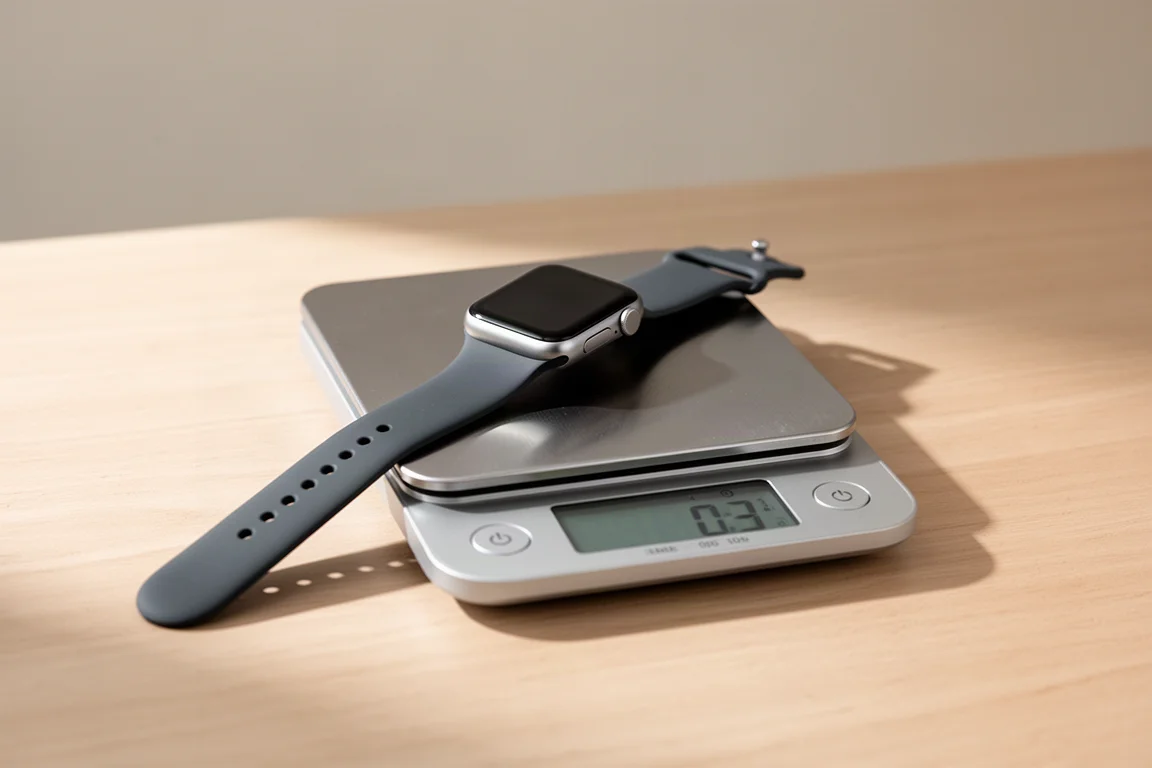
Every thickness measurement was taken with a calibrated digital measuring tool, cross-checked against a measuring mat, with the tool zeroed before each reading and rechecked afterward. The margin of error is roughly 0.1 millimeters. Weight was measured on a scale zeroed before each reading. In other words, the methodology was as careful as a home measurement can reasonably be.
Samsung Galaxy Watch5 Pro: The Biggest Gap
The Galaxy Watch5 Pro lists a depth of 10.55 millimeters on Samsung’s official site, which is oddly thinner than the sleek Galaxy Watch Active lineup from a few years ago. Measured reality: a touch over 15 millimeters, roughly 50 percent more than the claimed figure. The gap is far too large to be explained by the usual sensor bump workaround, which we will come back to below.
Samsung Galaxy Watch5: The Same Story in Two Sizes
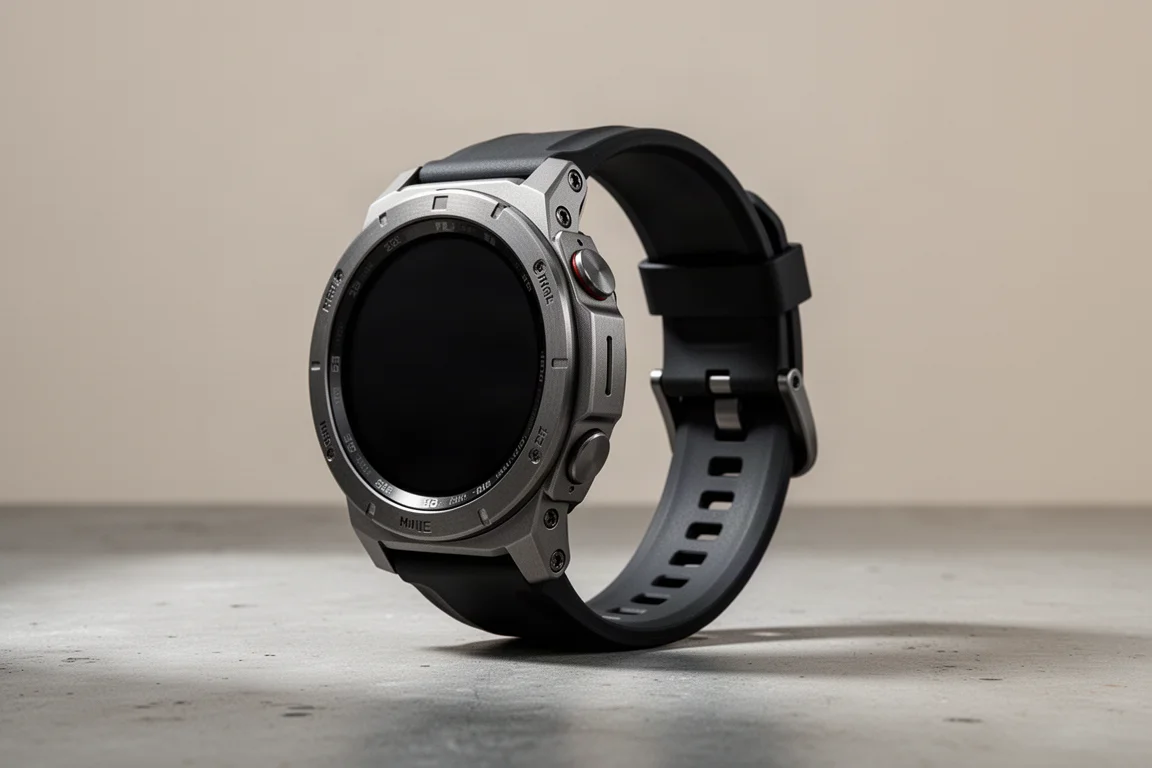
The 40mm Galaxy Watch5 claims 9.8 millimeters of thickness but measures about 13 millimeters, roughly 30 percent thicker than stated. The 44mm version shares the same spec and is off by the same amount. Whichever size you buy, the real-world case is noticeably chunkier than the spec sheet suggests, which matters if you are trying to judge wrist presence before ordering.
Apple Watch Series 7: Thinner Than Advertised, But Not Quite
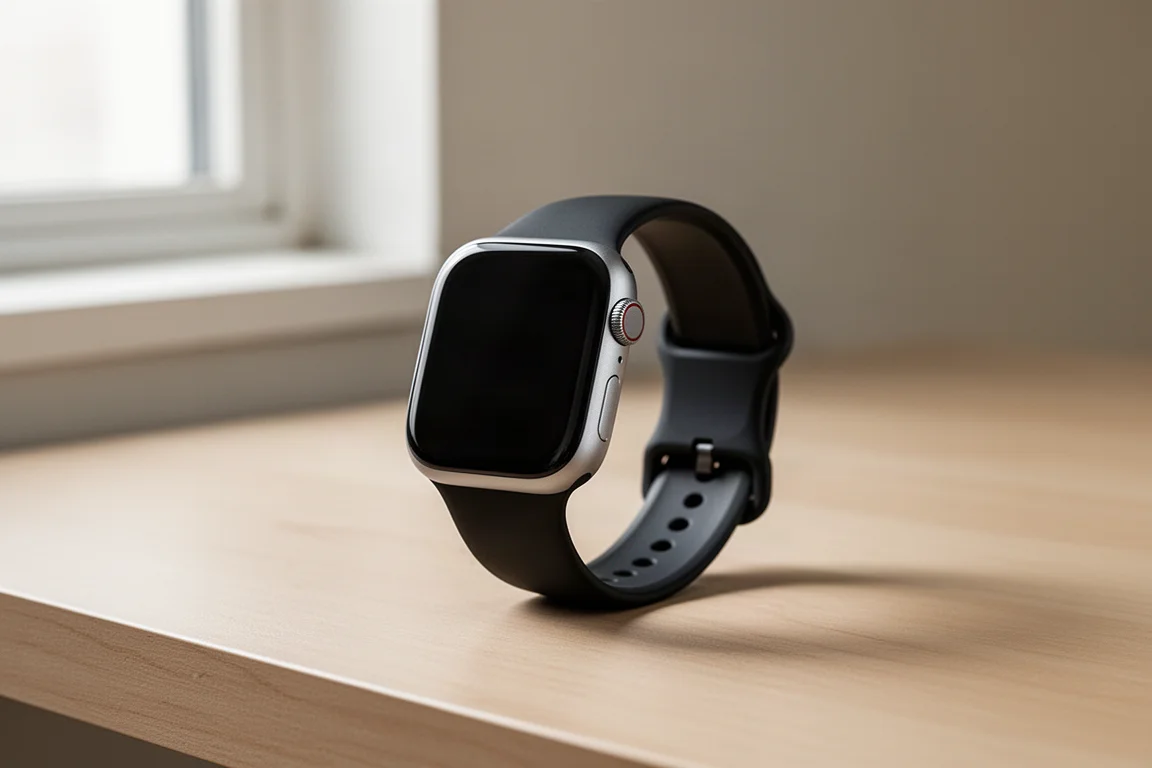
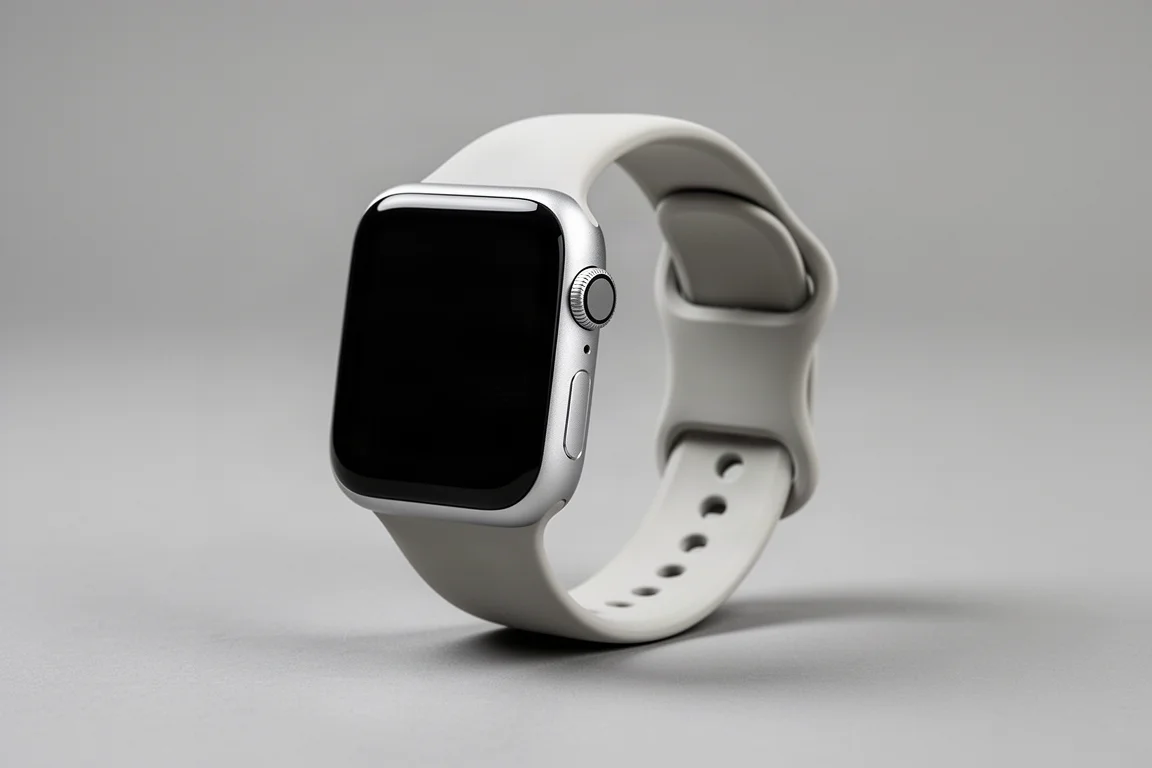
The Apple Watch Series 7 lists a depth of 10.7 millimeters and measured just over 13 millimeters on our tool. Apple is doing the same thing most brands do: the official figure excludes the optical sensor bump on the underside. It is a smaller discrepancy than Samsung’s, but the pattern is identical.
The Sensor Bump Every Brand Ignores
Digging into Garmin’s and Apple’s figures revealed what they were actually measuring: both exclude the protruding optical sensor on the underside of the case. Apple’s 10.7mm claim matched a measurement of about 10.68mm taken without the sensor bump, and Garmin’s 12.9mm figure matched the same technique. The bump typically adds one to two millimeters.
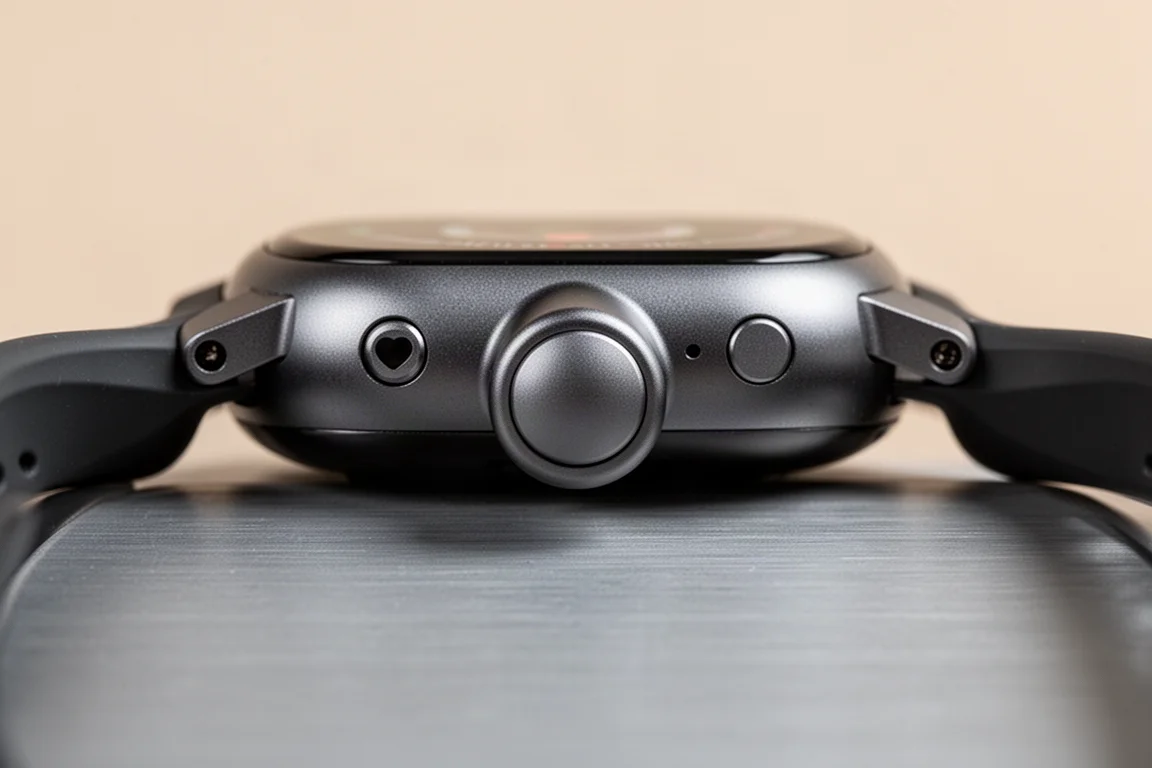
There is a partial argument for this: once you tighten the strap, the sensor bump presses into the skin and effectively disappears. But the physical depth of the device does not change, and no brand’s spec page footnote mentions that the sensor bump is excluded. It is essentially an unwritten agreement across the industry, and it makes honest side-by-side comparison harder than it should be.
Fitbit Sense: The Honest One
The Fitbit Sense lists a thickness of 12 millimeters and measured 12.24 millimeters, well within a normal margin of error. That tracks with Fitbit’s general reputation for conservative, honest claims on things like battery life and specs. Of the five watches measured, Fitbit was the only established brand that described its watch accurately.
Wahoo ELEMNT Rival: Measured and Called It Done
The Wahoo ELEMNT Rival lists 15.3 millimeters and measured 15.23, an essentially perfect match. As Wahoo’s first smartwatch, there was apparently nobody telling the team they were supposed to shave the number down; they measured it and published it. Combined with Fitbit, that makes two brands out of five that describe their watches honestly.
Weight Claims Leave Out the Straps
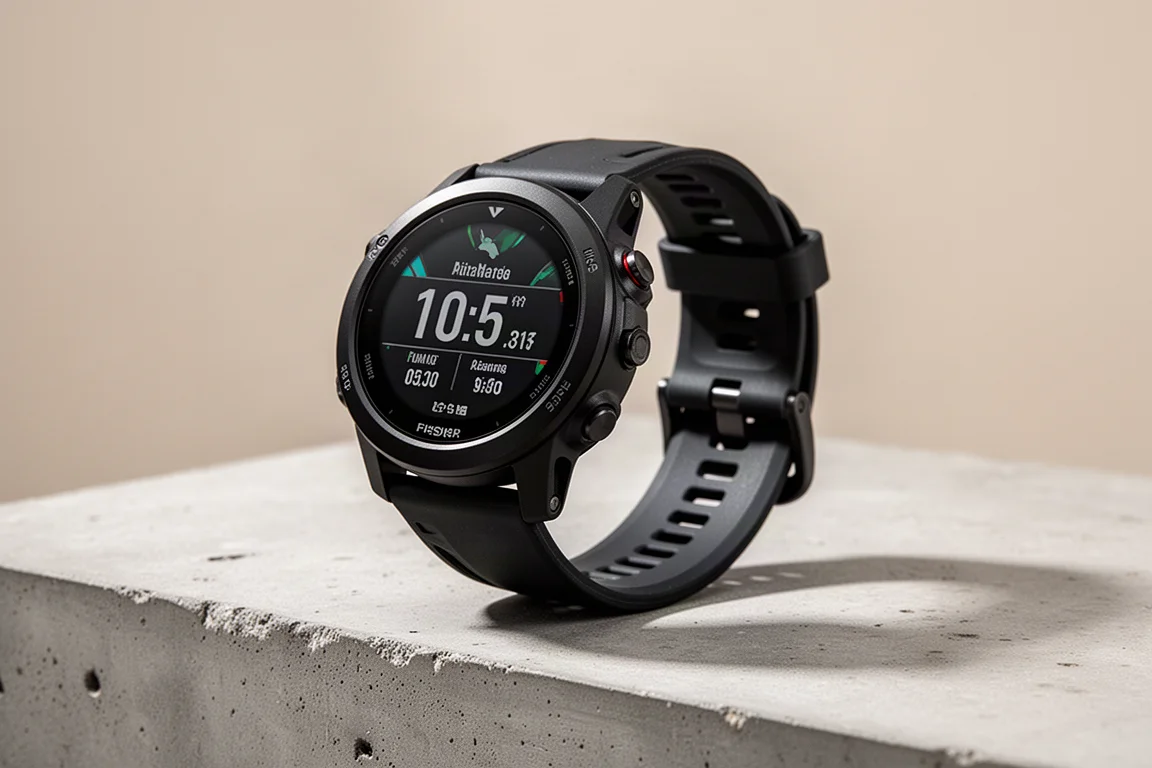
Thickness is not the only fudged number. Samsung lists the 40mm Galaxy Watch5 at 28.7 grams and the 44mm at 34 grams, but those figures cover only the watch pod without straps. With straps fitted, our scale showed about 50 grams and 55 grams respectively. By contrast, brands like Garmin include strap weight and also list the pod-only weight in parentheses, which is the more transparent approach.
View more details for Samsung Galaxy Watch5
A Household Shortcut for Sizing
For a practical sizing trick, a standard Oreo cookie turns out to be a surprisingly accurate stand-in. The Galaxy Watch5 Pro matches a double-stuffed Oreo in width, height, and depth almost exactly, while the 40mm Galaxy Watch5 matches a regular Oreo in thickness. If you want a physical feel for these watches before buying, the cookie test is oddly reliable.
How Big Do These Watches Feel on the Wrist?
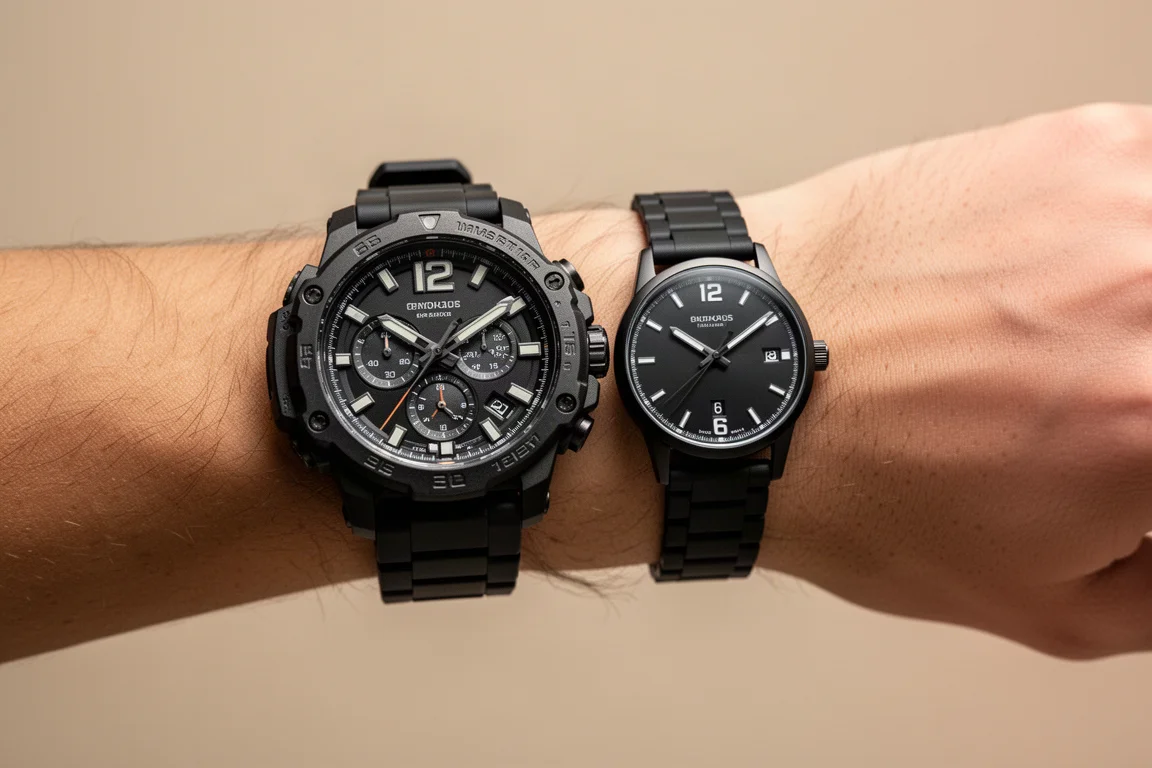
Wrist photos on an average-sized wrist show the Watch5 Pro as a substantial, chunky piece, while the smaller Galaxy Watch5 sits much more discreetly. If you are torn between sizes, the Pro’s extra depth and mass are the difference you will actually feel day to day, especially during sleep tracking or under a jacket cuff.
Buying Advice
If spec accuracy matters to you, the takeaway is simple: treat thickness and weight numbers from Samsung, Apple, and most other major brands as optimistic baselines, and expect the real watch to be one to five millimeters deeper depending on the model. Fitbit and Wahoo published numbers you can trust at face value. When comparing watches, focus on how the case will sit on your wrist rather than the spec sheet, and remember that strap weight adds real grams to anything Samsung quotes.
Conclusion
Most watch brands quietly exclude the sensor bump, and Samsung goes further by effectively excluding part of the case back itself. That makes the Galaxy Watch5 Pro roughly 50 percent thicker than advertised, and the smaller Watch5 about 30 percent thicker. Fitbit and Wahoo prove accurate specs are possible, so the rest of the industry has little excuse. Measure with your wrist in mind, not just the marketing numbers.
Further reading
Related Reviews
Smartwatches
Best Budget Smartwatches 2026: Five Affordable Options That Actually Work
Five budget smartwatches tested for real daily use. From entry-level options to premium features at fraction of the cost, here's what actually delivers.
Smartwatches
Best Smartwatches on AliExpress 2026: Five Practical Options for Different Needs
Five smartwatches with strong customer feedback and competitive pricing, each suited to different priorities: premium design, battery life, outdoor durability, advanced health tracking, and sports versatility.
Smartwatches
Best Smartwatches Under $300: 9 Practical Options for Every Need
A curated selection of nine smartwatches under $300, each excelling in health tracking, durability, battery life, or fitness features. Find the right match for your lifestyle.