Telescopes
Five Smart Telescope and Conventional Telescope Pairings for Stargazing and Astrophotography
If you want to see Saturn with your own eyes and photograph nebulae with a smart telescope, one instrument rarely does both. These five pairings cover different budgets and styles of stargazing.
Introduction
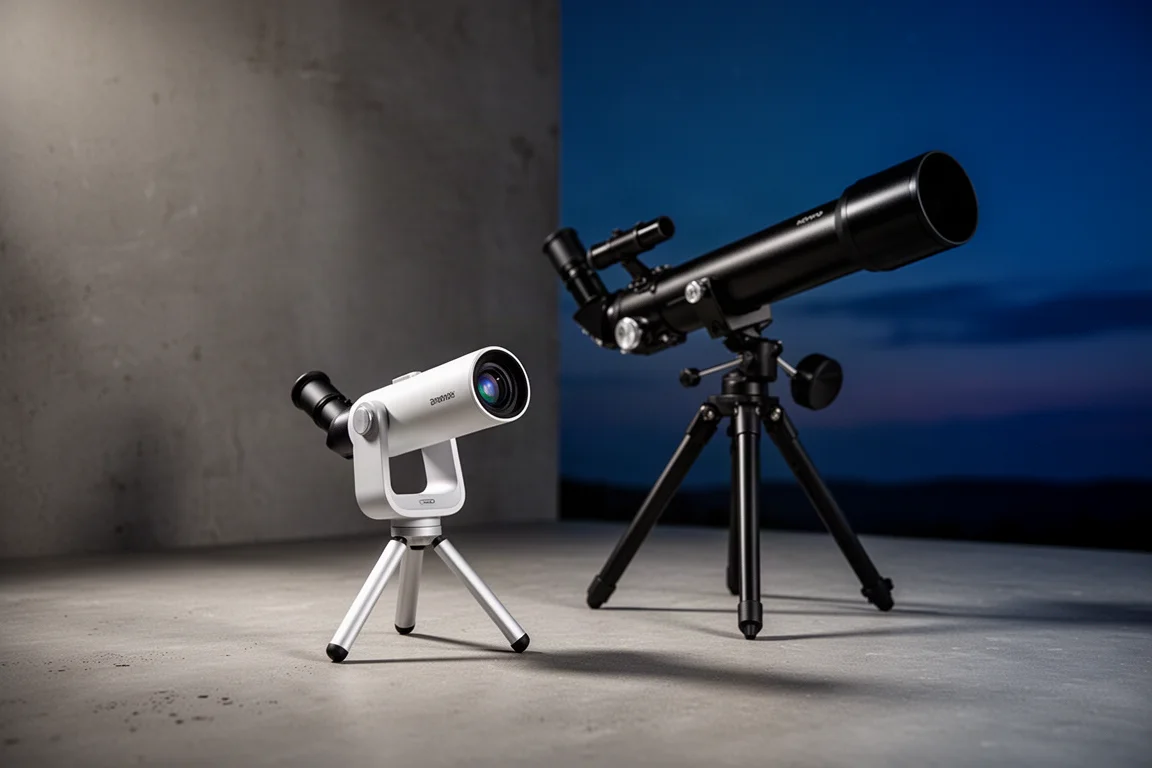
Amateur astronomy is shifting. More people want to both look through an eyepiece and capture images of nebulae and galaxies, and no single telescope does both jobs well. The honest answer for many beginners is simple: buy two telescopes. One for the transformative experience of seeing Saturn’s rings with your own eyes, and one smart telescope that quietly captures deep-sky images while you do something else.
That framing matters because the advice you’ll find on astronomy forums is often incomplete. “Don’t buy a telescope, start with binoculars” assumes you want to learn the night sky, when most people shopping for a telescope simply want a telescope because telescopes are awesome. “Get a Dobsonian” is better, since Dobsonians are the best value in a beginner telescope, but they need maintenance like collimation, they’re heavy, and they’re poor at photography without significant help. And “just buy a smart telescope” misses something real: smart telescopes are fun and increasingly affordable, in some cases cheaper than a quality beginner telescope, but they lack eyepieces and remove you from the firsthand stargazing experience.
Below are five pairings of smart and conventional telescopes, each matched to a different kind of budding astronomer.
Pairing 1: The Budget Option
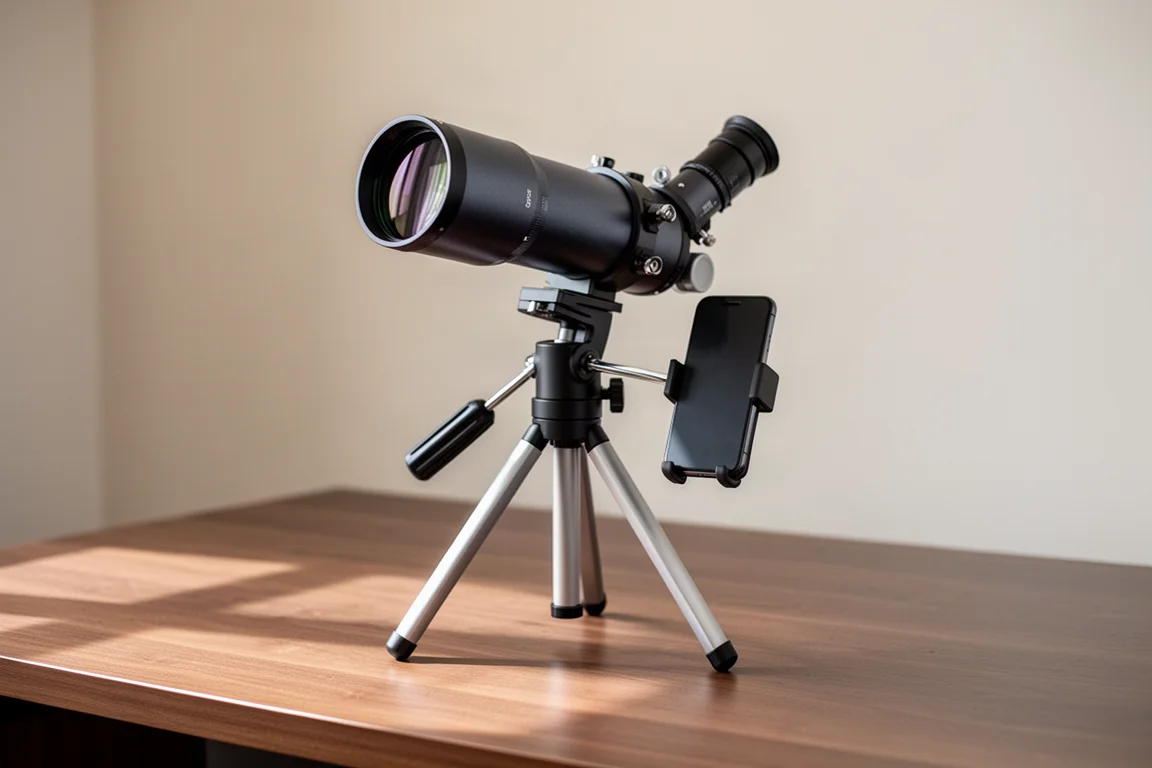
The starting point is a Seestar S30 paired with a basic small refractor. The Seestar S30 is genuinely portable: it fits in the bottom of a small backpack with its tripod and case, so it can travel with you and capture images of galaxies and nebulae with minimal fuss.
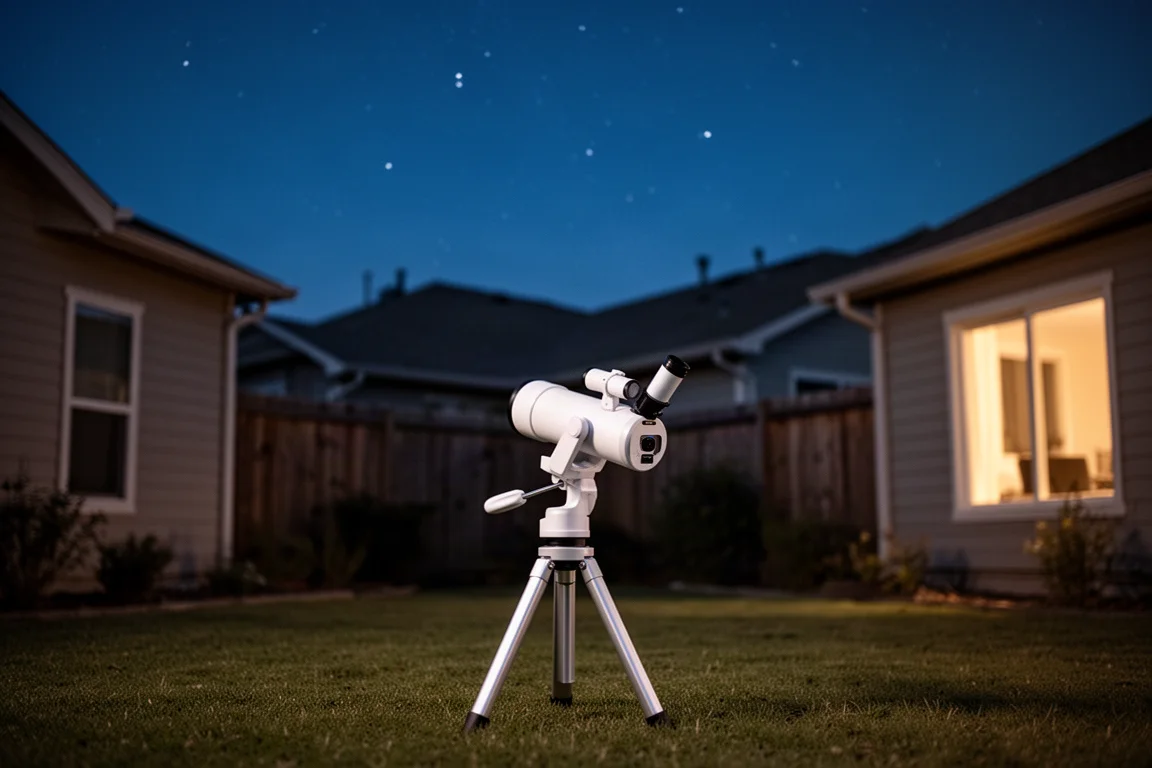
A small 80 mm refractor technically falls below the usual 100 mm minimum rule of thumb, but in a pairing like this it makes sense. The visual telescope is there to scratch the itch of seeing the rings of Saturn and craters on the Moon, while the smart telescope handles the photography.
In this price range, a short-tube 102 mm refractor is also worth hunting down. Both the Celestron and Nat Geo 102 mm refractors sold through Costco have performed far better than other telescopes at that price level, especially with an upgraded eyepiece. A quality 5 mm eyepiece works well for the planets, and a 20 to 25 mm eyepiece covers everything else.
Pairing 2: For the Future Astrophotographer
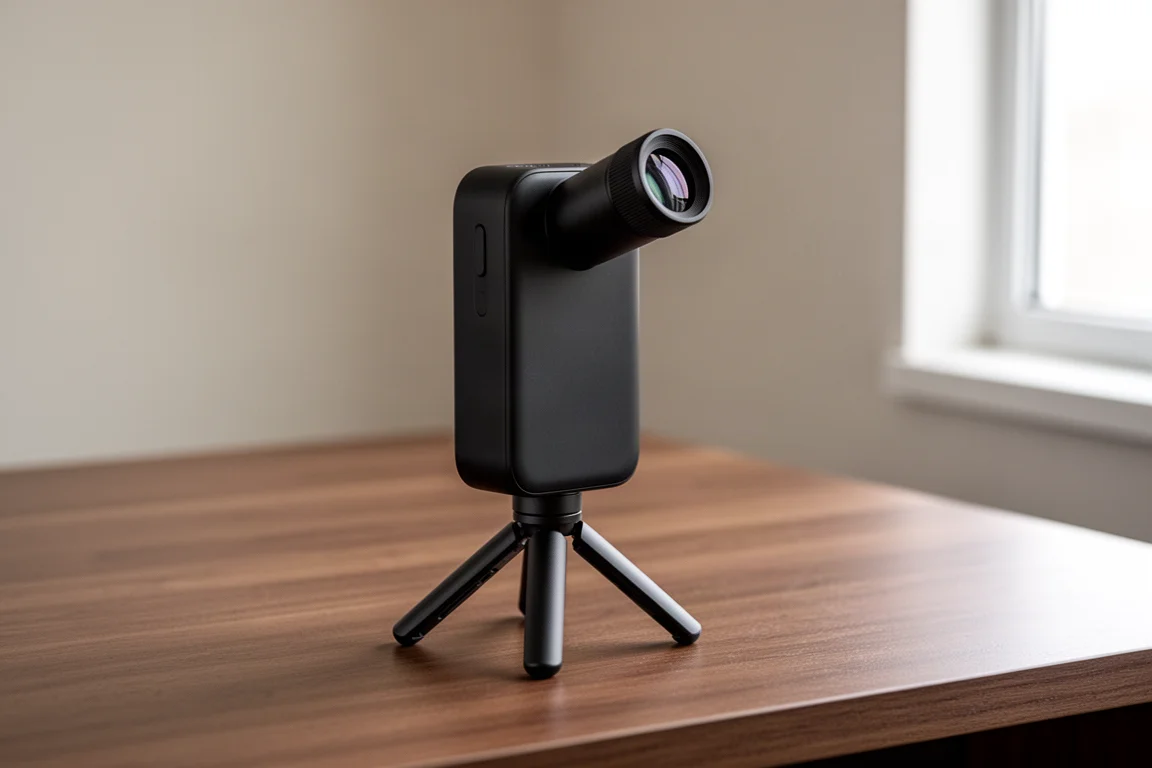
If you want more control over the images you capture, pair a Dwarf 3 with a budget achromatic refractor or an APO, including versions with extra-low-dispersion (ED) glass that deliver similar performance.
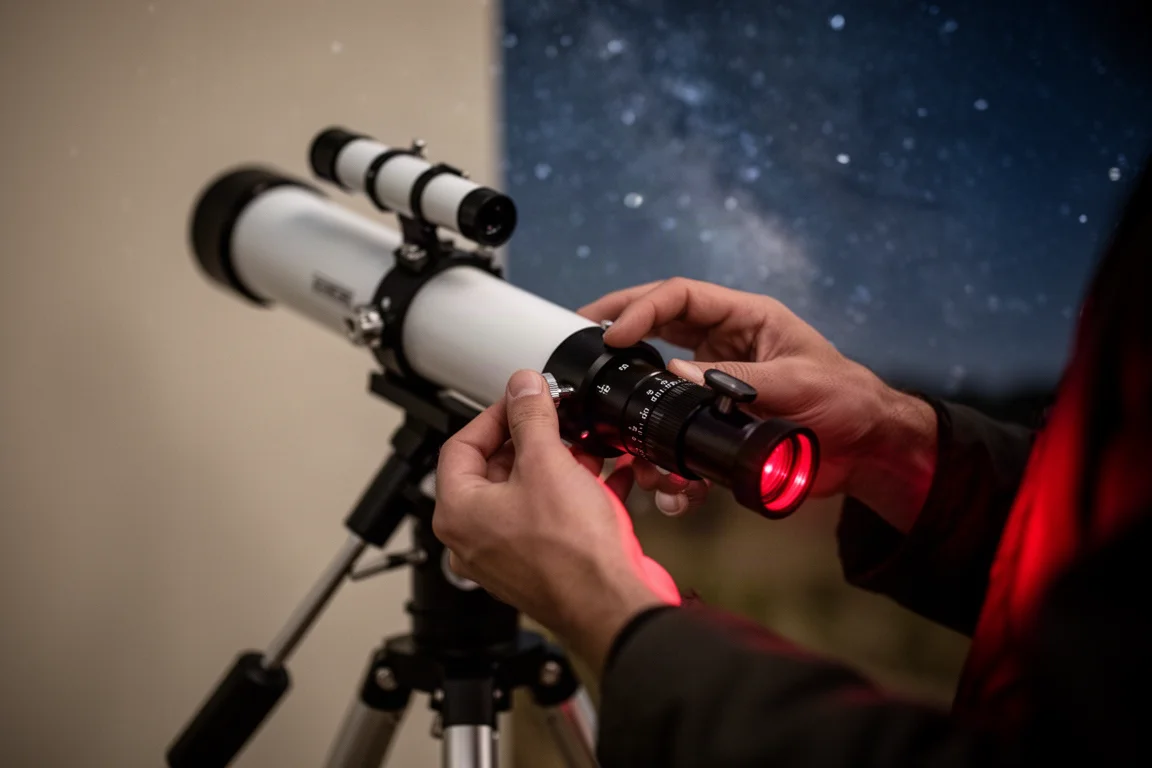
The Dwarf 3 gives you control over exposure time and gain, plus additional filters compared to the Seestar S30, and it adds 5 mm of aperture. Note that a comparable S30 Pro may be coming, but at the time of writing it has not been released.
On the visual side, APO refractors are excellent: with a quality eyepiece, images are sharp, high in contrast, and show low to zero chromatic aberration. These refractors can also carry over into traditional astrophotography later. Several high-quality refractors have been seen on sale below $500, but remember that you’ll need to buy a mount, eyepieces, and a diagonal separately.
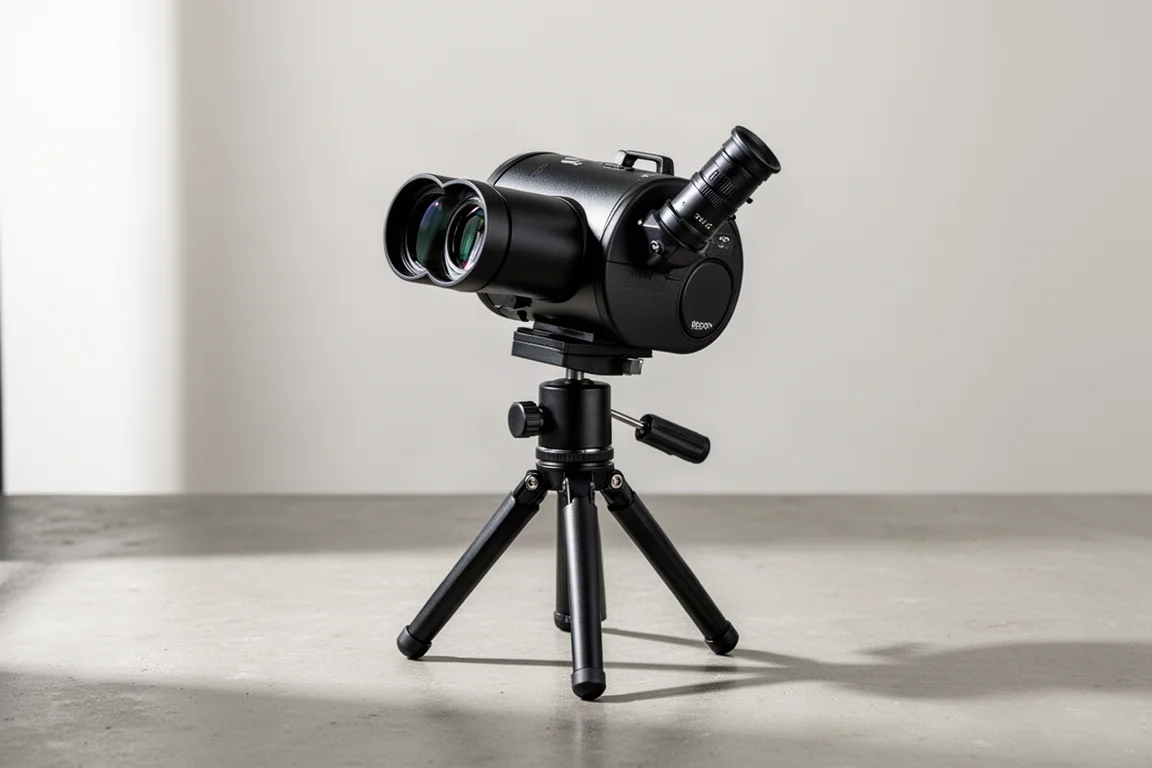
Pairing 3: For the Star Partier
If star parties and comet hunting are your thing, the Seestar S50 combined with a 130 mm Newtonian or a mid-size Dobsonian is a strong combination. The Seestar S50’s larger aperture, compared to the S30 and the Dwarf, reveals more detail on deep-sky objects and brings planets like Jupiter and Saturn into view, all with minimal setup.
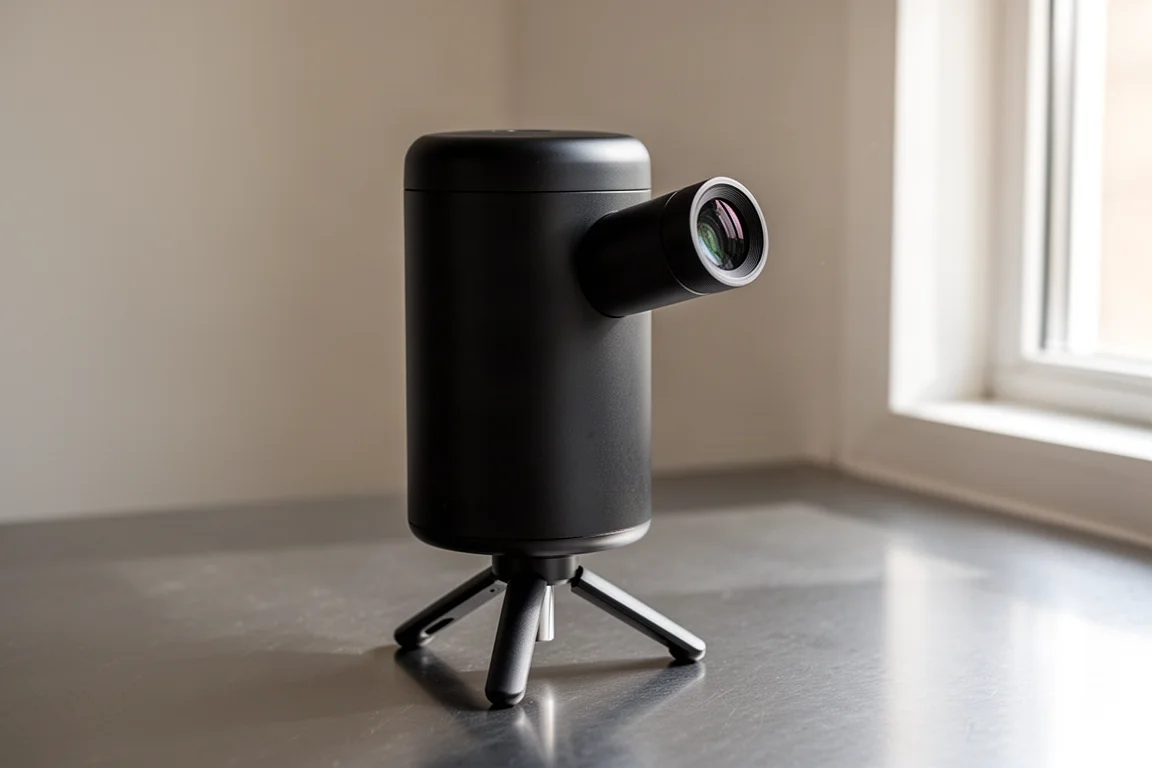
For something you can throw in the back of the car, the Sky-Watcher Heritage 150 is a natural collapsible Dobsonian partner. It packs down for transport while keeping a generous 6-inch aperture for visual observing.
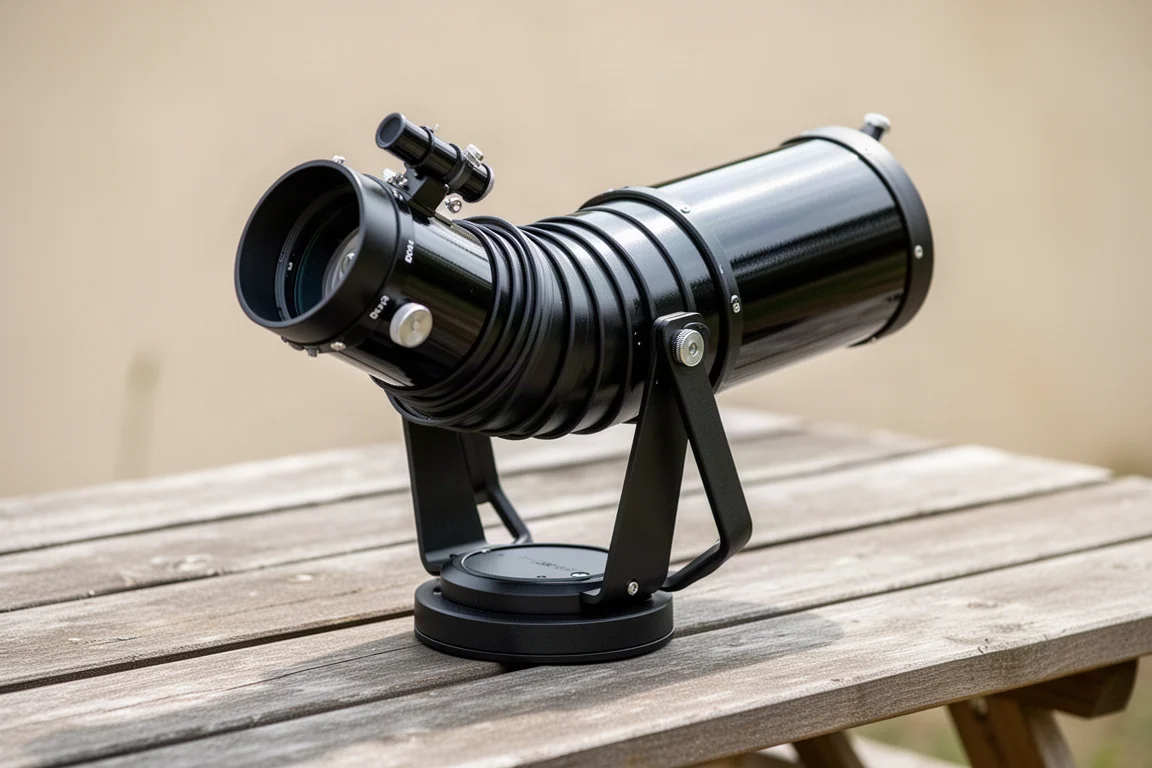
If you’d rather have help finding targets, the StarSense Explorer DX8 uses the StarSense app to show you exactly where to push the telescope, leading you straight to your targets. If you’re already comfortable navigating the sky, a basic 6-inch Dobsonian works just as well. Combine either one with a guidebook like 110 Things to See with a Telescope and you’ll work through the popular targets, including the Messier list.
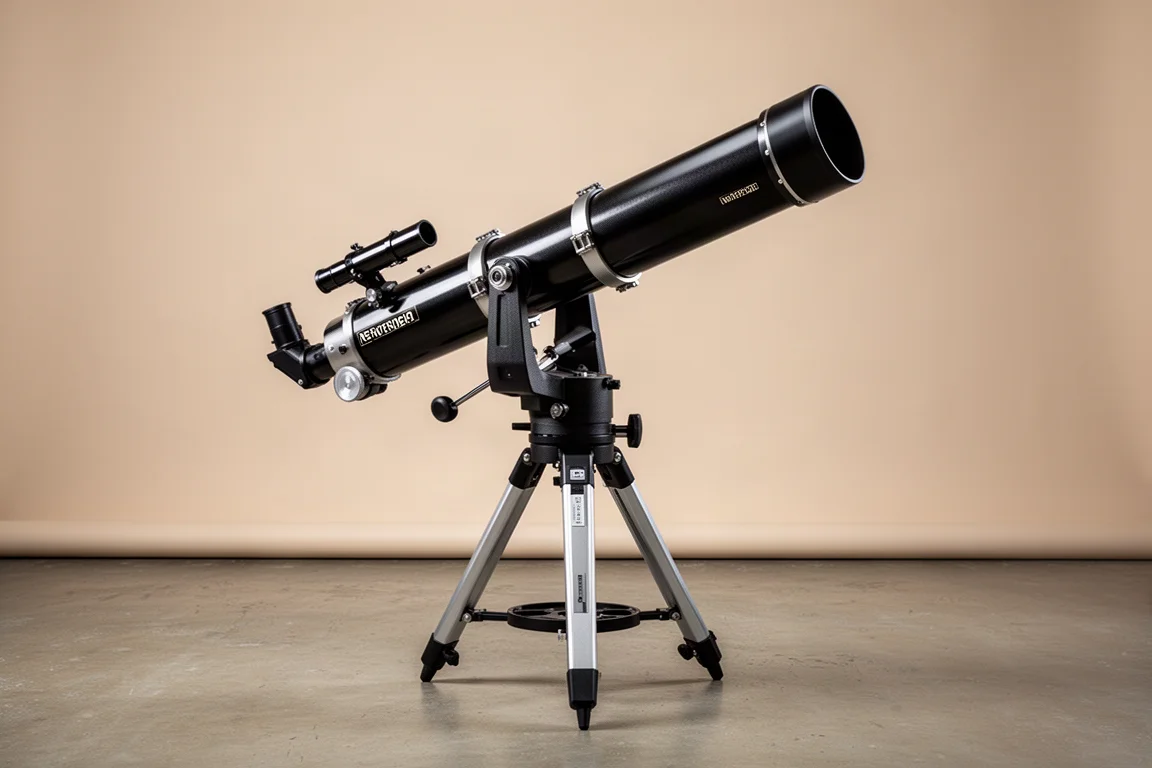
Pairing 4: For the Connoisseurs
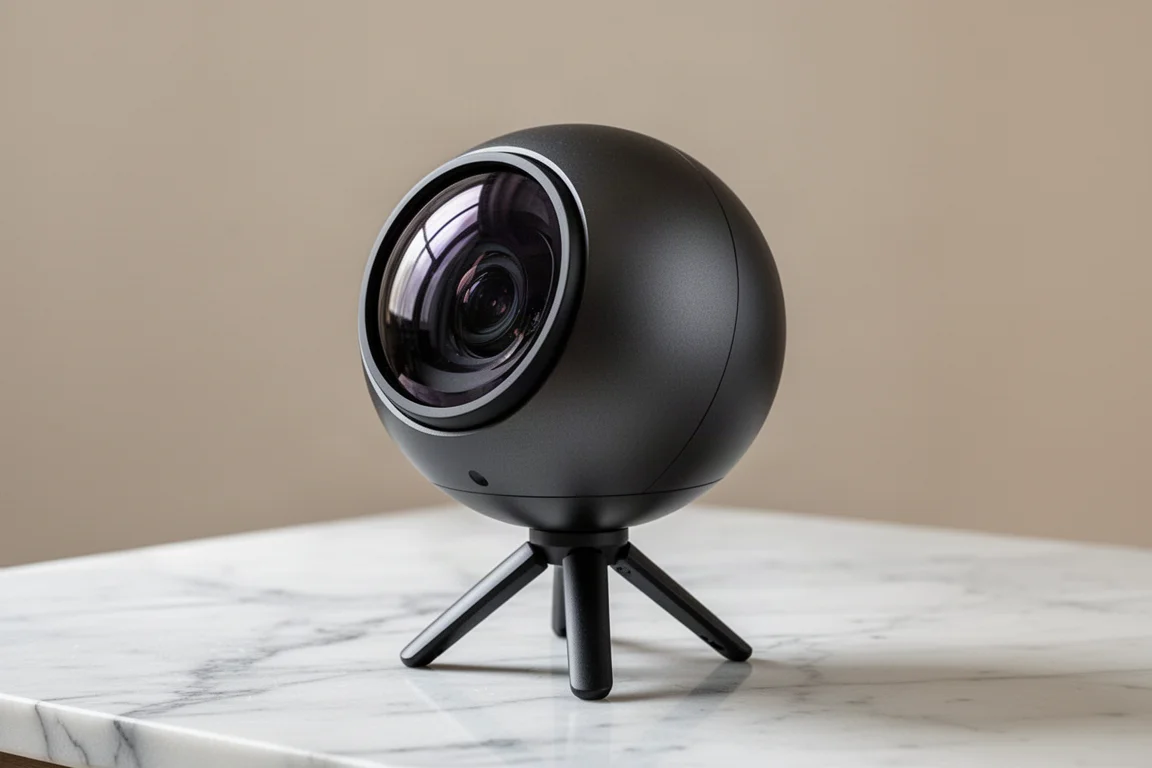
This pairing moves into premium smart telescope territory. The Vespera Veonus sits a clear step above the Seestar class in image scale and quality: the resolution is similar, but the field of view is much larger and the stars are much sharper. Its images come much closer to what you’d expect from a dedicated astrophotography rig.
Because the Vespera Veonus is a wide-field smart telescope, the ideal visual partner is a long-focal-length telescope such as a Maksutov or an SCT, giving epic views of the Moon and planets and high-contrast deep-sky views from dark skies. The SVBONY 127 Maksutov on a small tracking mount is an enjoyable combination, and it can also take great planetary images with a dedicated planetary imaging camera.
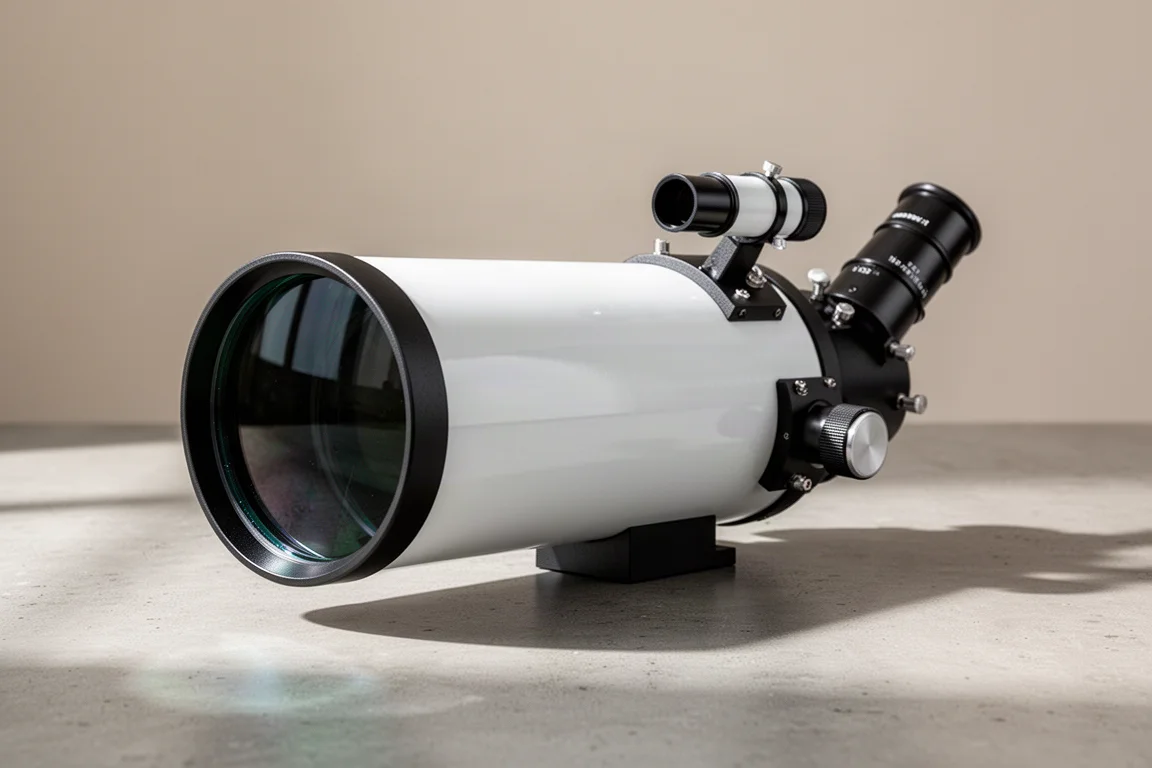
For quicker setup, the Celestron StarSense Explorer DX5 covers the same long-focal-length role with app-assisted pointing to find targets fast.
Pairing 5: For the Astronomy Outreacher
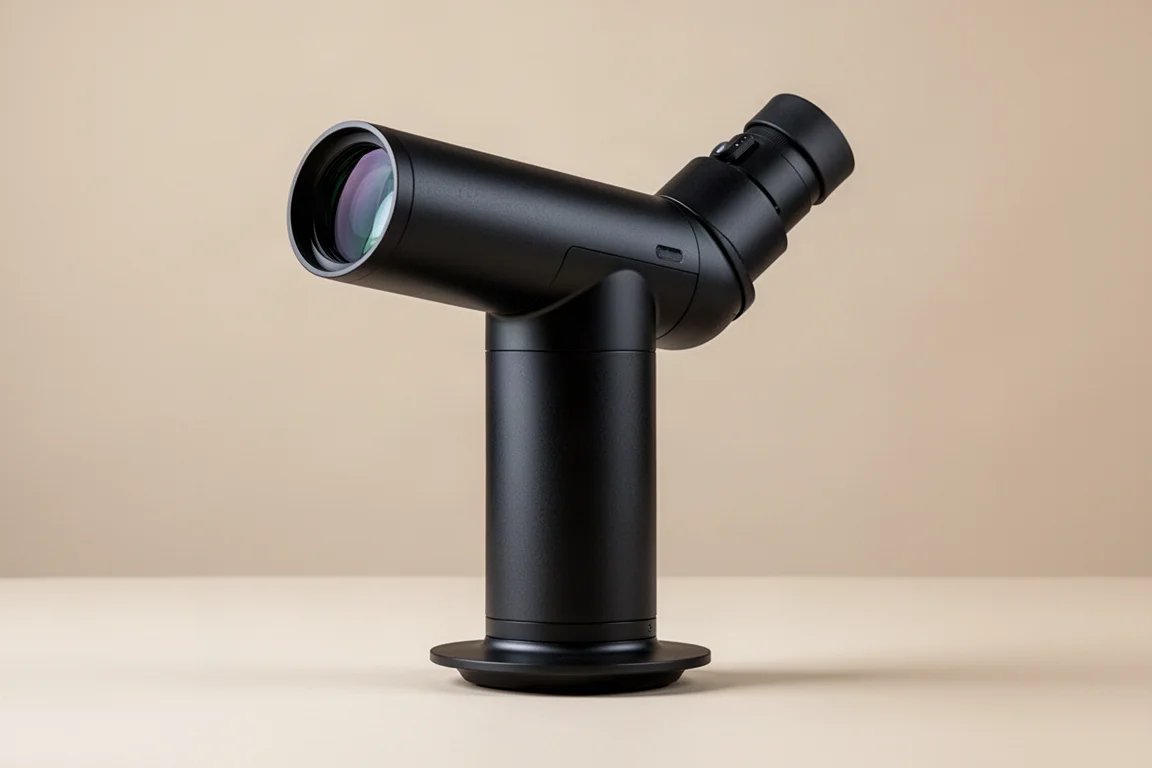
For public stargazing events, the Unistellar Odyssey Pro is a standout. The view through its eyepiece, a live stacked image that can even show something like the Pillars of Creation, is regularly described by first-time viewers as the most amazing thing they’ve seen. The trade-off: it takes several minutes to move between targets and more time for the telescope to gather enough data for a quality image.
That’s why outreach sessions pair so well with a large Dobsonian. Nothing beats a big Dob for flying from one target to the next, and they cut through light pollution, split double stars, and resolve individual stars in globular clusters reasonably well. These telescopes often show up used, but be honest about the weight: don’t buy more telescope than you can carry. Sky-Watcher’s collapsible versions help with transportation.
Buying Advice
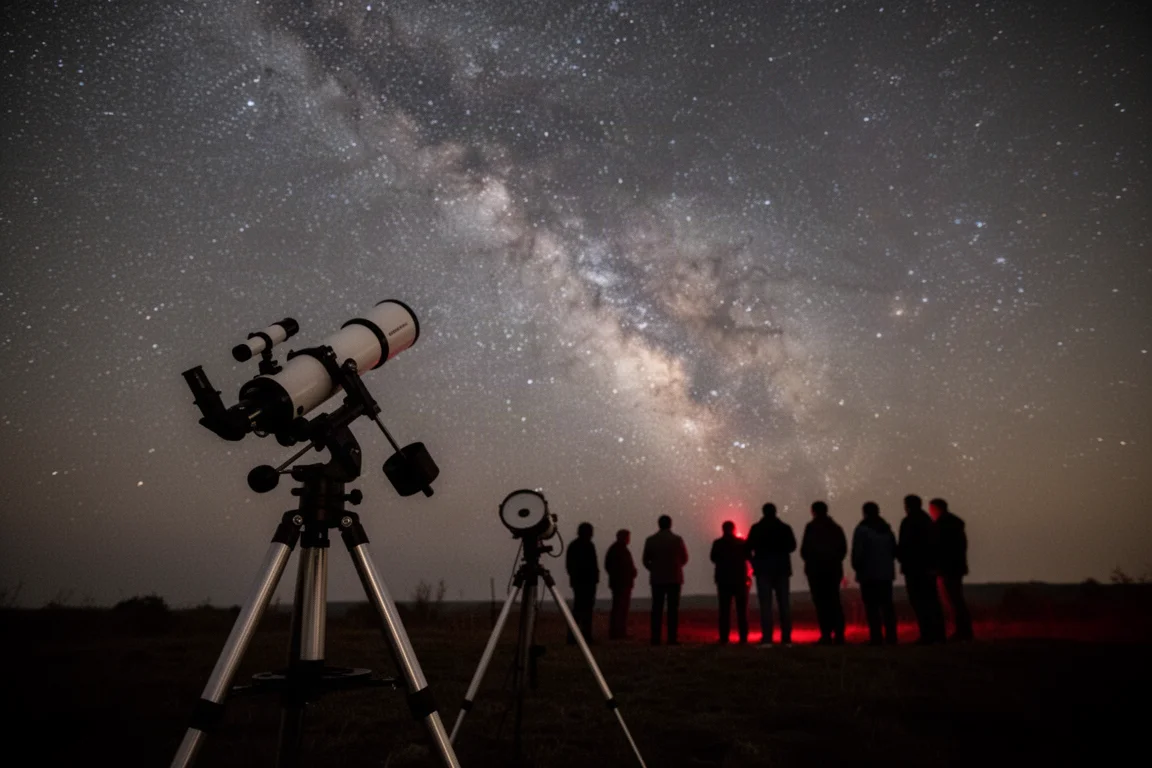
The pattern across all five pairings is the same: let the smart telescope do the imaging and the conventional telescope do the seeing. Match the smart telescope’s aperture to how serious you are about image quality, and match the visual telescope to how and where you observe. Budget builders should start with a portable smart telescope and a small refractor, star party regulars benefit from a Dobsonian’s speed between targets, and outreach hosts should prioritize a large-aperture visual scope alongside a smart telescope with a memorable eyepiece experience.
Conclusion
There’s no single telescope that’s great at everything, and pretending otherwise leads to disappointing purchases. If seeing Saturn with your own eyes matters to you, and photographing nebulae matters too, two telescopes is probably your only option. Pick the pairing that matches your budget and your style of observing, and you’ll end up with a setup that covers both sides of modern amateur astronomy.
Further reading
Related Reviews

Telescopes
Sightron SJ75 UF and Sky-Watcher HS125: Two Telescopes Worth Watching
A look at two notable telescopes from a recent camera and optics expo: a sharp new astrograph from Sightron Japan and a compact fast reflector from Sky-Watcher.

Telescopes
SV503 102ED Review: A Budget 102mm Refractor That Surprises
The SV503 102ED is an affordable 102mm doublet refractor that delivers surprisingly decent star shapes and a smooth focuser, despite some chromatic aberration and light falloff.

Telescopes
SVBony MK127 Review: A Compact Maksutov-Cassegrain That Surprises
The SVBony MK127 is a 127mm Maksutov-Cassegrain telescope with a unique 0.65x reducer, making it a versatile option for visual astronomy and even some deep-sky imaging.