Smart Bird Feeders
5 Things to Know Before Buying a Smart Bird Feeder
Wi-Fi requirements, hidden add-on costs, AI reality checks, original designs versus knockoffs, and how to navigate the crowded smart bird feeder market.
Introduction
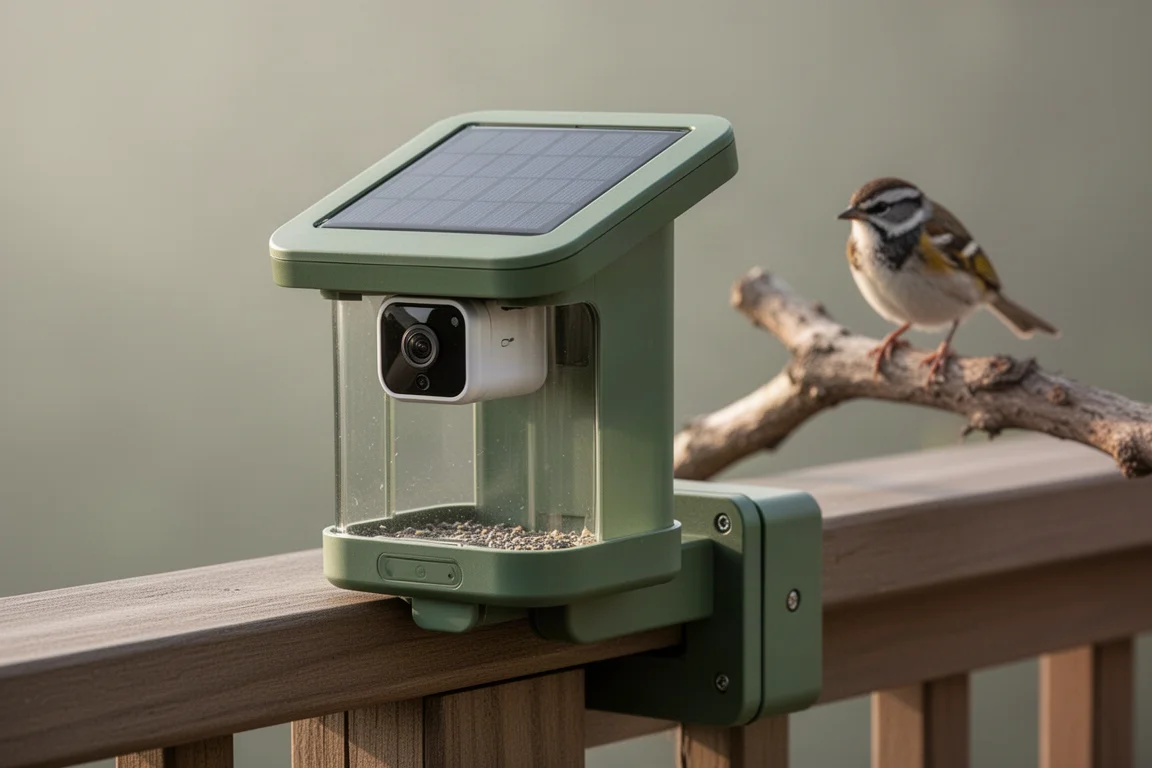
Smart bird feeders have gone from a niche Kickstarter idea to a crowded category with dozens of models, wildly different app experiences, and a lot of overlapping marketing claims. With so much to pick from, it is easy to buy one and only then discover it will not connect to your home network, or that the feature you wanted requires another purchase. Here are five things worth knowing before you spend money on one.
1. Check the Wi-Fi Requirements First
Many smart bird feeders require a 2.4 GHz Wi-Fi network, and this simple detail trips up a surprising number of buyers. Someone purchases a feeder, brings it home, and then discovers it will not work with their 5 GHz network. The requirement is usually listed on the product page, so check the network specifications before purchasing rather than after.
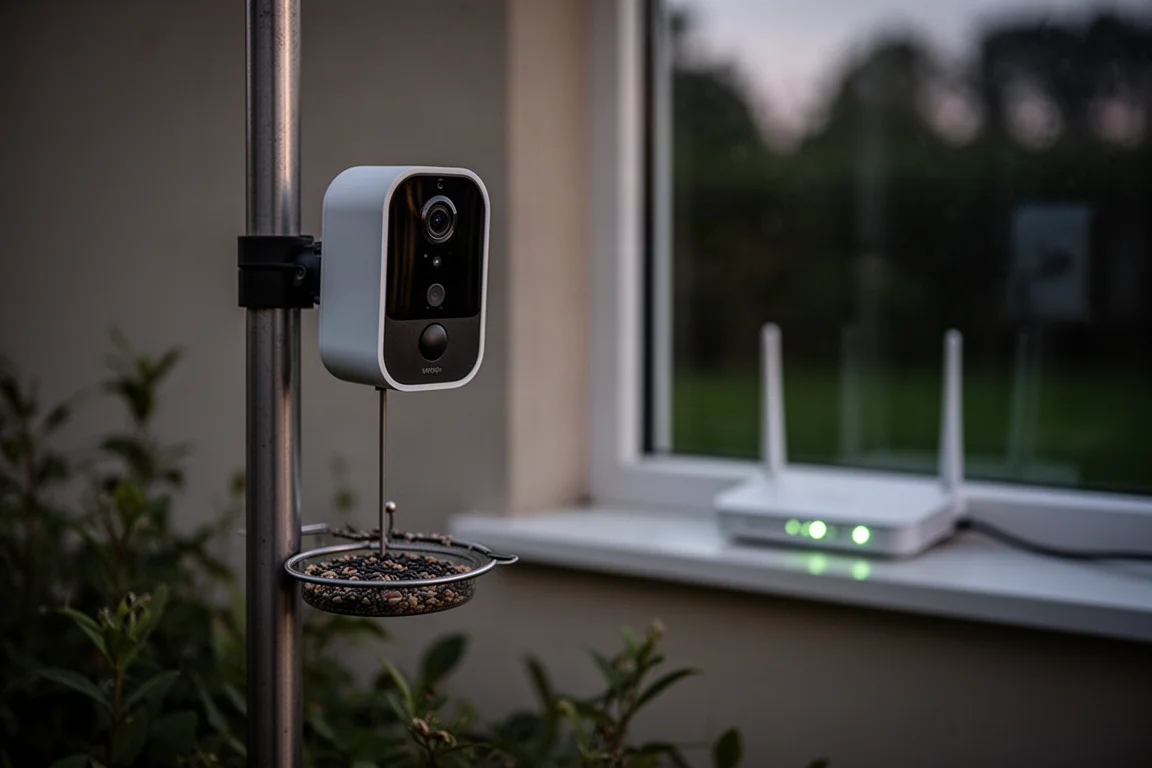
The good news is that the situation is improving. More models are expected to support 5 GHz networks over time, and a few already do. Either way, confirm the internet requirements for the specific model you are considering. It is a basic step, but skipping it causes a lot of frustration.
2. Know What Comes in the Box, and What Costs Extra
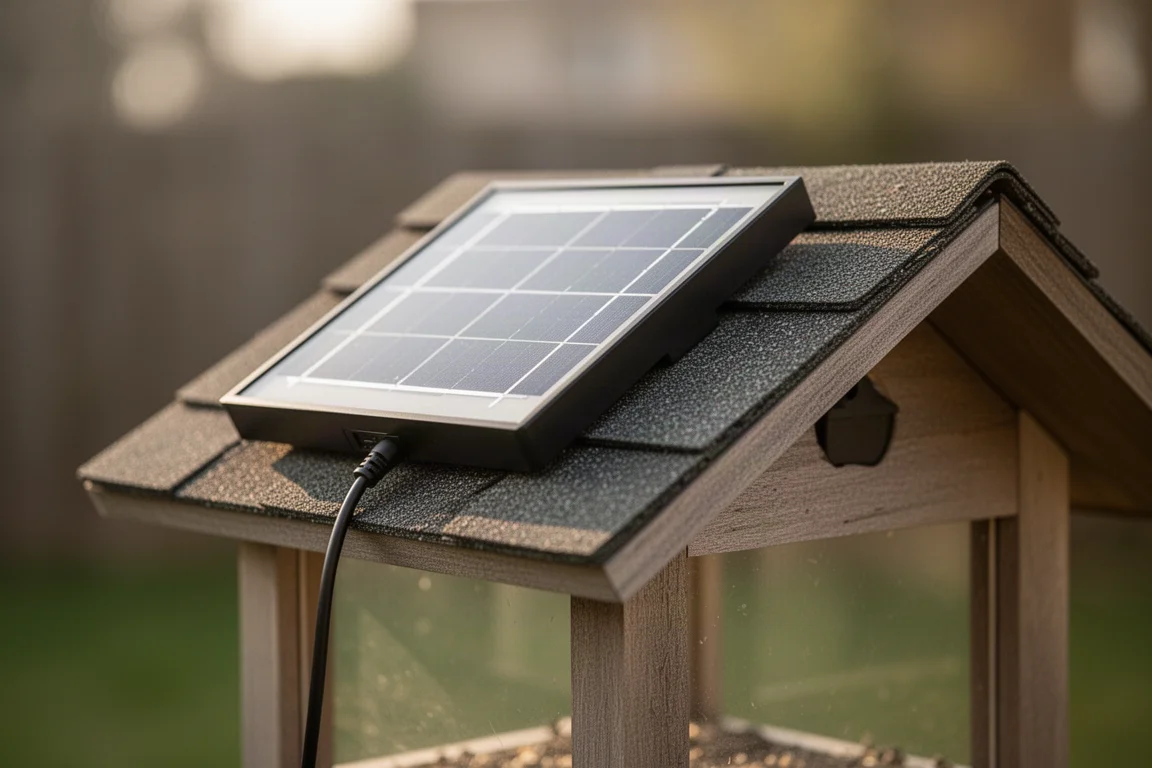
When your feeder arrives, there may be some assembly involved, and the package contents vary a lot between models. Some units include a solar panel for continuous charging; with others, you either buy the panel separately or bring the unit indoors to recharge it. Make sure you know exactly what is included before you buy, so you are not surprised to learn the solar panel you assumed was standard is actually an add-on.
The same applies to the companion app. Many feeders offer a free base tier that covers the live stream and basic viewing, but AI identification and cloud storage often sit behind a paid subscription. In practice, most people can get by comfortably on the base features. It is also worth being skeptical in the other direction: some products make it look like you have to pay for features that are actually free. Read the fine print on both sides before committing.
3. Treat the AI Identification Claims With Skepticism
Almost every smart bird feeder advertises automatic bird identification, and almost none of them deliver on that promise reliably. Across extensive testing, the AI has been disappointing on every model tried. One feeder even reported a passenger pigeon visiting the yard, which is an extinct species and a strange one to have in any identification database.
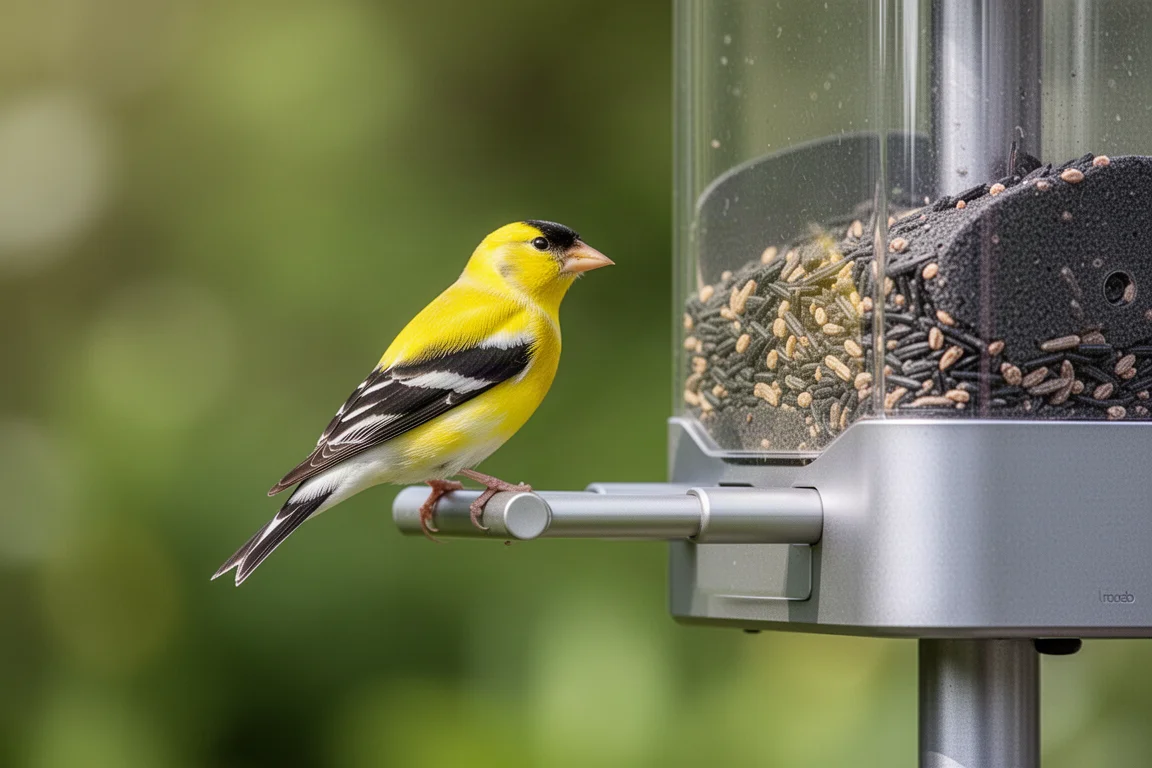
Some models do reasonably well with common visitors: a goldfinch shows up and the app correctly labels it an American goldfinch. But none tested were consistently correct, and the marketing claims around perfect species recognition are significantly overrated. Expect occasional correct answers, frequent mistakes, and take every AI claim with a grain of salt.
4. Originals Versus Knockoffs
Bird Buddy is widely considered the first smart bird feeder company. Its Kickstarter campaign generated a lot of excitement, though the product shipped with significant delays that frustrated backers who had ordered units as gifts. Still, it is the original design, and it pairs with a fun, game-like app that some people genuinely enjoy.
Netvue is another established name with its own original designs, including the distinctive triangular-shaped Netvue feeder and the follow-up Netvue Smart Bird Feeder 2. Its products have a quirky, unique look that you will not find anywhere else.
On the other end of the spectrum are the knockoffs. There appears to be one manufacturer, or possibly several, producing a generic squarish feeder with a plastic roof, solar panel, and perch, then selling slight variations to different companies who rebrand it as their own. These generic models tend to carry invented-sounding names and typically run the Bird Lover app, which has been the worst app experience of any feeder tested. They will usually handle the basics, including a live stream, but the overall experience favors the original designs over the copies.
5. You Have More Options Than Ever
Beyond the knockoffs, the category has expanded enormously. Bird Buddy remains the playful pick with its game-like app. Netvue now offers a wide range, including a wooden smart bird feeder. The Soliom BF8 goes with a metal build, and a wave of other metal feeders has followed. There are 4K-shooting models, and the technology has spread into smart bird houses, smart hummingbird feeders, and even smart bird baths.
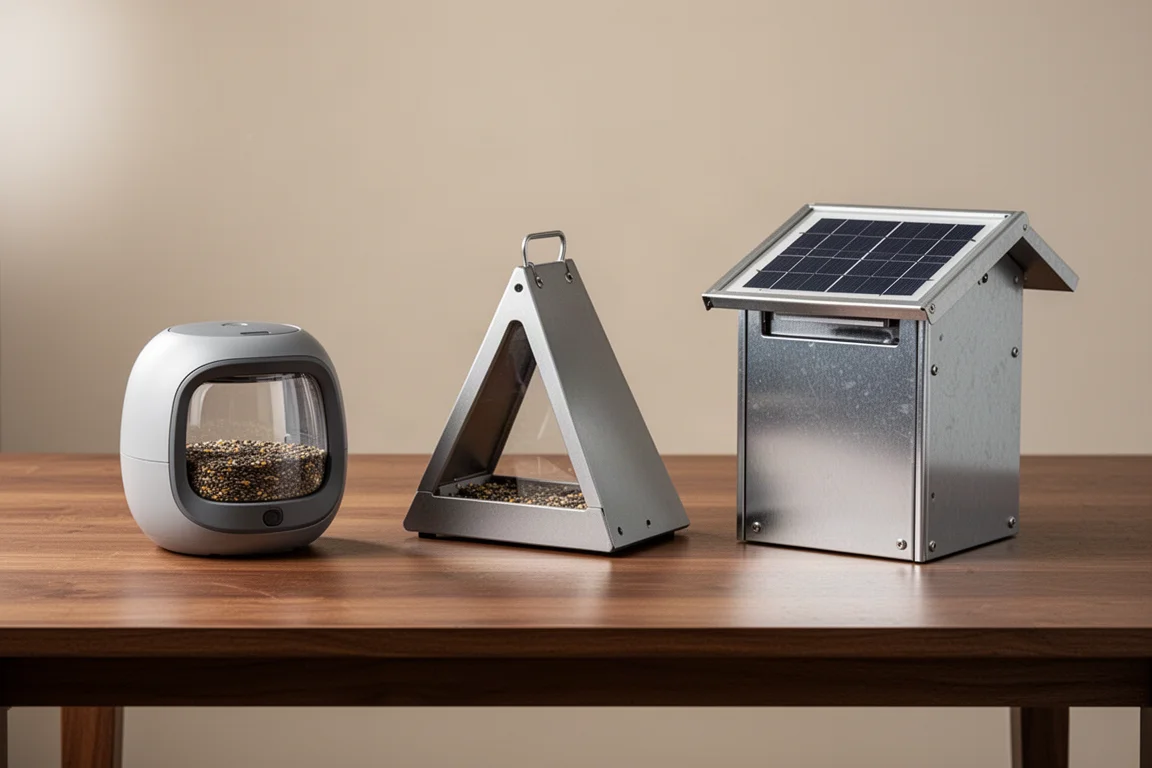
That variety is genuinely good news, but it also means more research. Match the design, app, and build material to how you actually want to use the feeder, rather than picking based on name recognition alone.
Buying Advice
Before buying, check four things: the Wi-Fi requirement, what is included in the box versus sold as an add-on, which app features are free versus paid, and whether you are looking at an original design or a rebranded generic. If you want a polished, fun experience, Bird Buddy is a strong starting point. If you want design variety and multiple form factors, Netvue has the widest range. If you prefer a metal construction, the Soliom BF8 fits that brief.
Conclusion
Smart bird feeders can be a wonderful window into your backyard wildlife, but the category rewards careful buyers. Confirm your network compatibility, understand the real cost of ownership, keep your expectations for AI identification modest, and lean toward original designs over generic copies. Do that, and you are far more likely to end up with a feeder you enjoy for years.
Product link
View more details for Bird Buddy
This product is mentioned in the review. Check the specifications, options, and compatibility before buying.
View more details for Bird BuddyFurther reading
Related Reviews
Smart Bird Feeders
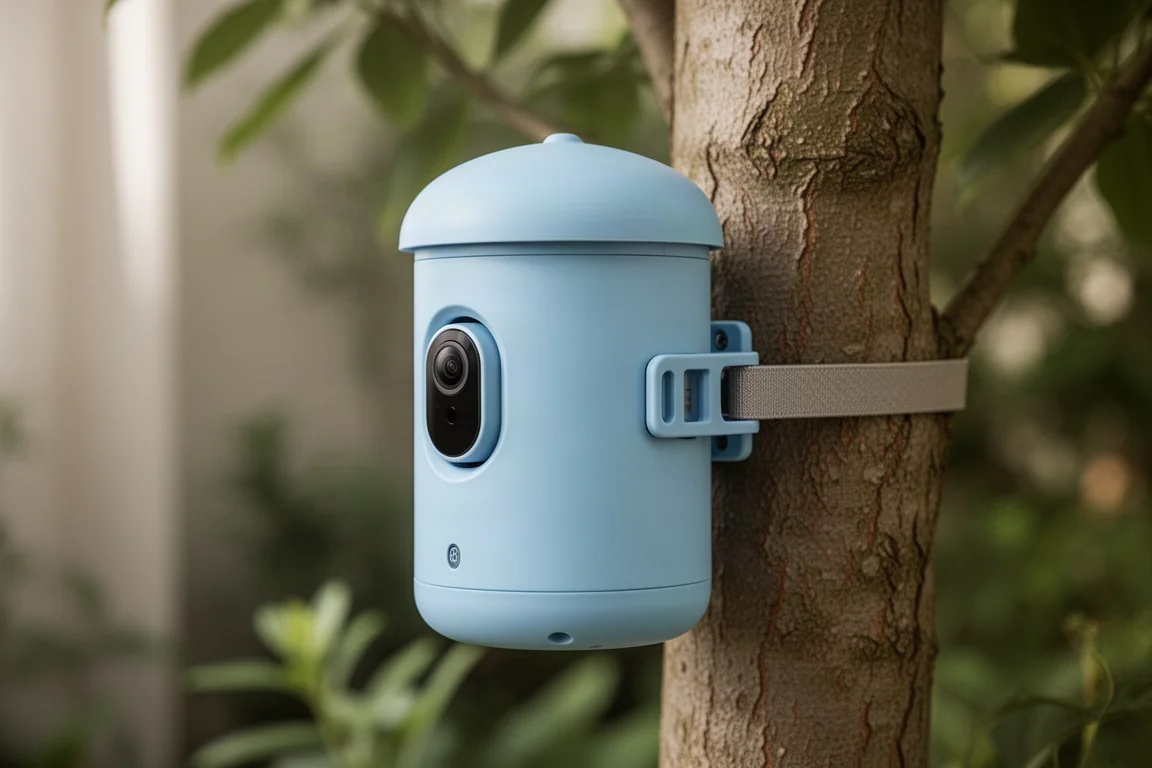
BBP Eco Smart Bird Feeder Review: A Squirrel-Proof Camera Feeder With a Clever Closing Trick
A smart bird feeder with a metal roof, a weight-triggered closing tray, adjustable sensitivity levels, and a camera that syncs with your existing setup.
Smart Bird Feeders
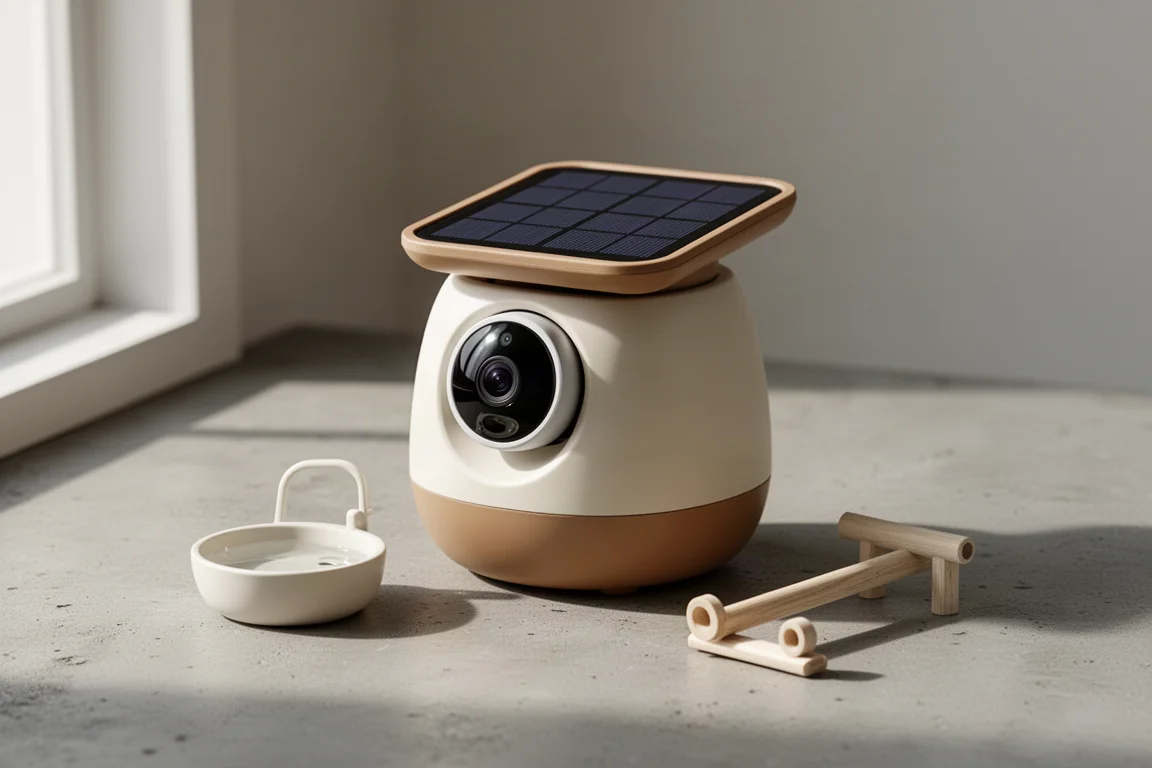
Bird Buddy 2 Review: A Smarter, Sharper Smart Bird Feeder
Bird Buddy 2 adds a swappable portrait-or-landscape camera, dual solar panels, 2K HDR video, and a larger seed tank. Here is what worked, what did not, and who should buy it.
Smart Bird Feeders
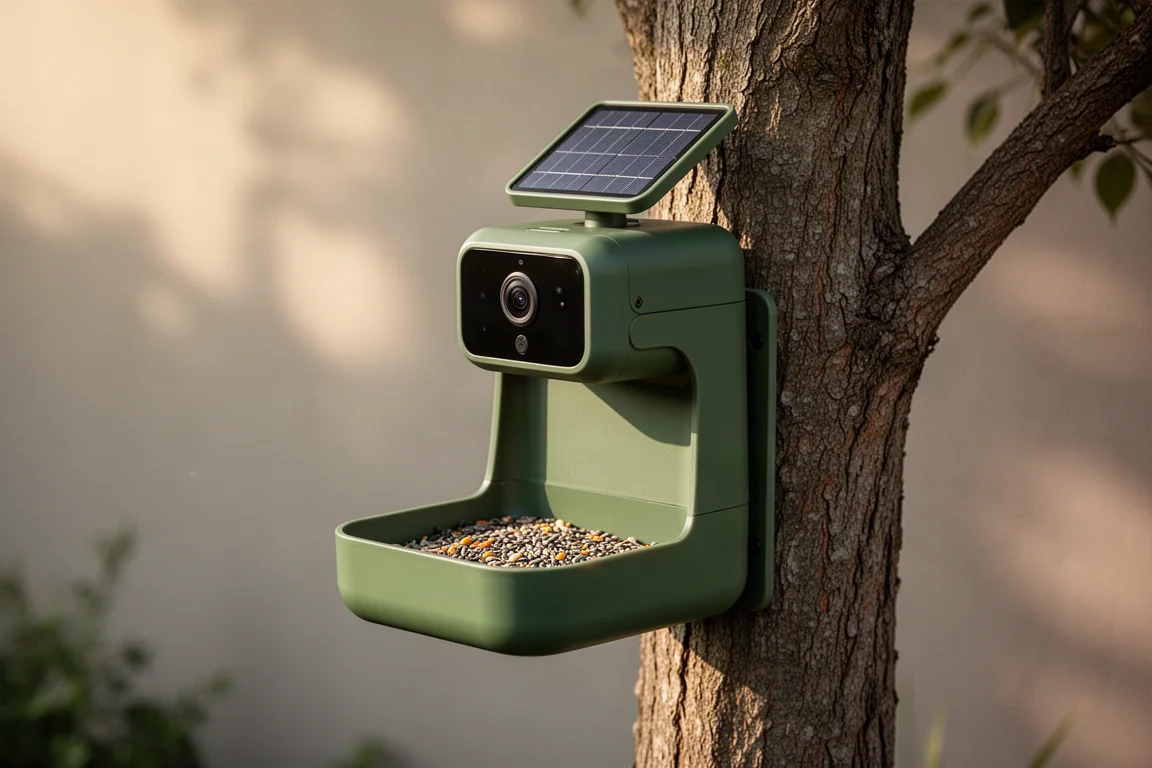
Birdfy Wide View Smart Bird Feeder Review: Dual Cameras and Solar Power in One Feeder
A sturdy, well-built smart feeder with two cameras, solar charging, and AI bird ID that works best for common backyard visitors.