Power Tools
Two Small Batteries or One Big Battery? DeWalt PowerStack vs Makita LXT Battery Strategy
Should you buy one high-capacity pack or two smaller batteries? A practical comparison of DeWalt 20V PowerStack and Makita 18V LXT battery options.
Introduction
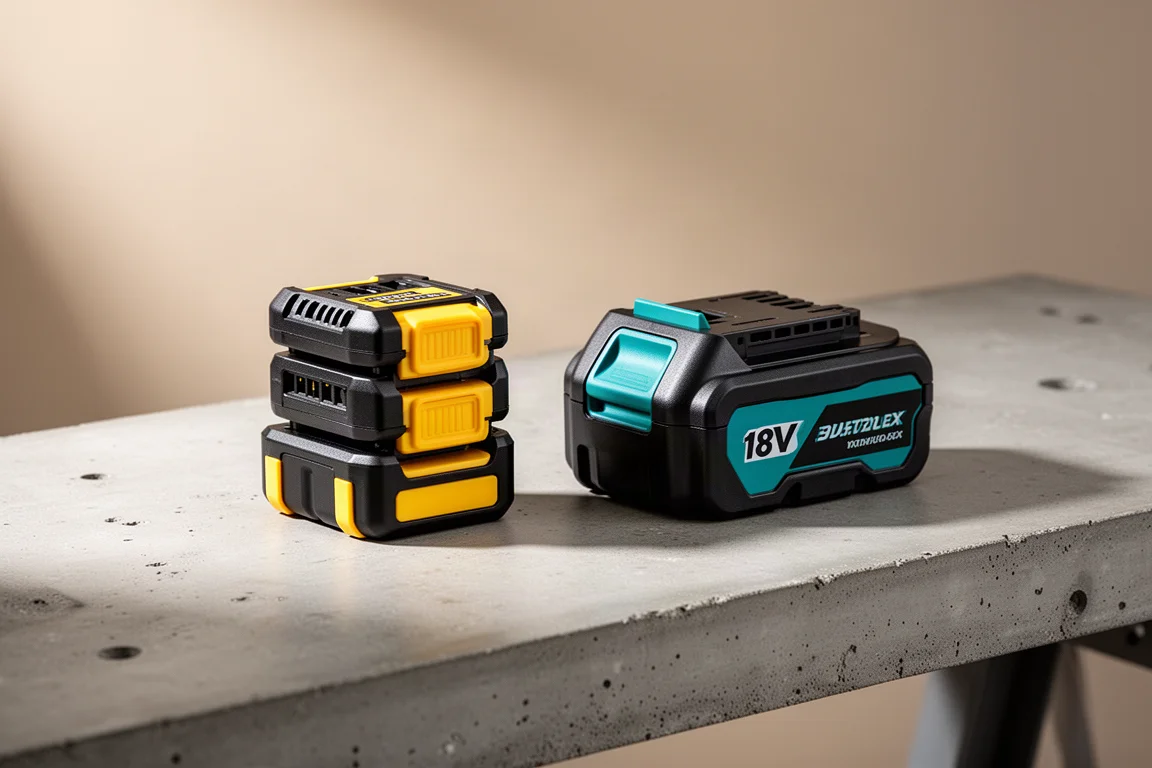
Cordless battery buying comes down to a deceptively simple question: is it worth having two smaller batteries, or should you buy one larger pack? Sometimes the smaller packs are on sale, sometimes the price difference is minimal, and it can be genuinely hard to make up your mind.
A higher amp hour battery will generally put out more power to the tool you are using. That means faster drilling, faster lag driving, and faster cutting. But for the same price, or sometimes less, you can often buy two smaller batteries instead. This guide walks through the trade-offs, with the DeWalt 20V PowerStack and Makita 18V LXT lines as practical reference points.
The Case for Two Smaller Batteries
The biggest advantages of smaller packs are size and weight. DeWalt’s 20V PowerStack is a good example: it is remarkably compact, roughly the same size as a 12V battery, super light, and genuinely well engineered. A small pack keeps the whole tool lighter and more maneuverable.
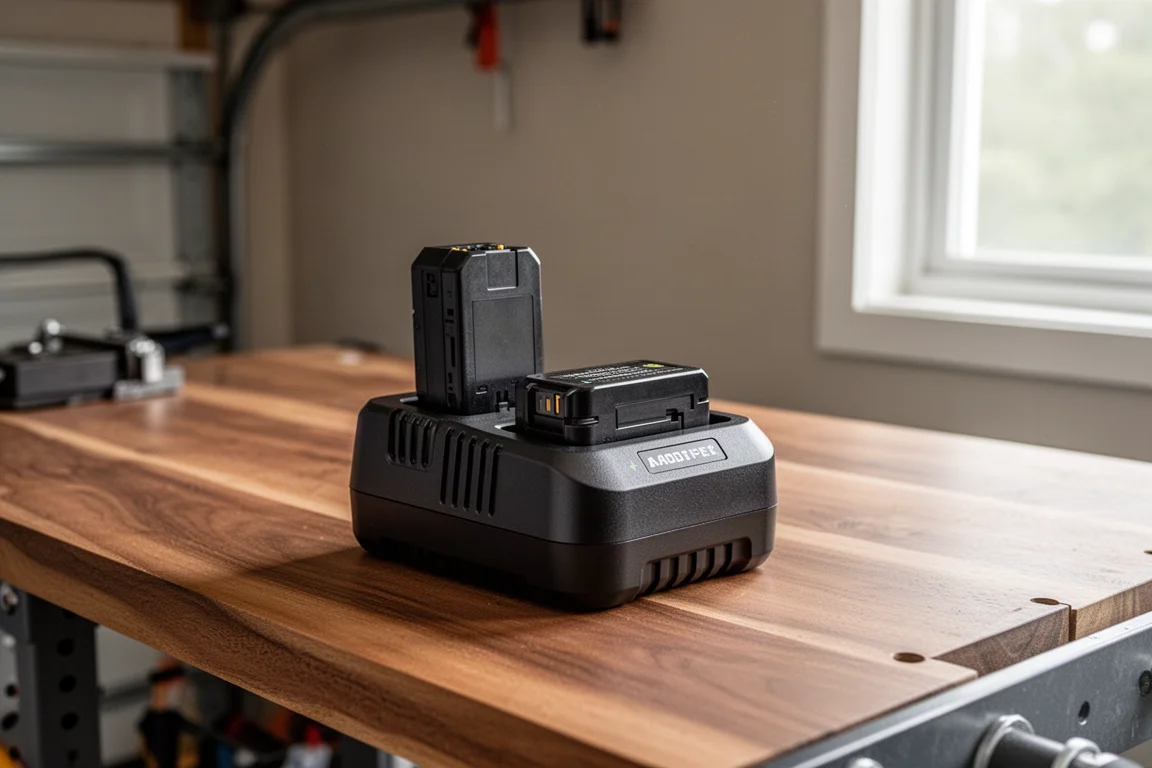
There is also a rotation advantage. If you own two smaller batteries, you can run one while the other sits on the charger, effectively never stopping work. If you own a single larger battery and it dies, you can find yourself waiting 45 to 50 minutes for a recharge with nothing else to swap in.
The Case for One Larger Battery
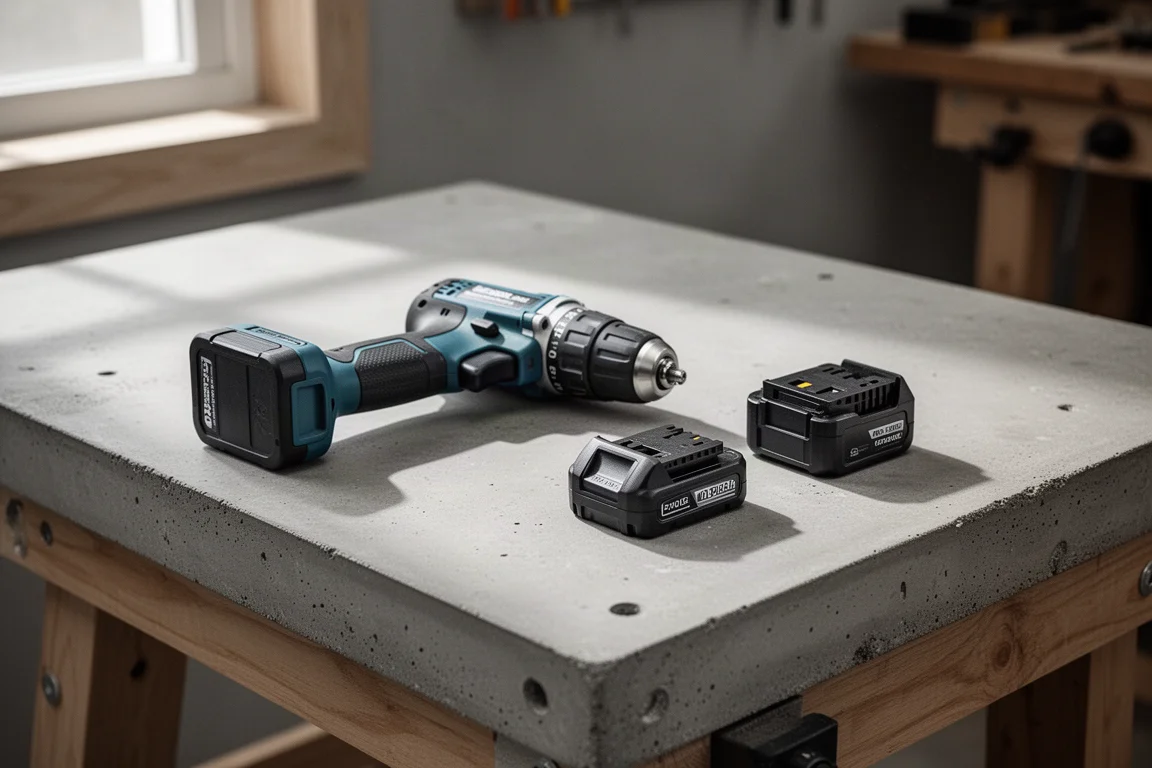
Run time is where larger packs win. Comparing two 2Ah batteries against a single 5Ah pack, the single 5Ah battery will outlast the two smaller ones in the same tool, and you still have an extra amp hour of total capacity in reserve. In power-hungry tools like hammer drills, the difference between a 2Ah and a 5Ah pack is definitely noticeable, with the higher capacity pack delivering more output.
For heavy-duty applications such as reciprocating saws or frequent impact wrench work, a bigger battery is genuinely handy to have around.
How Voltage Changes the Math
The effect of amp hour on tool power appears to grow with voltage. Testing with DeWalt batteries suggests 12V tools are not as affected by amp hour as 18V or 20V tools from Makita, DeWalt, or Milwaukee. The higher the voltage platform, the more a higher amp hour pack influences output.
On 12V tools, the preference leans toward smaller packs: they keep the tools lighter and more maneuverable, which is exactly what the 12V line is about. Pricing backs this up. On the 12V line you can pick up a tool with two batteries for around $130 to $140, while a single 5Ah battery alone costs about $80. The price gap is not dramatic, but smaller packs simply complement the 12V platform better, and 12V jobs rarely drain much capacity anyway.
The Makita 18V LXT Perspective
The story changes when you move to 18V and 20V platforms. With Makita 18V tools, the recommendation is generally to go with higher amp hour packs. Makita’s two largest options are 4, 5, and 6 amp hour in its core range, and a 4 or 5Ah battery is the sensible daily driver for drills and most other tools.
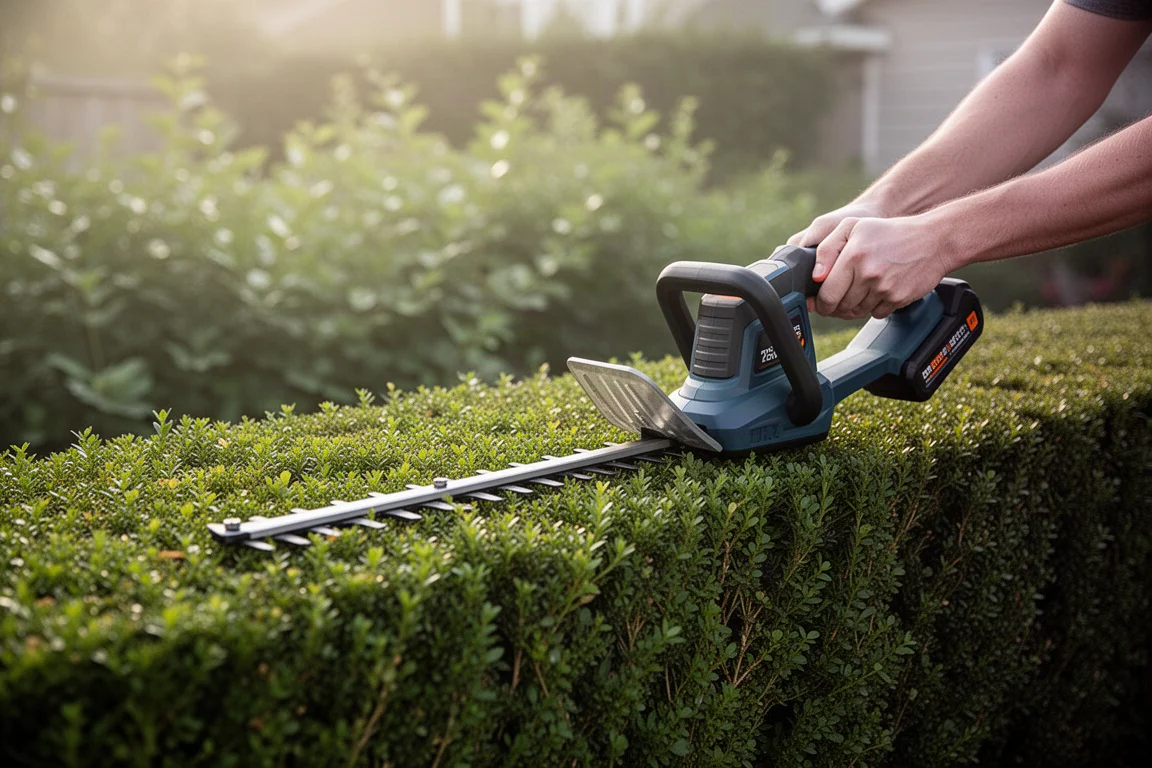
That said, the 2Ah packs still have a role. Makita’s sub-compact tools paired with a 2Ah battery are handy enough that they can almost replace an entire 12V line. For a string trimmer used rarely, or a hedge trimmer that draws very little power (often barely going through one charge bar per yard), a 2Ah pack works fine.
The Heat Problem with Very Large Batteries
Going bigger has limits. Very high capacity packs, such as DeWalt’s 12Ah and 15Ah options or Milwaukee’s 12Ah, are not suited to normal tools. They make sense mainly for large SDS drills used by pro contractors, mowers, and similar high-draw equipment.
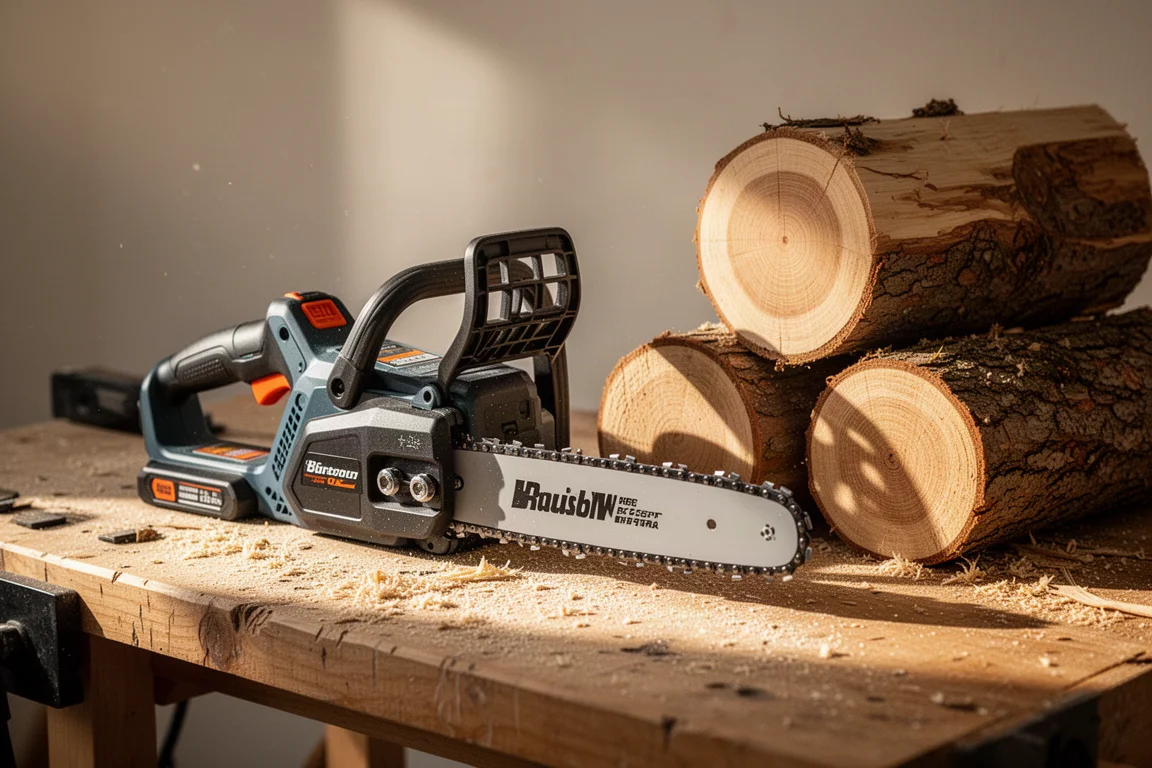
Heat is the key issue. With some high-draw tools like chainsaws, dropping in an 8, 9, or 12Ah pack can overheat the battery quickly, sometimes after only a minute or two of use, forcing you to pull it out to cool or swap to another pack. Makita’s dual-battery 36V tools, such as its 36V chainsaw running two 4 or 5Ah packs, spread the thermal load across two batteries, which improves cooling and lets you keep working longer.
Buying Advice
As a rough rule of thumb:
- On 12V platforms, favor two or more smaller amp hour batteries. They keep tools light, rotate on the charger, and cost less.
- On 18V/20V platforms, favor 4 to 6Ah packs for most general tools and drills. The extra power and run time are noticeable.
- Reserve very large packs (8Ah and up) for high-draw equipment like mowers, large SDS drills, and chainsaws, and expect heat management to matter.
- Compact premium packs like the DeWalt 20V PowerStack are excellent where weight and size matter more than max run time.
Conclusion
Neither approach is universally better. Two smaller batteries give you weight savings, tool maneuverability, and a charger rotation that keeps you working without downtime. One larger battery gives you more run time and, on higher voltage platforms, more power to the tool. Match the strategy to your platform and your workload, and the right answer becomes much easier to see.
Product link
View more details for DeWalt 20V PowerStack Battery
This product is mentioned in the review. Check the specifications, options, and compatibility before buying.
View more details for DeWalt 20V PowerStack BatteryFurther reading
Related Reviews
Power Tools
Best 1-Inch Pistol Impact Wrenches: Three Heavy-Duty Options Compared
We compare three 1-inch pistol impact wrenches, from a budget-friendly Harbor Freight model to a premium Caterpillar unit, to help you choose the right one.
Power Tools
Best 3/4-Inch Impact Wrenches 2026: Five Contenders Compared
We compare five 3/4-inch impact wrenches across price and performance, from a budget Amazon option to Snap-on's most powerful model yet.
Power Tools
Best Budget Cordless Tools 2026: Walmart Finds That Punch Above Their Price
We tested five cordless tools from Walmart, including a high-torque impact wrench that trades blows with Milwaukee and a $35 duster that outperforms its price class.