Drones
Skydio 2 Plus First Look: Bigger Range, Better Battery, Familiar Everything Else
The Skydio 2 Plus adds pop-up antennas for double the range and a larger battery for around 27 minutes of flight, while keeping the camera and obstacle sensors unchanged.
Introduction
The Skydio 2 Plus is not a ground-up redesign. It is a focused refresh of the existing Skydio 2 that concentrates on the two things many pilots actually felt were holding the platform back: range and battery life. Skydio also announced a new keyframing feature at the same time, which is available on both the Skydio 2 Plus and the regular Skydio 2.
The core pitch is simple. Three hardware changes, everything else stays the same, and existing owners get some of the benefits too.
What Has Actually Changed
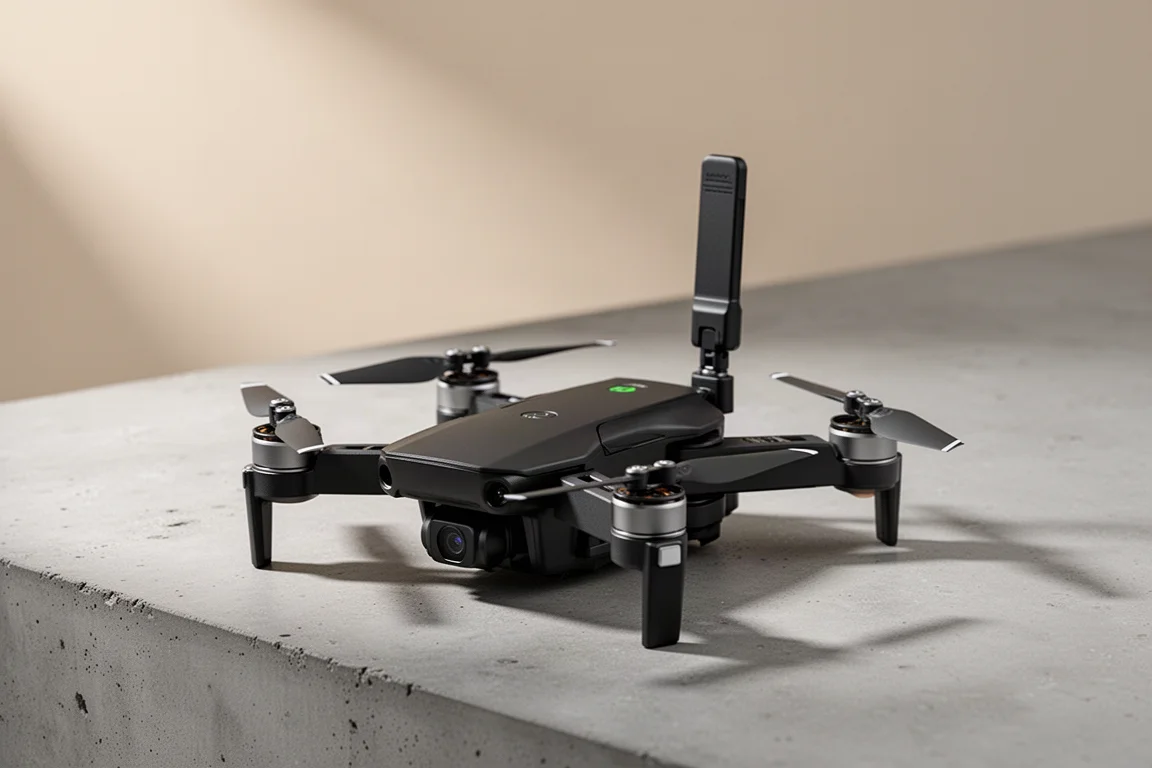
Skydio lists exactly three hardware changes on the Skydio 2 Plus. The most visible one sits on the drone itself: pop-up antennas that rise from the body and use newer, much stronger 5 GHz WiFi antennas than before.
Beyond that, the company says the camera, obstacle sensors, and everything else are identical to the previous model. There are some minor internal component changes, which is normal across any manufacturing run, but these are described as having no meaningful difference to the flying experience. One point worth noting: the raised antennas slightly limit visibility of the top obstacle avoidance sensor, but Skydio says that direction was already covered by other sensors, so it should not change anything in practice.
Range and the New Beacon
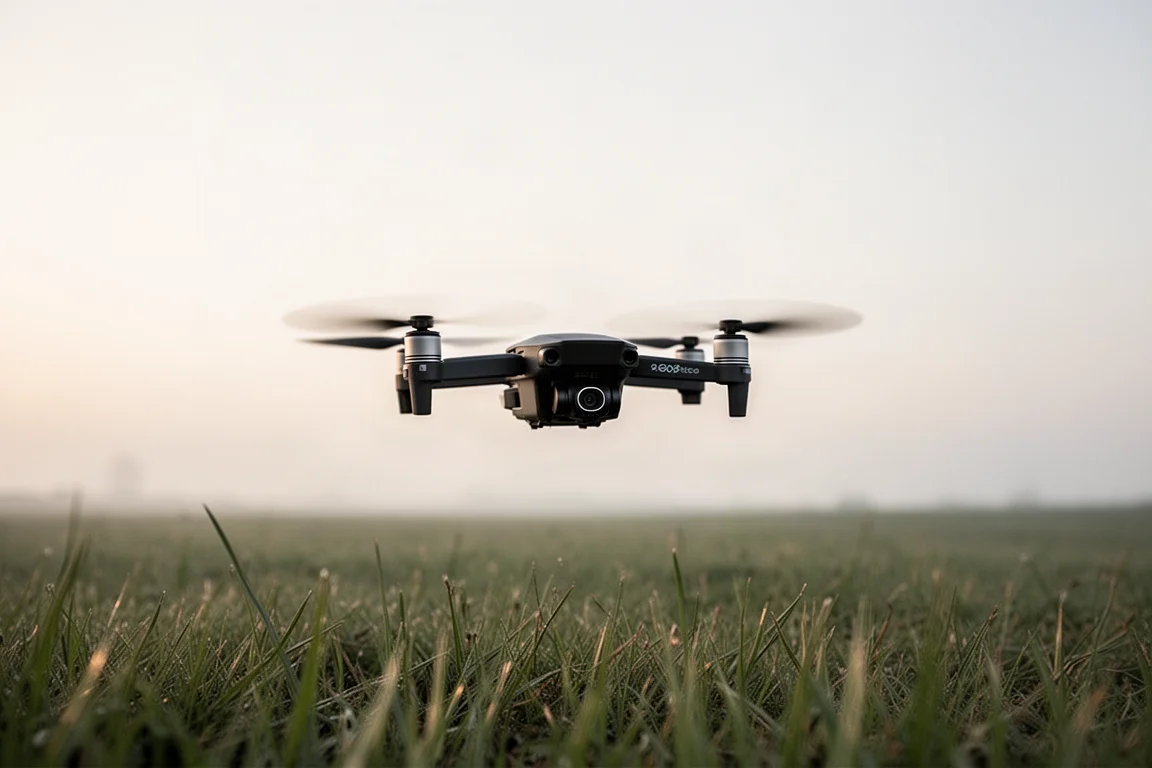
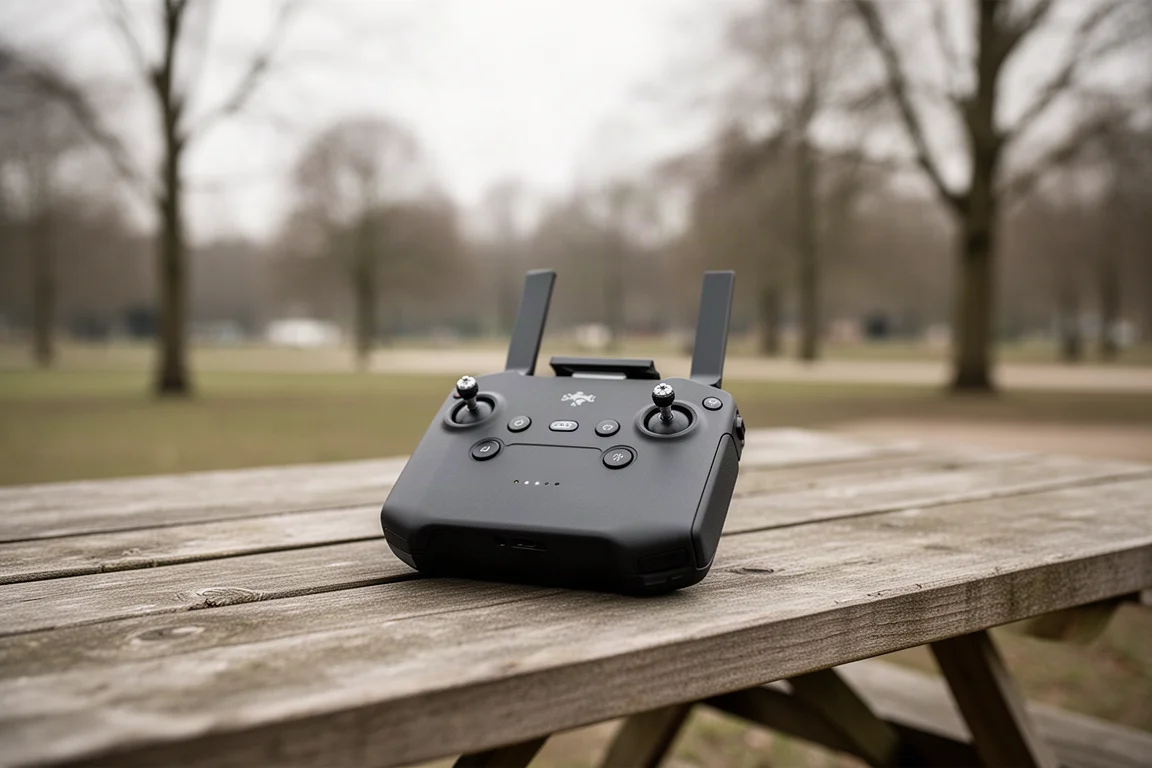
Those new antennas are the headline change. With the existing controller, Skydio claims double the previous range, up to six kilometers. The improvement also carries over to reception elsewhere, including a new version of the Skydio beacon.
The new beacon looks identical to the old one on the outside, but its internals have been updated. Skydio claims up to three kilometers of range with it, double the previous claimed 1.5 kilometers. It is also compatible with the original Skydio 2, though because that drone lacks the new antennas, the range gain there is smaller, though still a fair improvement.
The New Battery
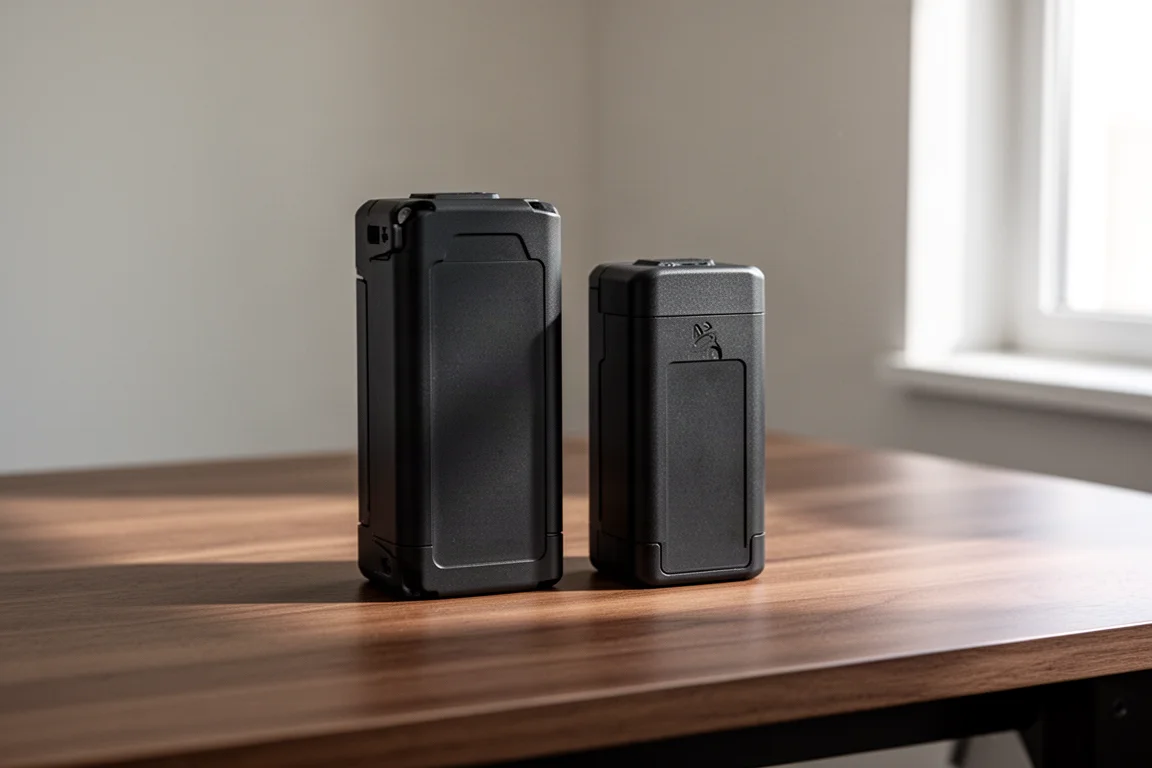
The second change is the battery. The new pack looks identical to the old one, but it holds roughly 60 watt hours (59.89 Wh) compared to 48.79 Wh on the previous battery. On the Skydio 2 Plus, Skydio says it delivers about 27 minutes of flight time, a claimed 20 percent increase over the previous setup.
The batteries are backwards compatible, and the source experience shows they can be used interchangeably between the Skydio 2 Plus and the regular Skydio 2 without issues. That matters if you already own the older drone and want to buy extra packs.
Kits, Pricing, and Skydio Care
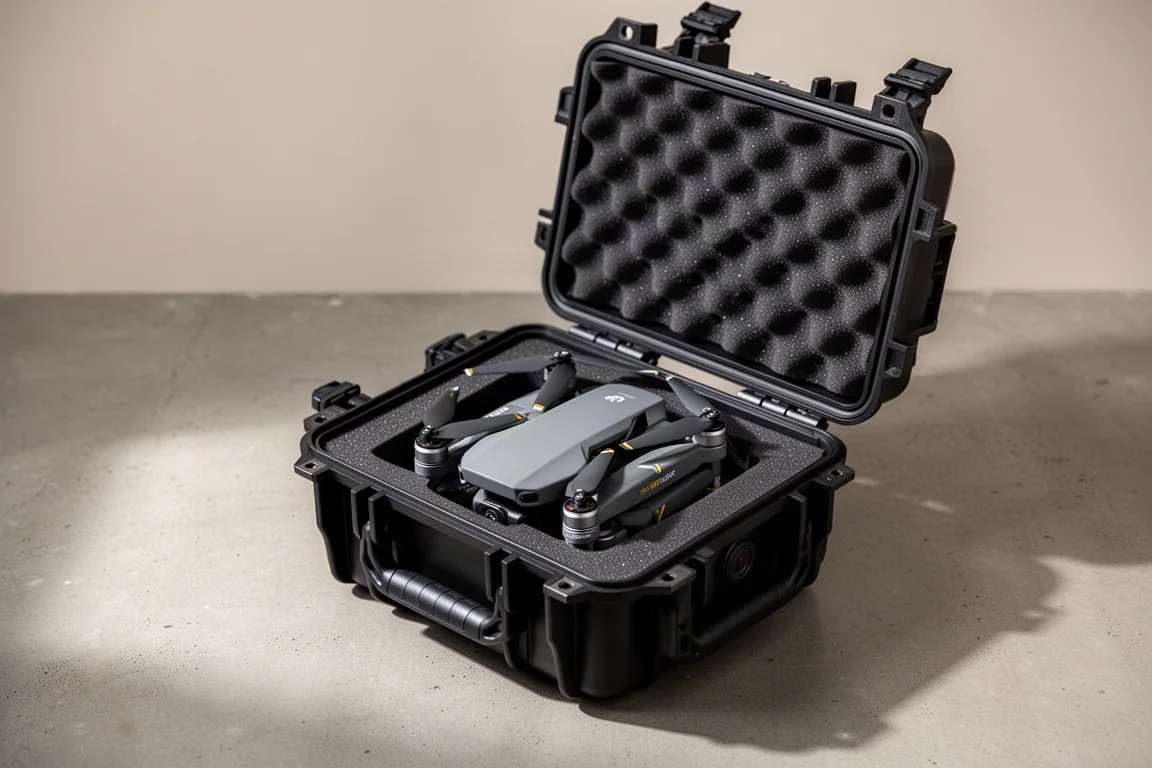
There are four kits, priced in US dollars. The base starter kit at $1,099 includes the drone, one battery, extra props, and a charger. The sports kit at $1,549 adds the beacon, three batteries in total, and a dual battery charger kit. The cinema kit includes everything in the sports kit plus a regular controller, a hard case, and ND filters. The pro kit at $2,169 adds more props, a prop holder, and higher-end support.
Availability remains limited to essentially the US and Canada. Skydio cites two reasons: production and manufacturing capacity is currently focused on the US, and there are regulatory issues still being worked through in other countries. Expansion remains on the company’s radar, but there is no good news yet for buyers outside North America.
One genuinely useful addition for crash-prone pilots is the new Skydio Care policy, which closely mirrors DJI’s Care Refresh. It costs $150 for one year or $250 for two years upfront. Per incident, you pay $150 for the first claim or $200 for the second. If the drone flies away, lands in water, or is otherwise unrecoverable, the replacement fee is $550, which is pricey but nearly identical to DJI’s pricing for the Air 2S, a drone in a similar price class.
Who This Product Is For
The Skydio 2 Plus makes the most sense for two groups: existing Skydio 2 pilots who feel limited by range and flight time, and new buyers in the US and Canada who want the platform’s tracking and obstacle avoidance with fewer constraints. The backwards-compatible battery and beacon also soften the upgrade path for current owners.
Things to Consider Before Buying
There are trade-offs to weigh before spending money here.
- The upgrade is hardware-only in three areas. Camera and obstacle sensor performance is unchanged.
- Availability is still limited to essentially the US and Canada, with regulatory hurdles in other markets.
- Real-world battery testing in fair conditions has not been done yet; the 27-minute claim came out of windy conditions, not side-by-side testing.
- Skydio Care adds meaningful ongoing cost if you want crash protection.
Buying Advice
If you are inside the supported regions and range was your main frustration with the original Skydio 2, the Plus version directly addresses it. If you already own a Skydio 2, buying the new battery and beacon separately may be the smarter move, since the drone itself is otherwise identical. Choose your kit based on how you fly: the starter kit suits occasional use, while the sports and cinema kits make more sense if you need multiple batteries and the beacon.
Conclusion
The Skydio 2 Plus is a targeted refresh rather than a new drone. Double the range with the existing controller, a larger battery with a claimed 27 minutes of flight, and improved beacon reception are meaningful gains, and the fact that the batteries and beacon work with the original Skydio 2 shows some respect for existing owners. Waiting on full real-world testing before judging battery claims is sensible, but the direction here is easy to understand.
Product link
View more details for Skydio 2 Plus
This product is mentioned in the review. Check the specifications, options, and compatibility before buying.
View more details for Skydio 2 PlusFurther reading
Related Reviews
Drones
Best Budget Camera Drones Under 3000: Five Practical Options for Video and Photography
Five affordable camera drones with HD video capability and stable flight performance, each suited to different needs and budgets.
Drones
Best Budget Drones Under $200: Five Practical Options for 2026
Five budget-friendly drones with GPS, 4K cameras, and FPV capabilities. Real strengths and trade-offs to consider before buying.
Drones
Best Drone Cameras Under $500: Five Options for Different Needs
A practical guide to five drones under $500, covering portability, flight time, camera quality, and key features to help you choose.