Telescopes
Sky-Watcher Heliostar 100 Review: A Hydrogen Alpha Solar Telescope That Simplifies the Sun
A dedicated 100mm hydrogen alpha solar telescope with trifid tuning, double-stack-like performance, and a setup built for both visual observing and imaging.
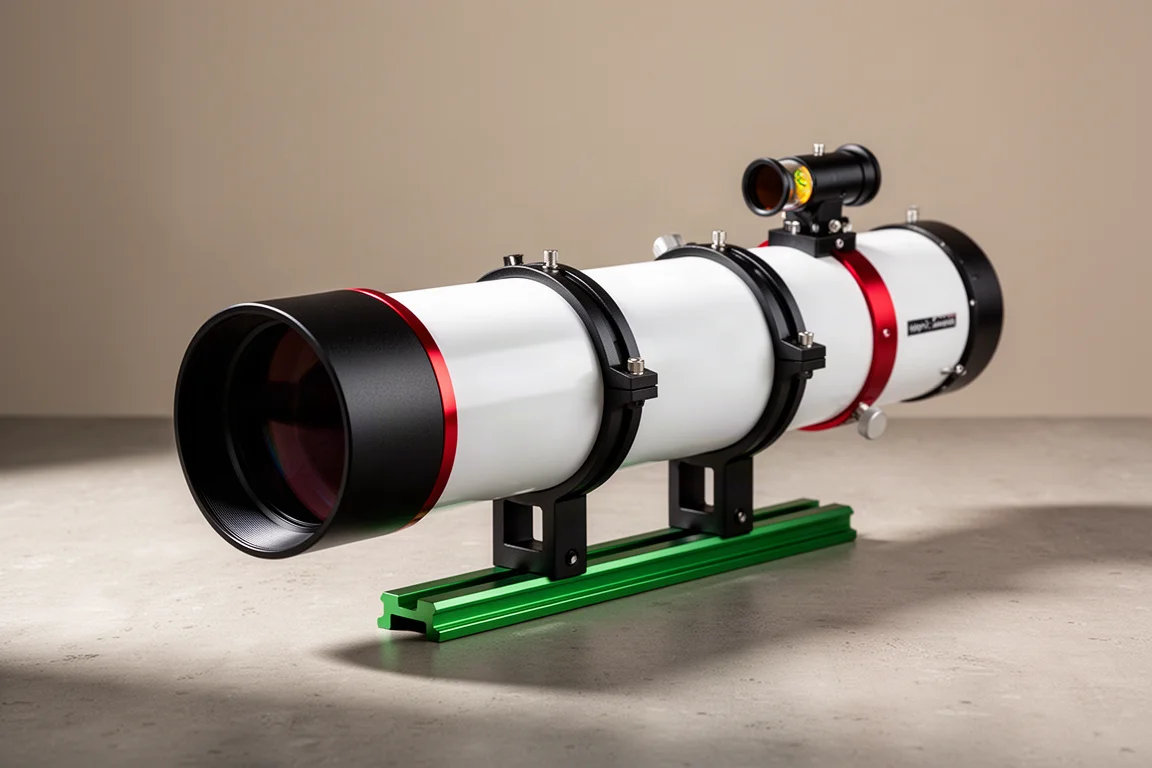
Introduction
The Sun is the closest star we have, and its prominences can be large enough to fit multiple Earths inside. Seeing them in real detail, however, requires more than a standard telescope with a solar filter. The Sky-Watcher Heliostar 100 is a dedicated hydrogen alpha solar telescope, and after time spent with it both visually and photographically, it may be the most exciting hydrogen alpha solar telescope currently on the market. Here is what makes it stand out, and who it makes sense for.
What Is the Heliostar 100?
A dedicated hydrogen alpha solar telescope only lets through a very narrow bandpass of light, unlike a standard telescope with a glass or film solar filter attached to the front. That narrow bandpass reveals solar prominences and detail within sunspots and on the solar surface that is simply invisible in white light.
The front objective of the Heliostar acts as an energy rejection filter, dramatically filtering out light before it even enters the telescope. The internal etalon and tuning system isolate an incredibly narrow, adjustable bandpass, while the blocking filter in the diagonal removes any remaining unwanted wavelengths for a safe and highly refined visual and imaging experience.
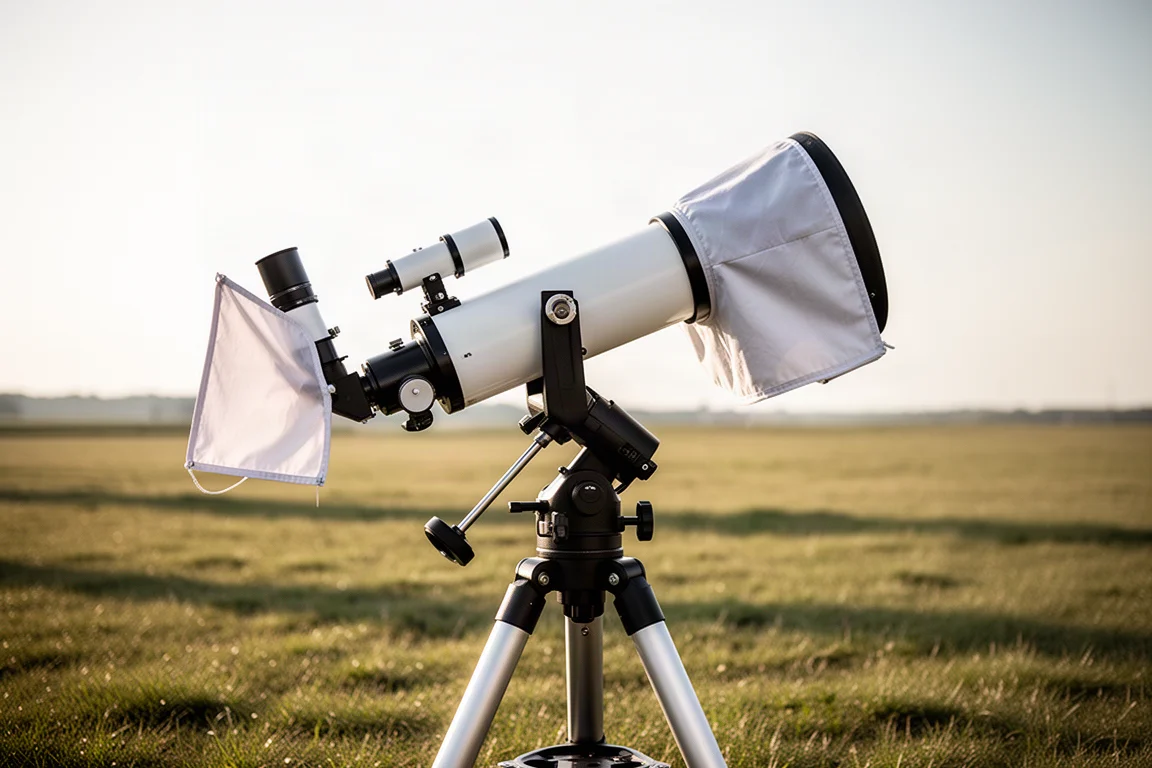
What Comes in the Box
The Heliostar 100 features a 100mm aperture with a 760mm focal length, giving it a focal ratio of f/7.6. Opening the included hard case reveals the telescope, black mounting rings, and a beautifully anodized Sky-Watcher green Vixen-style dovetail, making it compatible with nearly all types of mounts.
On top of the scope sits a dedicated solar finder, which makes locating the sun easy and safe. The included diagonal houses a 20mm blocking filter, and the package also includes a 22mm ultrawide eyepiece with a 70-degree field of view that delivers a comfortable yet stunning visual experience. A 2-inch adapter for larger eyepieces, integrated T-threads for camera use, and a built-in sun shade round out the kit.
Build Quality and the Focuser
Sky-Watcher includes a premium dual-speed 10:1 rack and pinion focuser that feels extremely similar to the focusers on their Esprit APO refractors. It has a rubberized grip, a locking mechanism, and smooth fine focus control, along with an integrated rotator that gives the whole setup a refined feel.
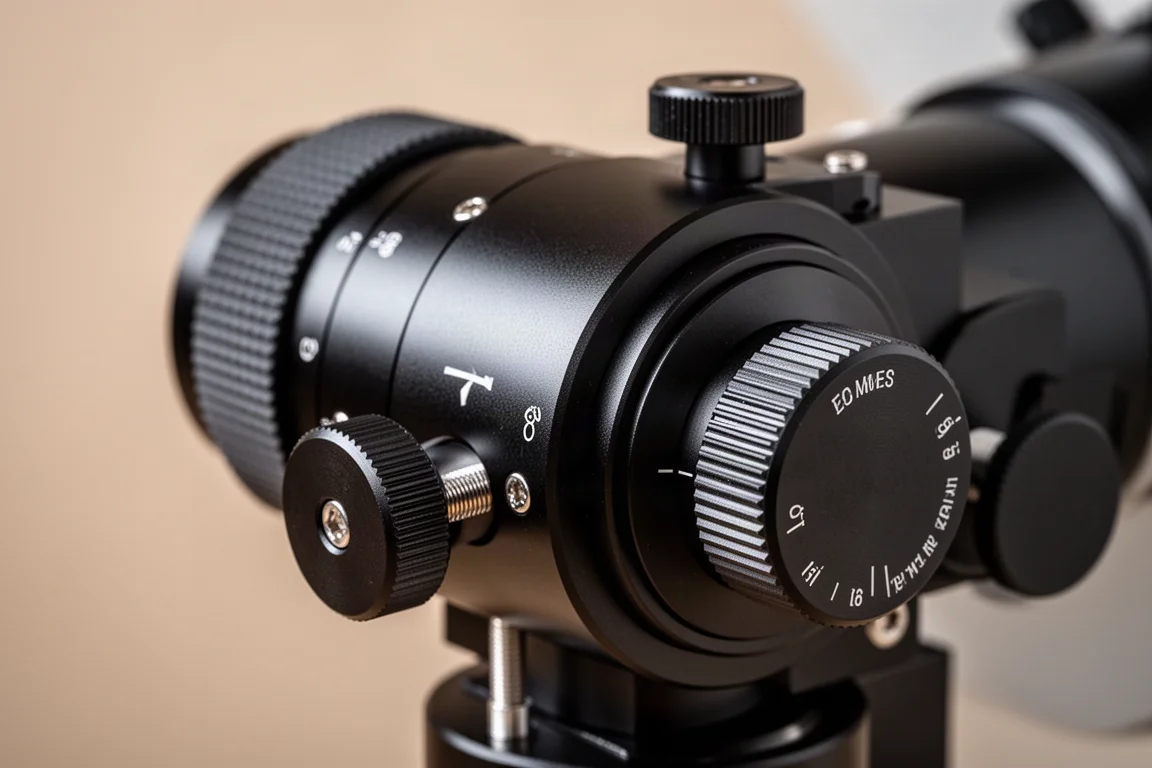
The intent behind the design is clear: deliver an observing experience closer to a premium double stack system, without the frustrations and constant adjustments that traditionally come with solar observation. With conventional setups, viewing sweet spots can become extremely narrow, tuning can drift over time, and outreach events can turn into a waiting game rather than a solar observing session.
The Trifid Tuning System
Sky-Watcher’s trifid tuning system is straightforward to use and provides a much more stable observing experience overall. Instead of constantly chasing the perfect tuning position, the scope feels reliable, consistent, and easy to dial in.
Centering the sun, tuning the image, and starting to view incredible solar prominence and surface detail happens almost immediately. That ease of use is what genuinely separates the Heliostar from other hydrogen alpha solar telescopes on the market.
Observing the Sun: The Live Experience
Pointed at the sun with the solar shade in place, the 100mm aperture is immediately put to use. Through the eyepiece, three solar prominences appear at around 11 o’clock, with real depth: one prominence rises from the surface and protrudes past the disc, looking dimensional, another sits high above the solar surface near 1 o’clock, and several smaller prominences cluster near 6 o’clock. The limb itself looks like fuzzy cotton, and there is a substantial amount of solar detail across the disc.
The view becomes even more striking with binoviewers. Swapping the 22mm eyepiece for a pair of 20mm wide-angle eyepieces changes how the brain processes the image. While this is not true stereoscopic viewing, using both eyes at once makes details like prominences and solar filaments appear to have more depth, much the way a landscape looks three-dimensional through binoculars compared to a monocular.

The result is a sun that looks like an actual ball rather than a flat image. Every single prominence takes on three-dimensional separation. It is the kind of view that is difficult to convey secondhand, and it makes the case for binoviewing on a scope of this aperture.
Solar Imaging With the Heliostar 100
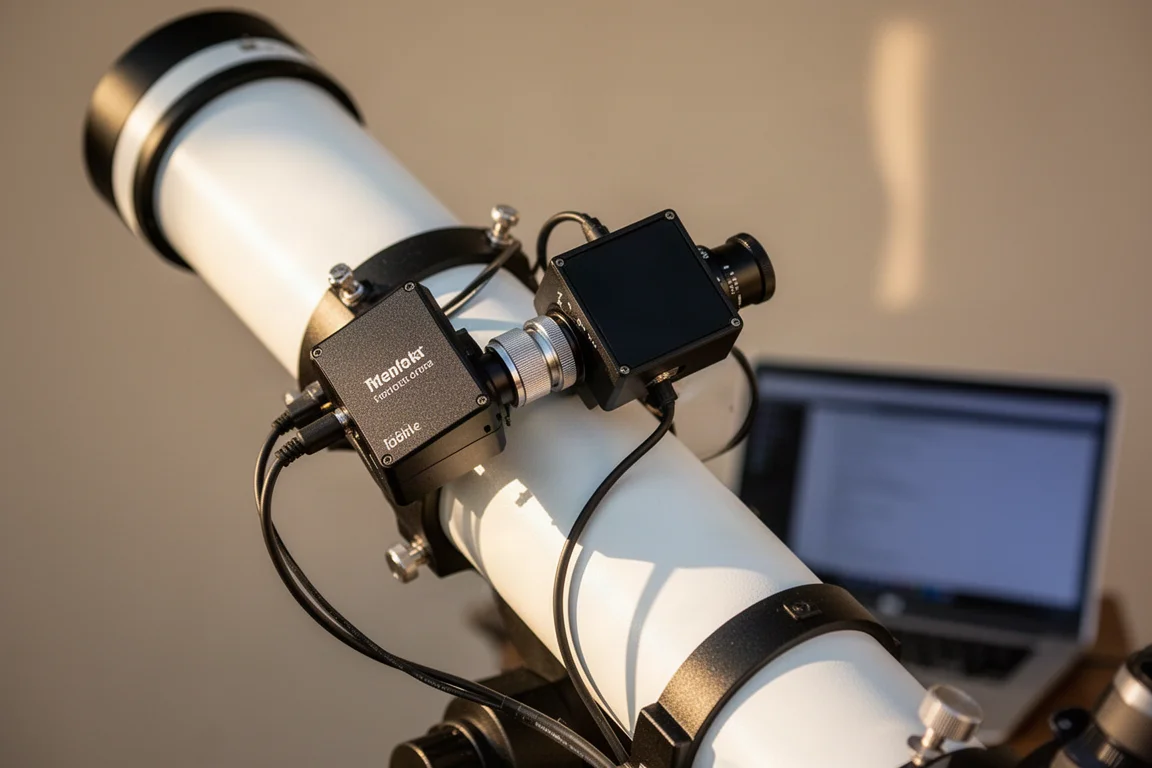
Observation is only half the story. The Heliostar 100 is also well suited to solar photography. Paired with a 533-format camera, the 760mm focal length fits the sun perfectly in the field of view with some room to spare, and the amount of surface detail available through the telescope translates directly into the captured image.
Everything in this setup rides on the Sky-Watcher Wave 100i mount, which is offered as a bundle with the Heliostar telescope itself. In alt-azimuth mode it handled the scope comfortably and tracked the sun accurately throughout an entire day of shooting.
Things to Consider Before Buying
The Heliostar 100 is the largest solar telescope many observers will have used, which benefits both visual and imaging use, but it is a dedicated solar instrument. If your interest is primarily nighttime astronomy, a hydrogen alpha telescope will sit idle outside of daylight hours. The included 20mm blocking filter and f/7.6 focal ratio are well matched to dedicated solar work, and the 2-inch adapter plus T-threads make the kit flexible for eyepiece and camera use alike.
Buying Advice
If you want a single etalon solar telescope with double-stack-like performance, without the constant tuning frustrations of traditional hydrogen alpha scopes, the Heliostar 100 is an easy recommendation. It is available for order through High Point Scientific, and the Wave 100i bundle is worth considering if you do not already own a suitable mount.
Conclusion
After several days under the bright sun with the Heliostar 100, the verdict is simple: Sky-Watcher set out to build a single etalon solar telescope with double stack performance, simplified for both observing and imaging, and they nailed it. For anyone serious about seeing the sun in hydrogen alpha, this telescope is an absolute joy to use.
Product link
View more details for Sky-Watcher Heliostar 100
This product is mentioned in the review. Check the specifications, options, and compatibility before buying.
View more details for Sky-Watcher Heliostar 100Further reading
Related Reviews

Telescopes
Sightron SJ75 UF and Sky-Watcher HS125: Two Telescopes Worth Watching
A look at two notable telescopes from a recent camera and optics expo: a sharp new astrograph from Sightron Japan and a compact fast reflector from Sky-Watcher.

Telescopes
SV503 102ED Review: A Budget 102mm Refractor That Surprises
The SV503 102ED is an affordable 102mm doublet refractor that delivers surprisingly decent star shapes and a smooth focuser, despite some chromatic aberration and light falloff.

Telescopes
SVBony MK127 Review: A Compact Maksutov-Cassegrain That Surprises
The SVBony MK127 is a 127mm Maksutov-Cassegrain telescope with a unique 0.65x reducer, making it a versatile option for visual astronomy and even some deep-sky imaging.