Telescopes
Sky-Watcher Evolux 82 Review: A Premium Small Refractor for Stargazing and Astrophotography
A compact apochromatic doublet refractor designed for grab-and-go observing and astrophotography, with premium features and a few setup quirks to know about.
Introduction
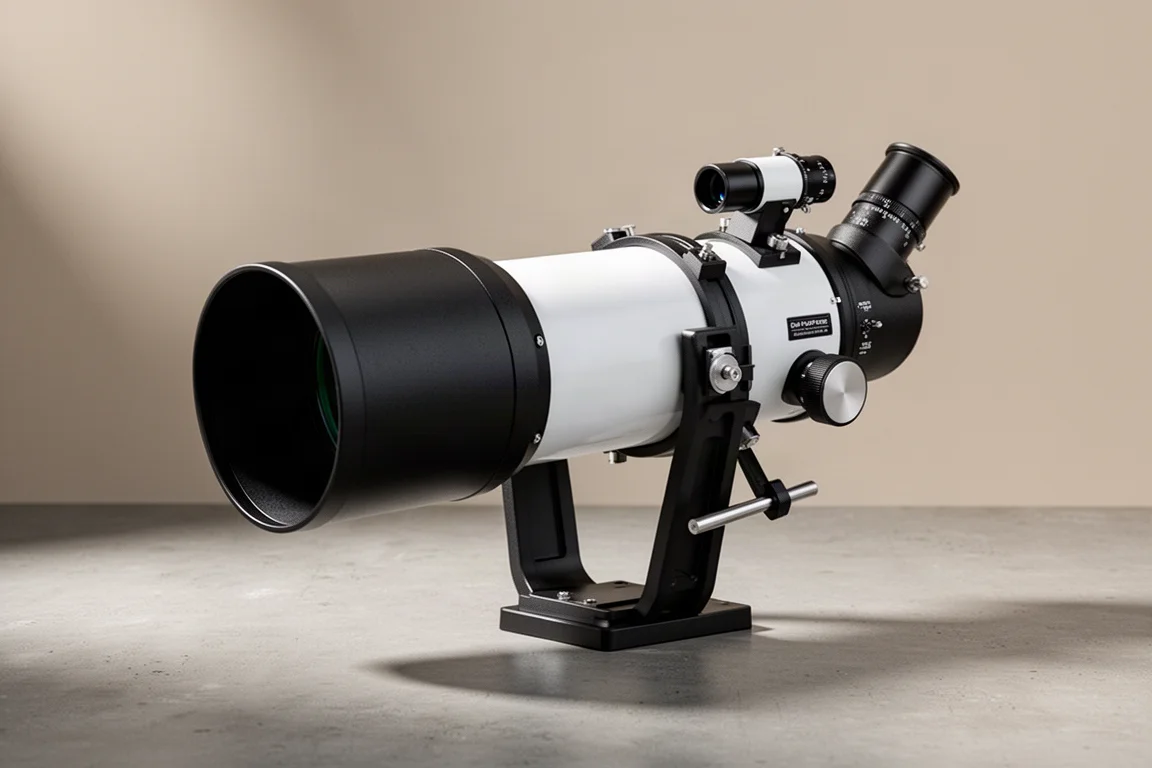
The Sky-Watcher Evolux 82 is a premium small refractor aimed at two very different jobs: astrophotography and grab-and-go visual observing. Unlike beginner telescopes, it ships as an optical tube only, without a red dot finder, 90-degree diagonal, or alt-azimuth mount. The assumption is that you either already own those accessories or you plan to customize the setup to suit your needs.
That makes it a step up in both price and expectations. So who is it actually for, and does the optical performance justify the premium positioning? We spent time with it under light-polluted city skies and on a small imaging mount to find out.
What Is the Evolux 82?
The Evolux 82 is a doublet refractor, meaning the primary lens is made from two pieces of glass. Premium refractors are typically triplets, using three elements, and apochromatic (APO) correction is usually reserved for triplets from other brands. Sky-Watcher claims to have achieved apochromatic performance with two pieces of glass using what it describes as a proprietary combination of matched lenses.
Apochromatic means the telescope corrects chromatic aberration across the entire visible spectrum, from red through green to blue. There is also a 62mm version of the same design for even wider fields of view.
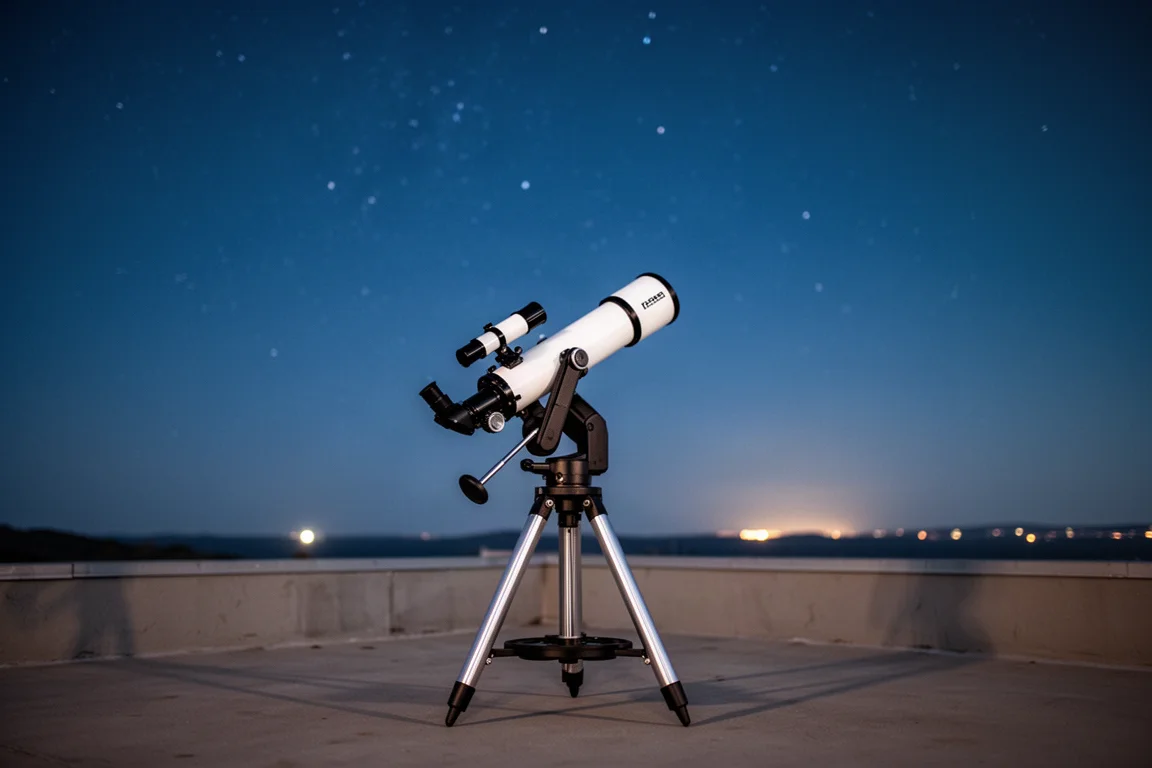
The specification is compact and travel-friendly: a focal ratio of f/6.5, a focal length of 550mm, and a weight of just 6.5 pounds. On paper, that keeps it within the payload limits of small mounts commonly used for portable astrophotography.
Main Strengths
The Evolux 82 includes a set of genuinely premium touches. The lenses are multi-coated with anti-reflective coatings and made from ED (extra-low dispersion) glass, another layer of defense against chromatic aberration. Focusing is handled by a dual-speed focuser for very precise adjustment.
The hardware is thoughtfully arranged for imaging rigs. The clamshell ring includes two mounting brackets, useful for attaching a guide scope on one side and an astro imaging controller on the other. The telescope can be rotated within the clamshell, the clamshell itself slides along the tube, and the included dovetail can be repositioned for balance, with plenty of mounting points for extra accessories.
The dew shield is notably large and extends using two knobs, sliding well forward for observing and retracting for easier transport.
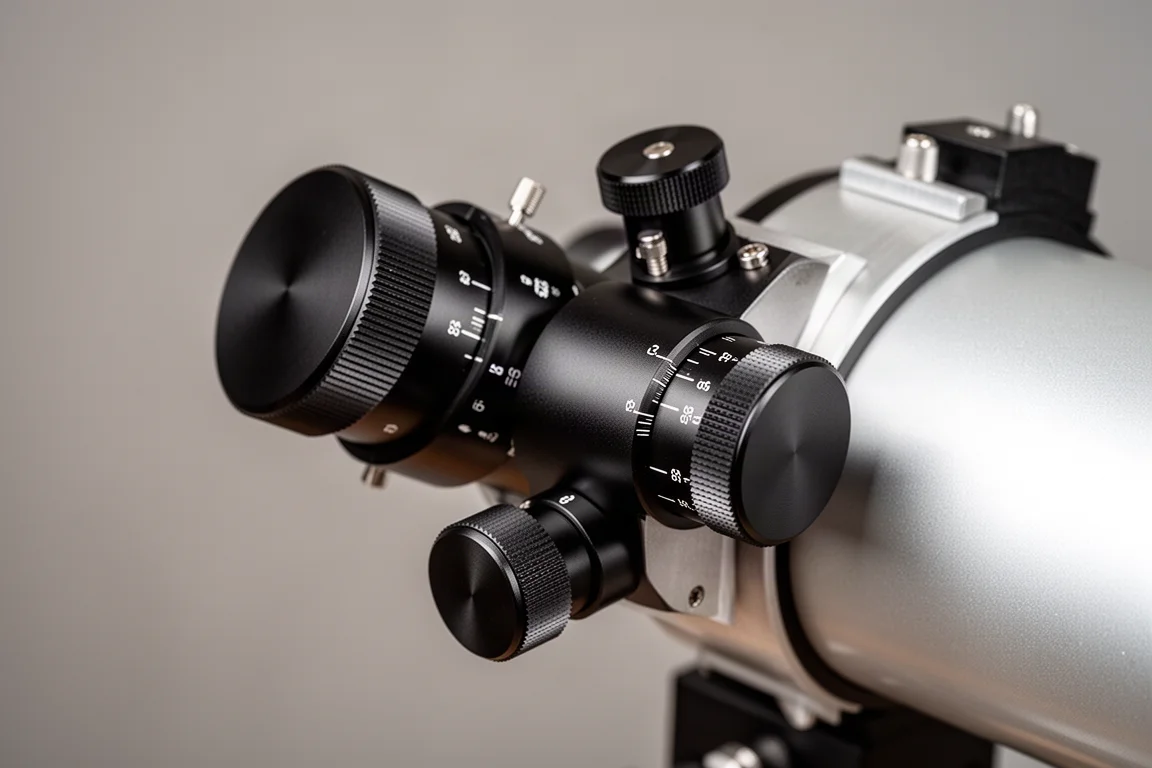
One quirk worth knowing before you buy: out of the box, the fine focus knob on the review unit did not work. This is a known pattern on some telescopes, and the fix is simply tightening an adjustment with an Allen key. Be prepared to make small adjustments to the focusing assembly to customize it for your setup.
Things to Consider Before Buying
This is not a beginner telescope in the complete-package sense. You get the optical tube and accessories for mounting, but you supply the diagonal, eyepieces, finder, and mount. If you are starting from zero, budget for those extras.
Second, if you plan to image, plan for the accessories Sky-Watcher sells alongside it. A matched focal reducer/field flattener is available, which serves two purposes: it reduces the focal length for faster imaging, and it flattens the field so the focal plane sits evenly across your camera sensor, correcting aberrations at the edges of the frame. Sky-Watcher also offers an optional rotator with a place to screw in filters, letting you rotate the camera’s field of view easily.
Finally, mind your mount. At 6.5 pounds for the tube, plus guide scope, camera, and accessories, a complete imaging rig can approach the limits of small mounts.
Real-World Visual Observing
For visual use, the test setup added a two-inch star diagonal, a two-inch 20mm eyepiece, a finder, and a portable mount. Even under extremely light-polluted city skies, the telescope delivered clear views of the Pleiades and the Orion Nebula.
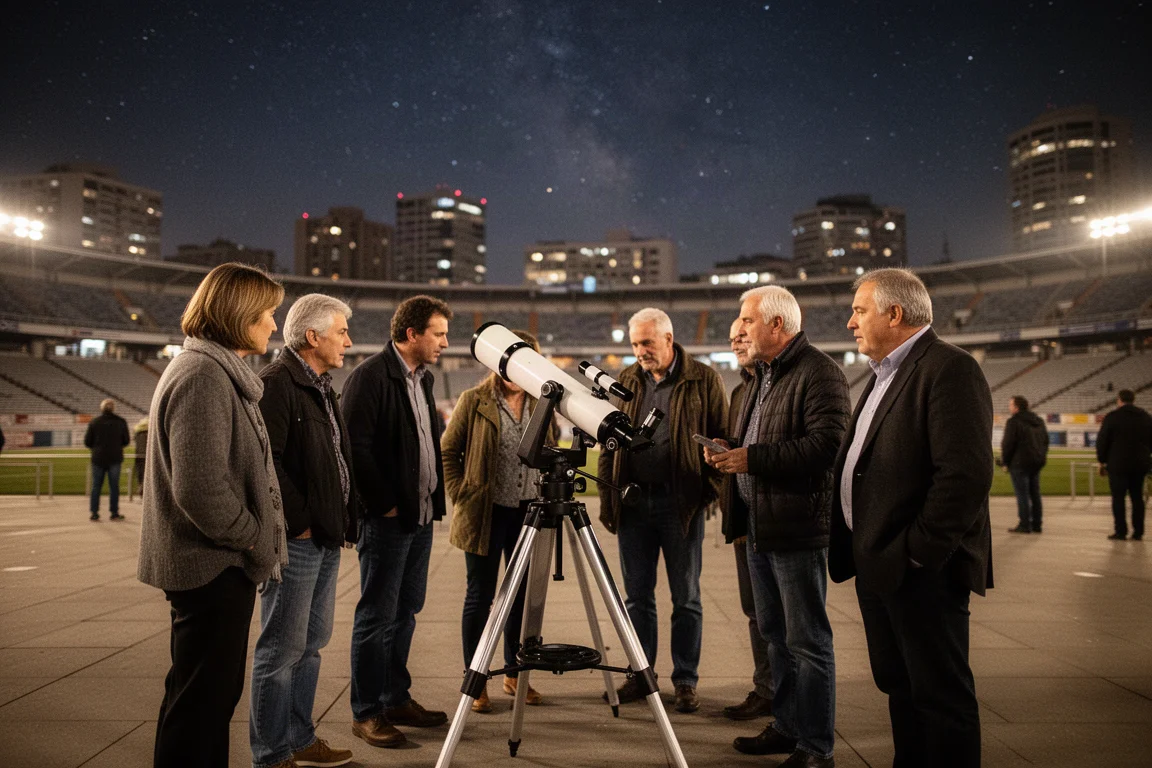
This is where the difference between a premium telescope and a typical beginner scope really showed. Jupiter revealed clear color, orange and yellow banding rather than a featureless dot, and it drew enthusiastic reactions even from first-time observers. That kind of performance at a public stargazing event is a good sign for a grab-and-go scope: it is light enough to travel and impressive enough to hold a crowd.
Astrophotography Performance
For imaging, the telescope was mounted on a small alt-azimuth mount with a wedge, carrying a rig that weighed between 9 and 10 pounds on an 11-pound capacity mount. That is close to the limit, and the long setup would have benefited from sliding the scope further forward for balance, but during tracking the guiding averaged just over one arcsecond, which leaves little to complain about.
The first night hit two snags. Without a field flattener, the telescope could not reach focus, and no focus tube extensions are included. After improvising with a found extender, a quick check of the frames showed round stars in the center but serious coma toward the edges, confirming that a field flattener is genuinely needed.
Night two added the fixes: a 0.8x field flattener/focal reducer with an adapter to reach focus, and an electronic focuser. Fitting the electronic focuser took real patience, since the included Allen wrenches were too large for the screws, and the adapter only fits by removing both focus knobs as a single unit through an access hole behind the fine focusing assembly, then attaching the focuser with two bolts and two washers.

Once sorted, the results changed completely. On the Orion Nebula, just nine minutes of total exposure produced stars that looked great all the way to the edge of the frame. Seven three-minute exposures of the Rosette Nebula before it slipped behind the house also processed into a promising wide-field image, with more integration time clearly the next step.
Buying Advice
The Sky-Watcher Evolux 82 makes sense for two kinds of buyers. If you want a premium grab-and-go refractor for visual observing and already own a diagonal, eyepieces, and a mount, it delivers impressive views in a light 6.5-pound package. If you are building a portable astrophotography rig, its short focal length, dual-speed focuser, and flexible clamshell mounting make it a strong optical tube, provided you also plan for the matched field flattener/reducer, possible focus extensions, and a mount with enough payload headroom.
If you are a complete beginner looking for an all-in-one first telescope with finder and mount included, this is not the right starting point. If you have outgrown beginner gear, it is a compelling next step.
Conclusion
The Evolux 82 lives up to its premium billing optically: apochromatic claims, ED glass, and clean star shapes to the frame edge once paired with the right imaging accessories. Its trade-offs are practical rather than optical, namely the lack of included accessories, the fine focus adjustment needed out of the box, and the extra parts required for imaging. For observers and imagers who fit that profile, it is a rewarding, travel-friendly scope.
Product link
View more details for Sky-Watcher Evolux 82
This product is mentioned in the review. Check the specifications, options, and compatibility before buying.
View more details for Sky-Watcher Evolux 82Further reading
Related Reviews

Telescopes
Sightron SJ75 UF and Sky-Watcher HS125: Two Telescopes Worth Watching
A look at two notable telescopes from a recent camera and optics expo: a sharp new astrograph from Sightron Japan and a compact fast reflector from Sky-Watcher.

Telescopes
SV503 102ED Review: A Budget 102mm Refractor That Surprises
The SV503 102ED is an affordable 102mm doublet refractor that delivers surprisingly decent star shapes and a smooth focuser, despite some chromatic aberration and light falloff.

Telescopes
SVBony MK127 Review: A Compact Maksutov-Cassegrain That Surprises
The SVBony MK127 is a 127mm Maksutov-Cassegrain telescope with a unique 0.65x reducer, making it a versatile option for visual astronomy and even some deep-sky imaging.