Coffee Equipment
Skill vs Equipment: Can a Pro Barista Win With a Budget Machine?
A head-to-head espresso challenge reveals whether barista skill or expensive equipment matters more when pulling shots and steaming milk.
Introduction
The eternal question in coffee: does a skilled barista need expensive equipment to pull great shots, or can raw talent overcome a budget machine? To find out, we set up a blind taste test where a professional barista faced off against an amateur using dramatically different gear. One had access to a 30,000 dollar commercial espresso machine paired with a professional grinder. The other worked with a 400 dollar home machine and a budget grinder. Both made the same coffee blend, and professional judges tasted the results without knowing who made each cup.
The Setup: Professional vs Budget
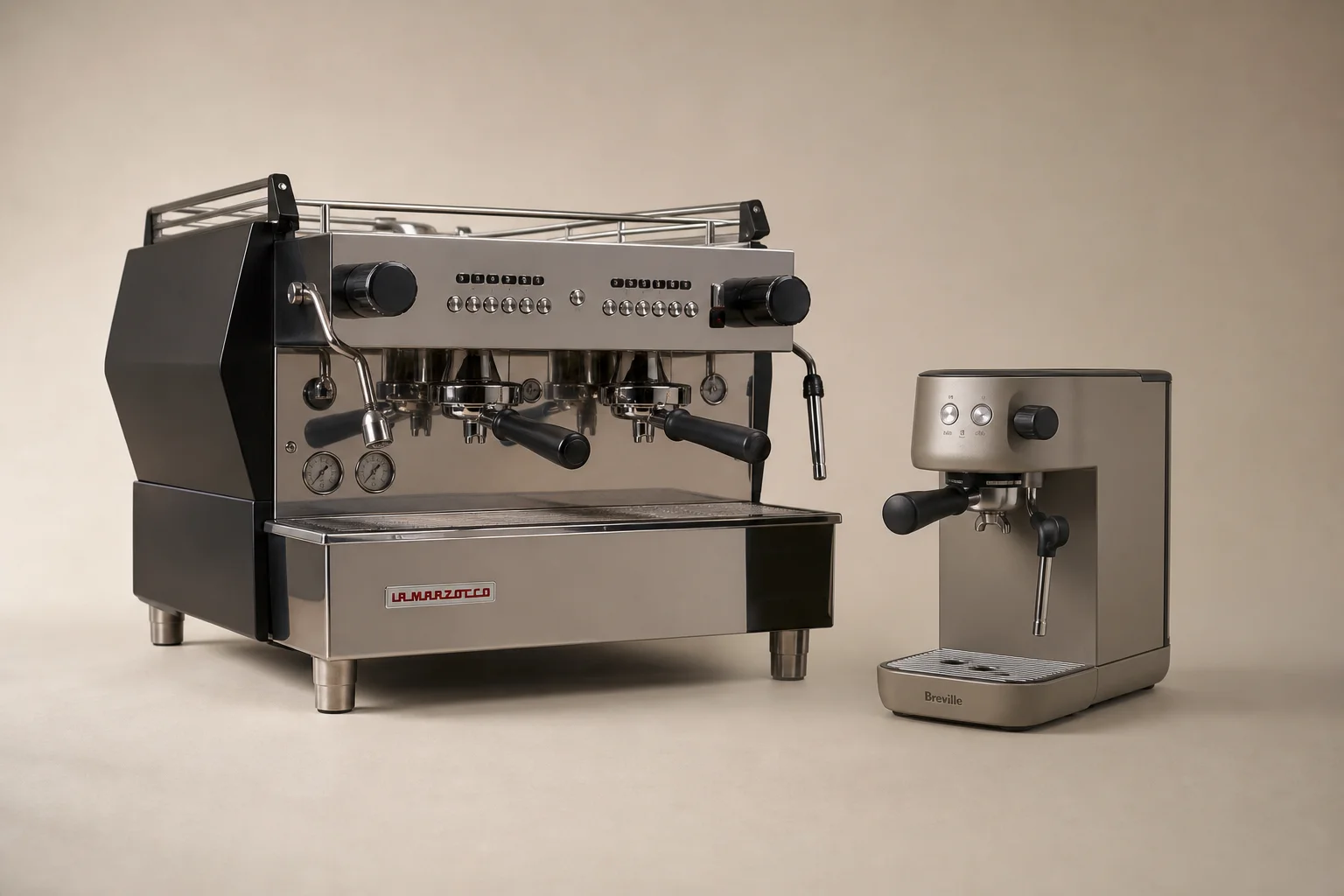
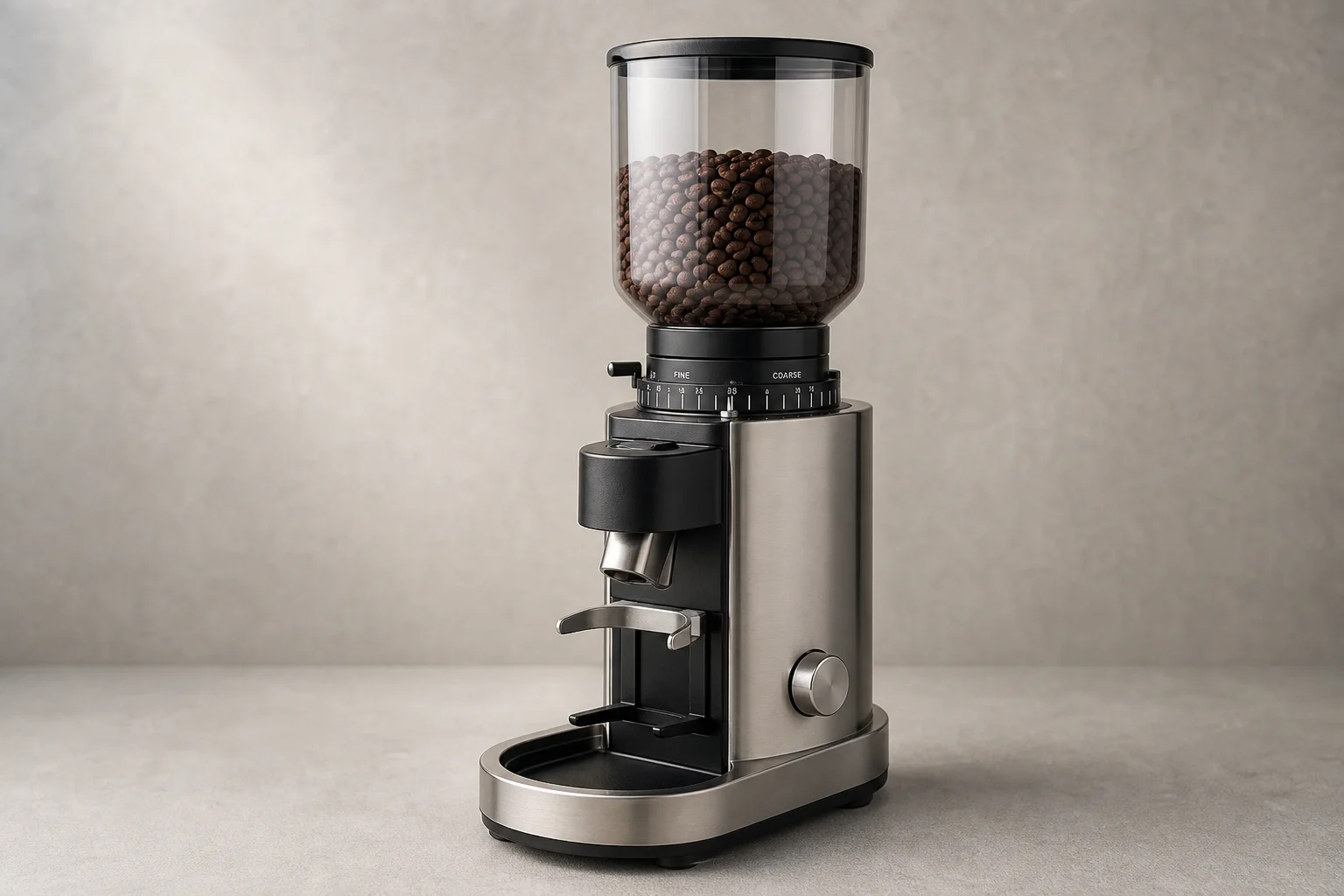
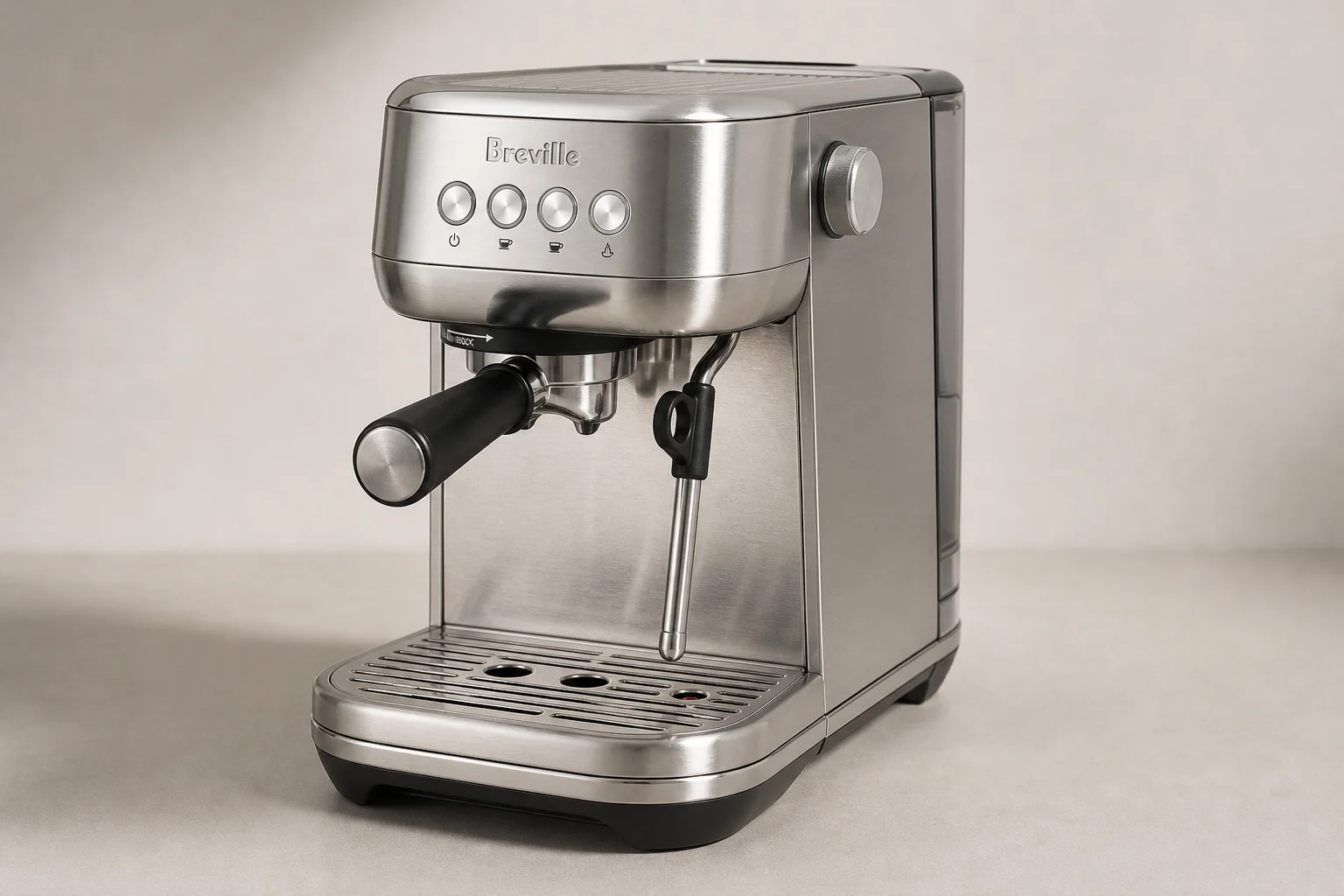
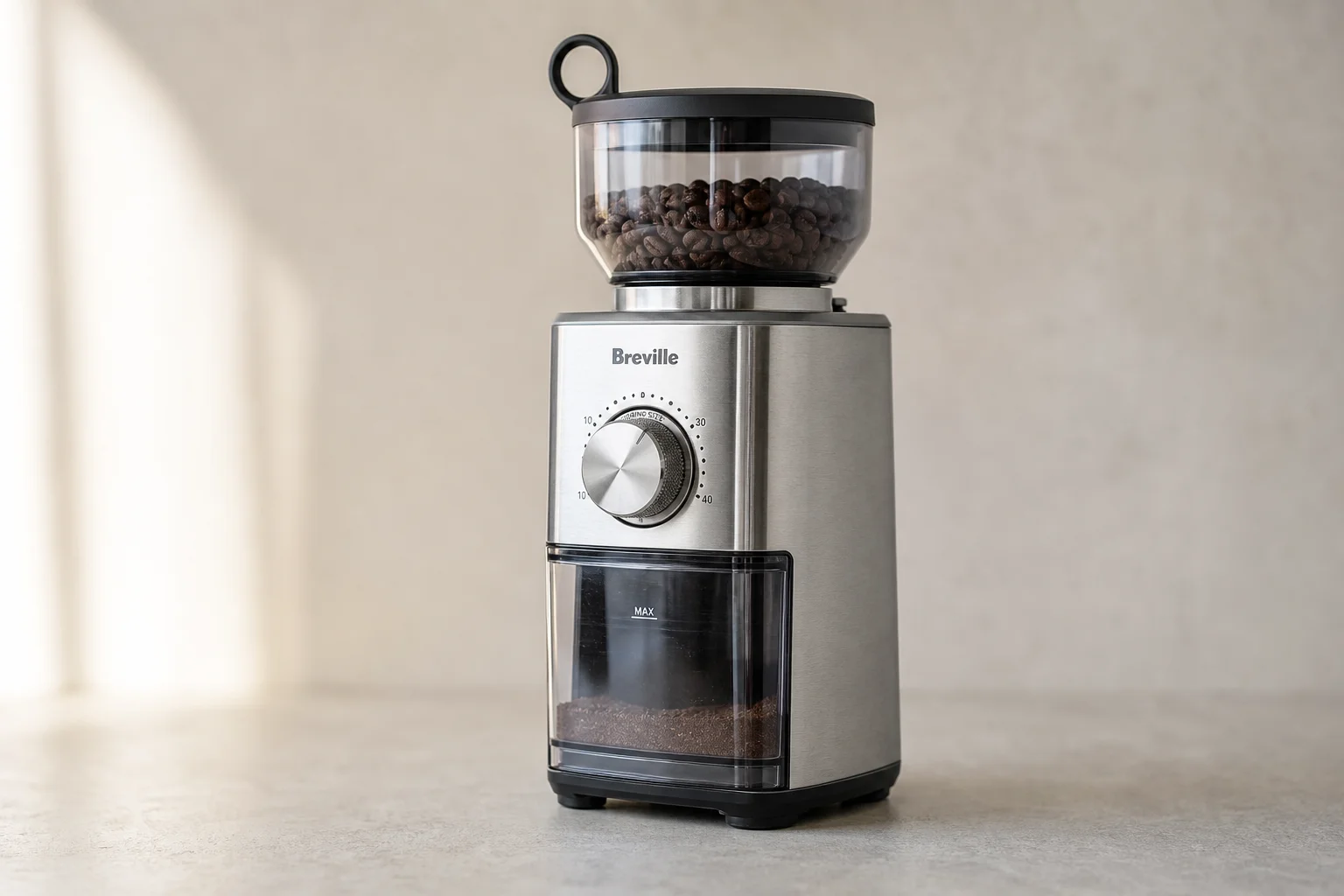
The professional barista, Georgia, was handed the Breville Bambino, a compact home espresso machine that uses a thermo jet heating system instead of a traditional boiler. This means no simultaneous brewing and steaming, a single-hole steam wand, and a pressurized basket designed to work with pre-ground coffee. The machine heats up in three seconds and weighs less than a cat. Paired with it was the Breville Smart Grinder, a sub-200 dollar grinder that handles the grinding duties.
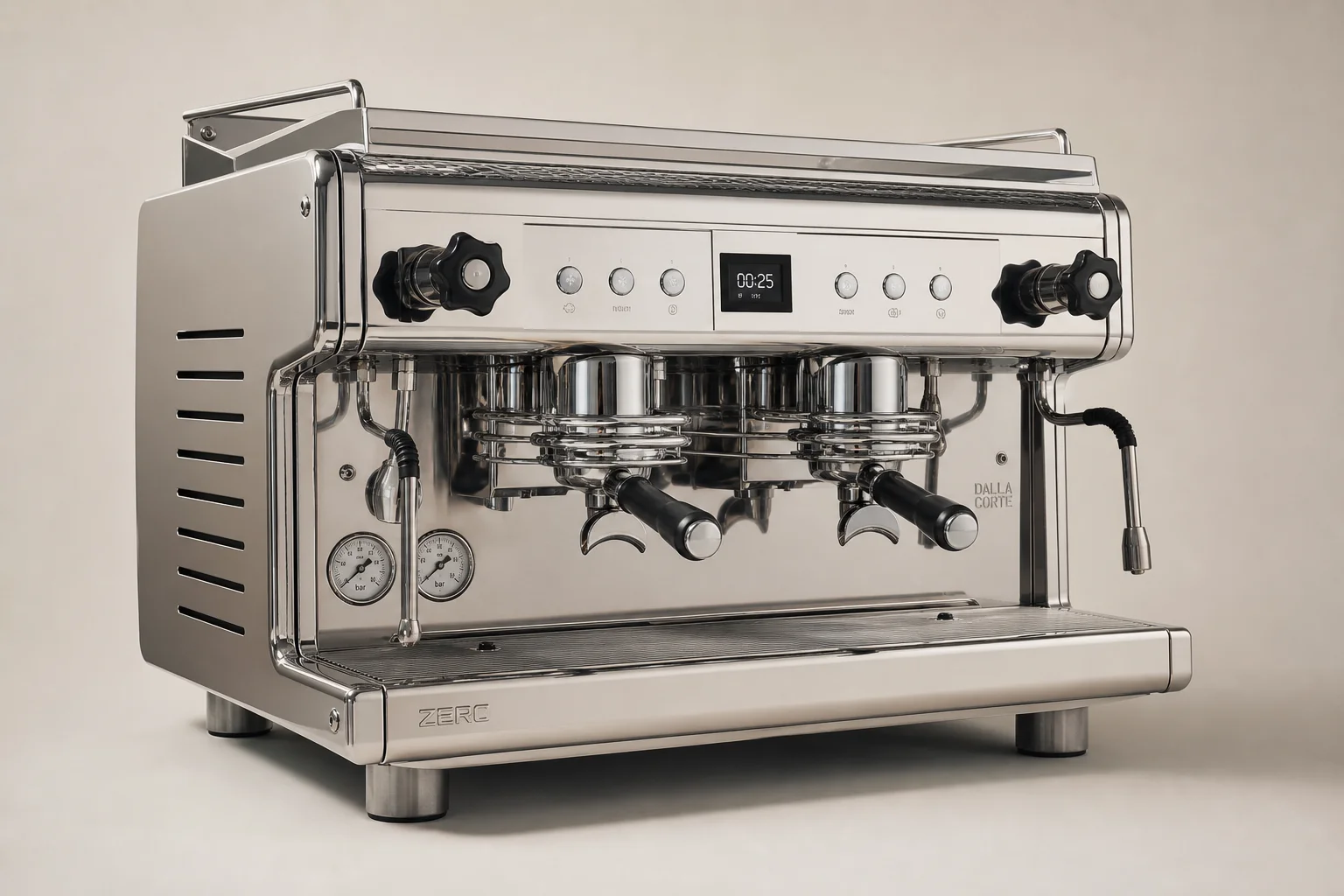
Josh, the amateur, got the La Marzocco Strata AV ABR, a 100-kilogram Italian-made commercial machine featuring a 12-litre steam boiler and three independent saturated brew boilers with digital PID temperature controls. High-capacity cool touch steam wands and professional-grade construction made it a stark contrast to Georgia’s compact setup. Alongside it sat the Anfim SP2, a professional grinder costing just over three thousand dollars, designed for consistency and precision in a commercial environment.
The Challenge Begins
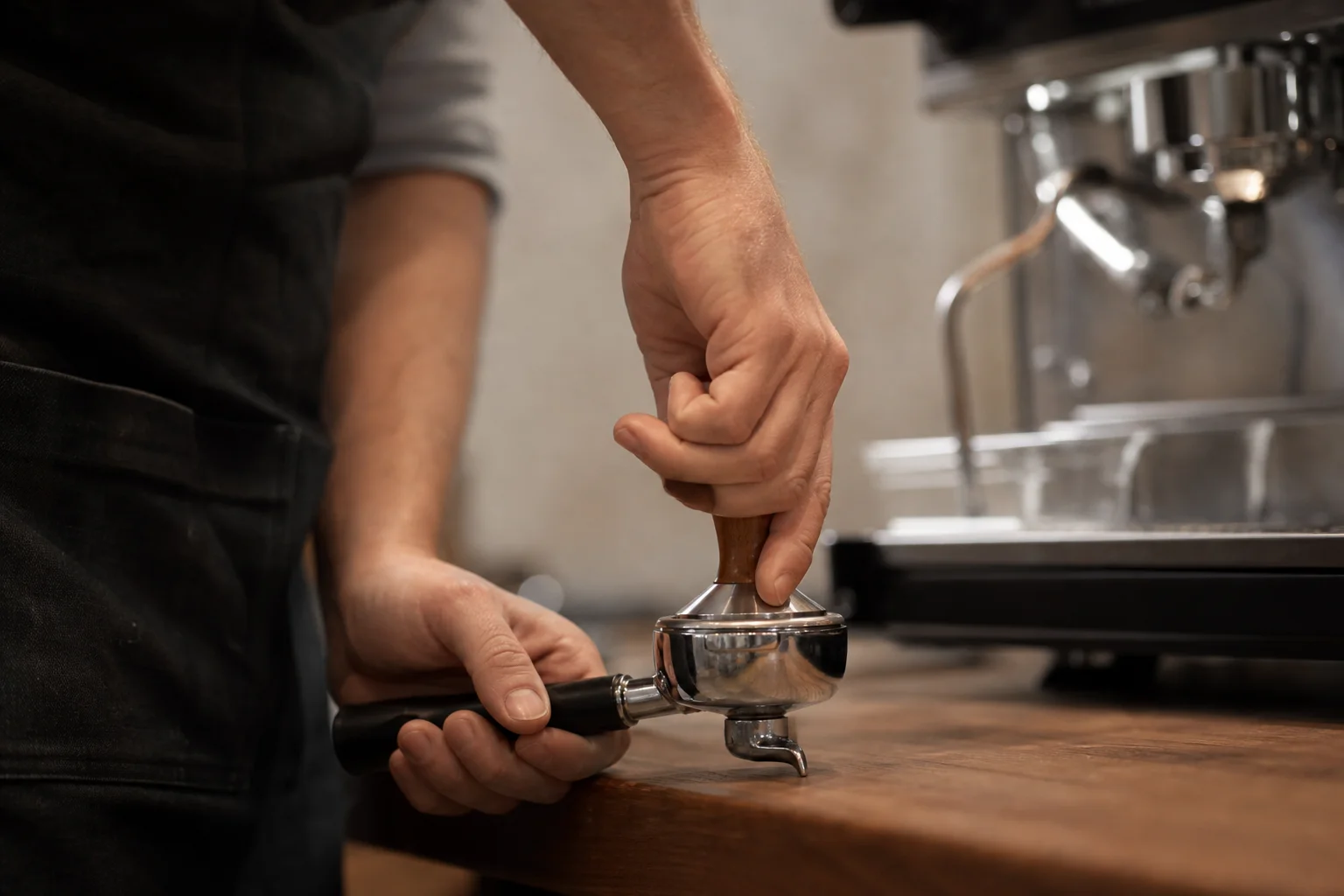
Both baristas had ten minutes to familize themselves with their machines before the actual challenge. Georgia expressed nervousness about the Breville, having spent most of her career on commercial equipment. Josh, confident in his coffee knowledge from years of drinking it, felt quietly optimistic about the La Marzocco.
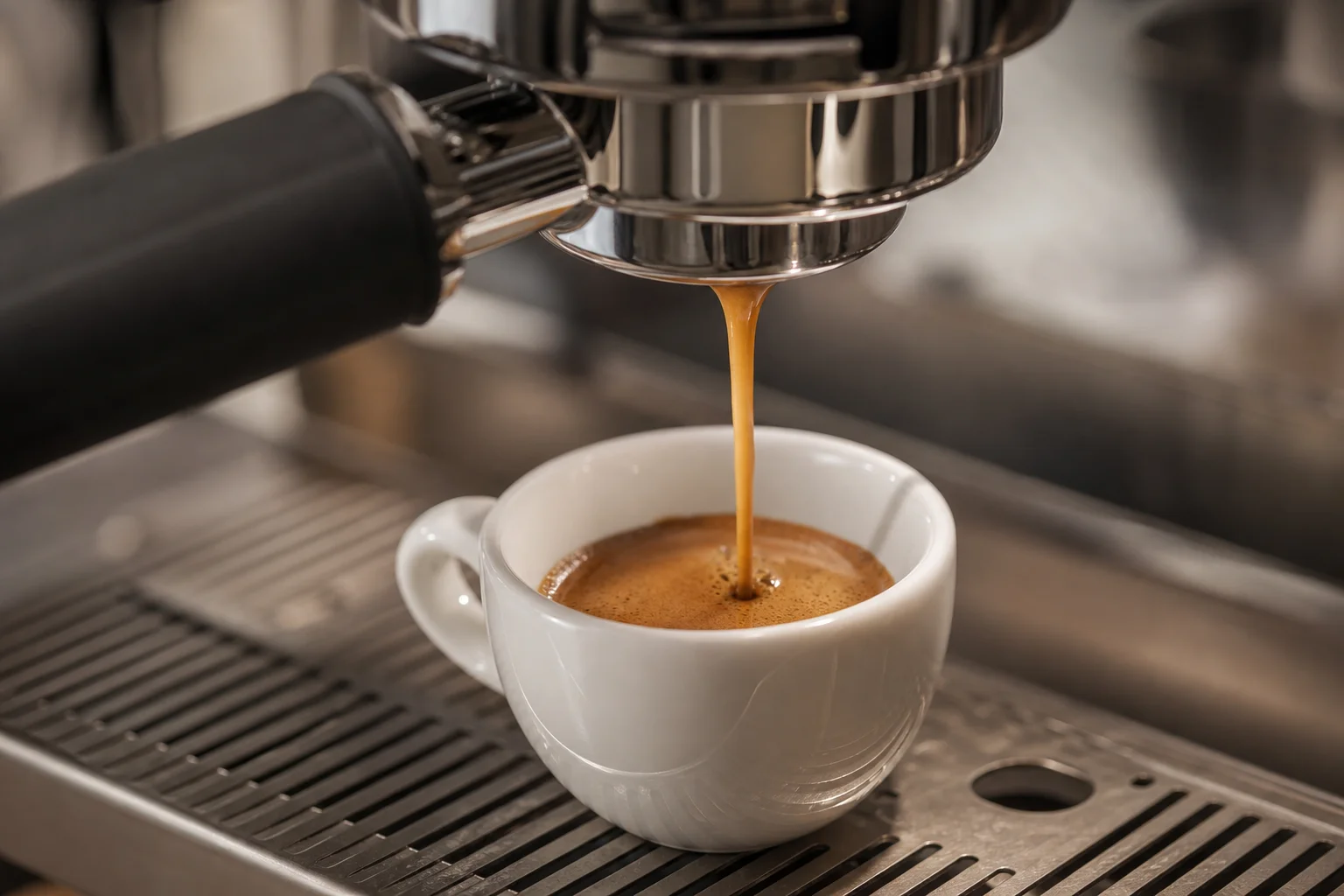
During setup, Josh discovered the steam wand’s surprising spray pattern and admitted he wasn’t entirely sure which buttons did what. Georgia, meanwhile, struggled with the Bambino’s limitations, describing herself as “the unhappiest I’ve ever been.” The compact machine’s inability to steam and brew simultaneously became immediately apparent as a constraint she would need to work around.
The Milk-Based Coffees
With ten minutes on the clock, both baristas began pulling espressos and steaming milk. Georgia worked methodically, understanding exactly what the coffee should taste like but fighting the machine’s limitations. Josh leaned into speed and style, attempting latte art with mixed results. His first attempt looked “like a lion,” and his second effort he described as “a donkey lying down in a meadow on a warm day.”
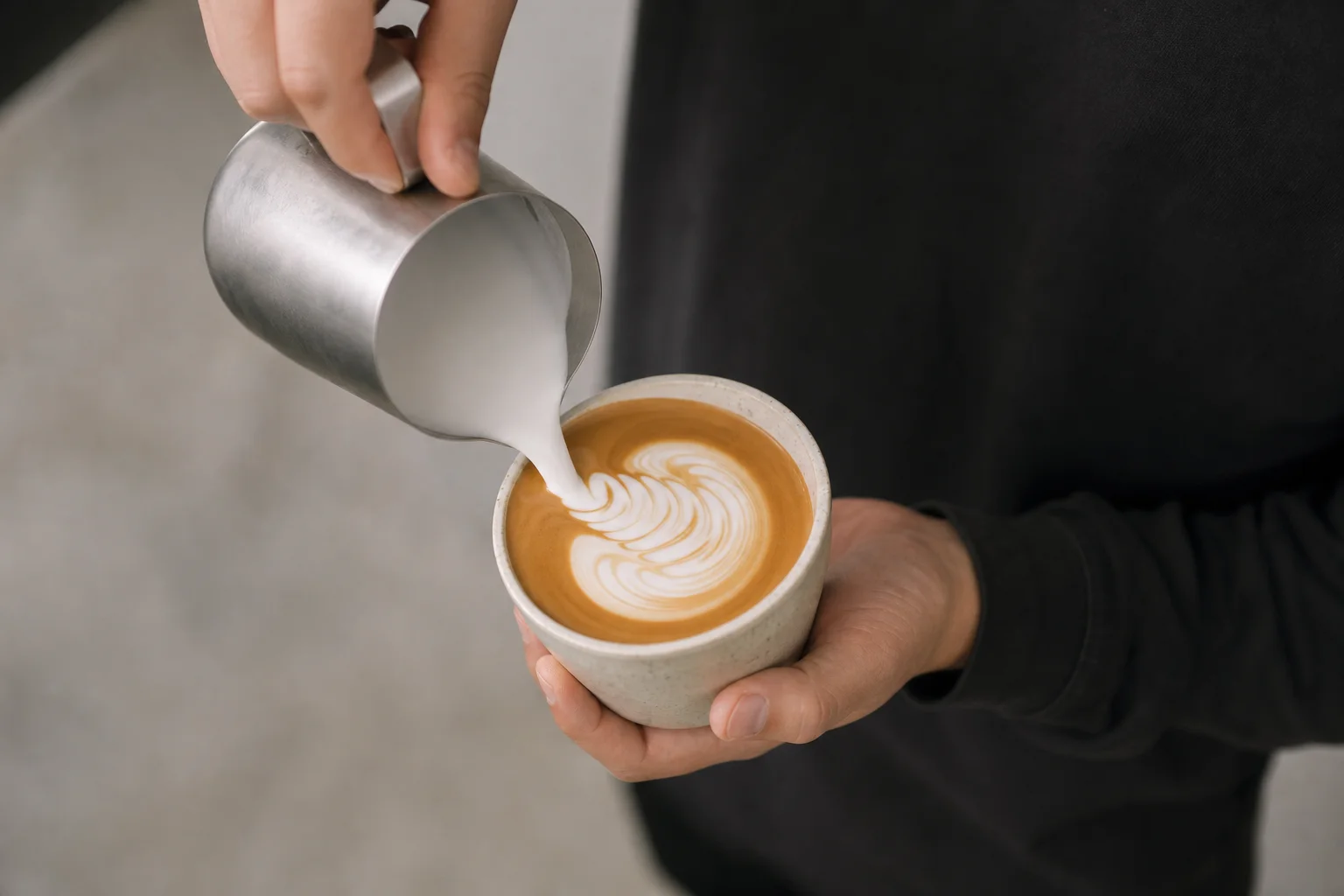
Georgia’s milk texture came out clean and well-integrated, though she had to work harder with the Bambino’s single steam wand. Josh’s milk-based coffees looked visually impressive in his mind, but the judges would later note the lack of proper latte art and a dry finish. The contrast in approach was clear: Georgia prioritized taste and technique within her machine’s constraints, while Josh went for speed and visual presentation.
The Judging and Results
The judges, including a certified Q-grader and head roaster, tasted all four coffees blind. Georgia’s espresso scored a six, with judges noting it lacked crema and had a harsh flavor compared to Josh’s espresso, which also scored a six but featured thicker mouthfeel and stronger flavor. However, Georgia’s milk-based coffee scored 7.5, praised for its clean texture, caramel flavors, and proper finish. Josh’s milk coffee scored only a five, criticized for poor appearance, no latte art, and a very dry finish.
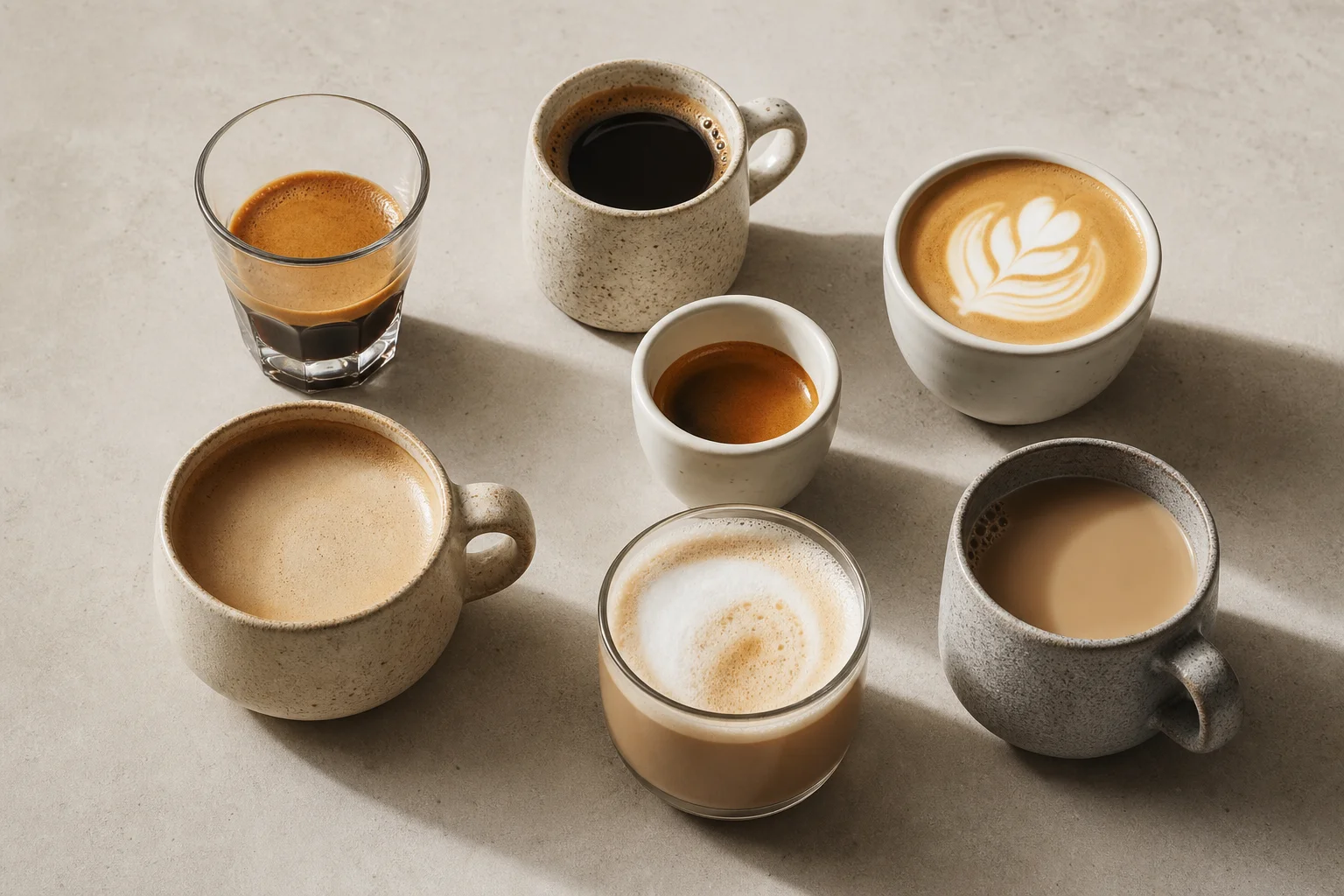
The final tally: Georgia 13.5, Josh 11. The professional barista won despite using equipment that cost roughly 1 percent of what Josh had access to. The judges’ feedback was clear: Georgia’s espresso lacked some technical polish, but her milk-based coffee showed superior technique and understanding of flavor. Josh’s espresso benefited from the machine’s capabilities, but his milk work suffered from inexperience and the limitations of trying to rush the process.
Conclusion
The results speak clearly: skill trumps equipment. Georgia’s years of practice and understanding of coffee fundamentals allowed her to work within the Bambino’s constraints and still produce better milk-based coffee than Josh managed on a machine worth thirty times as much. While the La Marzocco certainly made Josh’s espresso easier to pull, it couldn’t compensate for his lack of barista experience when it came to the nuanced work of steaming milk and integrating it with espresso. For home coffee enthusiasts, the takeaway is straightforward: invest in learning proper technique first, and a budget machine in skilled hands will outperform expensive equipment in inexperienced ones.
Further reading
Related Reviews
Coffee Equipment
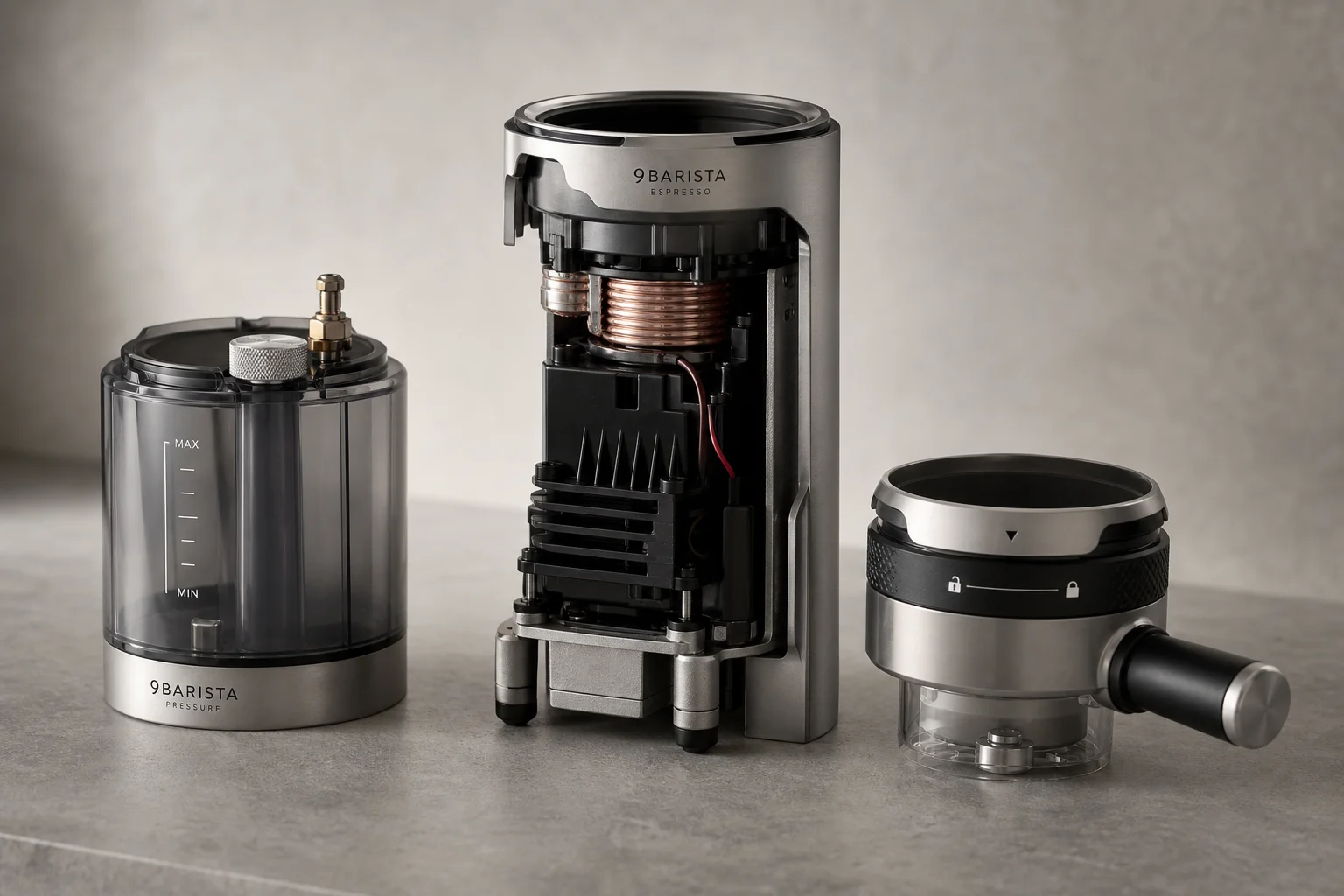
9Barista Espresso Machine Review: Stovetop Espresso for Single-Cup Enthusiasts
A cleverly engineered stovetop espresso maker that generates nine bars of pressure without electricity. Excellent coffee quality, but requires patience and suits solo drinkers only.
Coffee Equipment
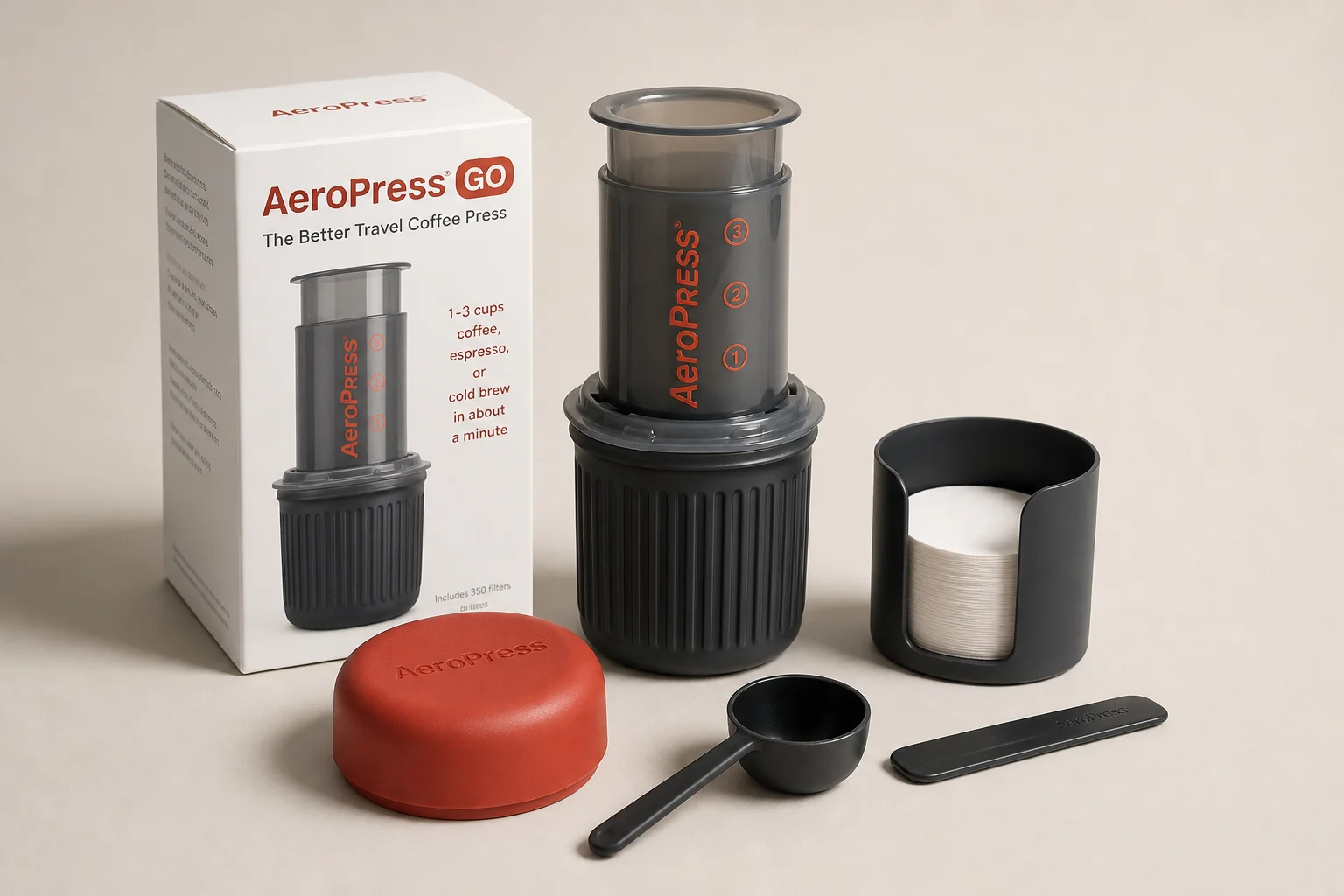
Aeropress Go Review: A Compact Travel Brewer That Solves One Specific Problem
The Aeropress Go shrinks the original design and adds an integrated cup, but it may not address the travel challenges most coffee enthusiasts actually face.
Coffee Equipment
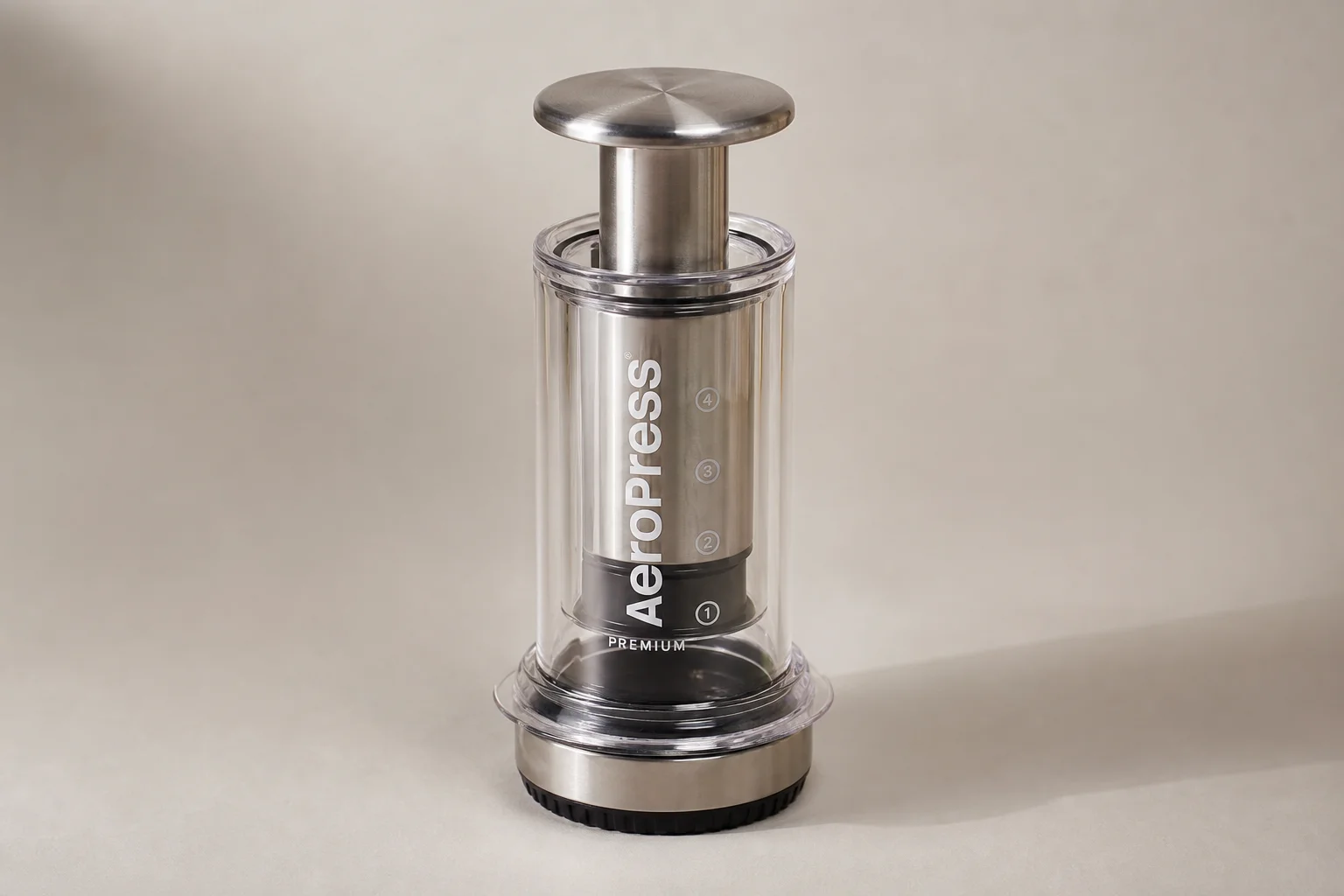
AeroPress Premium Review: Premium Materials, Practical Trade-offs
The AeroPress Premium brings glass and metal construction to a beloved brewer, but trades portability and durability for a more refined feel. Here's what changes in the cup and what matters before you buy.