Flashlights
Skilhunt vs Olight: Six Compact EDC Flashlights Compared
Three head-to-head matchups across keychain, AA, and 18650 EDC flashlights show how closely Skilhunt now challenges Olight in every size class.
Introduction
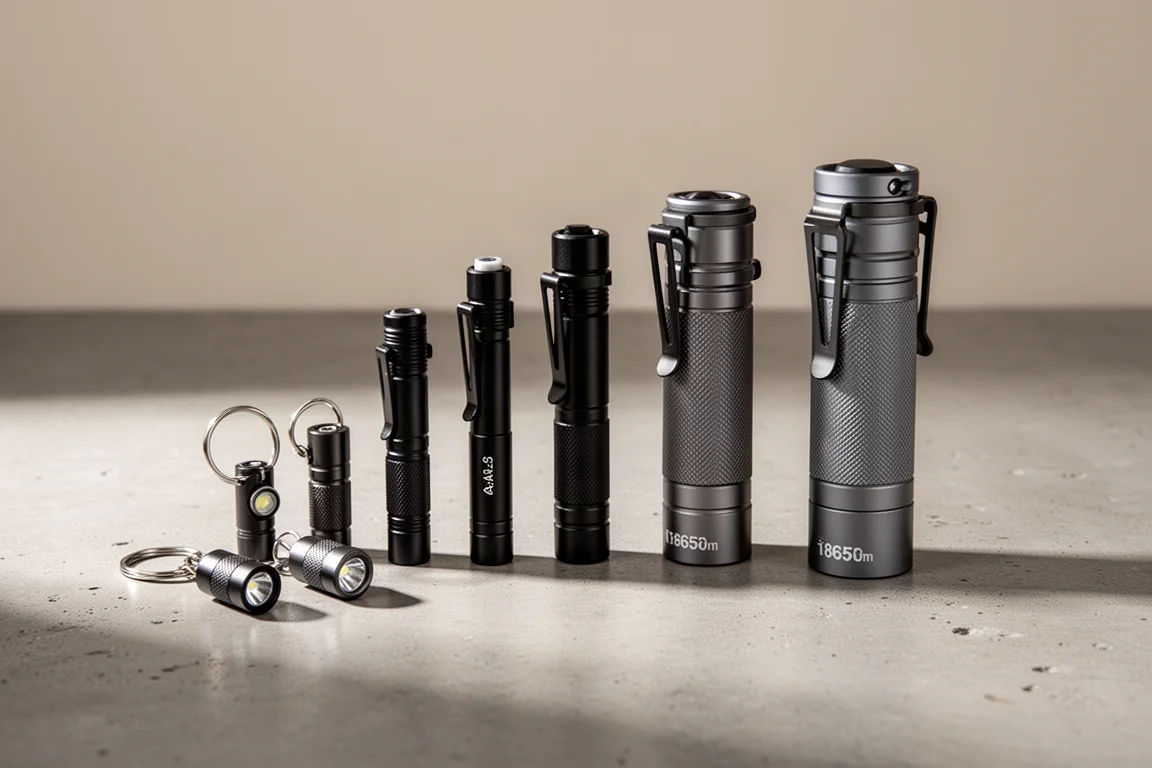
It is rare to find two brands whose lineups line up neatly for a one-to-one comparison, but Skilhunt and Olight currently offer near-mirror collections: a keychain light, an AA light, and a compact 18650 light in each camp. In all three size classes, Skilhunt has been making a clear effort to compete with Olight directly, and the results are closer than many buyers might expect.
This comparison walks through each pairing from smallest to largest, covering output, battery flexibility, charging, and price, so you can decide which brand fits your everyday carry needs.

Keychain Class: Skilhunt EK1 vs Olight i1R 2 Pro
The most surprising thing about this pairing is the size gap. The Skilhunt EK1 is dramatically smaller than the Olight i1R 2 Pro, yet both are rated at 180 lumens. The EK1 runs for around 25 minutes at that output versus roughly 23 minutes for the Olight, and it produces about 1,100 candela compared to the Olight’s 580 candela, so the beam is noticeably more concentrated.
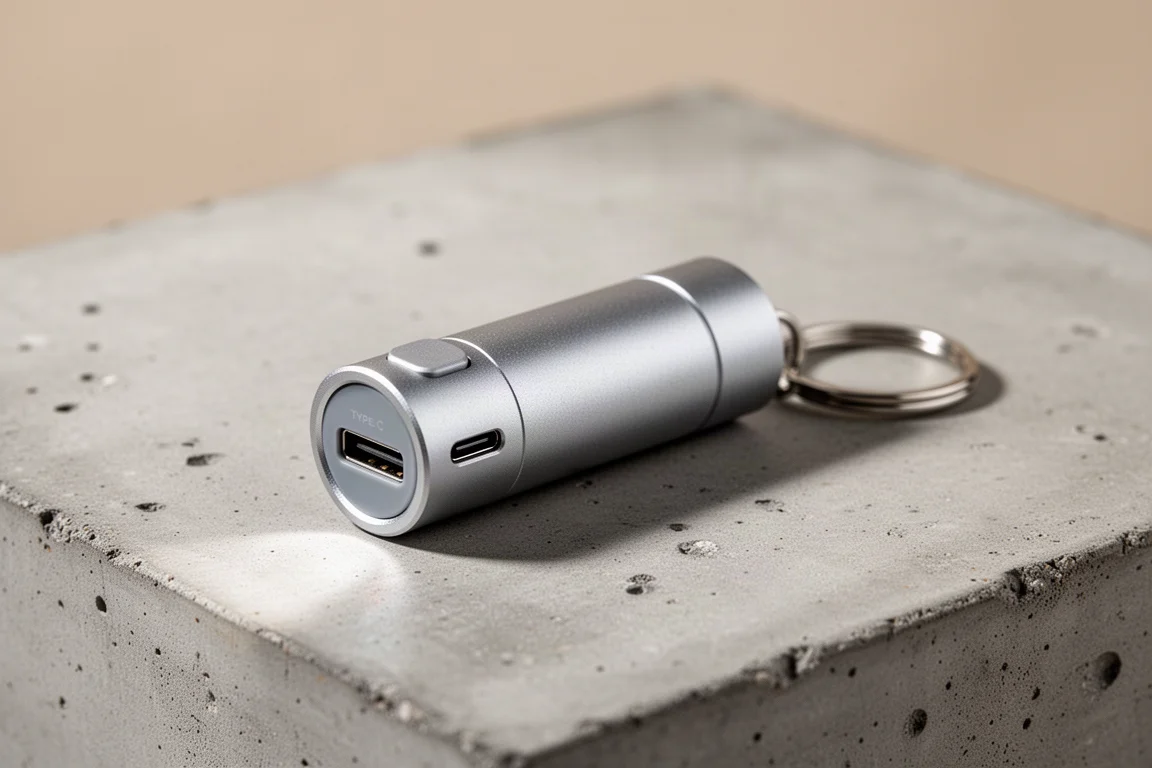
At the low end, the i1R 2 Pro has a 5-lumen low mode that runs over 12 hours, while the EK1’s 10-lumen low runs around six hours. Which you prefer depends on whether you value a lower, longer-running mode or a brighter one. Despite the smaller body, the EK1 still includes USB-C charging, and it ships with spare silicone rings. It also comes in a high CRI emitter option for those who prefer better color rendering, at the cost of some brightness. Priced slightly below the Olight, the EK1 is a compelling keychain light, with availability being the main question mark since stock has been inconsistent.
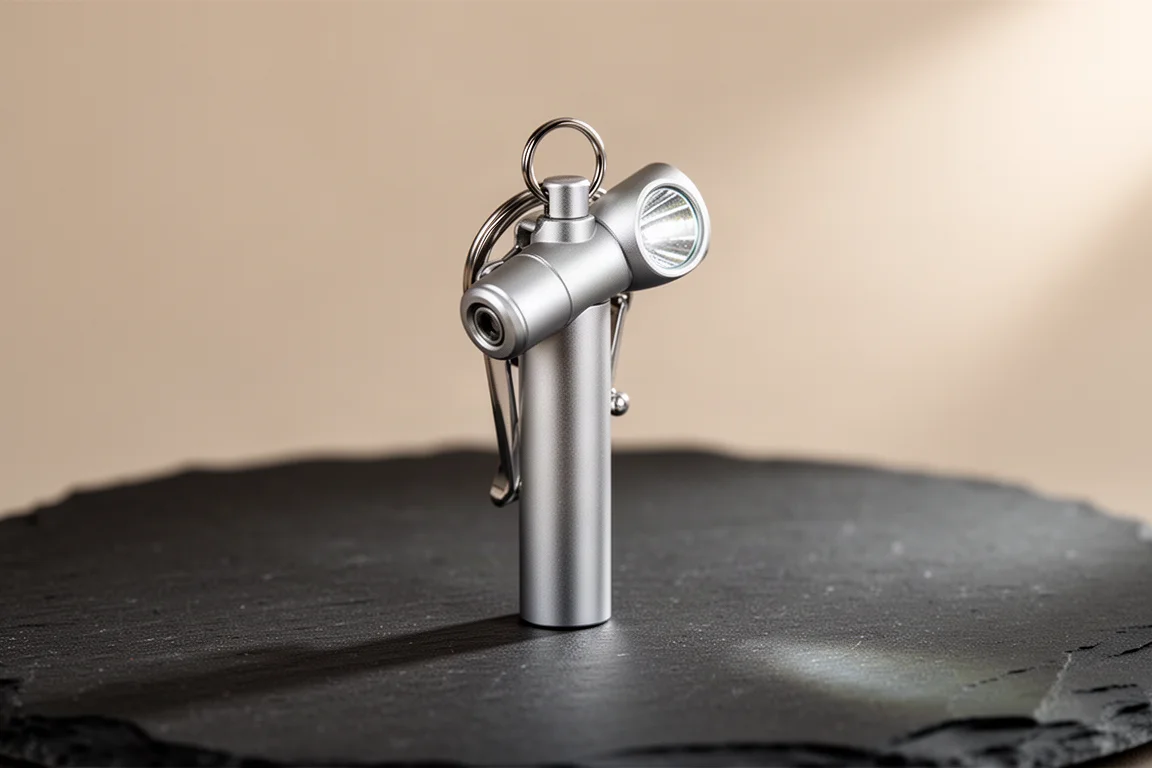
The i1R 2 Pro remains a proven, polished keychain light with a well-established track record and an extremely compact form factor. If you value the smallest possible package and a very low moonlight mode, it still holds up well.
AA Class: Skilhunt E2A vs Olight i5R
Both lights run on a standard AA or a 14500 lithium-ion cell, but the battery story differs. The E2A accepts any standard 14500, including the included USB-C rechargeable 1,000mAh cell. The i5R uses a customized 14500 that runs at a different voltage, so standard 14500 cells will not function properly in it.
On output, the gap is large: the E2A reaches about 350 lumens and just over 1,090 candela, while the i5R hits roughly 650 lumens and 4,800 candela. That said, the i5R’s TIR optic throws a tighter, more focused beam, while the E2A uses a diffusing lens with a honeycomb pattern that many people find more pleasant for close-range EDC use.
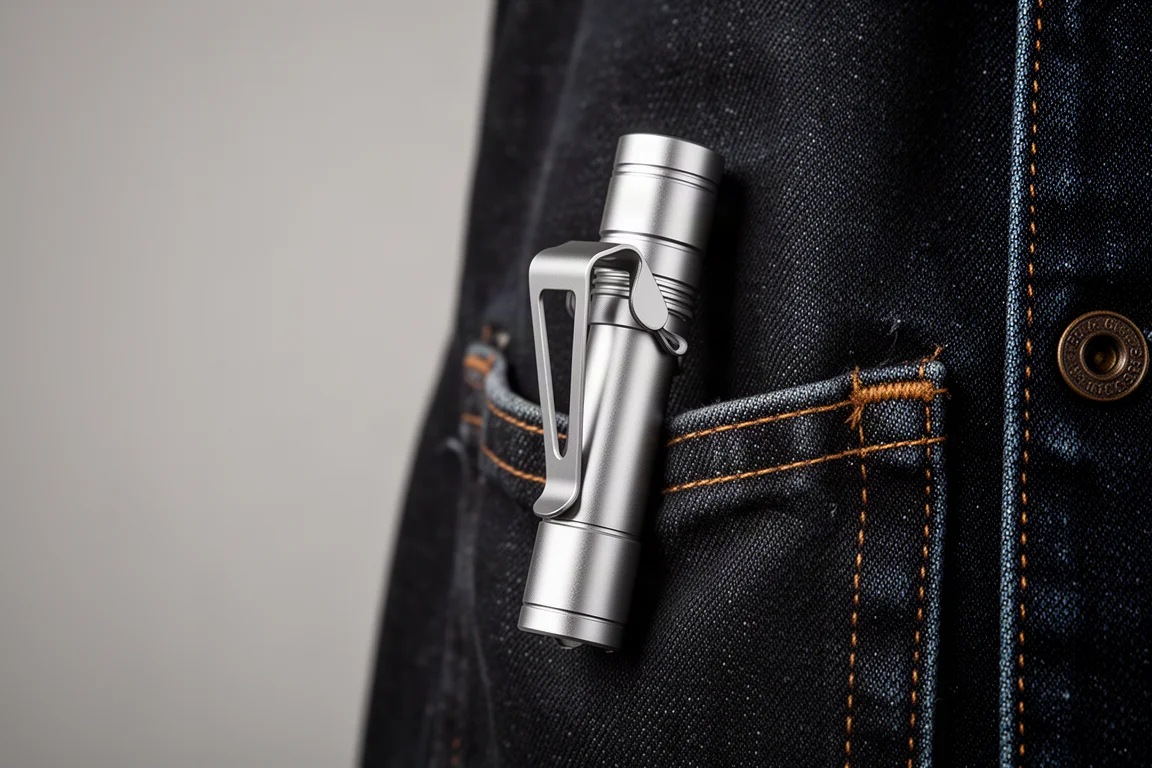
With a standard AA, the i5R wins on runtime and holds a higher output throughout, running around 36 hours on low versus about 25 hours for the E2A. The E2A counters with a redesigned pocket clip that can be reversed, three modes with mode memory, and a switch that lets you half-tap to cycle modes without turning the light off. Both are offered in cool white and high CRI variants. On price, the E2A sits around $20 while the i5R is about $37, making the E2A nearly half the cost.
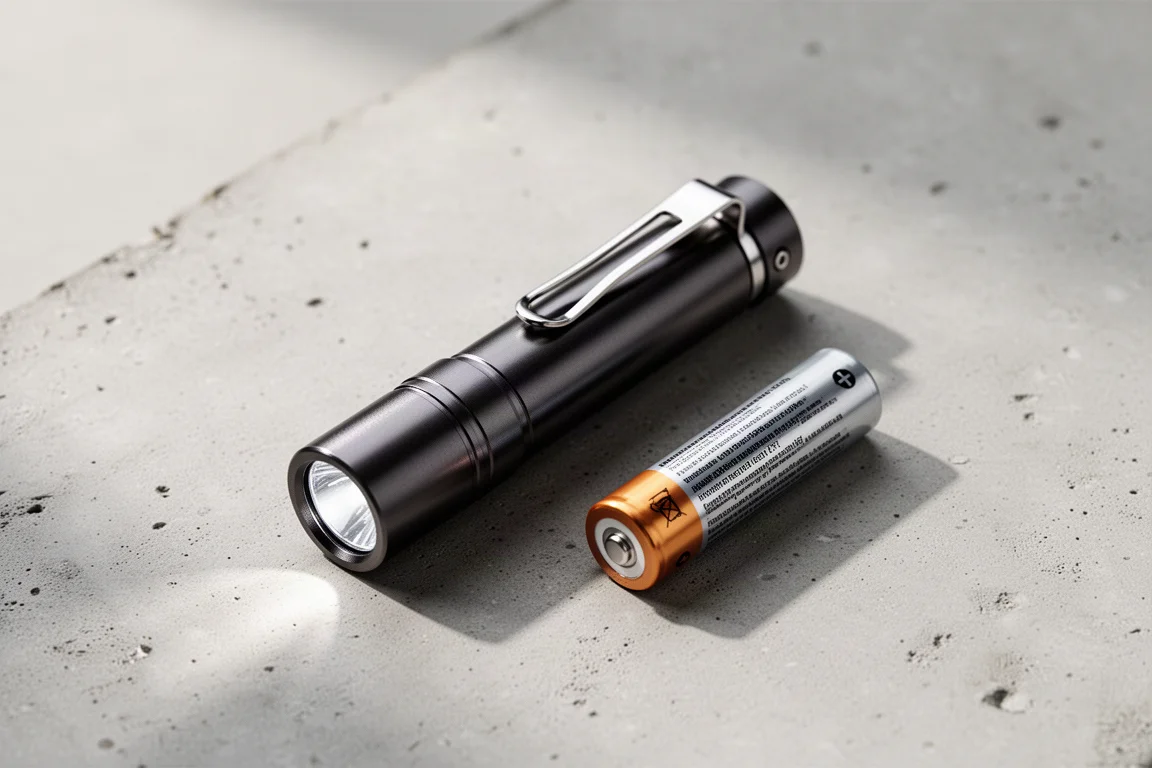
The i5R’s main advantages are superior AA runtime and stronger raw output with a 14500. Its customized battery remains the biggest limitation for buyers who want cell flexibility.
18650 Class: Skilhunt M200 V3 vs Olight Baton 3 Pro
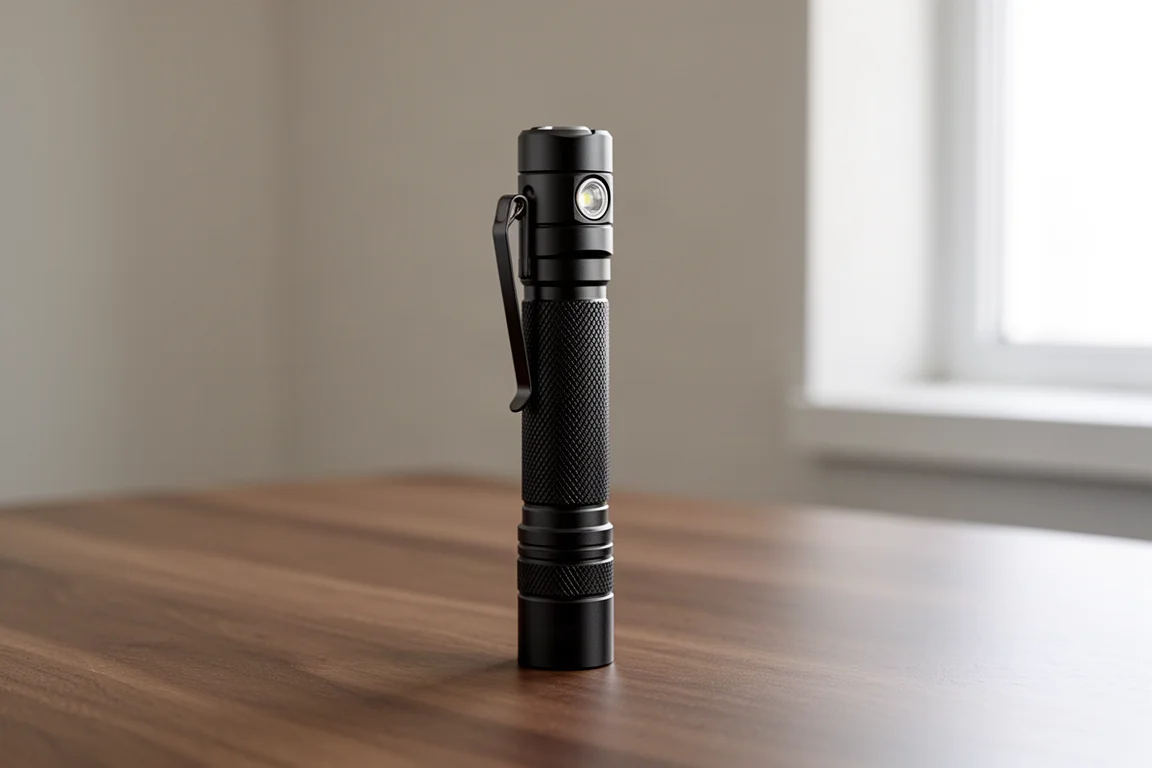
This is the closest matchup of the three. Both use magnetic charging cables, both have magnetic tails, and both are compact 18650 lights with pocket clips. The key difference is battery flexibility: the Baton 3 Pro only runs on its proprietary battery, while the M200 V3 takes any standard protected 18650 and can also run on two CR123 disposable batteries in an emergency, though with reduced output.
On performance, the Baton 3 Pro produces about 1,500 lumens versus roughly 1,400 lumens for the M200 V3’s cool white variant, but the Skilhunt has about 1,000 more candela, so it throws further. Turbo runtimes are nearly identical, around three minutes for the Skilhunt before stepping down to 650 lumens versus two minutes for the Olight before dropping to 600 lumens.
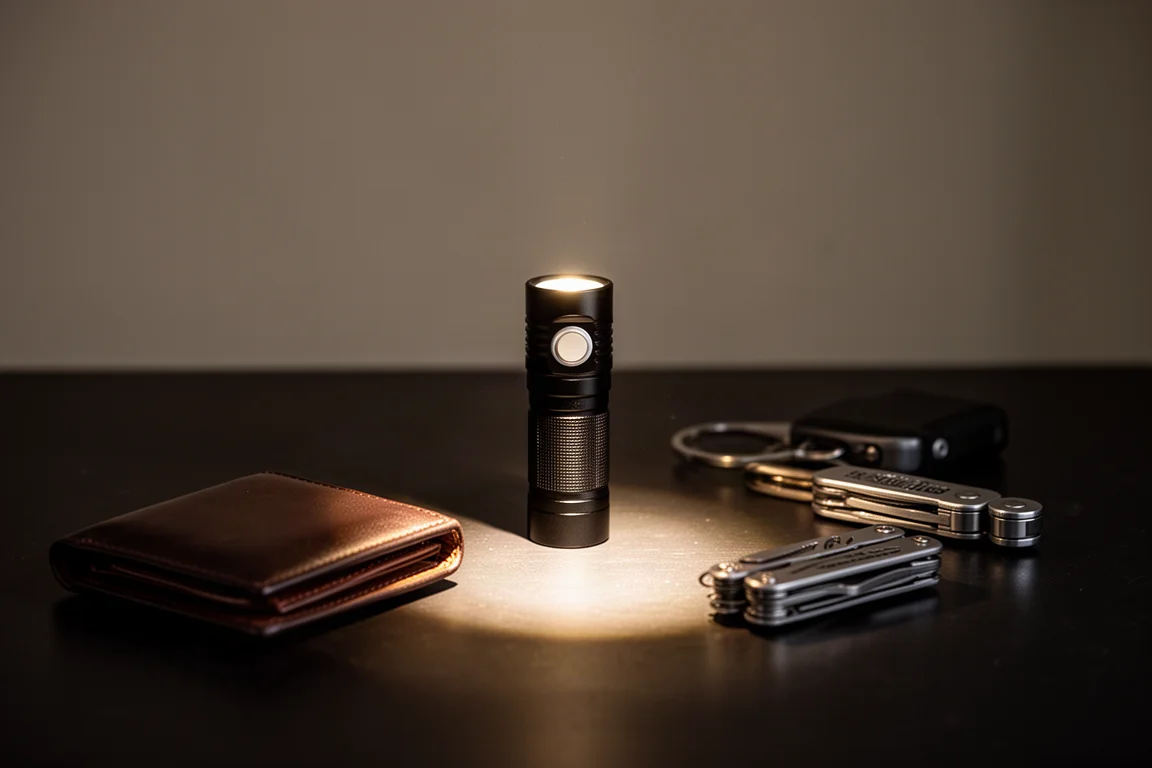
The M200 V3 also pulls ahead on user interface. Its L1/L2, M1/M2, and T1/T2 mode groups are programmable, and the light remembers which output you assigned to each category. Its lockout mode is better designed too: four presses lock the light, and a long press from lockout gives momentary low output, which the Baton 3 Pro cannot do. The pocket clip can be mounted in two positions, and the previous proximity sensor issue has largely been resolved in current units. Priced around $50 versus $70 for the Baton 3 Pro, the M200 V3 is one of the most complete compact EDC flashlights available, with the only notable quirk being the charging port sitting directly opposite the button.
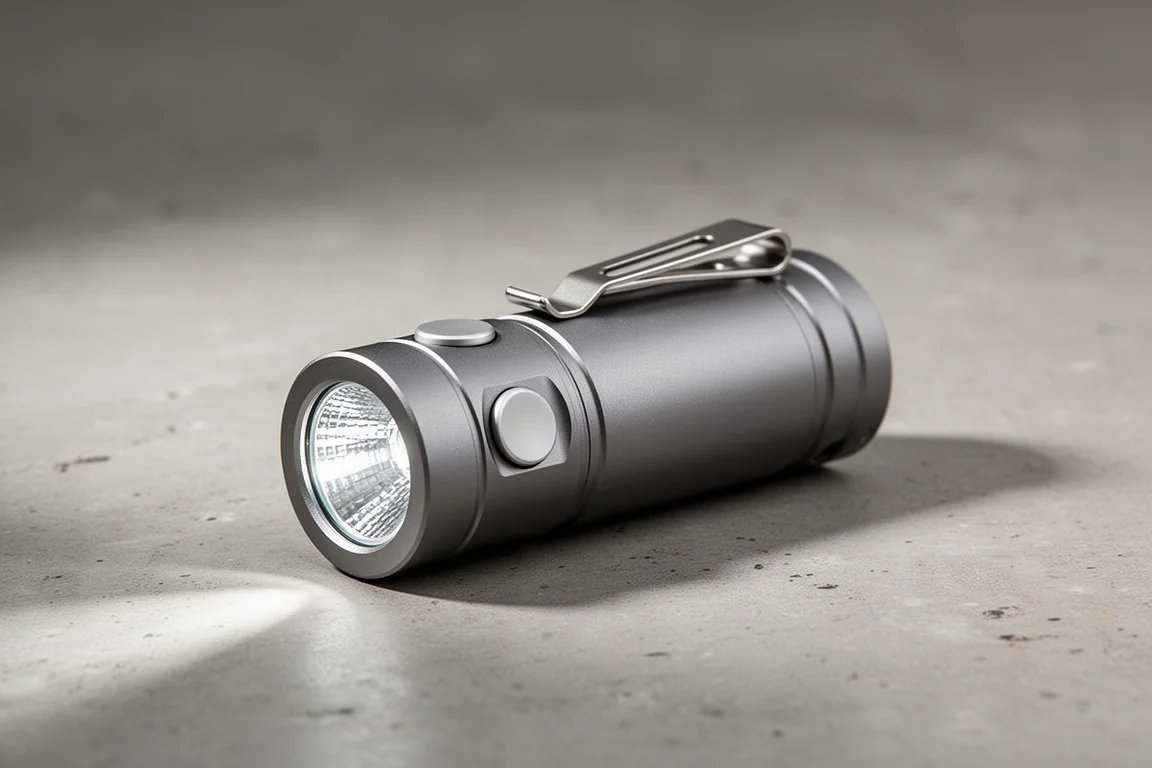
The Baton 3 Pro remains an excellent, highly compact light with refined build quality and wireless charging convenience. If you prefer its beam shape and smaller footprint, it is still a top-tier choice, but the proprietary battery and higher price are real trade-offs.
Buying Advice
Across all three categories, the pattern is consistent: Skilhunt matches or beats Olight on brightness and runtime while adding battery flexibility, better clip options, and lower prices. The EK1 is the clearest win for the brand, the E2A is a strong value pick if you want standard 14500 compatibility, and the M200 V3 is arguably the standout compact EDC light of the group thanks to its programmable interface and dual-battery support.
Choose Olight if you prefer its beam optics, its very low moonlight modes on the keychain and AA lights, or you already own its chargers and batteries. The i5R in particular is the better pick if you mostly run standard AAs. If you want high CRI color rendering, both brands offer it in this size range, with the Skilhunt high CRI variants using premium emitters such as the Nichia 519A or Samsung LH351D.
Conclusion
Healthy competition is good for buyers, and Skilhunt has clearly raised its game against Olight across the keychain, AA, and 18650 classes. For most shoppers, the Skilhunt options deliver more versatility per dollar, while Olight retains strengths in optics refinement and ultra-low modes. Matching the light class to how you actually carry and use a flashlight is the best way to pick the right one.
Further reading
Related Reviews
Flashlights
Best Flashlights 2026: Brightness, Battery, and Value Compared
We tested 18 flashlights across a wide price range to find the best performers in brightness, battery life, and durability.
Flashlights
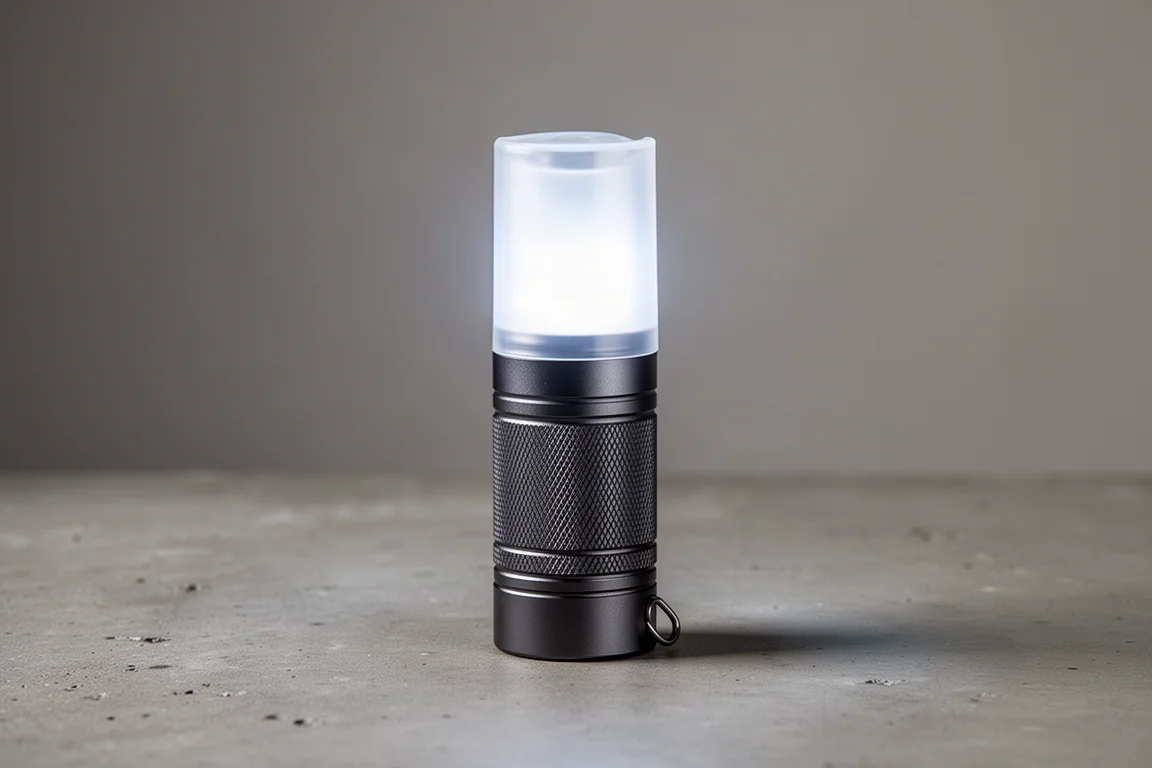
Nitecore LA10 Review: A Tiny 2-in-1 Lantern That Nails the Basics
The Nitecore LA10 pairs a pocket-sized lantern with a single AA battery, a magnetic tail cap and a five-year warranty. Here is where it shines and where it struggles.
Flashlights
Wuben G5 Review: A Compact Everyday Carry Flashlight
The Wuben G5 is a small, rechargeable flashlight with a pivoting head, magnetic base, and color modes. Here is how it performs as an everyday carry light.