Flashlights
Skilhunt Flashlight Lineup: Four Everyday Lights Worth a Look
Four Skilhunt flashlights covering keychain EDC, compact power-bank duty, and full-size 21700 output, with the trade-offs that separate them.
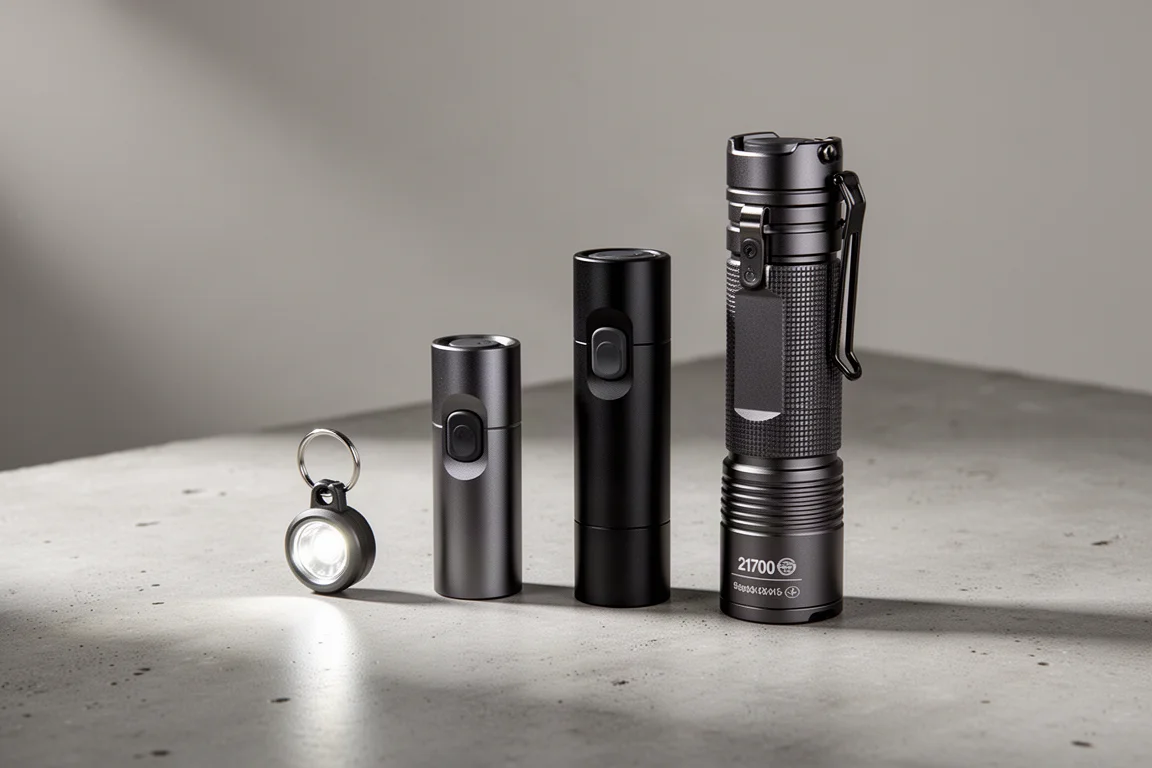
Introduction
Skilhunt has quietly built one of the more complete flashlight lineups around. Every time a new model appears, it seems to fill a gap rather than duplicate something already on the shelf. This roundup covers four of them: the M300, the EC300, the E200, and the recently upgraded E2A.
The quick takeaway: the M300 is the versatile full-size pick, the EC300 is the floody output monster with power-bank tricks, the E200 is the compact everyday option with a magnetic base, and the E2A is the small carry that recently got a much-needed revision.
Skilhunt M300: The Full-Size 21700 Workhorse
The M300 runs on a standard 21700 battery, and that matters. Skilhunt does not use proprietary cells, so you can swap in any 21700 you like. The included cell is a protected 5,000mAh battery, which is what most 21700s tend to be anyway.
The variant tested here is the high CRI version with the XHP50.2 LED, rated at 1,900 lumens. The highest-rated variant goes brighter, but high CRI rendering is the preference here, especially when other more throw-focused lights already exist in the collection. The pocket clip is one-position but reversible, and there is no magnetic tail, which arguably makes sense on a light this heavy. It also accepts CR123 batteries in addition to the 21700, adding a layer of versatility that impressed on the smaller M200 as well.
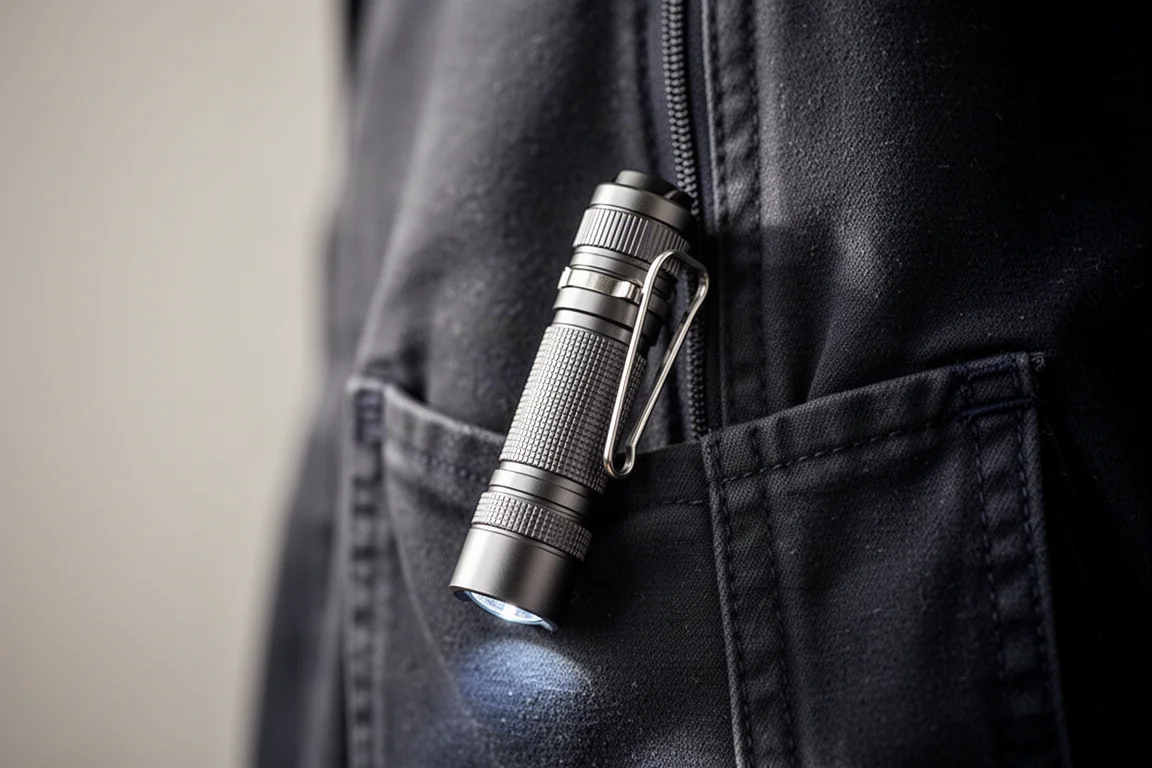
The user interface will feel familiar, with a few genuinely useful extras. Hold the switch for moonlight mode, double-press for turbo, and single-press to step through memorized modes. The standout trick is programmable outputs: turbo can be set to either 1,900 or 800 lumens, and the medium level can toggle between 160 and 40 lumens. Skilhunt claims around 200 hours of runtime at the lowest rated output, and moonlight stretches well beyond that. The full spec table is printed on the light, nothing hidden.
At $66 on the brand’s website, with a 6% discount code and a free AAA keychain light bundled in, the pricing is very competitive for the market.
Skilhunt EC300: The Flood Machine That Charges Your Phone
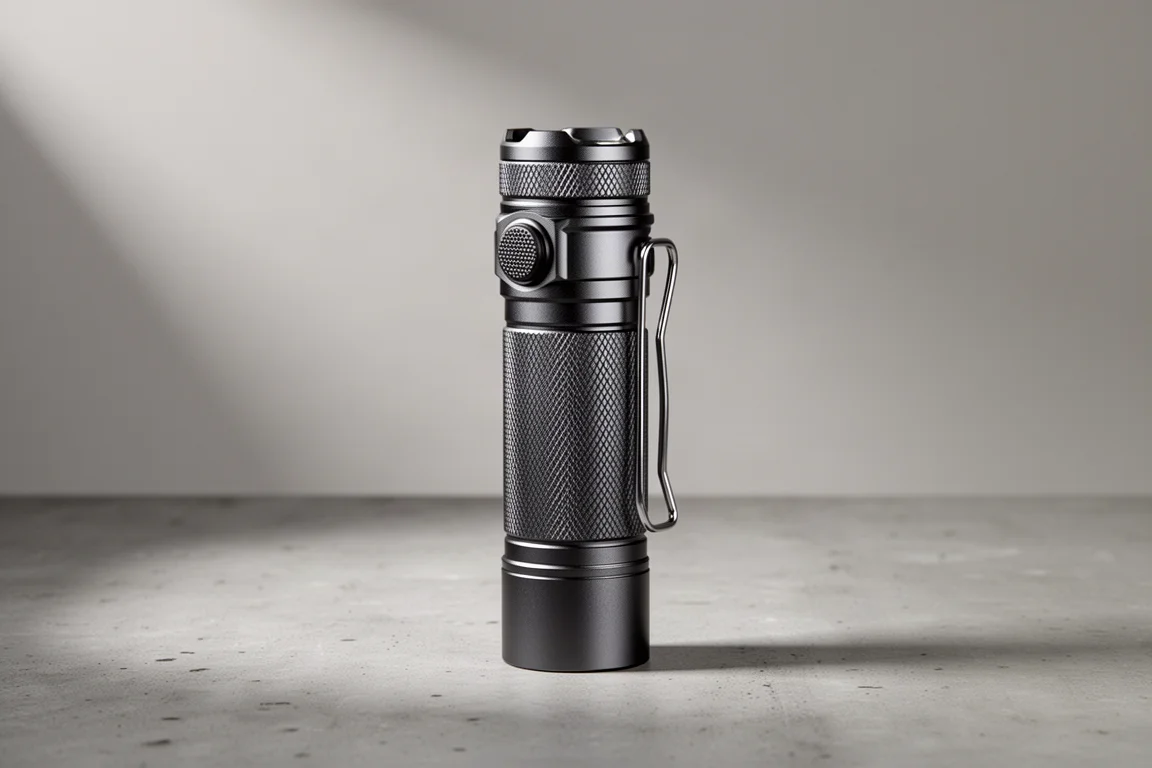
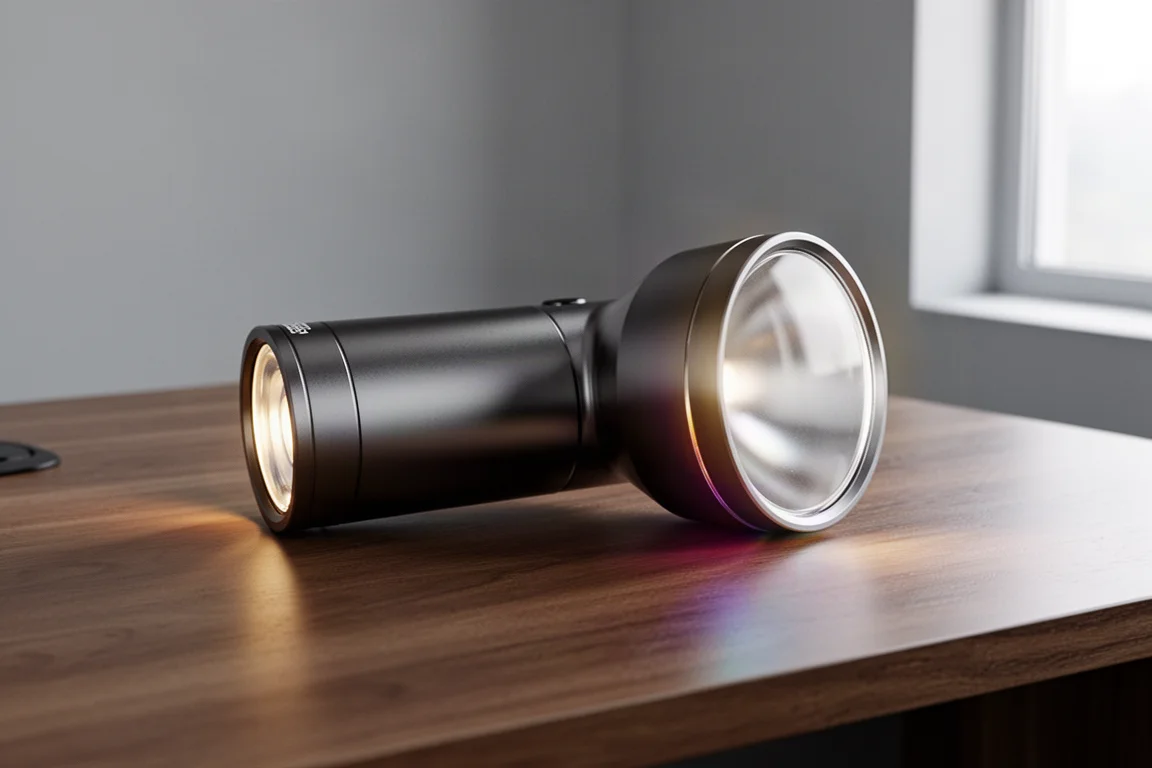
The EC300 takes a different design approach with a quad emitter and a wider head. Output sits at roughly 3,000 lumens, but the beam is very floody, so it lights up a room rather than punching a hotspot down a trail. It is dimensionally wider than the M300 as a result.
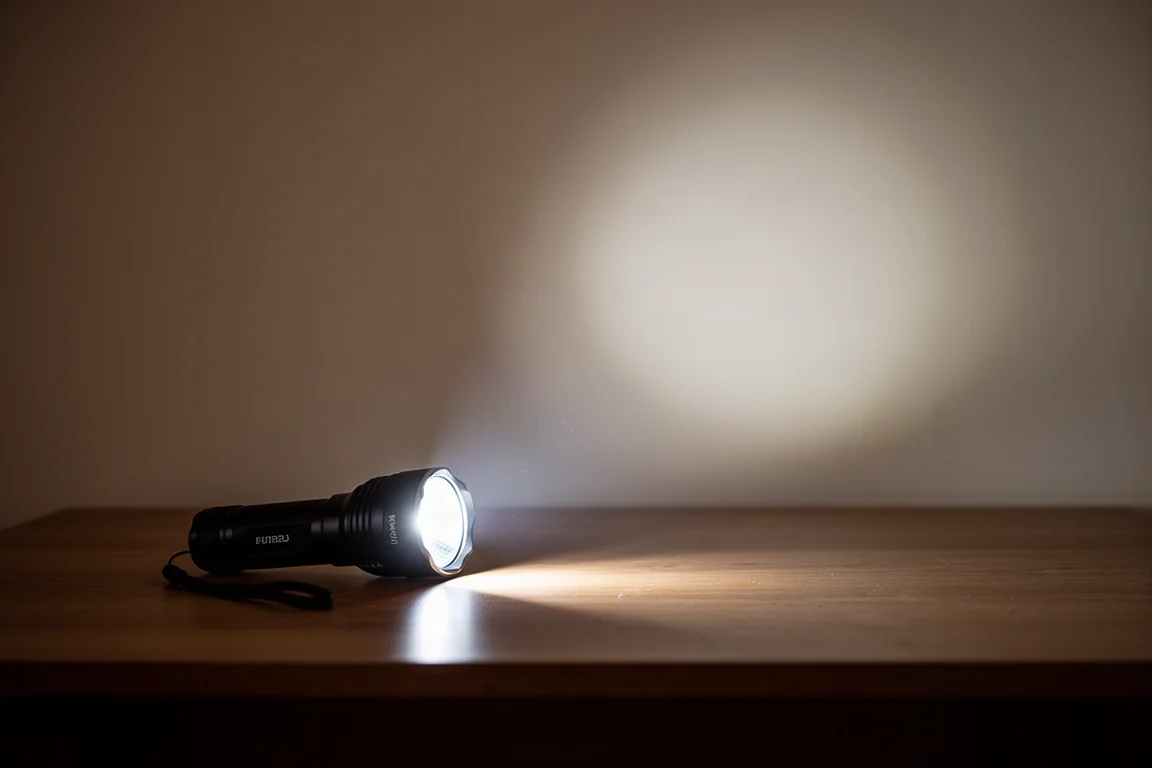
Two features set it apart. First, it supports reverse charging, so it can function as a power bank. Second, it charges magnetically, and unlike a USB-C port with a rubber gasket, that magnetic system has no gasket to fail. The battery is still removable, so you can drop it into a bay charger like any other light; magnetic charging is simply a bonus rather than a limitation.
The buttons sit on opposite sides of the body, which occasionally invites pressing the wrong one. Most people will press them simultaneously or feel the difference quickly, though gloves could make it trickier. For similar money, the easy pick between the M300 and EC300 is the EC300, thanks to the brighter output option, USB-C and reverse charging, and bright colored auxiliary emitters that work as separate low-level lights. Both can be configured as high CRI, and the EC300 is only slightly larger.
Skilhunt E200: The Compact Magnet-Base Pick
The E200 earns its spot as the everyday choice for a couple of reasons. It has a magnetic base, which is genuinely handy for hands-free use, and its pocket clip can be reversed so only a single strip of metal sits exposed when clipped into a pocket.
The M300 does not offer the clip reversal, likely because of how much tail extends past the clip on the larger battery format, so this is less a design flaw on either light and more a consequence of battery size.
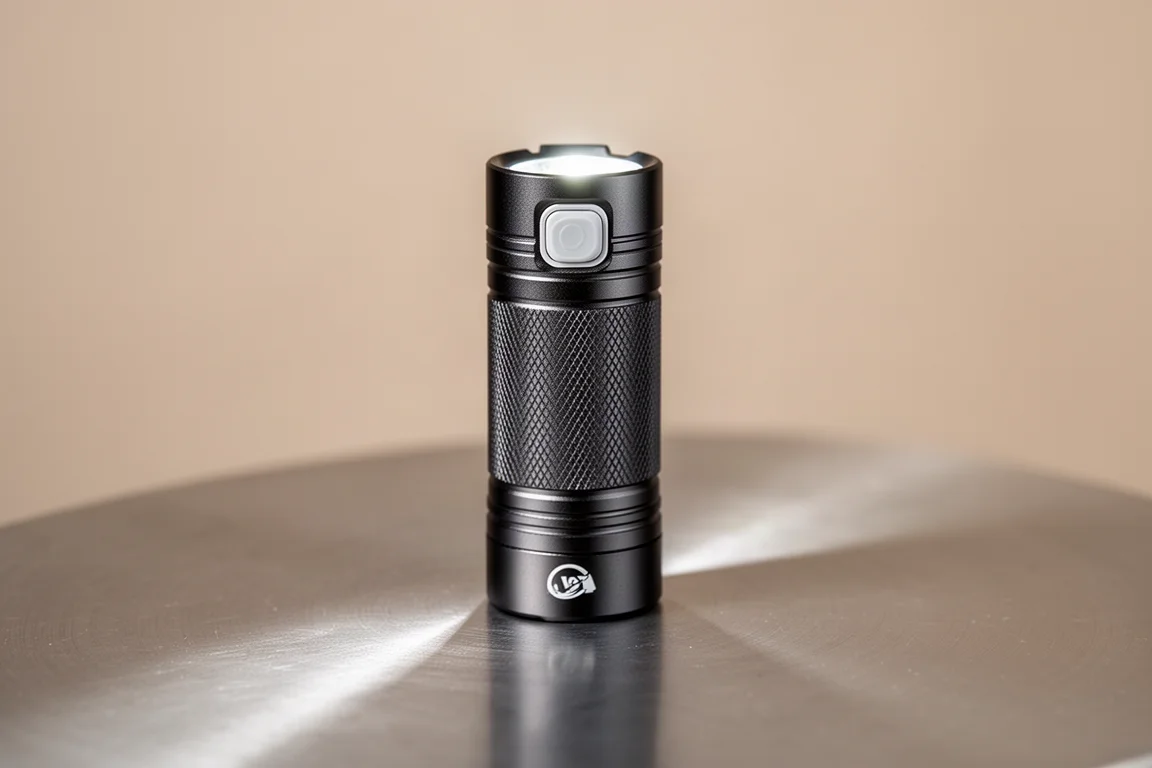
If you prefer a compact light that stands up on its tail, mounts to metal surfaces, and disappears in a pocket, this is the one in the lineup built for that job. The E200 also shines as a gift light: small enough that anyone from a child to a grandparent can carry it without changing how they do things, available in both a wide cool-white variant and a high CRI variant, with 180 lumens and 1,100 candela in a body smaller than competing keychain lights at the same price or less.
Skilhunt E2A: The Upgraded Small Carry
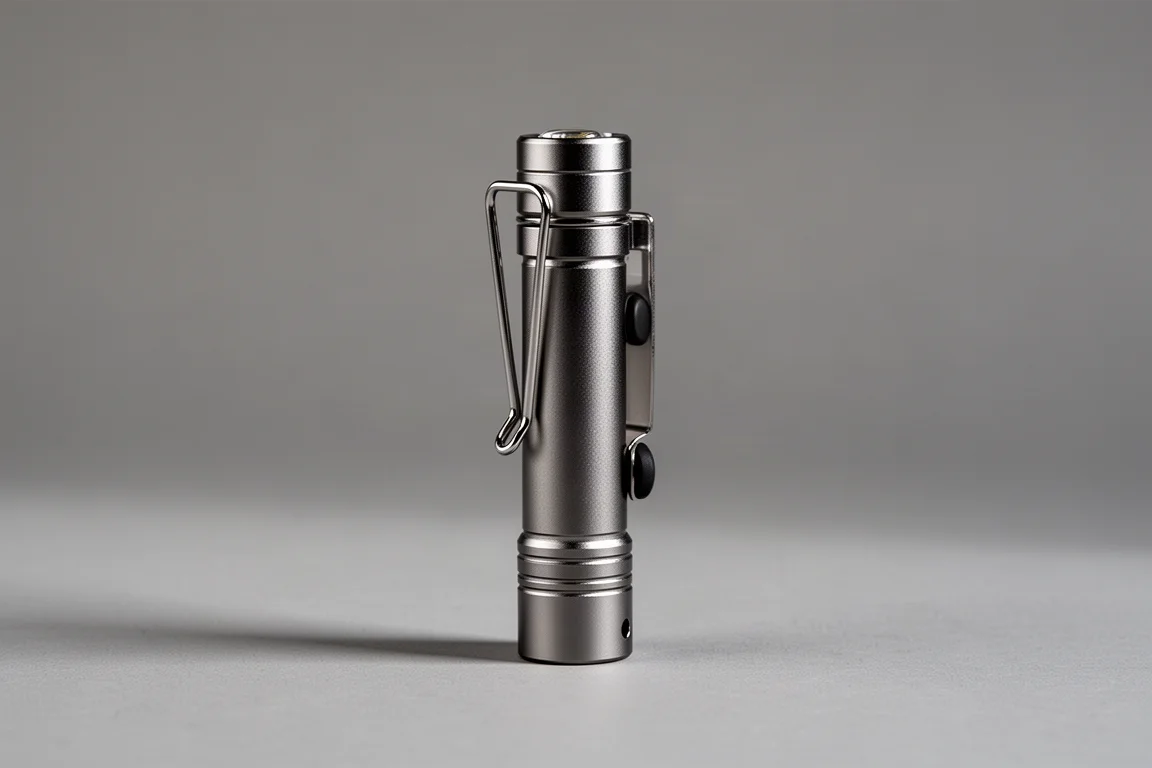
The E2A has been upgraded, and the revision addresses the main complaint: the old pocket clip was poor. The new model ships with an improved clip, and if you choose that option, it comes with a built-in rechargeable 14500 cell.
That matters if you are shopping from marketplaces where older stock with the original clip may still be listed. The upgraded version is the one to look for, and it rounds out the small end of the lineup nicely.
Overall Buying Advice
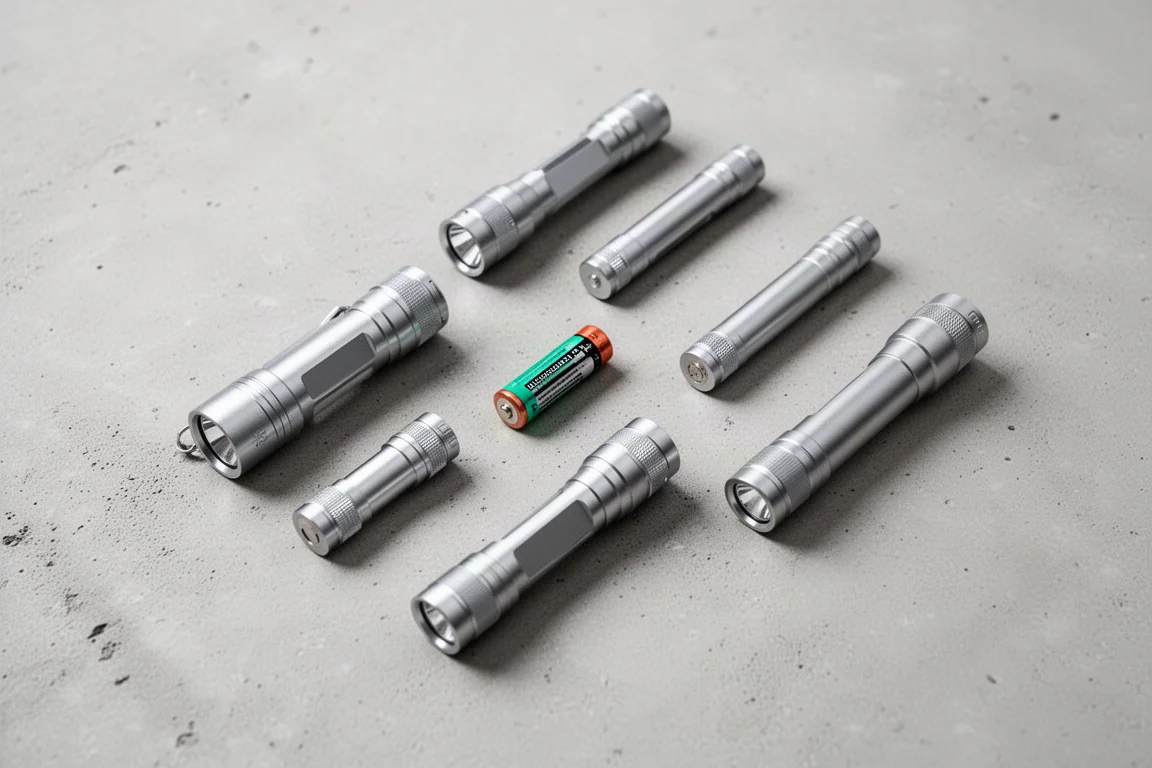
Choosing between these four comes down to format. Want maximum versatility and programmable output on a standard 21700? The M300 at $66 with the coupon and freebie is strong value. Want the brightest, floodiest beam plus power-bank functionality? The EC300 is the easy winner between the two larger lights. Want a compact light with a magnetic base and reversible clip? The E200. Need a small, affordable carry with a proper clip and rechargeable cell? The upgraded E2A.
One practical note: these lights sell out on Amazon regularly. Buying directly from the Skilhunt website often gets you a better rate, though you may wait a little longer for shipping. For deeper quantitative beam measurements, independent flashlight review sites such as ZeroAir and 1Lumen occasionally publish detailed tests of these models.
Conclusion
Skilhunt’s lineup is remarkably complete, with each of these four lights filling a distinct niche rather than stepping on another’s toes. The M300 brings flexible output and non-proprietary batteries, the EC300 adds flood and power-bank duty, the E200 covers magnetic-base everyday carry, and the refreshed E2A fixes the small light’s one real weakness. Pick based on size and use case, and you are unlikely to go wrong with any of them.
Further reading
Related Reviews
Flashlights
Best Flashlights 2026: Brightness, Battery, and Value Compared
We tested 18 flashlights across a wide price range to find the best performers in brightness, battery life, and durability.
Flashlights
Nitecore LA10 Review: A Tiny 2-in-1 Lantern That Nails the Basics
The Nitecore LA10 pairs a pocket-sized lantern with a single AA battery, a magnetic tail cap and a five-year warranty. Here is where it shines and where it struggles.
Flashlights
Wuben G5 Review: A Compact Everyday Carry Flashlight
The Wuben G5 is a small, rechargeable flashlight with a pivoting head, magnetic base, and color modes. Here is how it performs as an everyday carry light.