Power Tools
Skil Hammer Drills Compared: PWRCore 12 Brushless vs 20V Compact Brushless
Two new Skil brushless hammer drills put to work on cinder block, concrete, and wood. Here is where each one makes sense.
Introduction
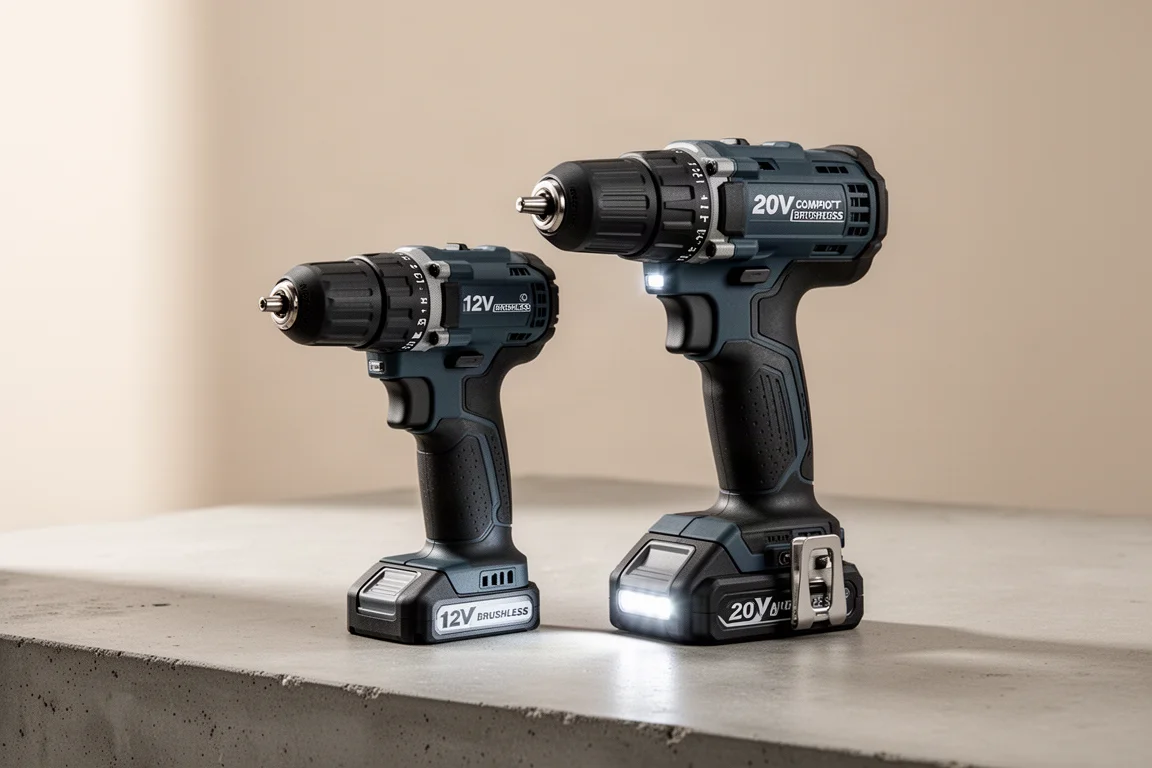
Skil has added two new brushless hammer drills to its lineup: the PWRCore 12 and the 20V Compact Brushless Hammer Drill. Both are half-inch hammer drills, both are genuinely light, and both were put through demanding work including cinder block, concrete, and large-diameter wood drilling. The interesting part is not just how they perform, but how differently they are meant to be used.
Shared Features: Clutch Positions, Lights, and Batteries
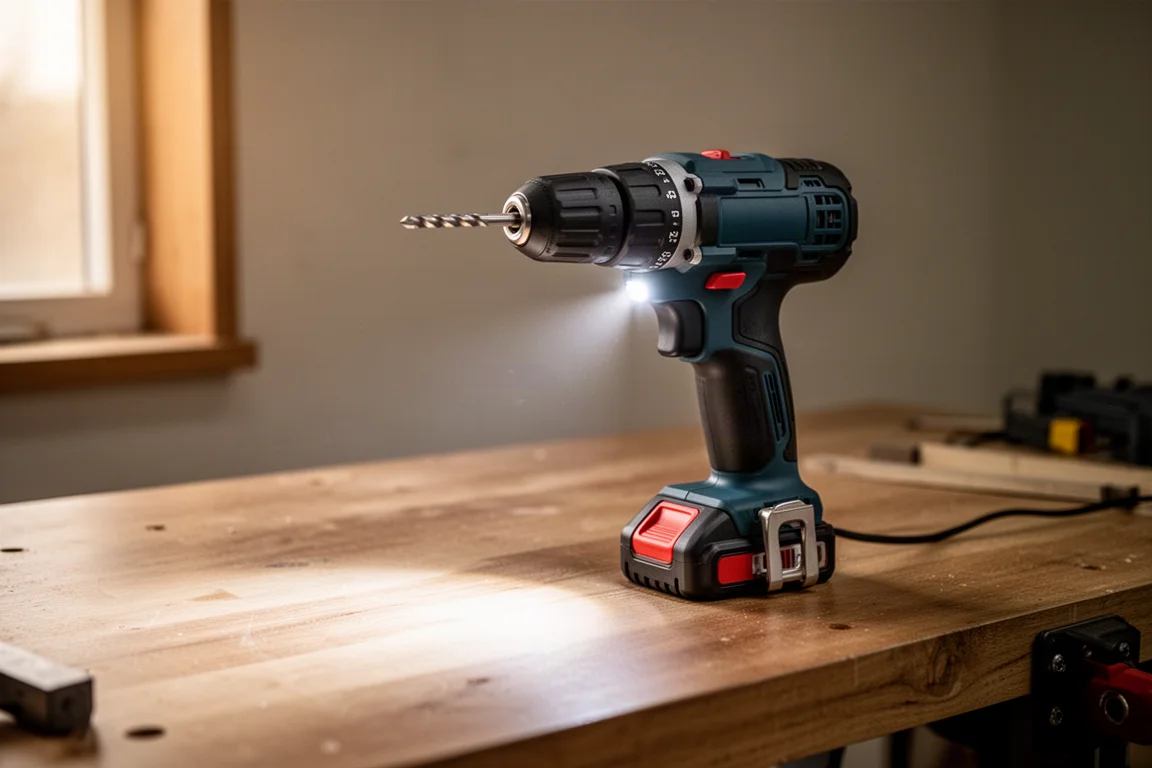
Both drills share a surprising amount of DNA. Each has a 17-position clutch, and both are analog controls rather than digital. The only digital element on either drill is the light on the 20V model, which can be set to stay on for up to 10 minutes.
Despite being 12V and 20V tools, the two drills are basically the same size and weight, both very light for hammer drills. The difference is the battery: the 20V pack is noticeably larger.
Drilling Into Cinder Block and Concrete
In hammer mode on cinder block, the 12V PWRCore did the job fine, though a bit slowly on low speed. Switching to high speed made the work move along noticeably faster. It is very light and somewhat powerful for a 12V tool, and it held its own on masonry surprisingly well.
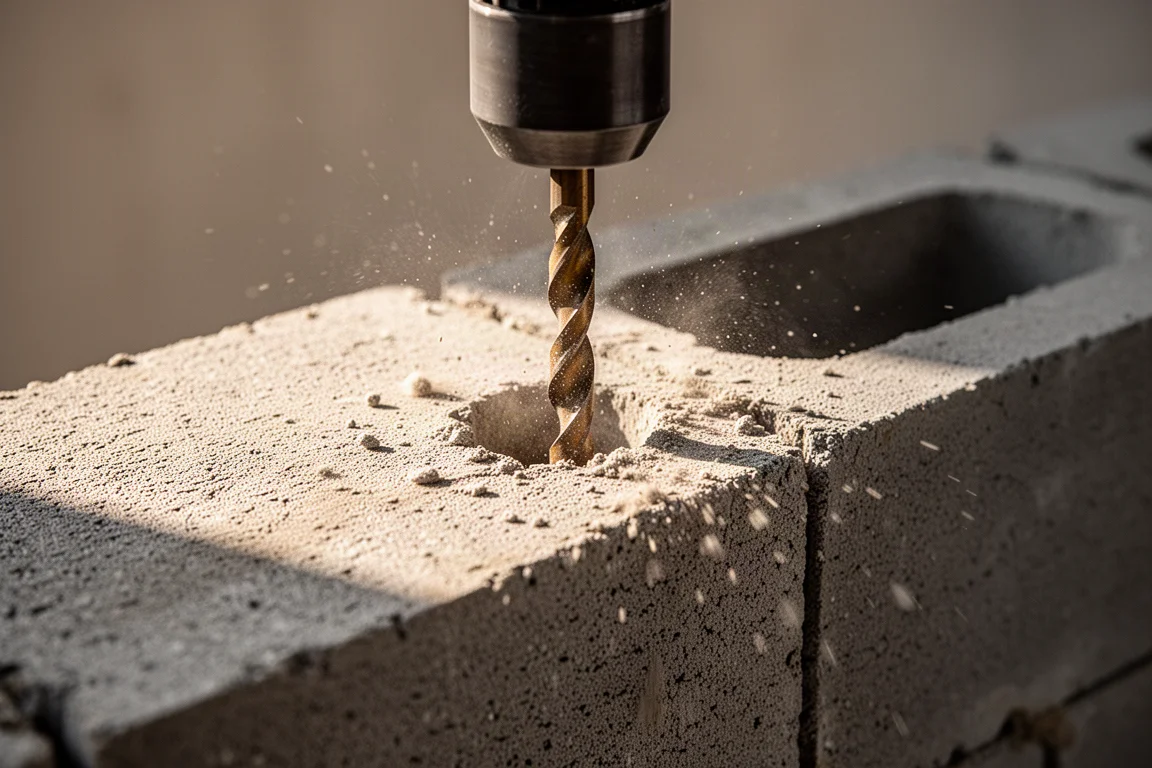
The 20V Compact also started a little slowly on low speed, but on high it powered straight down through the block. On actual concrete, the picture becomes clearer: the 12V will get through concrete, but it struggles a bit and is not fast about it. The 20V compact went down through concrete without that hesitation, which is the kind of margin that matters if you have a lot of holes to drill.
Wood Drilling and Spade Bit Performance
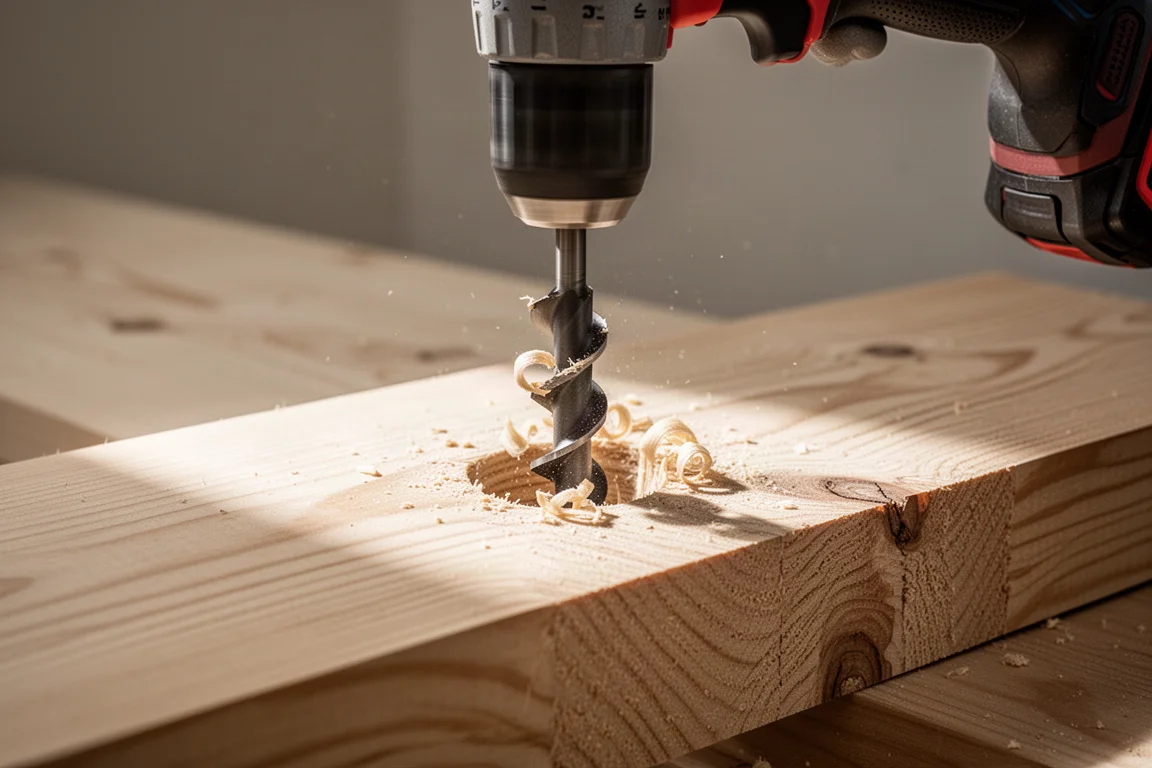
With a three-quarter inch spade bit, the 12V drove the hole with no issue on low speed, but it could not manage it on high. The 20V drilled the same spade bit hole on high speed without trouble, which says a lot about the difference in usable torque and headroom between the two.
Practical Perks Worth Knowing
One standout feature: the Skil battery has a built-in USB port, so you can charge phones, laptops, and other electronics directly from the pack. That is a genuinely useful bonus on jobsites or during power cuts, and it is something few competitors offer.
For the price of these drills, the value is hard to beat, especially given that both are brushless and compact.
Which One Should You Buy
The 12V PWRCore is the better fit around the house for lighter jobs. It is lightweight, gets through cinder blocks without complaint, and is a very nice option for most homeowner tasks. If your drilling is occasional and mostly masonry-lite, it is the more sensible, more affordable choice.
The 20V Compact is the tool for bigger work. It drills concrete faster, handles spade bits on high speed, and simply gets a lot more done. If you want one drill that can stretch from household jobs into heavier construction-adjacent work, this is the one.
Conclusion
Both of these new Skil hammer drills are compact, brushless, and priced attractively. Choose the PWRCore 12 for lightweight household work and occasional masonry, and step up to the 20V Compact Brushless Hammer Drill when you need more speed and power through concrete and large-diameter wood.
Product link
View more details for Skil PWRCore 12 Brushless 12V Hammer Drill
This product is mentioned in the review. Check the specifications, options, and compatibility before buying.
View more details for Skil PWRCore 12 Brushless 12V Hammer DrillFurther reading
Related Reviews
Power Tools
Best 1-Inch Pistol Impact Wrenches: Three Heavy-Duty Options Compared
We compare three 1-inch pistol impact wrenches, from a budget-friendly Harbor Freight model to a premium Caterpillar unit, to help you choose the right one.
Power Tools
Best 3/4-Inch Impact Wrenches 2026: Five Contenders Compared
We compare five 3/4-inch impact wrenches across price and performance, from a budget Amazon option to Snap-on's most powerful model yet.
Power Tools
Best Budget Cordless Tools 2026: Walmart Finds That Punch Above Their Price
We tested five cordless tools from Walmart, including a high-torque impact wrench that trades blows with Milwaukee and a $35 duster that outperforms its price class.