Power Tools
Three Skil Cordless Saws That Stand Out on the Jobsite
From a 40V circular saw built for endurance to a vibration-dampened reciprocating saw, here is what makes these Skil cordless saws worth a closer look.
Introduction
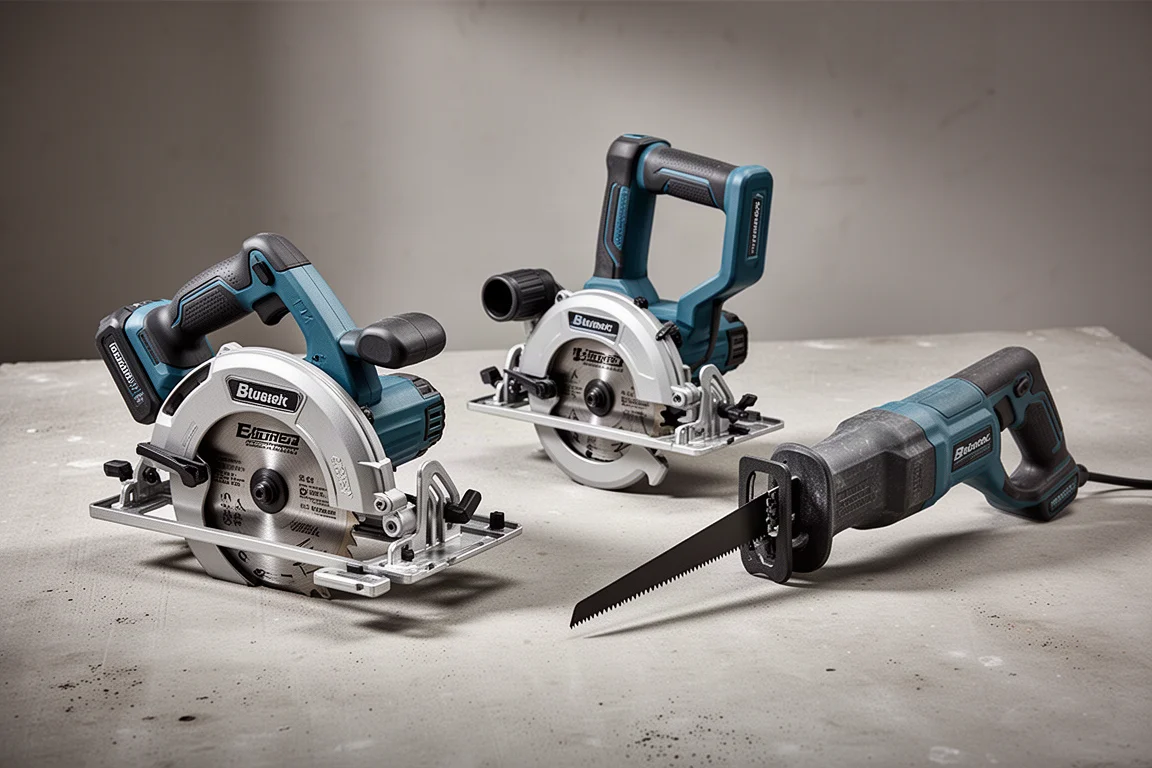
Skil’s cordless saw line has been getting a lot of attention, and after looking at what the brand brought to the show floor, it is easy to see why. Three saws in particular stand out: a 40V circular saw built around endurance and smart charging, a 48V rear-handle model aimed at heavy jobsite work, and a reciprocating saw focused on keeping vibration under control.
This guide breaks down what each one does well, who it suits, and what to weigh before buying.
Skil 40V Circular Saw
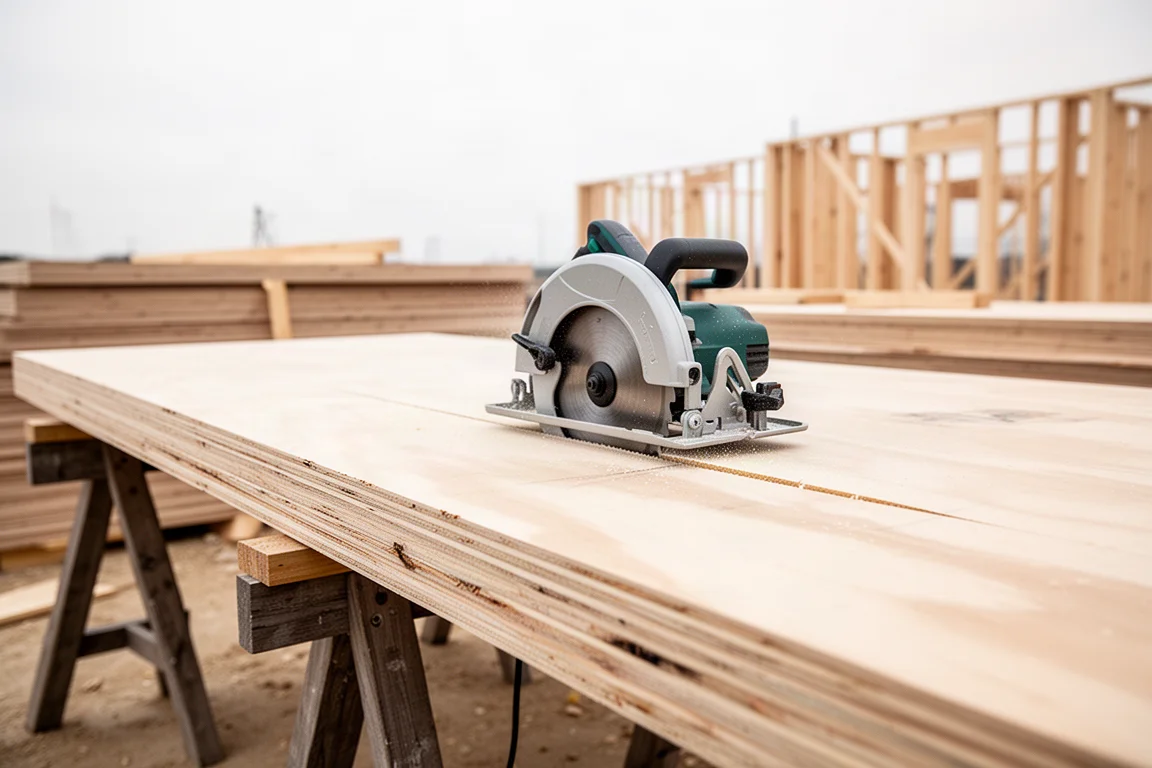
This saw runs on two PowerCore 20V batteries, giving it 40 volts of cutting power, and the endurance claim is the headline: up to 600 cross cuts through SPF 2x4 lumber on a single charge of two batteries. For anyone framing or ripping all day, that is a serious amount of work between swaps.
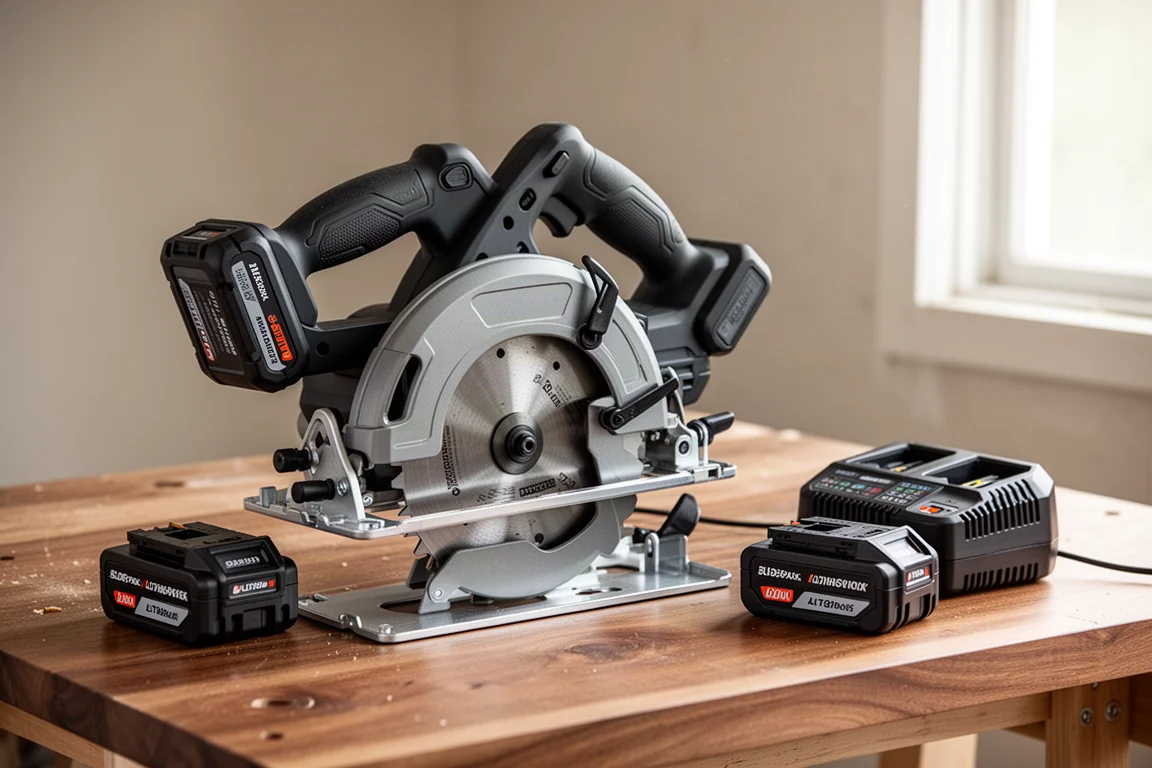
Charging is handled thoughtfully too. The PowerCore 20V batteries gain a 25 percent power bump inside 15 minutes, and a full recharge of both takes under an hour. The kit uses a dual-port charger, so both batteries sit on one unit instead of needing two wall outlets, which solves a common jobsite frustration.
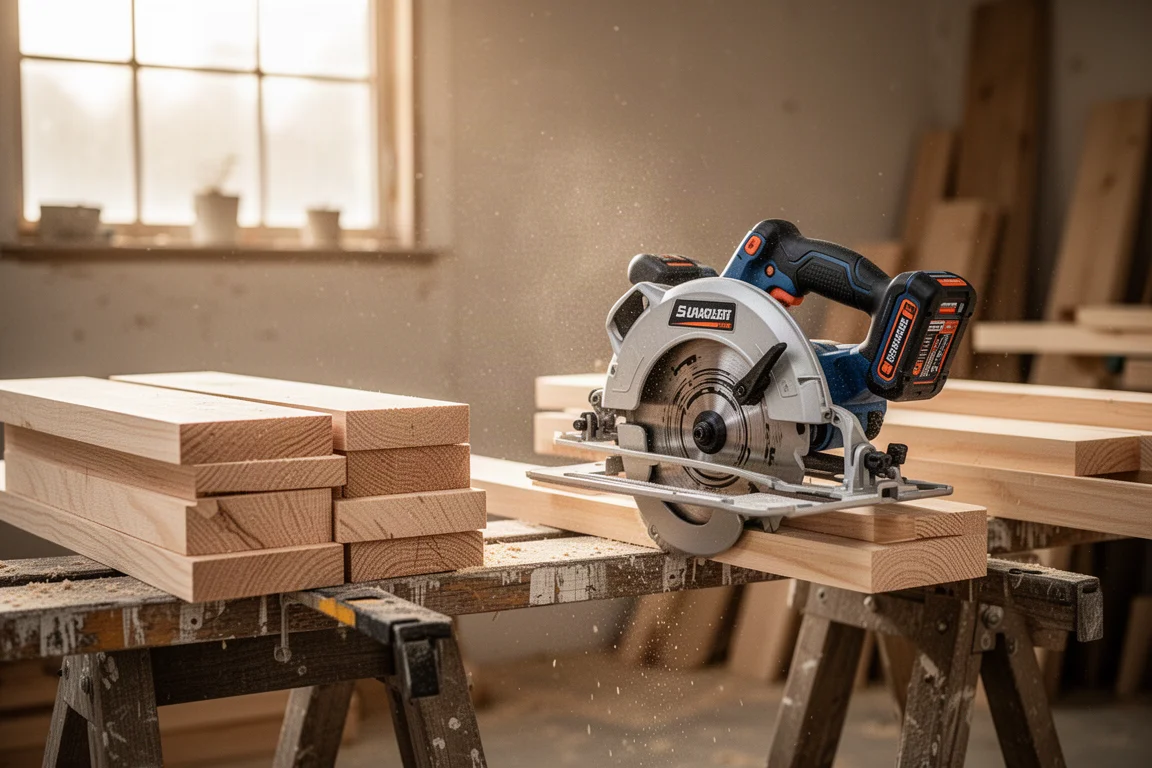
Carryover features from Skil’s larger saws are here as well: impressive dust collection, a rafter handle, and a rear handle. The guard and base plate are aluminum, keeping the saw light at roughly 12-plus pounds, which matters most when the saw is balanced on a sawhorse for ripping OSB or sheet goods.
Skil 48V Circular Saw
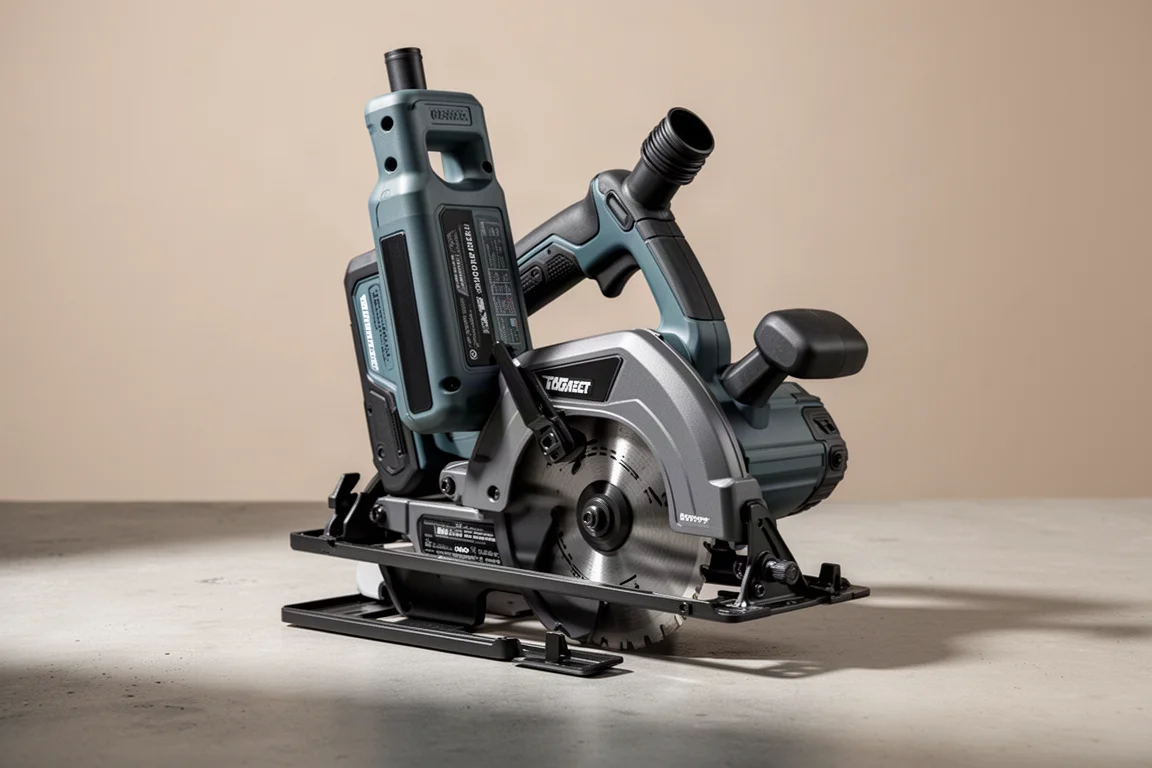
Positioned as the heavier hitter in the lineup, this rear-handle saw is expected to be one of Skil’s strong sellers. It shares the dust collection design that Skil is known for, channeling dust up through the handle so you can attach a bag or hose, which keeps indoor work dramatically cleaner.
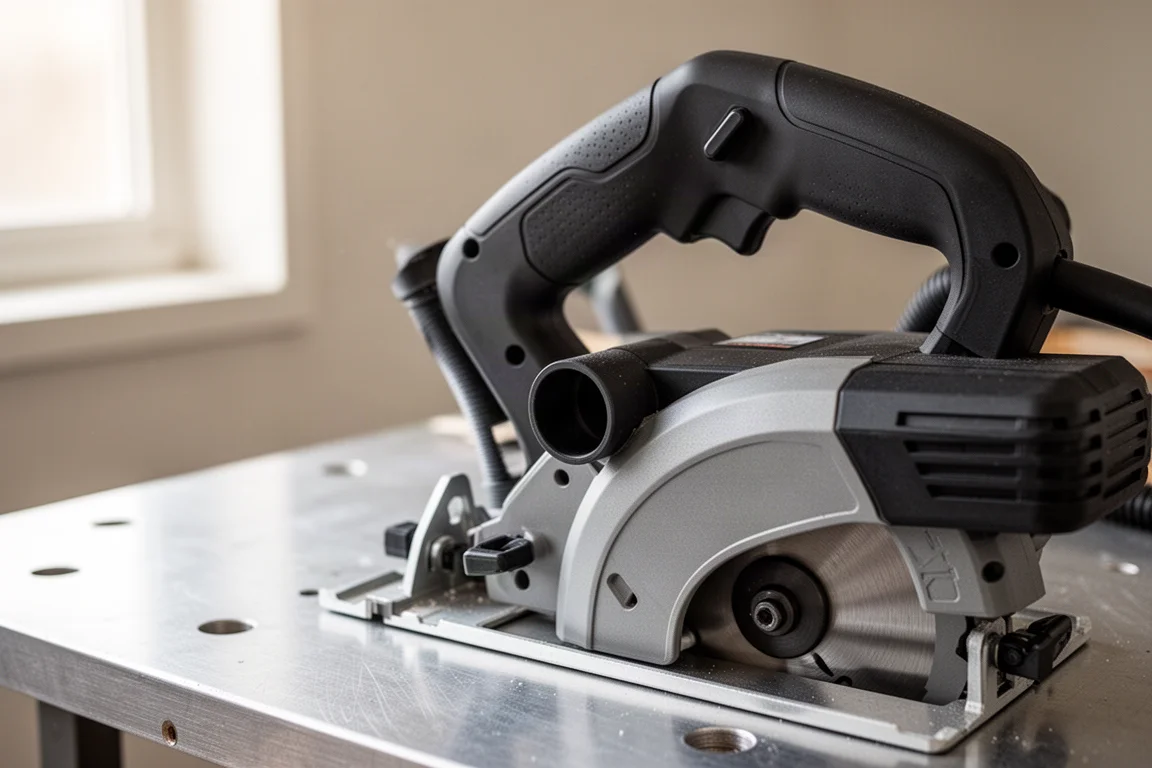
It is worth clarifying what this saw is not: although it is a rear-handle design, it is not a worm drive saw. Skil’s heritage runs from the original worm drive models through to helical drive designs, and this saw carries that lineage in a modern cordless package. For overhead and sheet work, the reduced weight compared to legacy worm drive saws is a genuine advantage, because fatigue is often the first thing that gives out on the jobsite.
Skil Reciprocating Saw
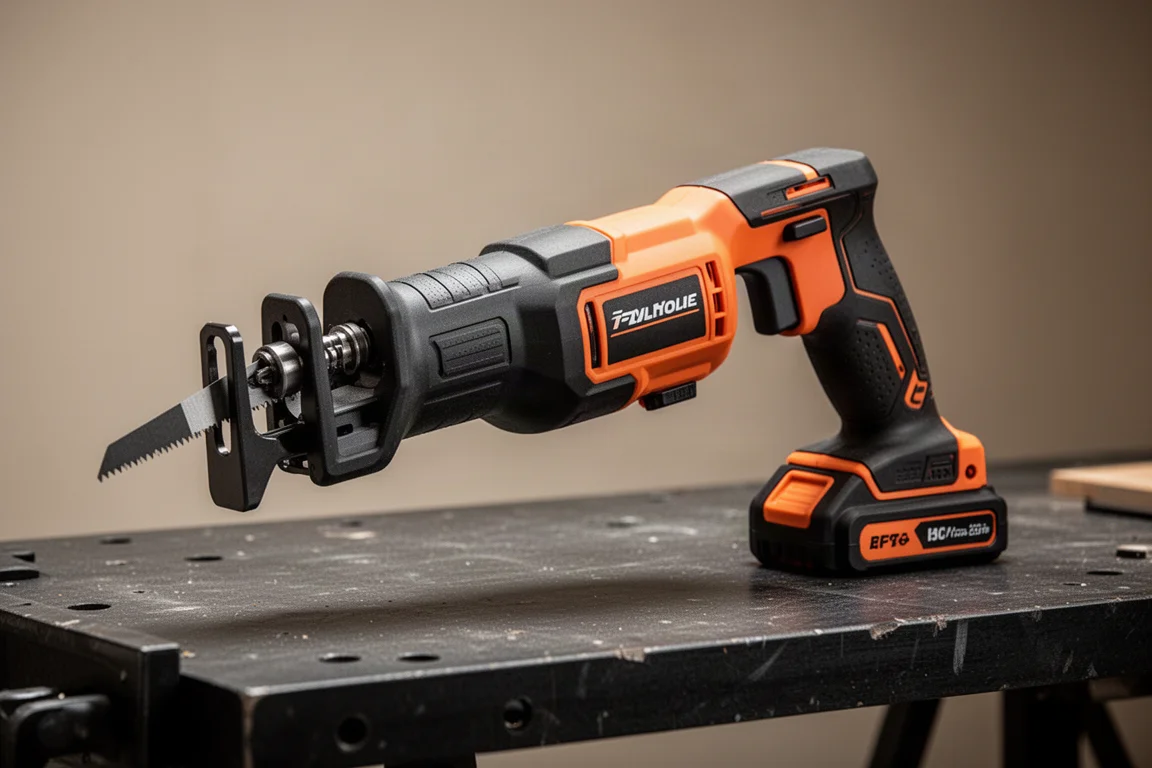
Vibration is the quiet killer of long careers in the trades, and this professional-grade reciprocating saw addresses it directly. It has orbital action for aggressive cutting, plus dampening technology that makes it one of the most vibration-free recip saws around, and noticeably quieter in use than typical alternatives.
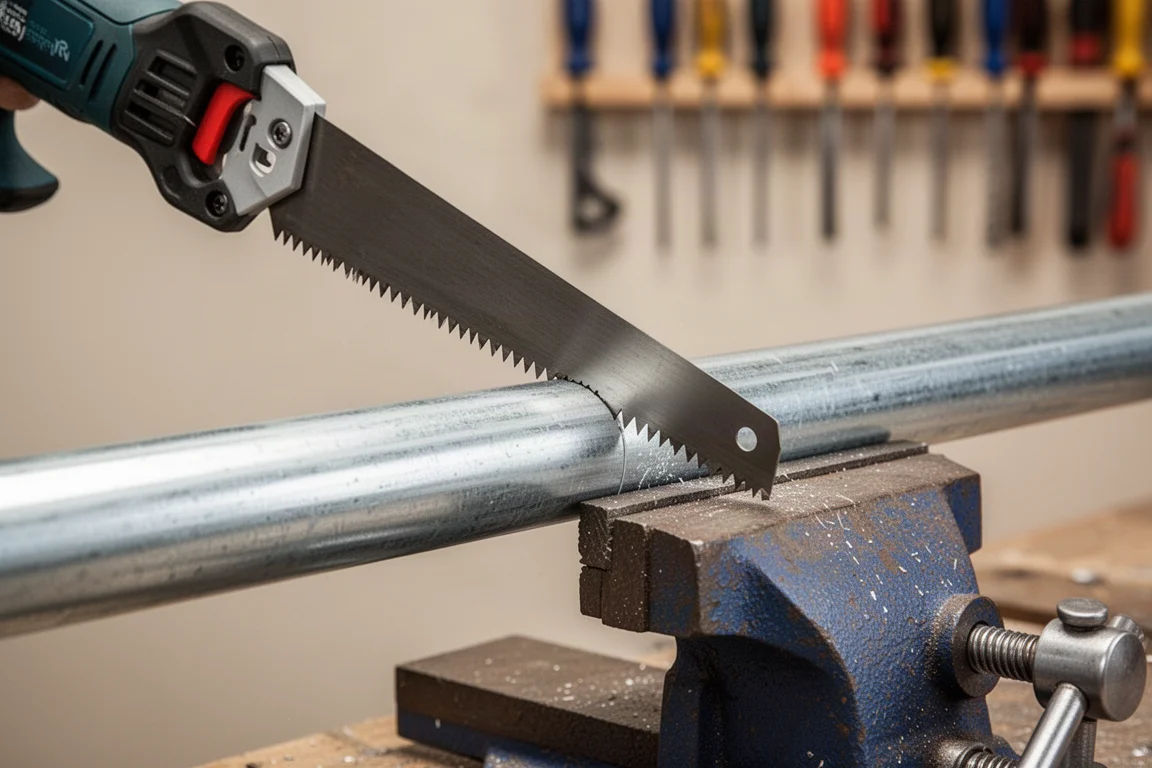
Skil has spread this vibration-dampening technology across its line, including the oscillating multi-tool, where the difference is described as moving away from the “swarm of bees in your hand” feeling. Because the technology is shared across the lineup, costs come down across the board as well. If you plan to hold a saw for hours at a time, this is the feature to prioritize.
Overall Buying Advice
Choose the 40V circular saw if battery endurance and fast turnaround are your priority, especially for framing and sheet goods work. The 48V rear-handle model fits heavy jobsite use where dust control and cutting power matter. The reciprocating saw makes sense for anyone doing demolition or rough cutting who wants to protect their hands and arms from fatigue over long days.
Skil organizes its lineup by voltage on its website, which makes it easier to match a saw and battery platform to the way you actually work.
Conclusion
Skil’s cordless saw range covers the jobsite well: the 40V circular saw delivers remarkable cut counts and quick charging, the 48V brings serious power with the brand’s signature dust collection, and the reciprocating saw shows how much difference good vibration control makes. Match the saw to your workload and the right choice becomes fairly clear.
Further reading
Related Reviews

Power Tools
Best 1-Inch Pistol Impact Wrenches: Three Heavy-Duty Options Compared
We compare three 1-inch pistol impact wrenches, from a budget-friendly Harbor Freight model to a premium Caterpillar unit, to help you choose the right one.

Power Tools
Best 3/4-Inch Impact Wrenches 2026: Five Contenders Compared
We compare five 3/4-inch impact wrenches across price and performance, from a budget Amazon option to Snap-on's most powerful model yet.

Power Tools
Best Budget Cordless Tools 2026: Walmart Finds That Punch Above Their Price
We tested five cordless tools from Walmart, including a high-torque impact wrench that trades blows with Milwaukee and a $35 duster that outperforms its price class.