Flashlights
Six Flashlights, Six Very Different Jobs: A Practical Roundup
From a tiny keychain light to a pocket searchlight, six flashlights that each solve a different problem, plus one to avoid.
Introduction
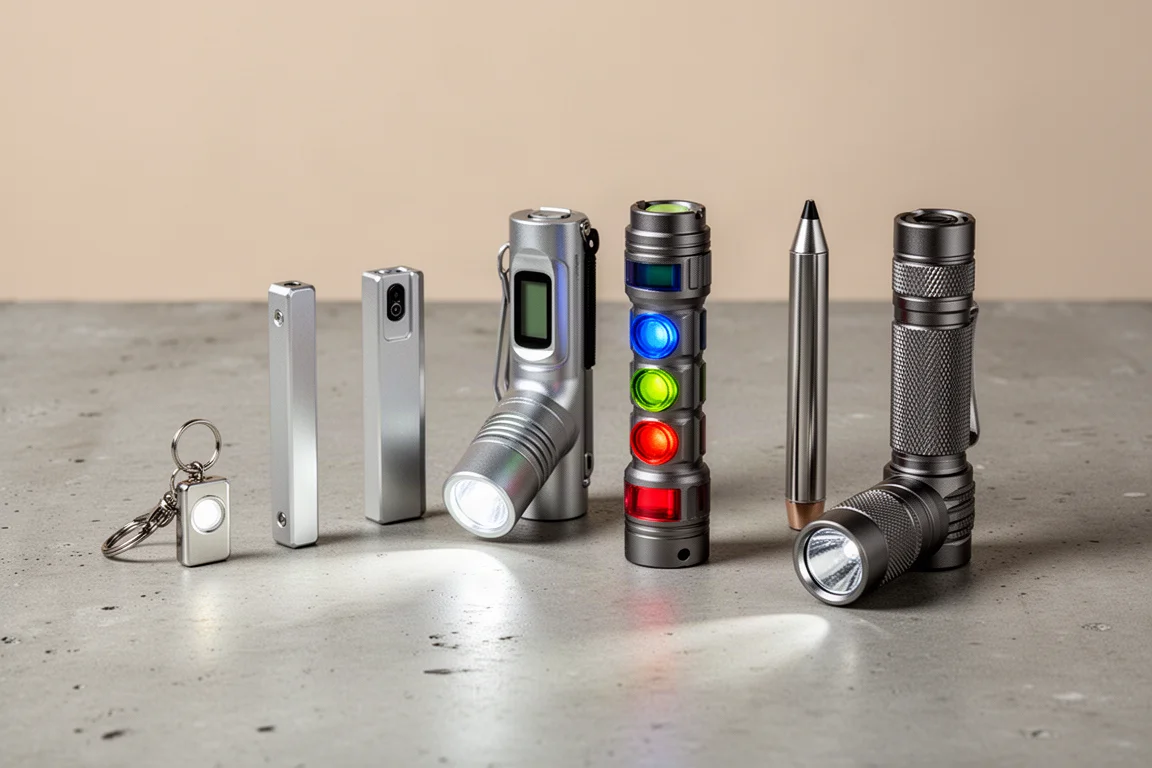
Flashlights have quietly become one of the most interesting corners of everyday carry. The six lights here cover wildly different ground: a keychain staple, two flat EDC designs, a novelty gadget, and a beam so focused it barely floods at all. There is also one light with a great body and a genuinely painful interface, which is worth knowing before you spend over $100 on it.
Here is how each one stacks up.
RovyVon Aurora A3: Still the Keychain Benchmark
The Aurora series has long been a favorite in the keychain category, and the A3 may still be the best value in the budget realm. For a price that was once around the $20 mark and now sits just over it, you get 650 lumens of output, excellent fit and finish, a quality metal button, and a USB Type-C charging port. The reversible clip even has a magnet embedded in it, so the light can stick to metal surfaces on its own. RovyVon includes a spare silicon attachment and a small magnetic back attachment that holds surprisingly well, though many users will prefer to keep the light as a plain dangler.
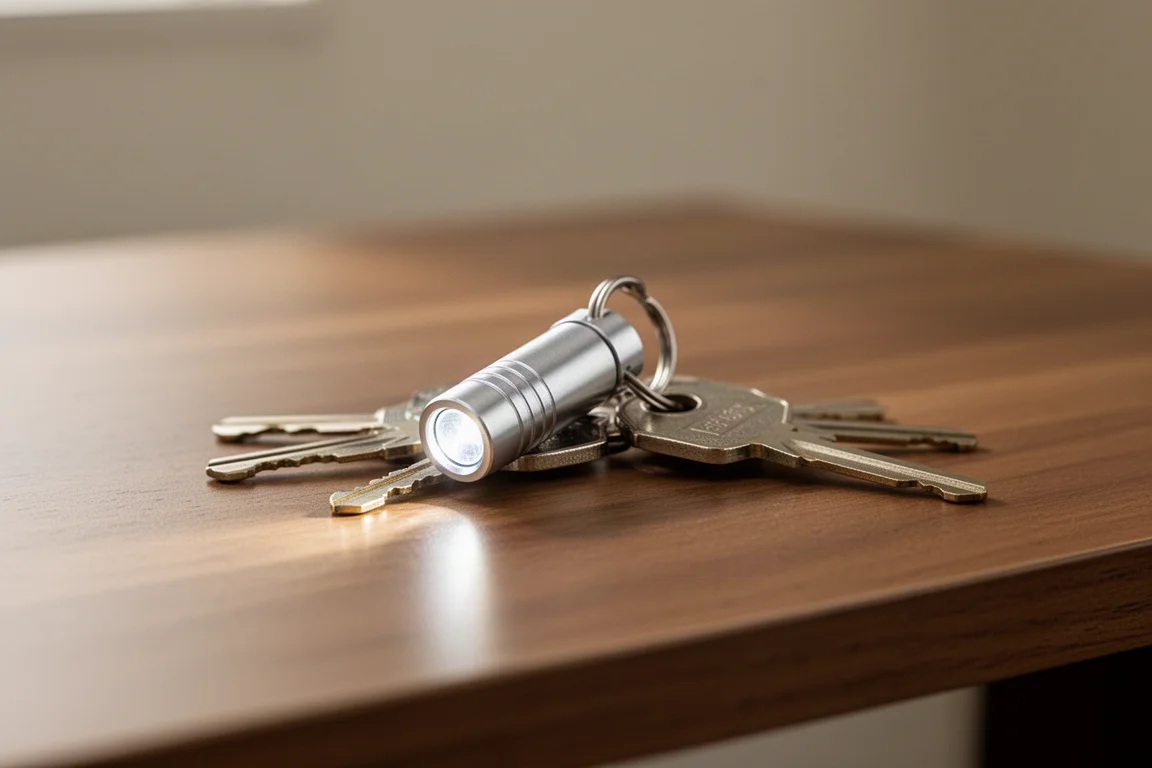
The interface is close to ideal for a keychain light. A single press gives instant momentary turbo at 650 lumens, useful for emergencies, while a double press brings up lower modes so nothing turns on accidentally in your pocket or bag. Four modes cycle from moonlight through 25, 200, and 650 lumens, and leaving the light on for about a minute memorizes the current mode as your default startup. Strobe was removed, and that is a sensible call at this output level. One small tip: if you carry keys in dangler orientation, a little super glue under the clip keeps it from slipping.
RovyVon Aurora A8: One Step Up
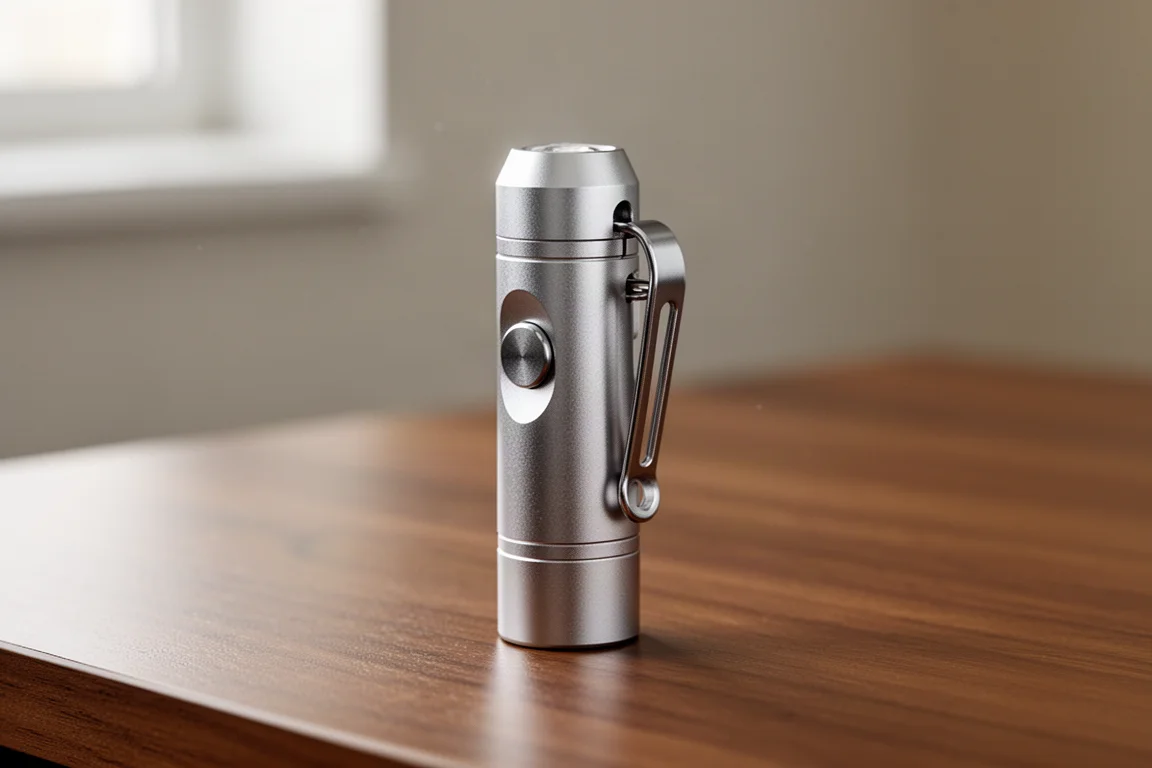
If the A3 leaves you wanting more, the A8 adds a set of side lights to the same core formula: a high CRI white light, UV, and red. Everything else that makes the Aurora series appealing carries over, including the output and the well-sorted UI. For most people the A3 is all they need, but the A8 earns its place if those extra light types matter to you.
RovyVon E30: A Flat Flashlight With a Trick Up Its Sleeve
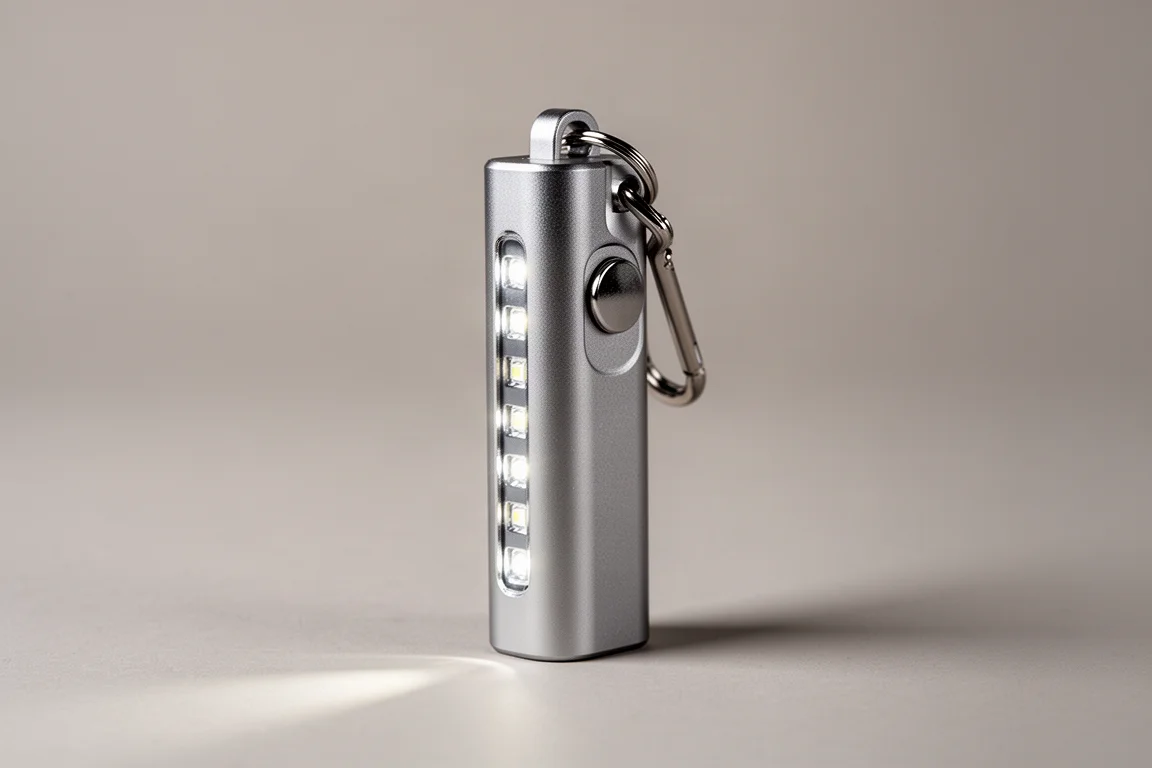
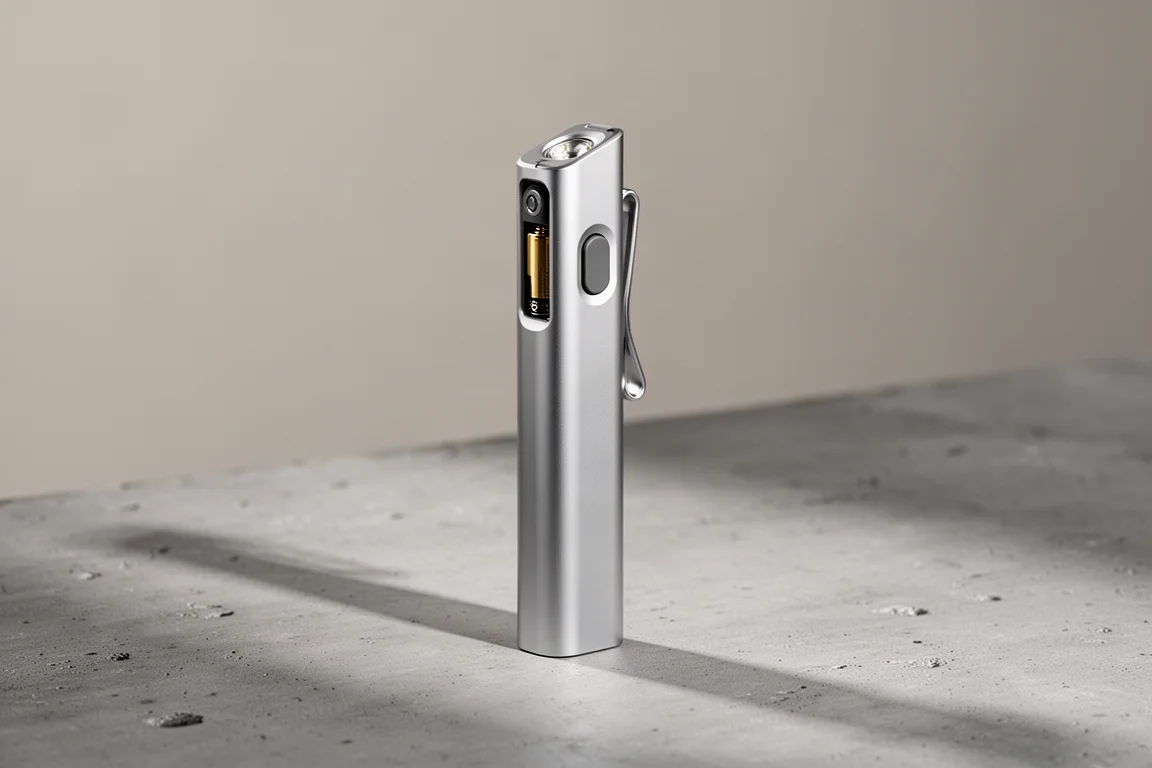
The E30 might be one of the best flat flashlights available, and it is technically a triple-source design. Inside there is an included lithium polymer battery charged over USB Type-C, but slide down the lock and open the body and you will find a bay for two AAA batteries. Even with that opening, the light carries an IP67 waterproof rating, which is genuinely impressive for this design. It has a reversible clip that works well for clipping onto a hat.
Performance comes in two parts. A half press on the momentary switch delivers a 2,600 lumen burst for about 10 seconds before heat management drops it to 1,000 lumens. That is a huge amount of light from a very small aluminum body, though it is not a searchlight; long sustained turbo runs are not what it is built for. The secondary switch handles eco mode at 10 lumens, a memorized mode group cycling through low, medium, and high at roughly 60, 200, and 1,000 lumens, plus strobe and turbo.
There is a built-in sensor that detects how close the light is to a surface and steps output down automatically, which prevents burned pockets, though you can disable it if it misfires. With two standard AAA batteries installed, output tops out at 200 lumens on high. The company claims 600 lumens with two 3.7V AAA-size cells, but pairing two 10440 cells in series carries real risk if the cells are not high quality, so a single longer 3.7V cell the size of two AAAs is the safer route.
The only real quirk is the UI: eco mode can be triggered by either a single press or a hold press, which creates a chance of turning the light on accidentally at a very low output when you wanted your memorized mode. It is a minor annoyance in an otherwise near-ideal interface. As the only flat flashlight design that runs on both an internal battery and AAAs while staying waterproof, it is an easy recommendation.
Nitecore EDC25: Maximum Output, Minimum Footprint
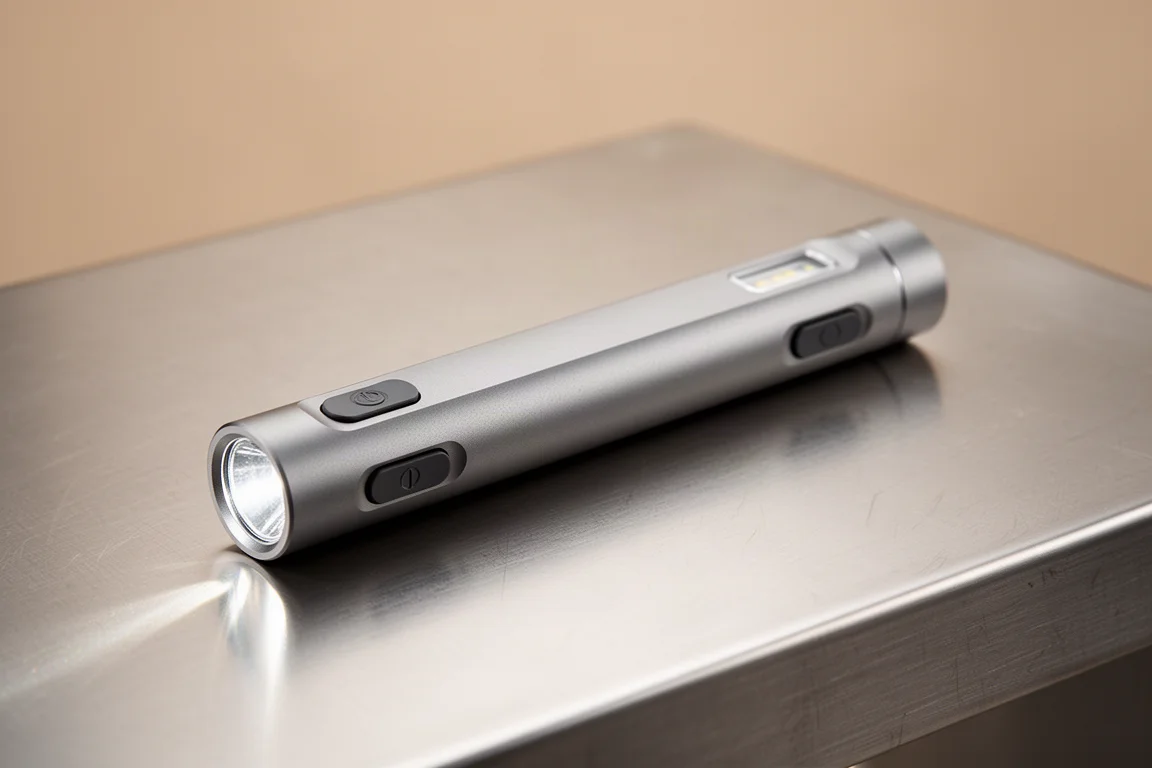
The EDC25 sits alongside the EDC27 in Nitecore’s flat flashlight line, with the main difference being that this one drops the LCD screen. That is not a loss; the screen is cool but unnecessary, the EDC25 is likely a bit cheaper, and there appears to be no drop in performance. It is a two-switch design with USB Type-C recharging, a one-direction pocket clip (no hat clipping here), and an IP54 rating, so it is splash resistant rather than waterproof. The profile is very slim, and like most flat flashlights it practically disappears in a pocket, which is a large part of the appeal.
The main switch activates your memorized mode and cycles through four outputs up to 1,000 lumens. The second switch is a momentary turbo at 3,000 lumens, and the heat management here feels meaningfully improved: output runs hard for roughly 20 to 30 seconds before dropping to around 1,000 lumens, and the light is much harder to push into dangerously hot territory than its sibling. A front sensor helps keep you from accidentally burning something up close.
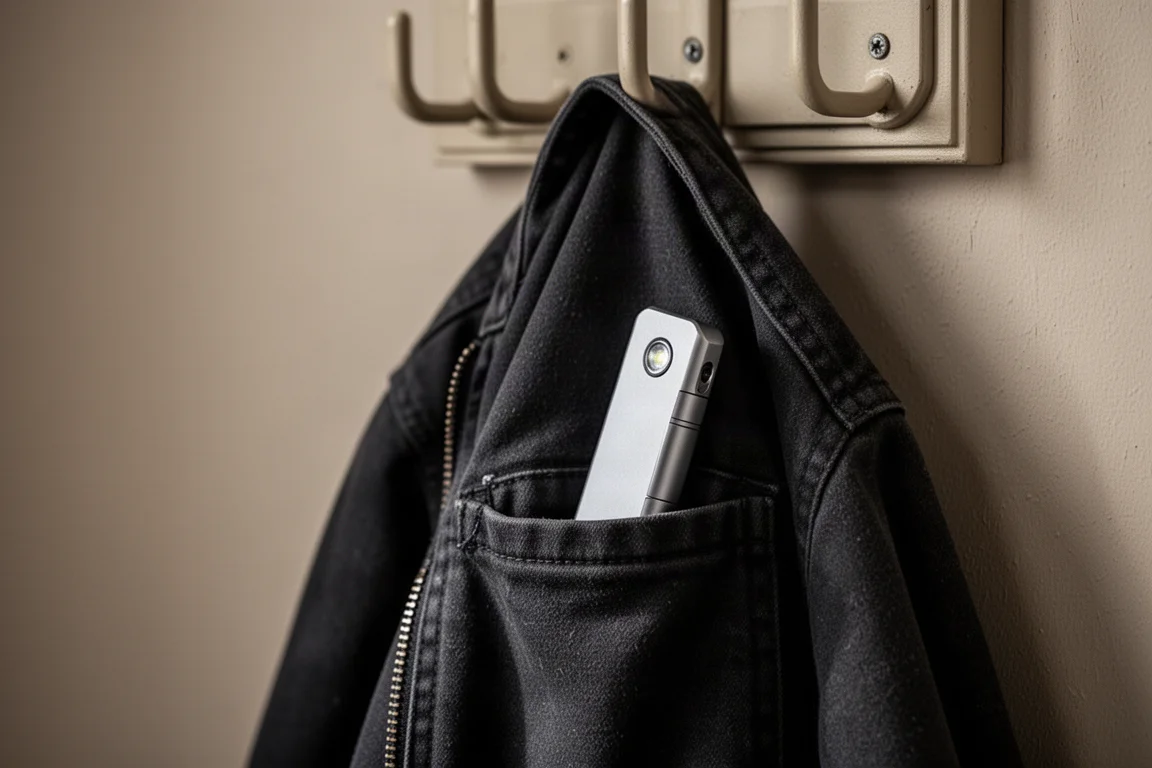
One feature deserves special mention: a half-lockout mode. Press once and hold, and the main switch locks while the turbo switch remains live, so you can throw it in a bag without it turning on but still access turbo instantly in an emergency. The turbo switch is momentary only, so it needs constant pressure to run. It can also be configured for strobe instead, but momentary turbo is the more defensible choice.
Charging speed may be the most underrated part of this light. It recharges dramatically faster than most flashlights on the market, at a far higher current than typical designs, going from zero to full quicker than anything else in this category. If you want something absurdly bright and effortless to carry, this is a strong pick and arguably better than the EDC27.
Loop SK03: A Flashlight That Refuses to Be Normal
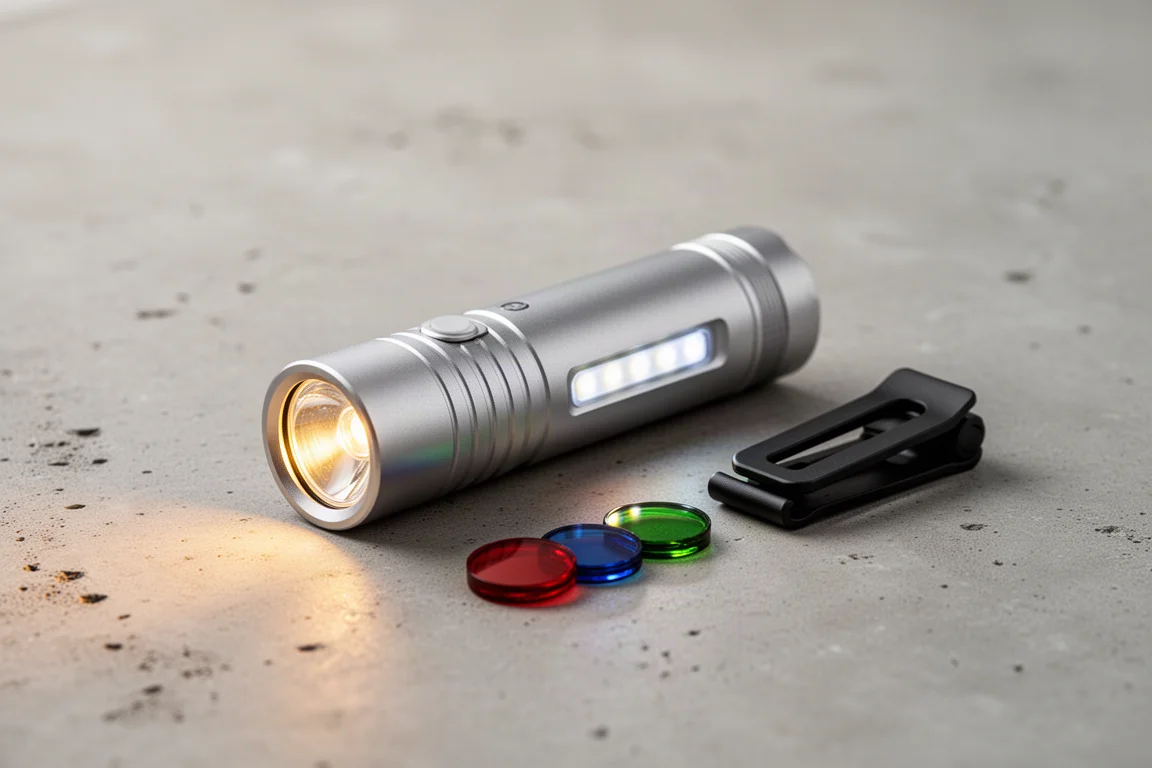
Loop does not make normal flashlights, and the SK03 proves it. Hold press the button and small LEDs on the side light up, cycling through low, high, and a beacon-like mode. The front-facing light is a more standard design, reaching around 1,000 lumens, though that output requires a 3.7V 14500 lithium cell rather than a standard AA. A single press turns it on, a hold press cycles the three modes, and a double press triggers turbo. Strobe hides behind a triple click. The manual is nearly unreadable, so exact figures are thin, and the light is not fully waterproof, which is understandable given all the functions.
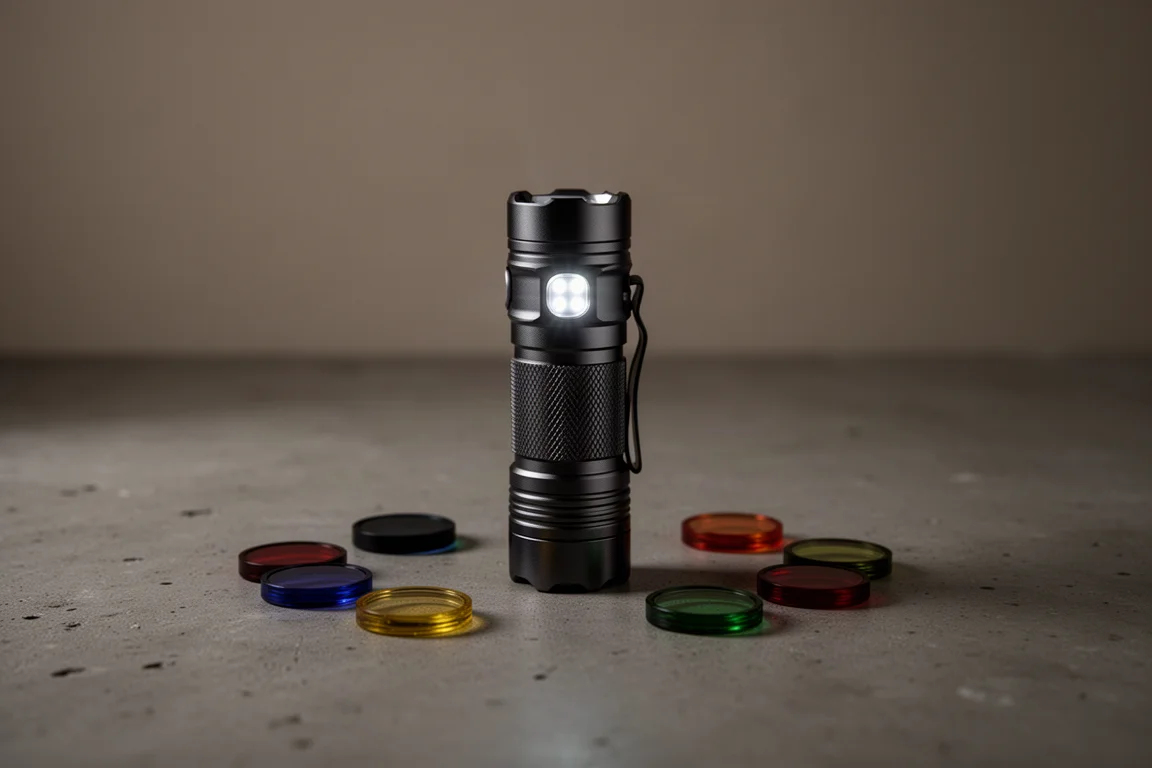
The clip is where things get strange: it doubles as a knife and bottle opener, and in one version it comes with an articulating arm so the light can magnetically attach to things. Add the various filters and this starts to look like the perfect cosplay or Halloween flashlight, mounted on a costume. It is more novelty than practical EDC. The e-switch has no guard, which makes accidental activation easy and makes a full lockout a necessity rather than a convenience. The special clip version costs noticeably more, and the standard reversible clip stands a little proud and can catch when pocketing the light. The side lights are undeniably cool, though, and someone out there will absolutely love this light.
nlightD LEP Flashlight: A Pocket Searchlight
This one barely qualifies as a conventional flashlight. The nlightD is a proper LEP (laser excitation phosphor) light, and the difference is obvious the moment you turn it on: there is essentially no flood at all, just a needle of light with well over 100,000 candela that reaches astonishing distances. In fog it would genuinely look like a lightsaber. It is a simple two-mode light with mode memory, tail-switch only, with a reversible clip that feels a bit comical on a light like this, since nobody is doing close-up work with an LEP.
The lack of spill is a feature in itself. Because the beam is so focused, someone looking at you will not see any light coming from the flashlight until it is pointed directly at them, which is useful when you want to observe without being detected. Be warned, though: looking into an LEP beam or even its reflection is like looking into the sun, and shining very bright LEPs at aircraft or people can carry legal consequences in some jurisdictions. Treat this class of light with care.
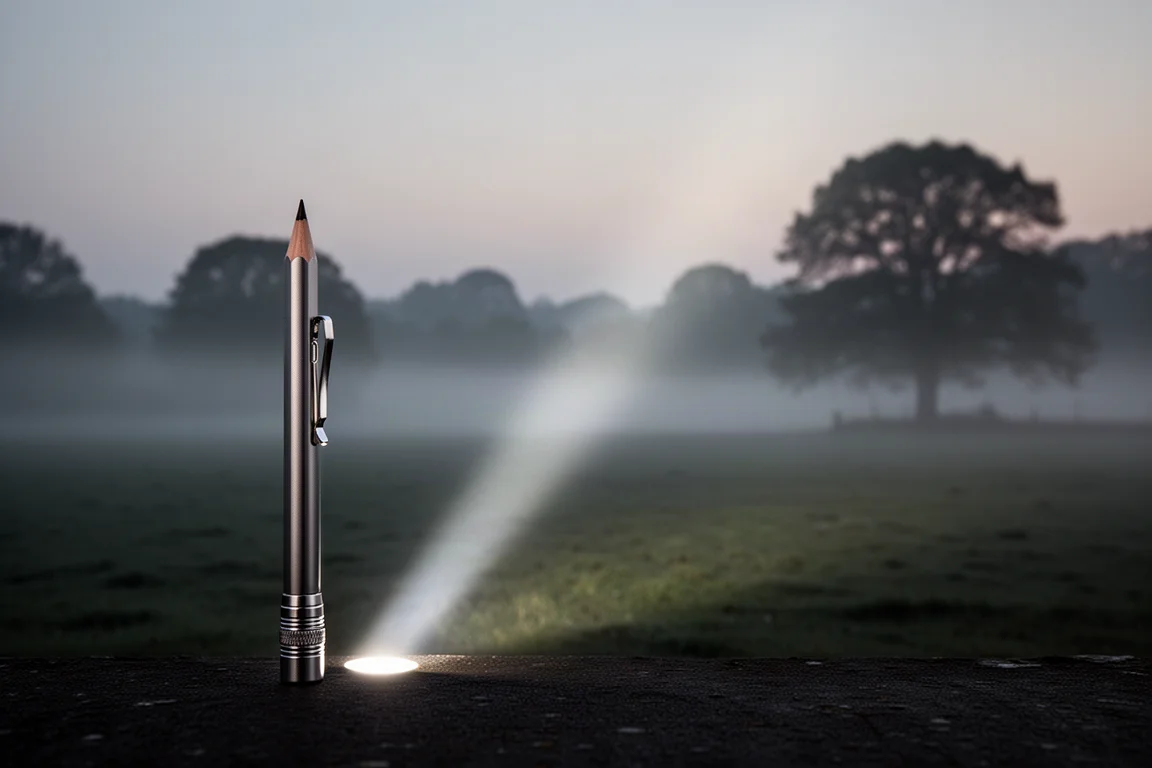
As a piece of hardware it is lovely: elegant, small, well built, with a crisp button, an aluminum body that stays cool, and an included 14500 cell with a 10 amp discharge. It is hard to rate because it is so specialized; most people will still want a general-purpose flashlight alongside it. But if you want to try LEP technology in a pocketable, refined package, this is a fun and impressive way to do it.
One to Avoid: The Screwdriver Flashlight
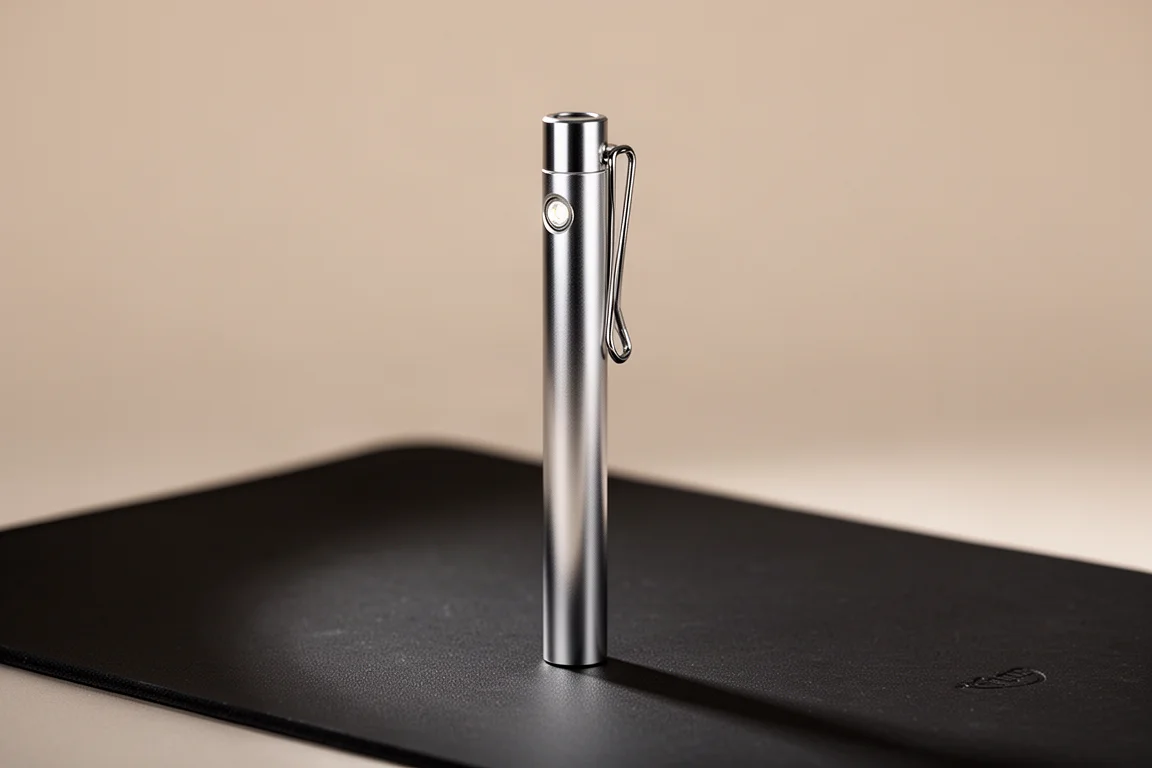
There is also a compact flashlight with a quarter-inch bit driver built directly into the tail, complete with a glass breaker and lanyard attachment, and on paper it is exactly the kind of tool that gets enthusiasts excited. The body is genuinely excellent: quality knurling, great fit and finish, a pocket clip with enough clearance for most pants pockets, and a high CRI LED with decent, if not spectacular, outputs.
The interface ruins it. The mode sequence runs moonlight, low, medium, high, and strobe, forcing you through strobe every single cycle. Worse, it uses next-mode memory, so you can never return directly to moonlight; the light always advances to the next mode on startup no matter how long you wait. At a price point over $100, with so many excellent flashlights available at far lower prices, there is no excuse for this. The five pins visible in the tail suggest the driver could be reflashed with a better UI, but as sold, this one is not worth buying until the interface is redesigned.
Buying Advice
Choosing between these comes down to your use case. If you want a light that lives on your keychain, the Aurora A3 remains the value leader, with the A8 as the upgrade if you need UV, red, or high CRI side lights. If you want serious output in a slim EDC format, the EDC25 is hard to beat, and the E30 adds battery flexibility and waterproofing to the flat category. The SK03 and the nlightD LEP serve narrower tastes: one is a fun conversation piece, the other a specialized long-throw tool. Skip the bit-driver flashlight until its UI is fixed.
Conclusion
It is a good time to be into flashlights. Six designs here serve six different purposes, and the ones worth buying all share the same traits: thoughtful interfaces, real attention to heat management, and form factors that make them easy to actually carry. Match the light to the job and you will be happy with any of the top picks on this list.
Further reading
Related Reviews
Flashlights
Best Flashlights 2026: Brightness, Battery, and Value Compared
We tested 18 flashlights across a wide price range to find the best performers in brightness, battery life, and durability.
Flashlights
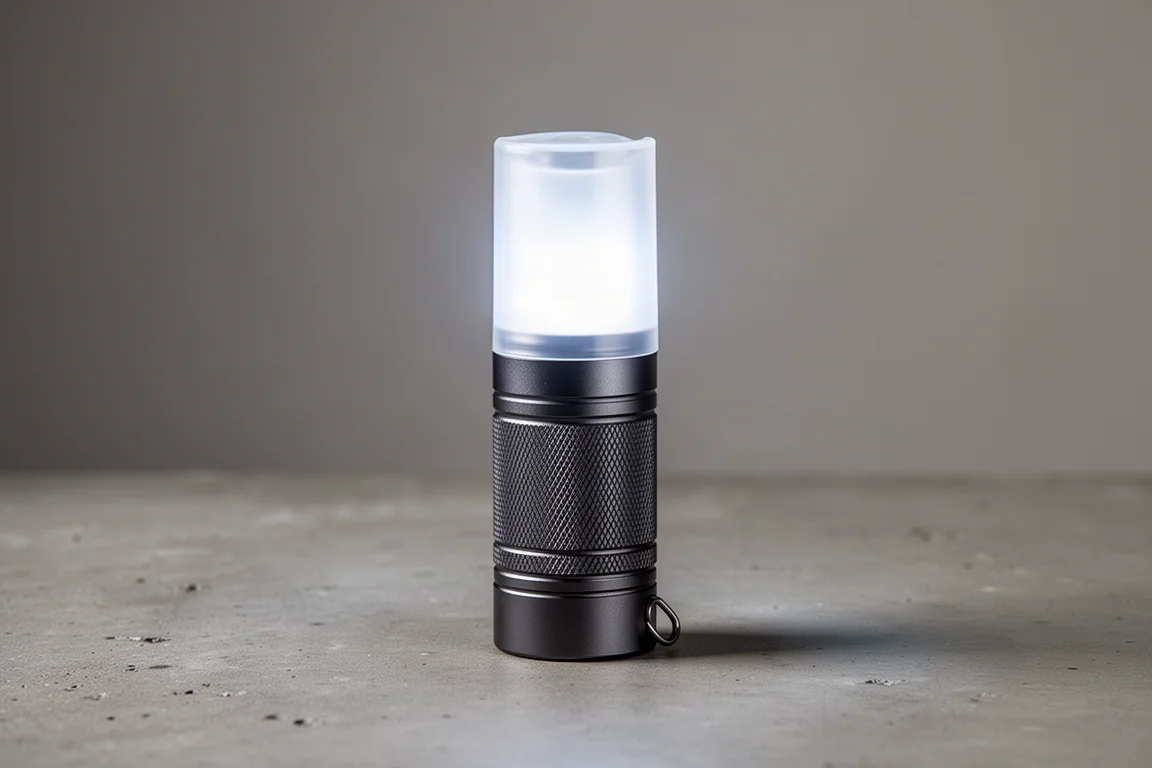
Nitecore LA10 Review: A Tiny 2-in-1 Lantern That Nails the Basics
The Nitecore LA10 pairs a pocket-sized lantern with a single AA battery, a magnetic tail cap and a five-year warranty. Here is where it shines and where it struggles.
Flashlights
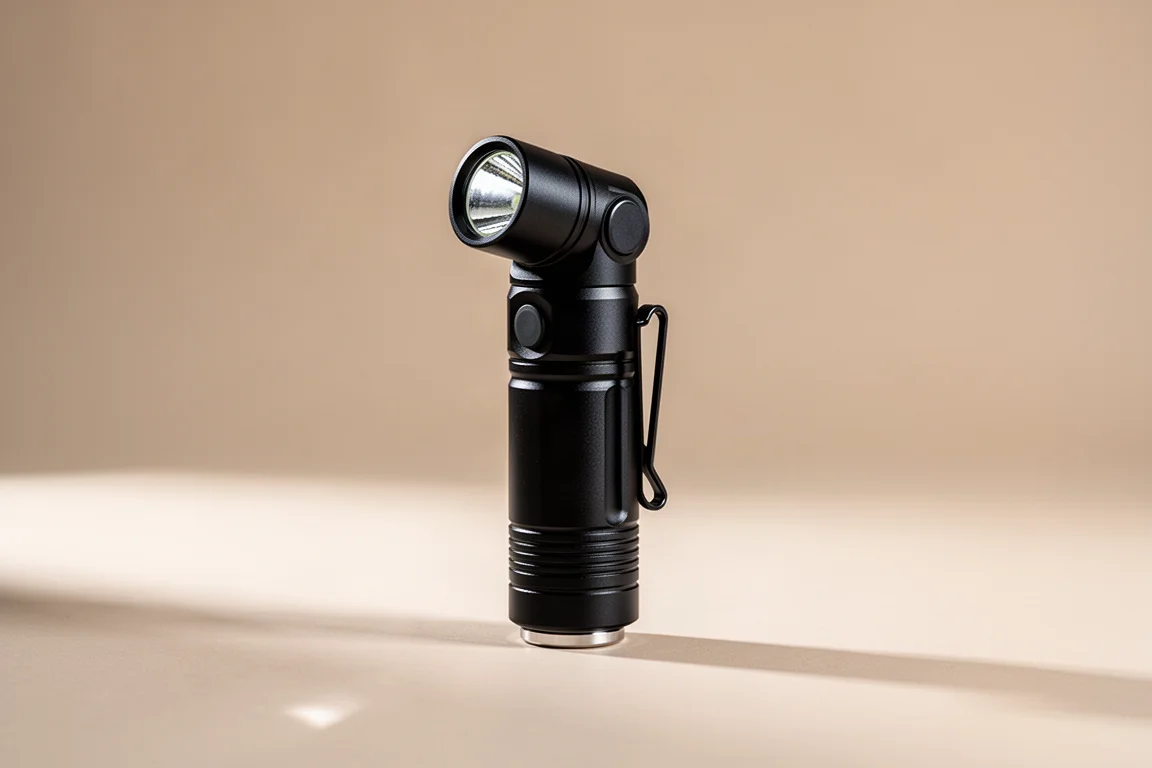
Wuben G5 Review: A Compact Everyday Carry Flashlight
The Wuben G5 is a small, rechargeable flashlight with a pivoting head, magnetic base, and color modes. Here is how it performs as an everyday carry light.