Gravel Bikes
Singular Teredactyl Review: The First Production 32-Inch Gravel Bike
A titanium 32-inch gravel bike that rolls fast, rides smooth, and handles better than its wheel size suggests, though it only comes in three tall sizes.
Introduction
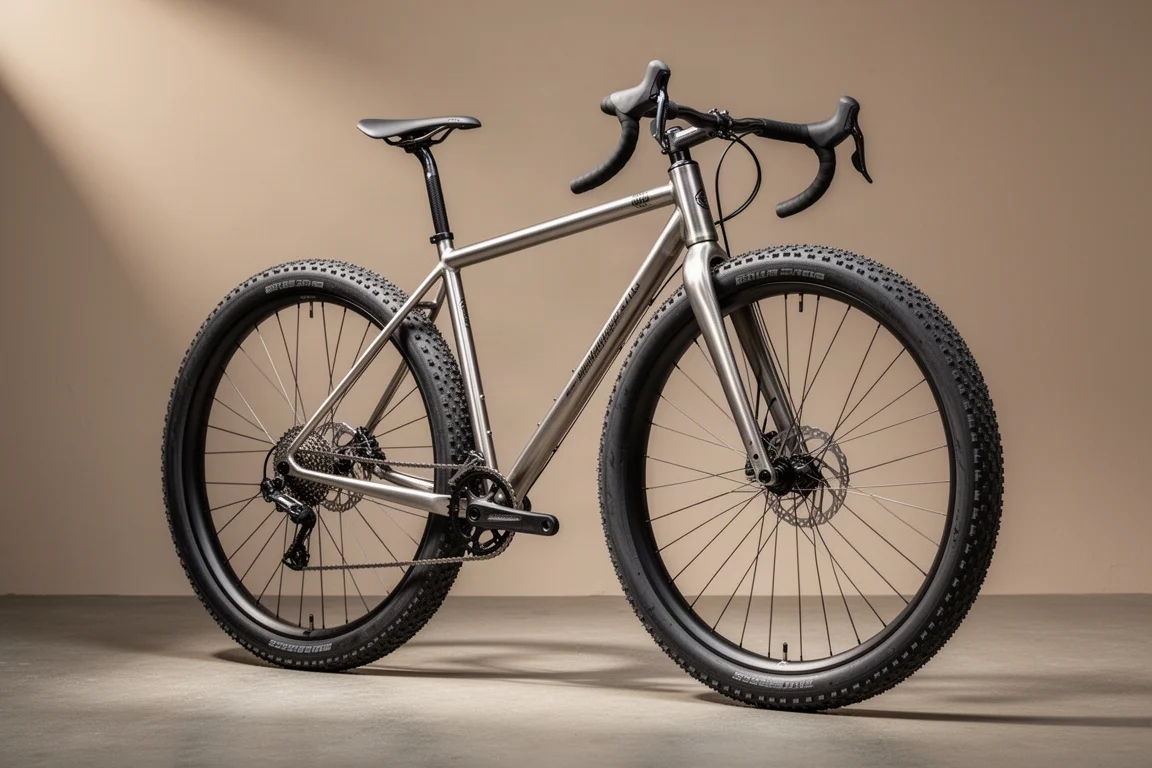
32-inch wheels are arriving quickly in both mountain biking and gravel, and the Singular Teredactyl is the first production-ready 32-inch gravel bike to reach riders. This is not a one-off show build or a concept mock-up, it is a finished bike that has been ridden hard across a wide range of surfaces.
The headline impressions are simple. It is fast, it is smooth, and it is far less cumbersome to handle than the wheel size suggests. Thanks to the geometry choices Singular has made, it steers with the agility of a conventional 700c gravel bike. For taller riders, that combination makes a big-wheel gravel bike genuinely worth wanting.
That said, the format does not translate to every rider or every frame size, and the sizing story is the most important thing to understand before you consider one.
Who this product is for
The Teredactyl is offered in three sizes only: large, extra large, and double extra large. Riders under roughly 5 ft 10 in are likely to sit outside the fit window entirely.
The reason is geometry rather than marketing. To bring the front end low enough for a smaller frame, the head angle would have to be slackened considerably, and that would undermine the handling that makes the bike work in the first place. In other words, the big-wheel format only holds together once the rider is tall enough to support the stack height the frame needs.
If you are tall enough for one of the three available sizes, the fit is your starting point and the rest of the bike follows from there. If you are not, the wheel size simply is not available to you yet. Designer Sam Allison at Singular acknowledges that compromise openly, and it is a real limitation rather than a footnote.
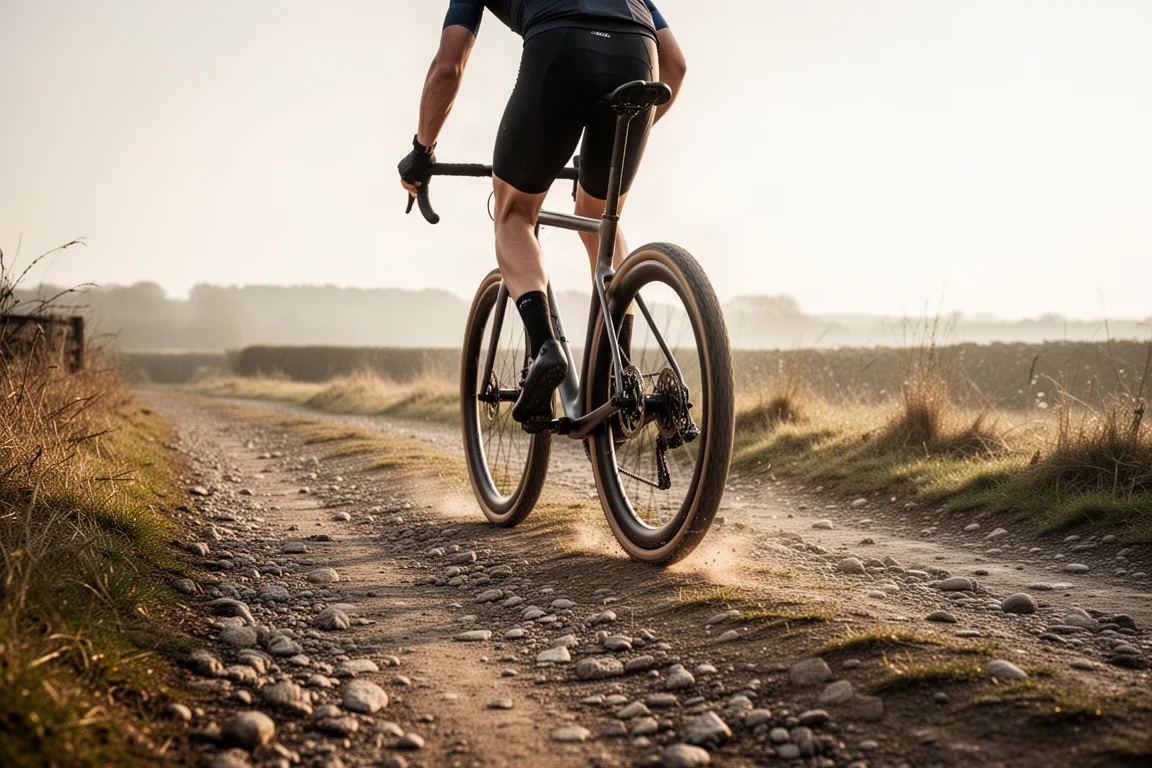
For taller riders, the payoff is a bike that does not feel like a compromise. The proportions look right in the metal, and the ride position is close to what you would expect from a well-sorted gravel frame, only sitting noticeably higher off the ground.
Main strengths: speed and momentum
The defining quality of the Teredactyl is how it carries speed. The large wheels gain momentum quickly and hold onto it impressively, and that effect is most obvious on the choppy, roughened, rocky surfaces that normally knock pace out of a ride.
The explanation comes down to impact angle. On a smaller wheel with a smaller tire, roots and rocks present a steeper angle of impact, and each one bleeds speed. With a bigger wheel and a bigger tire, that angle becomes much shallower, so the bike rolls over uneven ground, water bars and deep-set tractor tracks far more smoothly. The same logic applies to potholes and divots, where the larger circumference bridges the hollow instead of dropping into it.
Ridden back to back with a normal gravel bike, the difference shows up as retained speed rather than dramatic acceleration. It is, quite simply, a momentum machine, and the effort you put in stays with you for longer.
Ride quality and comfort
Comfort is where the big-wheel approach surprises most. The Teredactyl delivers a level of smoothness and composure that riders who normally rely on suspension for gravel will recognise immediately, without the extra hardware that suspension brings.
Part of that comes from tire volume and part from the way the larger circumference irons out trail chatter before it reaches the rider. On technical climbs, the smoothness is especially useful, because you can concentrate on pedalling rather than on picking a line around every obstacle. Over longer distances, that reduction in constant line-reading adds up to less fatigue.
The frame itself contributes as well. Titanium has a well-earned reputation for taking the edge off rough surfaces, and the combination of a butted titanium frame with a carbon fork keeps the ride calm without feeling vague or disconnected from the trail beneath you.
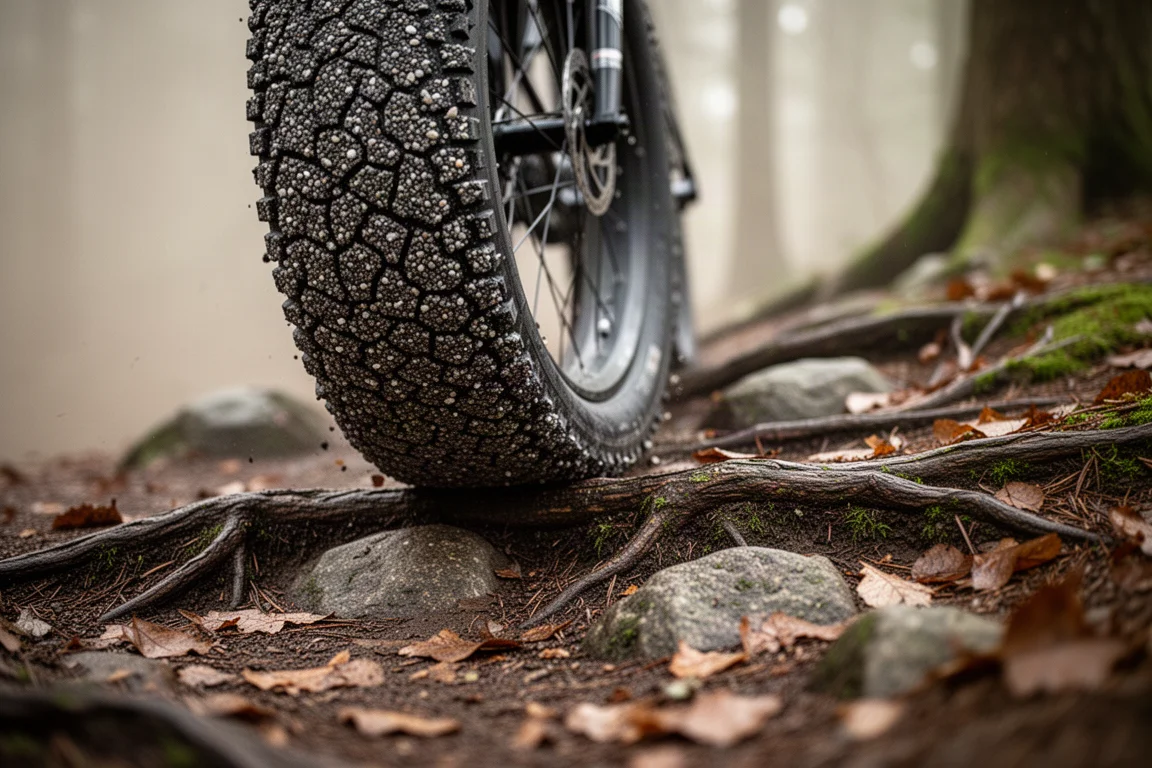
It is worth noting that this is not a soft or wallowy ride. The compliance is measured, and the bike still communicates what the surface is doing, which matters when grip is limited.
Handling and geometry
The obvious worry with a 32-inch wheel is lazy, floppy steering at low speed, and that worry does not survive the first proper ride. The Teredactyl handles about as well as a good 700c gravel bike, and it does so on purpose rather than by accident.
The geometry is where the clever work sits. A 71 degree head angle is paired with a steep, hardtail-like 74 degree seat angle. That combination creates generous tire clearance while keeping the wheelbase short, at 1,106 mm on the large size, which is only 56 mm longer than a typical 700c gravel bike. Shorter wheelbase, sharper steering.
You do feel that you are sitting higher, and leaning into a corner takes a little getting used to. Once it clicks, though, the cornering is a genuine highlight. There is a lot of grip available from the broad tires and their elongated contact patch, and the bike rewards a confident line rather than a cautious one.
Frame, wheels, and drivetrain details
The frame is custom butted titanium, matched to a Columbus carbon fork. Up front the fork uses boost spacing at 110 mm, which is wider than standard gravel, and at the rear the frame runs super boost at 157 mm. Singular’s reasoning is that the wider spacing allows a stronger wheel build by increasing the bracing angle, which matters because a larger diameter wheel needs to be stiffer than a smaller one to deliver the same strength.
The bottom bracket shell is borrowed from mountain biking: a wide 88.6 mm threaded T47 unit. That choice exists to keep the chain line optimal when you combine big tires and big wheels with a relatively short back end.
The build here mixes SRAM mountain and gravel components with a Hope chainset, plus a Singular titanium stem and seat post. At first glance the 32 tooth chainring and 10-44 cassette look under-geared, but the larger wheel circumference, 254.47 cm once the tires are accounted for, changes the maths. The resulting gear range ends up close to a typical 700c gravel setup, with a slightly taller top gear and a slightly taller easiest gear as well.
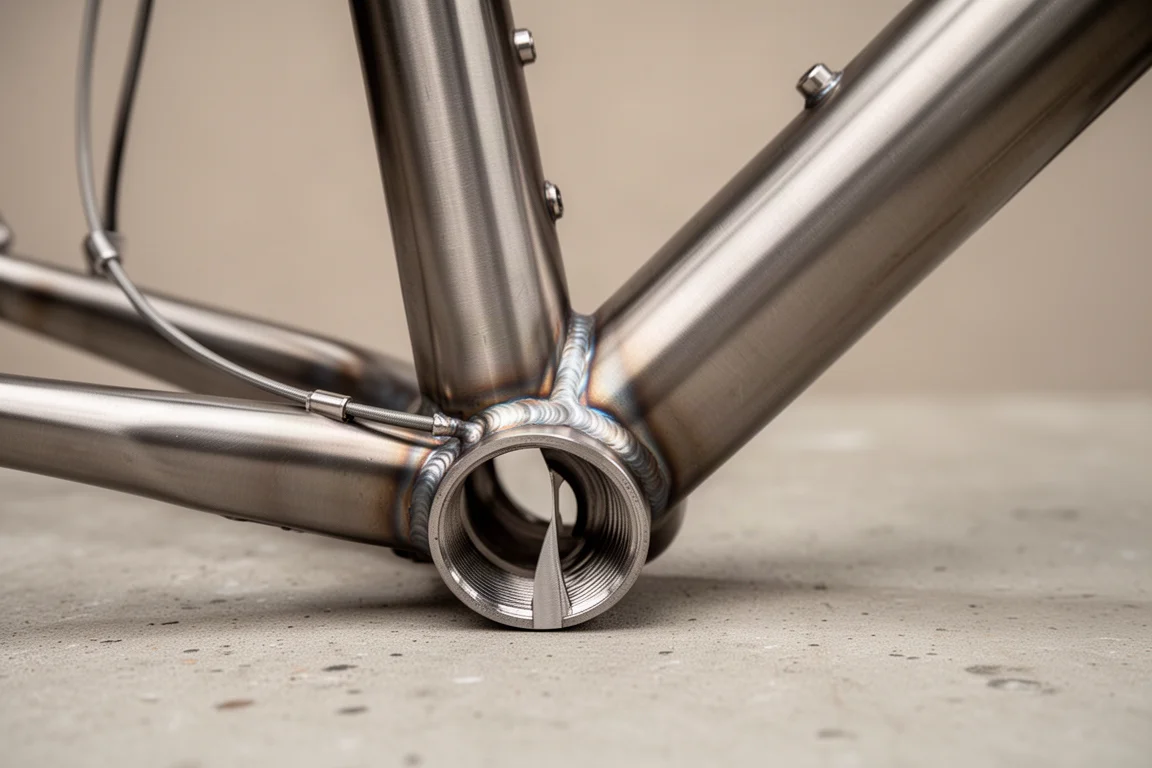
Small details are well considered too. The finish on the titanium frame is genuinely handsome, and the external routing for the brake cable will appeal to anyone who does their own maintenance.
Things to consider before buying
The most obvious consideration is weight. This build comes in at 11.5 kg. That is a large titanium frame with a lower-tier SRAM groupset, alloy bars, oversized wheels and wide tires, so the figure is respectable in context. For comparison, the metal Kinesis Tripster AT Plus in a similar size and similar build weighed 10.22 kg.
What matters more is that the extra weight is not obvious from the saddle. The bike feels light and lively, responds quickly to pedalling input, and the steering is nimble and reactive. The momentum of the big wheels masks the mass well.
The second consideration is the one that cannot be engineered around: sizing. Three sizes and a tall minimum rider height mean a large group of riders simply cannot buy this bike, however appealing the ride sounds. Availability at the time of writing is limited to those three frame sizes.
Finally, it is worth going in with realistic expectations about what big wheels do and do not change. They carry speed and smooth rough ground brilliantly, but they are not a shortcut to effortless climbing, and the improved cornering grip still relies on you committing to the line.
Buying advice
The Teredactyl is available as a rolling chassis, meaning frame set and wheels, for £3,490, which is just under $4,000. Alternatively, Singular will build a bike to your specification. The complete build described here would retail at around £7,600.
That puts the bike firmly at the premium end of gravel, which is unsurprising given the titanium frame, the custom tooling required for the wheel standard, and the fact that this is the first production example of its kind. What you are paying for is a genuinely new format that has been executed properly rather than a novelty.
If you are a tall rider with the budget and you want something that rides unlike anything else on the gravel market, the case is strong. If you are anywhere near the sizing boundary, speak to the builder before committing, because the geometry that makes this bike work is also the reason it cannot be made smaller.
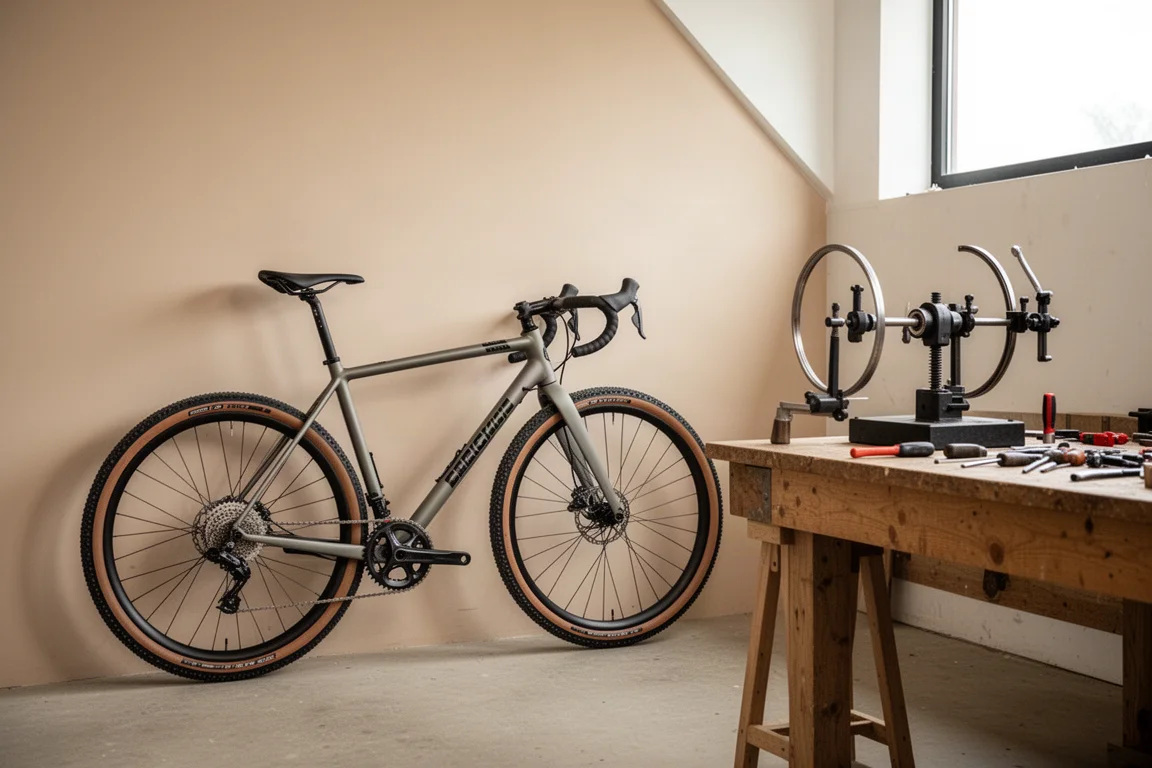
It is also worth remembering that being first often means later arrivals learn from your choices. Here, though, it is hard to find anything wrong with the bike in isolation. Anyone following with a 32-inch design will have to do something remarkable to beat how well this one rides.
Conclusion
The Teredactyl turns a sceptical idea into a convincing one. It is blisteringly fast, remarkably smooth, and far more agile than its wheel size should allow, and the geometry decisions behind it are sound rather than experimental. The cornering grip and the way it holds speed over rough ground are the parts that stay with you.
The caveats are real but narrow. It only comes in three tall sizes, and it sits at a premium price. Within those boundaries, this is a standout gravel bike and a rare example of a new format that arrives already sorted.
Product link
View more details for Singular Teredactyl
This product is mentioned in the review. Check the specifications, options, and compatibility before buying.
View more details for Singular TeredactylFurther reading
Related Reviews
Gravel Bikes
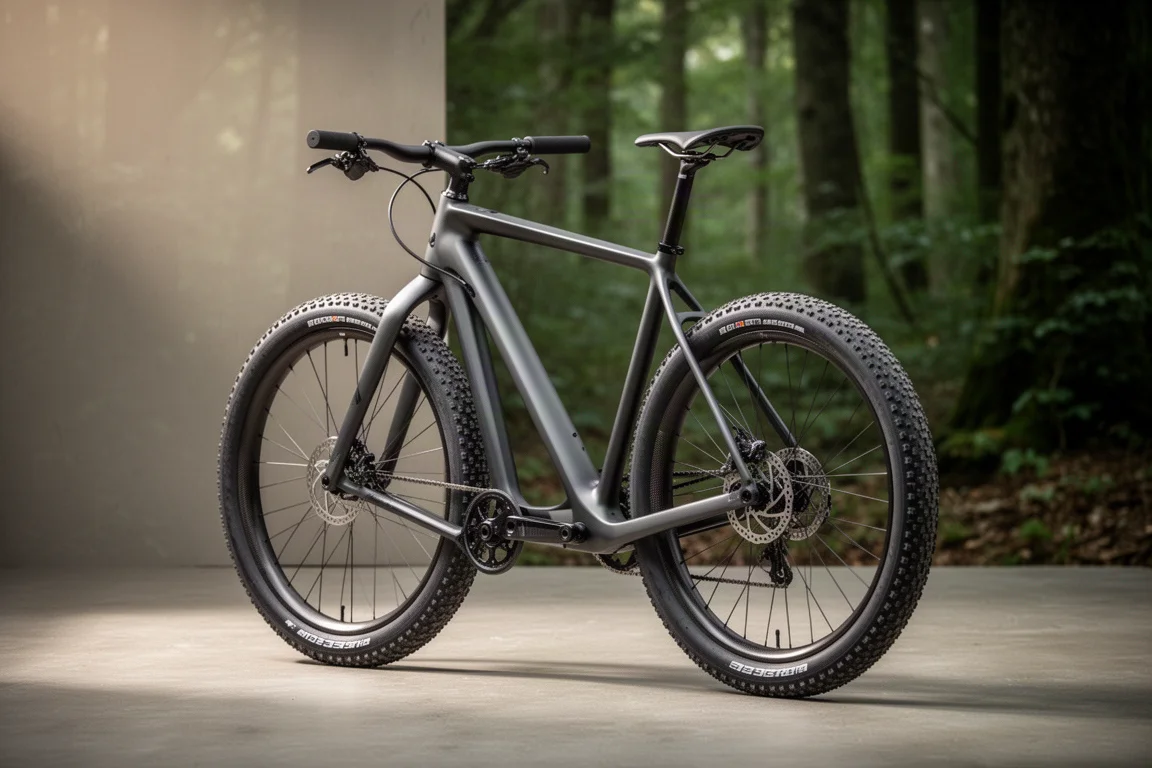
3T Exploro Ultra Review: A Fast Gravel Bike Built for Big Tyres
A close look at the 3T Exploro Ultra, an aero carbon gravel bike designed around wide tyres, with road-like handling, a 980 g frame and genuine rough-terrain capability.
Gravel Bikes
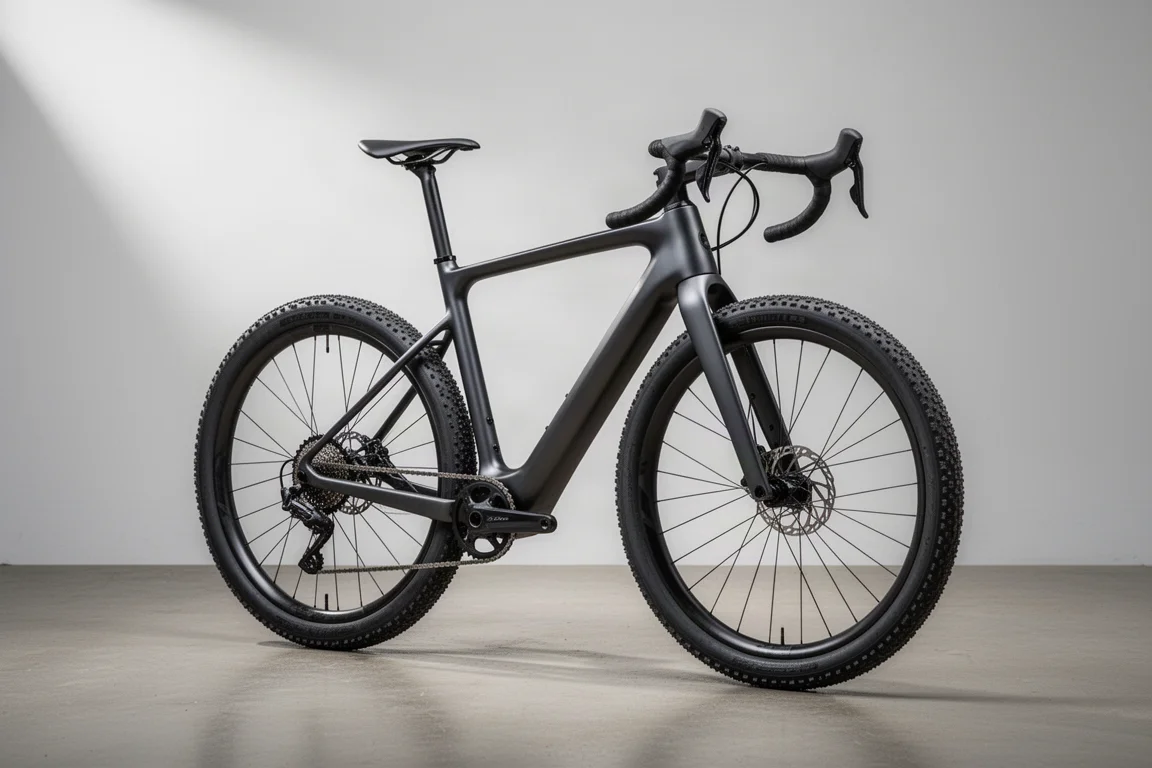
3T Extrema Italia Review: Aero Gravel Speed With Room for 57 mm Tires
The 3T Extrema Italia pairs an aero frame with huge tire clearance, Italian-made carbon and a more comfortable ride than the RaceMax. Here is what to know before buying.
Gravel Bikes
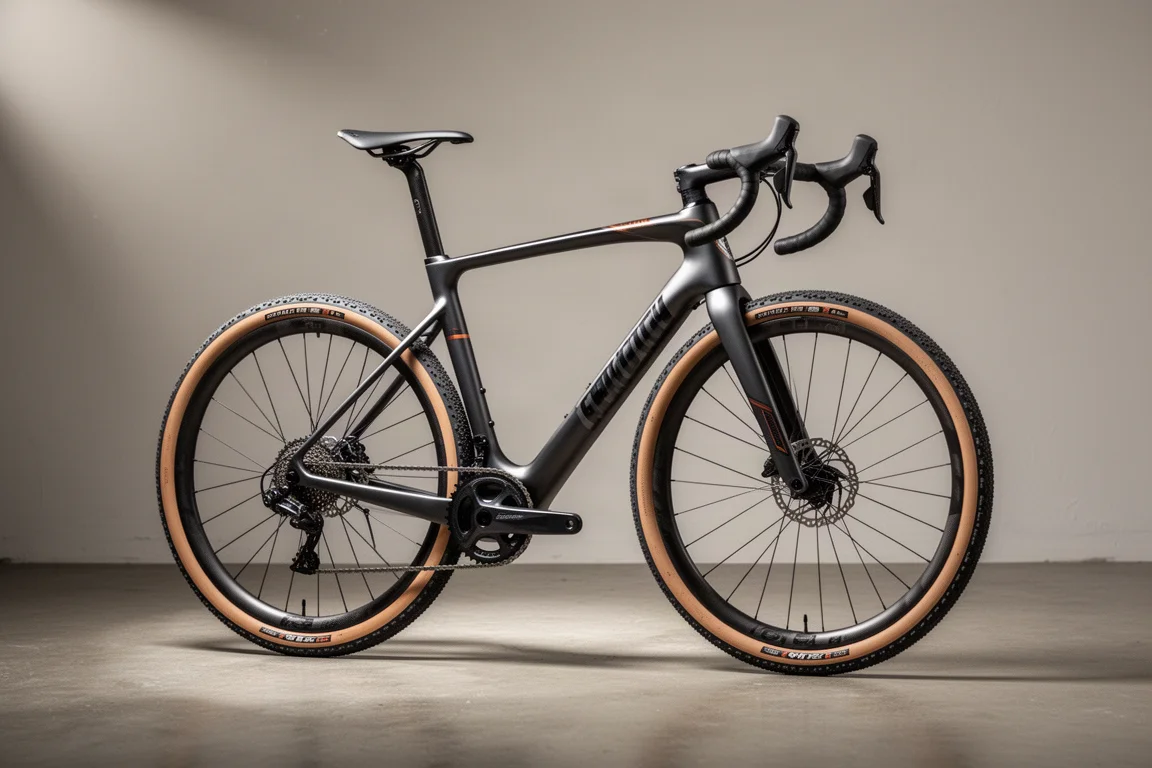
3T Race Max 2 Italia Review: An Aero Gravel Race Bike Made in Italy
A closer look at the second-generation 3T Race Max 2 Italia, covering its aero updates, ride character, tire clearance, internal storage and who it suits.