Outdoor Tools
Silky Outback Folding Saws: Three Sizes for Camp, Hunting, and Trail Work
The Bigboy 360, Gomboy 240, and Pocketboy 170 Outback saws share Japanese steel, a stealth blade coating, and smart ergonomics. Here is how to choose the right one.
Introduction
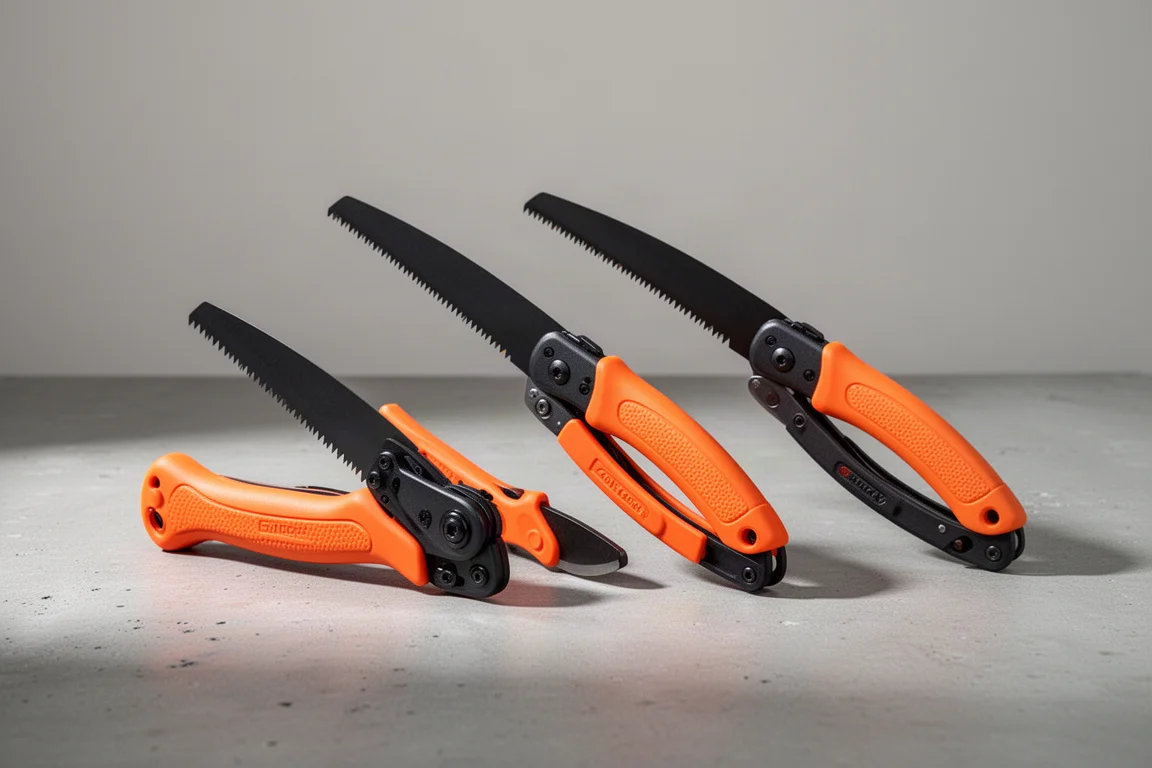
Silky has been quietly building a reputation among bushcrafters, hunters, and trail crews, and the Outback series is its most interesting line yet. The series now covers three folding saws: the Bigboy 360, the Gomboy 240, and the Pocketboy 170. All are Japanese made, use Japanese steel, and carry a distinctive black coated blade with bright orange handles.
We spent time with all three to understand where each one fits. The short version: they share the same core design philosophy but differ meaningfully in blade length, tooth pitch, and intended use.
What the Outback Series Shares
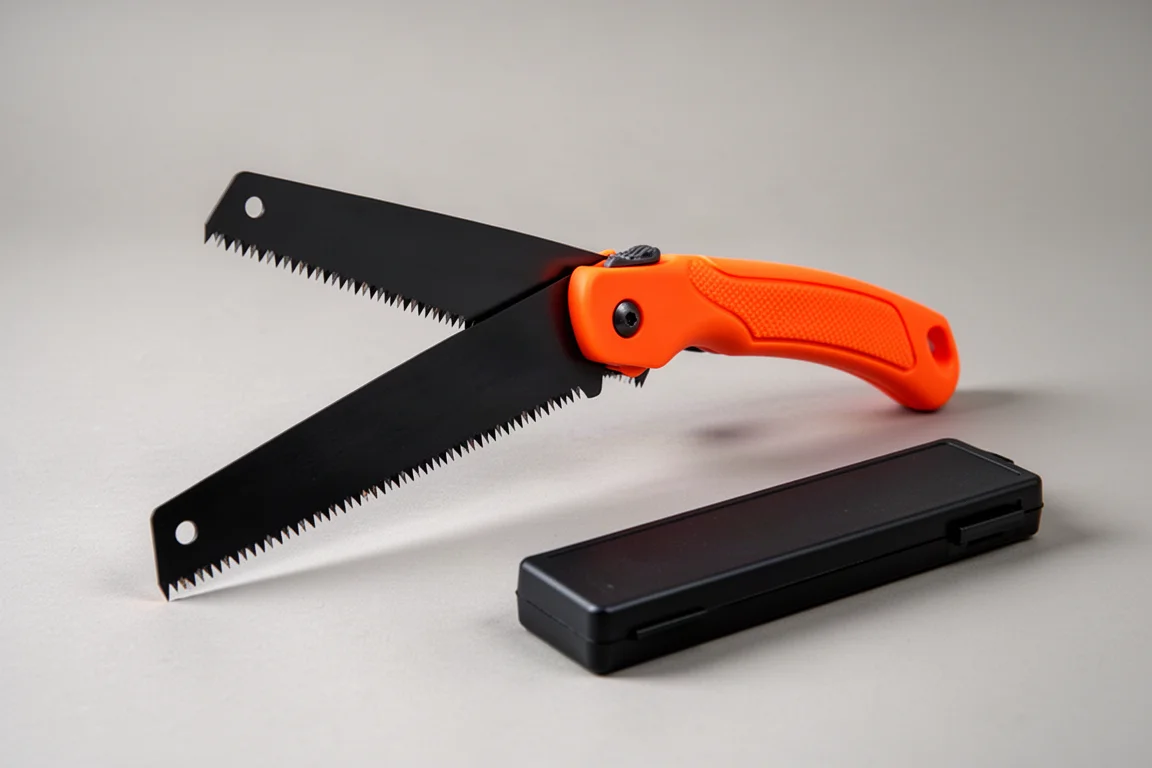
Every Outback saw is named by its blade length in millimeters: 360, 240, and 170. The frames use an aluminum construction with stainless steel hardware rather than the pressed steel and rubber over-mold found on many competing saws. The Outback line uses what Silky calls a composite or arborist grip, a harder material that does not transmit heat or cold easily, stays durable over time, and is more hygienic than softer rubber grips that can get tacky in heat or stiff in cold weather.
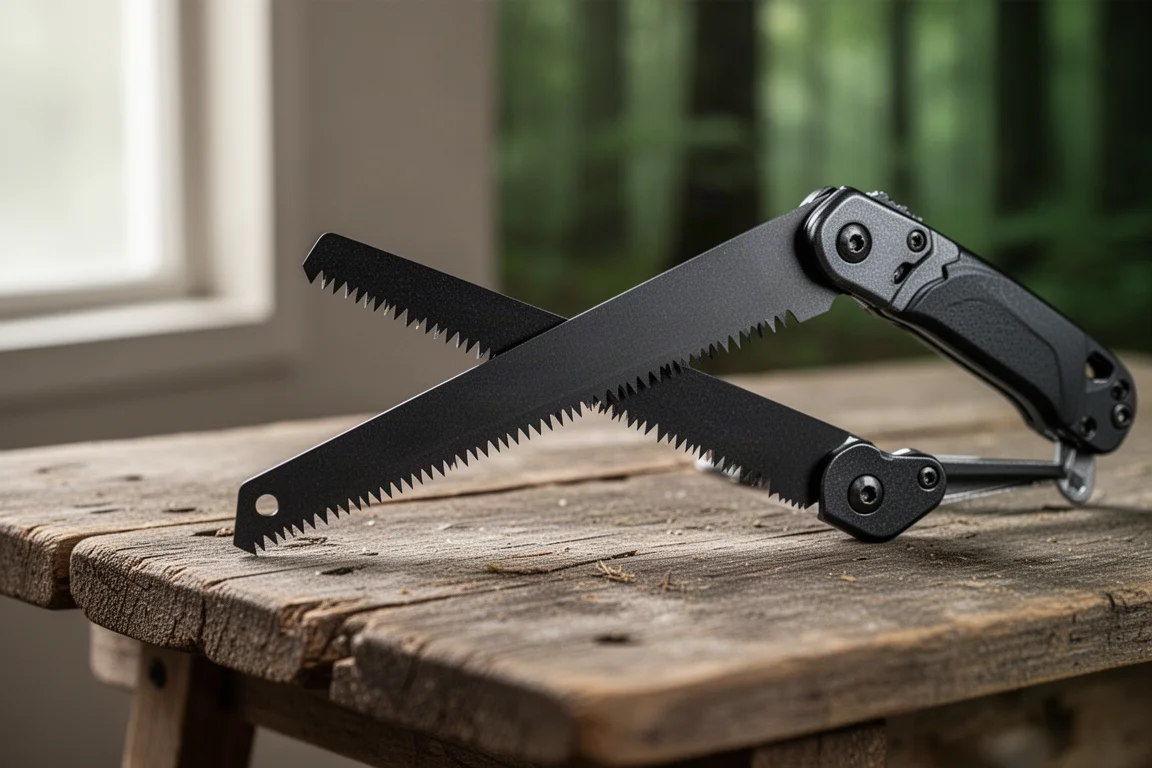
One of the smartest engineering details is the tapered blade. The spine measures roughly 1.1 millimeters thick while the cutting edge measures about 1.34 millimeters. That nearly three-tenths-of-a-millimeter difference means the blade moves more freely inside the kerf and resists pinching when the wood swells or shifts under cutting pressure. It is a subtle feature that makes a noticeable difference in longer cuts.
All three saws also feature a two-position blade lock on the spine. The first notch offers a traditional, predictable cutting angle. The second notch angles the blade further, which is useful for flush cuts at ground level or cutting roots because it lifts your hand up and out of the way of the workpiece. Replacement blades can be ordered separately and swapped in by removing the central pivot screw.
Silky Outback Bigboy 360: The Heavy-Duty Option
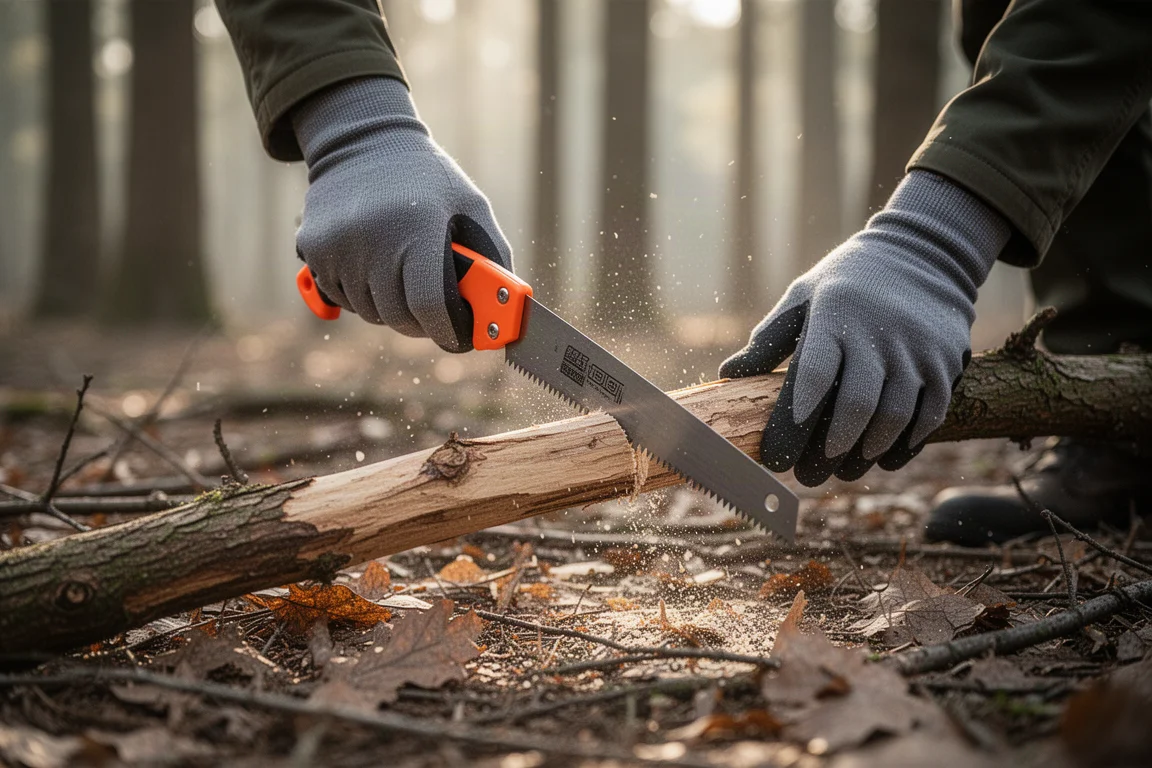
The Bigboy 360 is the largest of the three, with a 360 millimeter blade and 6.5 teeth per inch, the coarsest pitch in the group. That coarse tooth set is aimed at fast, aggressive cutting through larger wood, which suits camp processing and bigger storm damage cleanup.
The Bigboy 360 also ships with a fabric zippered bag rather than the plastic case used by the smaller models. The bag has plenty of room inside, enough to store all three Outback saws together if you want to carry them as a set. Prices have fluctuated significantly on the market, with listings at times exceeding $150, so it pays to watch for a fair deal rather than overpaying.
Silky Outback Gomboy 240: The Middle Ground
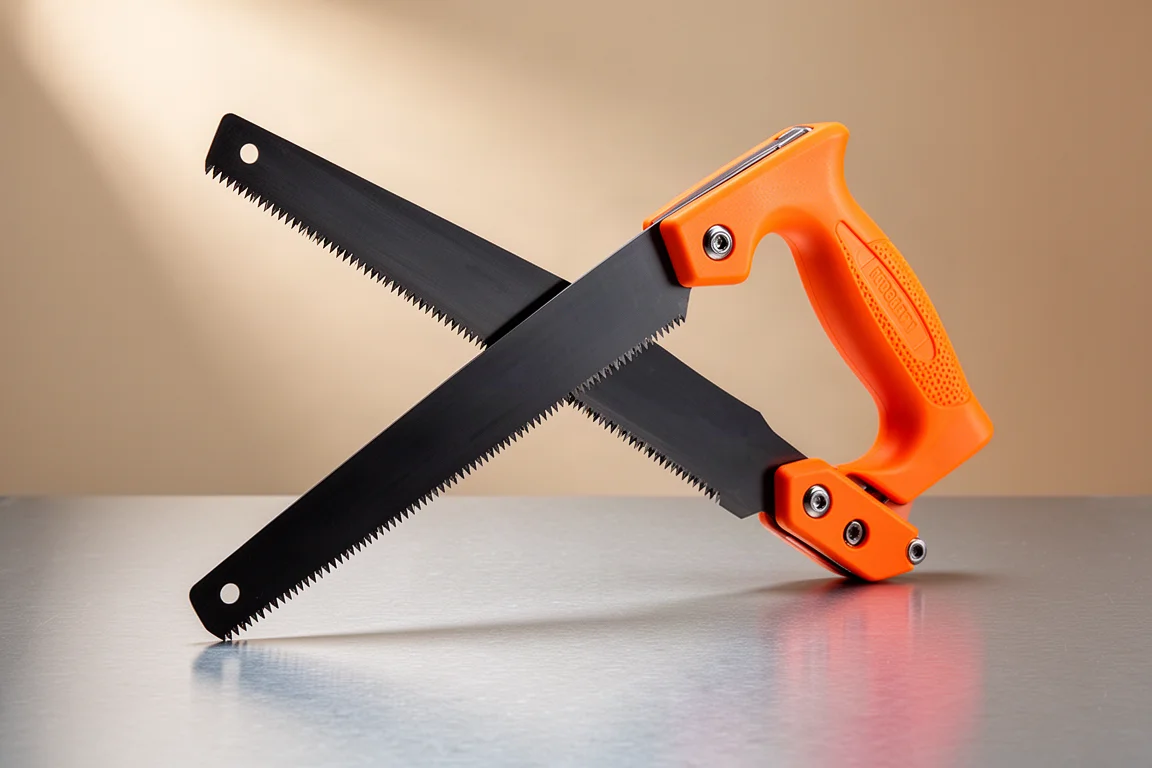
The Gomboy 240 sits in the middle with a 240 millimeter blade and 8 teeth per inch. That tooth pitch gives it a good balance between cutting speed and finish quality, making it a versatile pick for general camp duties and trail maintenance.
Silky also makes curved blade versions in this size range. A curved blade tends to anchor itself better on a branch or round wood, staying centered during cuts, which is especially useful when reaching up into trees. The Gomboy 240 Outback uses the same aluminum frame, stainless hardware, and composite grip as its siblings, and comes with a plastic storage case that clips onto a belt. The belt loop attachment requires removing the case from the belt before it opens, an unusual but deliberate security detail.
Silky Outback Pocketboy 170: Small Saw, Fine Teeth
The Pocketboy 170 is the smallest of the three with a 170 millimeter blade and, notably, 10 teeth per inch. That fine pitch places it in what Silky describes as bone-saw territory, since ten or more teeth per inch is fine enough to cut through bone from big game. Silky explicitly markets this saw for both the hunting realm and the wood processing realm, which is exactly how many owners will use it.
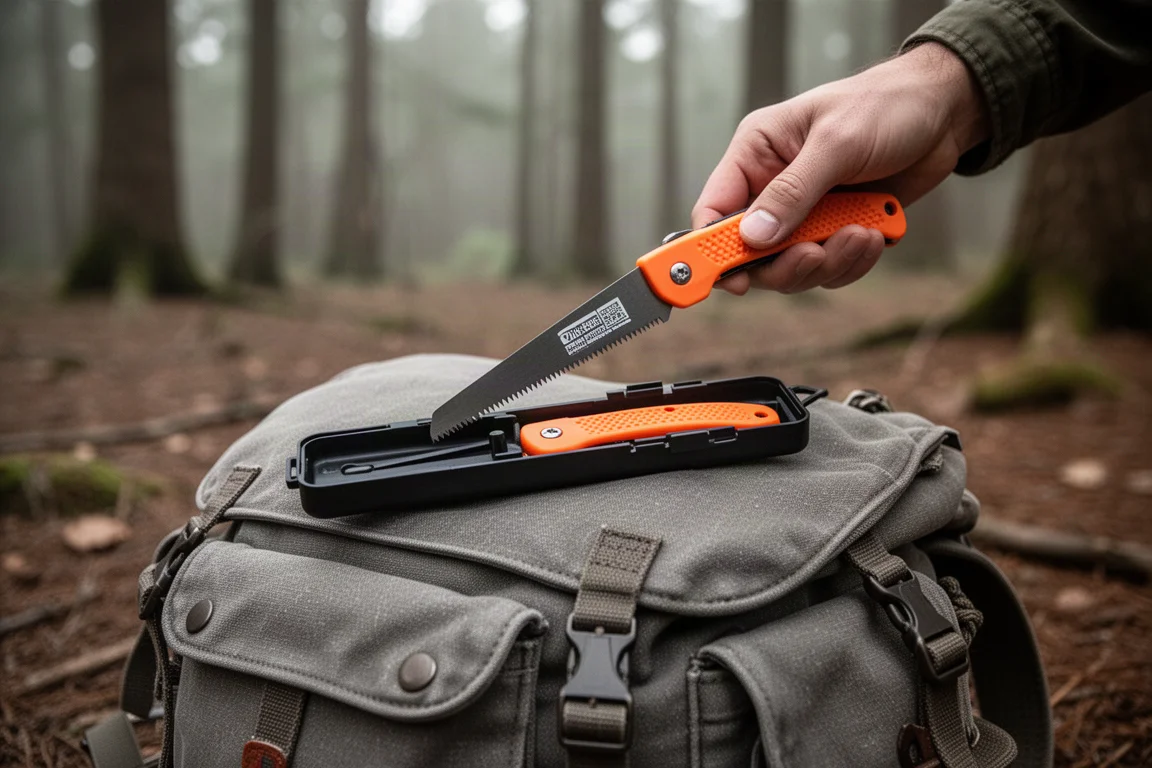
Because the fine teeth are aimed at harder material and bone work, this is the saw we would hand to a hunter who also wants a capable camp saw. Like the Gomboy, it ships in a plastic case. Silky does not currently offer an Outback version of the even smaller 130 millimeter Pocketboy, which is a gap some users would like filled.
The Stealth Coating Story
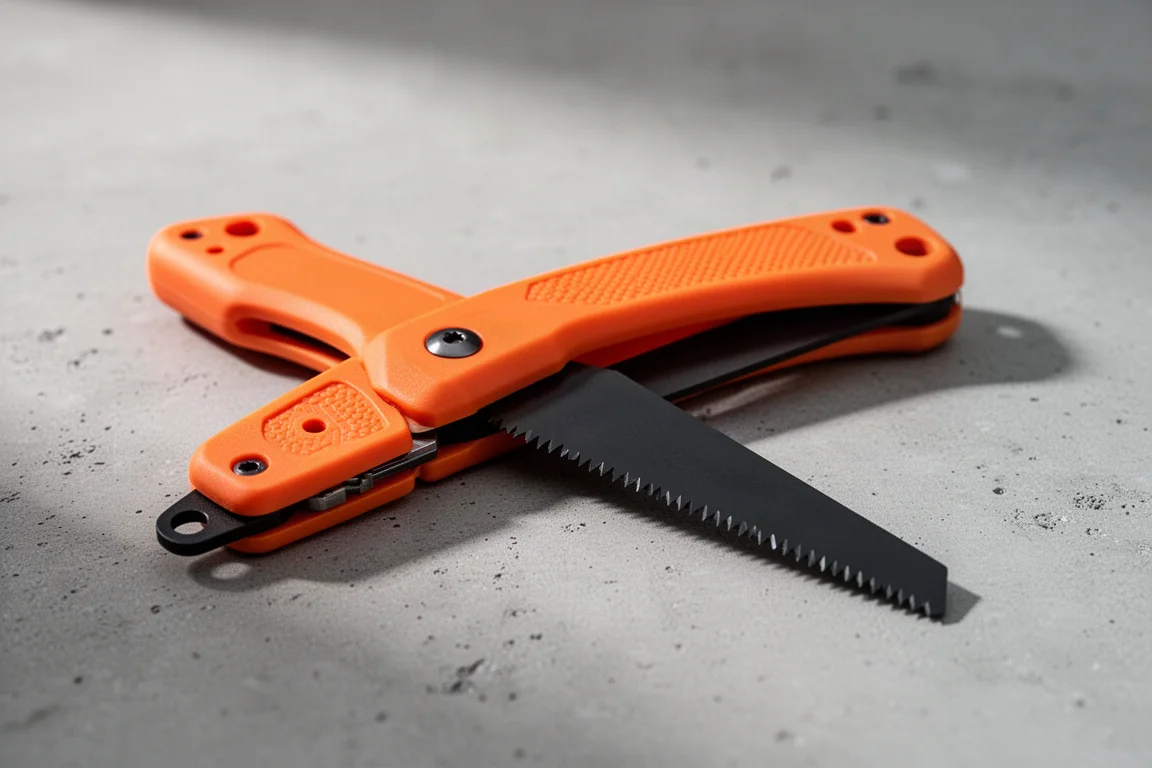
Every blade in the Outback series carries a nickel-tin black coating. Silky describes it as strengthening the blade and improving cutting performance, but the packaging goes further, noting that the black low-reflection blade “allows for stealth low impact activities.” The low visual signature is a deliberate selling point for hunters and anyone who prefers gear that does not glint in daylight. The bright orange handles seem contradictory at first, but they make the saw easier to find if dropped, and the black blade keeps the reflective signature down where it matters.
Which Silky Outback Saw Should You Buy?
Pick the Bigboy 360 if you process larger wood at camp or want the most cutting capacity. Pick the Gomboy 240 if you want one saw that handles general trail work and camp duties well. Pick the Pocketboy 170 if you hunt big game and want a saw that doubles for wood cutting, or if you simply want the smallest, lightest option for a pack.
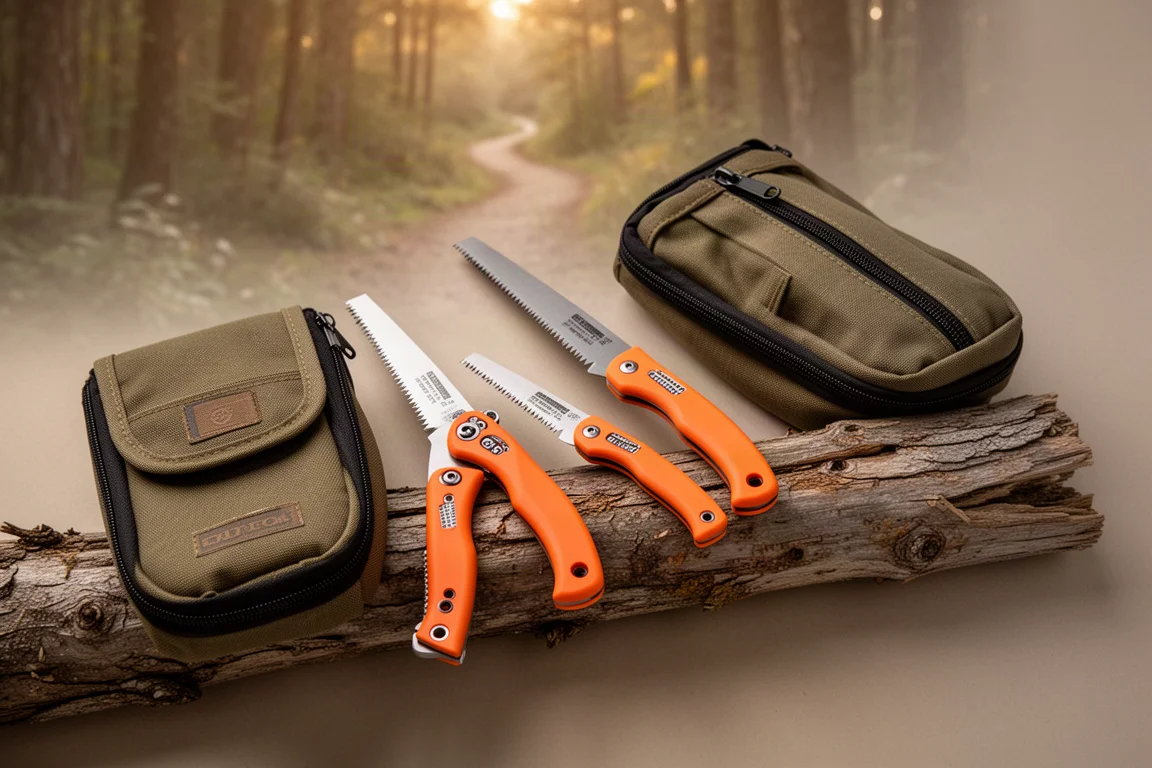
If you can only carry one, the Gomboy 240 is the easiest all-rounder. If weight is no object and you cut big wood regularly, the Bigboy 360 earns its place. The Pocketboy 170 is the specialist of the group and the clear pick for hunters.
Conclusion
The Silky Outback series is well thought out across the board: Japanese steel, tapered blades that resist pinching, two-position blade locks, composite grips that handle temperature swings, and a low-visibility black coating. Match the blade length and tooth pitch to your primary use, and any of the three will be a dependable addition to a pack or camp kit.
Further reading
Related Reviews
Outdoor Tools
Bahco Laplander Folding Saw Review: The Compact Saw That Keeps On Cutting
A detailed look at the Bahco Laplander folding saw, covering its build, cutting performance, blade replacement costs, and who should carry one.

Outdoor Tools
Patoolio C1 Leaf Blower Review: A Cordless Option With Five Speeds and Turbo Mode
A practical look at the Patoolio C1 20V cordless leaf blower, covering its five speed settings, turbo mode, battery life, and real-world performance.
Outdoor Tools
Best Pulaski Tools 2026: Warwood 36-Inch vs Barco Forest Service Supply
Two USA-made Pulaski tools compared: a new Warwood 36-inch with the standard Forest Service head, and the Barco FSS that has earned years of hard use.