Outdoor Tools
Silky Folding Saws Compared: BigBoy Outback 360, Pocketboy 130 and 170, and BigBoy 240 Outback
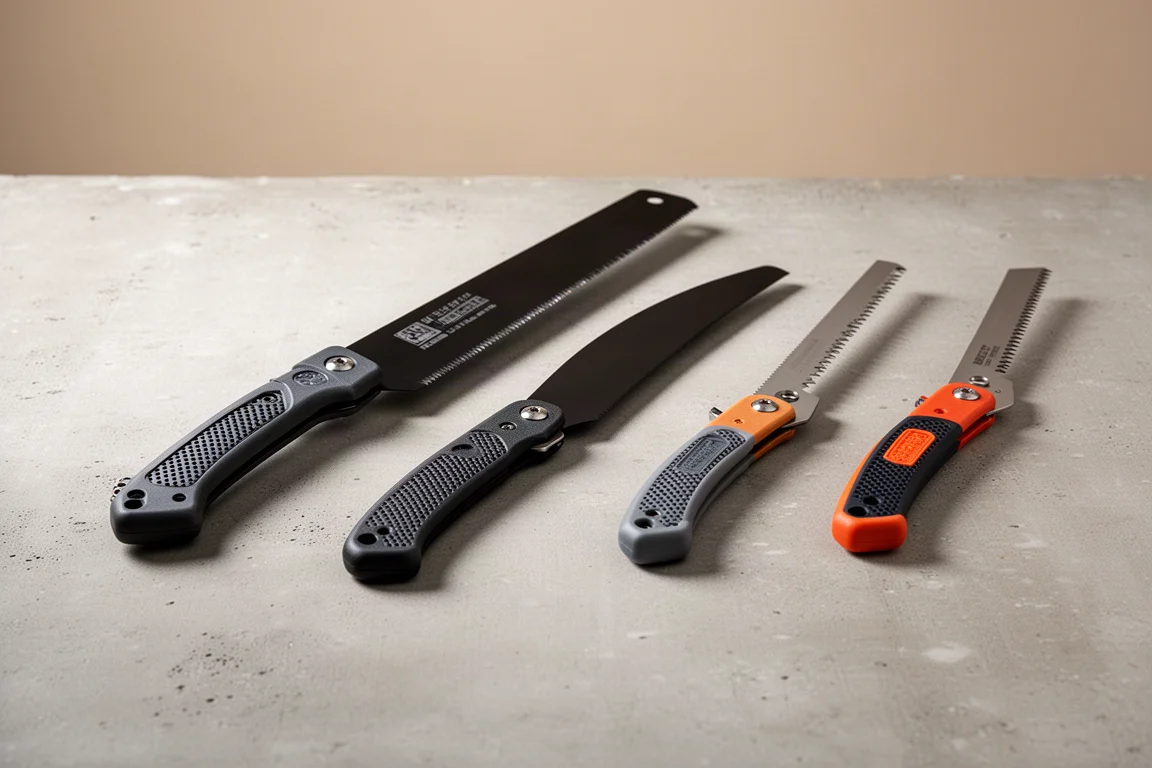
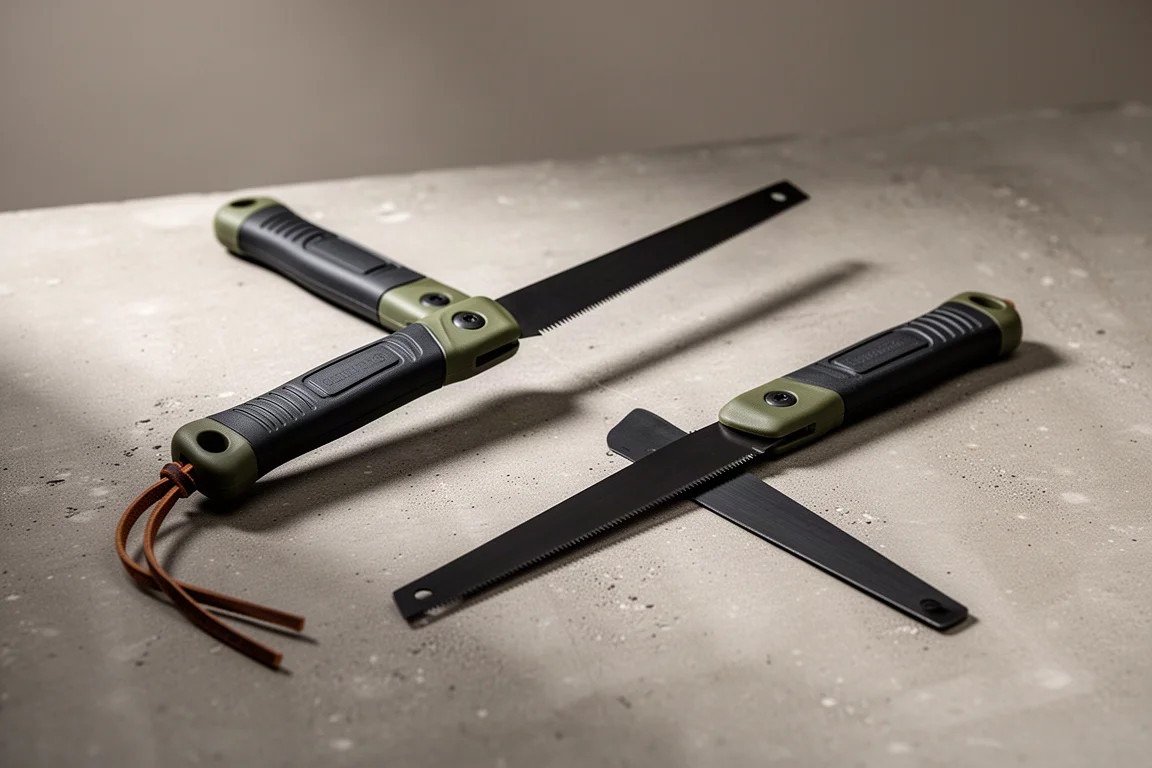
Four Silky folding saws compared, including the new Outback Edition with its black low-reflection coating and composite grip.
Introduction
Silky has earned a reputation as one of the best makers of folding saws and arborist tools, and for anyone who spends serious time outdoors and needs to process wood beyond what a hatchet can handle, a Silky saw is hard to beat. The new Outback Edition adds a black low-reflection coating, a harder composite grip, and a stealth-oriented finish to the already excellent standard platform. In this guide we compare four models: the BigBoy Outback Edition 360, the compact Pocketboy 130 and 170, and the BigBoy 240 Outback Edition with its curved blade.
Why Silky Saws Stand Out
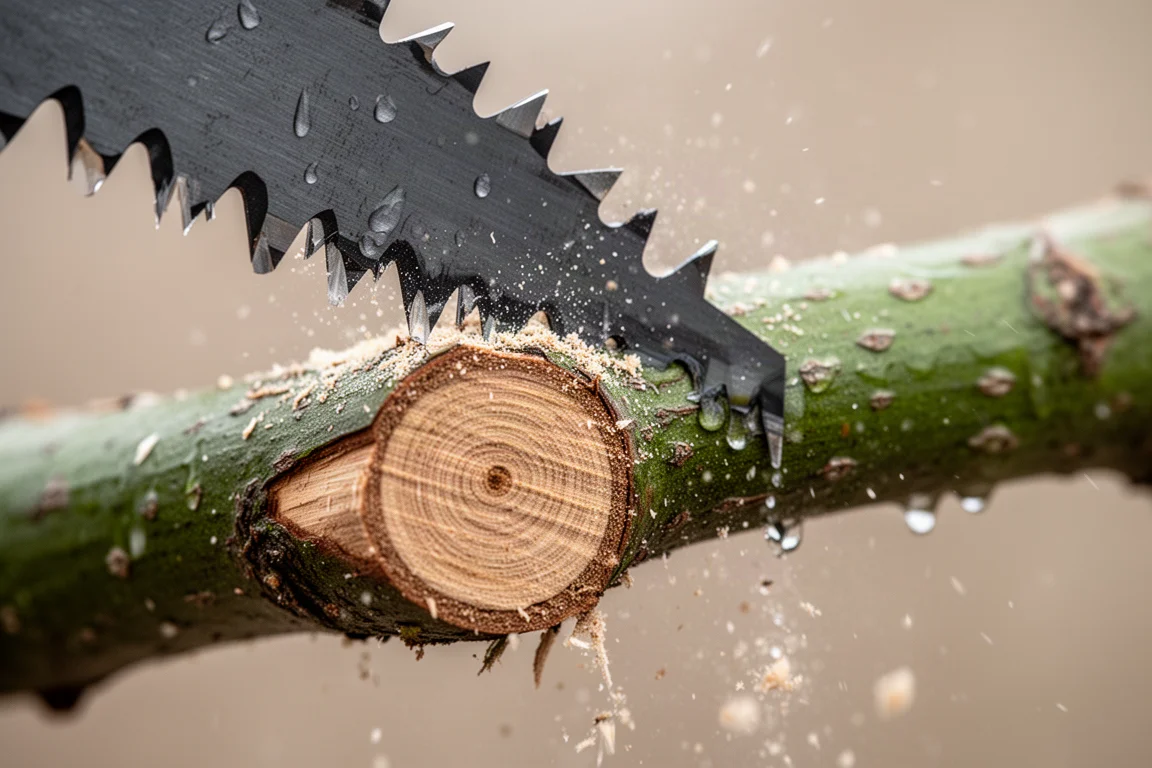
Silky saws cost roughly twice as much as quality budget options like the Bahco Laplander, but the cutting performance justifies the gap, and they outperform nearly every saw below that tier. The teeth are the headline feature: uniquely shaped, impulse-hardened, and non-set, which means the cut stays clean and wood debris does not clog the gullets the way it does on many other saws. They cut wet wood well and hold their sharpness remarkably over time.
Handle color generally indicates the teeth-per-inch configuration, with coarse versions favored for processing thicker wood and fine and medium options available for cleaner, smaller cuts. Blades are also tapered, thinner at the spine than at the teeth, so the kerf stays wider at the cutting edge than at the top of the blade. That taper prevents the saw from pinching in the cut, a small detail that makes a real difference on larger rounds.
Silky BigBoy Outback Edition 360
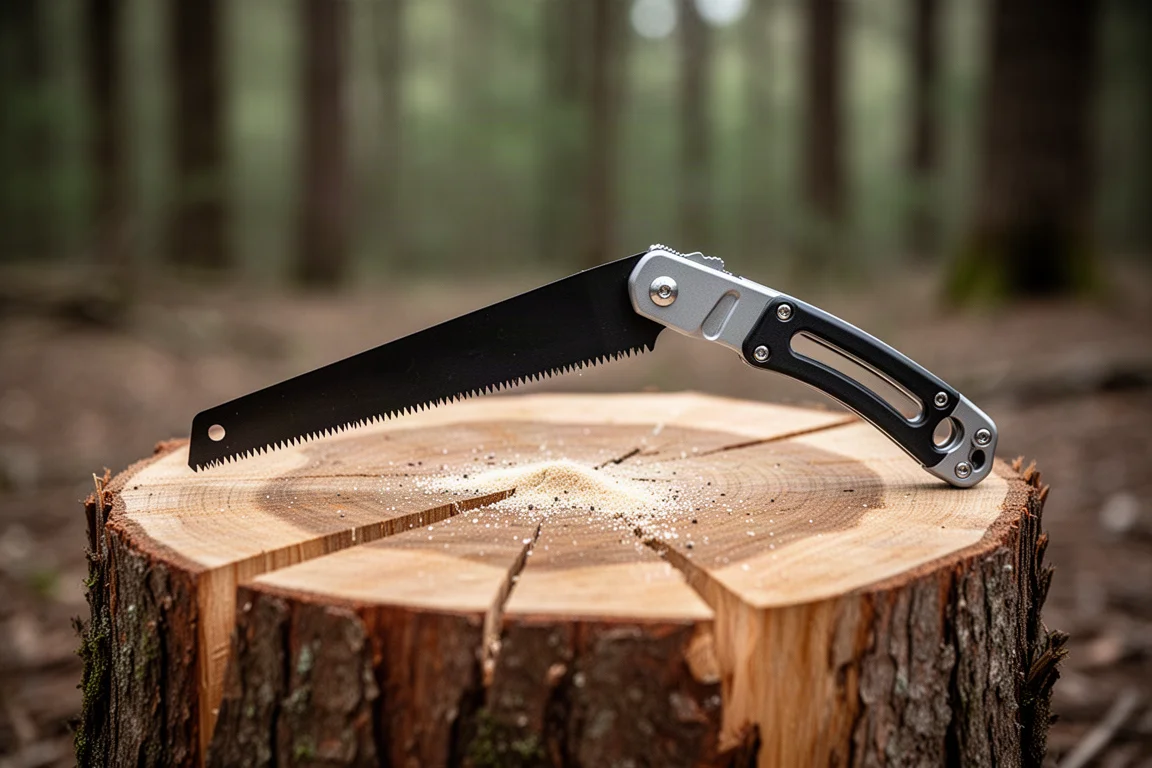
The BigBoy Outback Edition 360 is the 360 millimeter blade version of the Outback line and the largest model covered here. Beyond the standard Silky strengths, the Outback treatment brings a nickel-tin blend plating that Silky describes as providing longer blade life and improved cutting performance, plus a black low-reflection finish aimed at low-impact, stealth-oriented use. The grip is a harder composite material rather than the rubberized over-mold found on traditional Silky handles, which should hold up better and perform more reliably in cold and wet conditions.
Made in Japan from Japanese steel, the 360 is a serious saw for limbing and processing larger wood. Pricing is worth watching: retail sits around $85, but marketplace prices have ranged from $85 to as high as $150 depending on demand. Unless you genuinely need it right away, it is worth avoiding paying much over $100.
Silky Pocketboy 130 and 170
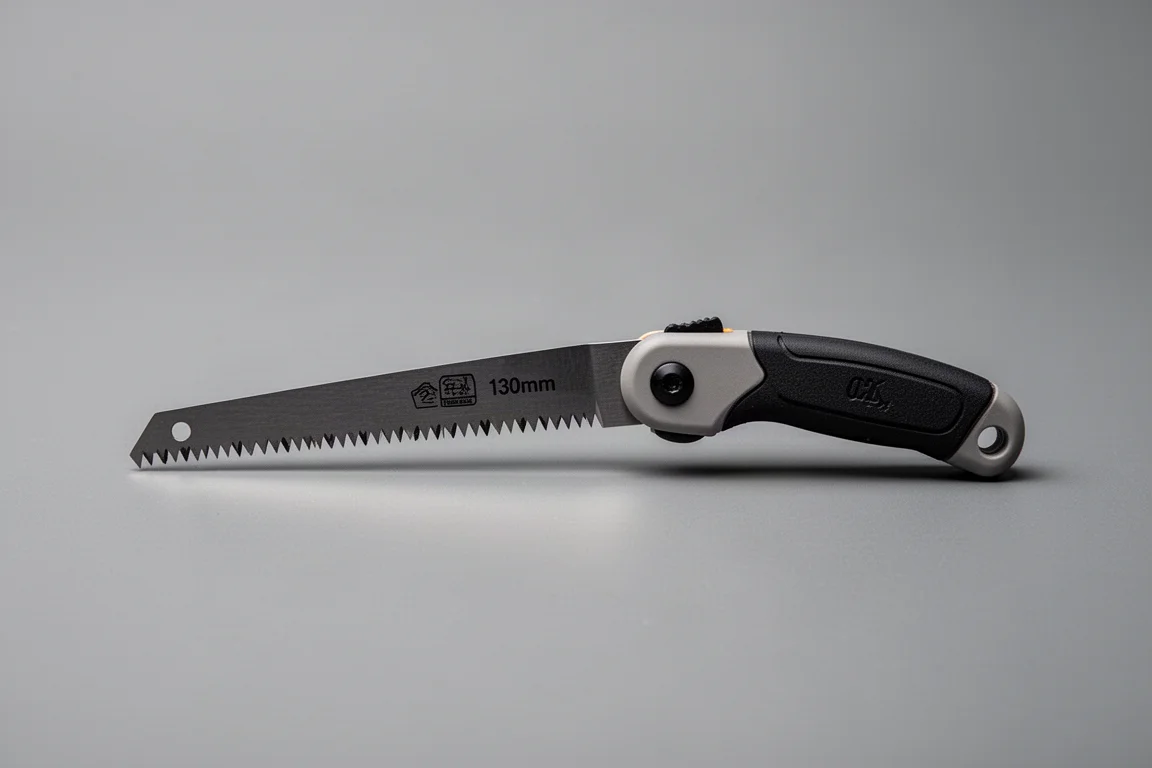
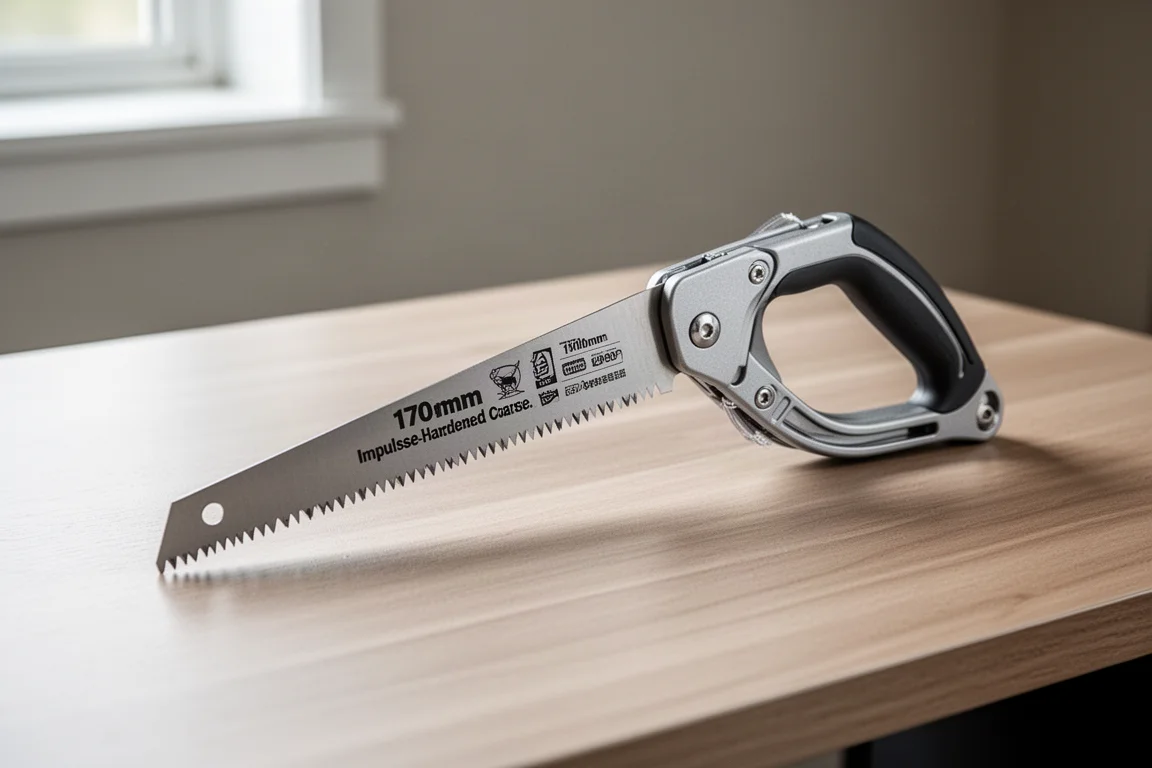
The Pocketboy line packs Silky’s same tooth technology into a much smaller folding format. The 130 millimeter version is the most compact of the group and is easy to keep in a pack or vehicle kit, while the 170 millimeter version adds extra reach for slightly larger branches without giving up much portability.
These small saws are genuinely versatile. They work well for overlanding and camping tasks, and replacement blades are inexpensive and simple to swap: remove a screw, drop in the new blade, and reassemble. One owner reported picking up a used Pocketboy handle for about a dollar at a pawn shop, adding a new 170 millimeter blade, and ending up with a fully functional saw for a little over $10 total, which illustrates how serviceable and repairable this platform is.

Silky BigBoy 240 Outback Edition
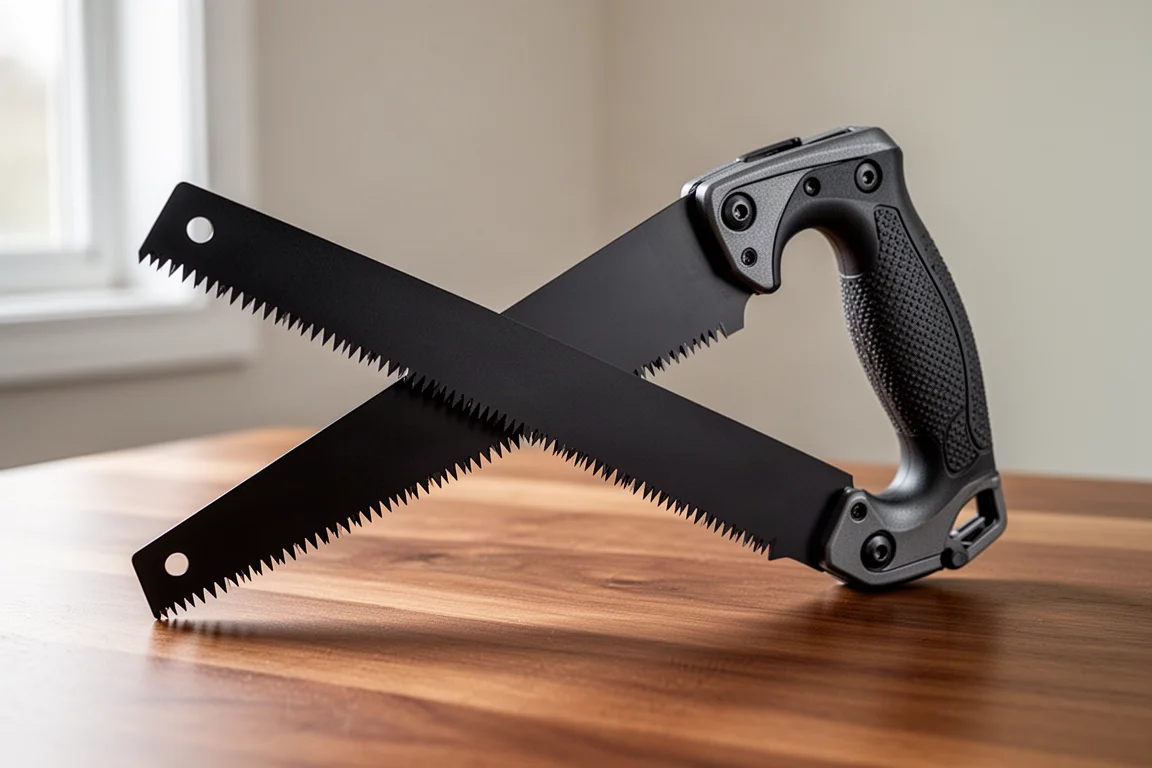
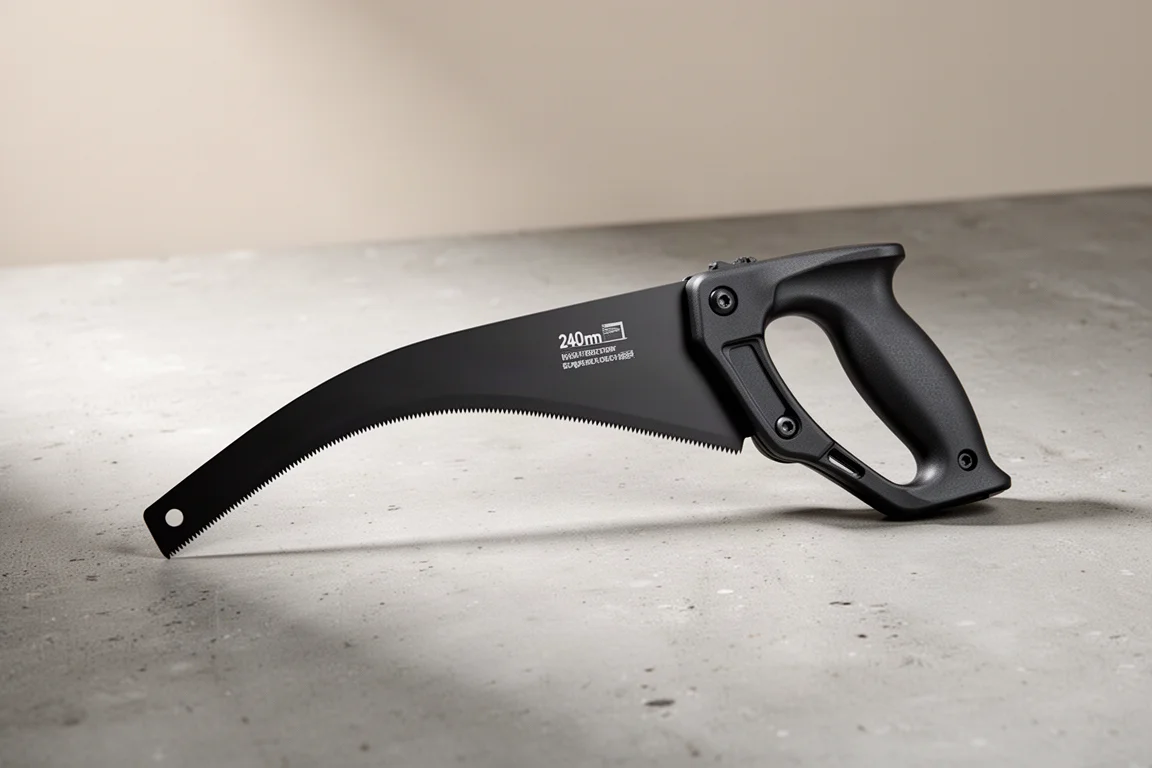
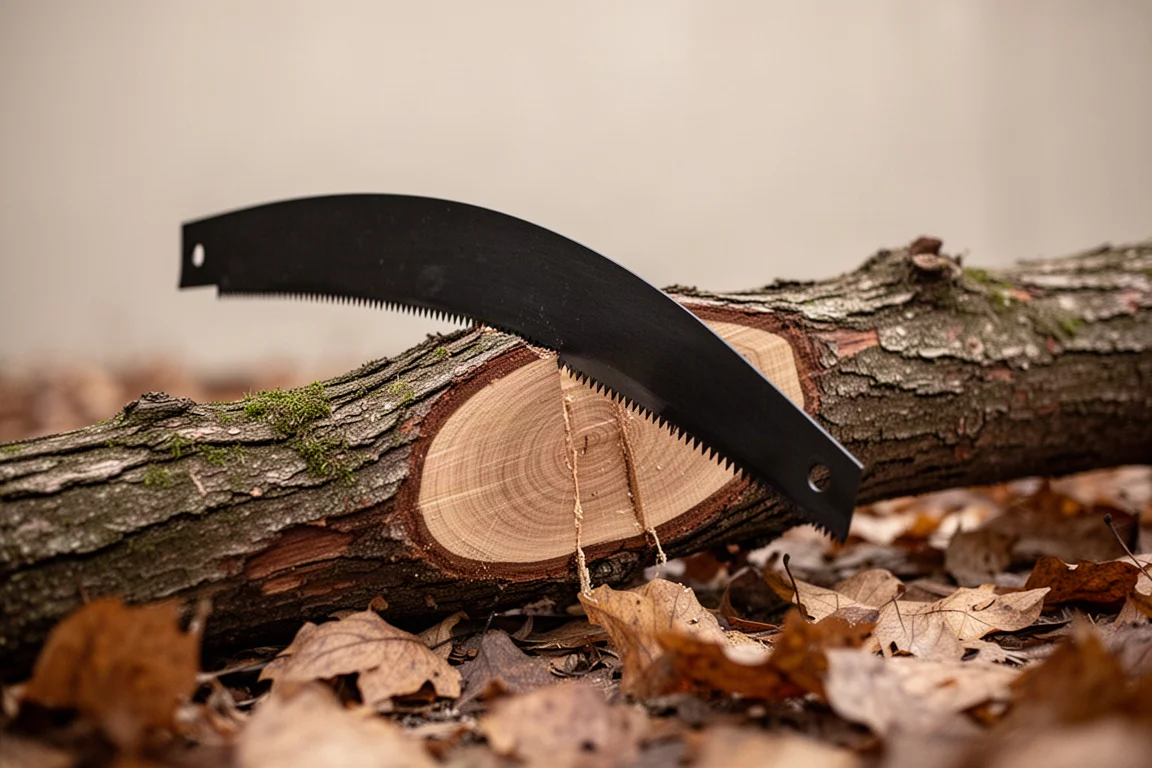
The BigBoy 240 Outback Edition takes the same Outback coating and grip package and pairs it with a 240 millimeter blade. The version covered here uses a curved blade rather than a straight one, and that curve is the point: when working on a branch or a larger round, a curved blade stays in the cut far better than a straight blade, which tends to want to wander out of the kerf.
The folding handle also offers two opening positions, a straighter stance and an offset click that increases the effective arc of the blade. Combined with the tactical matte finish, the 240 Outback is a strong middle ground between the compact Pocketboys and the full-size 360, and it suits camp use and overlanding especially well. Note that Outback models have seen backorders, so availability can be inconsistent.
Buying Advice: Choosing the Right Size
Match the saw to the wood you actually cut. If you mostly process small branches and want something that disappears into a pack, the Pocketboy 130 or 170 covers it. If you are limbing trees, cutting firewood rounds, or working larger stock, the BigBoy platform earns its size, with the 240 curved blade being an excellent all-round choice and the 360 for the biggest jobs. All Outback models share the same black coating and composite grip, so the choice within that line comes down mainly to blade length.
Two practical notes on price. The larger Silky saws above the BigBoy climb steeply in cost, with the next size up running into the several-hundred-dollar range and the very largest folding saws reaching four figures. And on pricing generally, the Outback models have been volatile, so patience can save you meaningful money on any of these.
Conclusion
Silky remains the benchmark for folding saws, and the Outback Edition adds genuine durability upgrades in the coating and grip rather than gimmicks. The BigBoy Outback 360 suits heavy wood processing, the Pocketboy 130 and 170 cover compact everyday carry, and the BigBoy 240 Outback with its curved blade is arguably the most interesting all-rounder of the group. Pick the blade length that matches your typical cutting tasks and you will not be disappointed with any of them.
Further reading
Related Reviews
Outdoor Tools
Bahco Laplander Folding Saw Review: The Compact Saw That Keeps On Cutting
A detailed look at the Bahco Laplander folding saw, covering its build, cutting performance, blade replacement costs, and who should carry one.

Outdoor Tools
Patoolio C1 Leaf Blower Review: A Cordless Option With Five Speeds and Turbo Mode
A practical look at the Patoolio C1 20V cordless leaf blower, covering its five speed settings, turbo mode, battery life, and real-world performance.
Outdoor Tools
Best Pulaski Tools 2026: Warwood 36-Inch vs Barco Forest Service Supply
Two USA-made Pulaski tools compared: a new Warwood 36-inch with the standard Forest Service head, and the Barco FSS that has earned years of hard use.