Snowboarding
Signal Compass Snowboard Review: Catch-Free Fun with a Few Trade-Offs
A closer look at the Signal Compass, a soft, 3D flat-camber snowboard built for catch-free rail riding and surfy carving.
Introduction
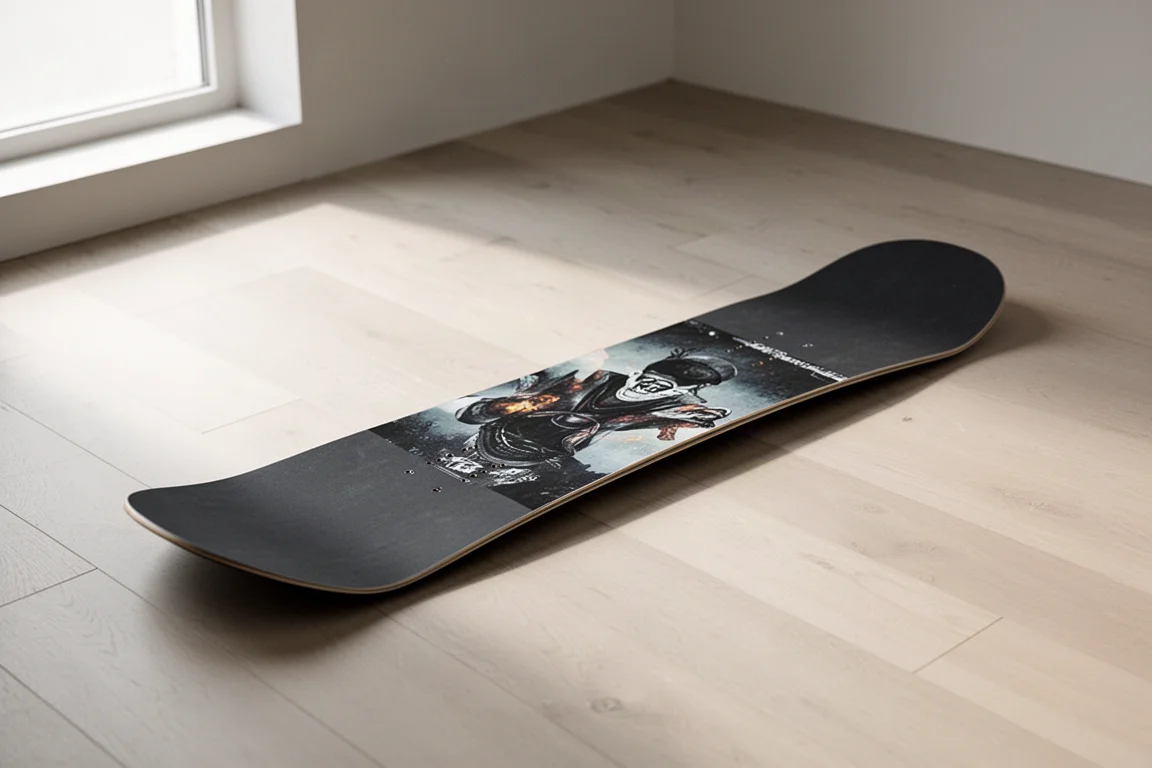
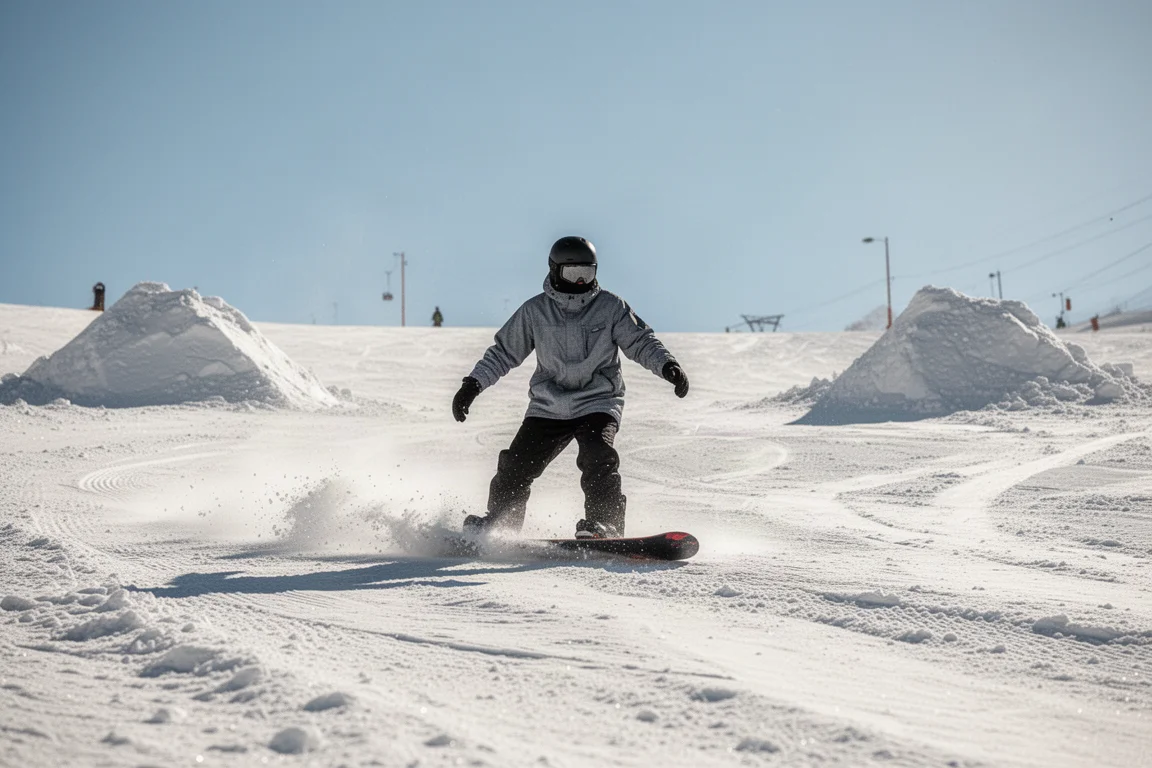
The Signal Compass is built around one clear idea: make rail riding as forgiving as possible. It uses Signal’s 3D flat camber profile, which combines a flat camber line with a 3D base shape running from nose to tail. The flat camber delivers pop, stability, and drive, while the 3D underneath makes the board more catch-free on rails and easier to roll edge to edge. It is offered in 147, 153, and 156, and this review is based on a day riding it at Copper Mountain on a sunny, fast, slushy spring day with RideFuse boots and Jones Mercury Phase bindings.
How It Rides on the Mountain
Overall flex sits softer than the middle of the road. Because there is no camber in the board, it does not take much effort to flex into it, and the flex feels fluid and consistent since there are no hybrid profiles interrupting the flat line. Foot steering feels similar to or slightly softer than expected, but nothing extreme.
Stability is where the 3D base cuts both ways. Flat basing, the board tends to wander and wants an edge engaged most of the time. Since it is fairly soft torsionally, keeping an edge set is manageable, but the Compass is clearly on the lively side rather than the damp side. Firm, shaded sections were felt through the board, and jumps were the weakest area: letting the lip do the work felt unpredictable and washy, landings required hard edge setting to avoid drifting or catching, and it did not inspire much confidence in the jump line. Popping off rollers and side hits worked better, as long as an edge was set first.
Buttering and Rail Performance
Buttering is not the most precise affair on this board. It is very catch-free, which makes it easy to drag the nose and tail around, but holding an edge while sideways on the nose or tail to pop and spin out takes extra effort. There is a slight pop out, though you will want to help it along when spinning out of butters.
Rails and ledges are the best facet of this board. Sliding sideways is completely catch-free with no problems from edges digging in, and presses feel like a normal snowboard since edges are not in play on a rail. In one memorable moment, a boardslide popped back onto the rail instead of washing out, storing up energy and springing the rider comfortably back on to keep sliding. Between the feet it can get a little bouncy, but slide it normally and it performs extremely well.

Carving: Surfy Rather Than Precise
Carving on the Compass is genuinely fun, especially in slushier, softer snow. It rides a bit like a wakeboard: lean it over and trust it to hold. The 3D base naturally wants to roll edge to edge, so short, quick carves are easy and totally fine. Medium and longer carves work well at lower speeds and with real commitment to the edge, but pushing it too fast makes the board skip out rather than holding a clean line. Euro carves are not its strength, and precision overall is not the point here. Think butter knife rather than steak knife: loose, surfy, and forgiving rather than razor sharp.

Who the Signal Compass Is For
The Compass is aimed at riders who want to get on rails with minimal consequences, particularly those learning to ride rails without dealing with the edge catches and slams that used to come with the territory before 3D bases. It also suits riders who spend most of their time in soft, wet snow, think California and Big Bear conditions, where heavy edge control is less critical and a board that can slide steel and surf out soft snow is exactly what is needed.

Buying Advice
If precision, damping, and jump confidence top your list, this is not your board. But if catch-free rail laps and surfy carves in soft snow sound like your season, the Compass delivers on exactly what it promises. It is notably better than other boards with a full-length 3D base, and comparable options worth cross-shopping include the Bataleon Disaster Plus, the Rome Mechanic, and the GNU Finest. Recommended pairings mentioned alongside it are the Union Ultra, Ride Spectre, and Salomon District bindings.
Conclusion
The Signal Compass is a solid, catch-free jib board that does its one job very well. It is not built for riders chasing precision, handling, and big pop off jumps, but for the soft-snow rail rider it is made for, it is a genuinely good choice and arguably the best execution of the full-length 3D base concept around.
Product link
View more details for Signal Compass
This product is mentioned in the review. Check the specifications, options, and compatibility before buying.
View more details for Signal CompassFurther reading
Related Reviews

Snowboarding
2025 Snowboard Gear List: Five Picks That Earned Their Place on the Mountain
From Zeiss-lens goggles to a hybrid step-in binding, here are five pieces of 2025 snowboard gear that held up across a full season of riding.

Snowboarding
2026 Snowboard Gear List: Boards, Bindings, Boots and Outerwear Worth a Look
A season-ready snowboard setup built from the bottom up: base layers, Strafe outerwear, Ride and Union boots, Union bindings, and two new Capita boards.

Snowboarding
32 Cold World Review: A Playful Hybrid Camber Board for Park Laps
The 32 Cold World blends classic camber underfoot with flat nose and tail sections for a predictable, butter-friendly ride aimed at intermediate park riders.