Podcasting Microphones
Shure SM7B Review: A Broadcast Microphone With Real Setup Requirements
A practical look at the Shure SM7B for podcasting and streaming, covering its voice tuning, noise rejection, and the accessories worth budgeting for.
Introduction
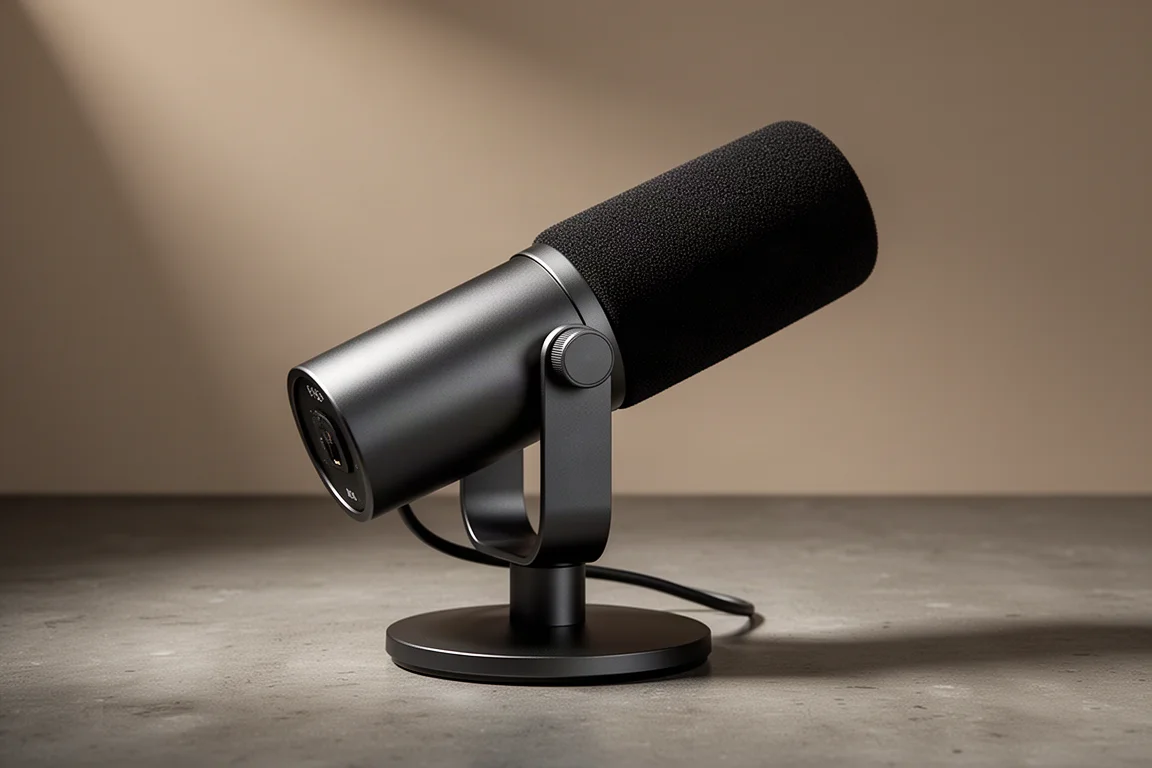
The Shure SM7B has been a reference point for broadcast voice work for years, and it remains one of the most frequently recommended microphones for podcasting and streaming. The appeal is straightforward: a natural sound straight out of the box, strong rejection of unwanted noise, and physical switches that let you shape the tone to match your own voice.
It is also not a purchase you should make without a plan. The SM7B asks for a specific kind of mounting, a specific kind of connection, and a generous amount of clean gain before it sounds the way people expect it to. Spend your whole budget on the microphone alone and you may find yourself short of the accessories that make it practical.
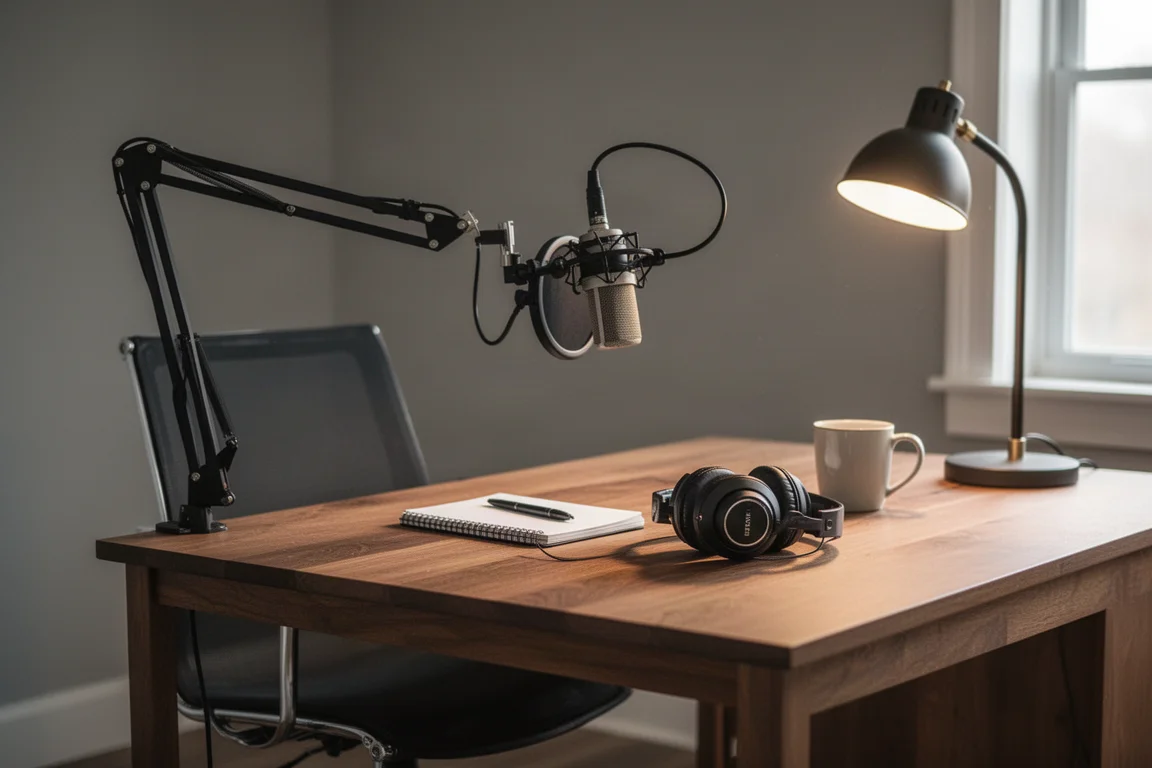
This guide covers what the SM7B genuinely does well, where it demands more from your setup, and how to decide whether it fits the way you actually record.
Who the Shure SM7B Is For
The SM7B is built around the human speaking voice, which makes it a natural fit for podcasters, streamers, and anyone recording narration or voice-over work on a regular basis. It handles both solo sessions and multi-person conversations, partly because its mount can be repositioned easily while you and a guest shift around.
It also suits people recording in ordinary rooms rather than purpose-built studios. Its directional pickup pattern does a lot of work to reduce room reflections, which matters if your space has hard surfaces and limited treatment.
Where it fits less well is in a setup that needs to be assembled and running in minutes. The SM7B uses an XLR connection, so it needs a preamp or interface capable of supplying substantial gain. If you want a microphone that simply plugs in and works, this is a detail worth weighing carefully before you buy.
Build Quality and Everyday Handling
Pick the SM7B up and the build quality is immediately obvious. The metal construction gives it real weight and a rugged, durable feel that holds up to daily desk use.
A built-in shock mount is one of the most useful parts of the design. It reduces the handling noise you would otherwise hear whenever you readjust the microphone, which is a frequent occurrence in podcasting and streaming. The mount’s adjustments also let you fine-tune the microphone’s position on the fly, so you and a guest can move around more comfortably without stopping to re-rig anything.
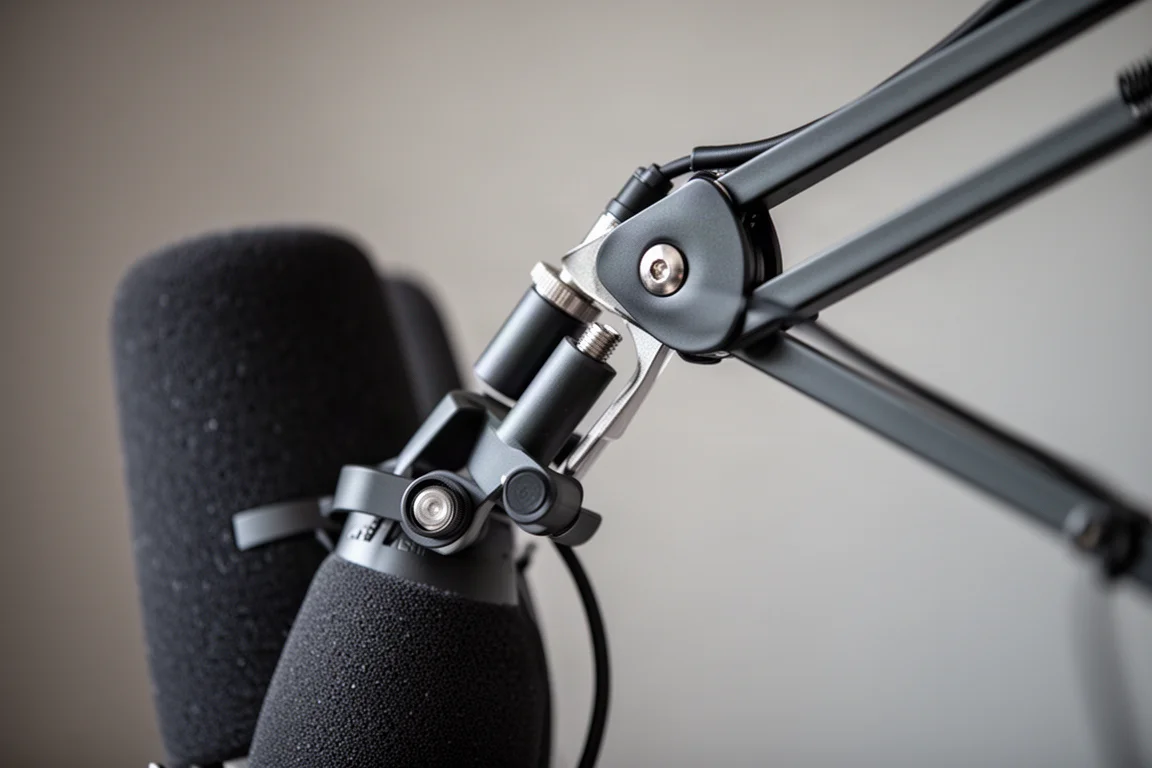
In practice, handling noise stays minimal even while the microphone is being repositioned. That said, this microphone is designed to be used with a microphone arm rather than a regular boom stand, and it behaves noticeably better that way.
Sound Shaping and Controls
The frequency response runs from 50 Hz to 20 kHz, and the default tuning is voiced for speech. There is a small dip in the low mids that keeps muddiness under control, paired with a distinctive response in the high mids and highs that improves intelligibility without pushing sibilance into harsh territory.
Two switches on the back of the microphone add flexibility. The low rolloff switch tames excessive low-frequency energy, which is useful when your voice sounds boomy, and it also helps the higher frequencies cut through in a mix, including music beds for commercial spots. The mid-range emphasis switch, sometimes called a presence boost, accentuates the mid and high mid frequencies to sharpen articulation and add an airy quality.
The switches can be used independently or together, which gives you a useful range of tonal options from a single microphone. For recording or streaming voice, that flexibility is a meaningful advantage.
Noise Rejection and Room Acoustics
The cardioid polar pattern is the SM7B’s quietest feature in the best sense. It rejects sound arriving from behind the microphone, and as you move off axis your voice drops away, particularly in the high mid and high frequencies. Directly behind the microphone, you may be difficult to hear at all.
That behaviour is easy to exploit. Point the microphone toward yourself and away from anything noisy, such as a computer fan, an air vent, or a humming appliance. The same pattern also helps suppress reverb and echo when you are working in a room with poor acoustics, which is something not every microphone manages convincingly.
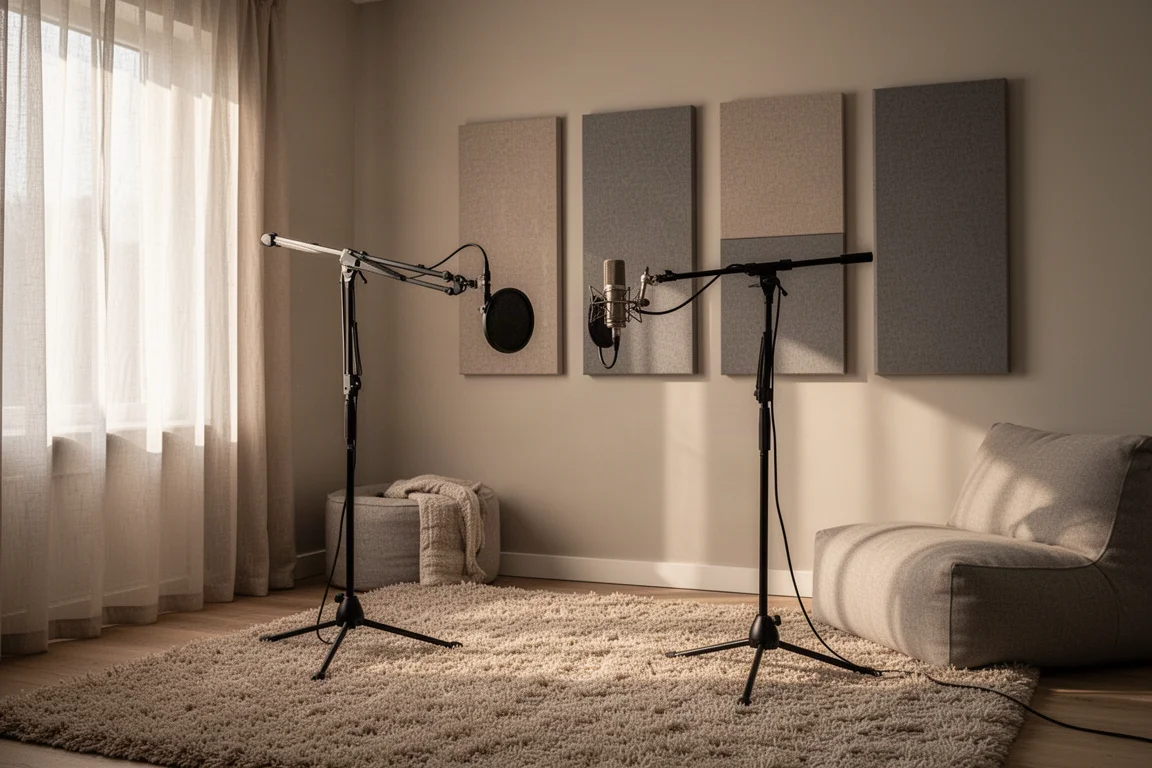
Plosive control is handled largely by the included windscreen. Hard P, B, and T sounds push a small burst of air at the capsule and can produce a pop, and with the windscreen fitted you rarely need to think about it. Without it, microphone technique matters much more. If pops still slip through, a larger windscreen is included in the box as a second option.
One more behaviour to understand is the proximity effect. Any directional microphone gains bass as you move closer, which is exactly the sound many broadcasters want. If that warmth is not what you are after, either keep more distance from the microphone or engage the low rolloff switch.
Things to Consider Before Buying
The SM7B is an excellent microphone, but the total cost of ownership is higher than the microphone alone. Three practical points come up again and again.
First, budget for a microphone arm. The microphone is designed for one, and it is noticeably better with one than with a regular boom stand, so leaving room in your budget here is sensible rather than optional.
Second, the XLR connector can get in the way depending on which stand you use. An XLR extender is a small addition that solves the problem cleanly and is worth considering alongside the arm.
Third, and most importantly, this microphone is well known for demanding a lot of gain from a preamp. Many users pair it with an inline preamp, such as a CloudLifter, to get usable levels from quieter interfaces. If you are unsure whether you need one, it is worth checking before you buy rather than after.
Finally, be honest about your room and your habits. The SM7B rewards good microphone technique, deliberate positioning, and a setup you are willing to adjust. It is not the right choice for everyone.
Buying Advice
If you want a natural-sounding broadcast microphone that can be tuned to your voice, rejects background noise effectively, and keeps handling noise out of your recordings, the SM7B is a strong choice and a genuinely long-term one. It suits people who record voice regularly and who are comfortable treating the microphone as part of a small system rather than a standalone purchase.
Plan the whole setup before you commit. A microphone arm, a possible XLR extender, and a preamp or inline preamp capable of supplying enough gain are the realistic companions, and factoring them in from the start avoids the frustration of an underperforming chain.
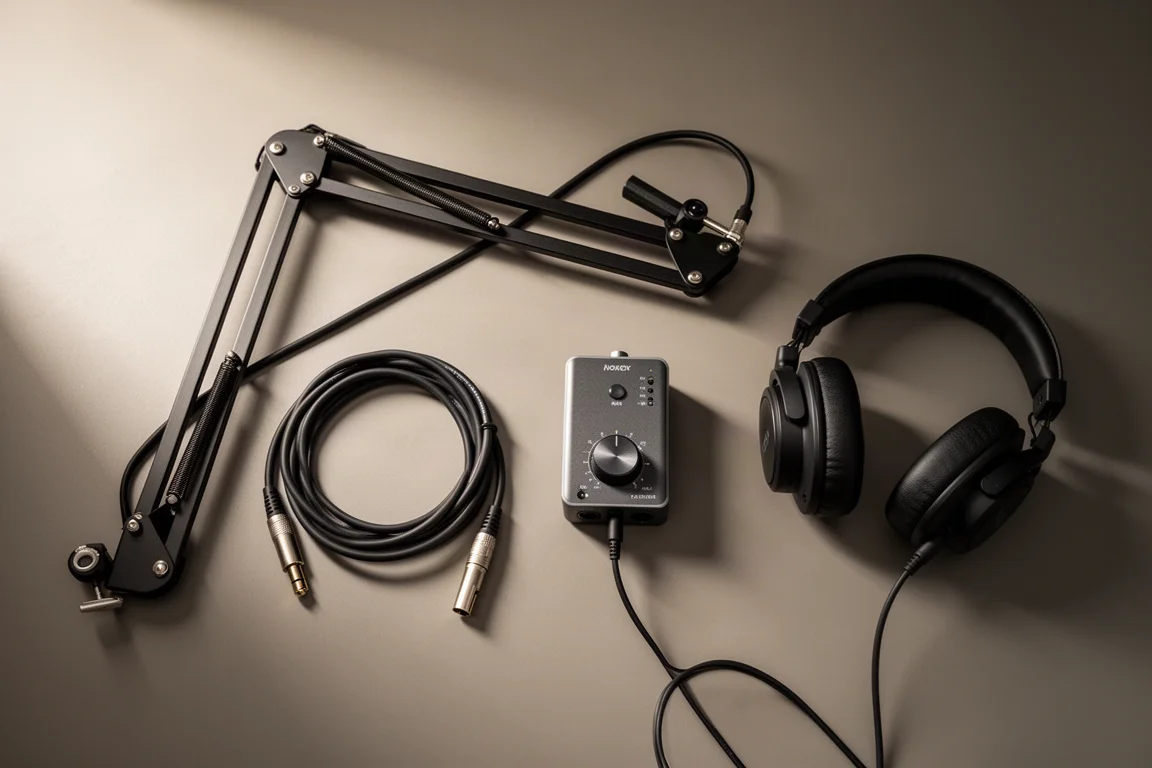
If your priority is the simplest possible path to decent audio, or you would rather not manage gain staging at all, this microphone will feel like more work than it is worth. The SM7B rewards investment in the surrounding setup, and that is the fairest way to judge whether it belongs on your desk.
Conclusion
The Shure SM7B earns its reputation through a voice-focused tuning, two useful tone switches, excellent noise rejection, and build quality that feels built to last. Those are the qualities that matter most in a broadcast microphone, and they are the reason it remains a first recommendation for streaming and podcasting.
Just go in with your eyes open. Mount it on an arm, plan for the connector clearance you may need, and make sure your preamp can deliver the gain this microphone asks for. Get those pieces right and the SM7B delivers a natural, adjustable voice sound that is easy to live with for years.
Product link
View more details for Shure SM7B
This product is mentioned in the review. Check the specifications, options, and compatibility before buying.
View more details for Shure SM7B