Sports Headphones
Shokz OpenSwim Pro vs OpenRun Pro: Bone Conduction Headphones Compared
A practical comparison of the Shokz OpenSwim Pro and OpenRun Pro bone conduction headphones, covering waterproofing, MP3 playback, battery life and comfort on the bike.
Introduction
Bone conduction headphones solve a specific problem for anyone who wants music on a ride without sealing off the world around them. Shokz has built its range around that idea, and the newest addition, the OpenSwim Pro, pushes it further with a fully waterproof body and onboard music storage.
It is easy to assume a product with “Swim” in the name is meant only for the pool. It is not. The OpenSwim Pro was designed for multisport use, covering cycling, running, triathlon, hiking, fitness training and swimming. After several weeks of use on the indoor trainer during wet weather and outdoors on the road, it has held up well. The OpenRun Pro, the model that has been a regular companion for a long time, remains the natural point of comparison.
What Sets These Two Apart
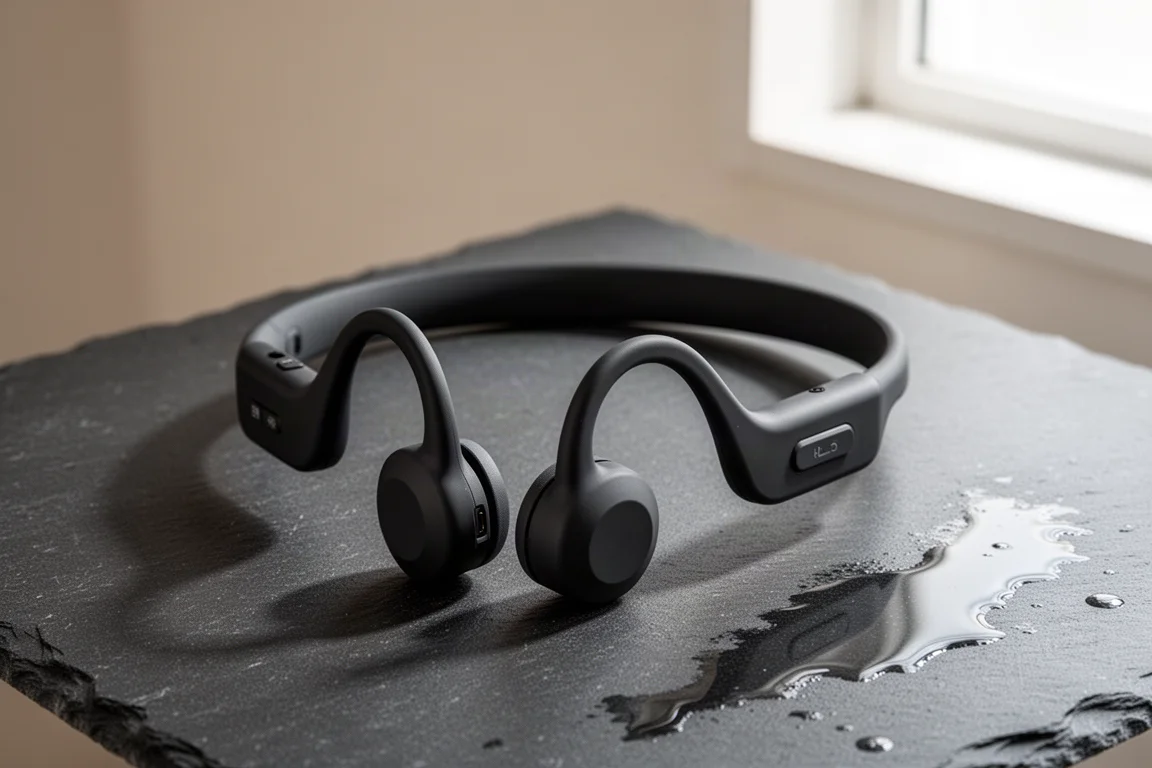
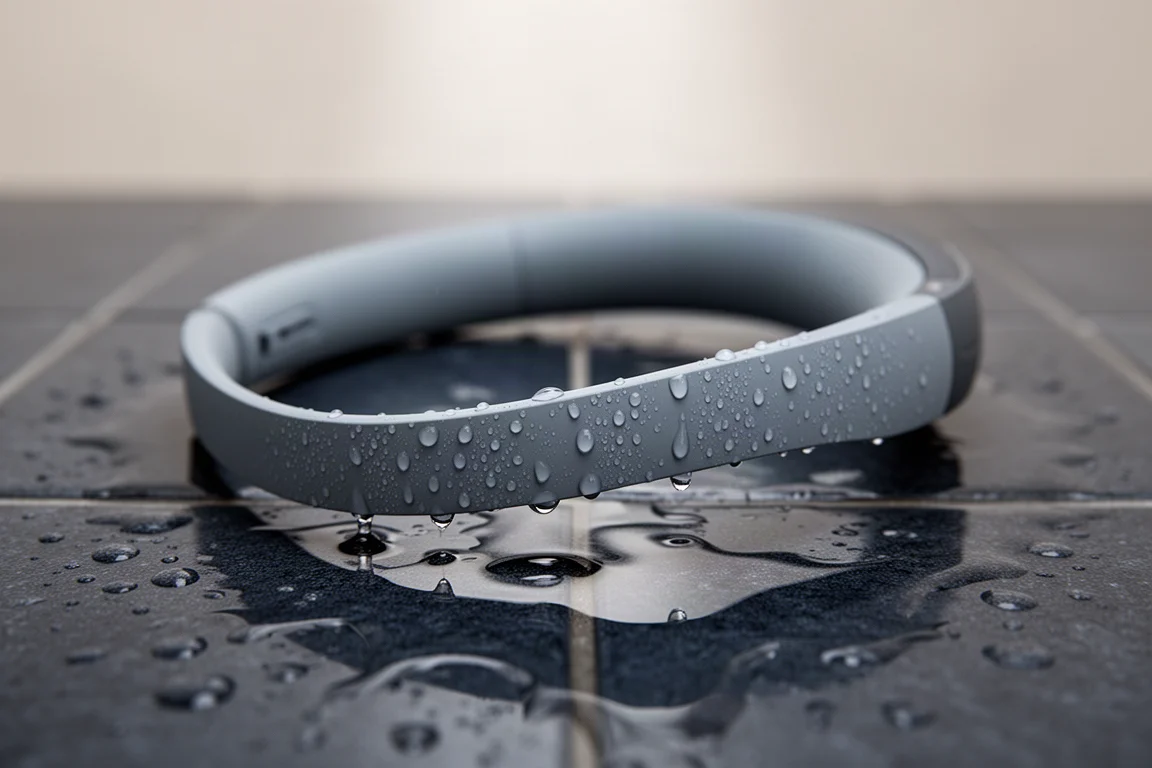
The clearest difference is water resistance. The OpenSwim Pro carries an IP68 rating, which means it can be fully submerged in water up to 2 metres deep for up to 2 hours. The OpenRun Pro is IP55 sweatproof rather than waterproof, which is enough for hard training but not for swimming.
The second difference is how music reaches the headphones. The OpenSwim Pro runs in two modes: Bluetooth pairing with a phone, or MP3 playback from 32 GB of internal memory that holds up to 8,000 songs. The OpenRun Pro is a Bluetooth-only design with no onboard storage.
Battery life follows from that. The OpenSwim Pro is rated for around 6 hours in MP3 mode and around 9 hours over Bluetooth, and Bluetooth testing matched that figure closely. A 10-minute top-up through the charging port returns roughly 3 hours of listening, which is enough to rescue a ride, hike or swim after a flat battery.

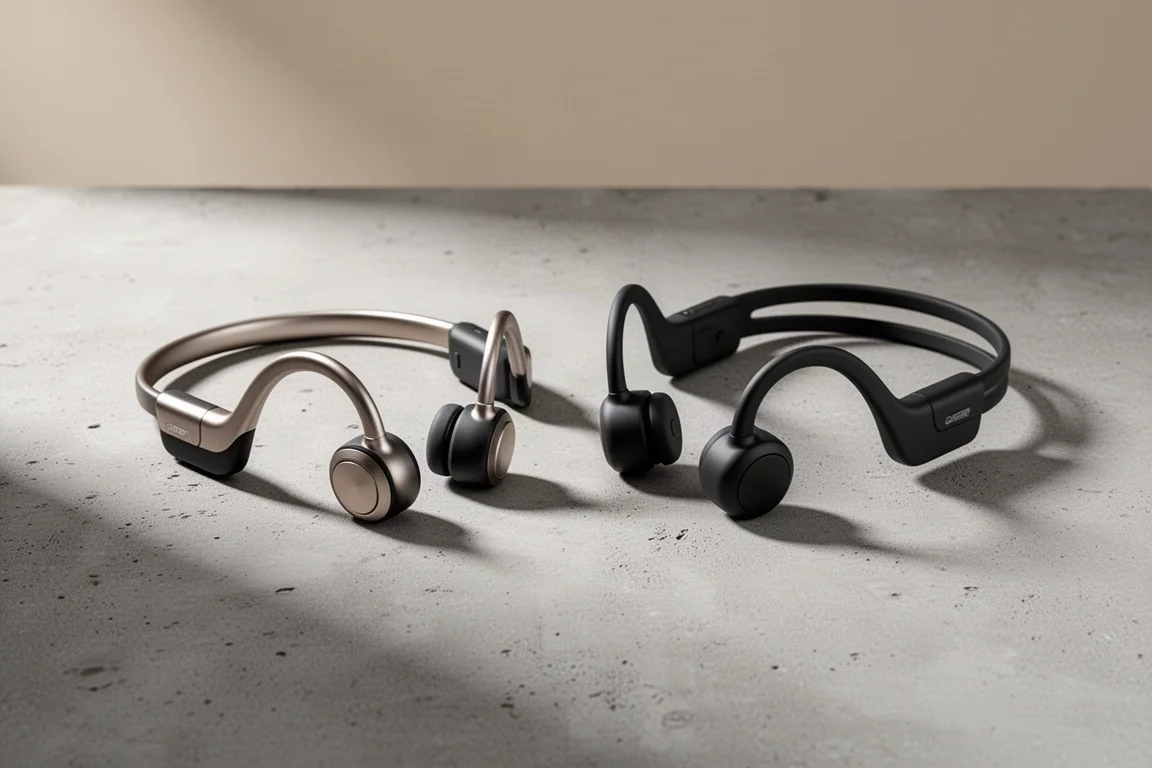
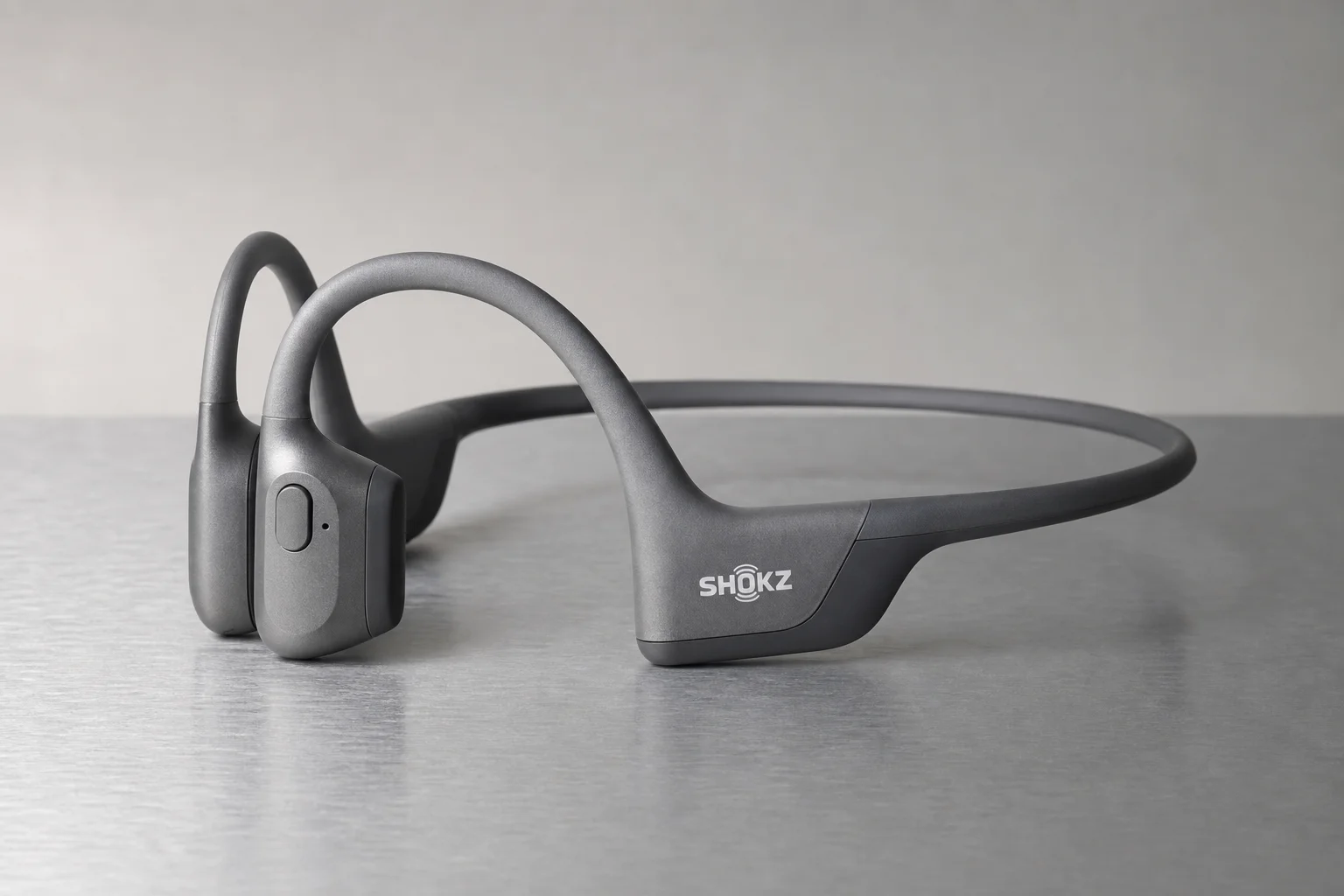
Both models share the same underlying approach: a titanium coated band that hooks behind the head and loops over the ears, a single-size design, and bone conduction drivers that leave the ear canal open.
Shokz OpenSwim Pro: Waterproof, Phone-Free Listening
The IP68 rating is the headline, and it earns its place. A fully submerged soak confirmed that the headphones keep working afterwards, which matters well beyond swimming. Riding in steady rain, or producing heavy sweat during an intense indoor session, no longer threatens the electronics.
MP3 mode is the feature that changes how the headphones are used. Loading tracks onto the onboard storage and transferring them across was straightforward, and 8,000 songs is far more than any single ride or swim requires. For anyone who prefers to leave the phone at home, that removes the need to carry one at all.
Bluetooth is equally well handled. Pairing is quick and reliable, and the ability to keep two devices connected at once is genuinely useful: a phone for outdoor rides and a laptop or tablet for indoor training software. Swapping between the two is simple.
Audio Quality and Battery Life in Practice
Sound quality is the surprise. Bone conduction has improved enormously, and the OpenSwim Pro delivers clear, sharp audio with a satisfying low end that stands comparison with conventional in-ear models. Podcasts come through cleanly, and pop, dance, rock and indie tracks all translate well, with the full range of the music preserved.
Outdoors, some wind noise appears at higher speeds. Adaptive noise cancellation helps here, reducing ambient sound from the surrounding environment and taking the edge off wind roar, without blocking the noises that matter.
Battery estimates held up in practice, and the 10-minute quick charge is a genuinely useful safety net for anyone who forgets to plug in before heading out.
Shokz OpenRun Pro: The Everyday Option
The OpenRun Pro is the model that has been in regular use for a long time, and it remains a very good pair of headphones. It uses the same open-ear bone conduction approach, so it delivers the same core benefit: music and podcasts while staying aware of traffic, other road users and everything else happening around you.
Its limits are clear. The IP55 rating covers sweat but not submersion, so swimming is out and heavy rain is a different proposition. There is no MP3 mode and no onboard storage, so a phone or another Bluetooth source is always required.
How the Two Compare on Sound
On sound alone, there is very little between them, and both sound excellent. Shokz states that the OpenSwim Pro uses high-quality internals, and on certain tracks a slightly richer low end is audible, but it takes close listening to notice.
For anyone who does not need waterproofing or onboard storage, the OpenRun Pro stays a strong option, and it remains a proven design that has been used regularly over a long period.
Comfort, Fit, and Everyday Control
Fit is one of the strongest arguments for both models. The titanium coated band clips around the back of the head and passes over the ears, and it stays firmly in place. Mountain bike trails and gravel surfaces did not shake either pair loose.
The single-size design fits a wide range of head shapes well, based on experience across a range of riders. Comfort over long distances is excellent: a four-hour ride passed without pressure points, and after a few miles the headphones stop registering at all.
The controls take a little learning. The buttons are small but tactile, and the layout covers power on the side, volume up and down, a mode selector, track skipping and call handling. Once the positions are memorised, they are easy to use while riding. A built-in microphone also allows hands-free calls.
One trade-off: the headphones do not fold, so they cannot be stowed compactly if you decide to stop listening mid-ride. In practice it hardly matters, because leaving them on the head without playing anything causes no discomfort.
Safety and Real-World Riding
The reason bone conduction suits cycling so well is simple: the ear canal stays open, so approaching cars and other road users can be heard. That awareness is the single biggest argument for this style of headphone over an in-ear design.
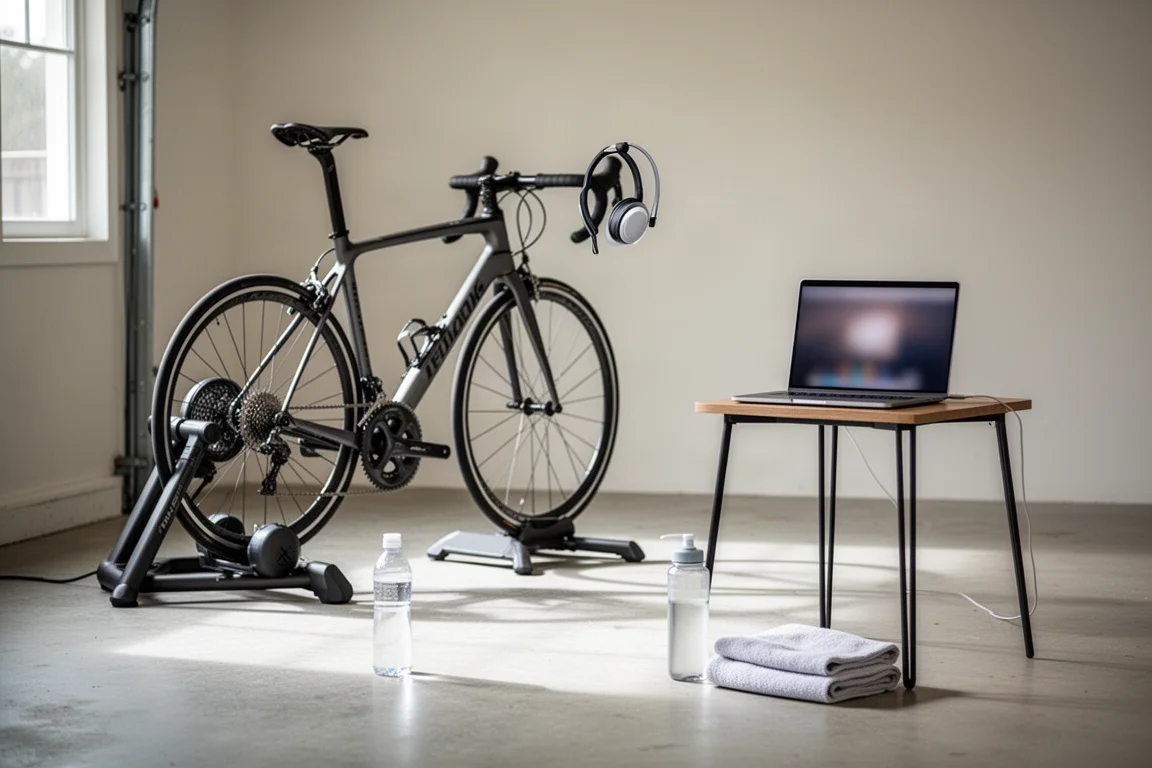
The same quality makes them work indoors. During a trainer session in a garage, it is still possible to hear family members, the dog, or anything else happening in the house. Both contexts work without needing to remove the headphones.
Overall Buying Advice
The decision comes down to water and phone-free listening. The OpenSwim Pro is the clear choice for swimmers, for anyone who rides in the rain regularly, and for anyone who wants to leave the phone at home and rely on onboard storage. It is listed at 169 and available now from retailers and the Shokz website.
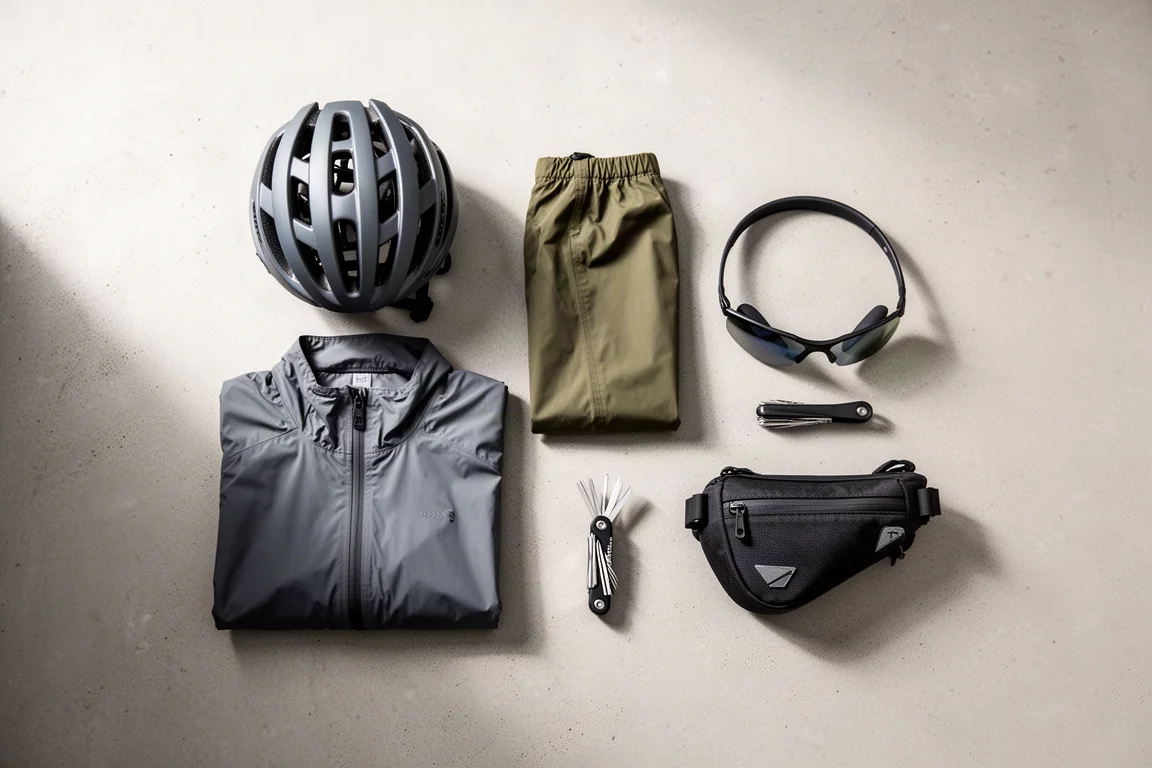
The OpenRun Pro suits riders who do not swim, do not need onboard storage, and are happy to carry a phone. It has been a dependable companion over a long period, and the sound quality is close enough that the choice rarely comes down to audio.
Whichever way the decision goes, both models deliver the same core advantage: music and podcasts on the move without shutting out the surroundings.
Conclusion
The OpenSwim Pro is the more flexible of the two, adding full waterproofing, MP3 playback and dual-device Bluetooth to a design that is already comfortable and secure. The OpenRun Pro remains a strong, familiar alternative for riders who do not need those extras. For anyone who wants to listen while riding without losing awareness of the road, both are excellent options.
Further reading
Related Reviews
Sports Headphones
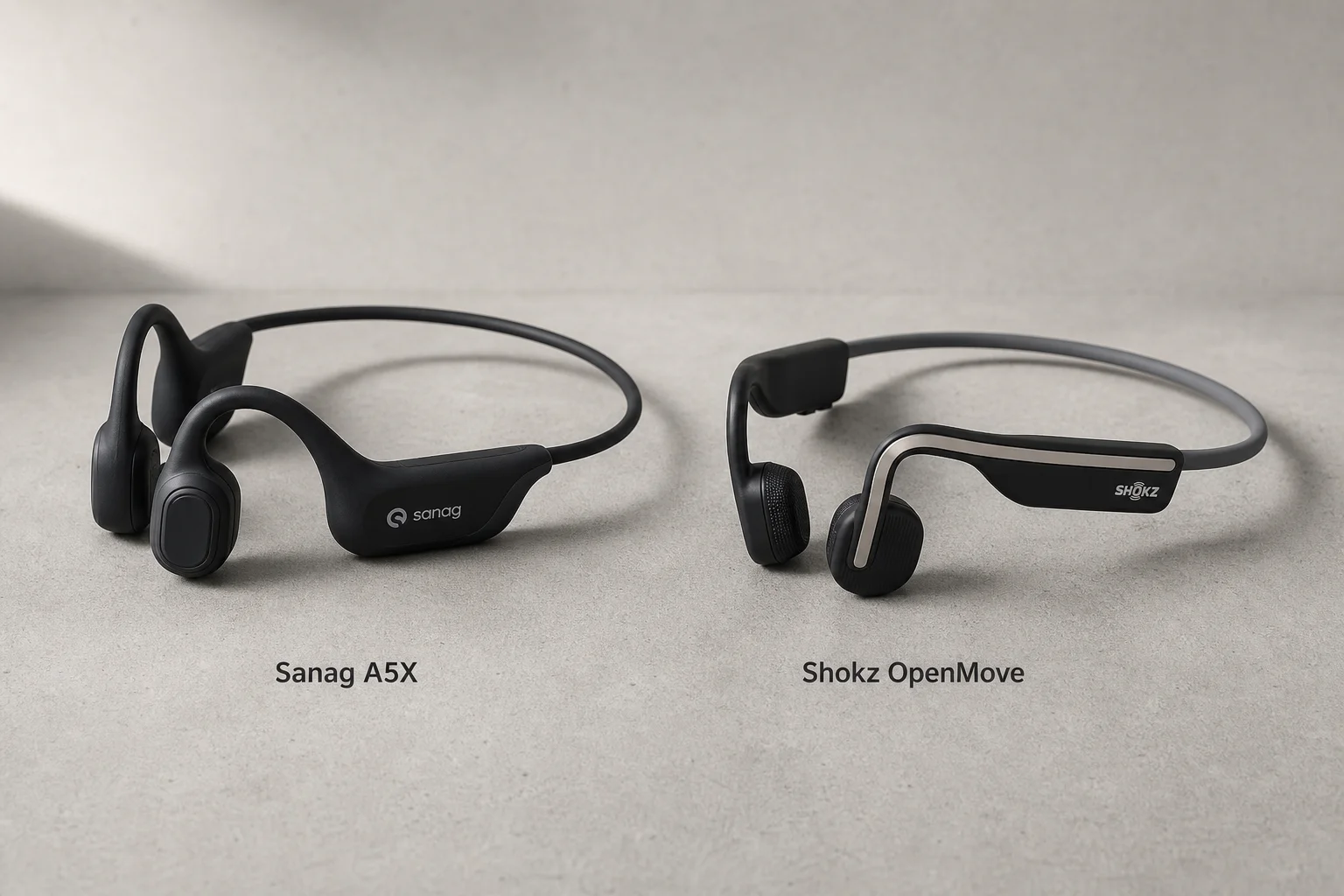
Sanag A5X vs Shokz OpenMove: Budget Bone Conduction Headphones Tested
The Sanag A5X costs a quarter of the Shokz OpenMove but delivers 70-80% of the performance. We tested both on real runs to see if the budget option truly competes.

Backpacking Gear
Building a 10 lb Base Weight: An Ultralight Backpacking Gear List
A practical walkthrough of the ultralight pieces behind a 10 lb base weight, from a 765 g pack and a roomy one-person tent to a full camp chair and a dependable water filter.

Road Bikes
10 New Road Bikes Worth Watching: Aero, Titanium, Steel and Endurance Standouts
A practical roundup of 10 new road bikes, from aero flagships chasing single-watt gains to titanium, steel and endurance platforms built for real roads.