Everyday Carry Knives
Sencut Sachet and the Civivi Family: Seven Knives Worth a Closer Look
The Sencut Sachet proves the sub-brand deserves more credit, and comparing it against Civivi's best-known folders shows exactly where each one lands.
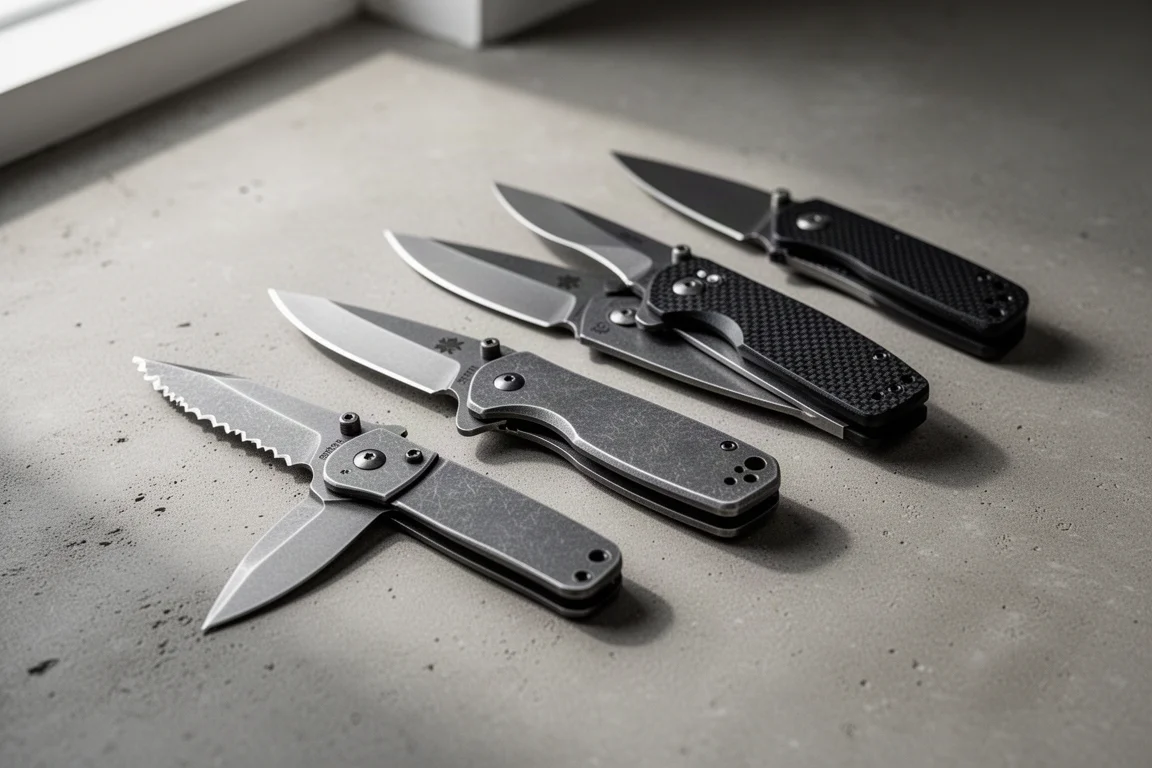
Introduction
Sencut has flown under the radar for too long. As a sub-brand connected to Civivi and WE Knife, it inherits a lot of hard-earned engineering knowledge, and the Sachet is the clearest proof that all of that learning has been packed into one very well-rounded folder. It costs a little more than you might expect on paper, but once you look at the details, the price makes sense.
To give the Sachet proper context, this roundup also looks at the Civivi knives it shares DNA with: the Praxis, Elementum 2, Riffle, Cogent, Brazen, and Mini Praxis.
Why Sencut Deserves More Credit
The Sachet made a genuine splash on release as a sub-$50 button lock, and while that price point is more crowded now, the original execution still holds up. Sencut pulled lessons from across the whole Civivi and WE Knife catalog and applied them to dial everything in.
The heat treatment is the foundation here. Sencut, Civivi, and WE knives have a strong track record of consistent, well-executed heat treatment, and the 9Cr18MoV steel in the Sachet benefits from a grind that should keep the primary edge cutting for a long time. Blade geometry is genuinely excellent for the class.
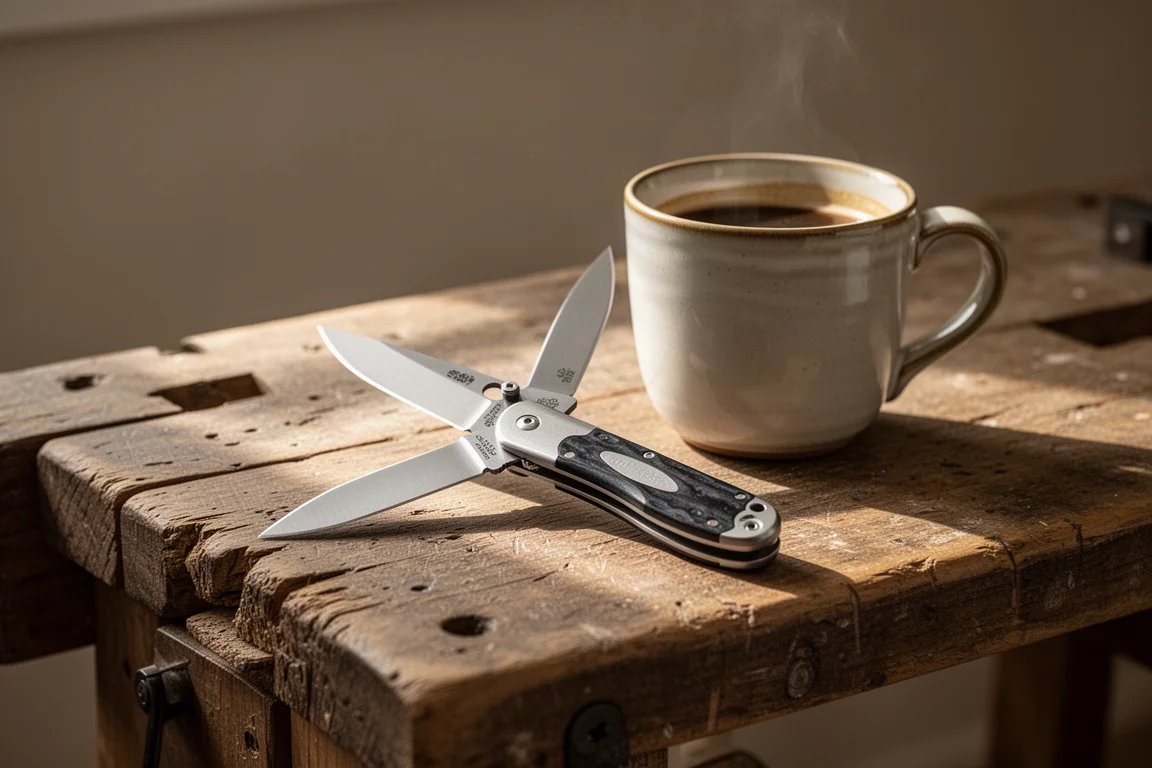
Sencut Sachet
Ergonomics are a highlight. The handle is more comfortable than the Praxis and roughly on par with the Riffle, which is high praise. The scales come fully up to the liners, eliminating the exposed-liner hot spots that make some folders uncomfortable in hand, and the standoffs have been aggressively relieved to cut weight. A deep-carry pocket clip with recessed screws rounds out the carry experience.
The detent deserves its own mention. On a one-to-ten scale where five is perfect, this one sits around four and a half: a touch light for flipper use, but nearly ideal for the thumb stud and reverse flick. Deployment options are plentiful, with flipper, thumb studs, and plenty of access for reverse flicking, and there is no height difference in thumb stud access, so left-handed users lose nothing. Button locks in general are arguably even easier to use left-handed than right-handed.
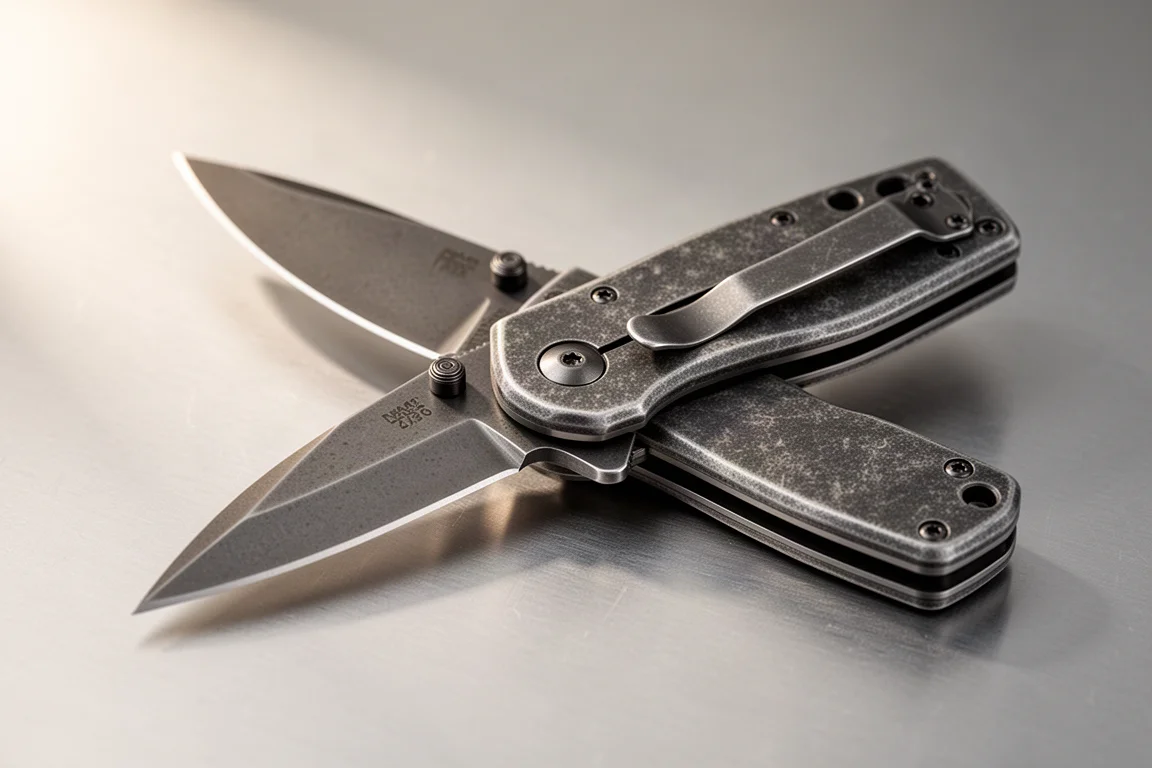
Civivi Praxis
The Praxis is one of the earlier models in the lineup, and it remains a solid folder at its current price of around $42. Its styling and overall execution helped define the brand’s identity, and it is still easy to recommend.
That said, it is telling that the Praxis lacks the flipper tab jimping that later models adopted, and it is one of the knives that would arguably make even more sense repositioned into the Sencut line at a lower price, perhaps around $35, given how little the pivot design actually demands.
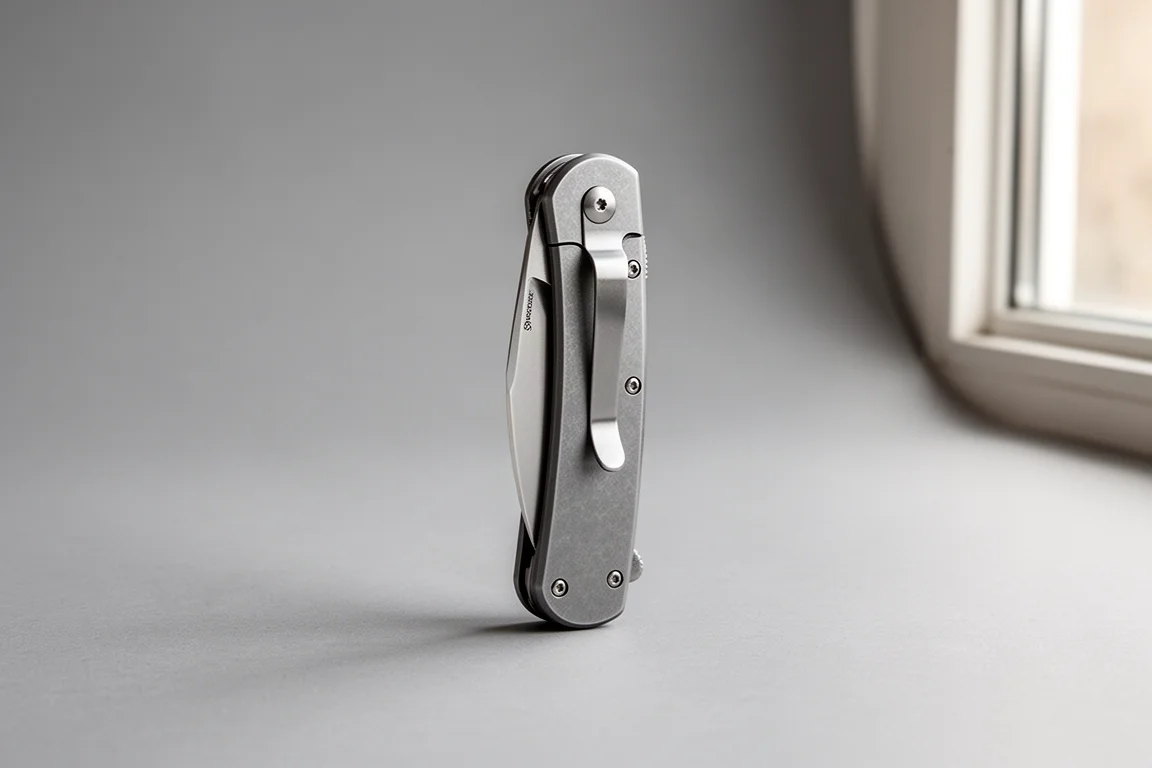
Civivi Elementum 2
The Elementum 2 is the updated take on one of Civivi’s most recognized shapes. The original Elementum also skipped proper flipper tab jimping, which makes the updated model’s omission a bit of a head-scratcher. There was every opportunity to fix that on the second generation.
Even so, the Elementum 2 remains a clean, slim folder that continues to appeal to people who want a discreet, easy-carry EDC knife.
Civivi Riffle
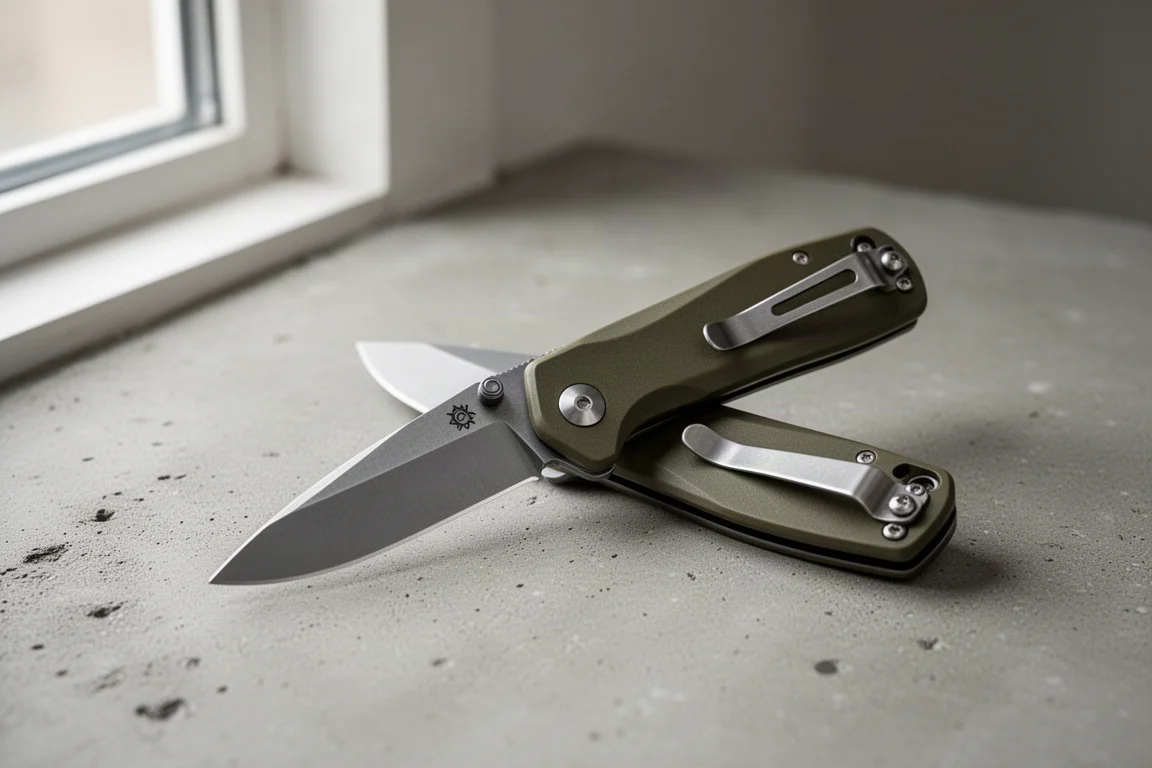
The Riffle is where the jimping story gets interesting. Released not long after the Praxis, it carries the same style of flipper tab jimping that the Sachet does, showing the brand had already figured out this detail early on.
Ergonomically, the Riffle’s handle comfort is roughly equal to the Sachet’s, which puts it near the top of the family for in-hand feel.
Jimping: The Small Detail That Separates Good from Great
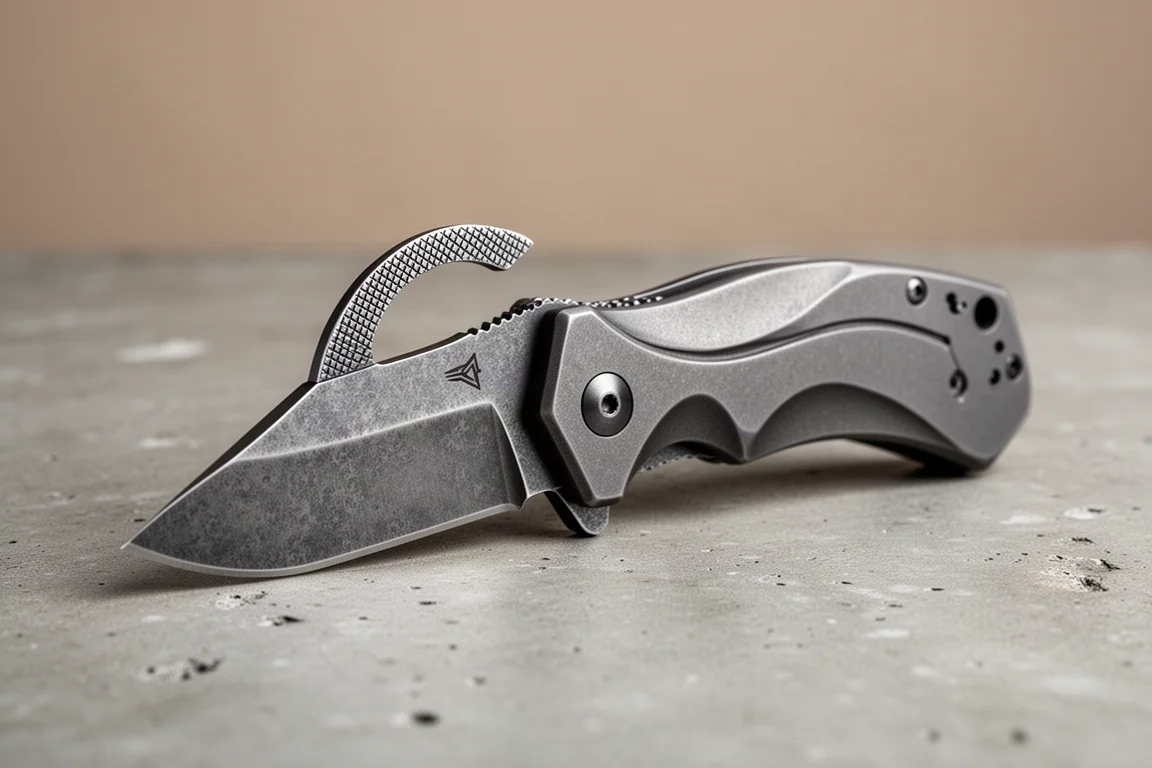
Proper flipper tab jimping means the spacing catches multiple contact points as your finger reaches for the tab. When your hands are dry, it matters less. When they are greasy or wet, bad jimping lets your finger slip, which can cause premature deployment.
Sencut and Civivi have been getting this right for a long time. The Riffle, Cogent, Brazen, and even their budget sub-three-inch folder all carry it. Plenty of brands never bother.
Civivi Cogent
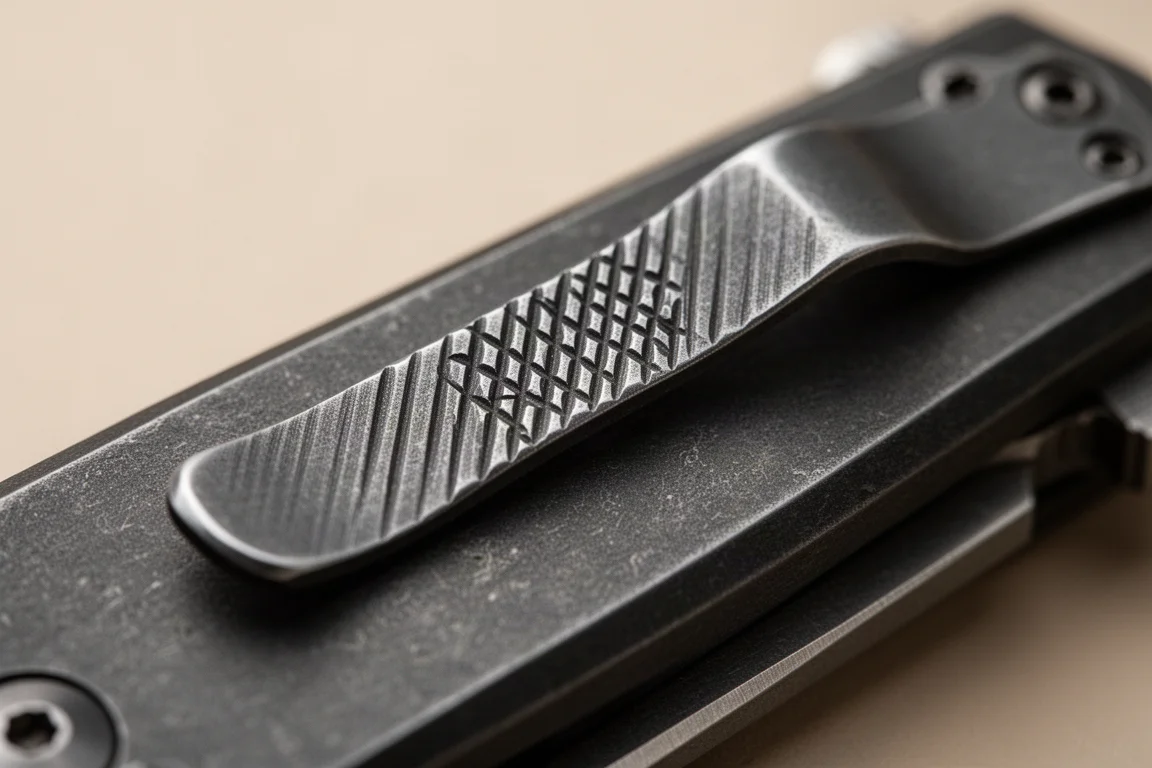
The Cogent is one of the earliest button locks in the family, and it shows. Its detent runs on the weaker side, a widely noted shortcoming that later designs, including the Sachet, have clearly corrected by folding in everything learned since.
As a historical marker of where the brand started with button locks, it is instructive. As a purchase today, the newer button locks are simply better executed.
Civivi Brazen
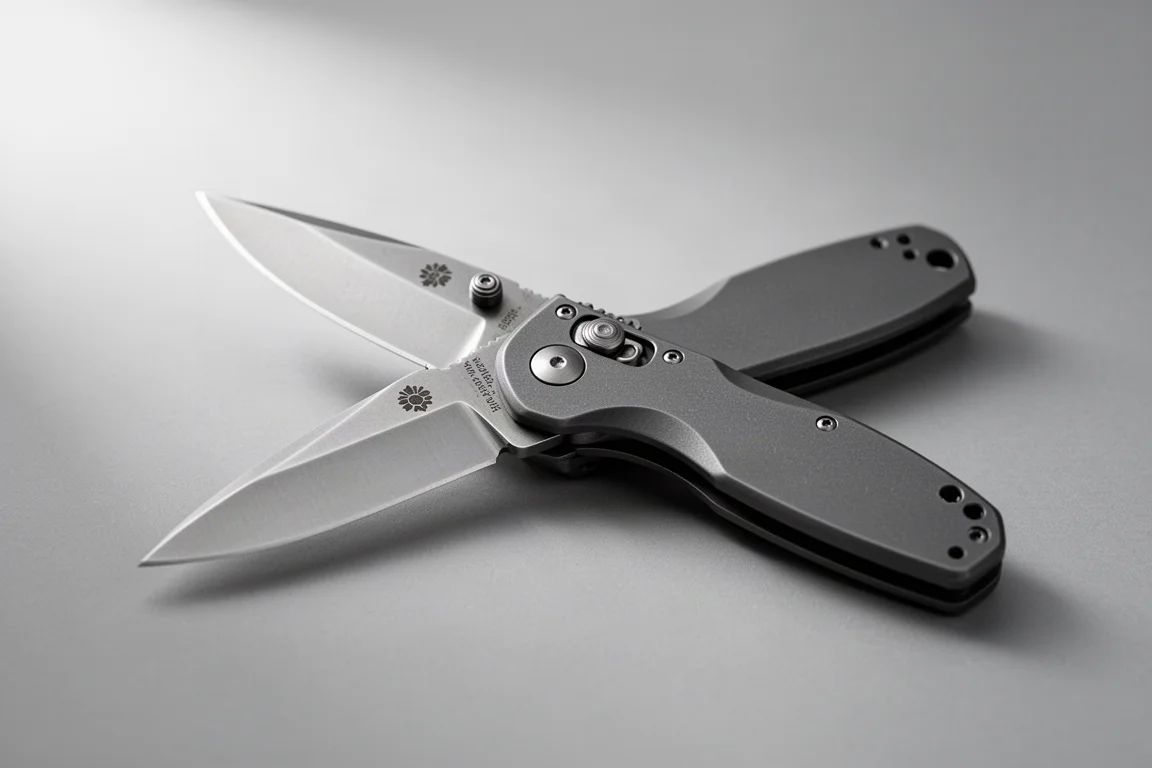
The Brazen gets the jimping right, continuing a trend that has been consistent across the lineup for years. It is another example of the family’s attention to the small functional details that many competitors skip.
If you value a folder where the flipper tab is properly finished for wet or greasy hands, the Brazen fits that brief.
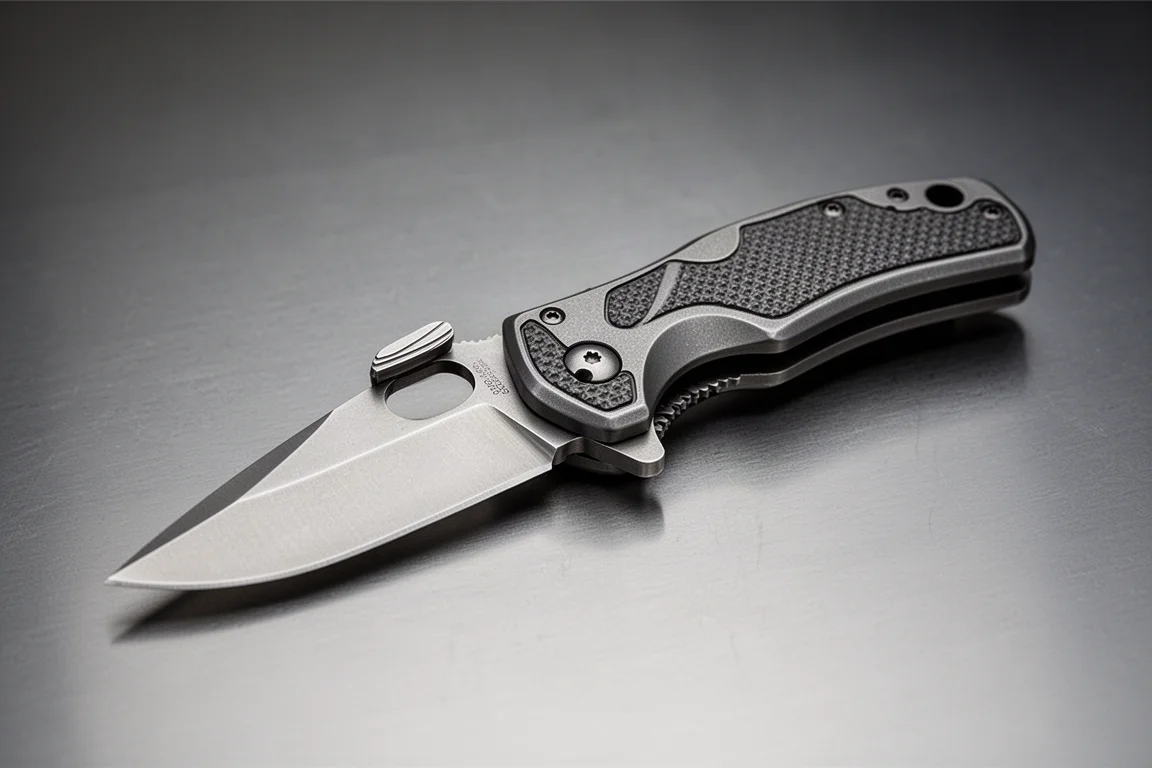
The Unnamed Sencut Fixed Blade
Beyond folders, the Sencut fixed blade is a genuine home run at its current price. It launched closer to $79, which felt steep, but at the current $50 to $55 range it is a very good deal for what you get.
It runs a 9Cr18MoV ultra-slicey clip point blade, has solid sheath retention, and keeps a thin EDC-friendly profile. The handle curvature is well thought out: it sits outside the hip when seated rather than poking into you. Pocket carry works at exactly the right length, reverse IWB carry with a lanyard has proven viable, and scout carry is possible though less natural for some users.
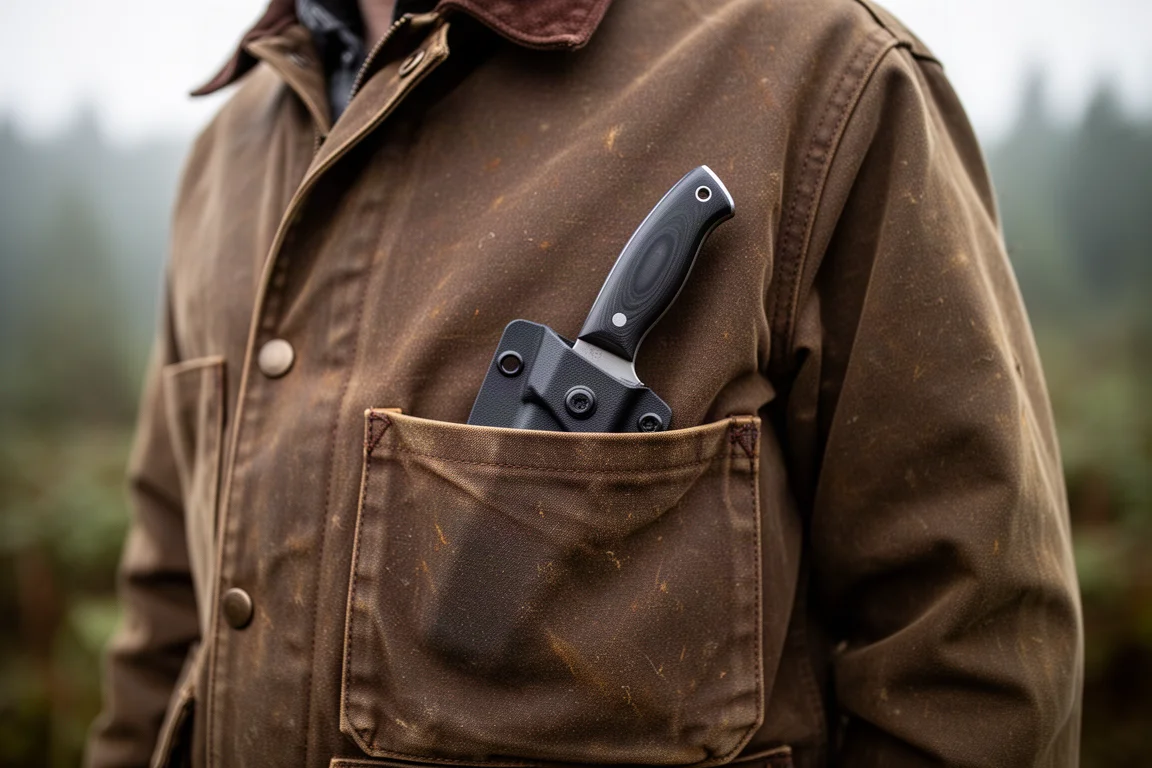
The Sub-Brand Identity Question
The one real criticism aimed at Sencut is an identity problem. Civivi keeps releasing direct competitors with slightly nicer finishing, most notably the Mini Praxis, a $30 knife with metal handle caps and clean blade stamping. That undercuts Sencut’s positioning, since knives like the Praxis could plausibly move into the Sencut line and sell even harder at a lower price.
The Sachet itself, though, sits exactly where it should. Civivi has nothing that directly competes with it, and at its price with the materials and details included, it is priced almost exactly right.
Civivi Mini Praxis
The Mini Praxis is the value story of the family. At $30, it brings much of the Civivi styling language, including metal handle caps, with minimal blade printing and a clean overall finish.
It is also small, a sub-three-inch folder, and while it is not the current favorite among the bunch, it is a very capable little knife for the money.
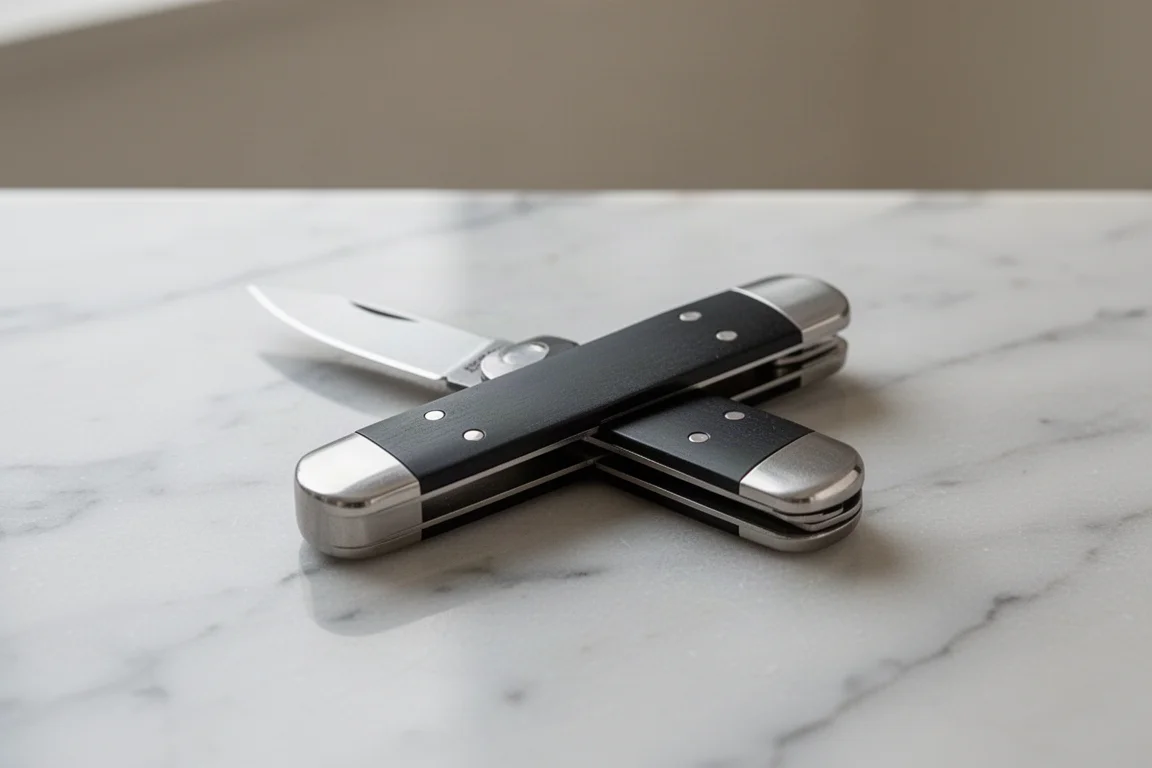
Buying Advice: Which One Should You Pick
If you want the most complete execution in this group, the Sencut Sachet is the standout: refined detent, excellent ergonomics, thoughtful weight savings, and a heat-treated 9Cr18MoV blade with great geometry. For a fixed blade at the current $50 to $55 street price, the Sencut fixed blade is hard to beat.
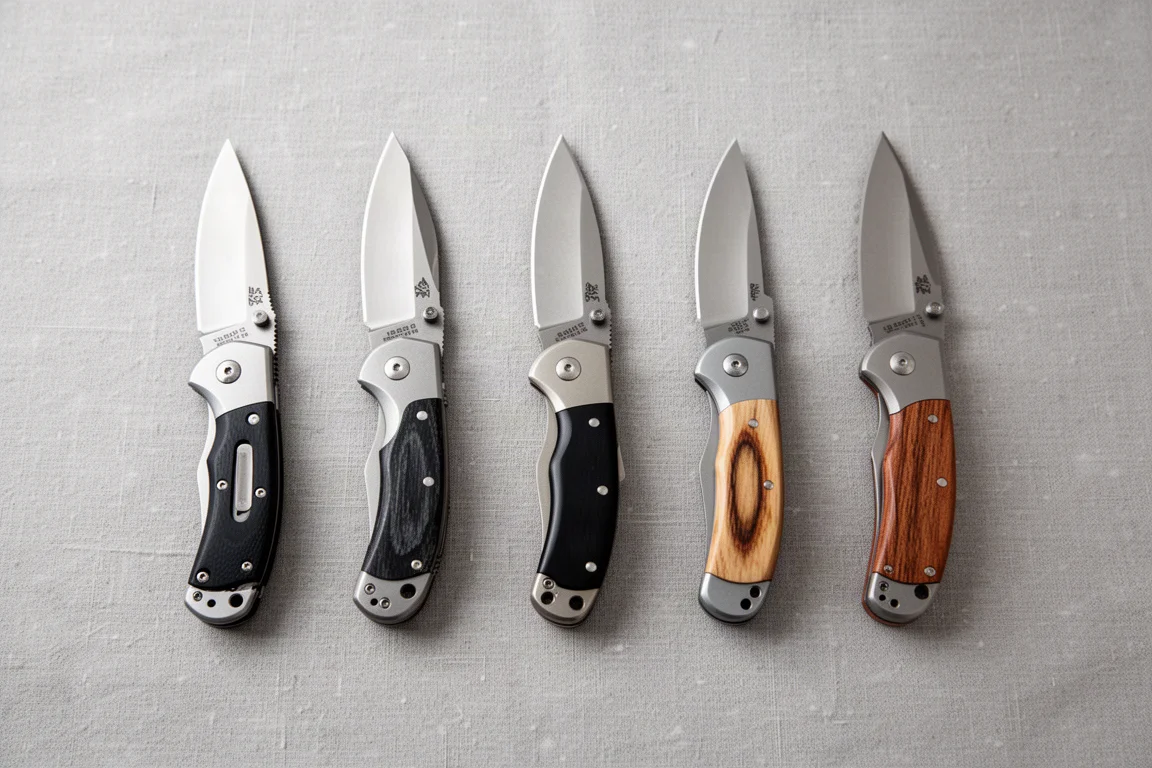
For pure value, the Mini Praxis at $30 is tough to argue with. The Praxis, Elementum 2, Riffle, Brazen, and Cogent each make sense depending on whether you prioritize shape, size, or the newest execution. If flipper tab grip matters to you, favor the Riffle, Brazen, or Sachet over the Praxis and Elementum 2.
Conclusion
Sencut has quietly become one of the most detail-focused value brands in the family, and the Sachet is the knife that proves it. Pair that with Civivi’s established lineup and the surprisingly strong Sencut fixed blade, and there is something here for nearly every EDC budget.
Further reading
Related Reviews
Everyday Carry Knives
CJRB Pyrite Review: The Popular Budget Folder Goes Fully Customizable
A closer look at the CJRB Pyrite folding knife, its Kickstarter configurations, materials from G10 to S90V, and who each version makes sense for.
Everyday Carry Knives
CJRB Pyrite Steel Review: A Sub-$60 Button Lock That Almost Gets Everything Right
A new steel-handle variant of the CJRB Pyrite brings powder metallurgy steel, a button lock, and excellent fit and finish under $60. Here's how it compares to the Pyrite XL, Elementum 2, and Vosteed Corgi.
Everyday Carry Knives
Concept Knives Main Street Review: A Budget-Priced EDC That Feels Premium
A 3.41-inch Dirk Pinkerton flipper with 154CM steel, green Micarta, and a crossbar lock. Strong fit and finish, one notable clip shortcoming.