Road Bike Framesets
SEKA Spear Long-Term Review: A Lightweight Aero Frameset With Tarmac-Level Pace
A close look at the SEKA Spear, a Chinese aero race frameset that targets Specialized Tarmac SL8 pace at roughly half the frameset price.
Introduction
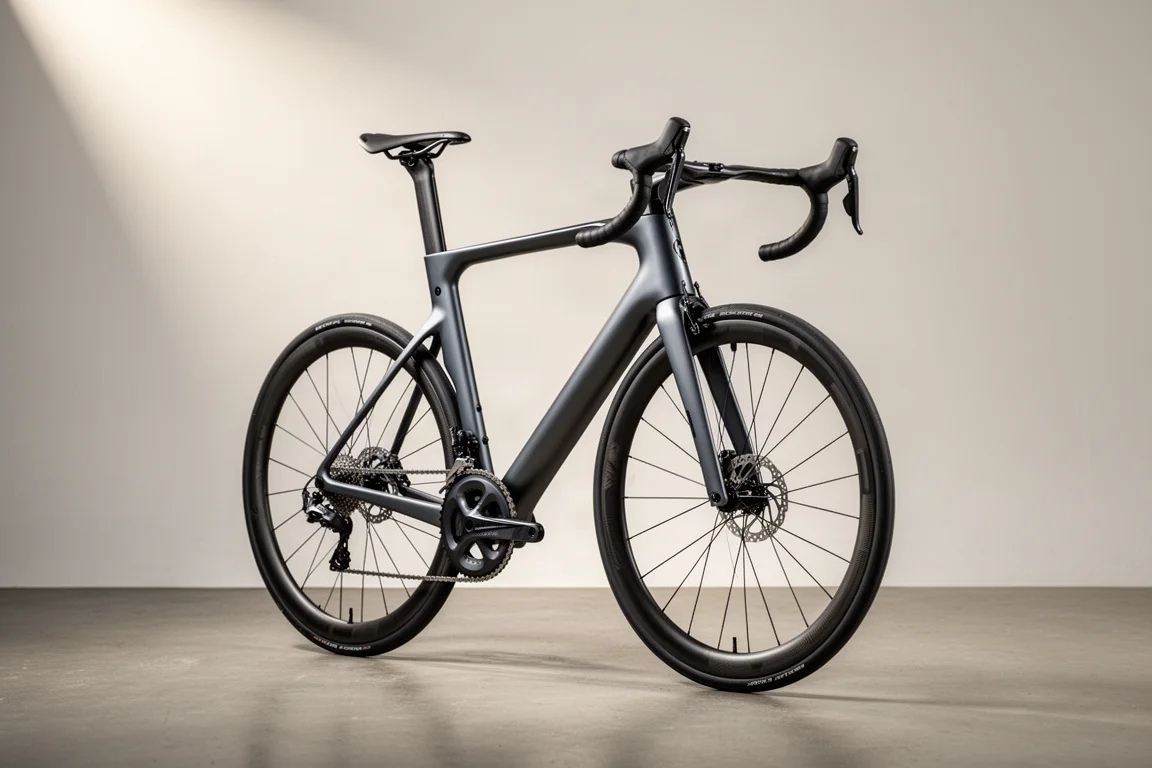
The SEKA Spear arrived as one of the more ambitious Chinese framesets to reach riders outside China, and it was pitched directly at the kind of buyer who would otherwise be looking at a Specialized Tarmac SL8. The frame shape is not a copy of a familiar Western design, the branding and presentation are distinct, and the company backed its aero claims with wind tunnel testing at Silverstone alongside a published white paper comparing the Spear with the Tarmac SL8. Those claims are the reason the frame attracted attention in the first place.
The interesting question is whether the numbers survive real riding. Across roughly 18 months and close to 10,000 km in rain and dry weather, the Spear was used for rolling roads, punchy climbs, fast club rides and long days out. It stayed a fast, light and genuinely enjoyable race bike for the whole period, and it did so at roughly half the cost of a Tarmac SL8 frameset.

What follows is a practical breakdown of where the Spear stands out, where it asks something of its owner, and who should seriously consider building one up.
Who this product is for
The Spear is a lightweight aerodynamic all-rounder, which means it is aimed at riders who want to cut through the air cleanly without carrying extra weight into the climbs. It suits racers, fast group riders and anyone chasing a sharp, purposeful race position on rolling terrain.
It is not a first road bike, and it is not sold as one. SEKA supplies a frameset rather than a complete bike, so a buyer needs to be comfortable choosing cranks, handlebar width, stem length, wheels and tyres, or needs a shop to do that work. For experienced riders, that is a genuine advantage: the finished build can be exactly the bike they want, without the component limitations that come with a factory-spec complete bike. For newcomers, the same freedom is a hurdle, because the frameset route assumes a reasonable working knowledge of road components.
Frame design and aero details
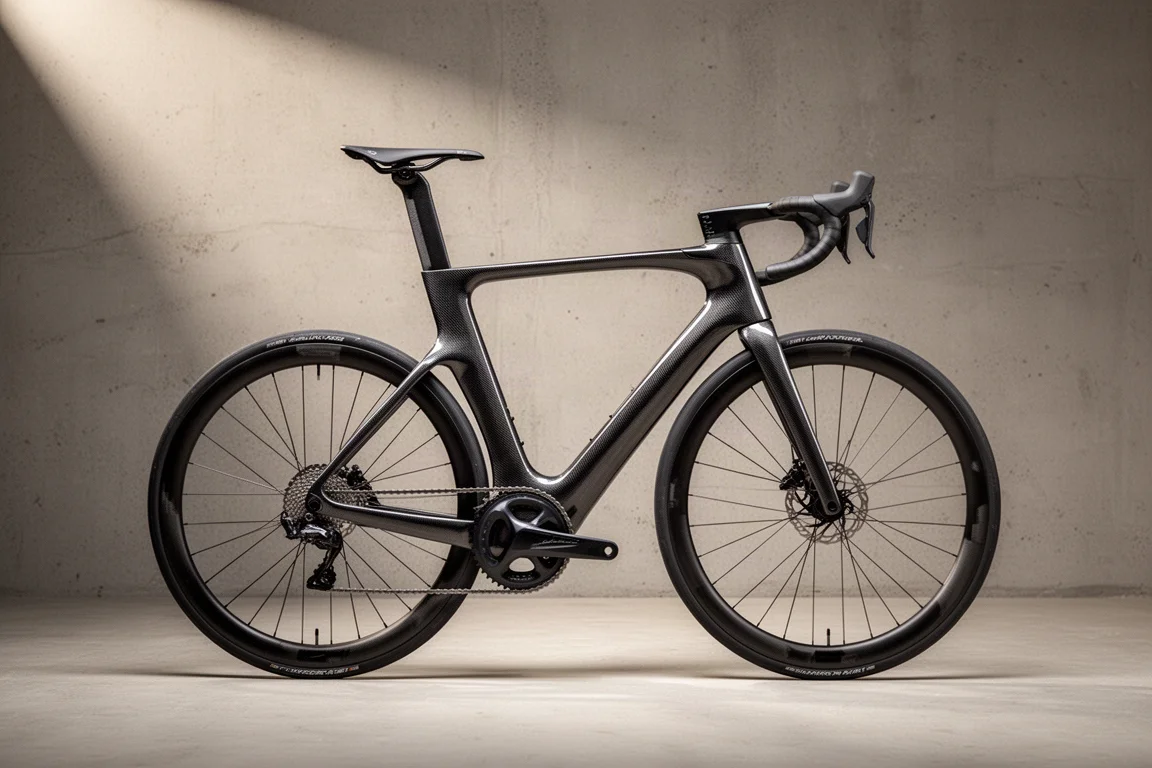
The aero intent is visible in the frame itself. The head tube and down tube are deep, the seat post is aerodynamically shaped, and the front end uses a one-piece carbon handlebar and stem with fully internal routing. When buying a frame, the handlebar can be specified in a range of widths and the stem in a range of lengths, which matters for fit and is not always possible with mainstream complete bikes.
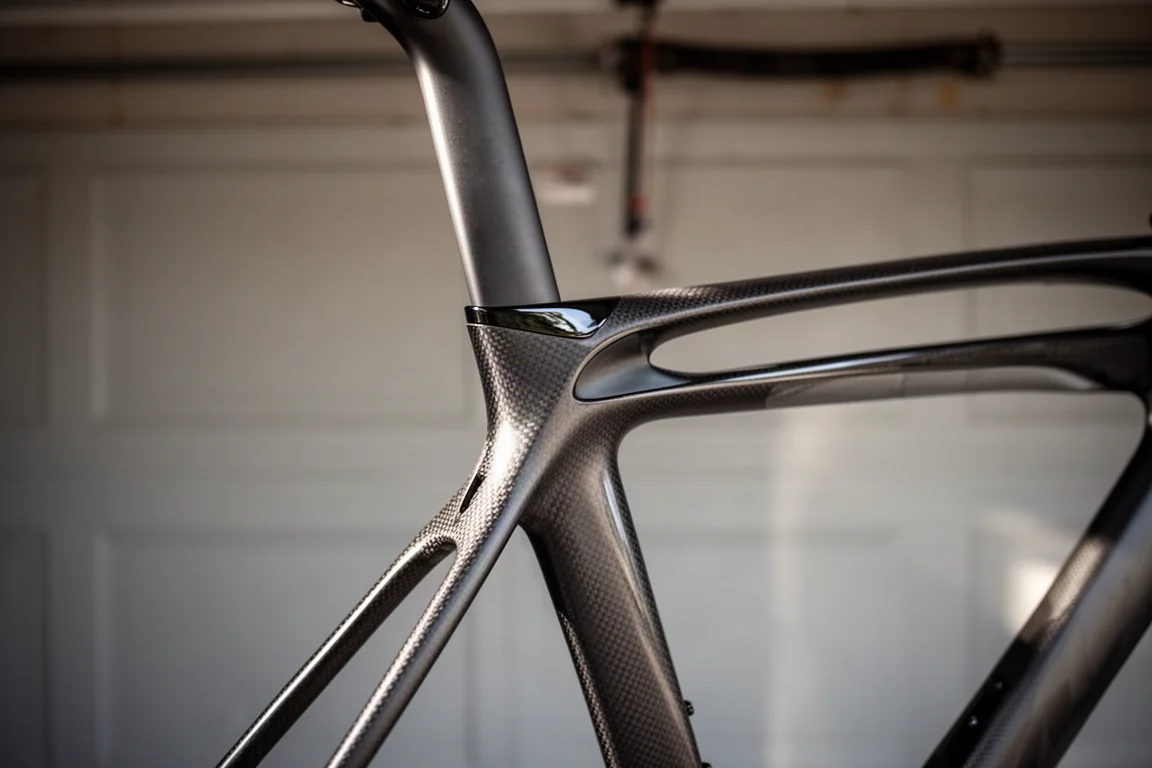
The signature detail sits at the back. Two holes where the seat stays meet the seat tube, described as the Wind Eye, are designed to reduce drag and turbulence in that area while adding compliance. A well-judged computer mount and dedicated aero water bottle cages with two mounting positions on the down tube show that the small details were considered too. The frame uses a 68 mm threaded bottom bracket, clearance for tyres up to 32 mm, through axles and flat mount disc brakes, and it is available across a range of sizes.
Fit is straightforward to plan because the geometry charts can be compared directly with a Tarmac SL8. A size large works out at roughly a 56 cm, with stack and reach close enough to the Tarmac that frame sizing transfers almost directly. At 181 cm with a 110 mm stem the position is spot on, and the frame has been comfortable over 100 mile rides.
Main strengths
The headline strength is performance. As a lightweight aero all-rounder it delivers the pace expected of a top-level race bike, with the low weight helping on climbs and a clean, efficient feel on faster roads. It descends beautifully, with cornering stability that feels poised and predictable rather than nervous, and it holds that composure through technical bends.
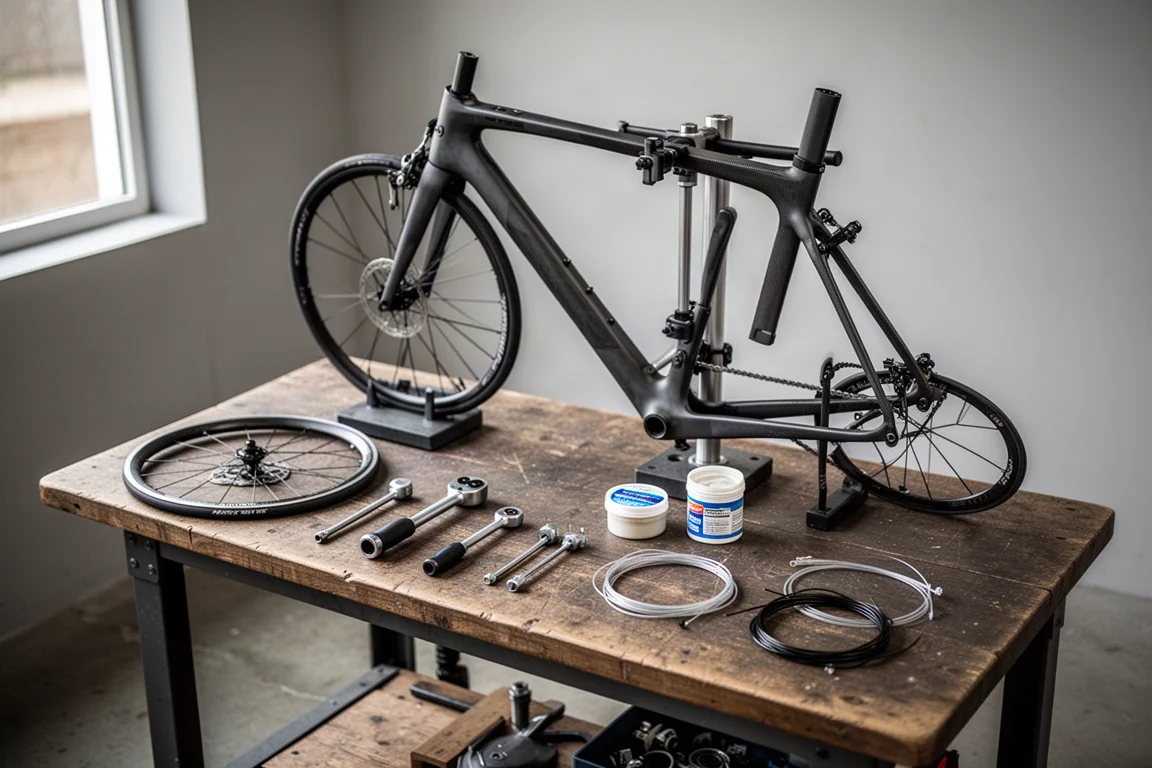
Saddle comfort is the surprise. The Wind Eye junction may look like a gimmick, but it produces real deflection in the seat post and genuine compliance at the rear. Comfort in the saddle is better than the Trek Madone and the Canyon Aeroad, and on par with the Tarmac SL8. Building the frame also went smoothly: the bottom bracket threads, the carbon surfaces inside the head tube around the fork steerer and the tolerances in the key areas were as clean as the top-end frames from Pinarello, Trek and Specialized that a professional builder handles regularly. Everything was faced, and the build needed no workarounds.
Long-term reliability reinforces that impression. The frame has been trouble free and easy to live with, and it carries a lifetime warranty, with a shop in London handling warranty cases.
Things to consider before buying
The one consistent criticism concerns the balance between front and rear comfort. Because the rear of the frame deflects so well, the front end through the handlebar feels noticeably stiffer by comparison, and a stiffer front relative to the back is easy to notice. Swapping the handlebar to experiment is not a simple job given the internal routing, so most owners will live with the bar that arrives. Wider tyres help, and 30 mm tyres go some way towards smoothing the front, but the ride at the bar remains firmer than a comparable race bike from another brand on the same tyre size. It is something most riders adapt to with time.
Pace is also worth putting in context. The Spear is quick, but it is not as fast in a straight line as a Ridley Noah Fast, and it is not as rapid overall as a BMC Teammachine. Its value is in the all-round package: light enough to climb well, aero enough to feel fast on rolling roads, and stable enough to descend with confidence.
Availability is the bigger practical consideration. The frameset-and-build route is less convenient than buying a complete bike from a brand with a wide dealer network, and in the UK the frame was available through a single shop. That risk is shrinking as Chinese brands build out distribution, but it is still a different ownership experience from walking into a local dealer for a mainstream brand.

Long-term ownership and durability
Close to 10,000 km over roughly 18 months produced no mechanical trouble at all. Wheels and tyres were swapped during that period, and the frame simply kept delivering top-level performance with no creaks, no loose tolerances and no maintenance drama. For a frameset bought from a smaller brand, that is the reassurance most buyers are actually looking for.
The safety net matters here. A lifetime warranty plus a dedicated shop handling warranty claims adds real confidence, even if it is not the same as having a local dealer down the road. On the evidence of this frame, the practical gap between a well-run smaller brand and a major one is narrowing quickly, and the build quality is no longer the weak point.
Buying advice
The Spear makes sense for riders who want race-bike performance and are willing to take the frameset route to get it. Budget for the frame plus a full component build, choose the handlebar width and stem length carefully at the point of order, and plan tyre clearance around 30 to 32 mm rubber, which is where the ride quality settles nicely. If you are confident specifying components or have a good shop to build the bike, the freedom to pick cranks, bars, wheels and tyres is a real benefit rather than a chore.
If convenience matters more than value, a mainstream complete bike remains the easier purchase. If outright performance per pound matters more, this is one of the more compelling aero framesets available outside the big Western brands, and the aero work behind it stands up to scrutiny.
Conclusion
After a long stretch of hard riding, the SEKA Spear holds up as a fast, light, well-made aero race frame that compares credibly with far more expensive rivals and sells for roughly half the price of a Tarmac SL8 frameset. It is not cheap, it is good value, and the rear-end comfort in particular is genuinely impressive. The firm front end and the limited dealer network are the honest trade-offs, and both are manageable. For experienced riders building their own race bike, it is an easy frameset to recommend.
Product link
View more details for SEKA Spear
This product is mentioned in the review. Check the specifications, options, and compatibility before buying.
View more details for SEKA SpearFurther reading
Related Reviews
Road Bike Framesets
2025 Time Scylon Review: Full Integration and a Fit-Friendly Seatpost
The 2025 Time Scylon adds full cockpit cable integration, a lighter and more aerodynamic fork, a revised layup, and a reversible seatpost head that solves real saddle setback problems.
Road Bikes
3T Strada Italia Review: A Radical Aero Road Bike That Rides Smooth
A made in Italy carbon aero road bike with a deep head tube, wide tire clearance and a genuinely comfortable ride. Here is what to know before buying.
Cycling Gear
8 Cycling Products Riders Keep Coming Back To
Eight cycling components and accessories with clear strengths, honest trade-offs and long-standing reputations among riders and mechanics.