Watch Reviews
Seiko at Three Price Points: Seiko 5 SNXS79 vs SARB033 vs Grand Seiko SBGH311
A side-by-side look at three popular Seiko automatics, from a $150 everyday watch to a $6,600 limited-edition Grand Seiko.
Introduction
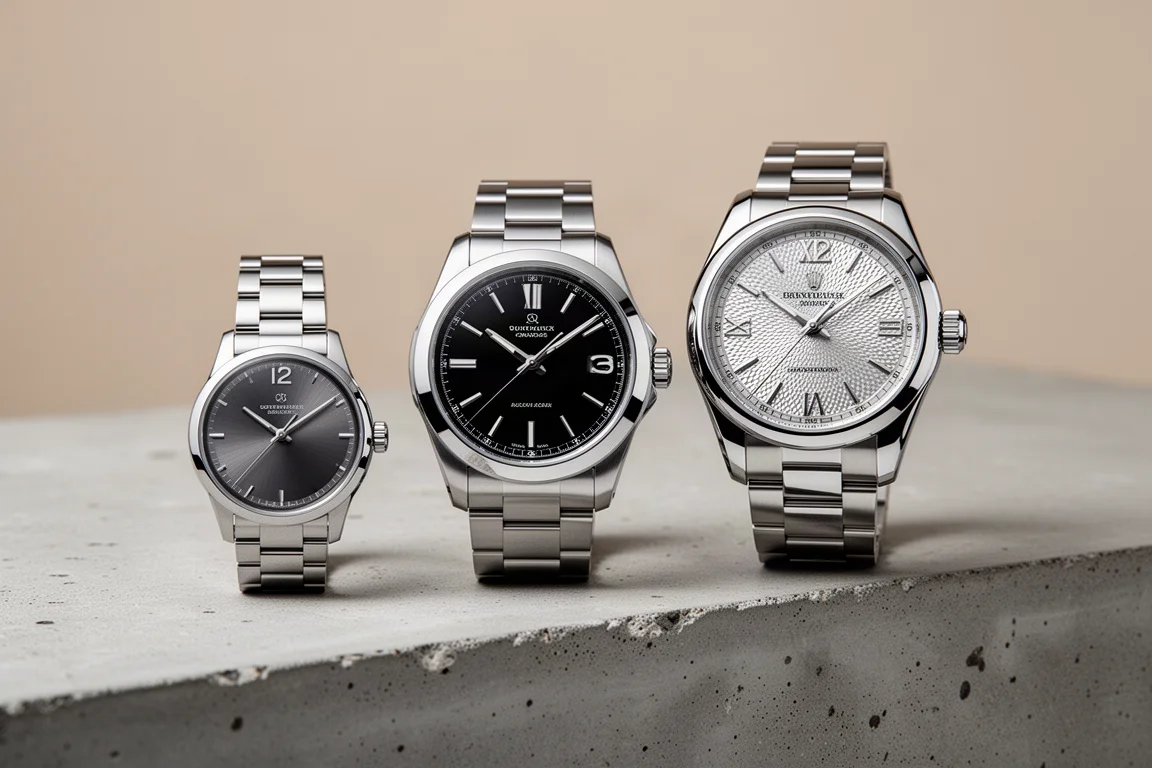
Some of the most talked-about watches online are not Rolex. Seiko occupies a unique space in the watch world, offering genuinely well-made automatic watches at three very different price points: around $150, around $300, and around $6,600. This comparison looks at three models that cover exactly that spread: the Seiko 5 SNXS79, the Seiko SARB033, and the Grand Seiko SBGH311 Sea of Clouds High Beat Limited Edition.
The first two are long-standing favorites in the everyday-carry watch community and were among the best watches for the money during their heyday. The Grand Seiko represents the luxury tier, and comparing all three shows clearly what extra money actually buys: better finishing, better movements, and better materials. It also shows that the cheaper watches are not without their own strengths.
All three are stainless steel automatics, and all three fit well on a typical 16 cm (6.25 inch) wrist. That makes them a fair comparison group rather than a lineup of apples and oranges.
Wearability and Bracelets
On the wrist, all three work unless you have particularly large wrists. The Seiko 5 SNXS79 has balanced, unremarkable proportions. The SARB033 feels more substantial thanks to its slightly larger diameter, thicker lug profile, and broader band spacing, which gives it a sportier stance. Its 20 mm lug width made it a famous strap monster, and that strap flexibility added real perceived value since you could change its whole character with a different band.
The Grand Seiko SBGH311 is over 13 mm thick at 37 mm wide, which sounds imposing. In practice, the lugs and milled end links curve downward so aggressively that it wears better than expected. Much of the thickness sits in the case back, so the watch simply sinks into the wrist.
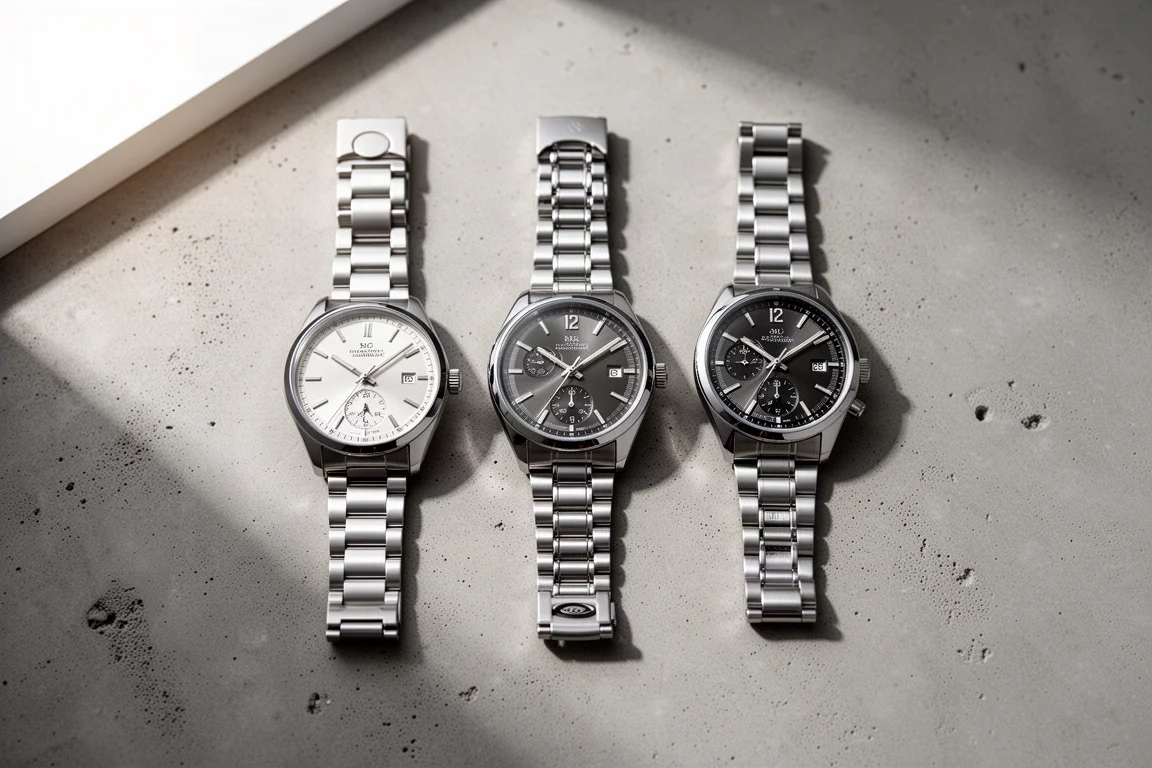
The bracelets tell their own stories. The SNXS79 bracelet is the weak point: a matte three-link design with folded, thinner links that feel rattle-prone. It is easily the lowest-quality component of the watch, and sizing it is difficult. The clasp is a standard folding stamped clasp, though it does offer five micro-adjust positions. The SARB033 is much better, with solid beefy links in an oyster-style double-pusher clasp with a milled center portion. It uses pin-and-collar construction but sizes more easily, with polished link sides. The catch: only two micro-adjust positions.
Grand Seiko bracelets are famously contested among luxury enthusiasts, but the SBGH311’s is well executed. It is a more complex five-link bracelet styled to look like a three-link design, with two polished intermediary links down the center, careful mixed brushing and polishing, and a signed, milled double-pusher deployant-style clasp.
Finishing: Where the Money Goes
Finishing is the biggest differentiator as you climb the price ladder, and it is where the craftsmanship argument really lives. The Seiko 5 offers solid entry-level work: a highly polished case across the flanks, lugs, and smooth bezel, but nothing remarkable in terms of definition.
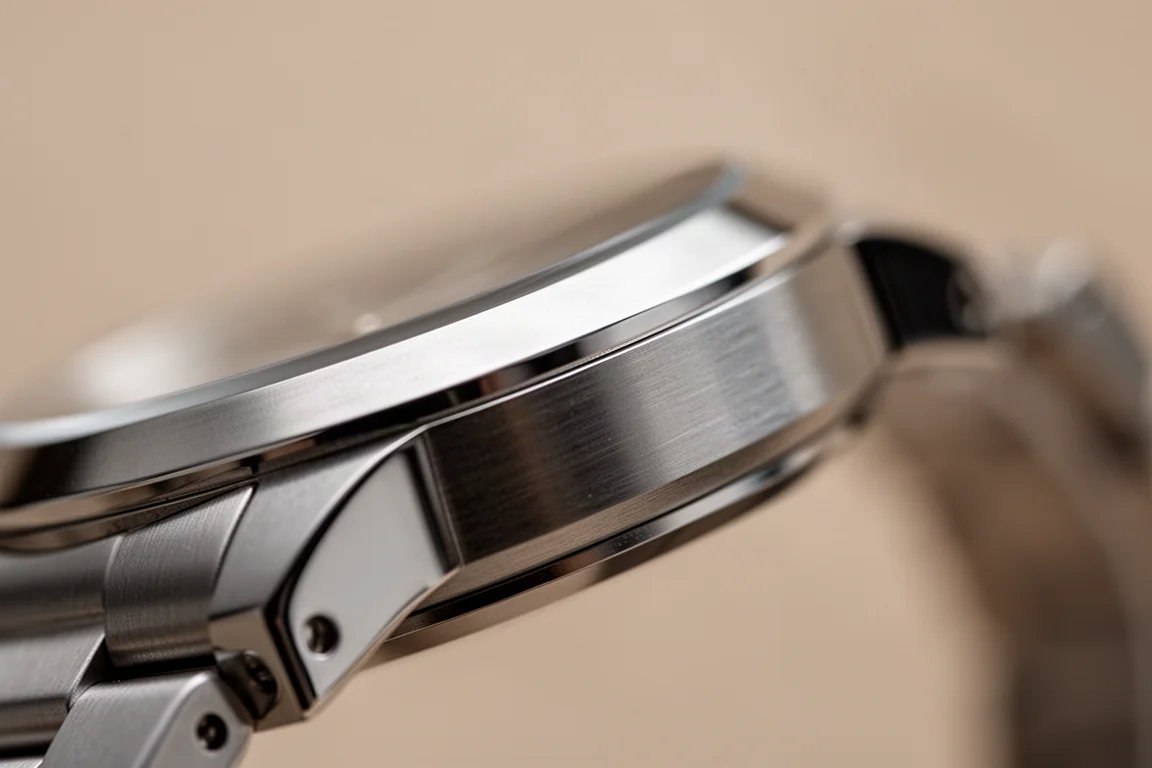
The SARB033 steps things up with mixed finishing: vertical brushing on the tops of the lugs and sharper definition between components, such as where the bezel meets the case and at the lug tips.
Then there is Grand Seiko, which earns its luxury reputation here. The polishing technique used is called zaratsu, producing a distortion-free, black mirror-like effect that transforms light in dynamic ways. In some angles the watch looks radiant and jewel-like; in others, completely black. This is done by hand by highly trained master artisans in Grand Seiko Studios in Japan, and it is a core reason for the price.
Crystals and Water Resistance
All three watches use stainless steel cases, but the glass differs. The Seiko 5 uses Hardlex mineral glass on the dial, crystal, and case back, and it does include a display case back. The SARB033 uses flat sapphire on the dial and a sapphire case back. The Grand Seiko goes further with a double-domed sapphire crystal that creates pleasant distortion at different viewing angles.
For water resistance, the Seiko 5 is rated to only 30 meters, so it handles everyday splashes but not swimming. The SARB033 and the Grand Seiko both offer 100 meters, which is more than enough for most use cases, especially given how dressy-leaning both watches are. Note that none of the crowns on any of these watches screw down, so keep them pushed in.
Dials: Three Different Personalities
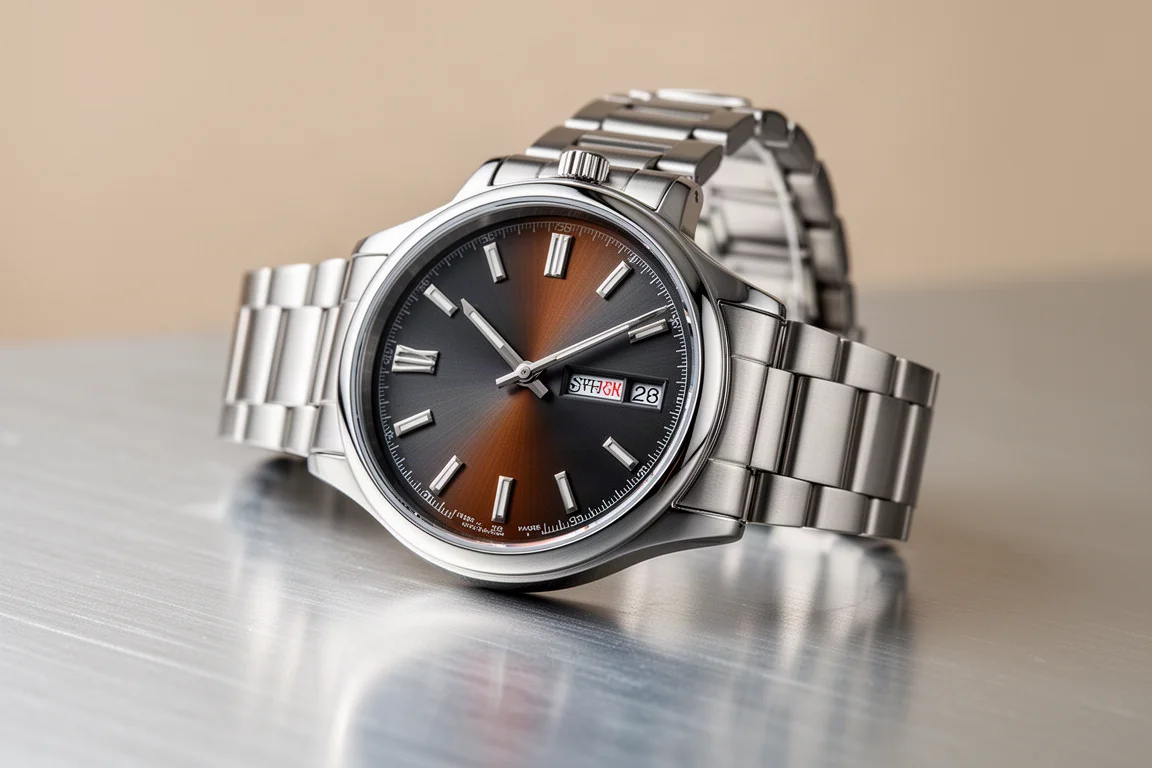
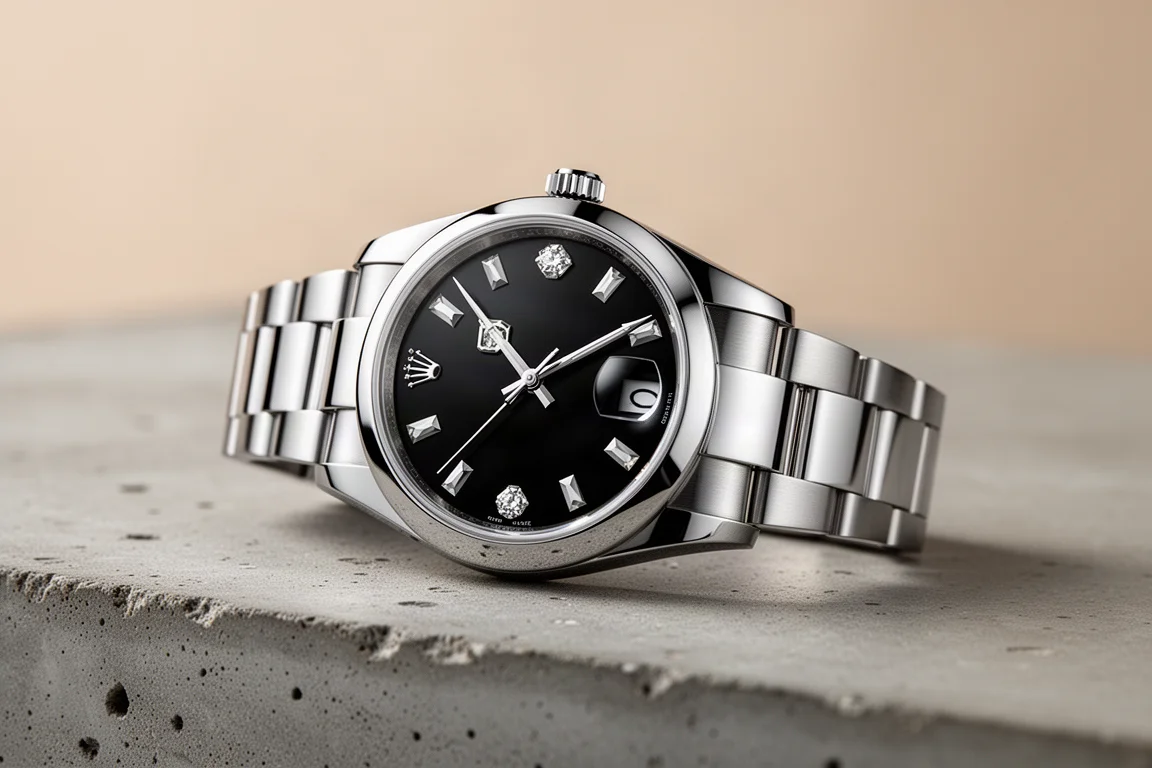
The SNXS79 has the weakest design identity of the three, closely resembling a Rolex Datejust 36, which is likely part of why it is so popular. It features lumed, applied stick indices with simple polished rectangular geometry, hands with lume and a center bevel that catches light for legibility, an applied Seiko wordmark and Seiko 5 emblem, automatic printed below, and a day-date complication framed in white at 3 o’clock. The standout is the deep, rich sunburst dial: it reads black in some light, charcoal grey in others, with hints of brown underneath. For the price, it is genuinely dynamic.
The SARB033’s dial is plainer: black without texture, though in bright direct sunlight it can appear more of a chocolate brown. That simplicity gives the dial furniture room to shine. The applied indices are among the best of the three, with more interesting geometry and matching finishing. The sharp dauphine-style hands are sporty with lume, and the seconds hand carries a diamond-shaped counterweight. The framed date window at 3 o’clock is tonal, black on black, which some collectors love.
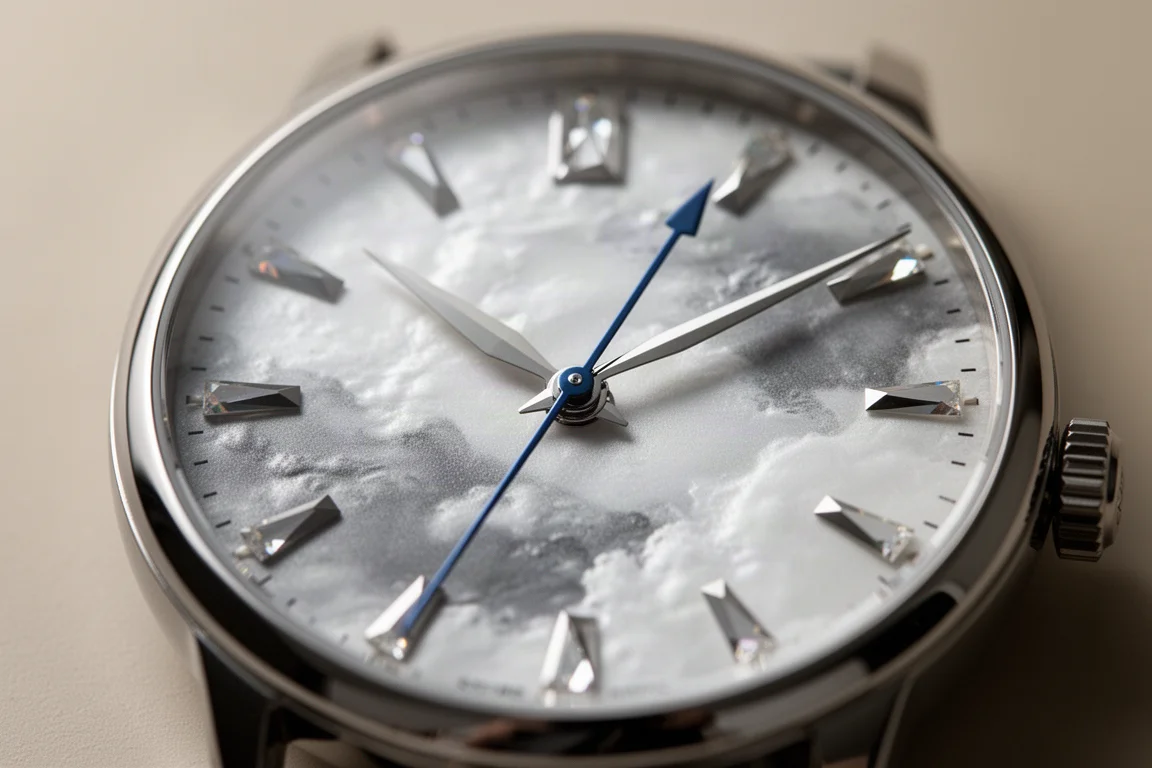
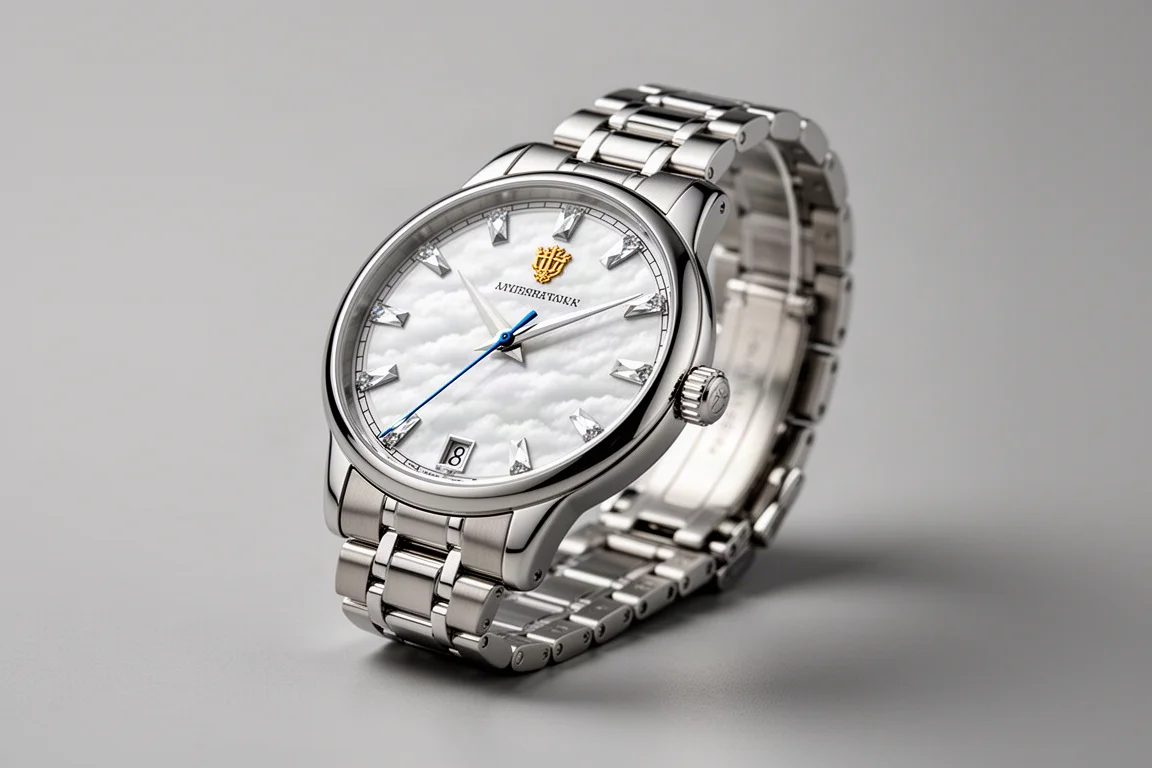
The Grand Seiko SBGH311 dial is the reason many people buy this watch. It features a silvery white textured pattern reminiscent of a sea of clouds, shifting through shades of grey, silver, and white in changing light. It almost looks like meteorite, and it draws compliments more than any other watch in the collection. The hour markers are immaculately zaratsu polished with extremely sharp edges that sparkle, the sword-shaped hands are finished to match, the seconds hand is heat blued, and the tonal date window at 3 o’clock skips the extra printed marker seen on larger Grand Seikos. An applied gold-tone GS logo pairs beautifully with the blued seconds hand. It is a masterclass in symmetry, visual interest, and contrast.
Movements and Accuracy
All three use automatic movements, which is ideal for a one-watch rotation. The Seiko 5 runs the basic entry-level 7S26 caliber. It lacks hand winding, so you need to swirl it to get it going, and it has no hacking or stop-seconds function, so precise time setting to the second is not possible. Accuracy is roughly plus or minus 30 to 40 seconds per day. It beats at 3 Hz, so the seconds hand sweep is not especially smooth, and the 41-hour power reserve will not survive two full days off the wrist. You can watch it tick through the display case back, though there is no special finishing on the movement.
The SARB033 uses the better 6R movement with hand winding and stop seconds, a marginally improved accuracy range of plus 25 to minus 5 seconds per day, and a longer 50-hour power reserve that can carry through a weekend unworn. This movement is made in Japan.
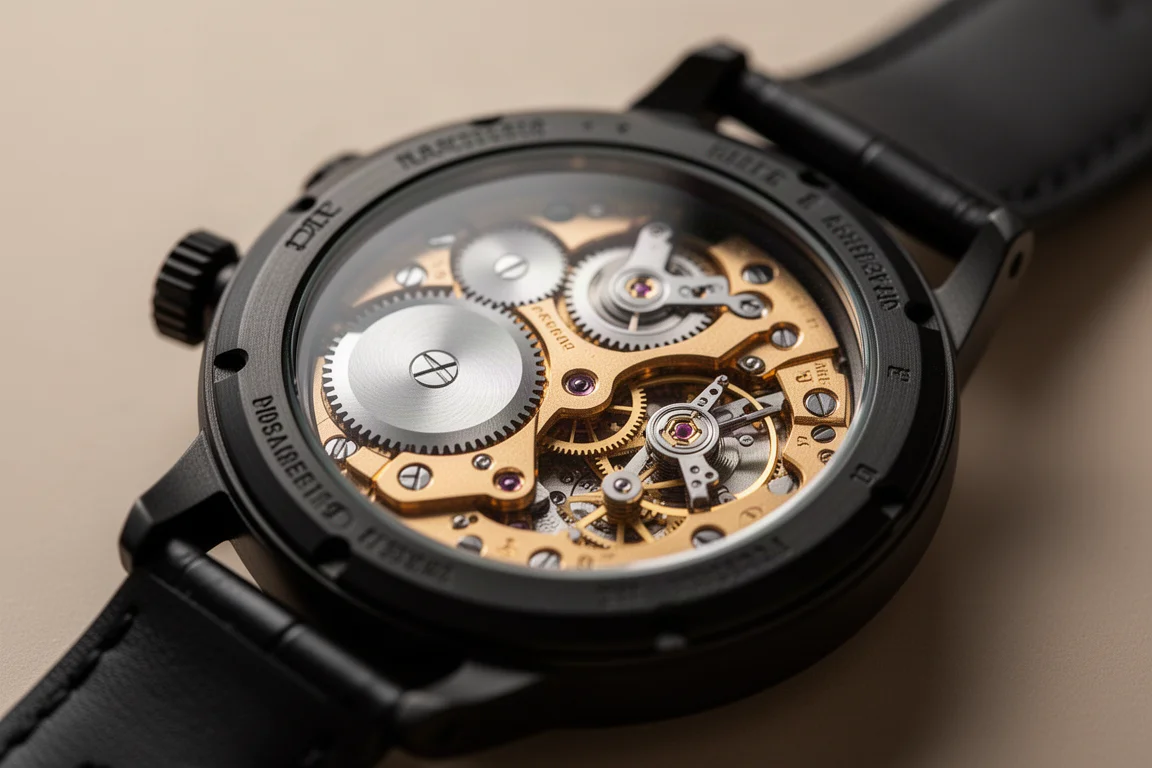
The Grand Seiko uses caliber 9S85, a High Beat movement running at 36,000 vibrations per hour, or 5 Hz. Like a faster-spinning top, the higher beat rate resists disturbance and supports better timekeeping. It is theoretically rated to plus 5 / minus 3 seconds per day, and in real on-wrist use it runs around plus 8 to minus 1, with typical examples running about 2 to 3 seconds fast per day. Despite the higher energy draw, it has the longest power reserve of the three at 55 hours, and the seconds hand ticks 10 times per second for a very smooth, satisfying sweep. The movement finishing is leagues above the other two, partly hidden behind a striking blue titanium rotor.
View more details for Seiko 5 SNXS79
What Your Money Actually Buys
The Seiko 5 SNXS79 is discontinued but still available on the grey market from retailers such as Amazon and Jomashop for around $100 to $150. The SARB033 was purchased shortly before its discontinuation in early 2018 for $339 and served as a daily watch for years. Used examples now trade closer to its original $500 MSRP, and at that price more recent offerings with modern specs may be a better bet.
The Grand Seiko SBGH311 costs around $6,600. Grand Seiko offers strong relative value at that level, particularly with the weak yen, though the brand is steadily moving upmarket in pricing, so that value equation may not hold forever. Being honest: even $300 can feel like a lot for what a mechanical watch does, and none of these will match the accuracy of your phone or a cheap quartz movement.
Worth remembering for anyone starting a collection: the craving for the next best thing, the upgrade treadmill, is real. Once the honeymoon period with a good watch wears off, the temptation to spend more creeps in. Grounding ownership in genuine appreciation of what you already have, flaws and all, is one way to keep that in check. All three of these watches earn their place in a collection for different reasons.
Conclusion
Across three price points, the pattern is clear. The Seiko 5 SNXS79 delivers a surprisingly dynamic sunburst dial and an iconic look for around $150, with clear compromises in bracelet and movement. The SARB033 adds better finishing, a superior 6R movement, sapphire, and 100 m water resistance, making it the strongest all-rounder if you can find one at a fair price. The Grand Seiko SBGH311 shows what true luxury craftsmanship looks like, from the Sea of Clouds dial to the hand-polished case and high-beat movement, with the one notable gap being the lack of lume. The right choice comes down to your budget, your use case, and what you value most in a watch.
Further reading
Related Reviews

Watch Reviews
Circula ProTrail Review: A Field Watch That Overdelivers on Paper
The Circula ProTrail packs a hardened case, strong magnetic resistance, and a regulated movement into a rugged everyday field watch near the $1,000 mark.

Watch Reviews
Formex Reef 39.5 Carbon Fiber Review: A Smaller Diver With a Sparkling Dial
The Formex Reef 39.5 brings a carbon fiber dial and bezel to a smaller dive watch case. We examine the fit, the finish, and the legibility trade-offs.

Watch Reviews
The Most Impressive Watch Dials for the Money in 2026
From Seiko's cocktail-inspired dials to Grand Seiko's optical multi-layer technology, these are the watches that prove a great dial can define a timepiece.