Watches
Seiko 6139-610 Bruce Lee: The True Grail Chronograph Explained
The Seiko 6139-610 with the Hong Kong non-JDM variant is the watch most closely linked to Bruce Lee. Here is what makes it special and what to check before chasing one.
Introduction
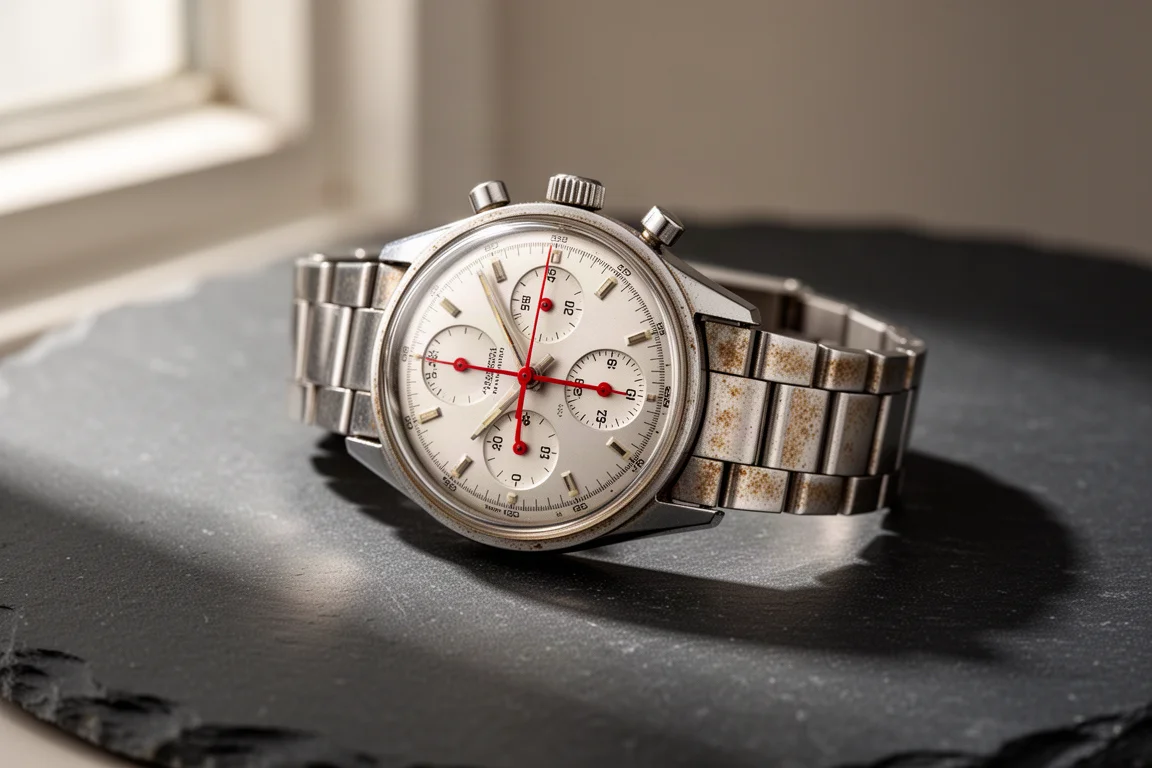
Some watches earn their legend through a famous wrist, and few stories carry as much pull as Bruce Lee’s. The watch most closely tied to him is not a speculative association but a specific reference: the Seiko 6139-610, identified through years of archived photos and collector research as the true Bruce Lee watch. Within that reference there is an even more specific prize: the Hong Kong non-JDM variant, assembled and sold exclusively in the Hong Kong market in the late 1960s through the 1970s.
JDM, or Japanese Domestic Market, Seikos are often coveted by collectors because Seiko is a Japanese company and pieces sold only in Japan carry a particular appeal. But Hong Kong in that era was an aggressive merchant market ahead of its neighbors, already a major player in watch assembly. It makes natural sense that some of the world’s first non-JDM Seikos came out of Hong Kong, and that Bruce Lee, originally from Hong Kong, would have worn one.
Everything known about the Bruce Lee 6139 comes from archived photos and the cumulative work of horological historians and watch lovers, which is exactly what gives this reference its credibility. This article walks through what makes the watch special, the details that separate the true Hong Kong variant from ordinary 6139-610s, and how it actually lives on the wrist.
What Makes It the True Bruce Lee Watch
Beyond the obvious baseline of being a 6139-610, the defining attribute is the Hong Kong dial variant. On this dial, the nine o’clock text reads “Water 70m Proof” instead of the Japanese-market wording. That single line of text is the fingerprint collectors use to confirm the non-JDM origin.
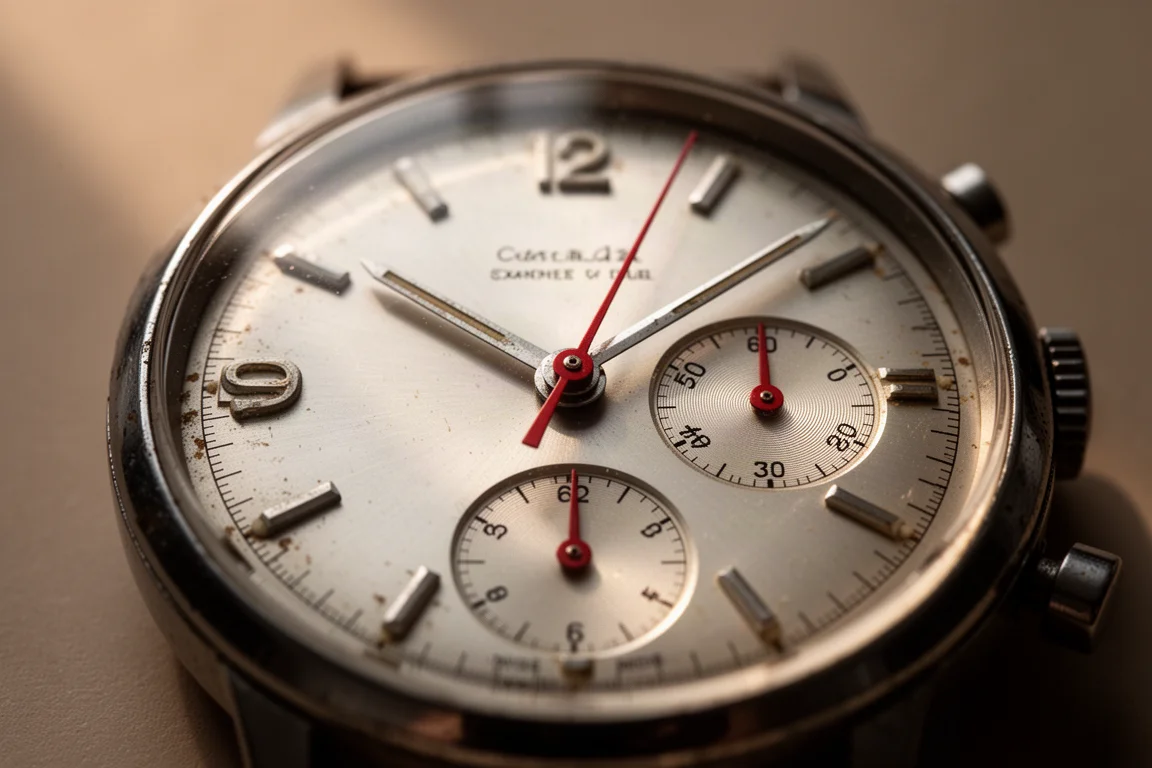
Logical deduction, though not 100 percent conclusive, also points to the day wheel being the Hong Kong Chinese day wheel rather than the Japanese kanji day wheel. Photos from Bruce Lee’s era are not clear enough to settle that question visually, so collectors lean on reasoning plus the surviving Hong Kong examples to fill the gap.
The Hong Kong Day Wheel Detail
This is where the collecting gets delightfully nerdy. Japanese Seiko day wheels use a set of kanji characters for the days of the week: the character for sun represents Sunday, moon for Monday, then fire, water, wood, gold, and earth, ending with Saturday. The Hong Kong day wheel instead uses Chinese numeric characters: Sunday remains the character for sun, while the remaining days use the characters for their corresponding numbers, one for Monday, two for Tuesday, and so on.
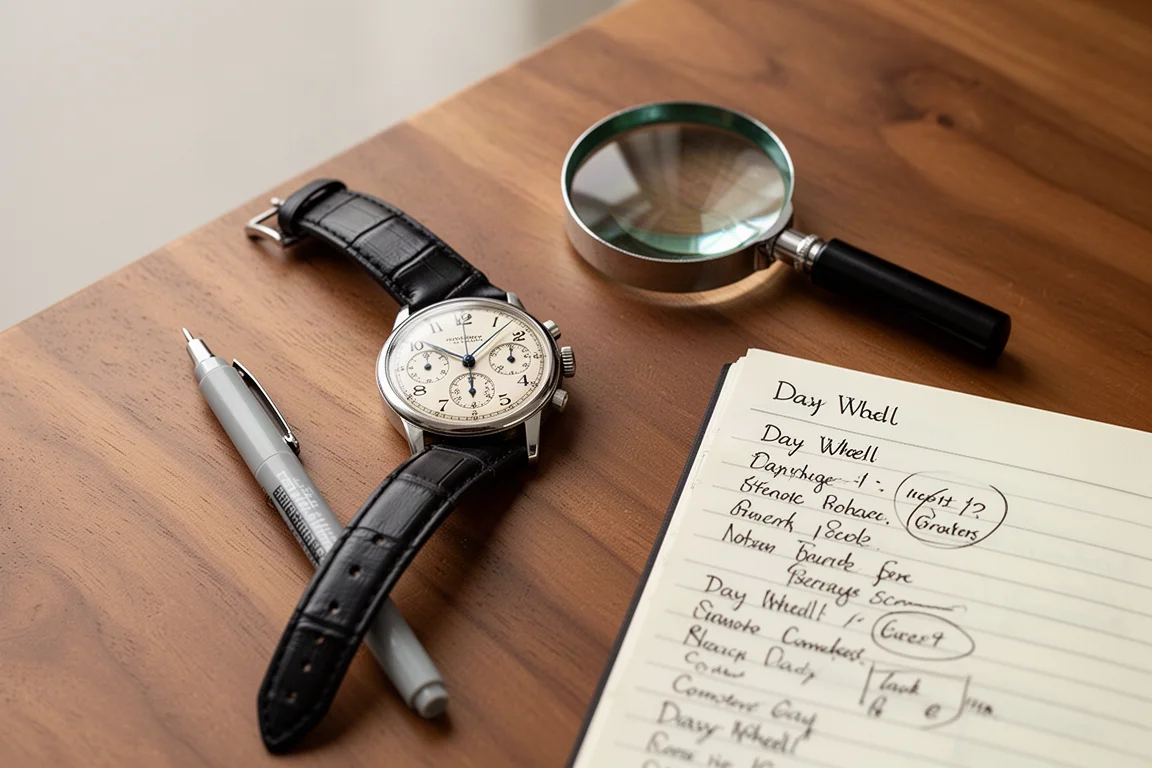
Surviving Hong Kong-market examples indeed carry this numbered day wheel, which is why a close inspection of the day display is one of the first things a serious buyer should do. It is a small detail, but it is exactly the kind of detail that separates a genuine Hong Kong variant from a Japanese domestic example with the right dial.
How the Chronograph and Date Mechanism Work
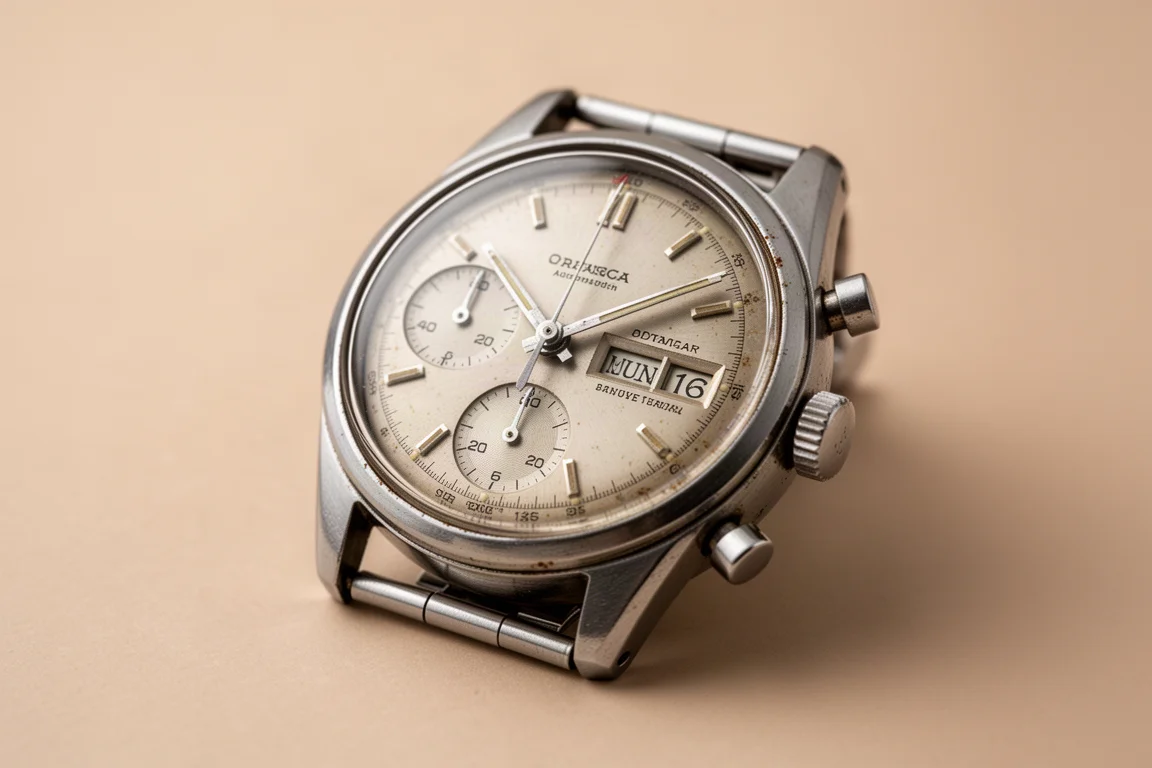
As an automatic mechanical chronograph, the watch needs no batteries and winds itself simply from being worn. There is no dedicated seconds hand, but there is a red chronograph hand, chronograph being the formal word for a stopwatch. The top pusher at the two o’clock position starts the timing, pressing it again stops it, and the bottom pusher at four o’clock resets it to zero.
The movement measures up to 30 minutes using the subdial at the six o’clock position. As the central chronograph hand completes a full revolution, the subdial hand simultaneously advances by one minute.
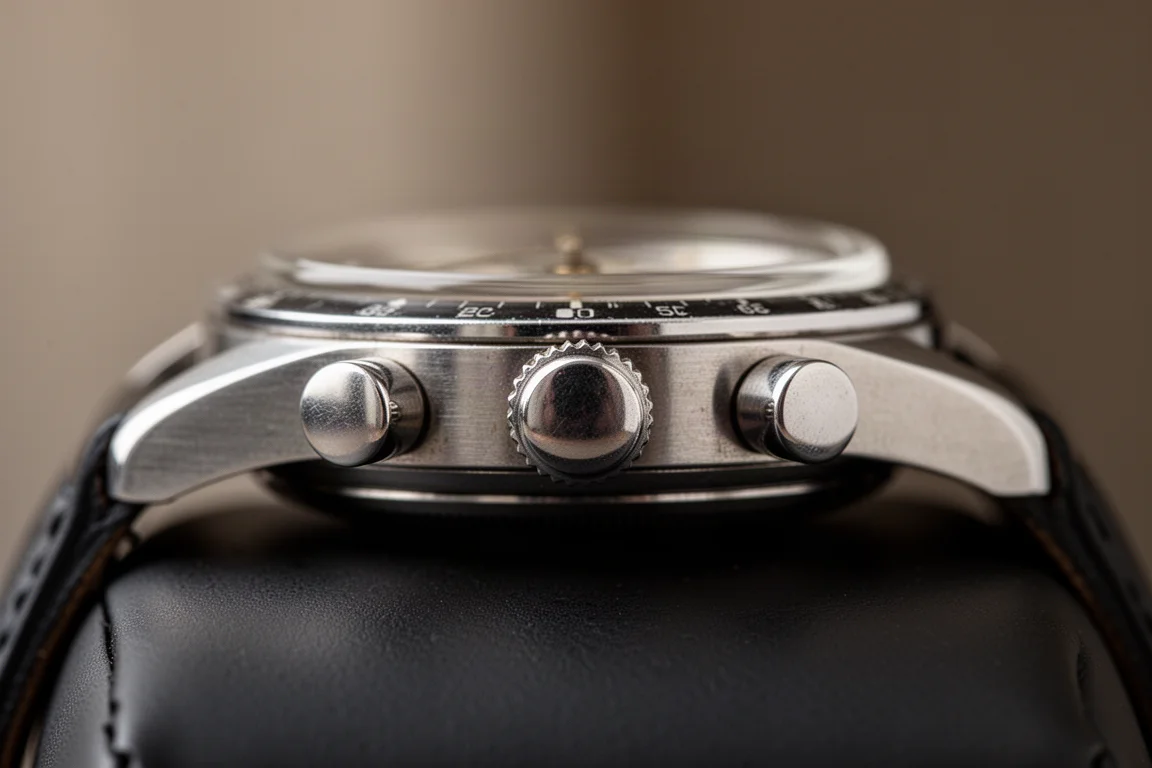
Setting the time, day, and date is fascinating because modern mechanical watches rarely use mechanisms like this anymore. There is no hand winding, so when the crown is pulled there is only one position, which advances the hands when turned counterclockwise. Day and date take some getting used to: the half press advances just the numerical date, while the full press advances both the date and the day of the week one step at a time. It is a quirky, tactile system, and the fact that these tiny gears, levers, and parts, built on the other side of the globe nearly 55 years ago, still work perfectly is part of the charm.
On the Wrist
The case measures 39mm across with a 43mm lug-to-lug, a 19mm lug width, and a case thickness of about 13mm including quite a thick protruding crystal. The 19mm lug width makes strap options a little tougher to source than the standard 20mm.
On the wrist it feels surprisingly light, even on the bracelet, and it sits comfortably on a wrist circumference of around 6.5 inches or 16.5cm. For a watch of this vintage and stature, it wears compact and unpretentious rather than oversized.
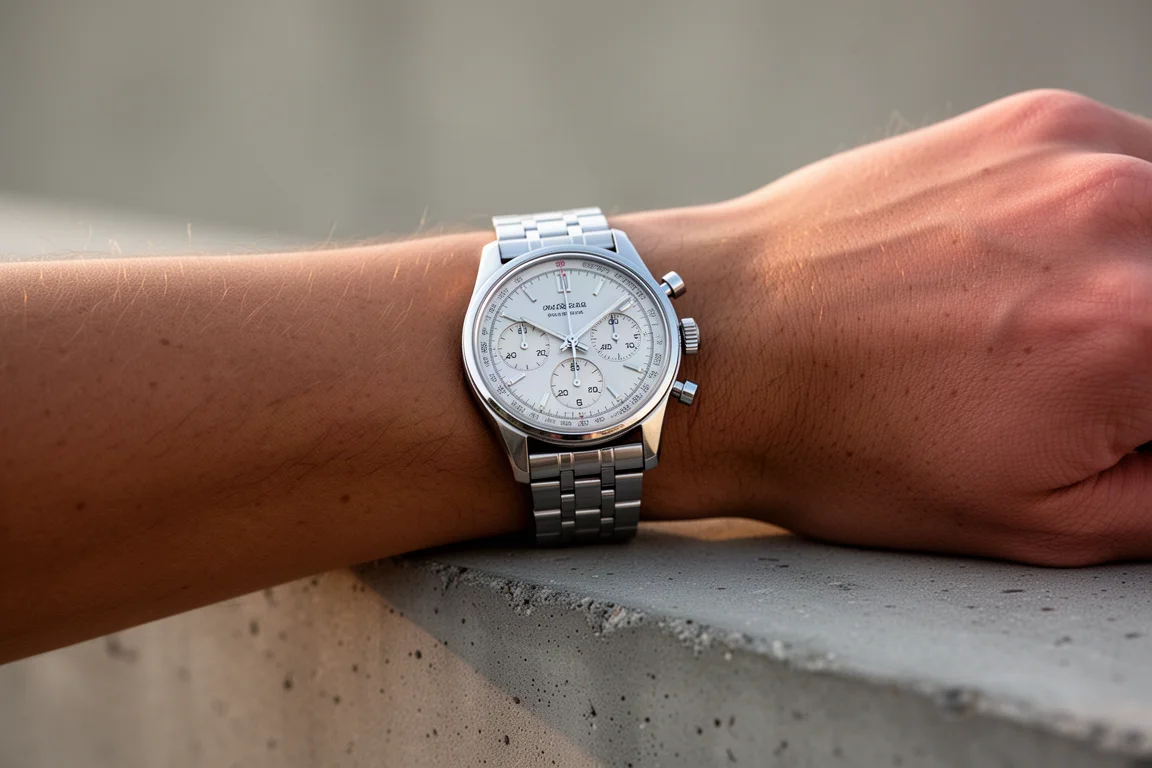
One detail collectors chase is the original bracelet style: Bruce Lee modified his own bracelet to his tastes, using a rally-style steel bracelet with oval cutouts. That exact bracelet style is rare and is the one missing piece for anyone trying to recreate the historic look. Actor Daniel Dae Kim is the only person widely seen wearing a 6139-610 with an oval-cutout bracelet. Note that not every bracelet fitted to surviving examples is original: some signed Seiko bracelets on these watches do not appear in any photos of an original 6139-610 configuration, so provenance matters.
Buying Advice
Chasing this reference means patience. Surviving Hong Kong variants are scarce, and condition, correct dial text, and the day wheel language all affect what a serious buyer should verify before committing. Companion pieces with family provenance do surface occasionally, but they are the exception rather than the rule.
If the goal is the historic Bruce Lee look, prioritize the Hong Kong dial with the “Water 70m Proof” text at nine o’clock and verify the numbered Chinese day wheel in person or through trusted inspection. The bracelet is a bonus rather than a requirement, since the oval-cutout rally style is genuinely hard to find.
Conclusion
The Seiko 6139-610 Hong Kong variant is a rare combination of mechanical charm, historical documentation, and genuine scarcity. It winds itself, times 30 minutes, flips its day wheel between Chinese numerals and English, and carries one of the most resonant celebrity watch stories ever documented through archived photos. For collectors willing to wait and verify the details, it is the kind of grail that is worth the years of patience it often demands.
Further reading
Related Reviews

Watches
Best Moonphase Watches 2026: From Budget to High-End
A curated look at some of the most compelling moonphase watches across the market, from an affordable Casio to a spectacular Arnold & Son.

Watches
Best Tissot Watches 2026: The Models Collectors Voted For
A look at the Tissot models that stood out in a collector-driven tournament, from the PRX Titanium 38 mm to the Heritage 1938.

Watches
Best Watches Under $500 in 2026: A Brand-by-Brand Guide
A practical guide to the best watches around the $500 mark in 2026, covering mainstream Swiss and Japanese brands plus a few standout microbrands.