Hand Tools
Screw Extraction Locking Pliers: Engineer PZ-66 vs Vampire Tools VT-003 7" LP
Two purpose-built locking pliers for grabbing stripped screws, how they differ in jaw design, and which one fits your kind of repair work.
Introduction
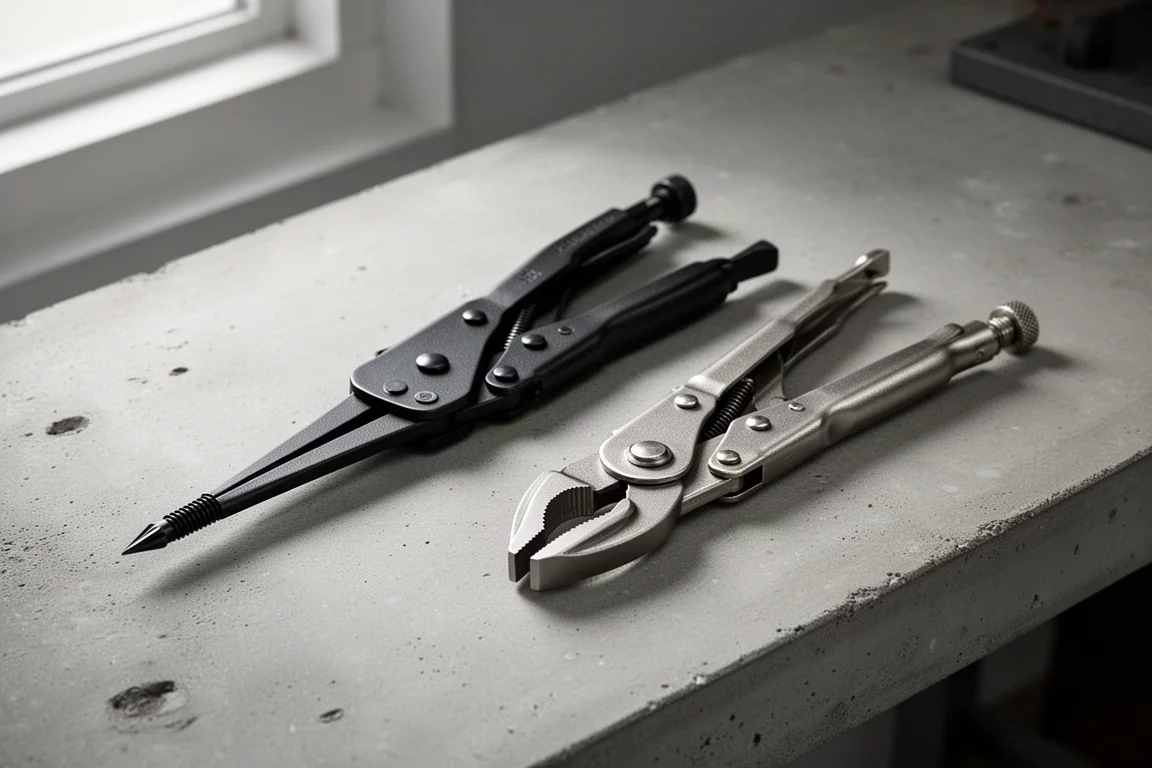
Locking pliers, often called vice grips, keep coming up whenever screw extraction is discussed, and for good reason: the locking mechanism lets you clamp down on a fastener, snap the handles shut, and apply steady turning force without the jaws wandering. Some locking pliers are designed specifically for screw extraction, and two of them stand out: the Engineer PZ-66 and the Vampire Tools VT-003 7” LP, also known as the Vampire Jaws.
These two share a purpose but approach it differently. The Vampire has a larger, rounded jaw profile with a dedicated screw extraction nose at the tip, while the Engineer takes a smaller, more beak-like form aimed at precision work on smaller screws. This guide breaks down where each one excels.
Why Locking Pliers Belong in a Screw Extraction Kit
The locking mechanism is what makes this category indispensable. You can tie something down, snap the pliers shut, and they stay shut, which is exactly what you need when repairing things or working overhead. They act as that reliable third hand, and with two pairs you effectively have a fourth hand for holding things tight in different positions.
For screw work specifically, the advantage is that once the jaws bite into a screw head, they stay on. You can keep the pliers spinning on the fastener without re-gripping, which turns a frustrating removal into a quick job. That benefit matters most on longer screws where there is enough shaft to grip.
Engineer PZ-66: Precision for Small Screws
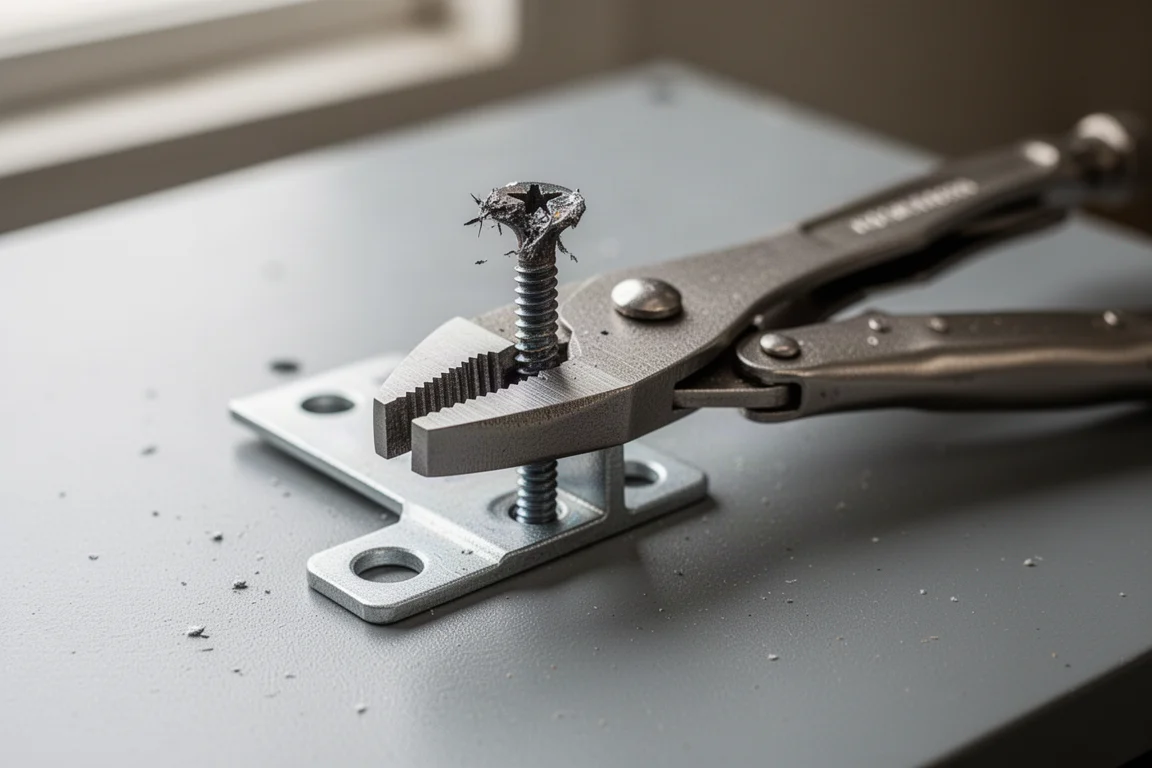
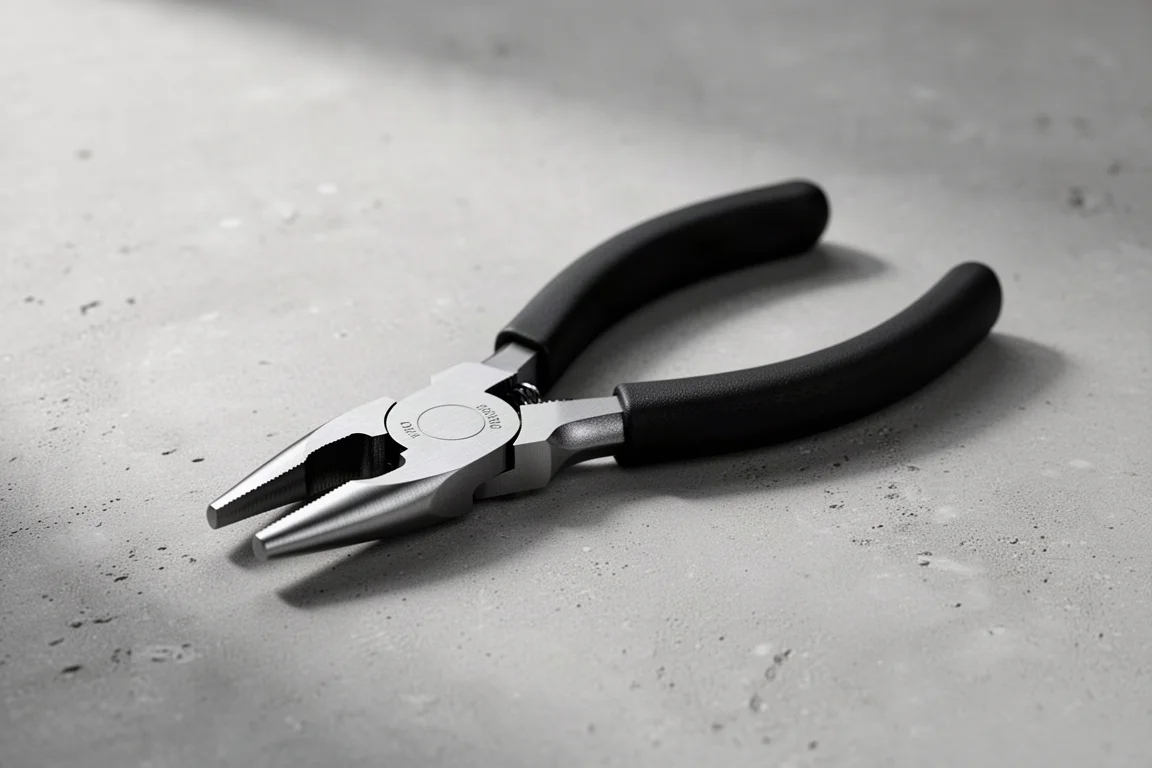
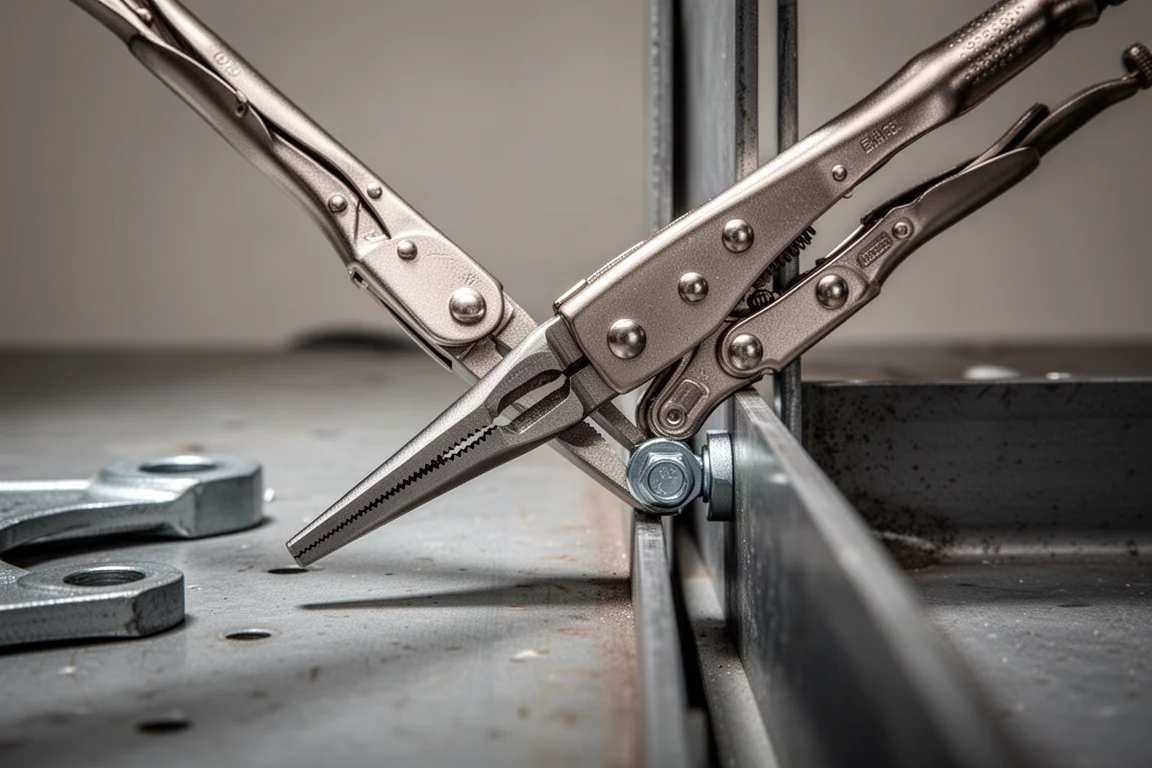
The Engineer PZ-66 is the smaller of the two, with a bit more of a beak at the tip and a narrower bite. That small jaw is a genuine advantage on small screws, where a bigger jaw would be clumsy, and the extra precision makes placement easier.
There is a technique to using them. Because locking pliers have more moving parts, it can help to close the jaws partway first, add a little pressure, and then press them onto the screw. Once they are on and locked, they stay on, and you can keep spinning them on small fasteners. On longer screws, roughly an inch long, they really show their value.
The trade-off is grip strength on larger fasteners. The small beaks are simply too small to grab a bigger screw head reliably, so this is a tool that behaves best in its intended range. As a bonus, they still work well as conventional locking pliers for general holding tasks.
Vampire Tools VT-003 7” LP: Reach and Grip for Stubborn Fasteners
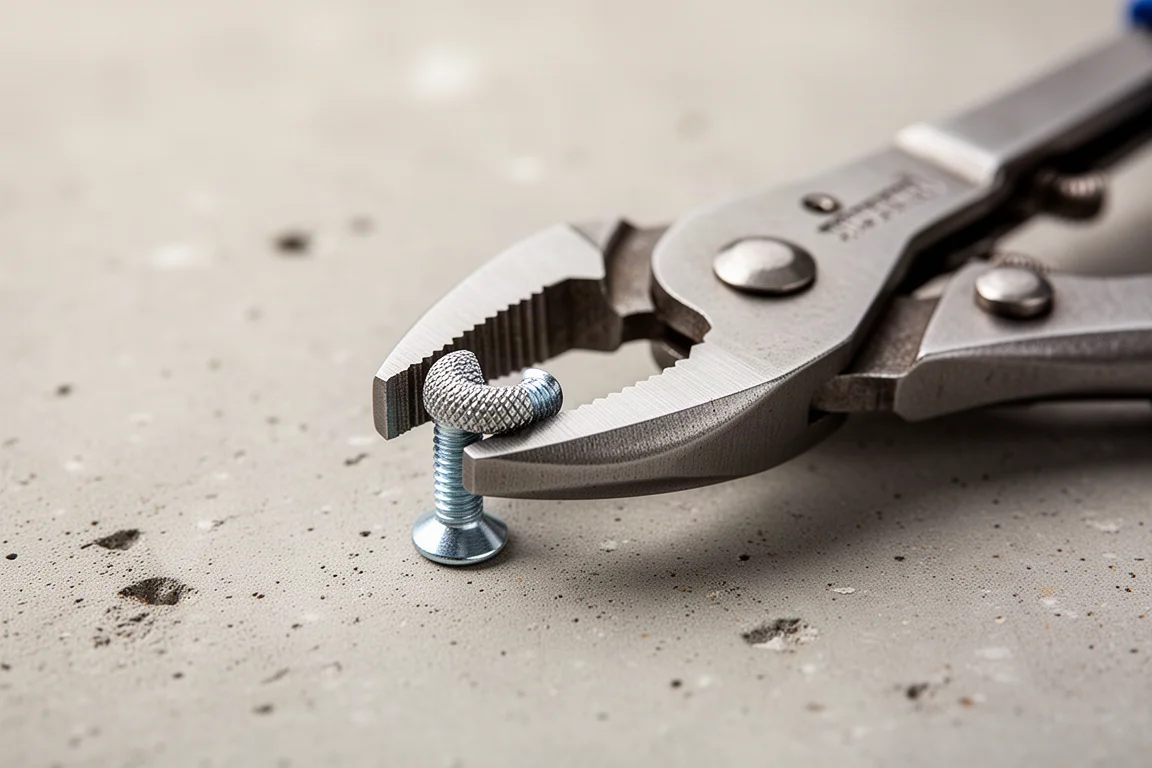
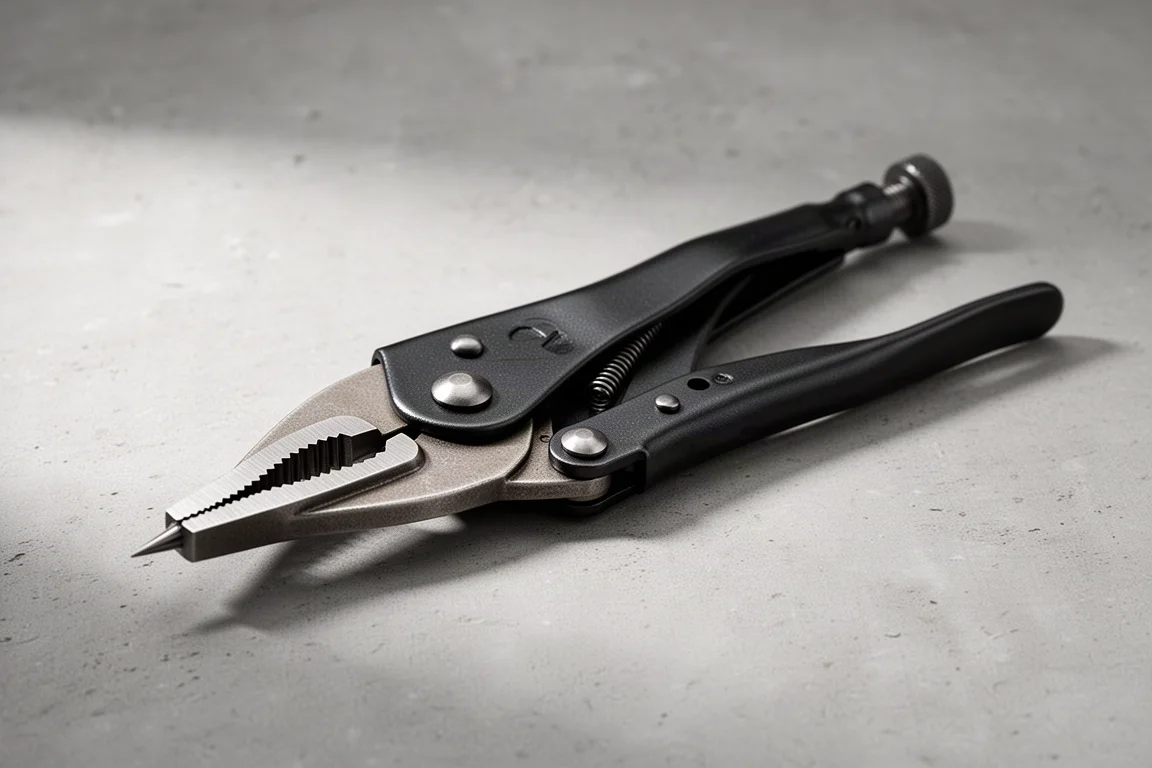
The Vampire Jaws are the standard-sized option, with a nice big rounded jaw shape that is similar to the Snap-on design in profile. Unlike flat-jawed locking pliers, the jaws are curved, and the key difference is the dedicated screw extraction nose at the front, where comparable Snap-on and Knipex models are flush at the tip.
That extraction nose makes a real difference on nearly flush fasteners. Grabbing a screw that sits almost flush with the surface is a one-second job with the right tool, and the VT-003 is built for exactly that. Once clamped on, the grip is tight and it makes short work of turning stubborn screws.
The long, narrow nose also means it can reach into tighter clearance spots, grabbing a fastener and becoming a handle where ordinary pliers cannot fit. And like the Engineer, they behave very well as locking pliers in their own right, so you get everyday utility alongside the extraction capability.
What to Avoid in a Screw Extraction Plier
Not all locking pliers grab screws well. A common shortcoming is jaw serration orientation: if the cutouts run in the same direction you are turning, you gain nothing from them as you rotate around a screw head. All you get is a place for the jaws to seat rather than opposing purchase. Jaws cut in the opposite direction of rotation are what actually give you grip.
Build quality matters too. Some older designs use folded steel with rivets, a construction that is notorious for bending under load and likely to fail under heavy pressure. It is also worth inspecting a new pair carefully: a burr left from a final tip grinding step may need to be filed off before the jaws seat cleanly.
Choosing Between the Two
Both of these are great tools with their own place, and neither is a compromise. If you work with smaller screws and want precision, the Engineer PZ-66 fits that role. If you want the standard conventional design with a dedicated extraction nose and the ability to grab larger or nearly flush fasteners, the Vampire VT-003 is the stronger pick.
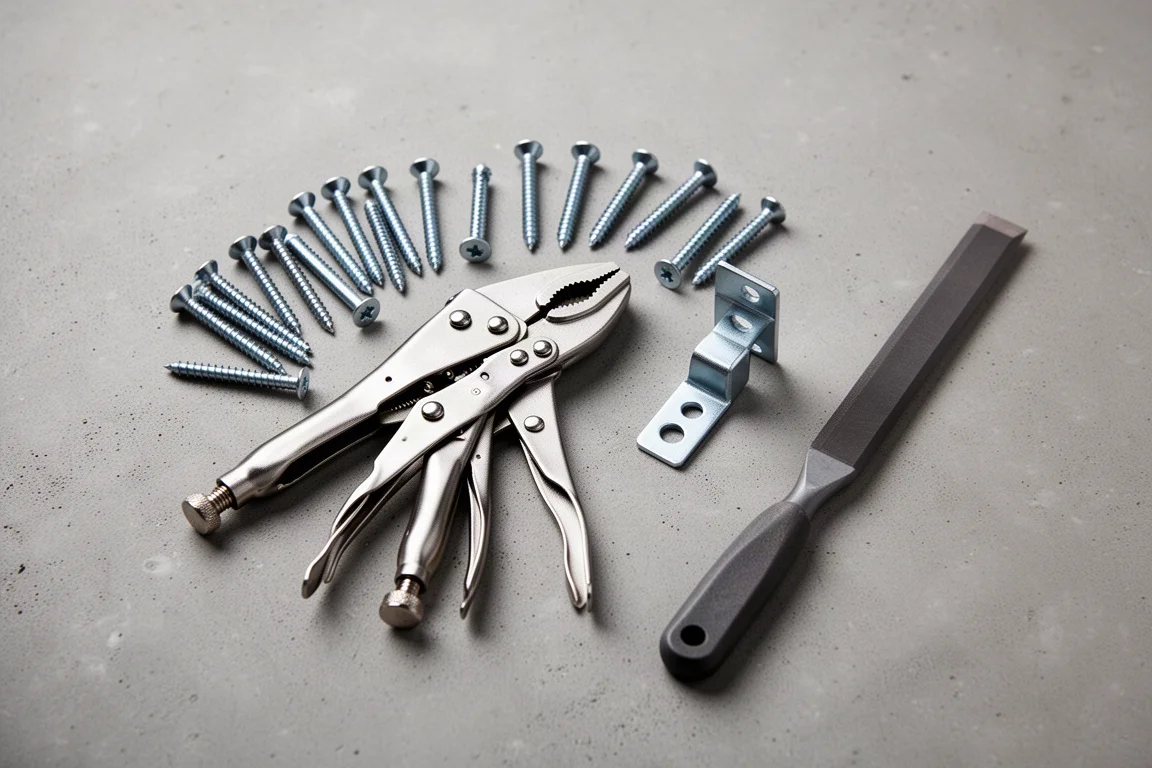
If you could only have one, a standard conventional plier design with a slip joint or multi-plier function is the safer all-around choice. But if you spend time spinning fasteners loose, and it is not always screws, the added benefit of locking capability on these two makes them worth a look. They are highly recommended: not good, not bad, just different, in the best sense.
Conclusion
The Engineer PZ-66 covers the precision end of screw extraction with its beak-like jaws and small-screw focus, while the Vampire Tools VT-003 7” LP brings a rounded, standard-size jaw with a purpose-built extraction nose for bigger and nearly flush fasteners. Match the tool to the screw sizes you actually encounter and either one will earn its place in the toolbox.
Further reading
Related Reviews
Hand Tools
Best Diagonal Cutters 2026: 16 Pliers Tested for Cutting Power and Durability
We put 16 diagonal cutters through nail, screw, drill bit, and hex key tests to find the best value picks for your toolbox.
Hand Tools
Best Hex L Key Sets 2026: Nine Sets Tested for Real-World Torque
Nine hex L key sets from budget to premium, tested for torque, fit, and durability. See which sets deliver real performance and which ones to skip.
Hand Tools
Best Locking Pliers 2026: Top Picks Tested for Grip and Durability
We tested 18 brands of 10-inch locking pliers for grip strength, jaw bite, build quality, and ease of release to find the best options for tough jobs.