Skis
Scott Speedguide 95 Review: A Light Hybrid Ski for Resort and Touring Days
A close look at the Scott Speedguide 95, a 95mm-waist hybrid ski that pairs a lightweight wood core with carbon and aramid fibers for efficient climbing and confident descents.
Introduction
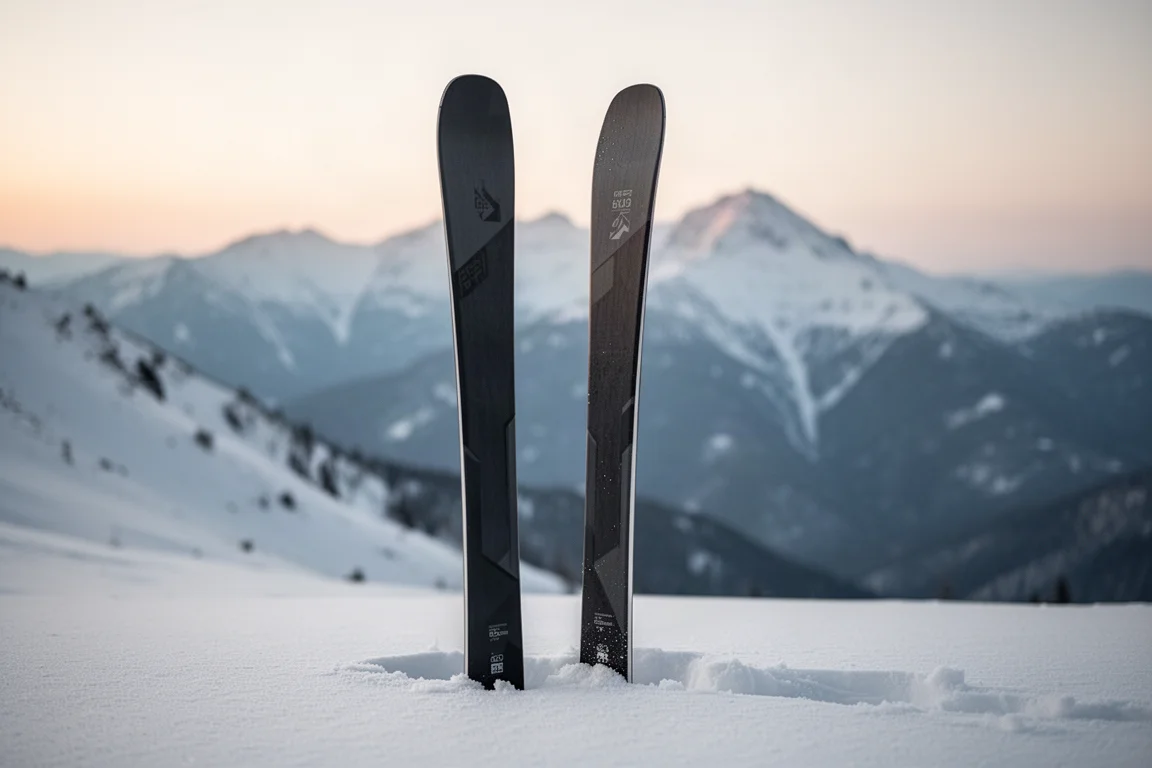
The Scott Speedguide 95 is aimed squarely at skiers who refuse to choose between lift-served laps and human-powered days. It is a hybrid design, and a fairly touring-leaning one at that, built around a 95mm waist and a construction that keeps the weight low without hollowing out downhill performance.
That positioning matters, because the marketing around skis like this tends to frame them strictly as uphill and backcountry tools. Doing so undersells them. Riders who simply want a lighter option for resort skiing in the mid-90s waist range are just as legitimate a fit for this ski.
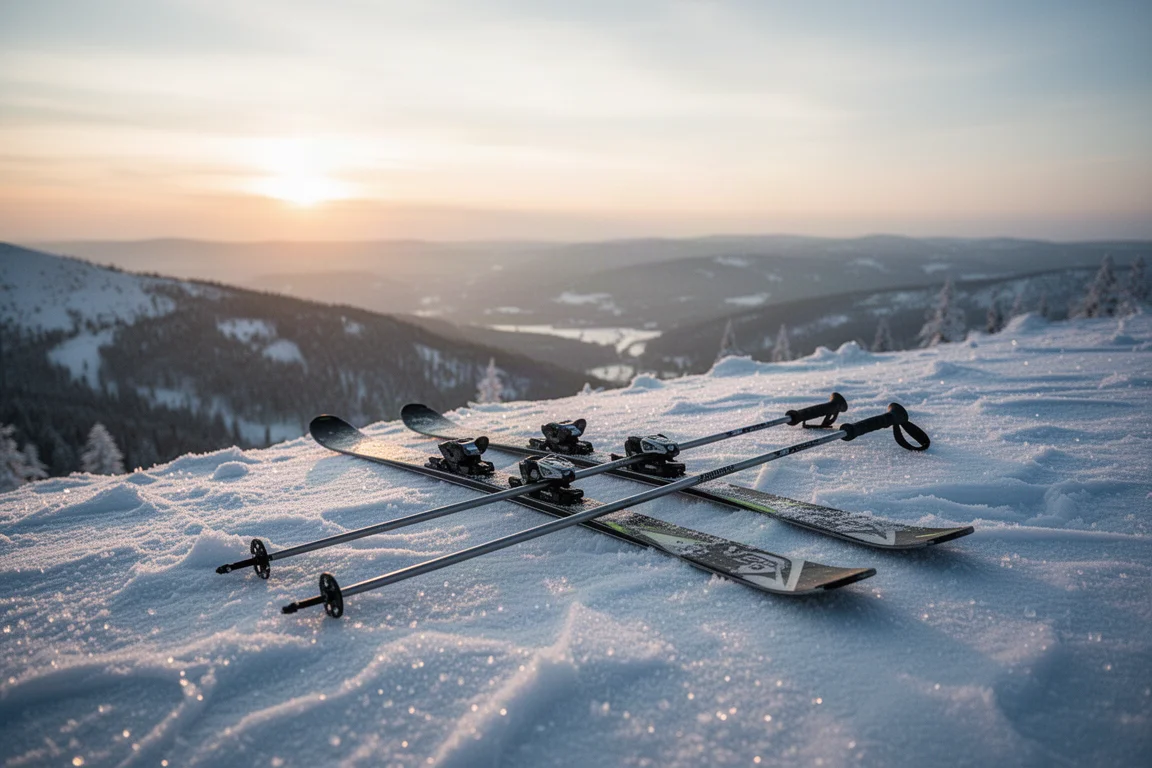
What follows is a practical breakdown of how the Speedguide 95 is built, what it does well, and the trade-offs worth weighing before you commit to a pair.
Who This Ski Is For
This is a ski for the rider who splits time between the resort and the skin track. It follows a hybrid direction that has become common in recent seasons, where established all-mountain shapes are rebuilt with lighter materials rather than replaced by dedicated touring platforms.
If you want one setup that climbs efficiently and still holds up on the way down, the Speedguide 95 belongs on your shortlist. It is not a featherweight uphill race ski, and it is not a heavy freeride charger. It sits deliberately between those poles.
It also suits resort skiers who want a lighter, more agile feel underfoot at a mid-90s waist width. That width is a sensible middle ground for most snow zones, and it keeps the ski versatile across groomers, soft snow, and technical terrain.
Main Strengths: Lightweight Build and Stable Ride
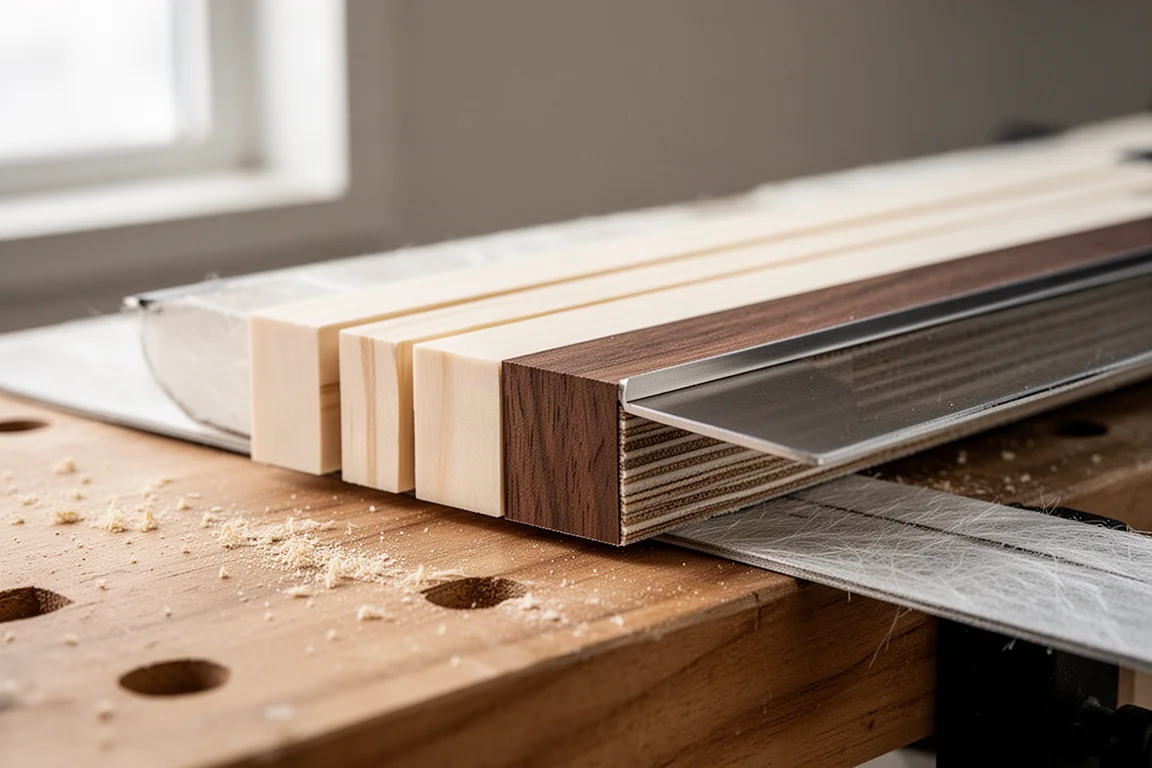
The core is a blend of lightweight paulownia and a denser beechwood. The paulownia does the obvious job of pulling weight down, while the beech adds stability and power for more aggressive skiing and for terrain that demands a bit more composure from the ski.
On top of that wood core sits a combination of carbon and aramid fibers. Carbon brings stiffness without much mass, and aramid is exceptionally strong, the same family of material used in Kevlar. Together they produce a fairly stiff flex that pairs with the low weight.
The payoff shows up on the scale. At 178cm, the Speedguide 95 weighs 1505 grams, right at the 1500-gram threshold. That keeps uphill efficiency high while the fiber and wood construction supports strong downhill performance.
Construction details reinforce that intent. There is a half-cap build underfoot that adds agility without stripping away performance, while the rest of the ski runs a fairly straight sidewall. The result is more material tucked under the cap in the middle of the ski, an unusual but effective way of balancing quickness and edge hold.
Shape, Rocker, and Turn Radius
At 178cm the turn radius is 21 meters. That longer radius is useful in both directions: a straighter ski tracks better while skinning, and once you reach the top, a longer radius lets you shape turns on your own terms instead of being locked into one arc. In fresh snow, that freedom is a big part of the fun.
There is camber underfoot, which gives you edge grip when conditions turn sketchy or the terrain gets technical. Tip rocker handles flotation, and it is not an extreme profile. The splay toward the tip is more pronounced and more abrupt, effectively creating a longer tip, while taper stays minimal because of the straight cut.
The tail is similarly restrained. Splay appears only in the last eight to ten centimeters, enough to keep the tail from hooking and to keep you from sinking, but not enough to shorten the effective edge. That longer effective edge translates into smoother, more predictable grip and control. The overall rocker profile stays modest, which is partly a touring consideration: more ski on the snow means better skin grip on the way up.
Things to Consider Before Buying
The stiff flex is the first thing to weigh. This ski is designed to hold up to rigorous, aggressive skiing, which means it rewards a confident, assertive pilot. Lighter or more relaxed skiers may find it demands more input than they want to give.
The rocker profile is the second consideration. Because the design favors skin grip and edge contact, it does not offer the same flotation as a dedicated powder shape with more dramatic rocker. In deep snow, the 95mm waist and restrained profile will work, but they will not float like a wider ski.
Finally, be honest about the 1505-gram figure. It is genuinely light and clearly tuned for uphill efficiency, but it is not an ultralight race build. Riders chasing the absolute minimum weight for long tours should factor that in.

None of these are flaws so much as a clear statement of intent. The Speedguide 95 is a high-performance hybrid, and it performs best when matched to the rider it was designed for.
Buying Advice
The strongest argument for the Speedguide 95 is simplicity. A 95mm waist is a good place to land for most snow zones, and it lets one pair of skis cover resort days and touring days without obvious compromise. If you want a single width to do it all, this is a reasonable place to be.
If your priorities lean elsewhere, adjust accordingly. Go wider if deep snow is your focus, and narrower if fast climbing matters more than descent performance. The Speedguide 95 makes the most sense for riders who genuinely want both and are willing to accept a middle path.
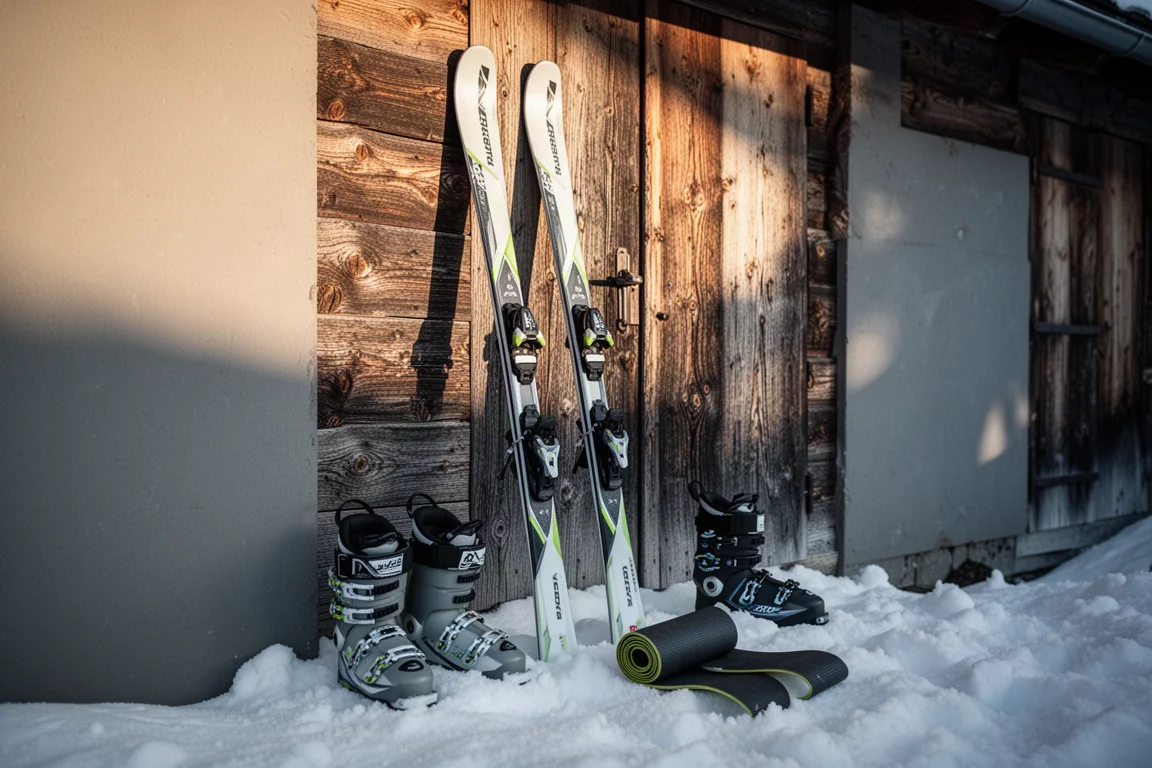
Because the ski leans toward the touring end of the spectrum, it is worth thinking through how you will actually use it. Riders who spend most days in the resort and only occasionally skin will still find plenty to like in the lighter, more agile feel. Riders logging serious vertical on the way up will appreciate the low weight and the straighter track.
Conclusion
The Scott Speedguide 95 is a well-resolved hybrid. A paulownia and beechwood core, carbon and aramid fibers, and a 1505-gram weight at 178cm add up to a ski that climbs efficiently and still has the stiffness and edge grip to perform on the descent.
Its 21-meter turn radius, camber underfoot, and measured rocker profile give it a distinctive character that suits creative turn shapes and variable terrain. The trade-offs are real but predictable: a firm flex, modest flotation, and a weight that is light rather than ultralight.
For skiers who split their season between the resort and the backcountry, and who want one dependable setup rather than two specialist ones, this is a compelling choice.
Product link
View more details for Scott Speedguide 95
This product is mentioned in the review. Check the specifications, options, and compatibility before buying.
View more details for Scott Speedguide 95Further reading
Related Reviews

Skis
Armada Anti Matter 82 W Review: A Light, Approachable All-Mountain Carver
Armada's Anti Matter 82 W pairs a lightweight Karuba and carbon build with an easygoing all-mountain shape, aimed at intermediates through lighter-footed advanced skiers.

Skis
Armada Anti Matter 88W Review: A Light, Playful 88mm All-Mountain Ski Plus Two Alternatives
The Armada Anti Matter 88W returns unchanged in spirit from its Reliance 88C days, and it remains one of the most versatile 88mm skis around. We also look at the Nordica Santa Ana 87 and Anti Matter 92 W as alternatives.

Skis
Armada ARV 100 vs Atomic Bent 100: Which 100mm Freestyle Ski Should You Buy?
Two of the best all-mountain freestyle skis of the season compared: one leans playful and park-ready, the other holds up better everywhere else.