Gravel Bikes
Scott Addict Gravel Tuned vs Scott Speedster Gravel: Is the Premium Build Worth It?
Two Scott gravel bikes, one costing over four times the other. Here is where the money goes, what it changes on the ride, and who each build genuinely suits.
Introduction
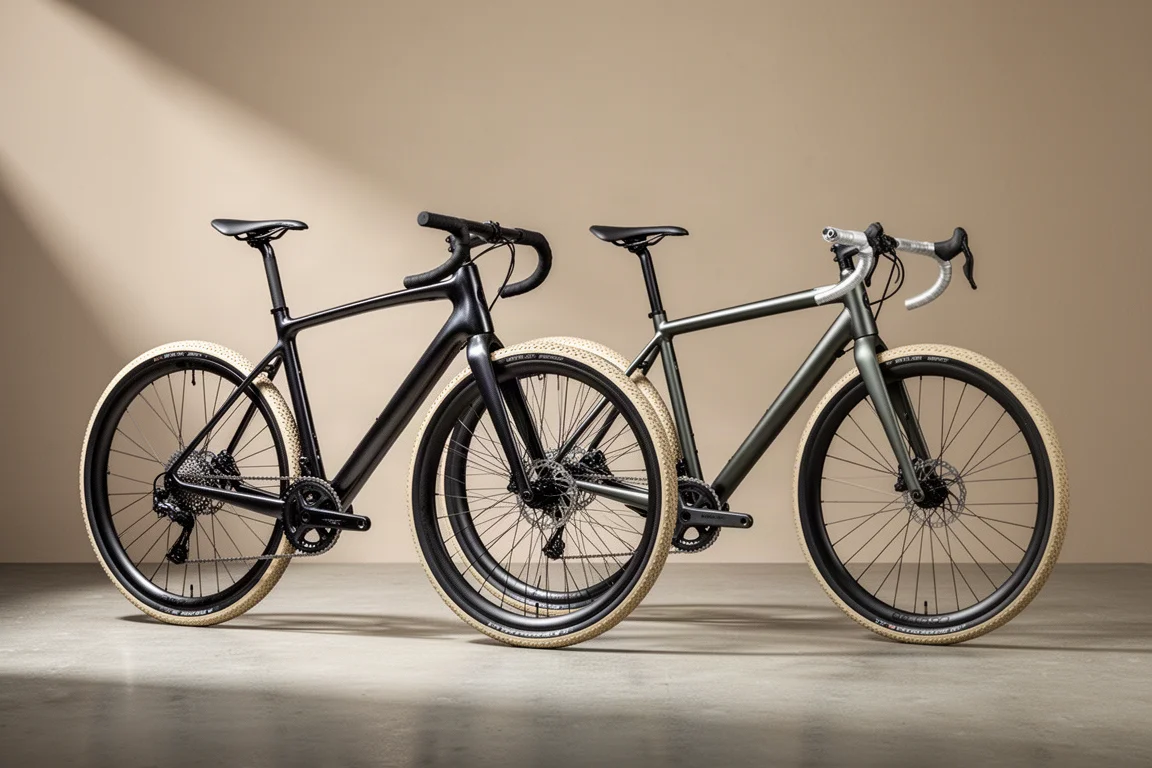
When one gravel bike costs over four times as much as another, the obvious question is whether it is four times better. That is the comparison here. The Scott Addict Gravel Tuned is a custom carbon build with a premium drivetrain, while the Scott Speedster Gravel is an alloy bike with mechanical Shimano GRX that sits at around £1,800.
Both are gravel bikes from the same brand, and their geometries are almost identical. The differences come down to frame material, components and weight rather than riding position, which makes this a fair pair to compare and sharpens the value question considerably.
What Sets These Two Bikes Apart
The Addict Gravel Tuned starts with a gravel-specific carbon frame, and the Tuned designation means a higher grade of carbon fibre than Scott’s other offerings. The Speedster Gravel uses an alloy frame paired with a carbon fork. Both bikes run 160 mm rotors front and rear, and both share geometry that is more relaxed than Scott’s road frames, so either one could double as a comfortable endurance bike with road tires fitted.
The most immediate difference is weight. The Speedster Gravel weighed 11.14 kg with pedals, while the Addict build came in at around 8.2 kg once the head unit was removed to keep the comparison fair. On a gravel bike, that gap is substantial.
Component choice explains most of it: carbon frame, carbon wheels, carbon bars, carbon saddle and a premium drivetrain on one side, alloy finishing kit and a mechanical group set on the other.
Scott Addict Gravel Tuned: The Premium Build
The Addict Gravel Tuned is built around a carbon gravel frame, and buying the frame brings a carbon seat post, headset and fork. The one-piece carbon bars on this build are not part of the frame package. They come from Syncros, Scott’s sister company, and are the Creston IC SLX model. The wheels are carbon and set up tubeless with Hutchinson Tundra tires, and the saddle is a Selle Italia Boost SLR in carbon.
The drivetrain is a SRAM Red and Eagle mix, a mullet setup that pairs road and mountain bike components to deliver a wide gear range. It runs 1x with 12 speeds. The build is finished with Garmin Rally power meter pedals and Silca bar tape. Braking comes from SRAM Red hydraulic discs with 160 mm rotors, and the rotors themselves are expensive consumables at around £108 each.
On rough ground, the low weight and the tubeless tire setup make the biggest impression. Very low pressures are viable, which means more grip and more absorption over roots, ruts and loose climbs.
Scott Speedster Gravel: The Value Build
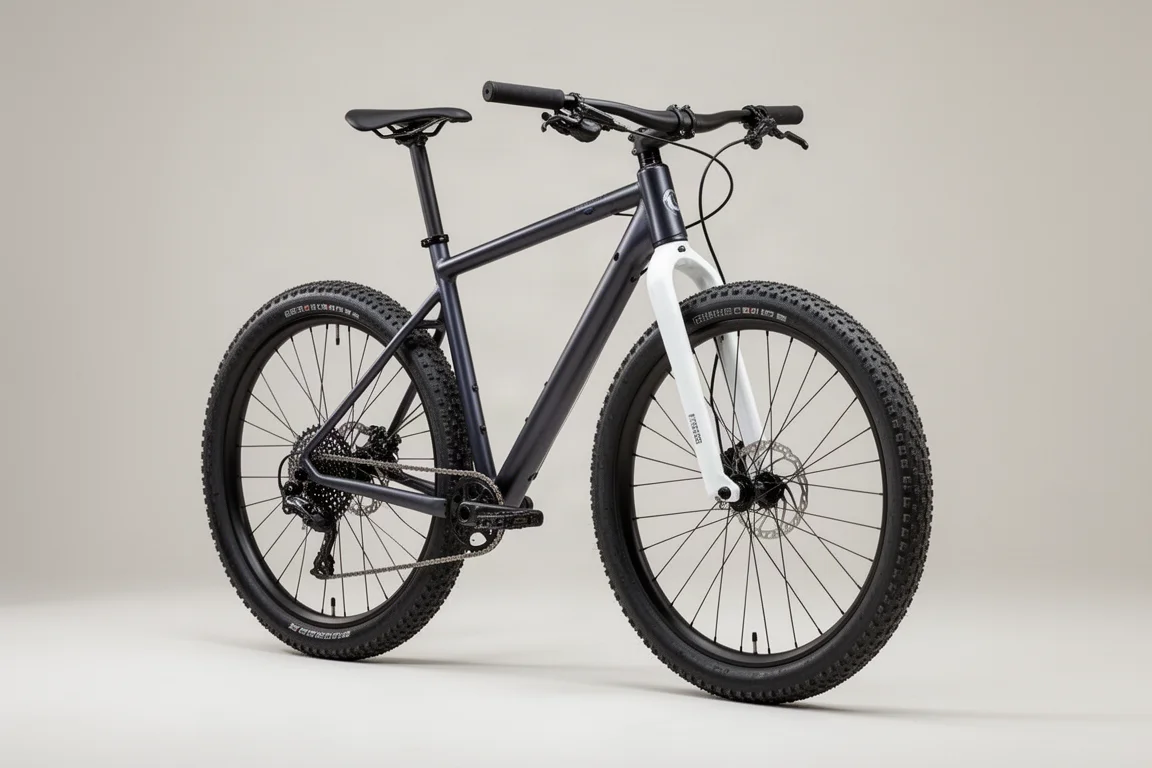
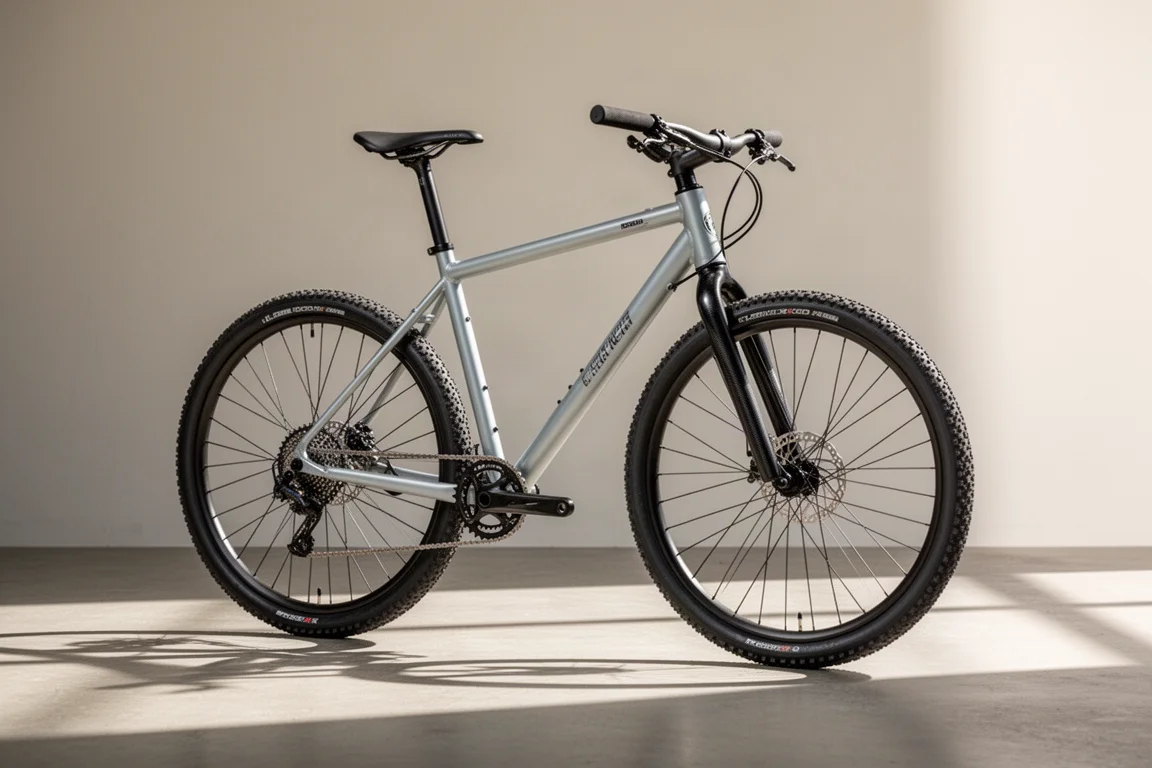
The Speedster Gravel pairs an alloy frame with a carbon fork and a 10-speed mechanical Shimano GRX group set, which is gravel-specific. Finishing kit is alloy throughout, with bar, stem, seat post and saddle all from Syncros, along with Syncros Race X25 wheels. The tires and rims are tubeless-ready, but the bike ships with inner tubes, no tubeless valves and wheels that are not even taped. A shop conversion runs around £20 per wheel, plus the cost of tape, valves and sealant.
Shifting was never the limitation. Ten speeds against twelve made no noticeable difference on the ride, and the GRX brakes performed strongly. The contact points are where this bike shows its price: the handlebar drop is short, the bar tape is slippery, and the saddle has no cutout or pressure relief channel, which makes it the first thing many riders would swap.
Comfort is also a tire question. Bigger rubber at lower pressure transforms how this bike handles rough ground, which is exactly why going tubeless is the most effective early upgrade.
Ride Feel and Comfort on Gravel
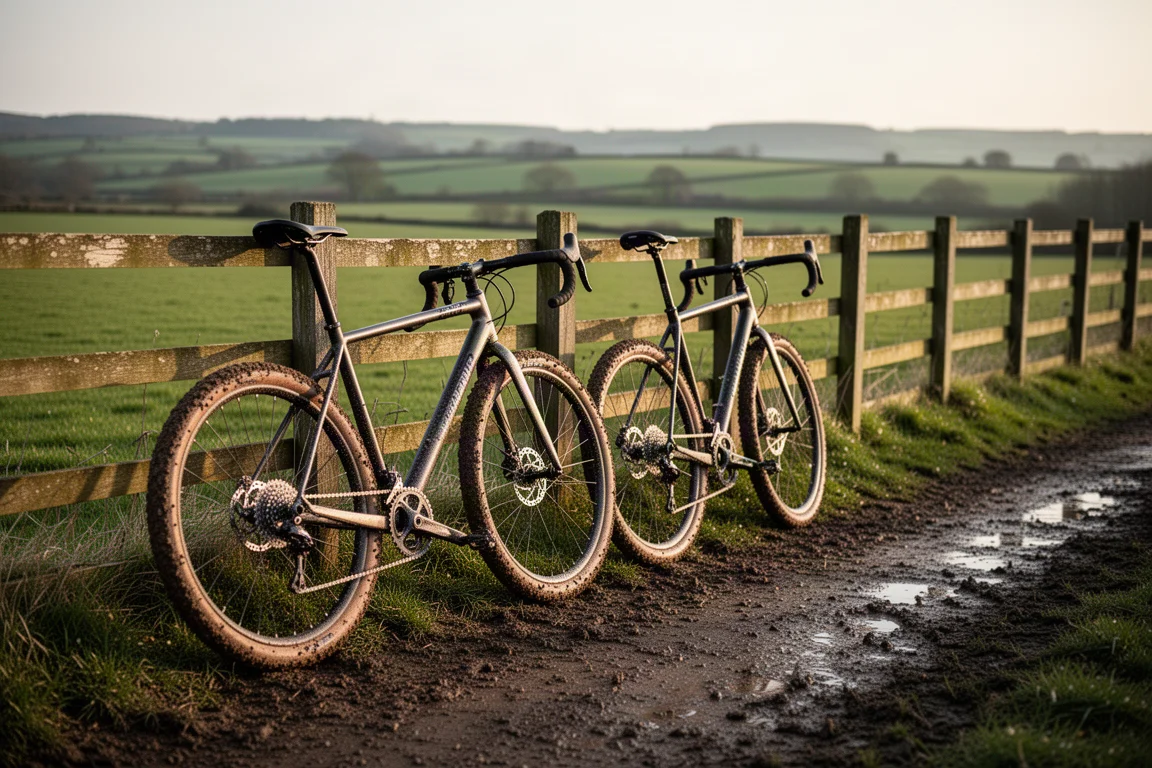
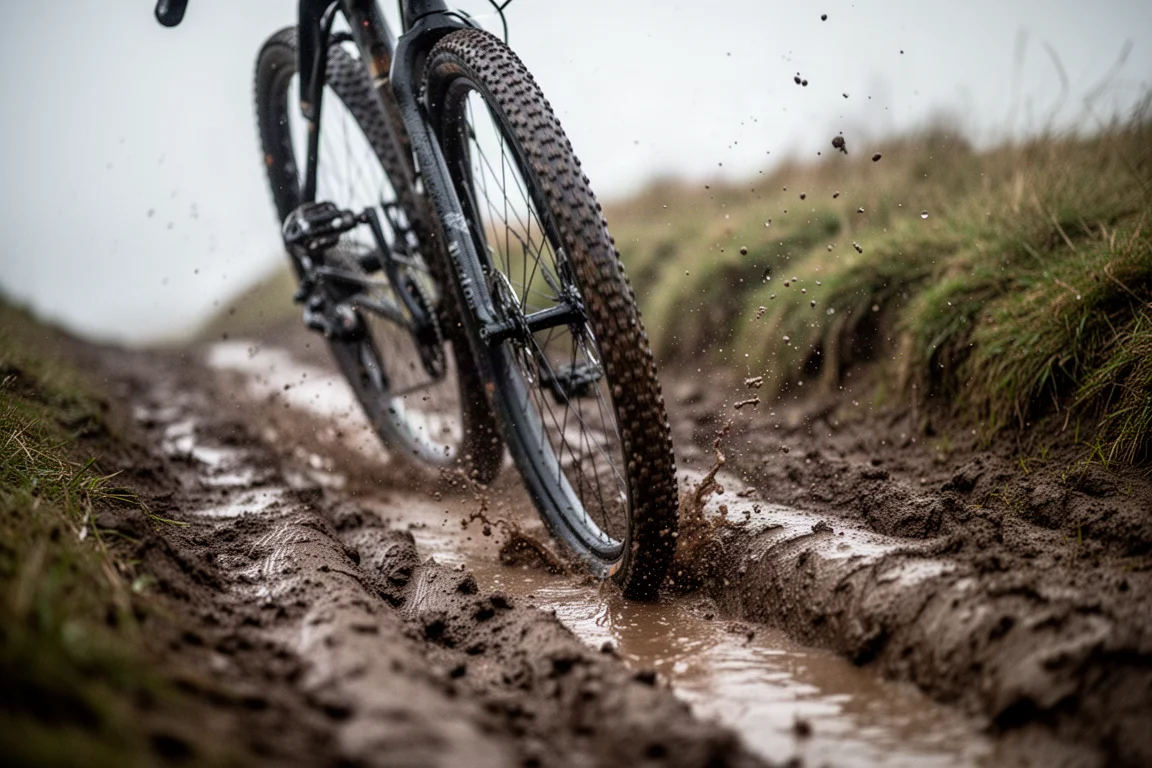
On a steep, muddy off-road climb, the difference between the two was immediate and obvious. The premium build felt calmer and more controlled, with tubeless tires allowing pressures low enough to smooth out roots and ruts. The alloy bike, running tubes at higher pressure, transmitted far more of the surface through the frame, which meant slowing down where the other bike simply carried on.
That said, a large part of the comfort gap can be closed without changing frames. Fitting larger tires and running them tubeless at lower pressure addresses much of what makes a bike feel harsh on gravel, and it costs far less than a new bike. The tubeless setup on the premium build allows pressures in the region of 20 psi, with tires that are essentially mountain bike rubber, just a little narrower.
Brakes and Gearing: What Actually Matters
Both bikes run 160 mm rotors front and rear, and both use hydraulic discs that stop the bike hard with little effort. The real difference is lever feel. The SRAM Red brakes were powerful but felt soft and spongy to one rider, while another liked exactly that quality. The Shimano GRX levers were consistently described as having nicer modulation. Neither setup needs to be better than it already is, because both lock up the wheels on demand.
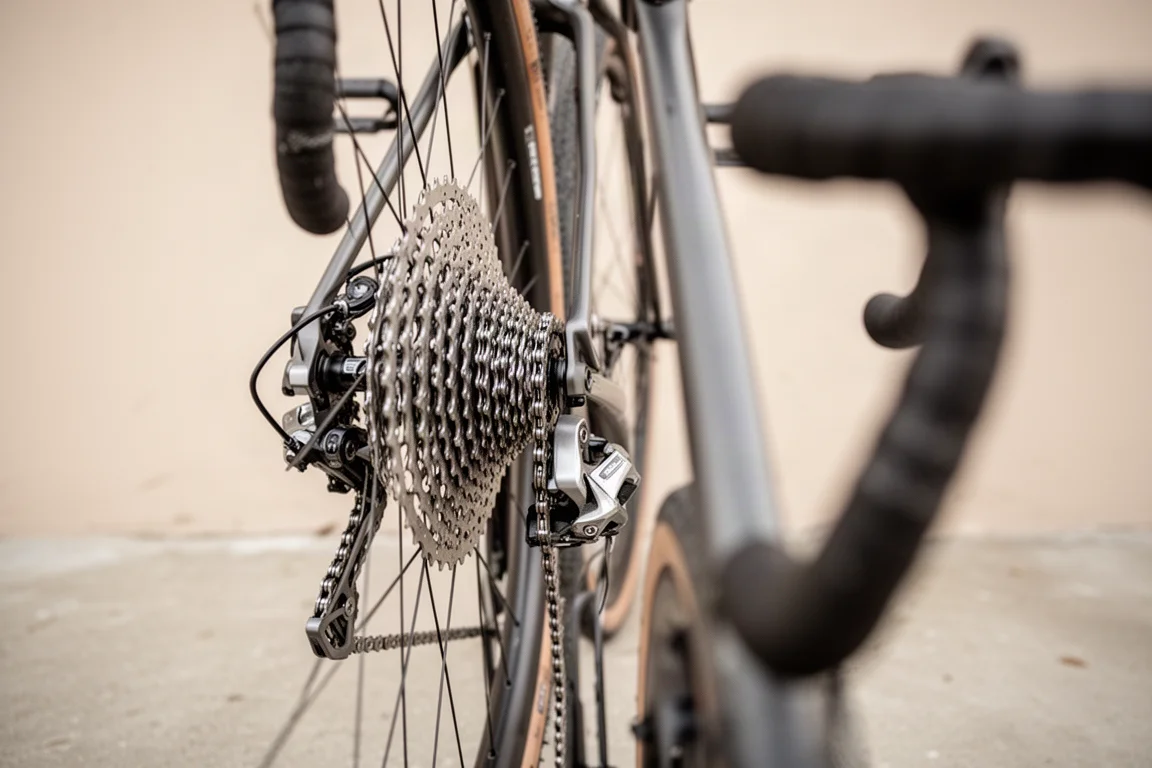
Gearing divides opinion in a different way. Ten speeds proved perfectly adequate, and the two missing ratios were not missed on mixed terrain. What matters more is 1x versus 2x. A single chainring keeps shifting simple off-road and avoids cross-chaining, while a double offers finer steps on the road. For gravel riding, where the terrain changes constantly and gears are swapped in bigger chunks, the simplicity of 1x has real appeal.
Running Costs and Consumables
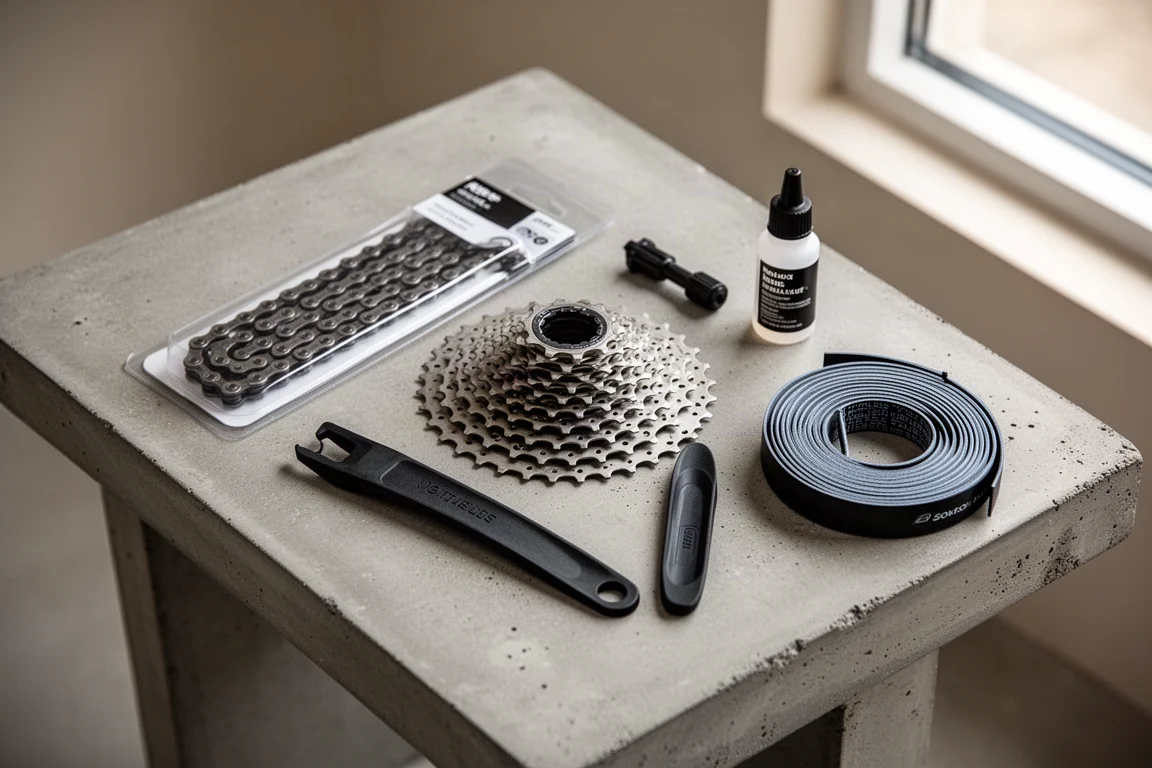
Off-road riding wears out chains, cassettes and tires faster than road riding, and that cost scales with the price of the bike. The cassette on the premium build alone runs over £400, and its disc rotors are around £108 each. Neither is unusual for that tier of component, but both add up over a season.
The group set is the most negotiable part of any build. The 10-speed GRX set on the Speedster costs around £400 depending on specification, and mid-range groupsets such as Tiagra and Sora are frequently overlooked despite offering performance comparable to higher-tier road groups from a few years ago. Put a cheaper group set on a good carbon frame and it stays light, quick and well braked, because the hydraulic brakes at this level are all genuinely strong.
Buying Advice: Which One Makes Sense
The honest verdict is that the expensive bike is better, but not four times better. It is lighter, more comfortable and more confidence-inspiring on rough ground, and if the budget is there, it is a genuinely special bike to ride. It is not, however, necessary. Spending around £1,800 gets a gravel bike that handles the same terrain, shares almost identical geometry and never feels short of capability.
The sensible middle ground sits between the two. A build in the region of £3,000 would likely capture much of the ride quality without the running costs of a top-tier drivetrain. Buyers should also budget beyond the purchase price, since off-road components wear quickly and premium replacements are expensive. If you keep the bike long term and ride it hard, that ongoing cost matters as much as the sticker price.
Conclusion
Both bikes are capable, and both are enjoyable in different ways. The Speedster Gravel makes sense if around £1,800 is the budget and you are willing to fit better tires, convert to tubeless and change the saddle to suit your own contact points. The Addict Gravel Tuned makes sense if you want the lightest, most refined ride available and can absorb the cost of ownership that comes with it.
The premium bike is better. It is not four times better. Knowing where the money actually goes, into weight, tire setup and component grade rather than riding position, is what makes this decision straightforward.
Further reading
Related Reviews
Gravel Bikes
3T Exploro Ultra Review: A Fast Gravel Bike Built for Big Tyres
A close look at the 3T Exploro Ultra, an aero carbon gravel bike designed around wide tyres, with road-like handling, a 980 g frame and genuine rough-terrain capability.
Gravel Bikes
3T Extrema Italia Review: Aero Gravel Speed With Room for 57 mm Tires
The 3T Extrema Italia pairs an aero frame with huge tire clearance, Italian-made carbon and a more comfortable ride than the RaceMax. Here is what to know before buying.
Gravel Bikes
3T Race Max 2 Italia Review: An Aero Gravel Race Bike Made in Italy
A closer look at the second-generation 3T Race Max 2 Italia, covering its aero updates, ride character, tire clearance, internal storage and who it suits.