Gravel Bikes
Scott Addict Gravel Review: Does a Gravel Bike Work as a Road Bike?
Swapping chunky gravel tires for 30mm slicks turns the Scott Addict Gravel into a fast, comfortable road machine. Here is what works, what does not, and who should consider it.
Introduction
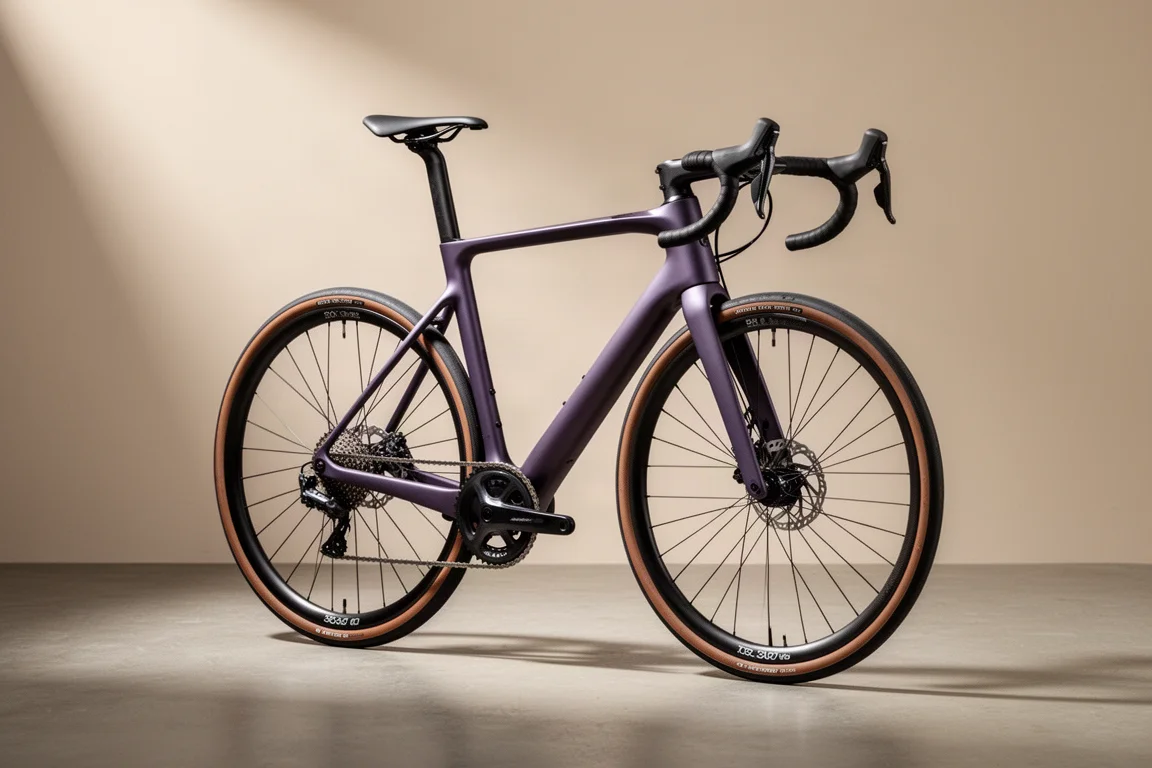
Gravel bikes are marketed as do-everything machines, but the practical question is narrower: once you fit road tires, does a gravel bike actually keep up with a road bike? The Scott Addict Gravel makes a compelling case that it can.
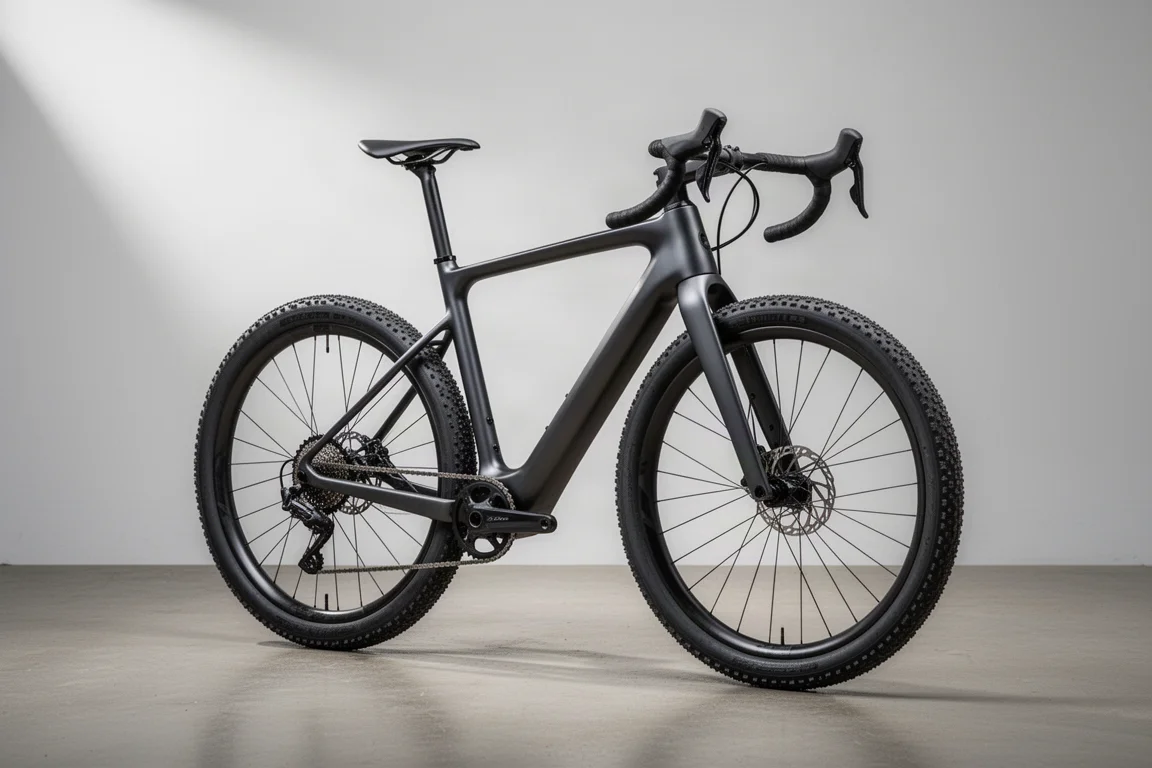
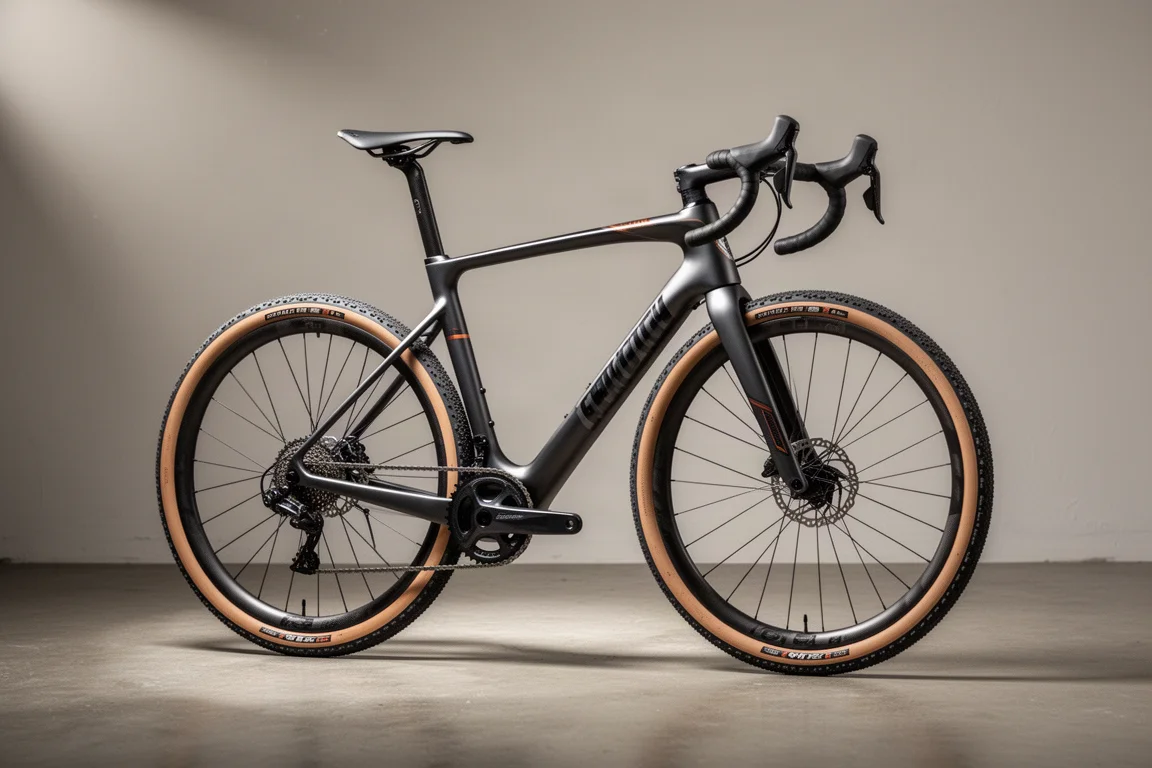
This test swapped the stock 45mm knobby tires for 30mm slicks and took the bike out on the same local roads and routes normally ridden on road bikes. On smooth tarmac the transformation is immediate. The bike feels quick, comes up to speed well, holds that speed, and rolls quietly. The overall character lands closer to an endurance road bike than to a sharp, snappy race bike.

The reason this question comes up so often is versatility. One bike with two sets of wheels and tires can cover road riding, gravel riding, and everything in between. Alternatives exist, but for many riders a mountain bike feels like a step too far, while a gravel bike keeps familiar drop handlebars, similar gearing, and only slightly chunkier tires. It can handle gravel, bridleways, farm tracks, and the road sections that link them together.
Who This Bike Is For
The Scott Addict Gravel suits riders who want one bike to cover a wide range of surfaces without a serious compromise on the road. It is a particularly good fit for riders who find road race bikes too aggressive: gearing that is too tall, a position that is too low and slammed, and steering that demands constant attention.
Endurance road bikes already answer some of that, but a gravel bike pushes further in the same direction, with slightly more relaxed geometry, lower gearing, wider tire clearance, and the option to run a gravel tire when the route turns rough. For riders who mostly ride alone or in small groups at a moderate pace, that combination covers a lot of ground.
Main Strengths
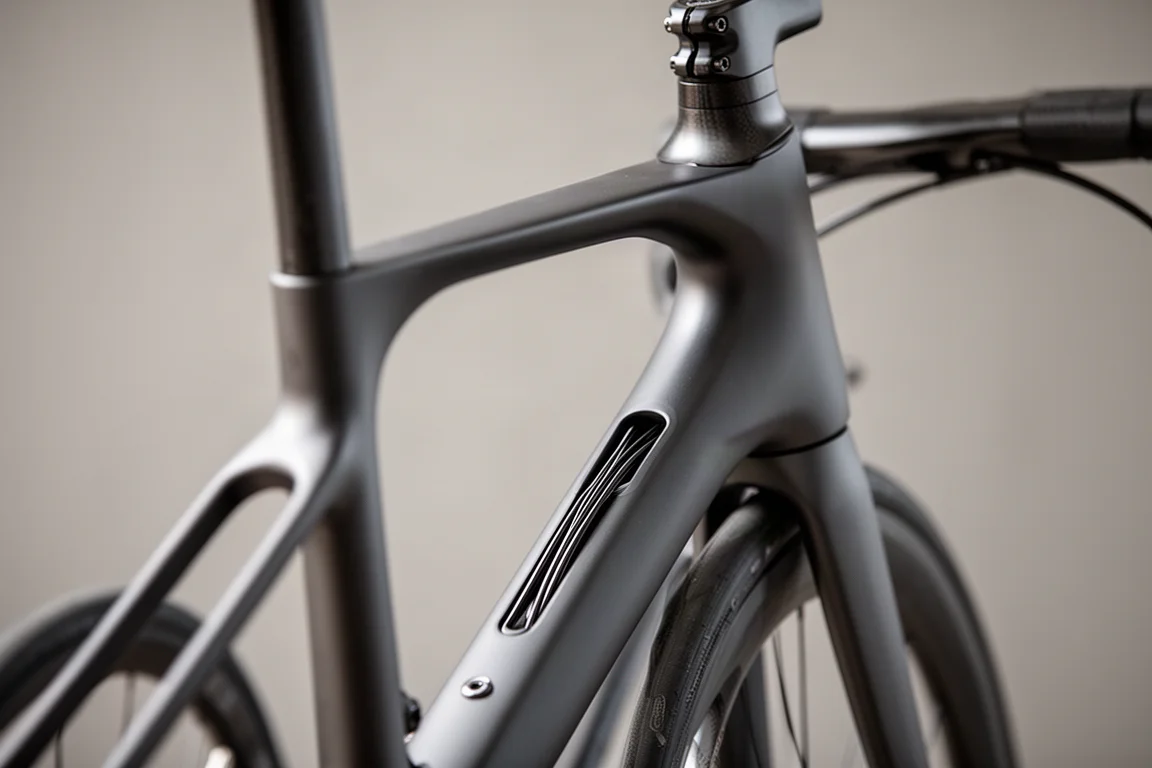
The Addict Gravel is built around a lightweight, stiff carbon frame and fork with aero properties and integrated design details. That foundation is a large part of why it works so well on the road. In back-to-back riding with the same wheels and tires, it proved just as fast as a dedicated road race bike, and the power required to hold 30 kilometers per hour was more or less identical.
Ride manners are another strength. The bike feels planted and composed on tarmac, and the position stays comfortable over longer distances without feeling upright or sluggish. It is an easy bike to settle into for a long road ride.
Tire flexibility adds to the appeal. With slicks fitted, going wider is an option, whether that means 35mm, 42mm, or a gravel tire with a slick center section such as the Specialized Pathfinder. Riders who want more cushion or more grip in mixed conditions have room to experiment without giving up road speed.
Geometry: How a Gravel Bike Compares to a Road Bike
Geometry explains much of what this bike does well. Comparing a size 56 centimeter Addict Gravel with a comparable road race bike and a typical endurance bike, the gravel bike sits much closer to the endurance bike in nearly every key measurement.
Stack is significantly higher at the front, producing a more relaxed riding position. The wheelbase is longer than an endurance bike’s, and the head and seat angles are slightly slacker. Reach, notably, is almost identical to the road race bike’s, which means a long top tube paired with a short stem. That short stem delivers an accessible fit along with the quicker steering that helps off-road in woods and on gravel.
The practical result on tarmac is handling that is a touch slower than a race bike. It lacks the outright agility of a pure race machine, but for the kind of riding most people actually do, that trade-off is often a better match than it sounds.
Gearing and Top Speed
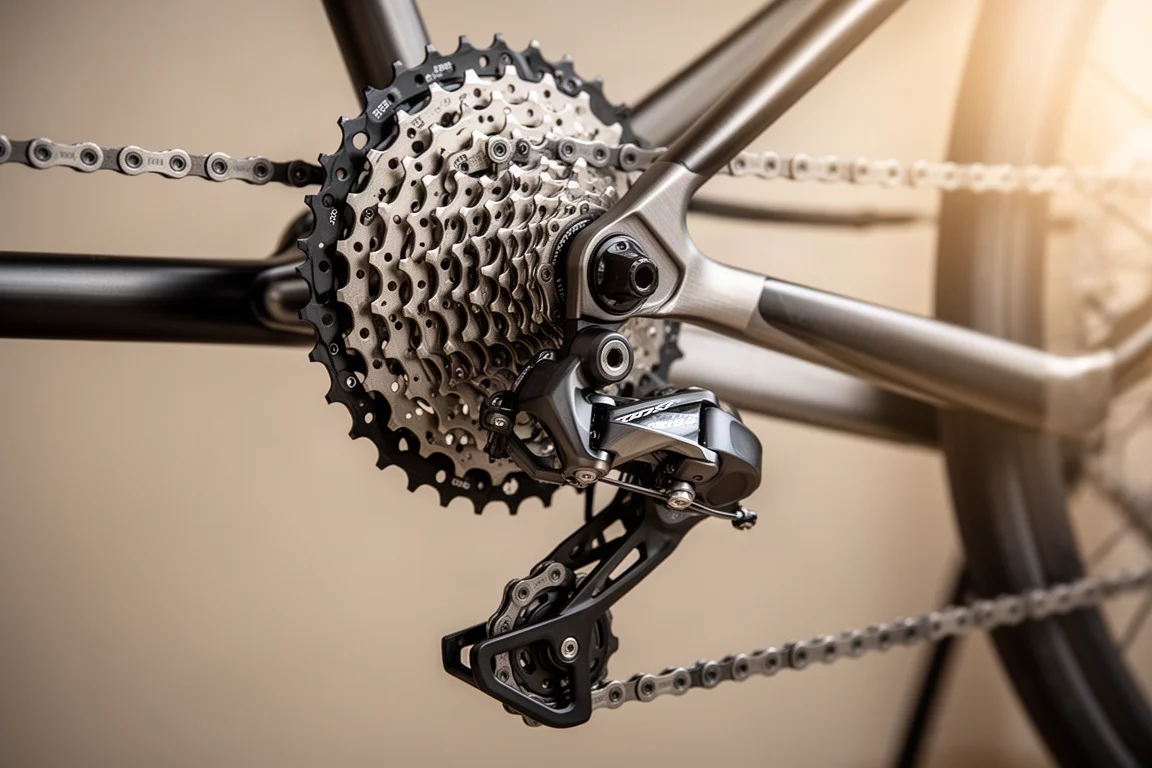
Gearing is where the differences become most tangible. The Addict Gravel uses a two-by setup, which is the more road-friendly choice. Many gravel bikes run a single chainring, and while that works well off-road, it can feel compromised on the road. A two-by drivetrain offers tighter gear spacing for smaller cadence jumps between shifts, and the gearing itself is lower than on an endurance bike, which makes steep climbs noticeably less punishing.
Top-end speed potential is where a road race bike still pulls ahead. The tallest gears are not as tall here, so the very fastest speeds are harder to reach. In practice that mattered less than expected: with a 10-tooth sprocket at the back, the bike went as far as fitness allowed, and on descents tucking into an aero position delivers far more benefit than straining against a bigger gear would.
Things to Consider Before Buying
Not every gravel bike will perform this well on the road. Frames differ in weight, stiffness, and aerodynamic shaping, and the Addict Gravel is a particularly strong example of a road-and-gravel crossover rather than a representative one.
Riders expecting race-bike sharpness should also adjust expectations. Handling is a little slower and less agile than a dedicated race bike, and the highest gears are shorter. Neither is a flaw so much as a design choice, but it is worth knowing before committing.
Finally, the two-by drivetrain is the setup that makes this dual-purpose approach work best on tarmac. A single-ring gravel bike can still be ridden on the road, but the gear spacing and range make it a less natural fit for fast group riding or sustained high-speed efforts.
Buying Advice
The Scott Addict Gravel makes sense for riders who want one bike that handles road riding, gravel riding, and the surfaces in between with very little compromise. Fitting 30mm slicks turns it into a genuinely quick road bike with the comfort of an endurance machine and the tire clearance of a gravel bike, which is a combination many riders will find easier to live with than a dedicated race bike.

If your rides mix smooth tarmac, rough lanes, and gravel, this is a bike that keeps up without asking you to change how you ride. If your priority is outright race pace, sharp handling, and the tallest gears, a dedicated road race bike remains the more focused tool. For everyone in between, the Addict Gravel is a strong candidate for the one bike that covers the most ground.
Conclusion
The Addict Gravel answers the crossover question convincingly. With slick tires it rides like a proper road bike, holds speed well, and stays comfortable over long distances, while retaining the low gearing and wide tire clearance that make gravel riding possible. It is not the sharpest-handling or fastest-geared option available, and other gravel bikes may not translate to the road nearly as well. For riders who want one bike to do most of their riding, that balance is exactly the point.
Product link
View more details for Scott Addict Gravel
This product is mentioned in the review. Check the specifications, options, and compatibility before buying.
View more details for Scott Addict GravelFurther reading
Related Reviews
Gravel Bikes
3T Exploro Ultra Review: A Fast Gravel Bike Built for Big Tyres
A close look at the 3T Exploro Ultra, an aero carbon gravel bike designed around wide tyres, with road-like handling, a 980 g frame and genuine rough-terrain capability.
Gravel Bikes
3T Extrema Italia Review: Aero Gravel Speed With Room for 57 mm Tires
The 3T Extrema Italia pairs an aero frame with huge tire clearance, Italian-made carbon and a more comfortable ride than the RaceMax. Here is what to know before buying.
Gravel Bikes
3T Race Max 2 Italia Review: An Aero Gravel Race Bike Made in Italy
A closer look at the second-generation 3T Race Max 2 Italia, covering its aero updates, ride character, tire clearance, internal storage and who it suits.