Gravel Bikes
Scott Addict Gravel Review: A Light, Aero Gravel Bike Built for Speed
The Scott Addict Gravel brings road race aerodynamics, a claimed 930g frame, and 45mm tires together in one fast, versatile package.
Introduction
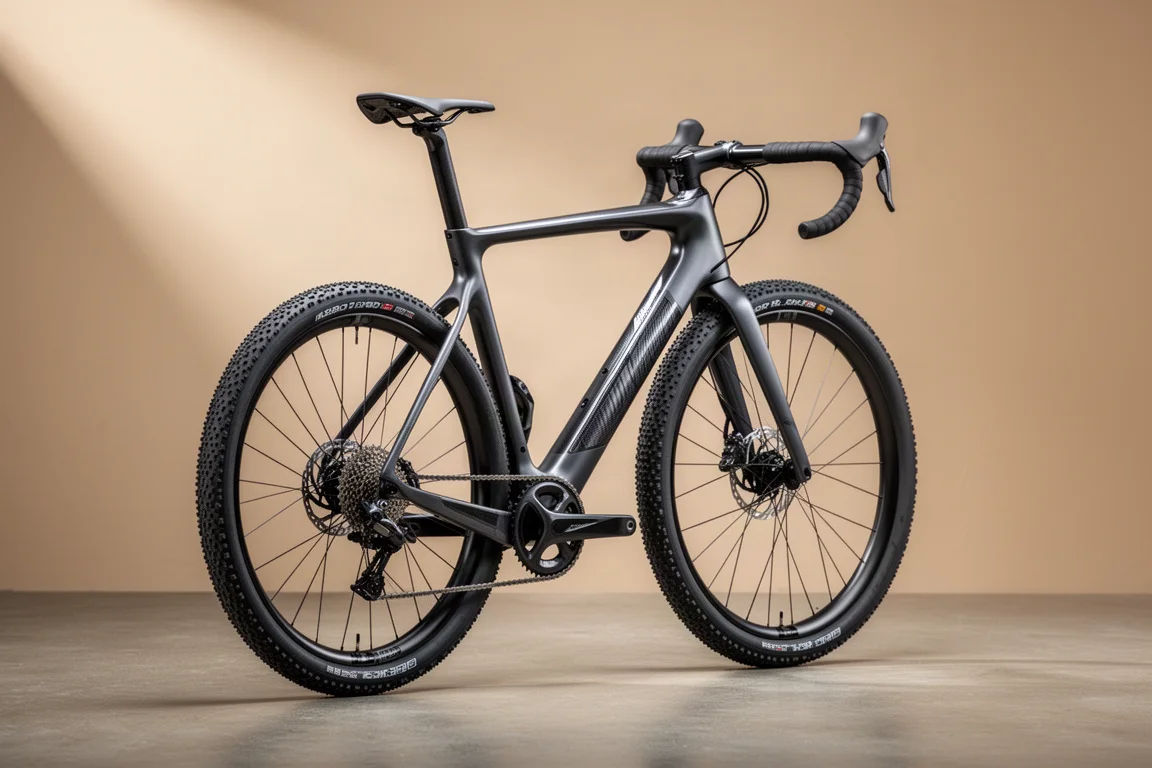
Scott has taken its time joining the gravel market compared with several other major bike brands, and the Addict Gravel is the answer. It borrows heavily from the company’s road race platforms, including the Addict RC and the Foil, and brings that aerodynamic thinking to a bike that ships with 45mm stock tires and a full set of mounts for mudguards, bags, and bottles.
That combination is the interesting part. Dedicated gravel geometry, with a longer reach, a shorter stem, and a lower bottom bracket, adds stability once the surface turns loose. Internal cable routing at the front keeps the lines clean and modern.

The result is a machine that looks as fast as it rides, and it holds its own against the quick gravel race bikes it competes with. What makes it notable is that the speed does not come at the cost of versatility. Big chunky tires, generous mounting points, and aero tube profiles are not a usual mix, and Scott has made them work together.
Who this product is for
This is a bike for riders who want to go fast and are willing to accept a firmer ride in exchange. Anyone moving from road cycling into gravel will feel at home almost immediately, thanks to the road-like handling and the responsive, lively feel of the frame.
It is also a sensible pick for gravel racers. The low weight, stiff frame, and aero profile all contribute to a bike that accelerates quickly and carries speed well on both tarmac and loose surfaces.
Where it is less suited is to riders who put comfort at the very top of the list. Bikes such as the Giant Revolt or the Specialized Diverge STR lean further toward compliance and a softer ride. The Addict Gravel is not harsh or uncomfortable, but it is clearly tuned toward speed first.
Main strengths
Weight is the headline. The frame is claimed at 930 grams, and the complete bike as tested weighs 8.5 kilograms without pedals. For a gravel bike with wide, heavy-duty tires, that is impressive, and it is lighter than plenty of road race bikes at a similar price and specification.
That low weight pairs with high stiffness. Scott has kept the frame stiffness on a par with its Addict RC race bike, and you can feel it despite the larger tires. The bike is quick to respond, climbs well, and never feels like it is holding you back.
Aerodynamics and integration round out the package. Tube profiles taken from the road race range, a clean front end, and internal routing all contribute to a bike that slices along at speed on the road while still switching happily onto gravel when the route turns.
Frame, geometry, and integration
The frame uses D-shaped profiles in the down tube, the seat tube, the carbon seat post, and the dropped rear stays. These are features borrowed from road race bikes, and they give the Addict Gravel its dramatic, purposeful look. The paint finish is striking in person and, according to Scott, looks even better in a bike shop than in photographs.
Up front, a two-piece handlebar and stem route the cables underneath the stem and into the frame. That is a practical choice, because it leaves you free to swap the stem for a longer or shorter one, or change the handlebar for a wider, narrower, more flared, or less flared option.
There is a neat detail in the seat clamp, a small lightweight design on the D-shaped seat post, plus a simple one-bolt saddle clamp. The bottom bracket is a press-fit PF86, which Scott favours for weight and stiffness, though riders who prefer a threaded bottom bracket will want to note it. Braking is handled by 160mm rotors front and rear, and the frame can be specified with a 180mm front rotor if you want more stopping power for long descents.
The frame is compatible with both 1x and 2x drivetrains, which gives you room to build the bike the way you want it.
Ride quality and handling
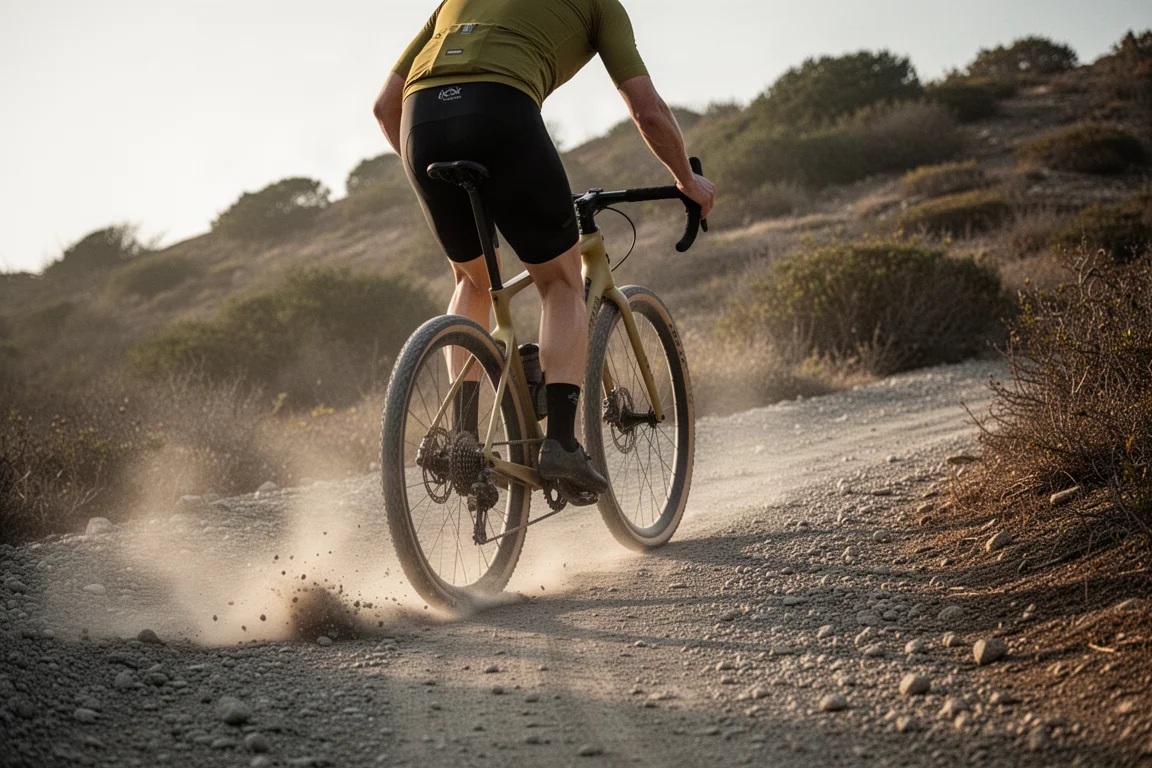
On the road, the Addict Gravel is genuinely quick. It carries speed easily and gets up to pace with no delay. The low weight, the stiff frame, and the aero advantages all play a part in that.
Off road it keeps its momentum. The bike is excellent across a range of terrain, fast on smooth gravel and confident when the surface gets rough. On hilly routes the low weight and stiffness really help progress.
Handling sits closer to a road bike than to the slackest gravel bikes on the market. The longer reach and lower bottom bracket still deliver assured, sure-footed behaviour on loose ground, but the overall feel stays familiar for anyone coming from tarmac. It is not the most progressive geometry out there, and for many riders that will be exactly the point.
Things to consider before buying
The ride is firm. That is a deliberate trade-off for speed, and it will not bother everyone, but if a plush, compliant feel matters more than pace, look elsewhere.
The saddle is very firm and, as ever, saddles are personal. Many buyers will want to swap it straight away. It is also worth checking the fit of the stock setup, because it is a fairly aggressive position out of the box, and the spacers under the stem leave room to raise the front end if you prefer something more relaxed.
Gearing is another consideration. The 2x setup on this build works well and the brakes are excellent, but some riders prefer the cleaner look and simpler operation of a 1x setup. Only a limited number of models in the range come with a single chainring, though a frame-up build is possible if that is what you want. Clearance around the front derailleur battery is tight, but it has not caused problems even in very muddy conditions.
Finally, the stock tires have produced two rear punctures, which could be luck or could point to limited puncture resistance. That is worth weighing if you ride in areas where flint and thorns are common.
Buying advice
The range starts at around £2,500 and tops out at over £8,000, so there is a clear ladder of options. This build, at £5,400, comes with carbon DT Swiss gravel wheels, 45mm Schwalbe G-One Bite tires, a SRAM Force eTap 2x groupset, and carbon flared handlebars from Syncros. The top-end model adds a one-piece carbon stem and handlebar with full integration.
If the price feels steep, the cheaper SRAM Rival 1x option is worth a serious look. It uses the same frame with lower-tier components, so it may be a little heavier, but it should deliver a similar level of performance and the same versatility, including mudguard and bag mounts and space for wide tires.

If you would rather run a single chainring, buying the frame and building it up is a realistic route, and taller or shorter riders will appreciate being able to fine-tune the front end with a different stem or handlebar.
Conclusion
The Addict Gravel is a genuinely exciting addition to a growing category. It is fast, smooth, versatile, and aerodynamic, and despite taking its time to arrive, Scott has delivered an excellent offering in the gravel sector. All of it comes together into a ride that is hard not to enjoy.
If you want a gravel bike that behaves like a quick road bike when the tarmac runs out, this is an easy recommendation. Just go in knowing that comfort is the compromise, not speed.
Product link
View more details for Scott Addict Gravel
This product is mentioned in the review. Check the specifications, options, and compatibility before buying.
View more details for Scott Addict GravelFurther reading
Related Reviews
Gravel Bikes
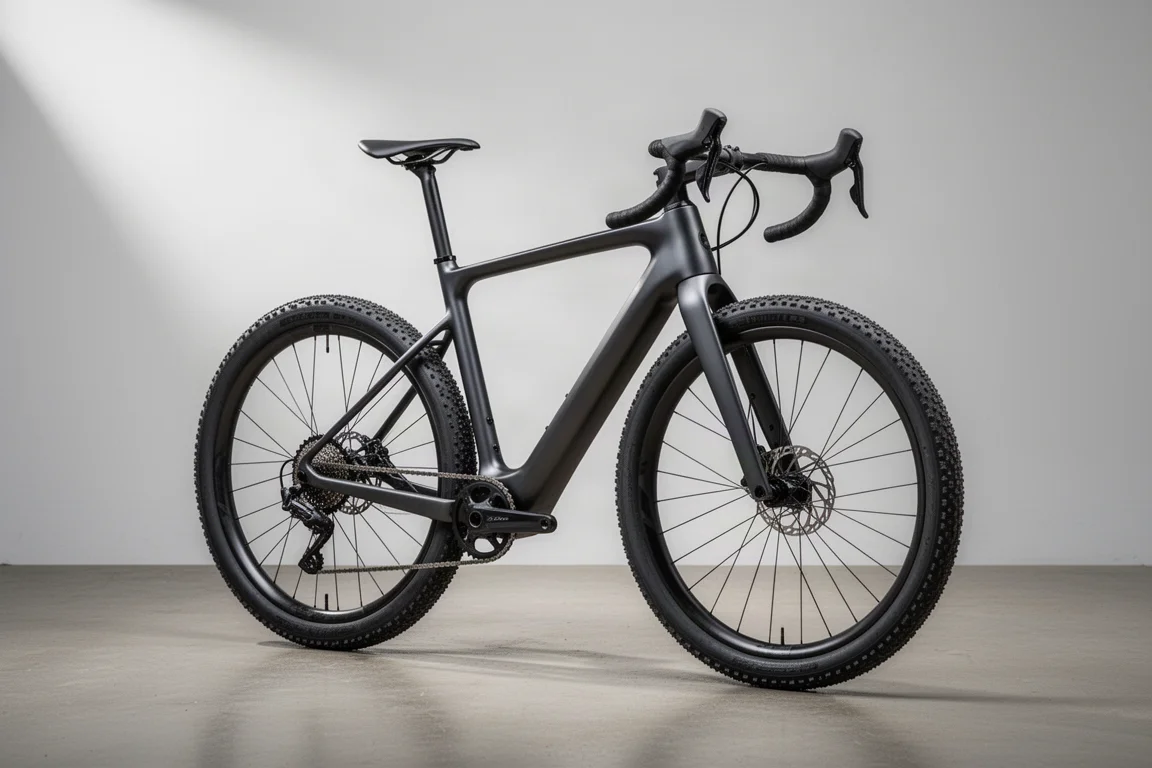
3T Exploro Ultra Review: A Fast Gravel Bike Built for Big Tyres
A close look at the 3T Exploro Ultra, an aero carbon gravel bike designed around wide tyres, with road-like handling, a 980 g frame and genuine rough-terrain capability.
Gravel Bikes
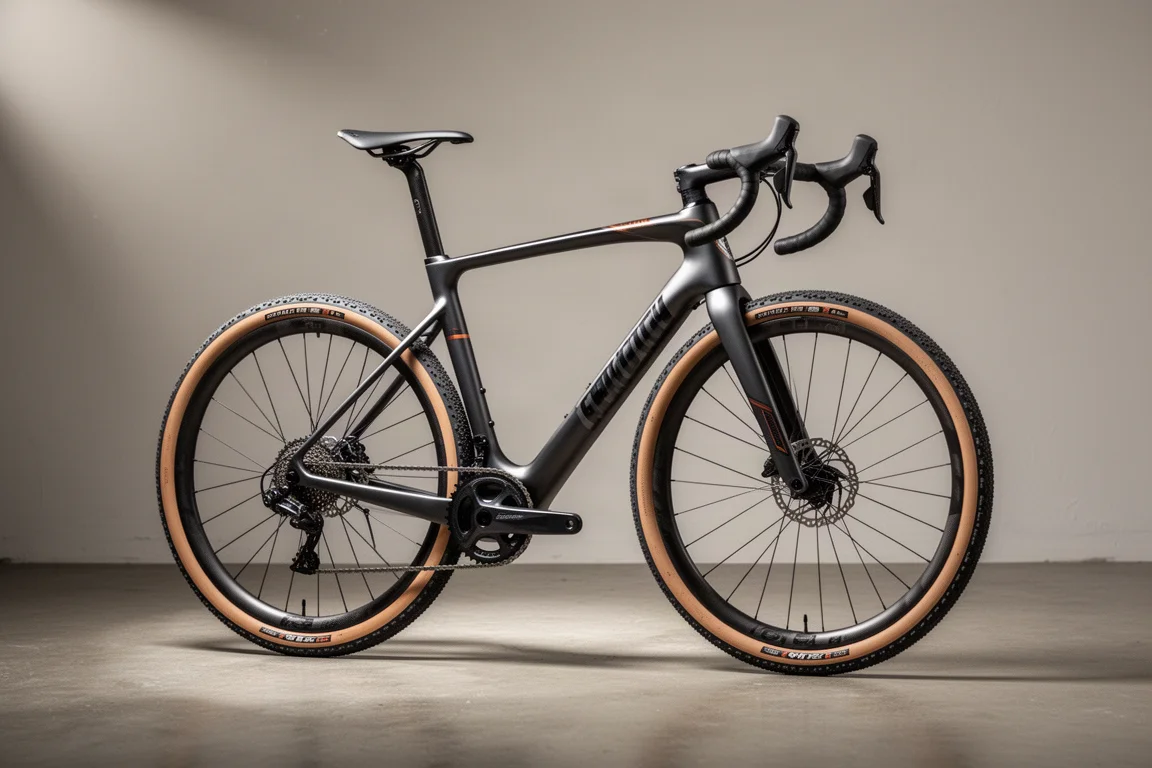
3T Extrema Italia Review: Aero Gravel Speed With Room for 57 mm Tires
The 3T Extrema Italia pairs an aero frame with huge tire clearance, Italian-made carbon and a more comfortable ride than the RaceMax. Here is what to know before buying.
Gravel Bikes
3T Race Max 2 Italia Review: An Aero Gravel Race Bike Made in Italy
A closer look at the second-generation 3T Race Max 2 Italia, covering its aero updates, ride character, tire clearance, internal storage and who it suits.