Gravel Bikes
Scott Addict Gravel 30 vs Surly Grappler: Two Gravel Bikes, Two Very Different Rides
A practical comparison of two gravel bikes in the same price bracket: the aero carbon Scott Addict Gravel 30 and the mountain bike inspired Surly Grappler.
Introduction
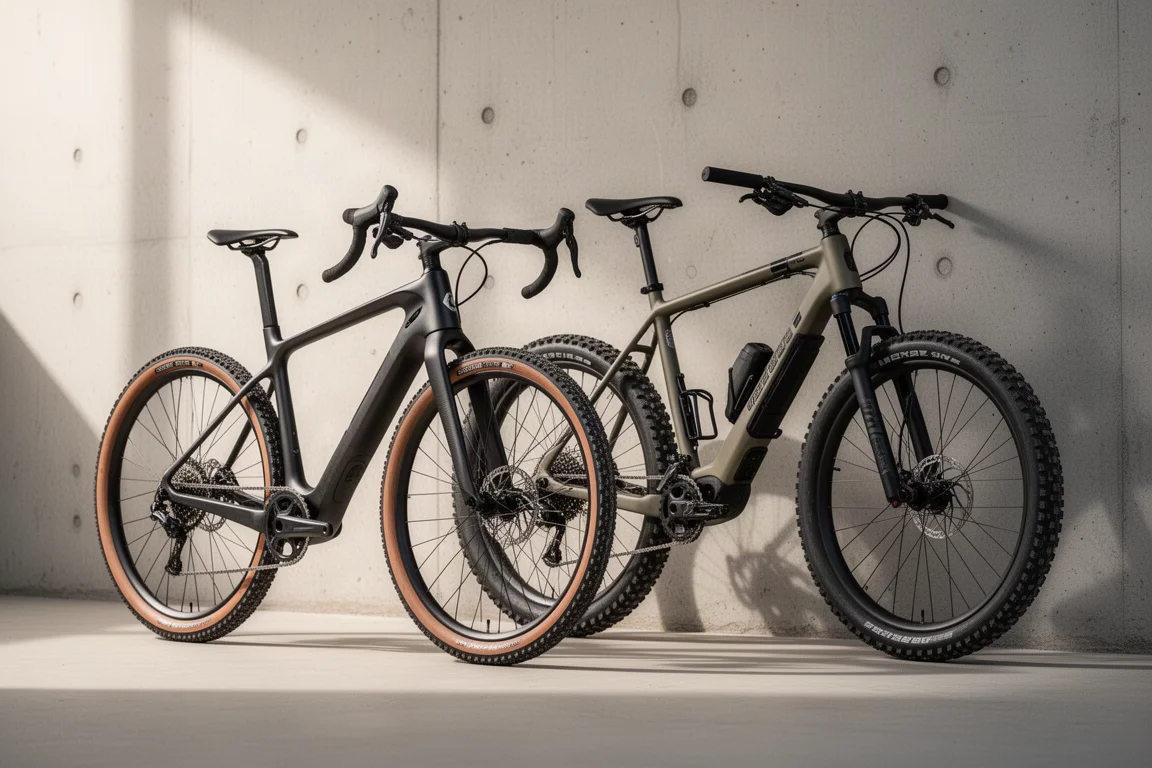
Two gravel bikes, one price bracket, and almost nothing else in common. The Scott Addict Gravel 30 takes the aerodynamically optimised thinking of a pro-level race bike and adds big tire clearance. The Surly Grappler takes mountain bike sensibilities and wraps them in drop bars to create a machine built to go almost anywhere.
Both sit around the same point on the price ladder. The Scott Addict Gravel 30 is priced at £2,549 / $3,199. The Surly Grappler comes in at £2,350 / $2,599, and a frameset is offered for £850 / $799 for riders who would rather build their own.
What These Two Gravel Bikes Have in Common
Strip away the details and the two bikes start from the same brief: drop bars, wide tires, and a design that expects to leave the tarmac. Both are built for mixed surfaces, from smooth fire roads to loose, rocky tracks, and both accept rubber far wider than a road bike would ever take.
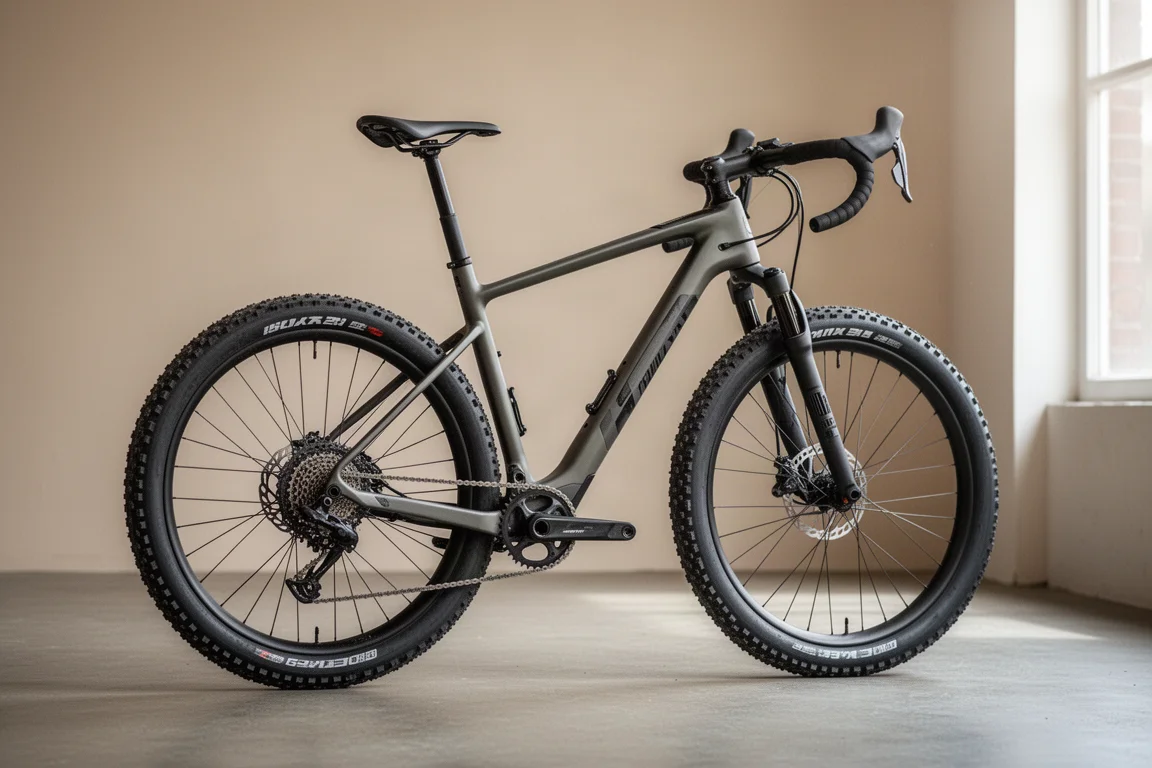
The similarities end quickly after that. One is a light, aero-optimised carbon machine with a long, low, road-racing position and a two-by drivetrain. The other is a tall, long, high-clearance bike with a fit closer to a mountain bike, a dropper post and a single chainring. Those two philosophies drive everything else, from weight and gearing to how each bike behaves once the trail turns technical.
Scott Addict Gravel 30: Aero Speed for Gravel
The Addict Gravel 30 is Scott’s first carbon bike built solely for gravel, and it borrows heavily from the pro-level Addict RC road platform: an aerodynamically optimised frame, integration between frame and fork, and fully internal cable routing.
Scott Addict Gravel 30 Frame and Geometry
The frame uses Scott’s own take on airfoil shapes. The tapered seat tube carries plenty of truncated airfoil profile, while the down tube is more muscular and squared off, with smooth curves along its edges. Carbon layup in the fork legs and the seat stays is tuned for compliance to minimise vibration over poor surfaces, and the dropped seat stays and forward-arching fork design are also intended to smooth out the ride.
The geometry is deliberately aggressive. A 58cm frame measures 609.7mm stack and 406.1mm reach, paired with a long 130mm stem. That makes it noticeably lower and longer than most gravel bikes, though not quite as extreme as the pro tour RC. A 71 degree head angle keeps the handling balanced. The bike runs 700c wheels with clearance for wide tires, and it ships with 45mm rubber.
Scott Addict Gravel 30 Drivetrain and Components
Shimano’s GRX RX600 groupset handles shifting, effectively the gravel equivalent of 105. It is a sharp-shifting, dependable setup, and the two-by arrangement of 46/30 chainrings with an 11-34 cassette gives a solid range for full off-road duty. The 46/11 top end is ample to hold high pace off road and keep up with faster riders on tarmac. GRX400 hydraulic brakes deliver plenty of power and a good level of feel through the lever travel. On particularly gritty, grimy wet rides there was some rotor scrape and a bit of noise under hard braking, but power and control stayed constant.
Syncros supplies most of the finishing kit. The RR 2.0 stem pairs with an alloy Creston bar whose 16 degree flare is more subtle than most, giving the bike more of a fast road cockpit than a wide gravel bar. Its compact shape, with 70mm reach and 115mm drop, works well with the long reach and long stem, so the Addict never feels overstretched. Syncros RP 2.0 disc wheels use shallow 24mm rims with a 19mm internal width and are tubeless ready. The 45mm tires are about as wide as these rims sensibly take, but they shape up well rather than bulging, and the tread spreads onto the shoulders for good grip in loose or wet gravel. At 1,740g for the pair, the wheels are not especially light, but they roll with plenty of life.
The back end gets an aero-shaped carbon seat post, and Scott’s simple clamp held firm even in very muddy, wet conditions. The trade-off is that the aero post rules out fitting a dropper post.
How the Scott Addict Gravel 30 Rides
On open, straight, fast gravel the Addict Gravel 30 is blisteringly quick. It accelerates with road bike-like whip, and being able to drop into a flat-backed aero position helps hold the pace you have built. The 71 degree head angle gives a balanced feel: quick enough for the twists of a forest fire road descent or a tarmac road, while still taking some sting out of roots and rocks.
Tight, twisty singletrack is not really its forte. The long ride position simply is not ideal for more technical trails, and the stiff frame and fork lean much more heavily on the tires for cushioning. That is the trade-off for the way it gathers speed.
At 9.42kg for a 58cm bike, the weight is impressive given the middling wheel weight, and the bike gets even quicker with a light wheel upgrade. Swapping in a set of carbon gravel wheels shaved off more than 300g, and it was a difference that could be felt. A more performance-oriented saddle would also be a sensible change.
Surly Grappler: Mountain Bike DNA With Drop Bars
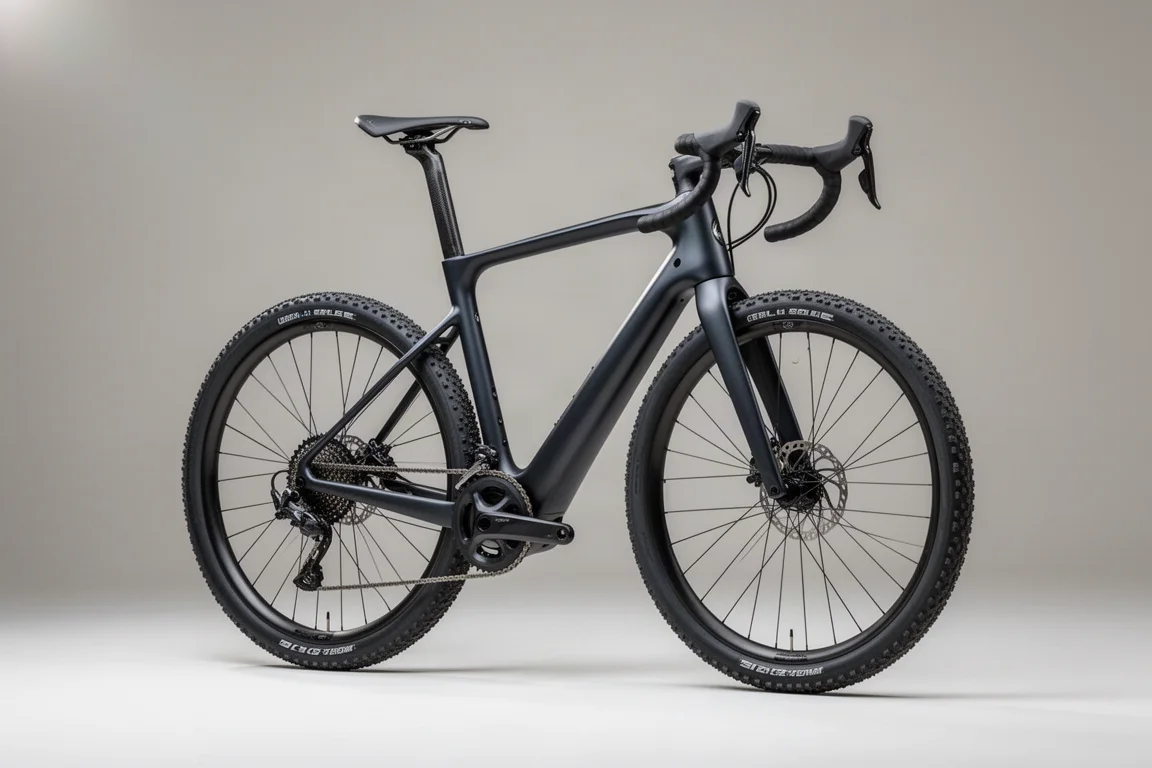
The Grappler keeps the basic gravel outline of drop bars and big tire clearances, then switches things up to make something genuinely unusual. At the front it is noticeably taller than pretty much every other gravel bike on the market.
Surly Grappler Frame and Geometry
The numbers explain the character. The frame has a 641mm stack, 31.3mm taller than the Scott, and a 444mm reach, 38mm longer. Combined with a relaxed 69.5 degree head angle and a short 80mm stem, the on-bike position feels spot on: neither cramped nor stretched, and much closer to a mountain bike than a fast road bike.
Clearances are enormous. The bike is designed to work with both 29er and 650b wheel sizes, with room for 2.8 inch tires on 650b or 2.2 inch tires on 29. To achieve that, the front hub uses the mountain bike boost standard at 110mm, while the rear uses Surly’s Gnot-Boost design, where the stays are flexible enough to be spread outwards to 148mm boost spacing or clamped down to 142mm. There are mounts for pretty much anything, including mudguards, racks and cargo bosses, and the frame can be run with either a single or a double chainring. An 88mm trail figure underpins its stability.
Surly Grappler Drivetrain and Components
The build is a long way from the usual Shimano or SRAM mix. A Microshift drivetrain does the work: the right-hand Advent X lever controls a 10-speed rear derailleur across a very wide 11-48 cassette, while the left-hand shifter operates a dropper post. The 32 tooth chainring looks minimal next to the dinner-plate sized cassette, but the combination works.
Downshifts are quick and upshifts a little slower but manageable. Compared with GRX or a SRAM one-by setup, shifting simply is not as fast or as slick, though it does the job competently and proved reliable. The lighter gears have some major jumps, with the last three stepping from 36 to 40 and then to 48. The 32/48 pairing is genuinely useful on slimy singletrack climbs, allowing you to stay seated, keep traction and keep the pedals turning.
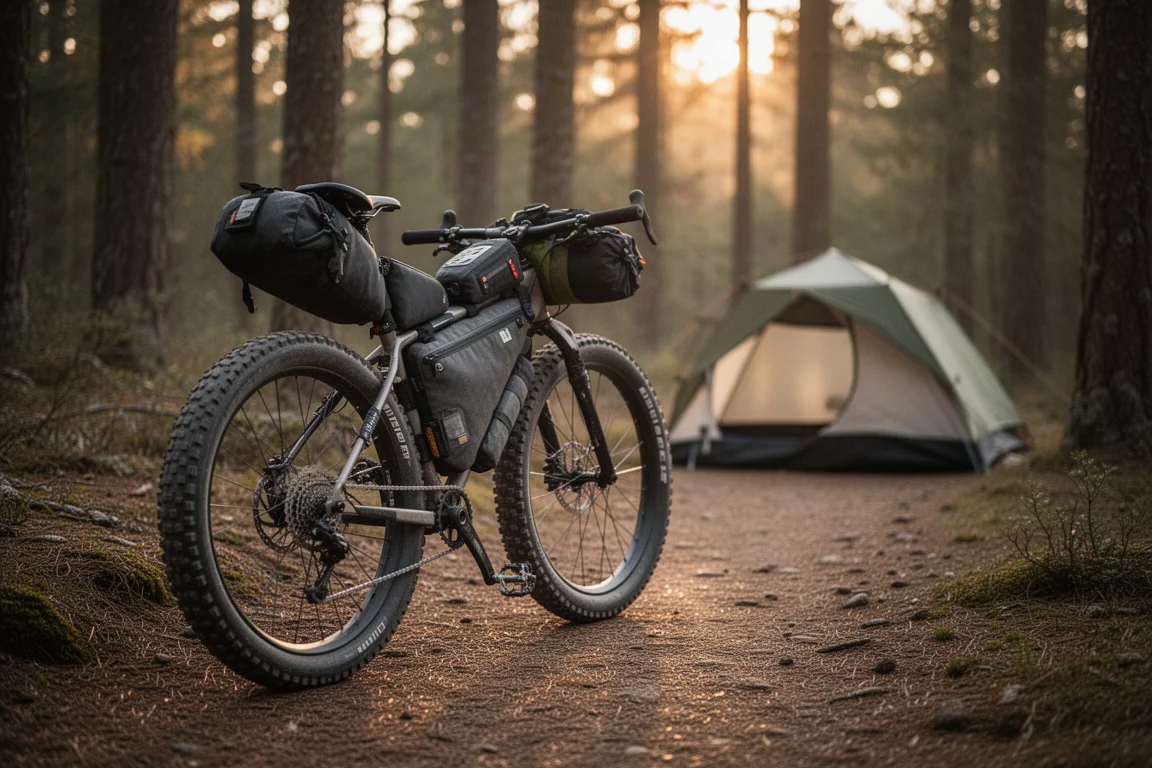
WTB rims on Novatec boost-spaced hubs make a fine combination of smooth hubs and sturdy wheels, wrapped in 2.5 inch wide tires that open up trails and tracks skinnier gravel bikes simply cannot handle. A Salsa Cowchipper bar adds to the confident handling when things get rough. The cable-operated brakes are the weak point: they cannot hold a candle to the controlled power of the hydraulic GRX brakes on the Scott, and more feel at the lever would improve the bike immeasurably when arresting 13 kilos of Grappler in full flow.
How the Surly Grappler Rides
The Grappler is not a sprinter’s weapon, but it is brilliant to head out and just go exploring. Big-volume tires swallow ruts, lumps, rocks and roots with ease, and the bike stays planted on long rooted climbs and tracks true on technical trails that had the Scott zigzagging.
At 13.77kg in a size large, the Grappler is more cart horse than racehorse, but once the terrain gets technical that mass is more help than hindrance: it helps the bike stay online and lets the chunky tires absorb the shocks. This is also where the dropper post comes into its own. Drop the saddle out of the way, make the most of the low-slung, sloping frame design, and the Grappler becomes a demon descender, more mountain bike than adapted road machine. The 88mm trail figure makes it a great load-carrying bikepacking companion, and it is an easy rider for big miles, with stability for when things get rapid and rough.
Weight, Gearing, and Brakes Compared
Weight is the clearest split. The Scott weighs 9.42kg in 58cm, while the Grappler weighs 13.77kg in a size large. Roughly four kilos separate them, and you feel it on every climb.
Gearing follows a similar pattern. The Scott runs a two-by 46/30 chainset with an 11-34 cassette, which gives close steps and a wide overall range. The Grappler runs a single 32 tooth ring with an 11-48 cassette, trading smooth progression for a very low climbing gear and simpler operation.
Brakes are the Grappler’s biggest compromise. GRX400 hydraulics on the Scott offer more power and better modulation through the lever, while the Surly’s cable-operated discs work but lack feel, and upgrading them would transform the bike. On gritty wet rides the Scott’s rotors made some noise under hard braking, but the power stayed consistent.
Tires and wheels reflect the same intent. The Scott runs 45mm rubber on 700c wheels, while the Grappler accepts up to 2.5 inch wide tires with clearance for 2.8 inch on 650b or 2.2 inch on 29. The Surly is also available as a frameset at £850 / $799 for custom builds.
Which Gravel Bike Should You Choose?
The Grappler is the gravel bike equivalent of a classic Land Rover: not fast, but endlessly capable and masses of fun. The stock build works on the whole, and it needs better brakes to truly get the best out of its go-anywhere abilities.

The Addict Gravel 30 comes from the same school as stripped-down gravel racers, but none of those rivals offer an equivalent bike at this price. It is truly magnificent on fast gravel roads, though the long, low, road-fast ride position makes it a handful when the going gets technical. Of the two, it is the fastest in the right conditions, and the most road-like of these two off-roaders, which may well appeal to riders who have not yet tried the joys of getting drop bars dirty.
If you are looking for one bike to do it all, the Addict Gravel 30 is a superb choice: road bike fast on tarmac and swift in the rough. If you are after a fast gravel bike for day trips and events rather than bikepacking adventures, it is one of the best around. If your priorities lean toward loaded adventures, technical trails and rough terrain, the Grappler is the more capable companion, ideally with a brake upgrade.
Conclusion
These two bikes answer different questions. The Scott Addict Gravel 30 is the fast option: light, aero and quick on open gravel, with reliable GRX shifting and hydraulic brakes, at the cost of a demanding ride position and no dropper post. The Surly Grappler is the capable option: huge tire clearance, mountain bike stability, a dropper post and wide-range one-by gearing, at the cost of weight and weaker brakes. Match the bike to the riding you actually do, and either one will serve you well.
Further reading
Related Reviews
Gravel Bikes
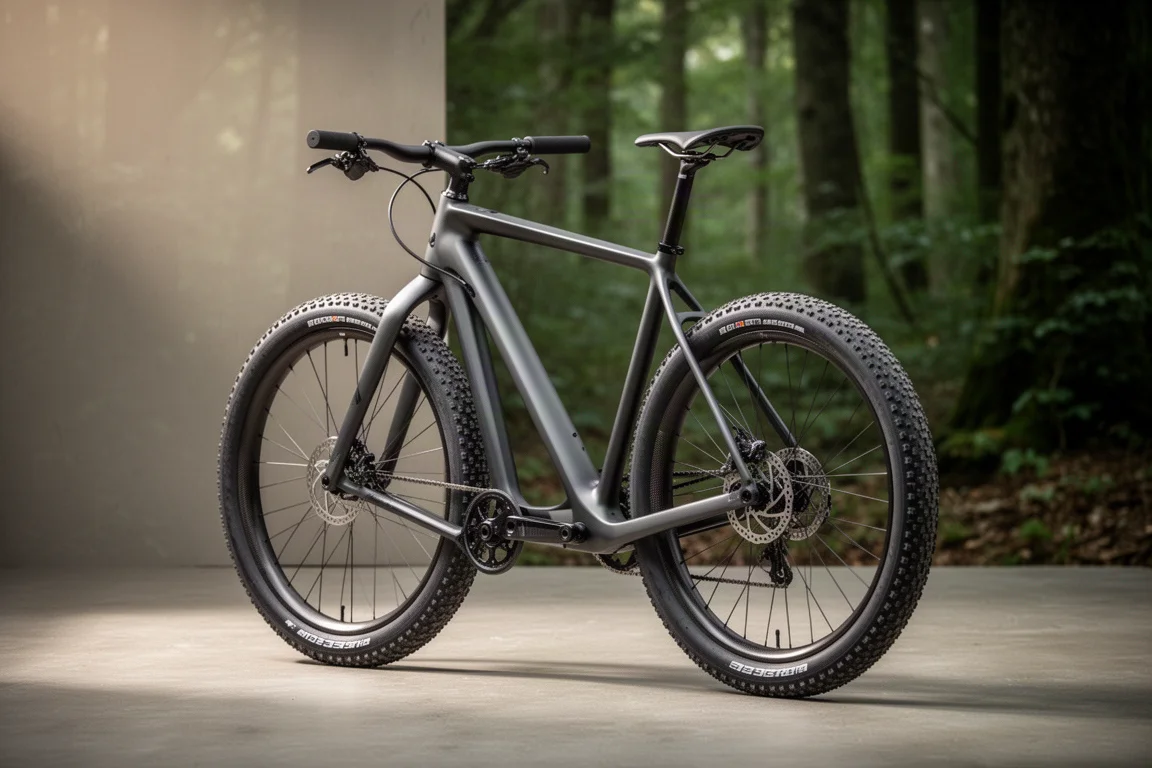
3T Exploro Ultra Review: A Fast Gravel Bike Built for Big Tyres
A close look at the 3T Exploro Ultra, an aero carbon gravel bike designed around wide tyres, with road-like handling, a 980 g frame and genuine rough-terrain capability.
Gravel Bikes
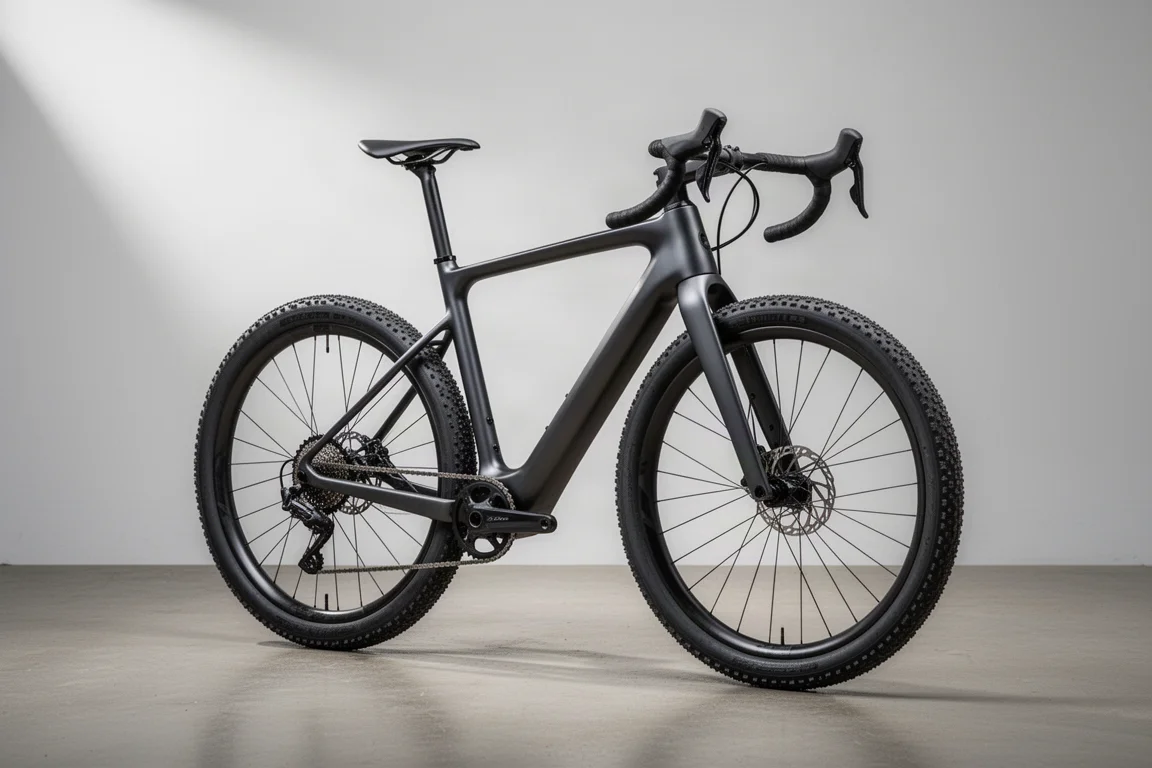
3T Extrema Italia Review: Aero Gravel Speed With Room for 57 mm Tires
The 3T Extrema Italia pairs an aero frame with huge tire clearance, Italian-made carbon and a more comfortable ride than the RaceMax. Here is what to know before buying.
Gravel Bikes
3T Race Max 2 Italia Review: An Aero Gravel Race Bike Made in Italy
A closer look at the second-generation 3T Race Max 2 Italia, covering its aero updates, ride character, tire clearance, internal storage and who it suits.