Woodworking Tools
SawStop Table Saws: Why a Brake That Reacts to Skin Changes Everything in the Shop
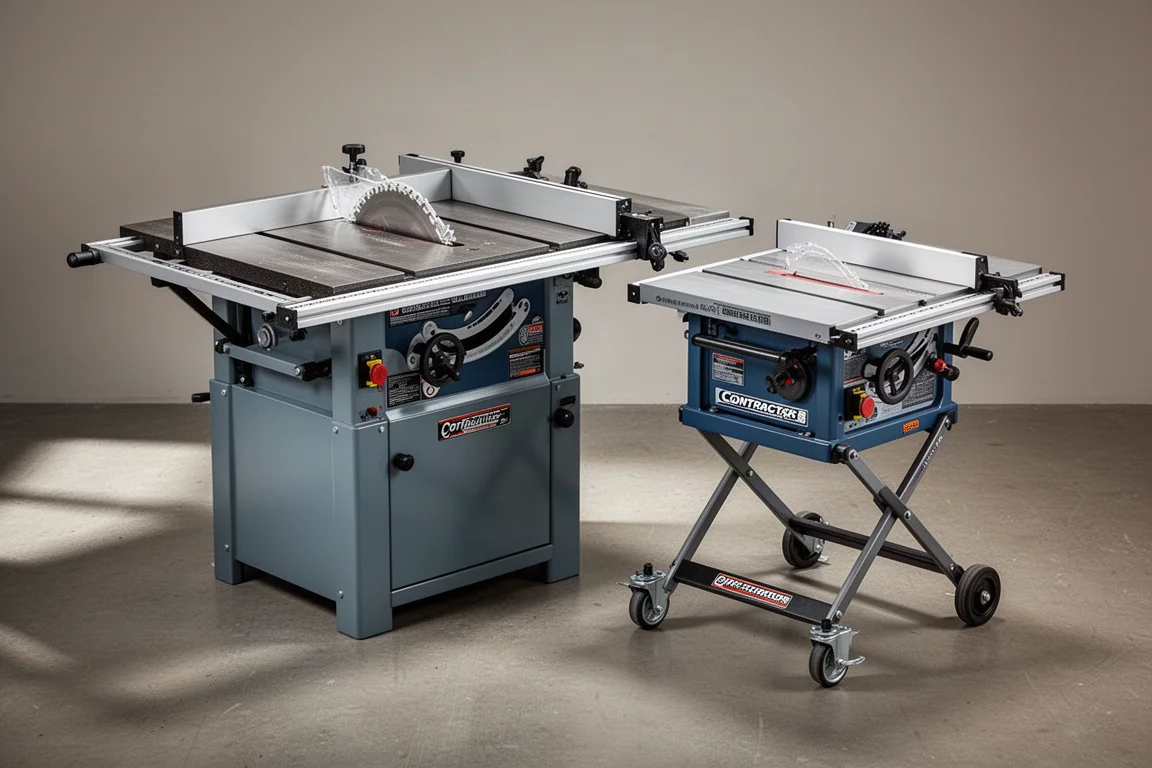
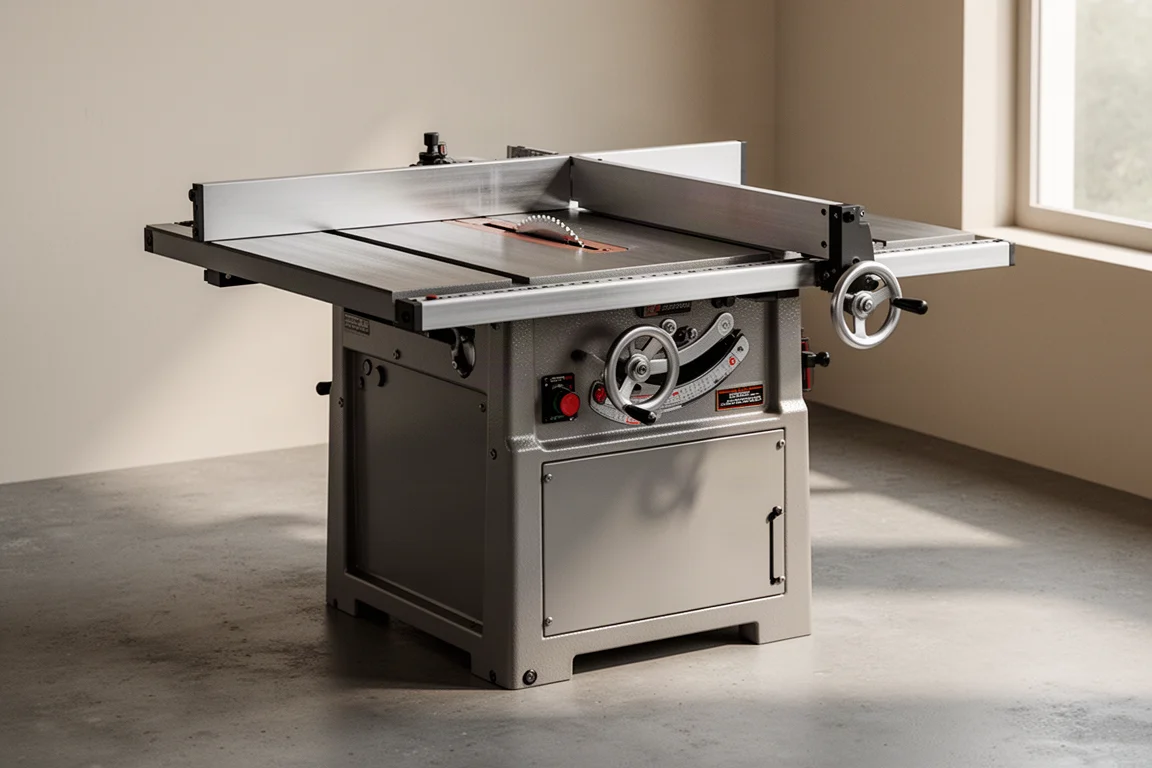
Two SawStop saws, one clear purpose: making the table saw, the most injury-prone tool in woodworking, dramatically safer for beginners and experienced carpenters alike.
Introduction
The table saw has a reputation in woodworking that nobody enjoys discussing. It is the tool most likely to take a finger, and nearly every long-time carpenter knows someone who paid that price. The thinking behind SawStop is simple: build a table saw whose blade stops the moment it contacts skin, so the worst mistake in the shop becomes an expensive lesson instead of a permanent injury.
That thinking matters whether you are a homeowner, a hobbyist, or someone whose grandchildren come out to the shop to make things on a Saturday afternoon. SawStop builds two saws that cover most of that range: the Portable Contractors Saw, a newer model designed to move between job sites without heavy equipment, and the Professional Cabinet Saw, a heavy-duty shop machine. Both carry the same core safety system, and both are worth a close look before you buy any table saw.
Why SawStop Exists
Woodworking is a craft that young people can genuinely enjoy, which makes shop safety a family issue, not just a professional one. The stories that circulate in the trade are consistent: a framing carpenter missing two fingers on his left hand, a sawmill mentor missing an index finger to an old Sears Craftsman saw, a foreman who clipped two fingers while framing a house. All of them table saw injuries.
What makes SawStop different is that the brake does not need a person to touch the blade to trigger it. The system reacts to conductive contact and stops the blade in an instant, and it can even engage during a kickback event, halting the blade before a hand is pulled into it. For anyone who works alone, teaches beginners, or shares a shop with children, that difference is the entire reason to consider the brand.
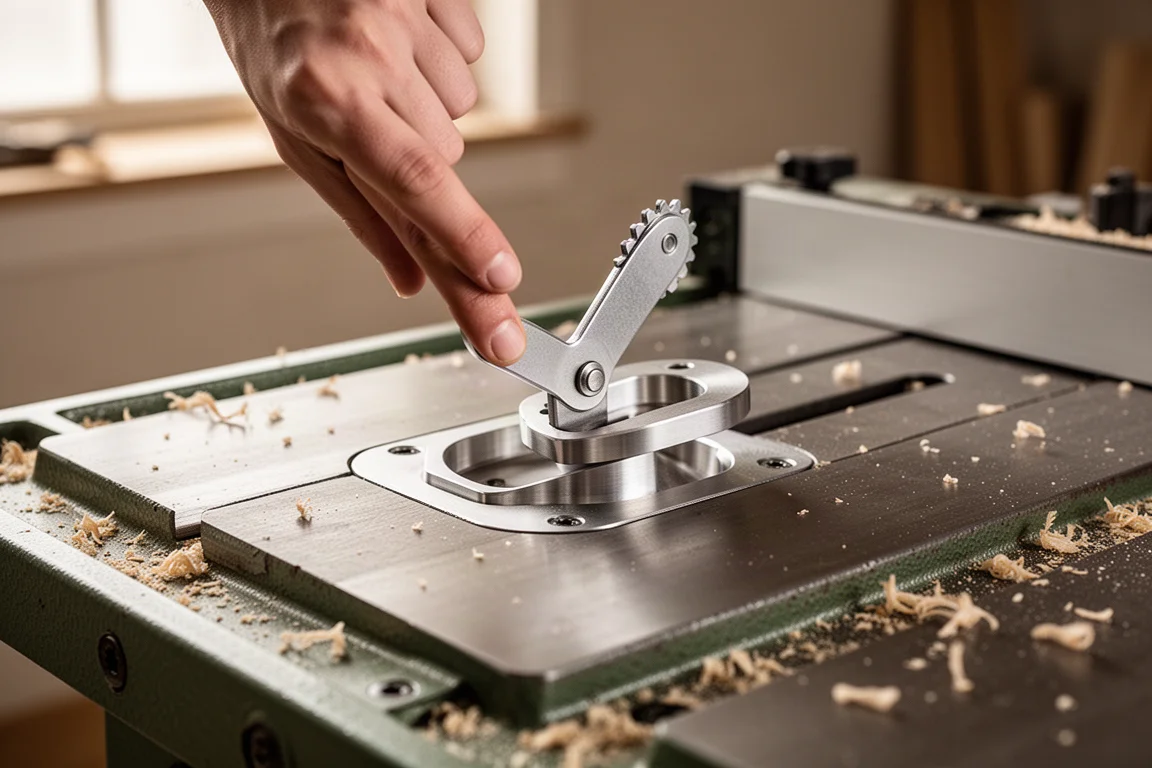
Small details also show the engineering thought behind the machines. The table insert, for example, lifts out of the table with a small steel flapper that a thumbnail can raise, which makes blade changes and cleaning faster and less fiddly. The controls are laid out intuitively enough that even a blacksmith, by his own admission, felt comfortable on the first try.
The Portable Contractors Saw: A Serious Saw That Moves
The Portable Contractors Saw is SawStop’s newer offering, built to be set up, moved between jobs, and set up again without needing a crane or a forklift. Despite the portability, it arrives as a heavy-duty piece of equipment, and the packaging holds up well even when a pallet board arrives folded over: no shipping damage to the saw itself.
Assembly is straightforward for anyone willing to work through the owner’s manual, which is substantial enough to warrant an evening of reading rather than a half-baked guess. Once dialed in, the saw handles real work: ripping siding, cutting corner battens, and everyday cross cuts. The included push stick is durable enough that it would last years in a home shop, and the saw is clearly built to be lived with, not just tried out.
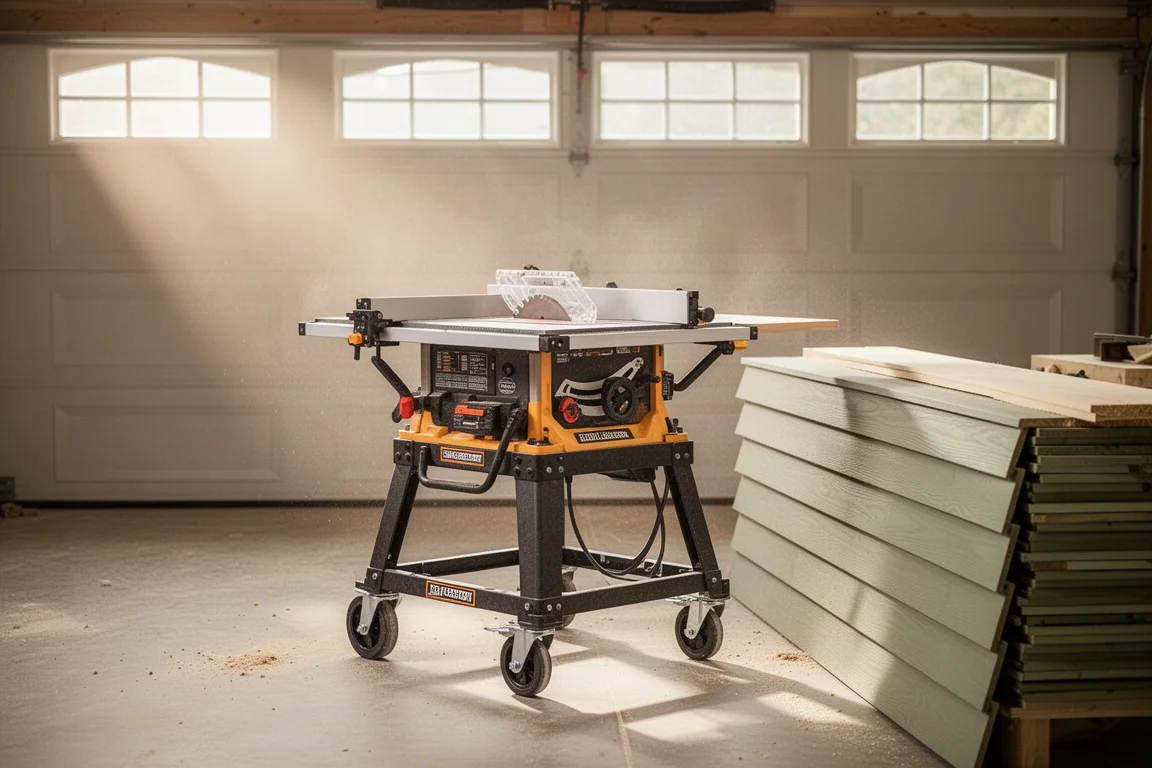
The realistic audience here is a home shop owner or a contractor who needs genuine cutting capability but also needs the saw to travel. It suits a shop where other people, including younger or less experienced family members, may wander in and use it, because the safety system covers everyone in the room, not just the most careful operator.
The Professional Cabinet Saw: The Shop Anchor
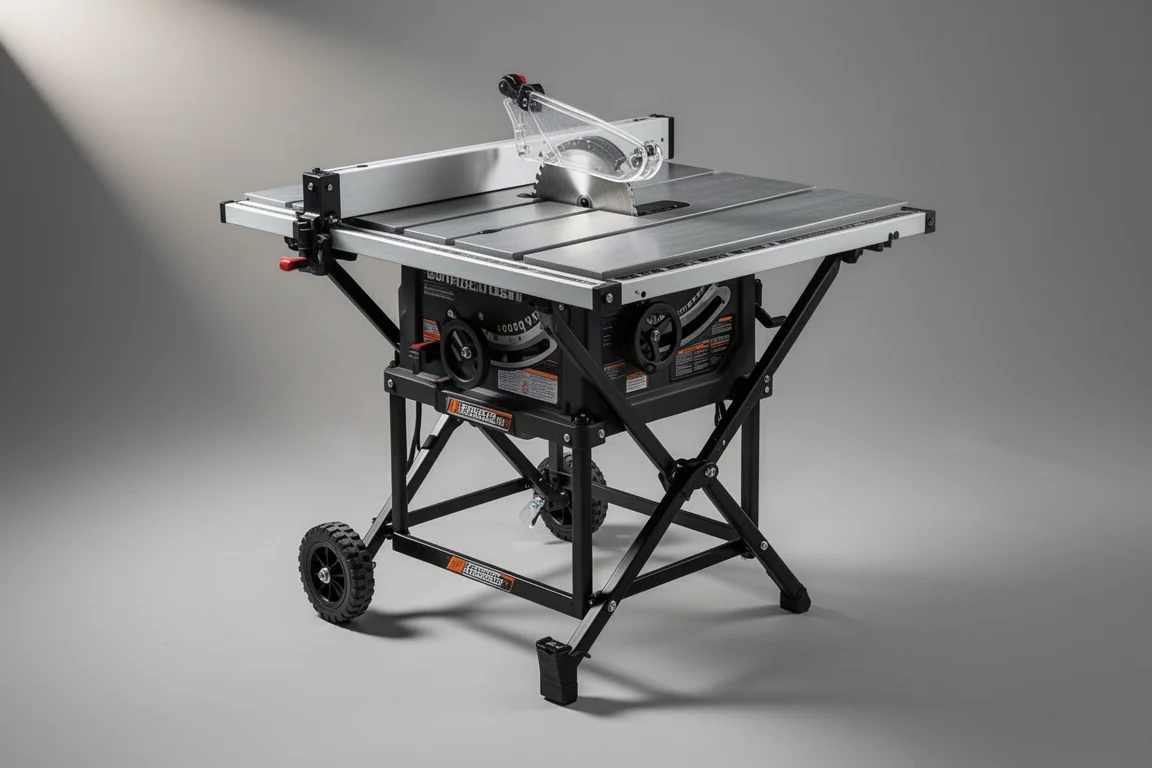
The Professional Cabinet Saw is the machine that replaces an old Rockwell Unisaw-class saw in a serious shop. It is partially assembled on delivery and intended to become a permanent anchor rather than a tool that moves. SawStop offers it in two motor options, a one-and-three-quarter horsepower and a three horsepower version, covering both lighter-duty home shops and shops that run heavy ripping work all day.
This is the saw for woodworkers who already know what a cabinet saw is and want the safety system without giving up the heft, stability, and fence quality the category demands. It is built for years of hard use, and that is exactly the profile of shops, from home garages to professional operations, that keep a cabinet saw for decades.
What a High School Woodshop Reveals
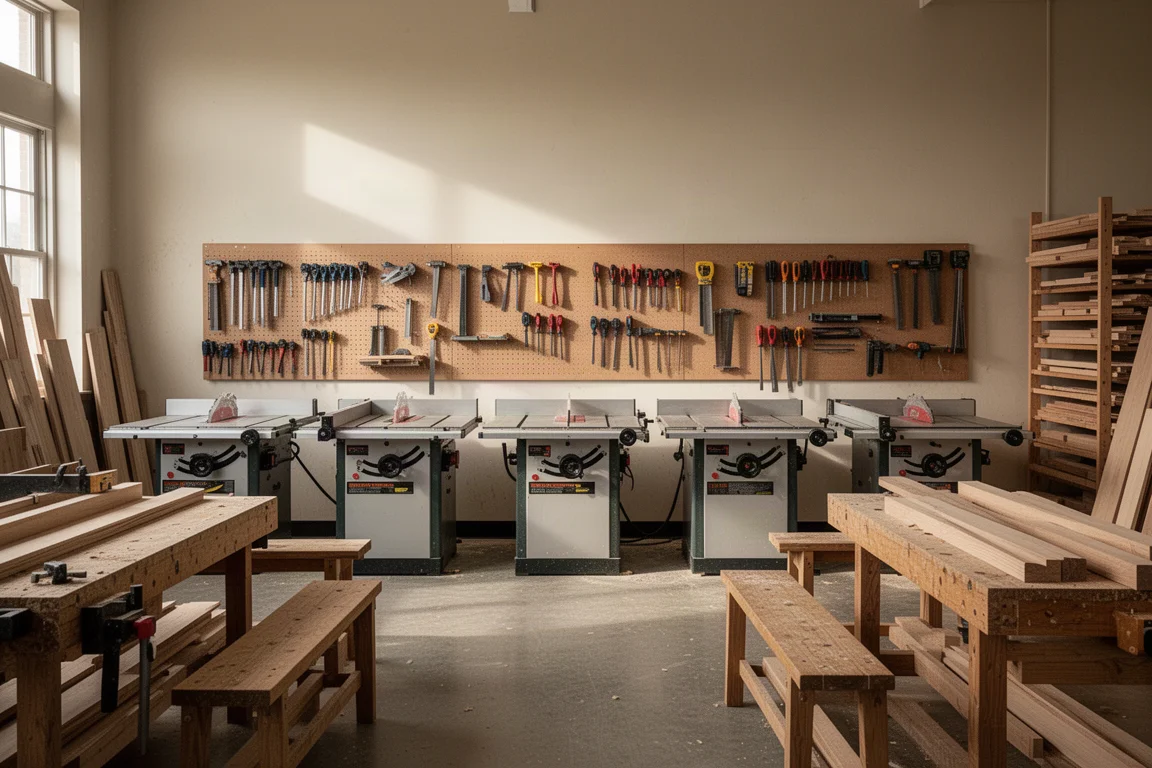
One of the most convincing real-world deployments of these saws is a high school woodshop running four SawStop table saws of different vintages. The oldest has been in service for ten years of daily student use and still works great. That is a meaningful durability signal: these are not machines babied by a single careful owner, they are used by over 150 students per day, from sixth graders to seniors.
The shop teacher’s reasoning is worth hearing. With SawStops on hand, he can teach cutting on the very first day and eliminate much of the fear that otherwise slows learning. Fences get scarred and replaced regularly because students are students, but nobody goes home short a digit. The shop leans on miter gauges for cross cuts rather than a less accurate chop saw, and push sticks there are made from disposable material since 151 kids a day is a different wear profile than a home shop.
His summary is blunt: without SawStop saws, the shop would produce less, and produce fewer students who actually learned to work. Other teachers covering the class worry less, too, and injuries come from hand saws more often than from the table saws. When a tool lets beginners learn faster because the worst outcome is largely removed, that is not a small feature, it changes how the tool gets used.
Buying Advice: Which SawStop Fits Your Shop
If your saw stays in one place and you want maximum capacity for serious woodworking, the Professional Cabinet Saw is the straightforward choice, and the motor option you pick depends on how heavy your ripping work gets. If you need to move the saw between locations, or your shop space doubles as something else, the Portable Contractors Saw brings the same safety story into a package one person can manage.
Worth knowing: SawStop has run a promotion on the Professional Cabinet Saw from the first of March through the end of April, where buying either motor option qualified the buyer for a free accessory, either the overarm dust collection accessory or the integrated mobile base. Promotions like this come and go, so it is worth checking the current offer directly on SawStop’s site before you buy.
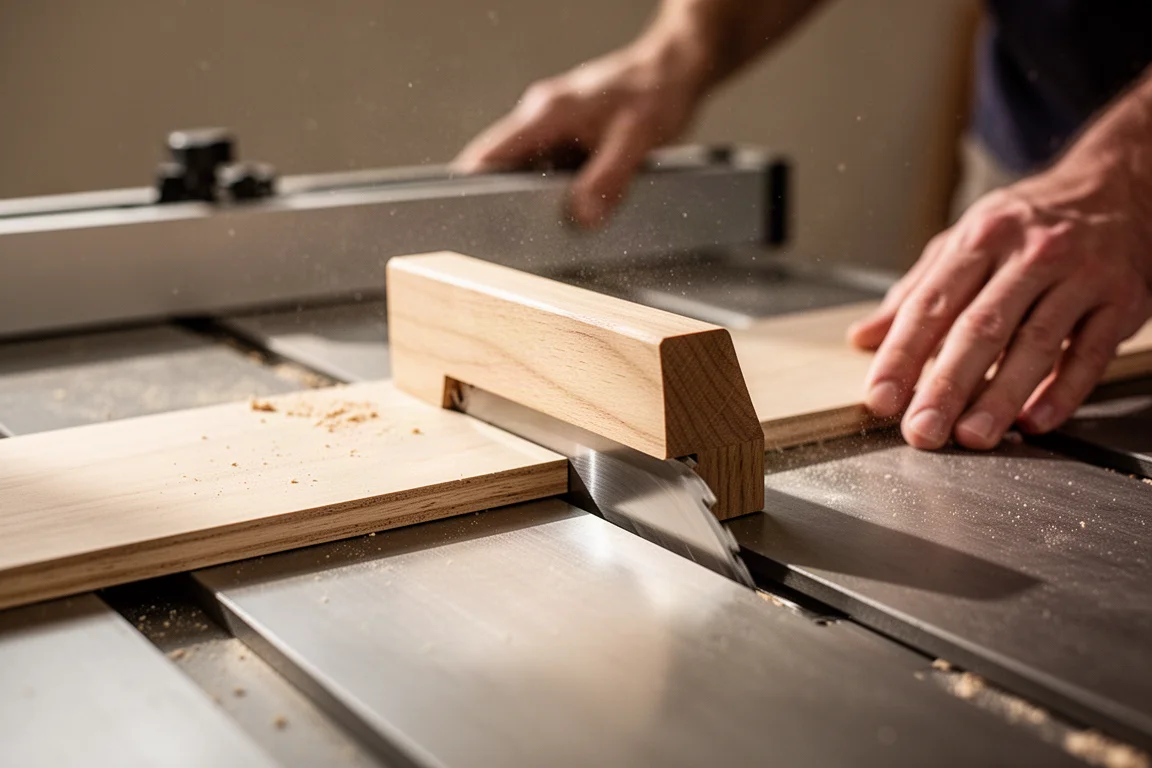
Either way, the buying logic is the same: if reducing a serious, permanent-injury risk in your shop matters to you, and it reasonably should, this is the category of table saw that addresses it directly.
Conclusion
SawStop’s two current saws split the job cleanly. The Portable Contractors Saw gives mobile and home shops a genuinely heavy-duty machine that one person can move and set up. The Professional Cabinet Saw is the long-term anchor for a dedicated shop, with motor choices to match the workload. Both share the safety system that has convinced professional shops, high school classrooms, and cautious grandparents alike. If a table saw is in your future, the question is less whether to consider SawStop and more which of the two fits your shop.
Further reading
Related Reviews

Woodworking Tools
123 Blocks and the Hardware Kit That Fixes Their Biggest Flaw
A practical look at 123 blocks, the hardware kit that solves their most common design flaw, and a sharpening station worth considering.

Woodworking Tools
Cool Tools for Woodworking: Seven Upgrades That Earn Their Place in the Shop
A practical roundup of seven woodworking tools and accessories that improve accuracy, safety, and everyday shop efficiency.

Woodworking Tools
Debuke Clamps Review: A Family-Made Aluminum Bar Clamp Worth Knowing
Debuke Clamps are lightweight aluminum bar clamps made by a small Iowa family business. Here is why they stand out from the many knockoffs on the market.