Camping Stoves
Savotta Wood Stoves Compared: Happy, Grumpy, and Big and Bad
Three folding Savotta wood burning stoves, one shared design language, and clear guidance on which size and build makes sense for your trips.
Introduction
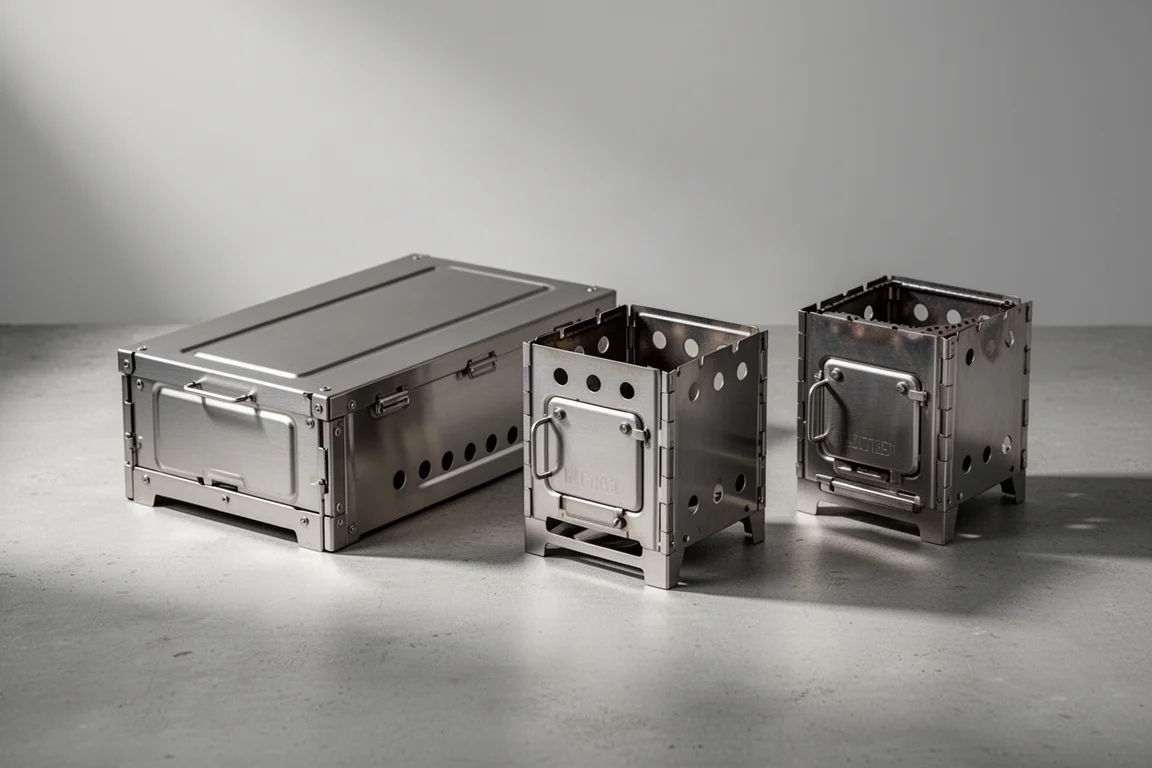
Savotta builds a small family of wood burning stoves, the type usually called hobo stoves: flat panels of stainless steel that fold into a compact bundle and snap together into a working stove when you need one. The line has three members, the Happy, the Grumpy, and the Big and Bad, and they share far more than they differ.
The Big and Bad is the largest and the most substantial of the three. It uses thicker material, holds more fuel, and is built to take bigger pieces of wood than the two smaller models. The Happy and the Grumpy are almost identical to each other in size and shape, and the clearest difference between them is the design of the front plate.
This guide covers what the whole line does well, where the Big and Bad stands apart, and how to decide which of the three belongs in your pack.
What to Look For in a Wood Burning Stove
A folding wood stove is a simple object, so the details that matter are mostly physical. Material thickness is the first one: very thin sheet metal warps and distorts, while thicker steel holds its shape but adds weight and takes longer to cool down. Air flow is the second, and stoves with rows of holes around the body tend to burn more completely and can be lit from more than one direction.
The base plate deserves a closer look than it usually gets. A base with lots of holes feeds air to the fire and burns efficiently, but it also drops embers and coals underneath the stove, which is a genuine hazard in dry conditions. A closed base keeps the fire contained.
Beyond that, look at the size of the feed port, since a large opening accepts longer and thicker fuel and means fewer trips to gather wood. Check how the panels lock together and whether the leg supports raise the body off the ground for uneven terrain. Finally, consider packed size, weight, and price, because a wood burner is never quite as light or as tidy as a canister stove.
None of these points are exotic, but together they explain why two stoves that look similar in a product photo can behave very differently once you are actually cooking on them.
Savotta Big and Bad Stove: The Largest in the Line
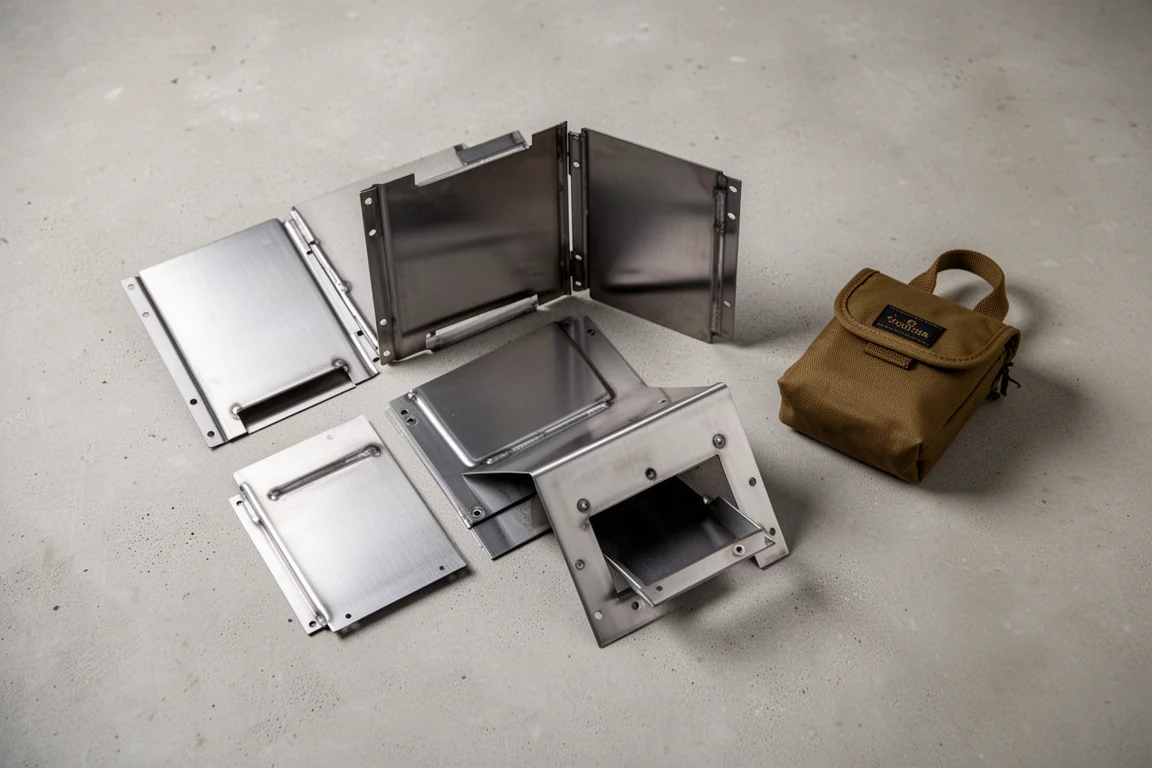
The Big and Bad is the biggest stove Savotta makes. It is cut from 0.8 millimetre laser-cut stainless steel, a meaningful step up in thickness compared with the very thin sheet metal used by many inexpensive folding stoves. It weighs 18.4 ounces including its carry pouch, and the pouch accounts for 1.4 ounces of that. Folded, the stove measures roughly 6.75 by 6.5 inches and about half an inch thick, so it slides into a backpack without taking up much room. The pouch itself is made from 1000D Cordura with a grab handle and a velcro closure.
Setup follows the same sequence as the rest of the line. The side panels have notches that link together, the base plate drops into those notches, and the front plate closes the assembly. With a little practice it goes together in around 30 seconds. A first attempt may take longer, but the design is not complicated once you have done it a few times.
Because the stove is large, you can load it with a serious amount of fuel and use wood of a much bigger diameter than a compact stove will accept. One useful approach with a large piece of wood is to split it, reverse the two halves so the bark faces inward, and start the fire in the middle. Set up that way, the stove can burn for roughly an hour on a single charge of fuel, which turns it into a genuinely practical cooking stove rather than a novelty.
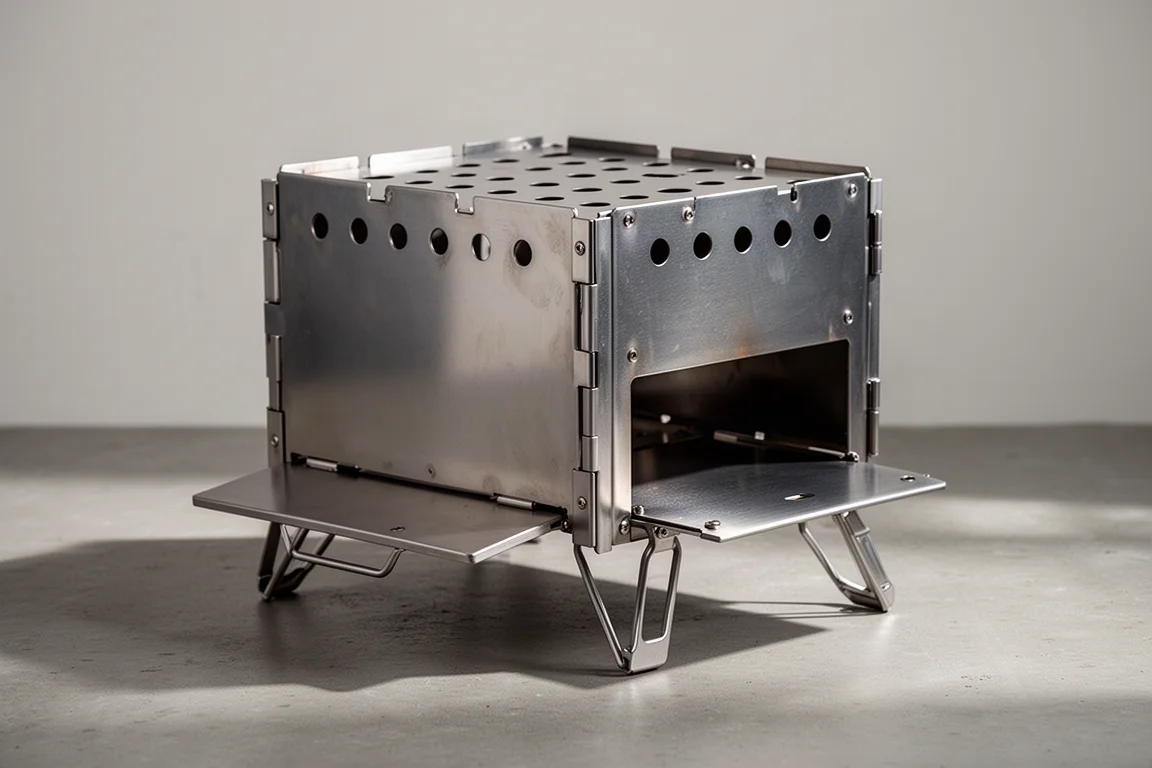
The air holes around the body keep the fire well fed, the feed port is huge, and the base plate has no holes in the bottom, so very little in the way of embers or coals escapes onto the ground. That last detail matters a great deal when conditions are dry. The stove burns fuel down to ash, and if your wood is slightly damp you can blow into the body through the air holes to push the fire along. A litre of water comes to a boil in roughly 10 to 12 minutes, depending on how dry and how thick your fuel is. The leg supports lift the body off the ground so it sits level on uneven terrain, and the panels lock together firmly enough that bumping the stove does not tip it over.
The trade-offs are heat output and cool-down time. Because the material is thick and the body is large, the stove throws a lot of heat, and you will want a larger pot or pan rather than a small cup. The same thickness means the pot supports stay hot for a long while after the fire has gone out.
Savotta Happy Stove: The Compact Option
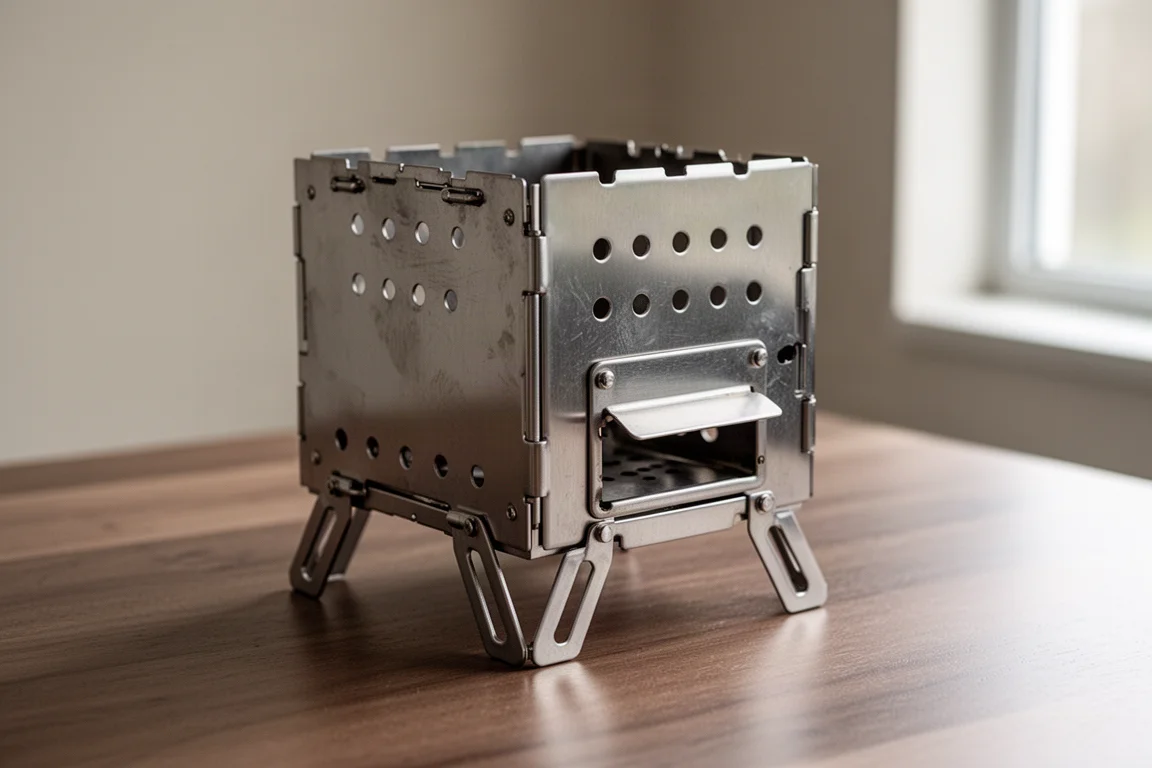
The Happy is one of the two smaller stoves in the line. It shares the folding construction, the notched side panels, the interlocking assembly, and the polished stainless steel finish of the larger model. In use it behaves like a scaled-down version of the Big and Bad: stable, quick to assemble, easy to light, and content to burn dry twigs, pine cones, and small split wood.
Where it differs is capacity. The smaller body accepts less fuel and smaller diameter wood, so it suits a single pot or a cup rather than a full camp kitchen. For solo trips where packed volume and weight matter, that is exactly the right trade to make.
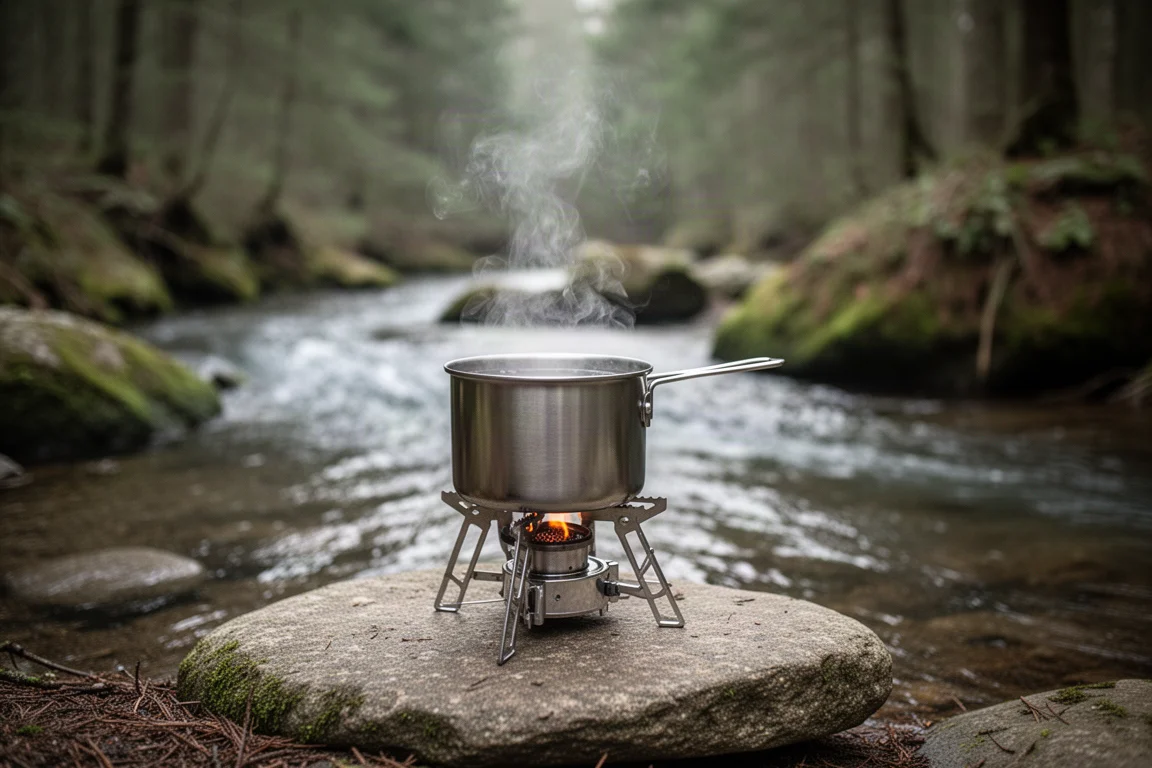
Like the rest of the range, the Happy lights easily from the top, from the front through the feed opening, or through the air holes that run around the body. Cleanup is straightforward once everything has cooled, and the edges are smooth and polished, so nothing about the assembly feels sharp or unfinished.
Savotta Grumpy Stove: Same Form Factor, Different Face
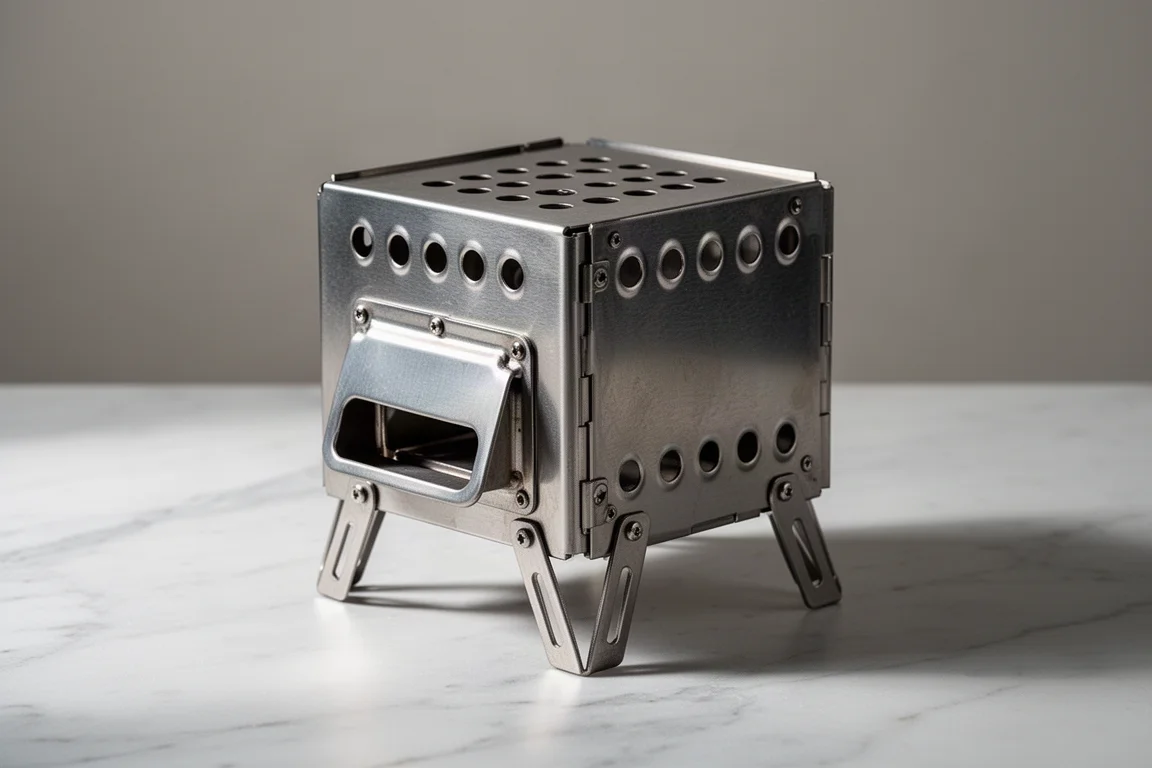
The Grumpy sits alongside the Happy as the second of the two smaller stoves. In size and form factor the two are virtually identical, and the most visible difference is the shape of the front plate. Setup, fuel capacity, stability, and cooking behaviour follow the same pattern across both.
In practice, the choice between them comes down to which front plate design you prefer and how you want the feed opening presented, rather than to any difference in how they perform on a fire.
Shared Strengths: Setup, Fuel, and Stability
All three stoves come from a company known for durable outdoor gear, and the build quality is consistent across the range. Edges are smooth and polished, panels line up cleanly, and the locking design keeps the stove assembled while you work around it. Setup is quick once you have done it a few times, and the sequence is easy to remember.
Fuel is free, which is the entire point of a wood burner. You gather dry twigs, small branches, and pine cones as you go, and the stoves light easily from any direction: from the top, from the front through the feed opening, or through the air holes around the body. There is enough airflow to keep a fire going with dry material and enough control to coax slightly damp material into burning.
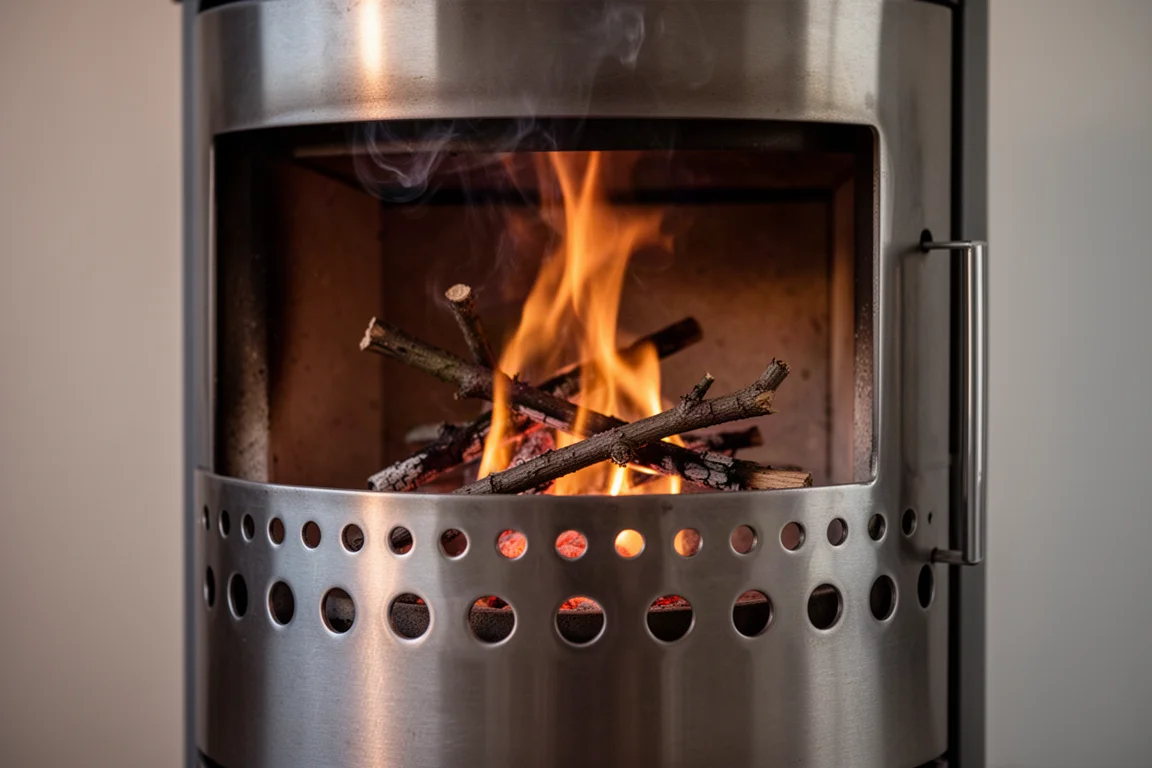
Stability is a strong point across the range. The leg supports raise the body off the ground, and because the panels interlock, the stove does not shift or collapse when it is knocked. Cleanup is simple once everything has cooled, and the ash knocks out of the body without a fight.
Care, Cooling, and Maintenance
Wood burning stoves are messy by nature. They produce smoke and soot, and pots and pans will pick up blackening on the outside, which is simply part of cooking over an open fire inside a metal box. Plan for it and pack a cloth or a bag for anything that has been sitting on the stove.
The Big and Bad needs a longer cool-down than the two smaller models because it uses thicker steel. The pot supports in particular stay hot well after the fire has died, so give them time before packing the stove away. A practical routine is to knock the coals and embers out of the body, put them out completely, and then lay the stove on its side facing the wind. Air moving through the body speeds up cooling considerably.
Stoves like these also demand attention while they run. You have to feed them, adjust the fuel, and keep an eye on the fire. Some cooks enjoy that part and some do not, but it is a real difference between a wood burner and a canister stove.
Buying Advice: Choosing the Right Savotta Stove
The Big and Bad is the model to pick if you want the most capability. It takes larger wood, holds more fuel, burns longer on a single load, and stands up to hour-long burns without warping. It is the stove to choose for group cooking, for trips where a bigger pot is on the menu, and for anyone who would rather carry a little more weight and get a much more capable fire box. It is priced around $55, and availability can be limited outside Scandinavia. The retailer listing states that it cannot ship this model to the United States, so buyers there may need to look for another stockist.
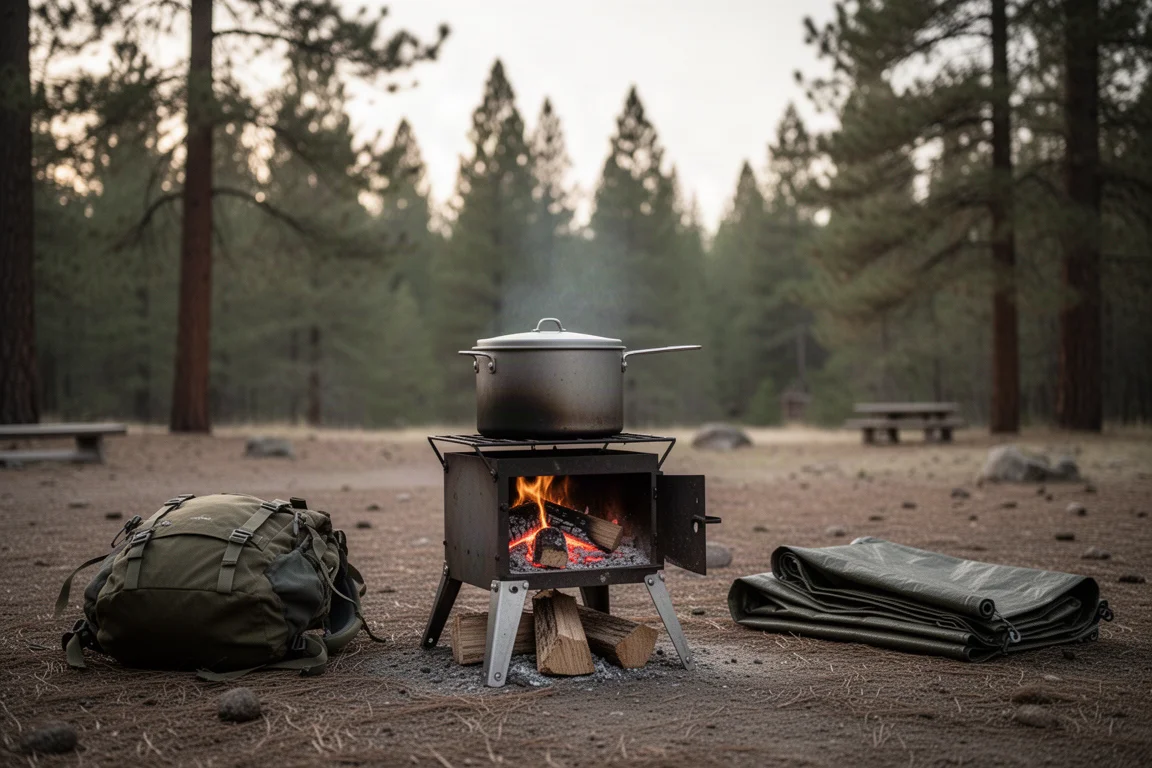
The Happy and the Grumpy are the better fit for solo trips and light packing. They are smaller, they take up less space in a pack, and they handle a single pot or cup without complaint. They share the same quality of materials and the same locking design as the larger stove, so the choice between the two comes down to the front plate design you prefer.
All three cost more than the cheapest collapsible wood stoves on the market. What you get for the difference is thicker stainless steel, better airflow, a base plate that keeps embers contained, and a design that stays together instead of falling apart mid-cook. Buyers chasing the lowest possible price will find cheaper options elsewhere. Buyers who want a stove that will survive years of use will find this line a sensible place to spend.
Conclusion
The Big and Bad lives up to its name. It is the largest stove in the Savotta range, it is built from thicker stainless steel than most of the competition, and it will happily burn large pieces of wood for around an hour at a time. The Happy and the Grumpy are the same idea in a smaller, more packable form, and the differences between those two come down to the front plate rather than to performance.
Whichever you choose, the appeal is the same: a flat bundle of well-made stainless steel that turns a handful of dry wood into a working camp stove. If that matches how you cook outdoors, any of the three is easy to recommend.
Further reading
Related Reviews
Camping Stoves
BCB Fire Dragon Mini Cooker Review: A Tiny Folding Stove With Real Trade-Offs
A palm-sized, fuel-flexible folding stove that heats water well enough, but brings flame control, stability, and fuel cost questions worth understanding first.
Camping Stoves
Boundless Voyage Titanium Alcohol and Wood Stove Review: Ultralight Cooking, Two Ways
A titanium alcohol and wood burning stove kit that weighs 4.5 oz complete, boils two cups of water in about 10 minutes, and costs $36.
Camping Stoves
BRS 32 Dual Burner Stove Review: A Folding Two-Burner That Packs Down Flat
A detailed look at the BRS 32, a slim folding dual burner camping stove that expands into a stable cooking platform for around $60.