Kitchen Knives
Three Santoku Knives, Three Price Tiers: Which One Actually Cuts Best?
We compare three 165mm santoku knives across shallots, carrots, and mushrooms to see whether a higher price really buys better cutting performance.
Introduction
Can a knife at the very top of the price range cut better than a far more affordable one? It is possible, but it depends. Price alone is not the reason a knife cuts better or worse. There is much more to it.
To explore that question, we put three santoku knives against each other. A santoku is often called the knife of three virtues: slicing, dicing, and mincing. With three knives on the bench, it made sense to test them against three ingredients: shallots, carrots, and mushrooms.
The Three Contenders
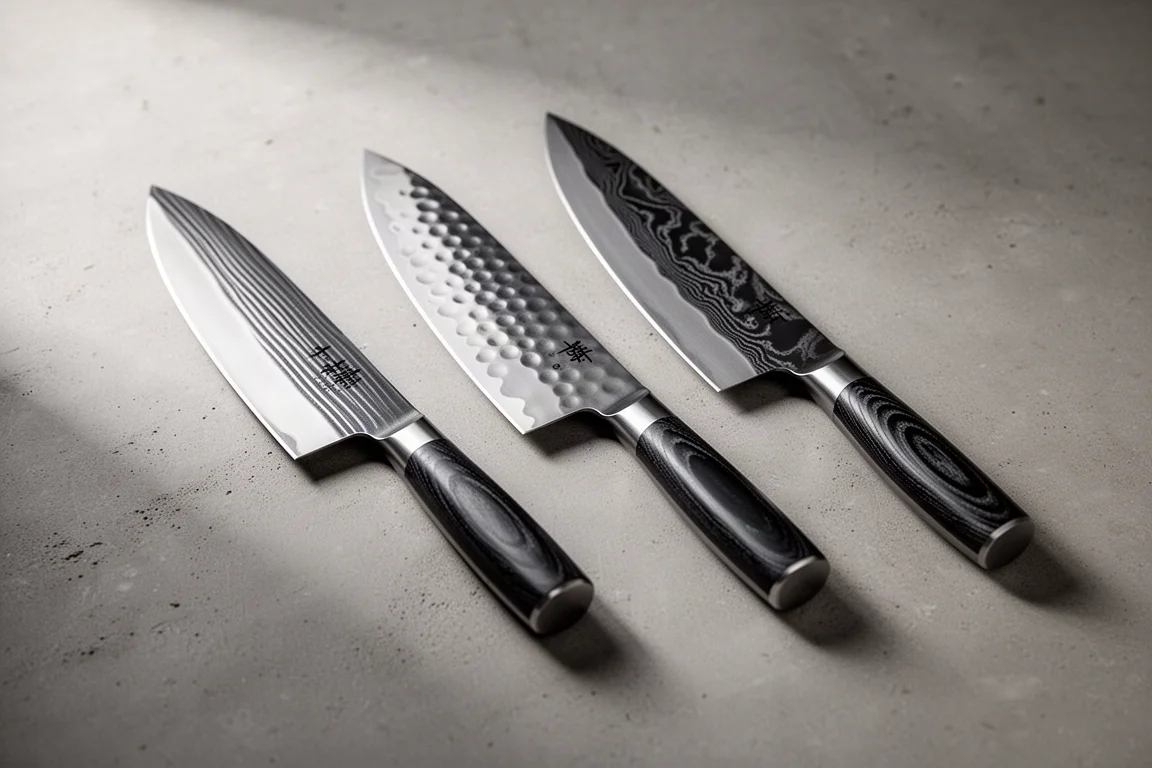
All three knives are 165mm long, so blade length does not set them apart. Starting from the lowest price of the three, the Fuku santoku has a core of Aogami Super steel with a stainless cladding and a kurouchi-style finish featuring deep vertical striations along the blade. That finish becomes relevant later in the results.
Next is the Fujiwara Maboroshi santoku, which carries a core of White Steel No. 1, also known as shirogami 1, wrapped in stainless cladding. Instead of vertical striations, this knife has a very deep tsuchime, or hand-hammered finish, visible as dimples across the blade.
Finally, the most expensive knife in the test: the Sukenari River Jump santoku. One of its distinctive traits is a kurouchi, or forge-scale finish, in which twisted Damascus layers jump over the spine and flow onto the other side of the blade. It has a core of White Steel No. 2 with iron cladding.
Testing Method
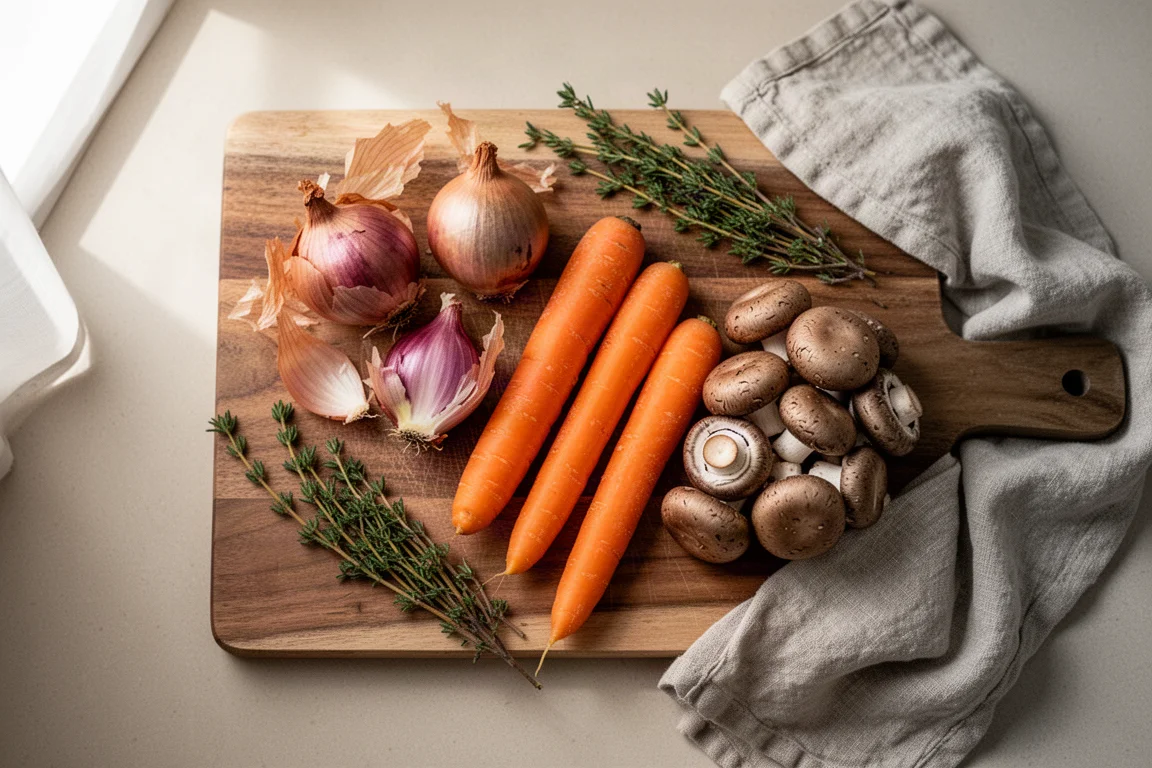
Each knife was put to work on the same three ingredients, chosen because each one stresses a different aspect of knife performance: edge thinness, weight behind the edge, and drag from the blade’s finish and height. Cutting feel, wedging behavior, and the quality of the cuts were compared across shallots, carrots, and mushrooms.
The Verdict on Shallots
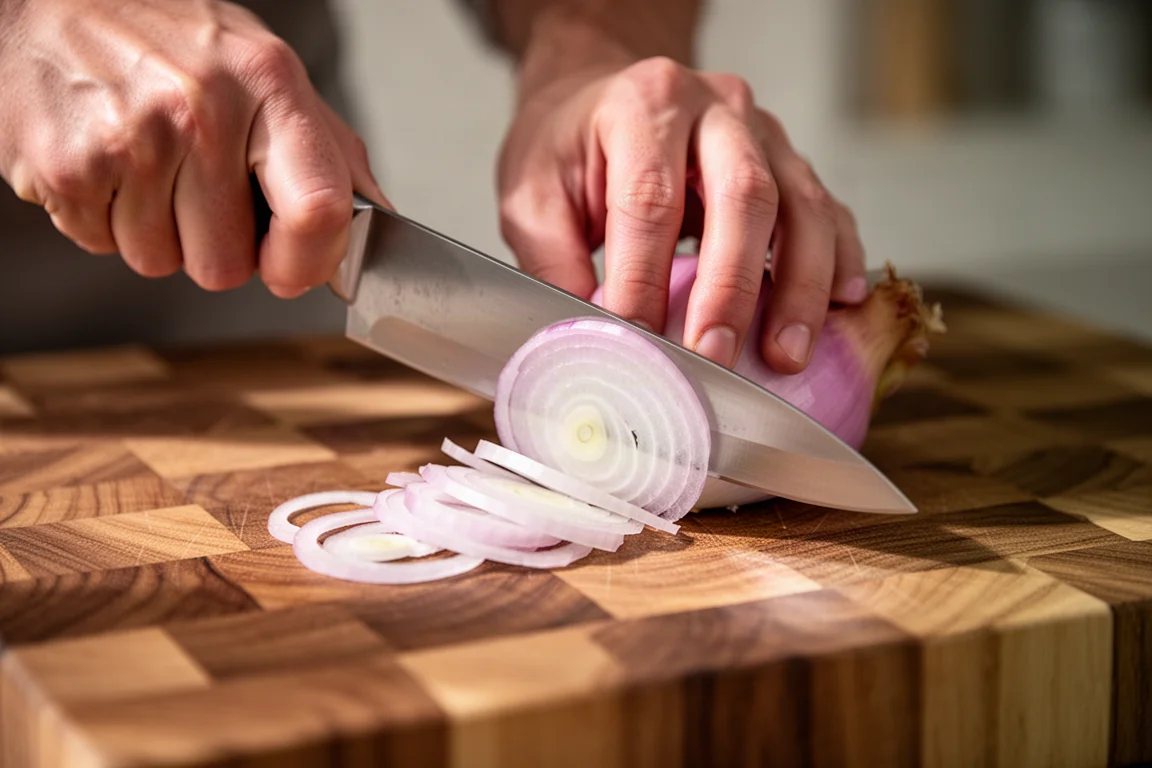
For the shallot, the Fujiwara Maboroshi takes it. Its super-thin edge behind the sharpening shoulder makes lateral cuts easy and the knife a joy to use. The Fuku performed surprisingly well, while the River Jump felt thick in particular behind the edge, which made lateral cuts harder than they needed to be.
The Verdict on Carrots
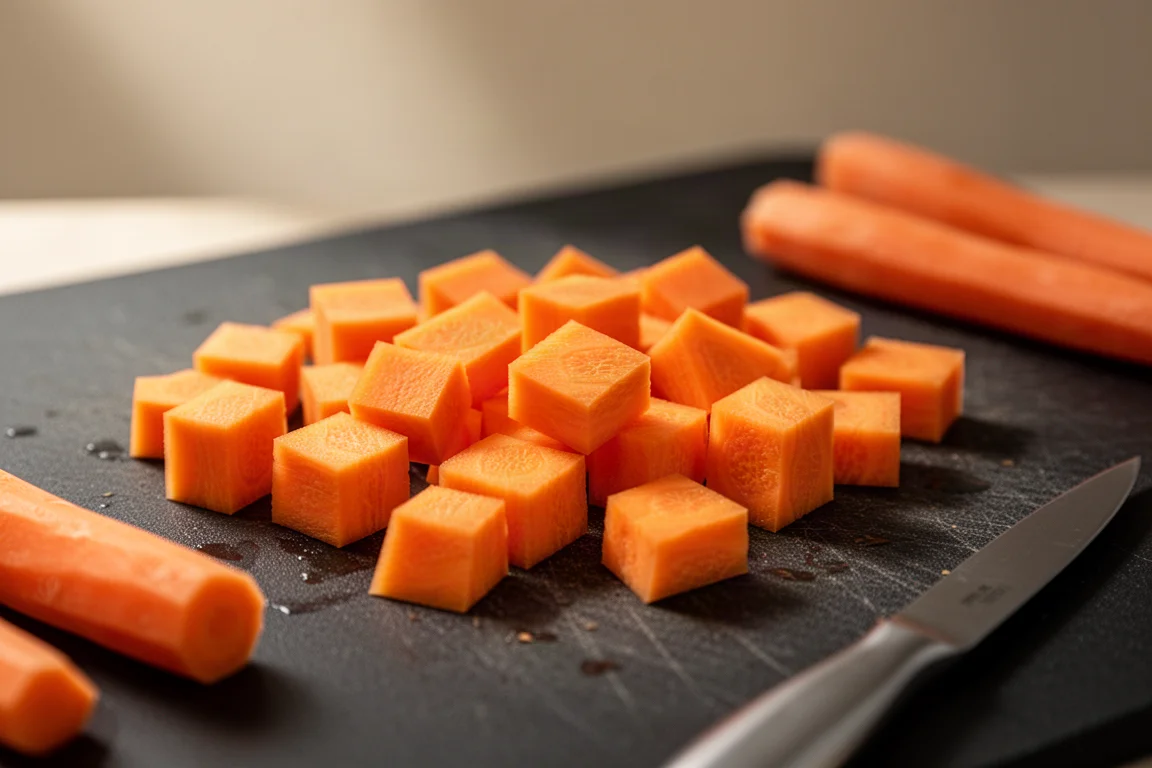
The carrot tells a different story. At first it looked like the Fujiwara would run away with the whole test, because the River Jump split the larger carrot pieces more than expected. But once the carrot was squared and the dicing began, the River Jump came into its own. From batons to dicing, it wins the carrot round. It sits thicker behind the edge than the other two, but that heft delivers a nice driving weight through dense produce.
The Verdict on Mushrooms
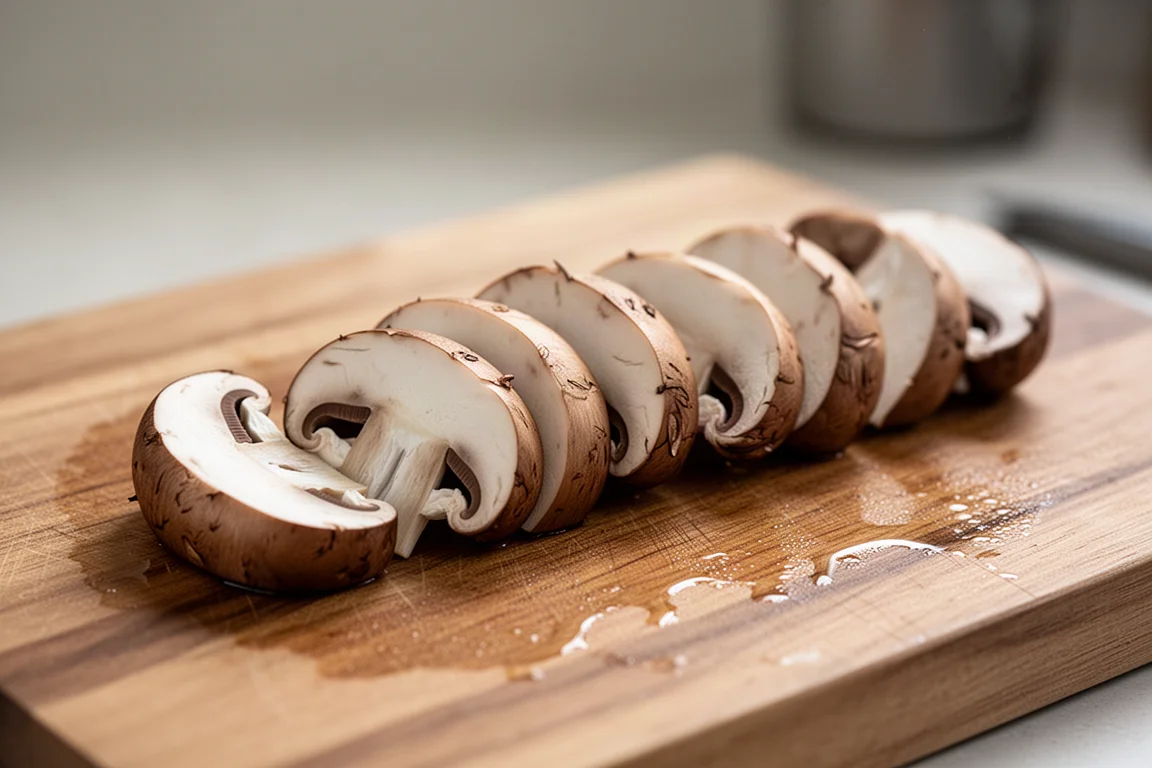
For the mushroom, the Fuku is the easy winner. It is a super-slick, very thin, very easy knife to use, and that low-drag character is exactly what delicate, soft ingredients reward.
Why No Single Knife Won
This is where the comparison gets interesting. Some might have expected one knife to rule all three tasks, but that was never the case here. There are three knives and three separate winners, one per ingredient.
Knife performance is more complicated than assigning a dollar value and expecting it to perform. What actually matters includes blade geometry, steel heat treatment, the cleanliness of the apex on the edge, the type of finish which determines drag ratios, and even the height of the blade, which can also influence drag.
Buying Advice
So, does a knife from the top of the price range cut better than a more affordable one? The honest answer is: it depends. The right question is not which knife is most expensive, but which knife matches the ingredients and cutting style you actually use most. A thinner edge behind the bevel excels at delicate lateral cuts, while a bit of weight behind the edge drives through dense vegetables with confidence.
Conclusion
Three knives, three winners: the Fujiwara Maboroshi for shallots, the Sukenari River Jump for carrots, and the Fuku for mushrooms. Rather than declaring one overall champion, this test shows that a santoku’s real value comes down to how well its geometry, steel, and finish match the task in front of you. Choose the knife for the work you do most, not for the number on the price tag.
Product link
View more details for Fuku Santoku
This product is mentioned in the review. Check the specifications, options, and compatibility before buying.
View more details for Fuku SantokuFurther reading
Related Reviews

Kitchen Knives
Best Chef's Knives 2026: 27 Popular Options Tested and Ranked
A comprehensive review of 27 chef's knives ranging from $18 to $380, with honest assessments of handle comfort, blade balance, and real-world performance.

Kitchen Knives
Best Chef's Knives Under $75: Two Tested Recommendations
Two practical 8-inch chef's knives that balance sharpness, comfort, and durability without premium pricing.

Kitchen Knives
Best Chef's Knives 2026: 27 Options Tested and Ranked
A comprehensive review of 27 chef's knives ranging from $18 to $380, with honest assessments of handle design, balance, blade profile, and real-world performance.