Tool Sharpening
Samurai Kwa DFH-4T Japanese Saw Diamond Sharpener Review: A Small Tool That Extends Blade Life
A compact diamond file designed specifically for Japanese saw teeth. Simple, affordable, and effective if you use it with care.
Introduction
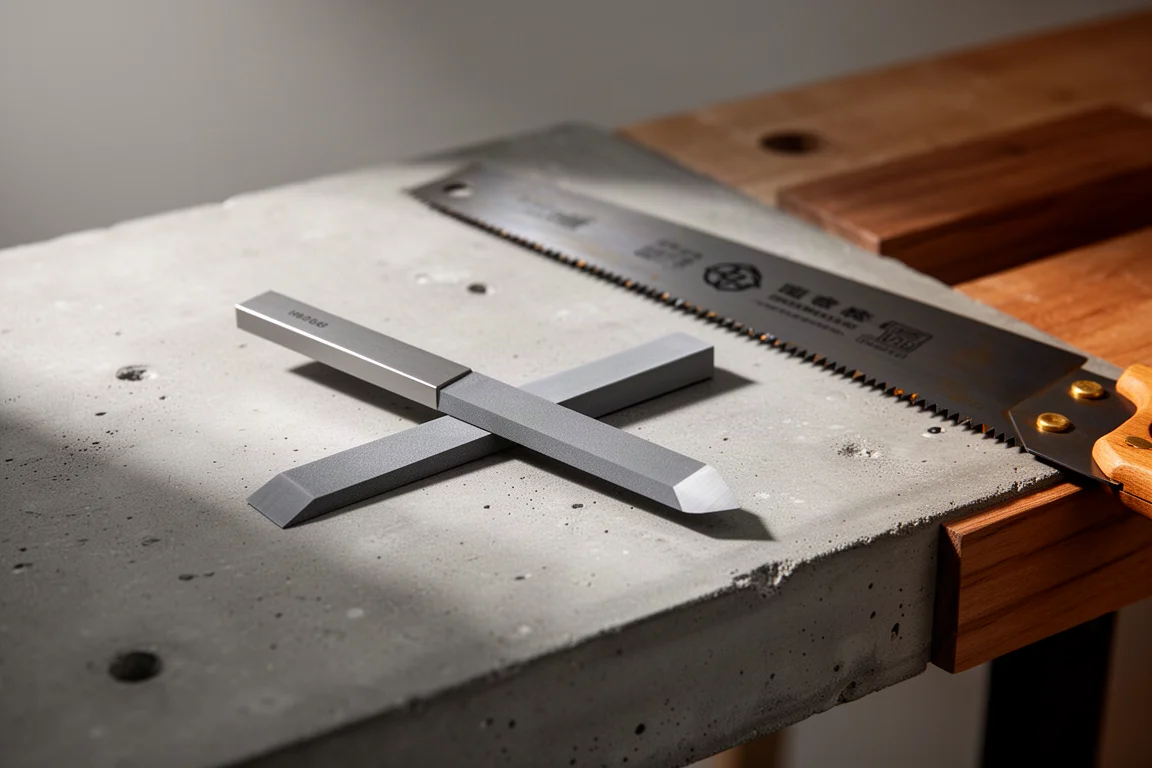
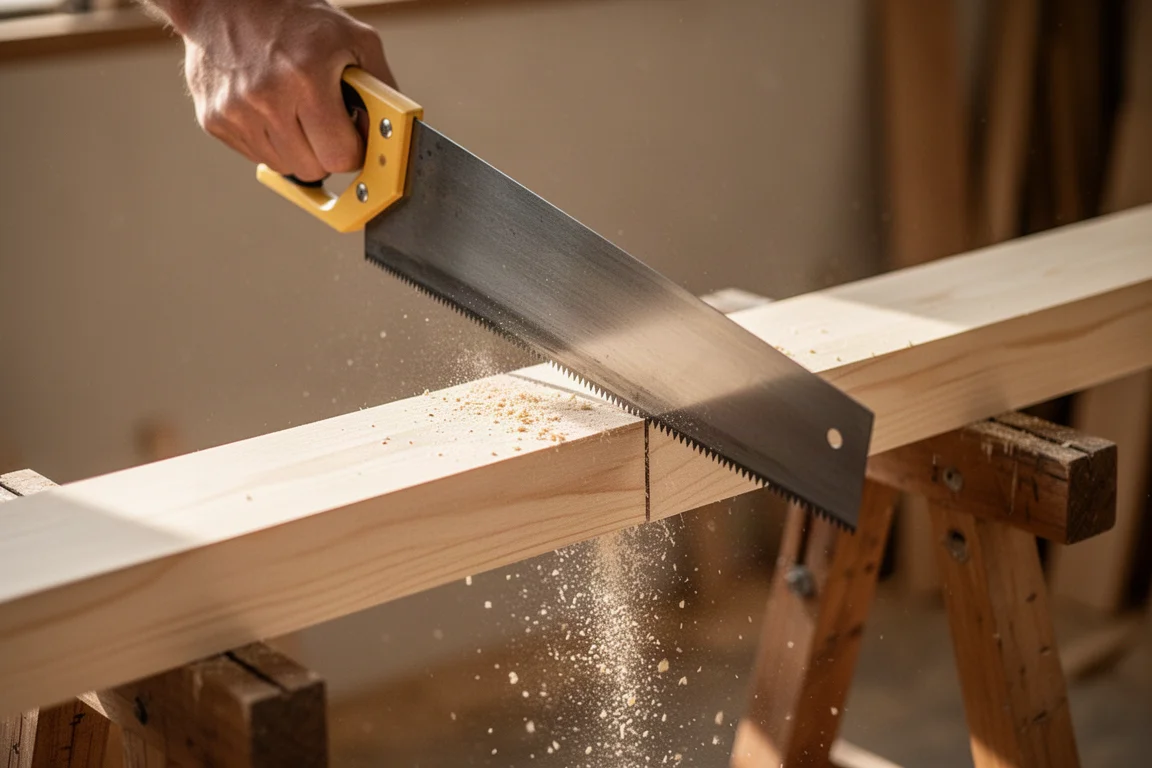
Japanese pull saws cut on the pull stroke, which lets manufacturers use much thinner, harder blades than Western saws. The trade-off is that the teeth are harder to touch up with ordinary files. That is exactly the problem the Samurai Kwa DFH-4T Japanese Saw Diamond Sharpener sets out to solve: a small diamond file shaped for getting Japanese saw teeth back into working condition without replacing the blade.
If you have ever hit a screw or accidentally cut too close to the ground and dulled a blade, you know how quickly a good saw can lose its edge. This little sharpener aims to bring it back.
Who This Product Is For
This is a tool for people who already own a Japanese-style saw and want to maintain it themselves. Blades for these saws are replaceable and not terribly expensive, but a diamond file costs less than a new blade and can pay for itself over time by extending the life of what you already have.
It also works as a general-purpose diamond file in a pinch. The flat surface can handle small sharpening jobs, though the working area is not large, so do not expect it to replace a proper bench stone.
How It Works in Practice
Sharpening conventional saw teeth is easier than it looks, but setup matters. The usual approach is to anchor the blade between two pieces of wood or clamp it in a vice so it stays still and the sharpener lines up at the correct angle.
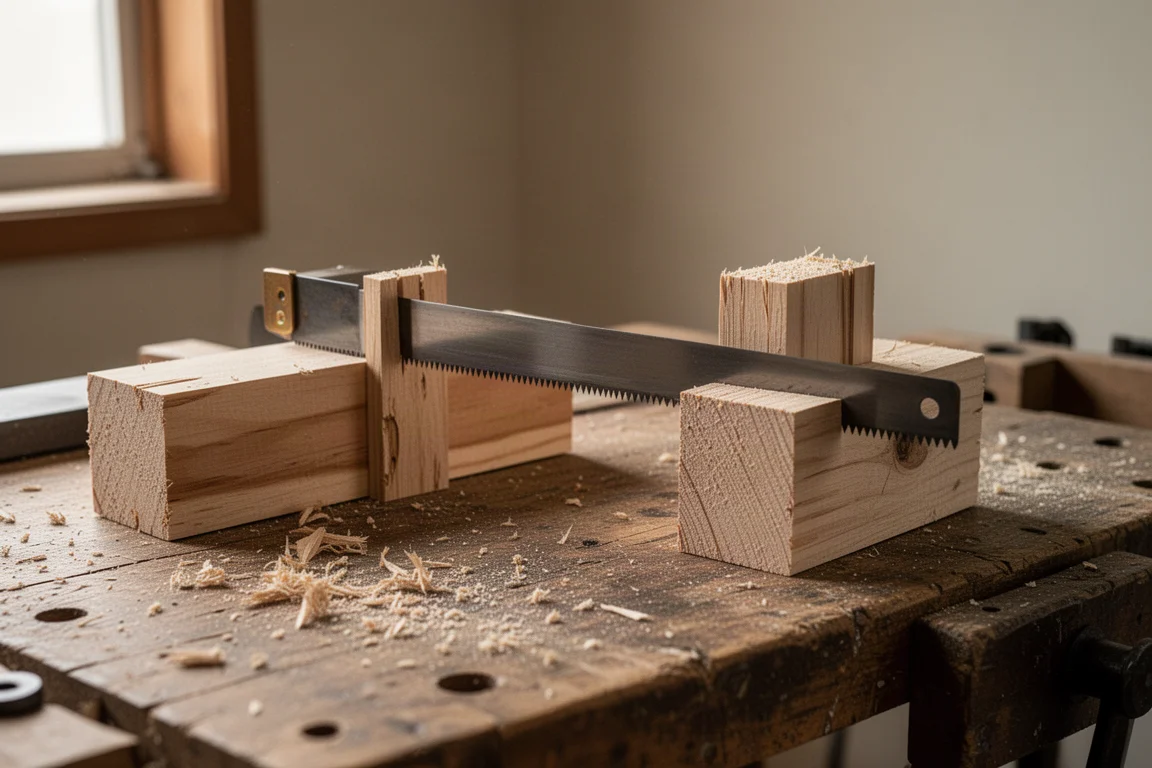
One of the nice things about these small Japanese saws is how easy the blade is to remove. Many owners prefer to take the blade out entirely, anchor it, and then move the sharpener around exactly as needed. In most cases, one or two strokes per tooth region is enough to get things back into fighting shape.
How It Compares to Other Diamond Files
The DFH-4T sits in a crowded field of small diamond sharpening tools, and it is worth knowing where it fits. There are standard flat diamond cards meant for knives and general honing in the field, which are simpler than stones and fine for light work. There are ceramic stones better suited to fishing hooks and unusual shapes. There are small cylindrical and curved diamond tools that handle rounded edges better than square files can.
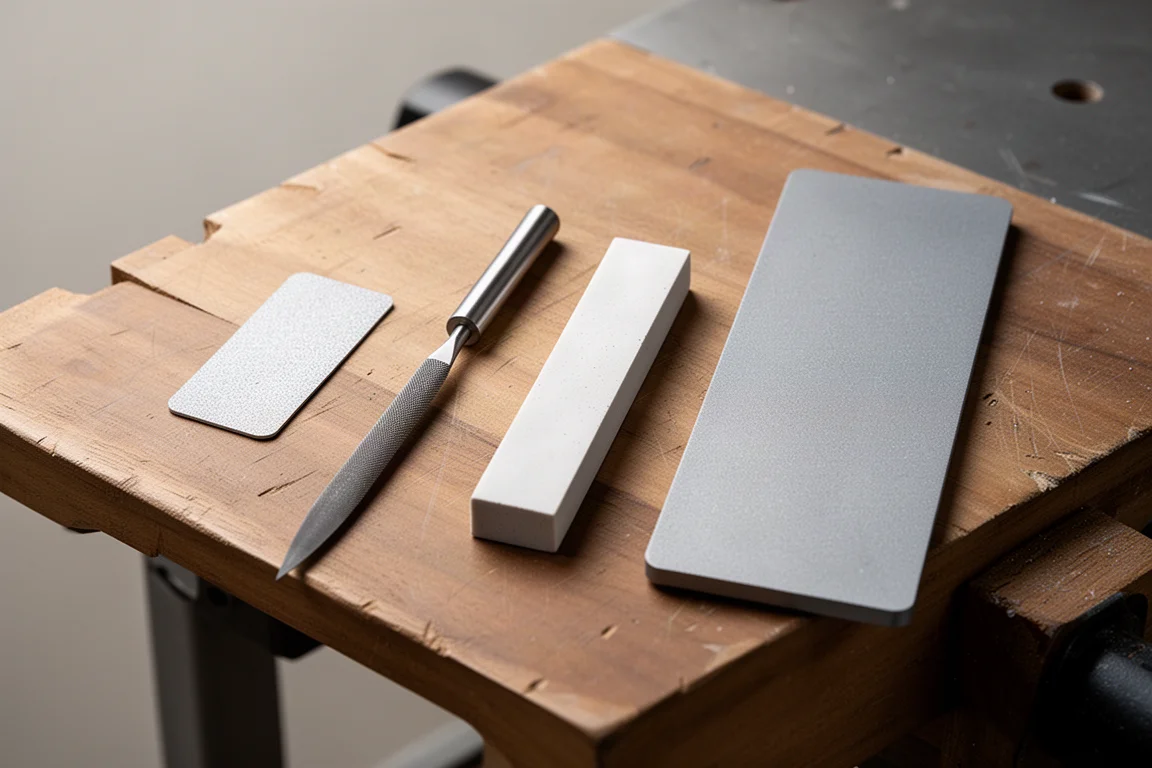
For larger surfaces, like a splitting maul, a hatchet, or an axe, none of these small files are the right tool. A big flat diamond plate or a grinder is what you want there. Trying to grind a badly damaged edge on a small diamond file will essentially destroy it. The DFH-4T’s specialty remains what its name suggests: Japanese saw teeth.
Things to Consider Before Buying
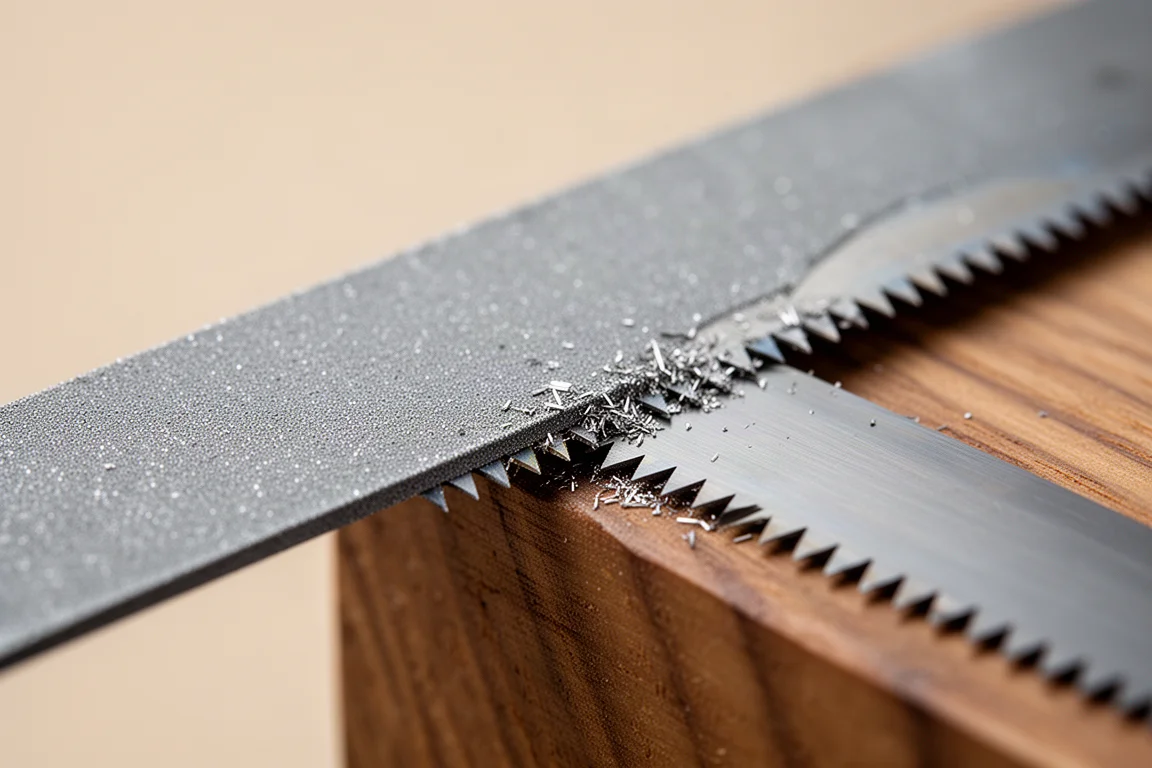
The honest caveat is technique. Diamond files remove metal quickly, and in inexperienced hands it is just as easy to dull a blade as to sharpen one. If the file is not lined up correctly, you can create a bigger problem than you started with. A little practice, and the many free sharpening guides available online, go a long way.
Pricing is worth noting too. This kind of small industrial diamond tool typically lands somewhere between $10 and $20, and it has been seen at the higher end of that range at some retailers. At the lower end it is an easy value; at the top of the range you are paying a bit of a premium, though it still costs less than a replacement saw blade.
Buying Advice
Buy this if you sharpen your own Japanese saw blades or want to start doing so. It is a genuinely unique tool for that job, and a fresh file will likely pay for itself the first time it saves a blade you would otherwise have replaced.
Skip it if your sharpening needs are mostly large blades or heavy edge restoration, since a big flat plate or a grinder is the better investment there. And if you are completely new to sharpening, spend some time learning technique first; the tool works, but only when it is used correctly.
Conclusion
The Samurai Kwa DFH-4T is a small, affordable, purpose-built diamond sharpener that does one thing well: bringing worn Japanese saw teeth back to life. It is not a do-everything sharpening solution, and it rewards careful hands. But for saw owners who want to extend blade life and keep a compact file in the kit, it is a sensible, low-cost addition to the workbench.
Product link
View more details for Samurai Kwa Japanese Saw Diamond Sharpener DFH-4T
This product is mentioned in the review. Check the specifications, options, and compatibility before buying.
View more details for Samurai Kwa Japanese Saw Diamond Sharpener DFH-4TFurther reading
Related Reviews
Tool Sharpening
Fällkniven DF-24 Diamond File: A Tiny Sharpener That Punches Way Above Its Price
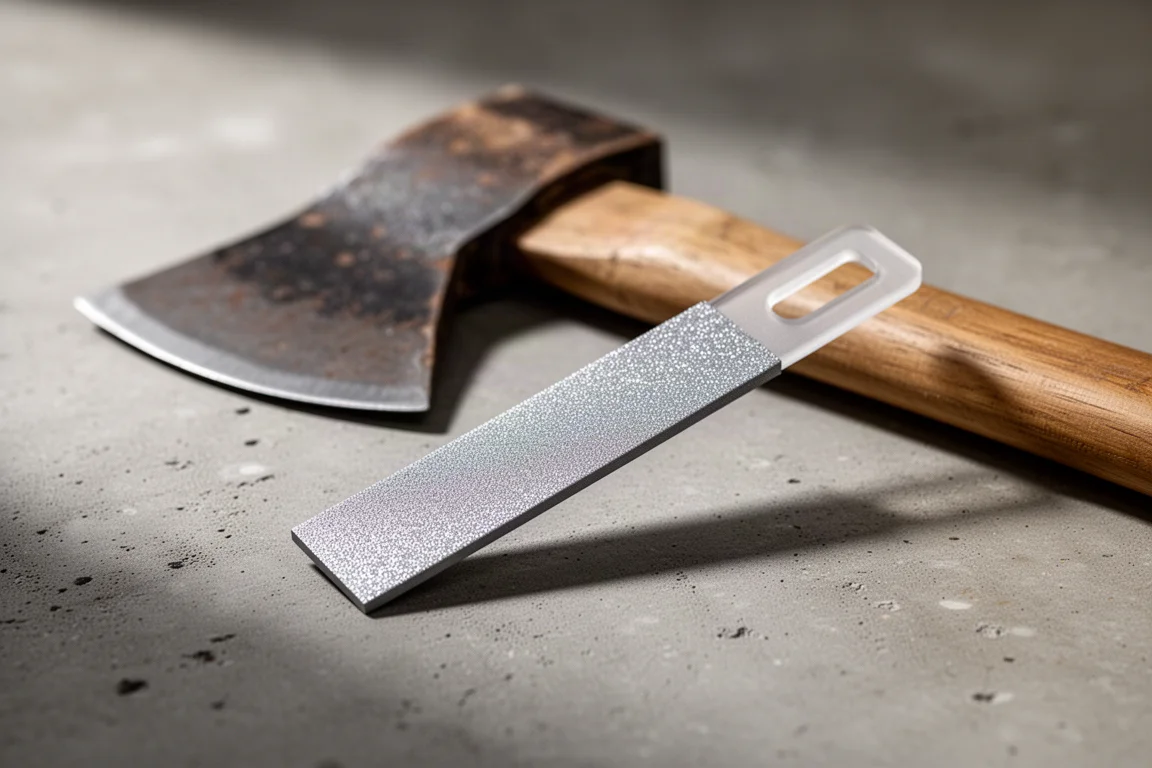
A Swedish-made diamond plate the size of a tongue depressor that can bring a beat-up hatchet edge back to life for around ten dollars.

Woodworking Tools
123 Blocks and the Hardware Kit That Fixes Their Biggest Flaw
A practical look at 123 blocks, the hardware kit that solves their most common design flaw, and a sharpening station worth considering.
Workshop Tools
Shop Vacuum Performance Tips: Four Essential Upgrades and Maintenance Strategies
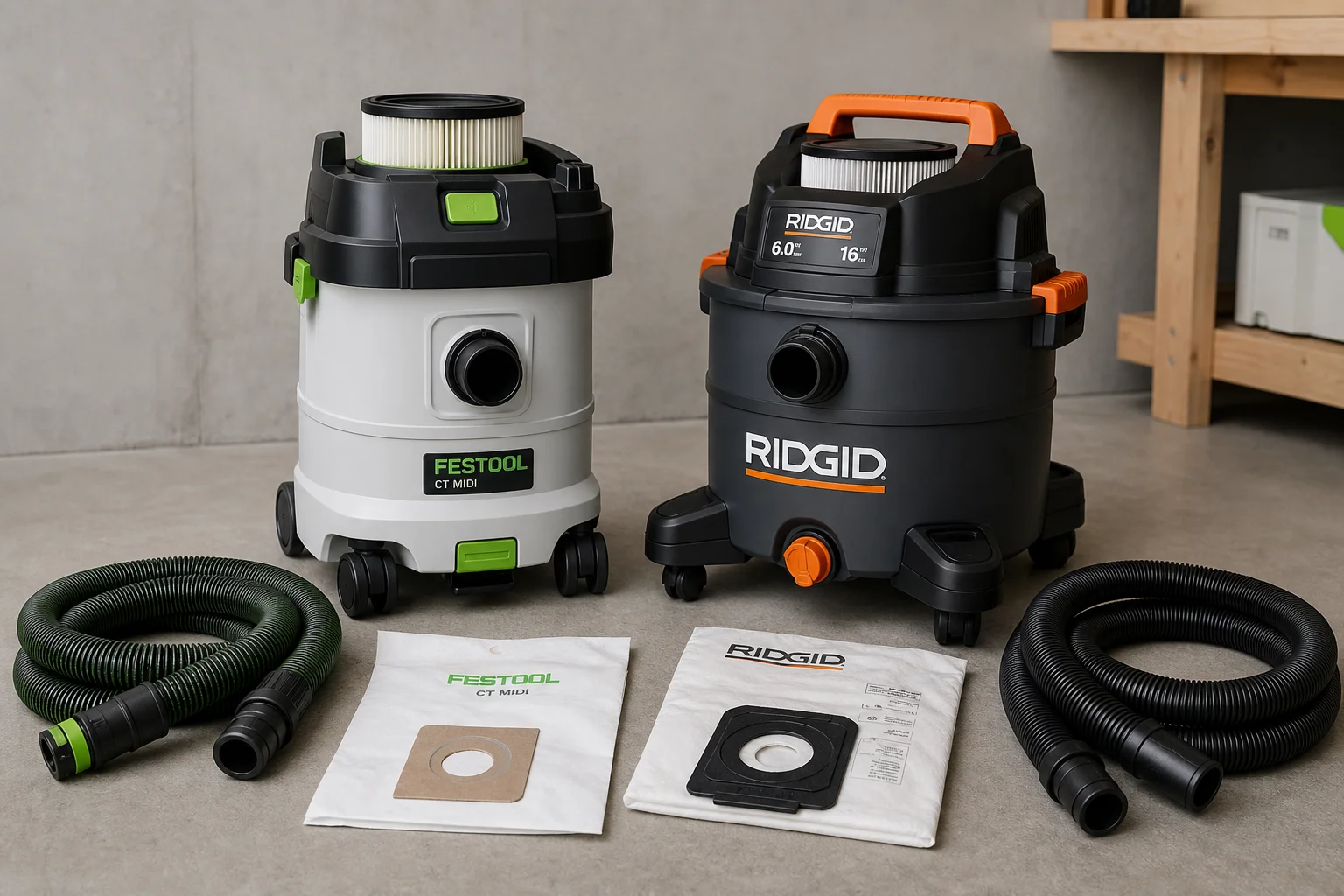
Four practical tips to boost shop vacuum suction, reduce filter wear, save money on consumables, and protect your health in the workshop.