Smartwatches
Samsung Galaxy Watch5 Pro: Early Real-World Impressions
An early hands-on look at the Galaxy Watch5 Pro, covering routing, Track Back, GPS accuracy, heart rate, and how the battery claims hold up.
Introduction
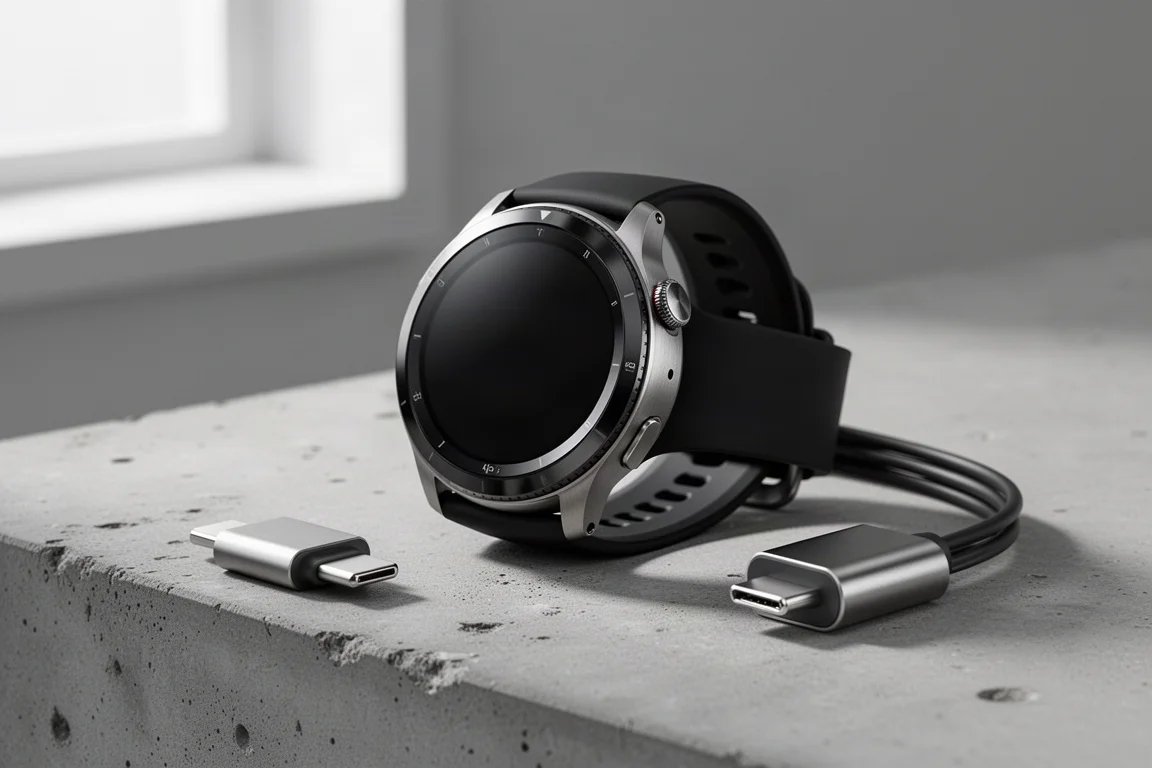
Samsung’s Galaxy Watch5 Pro positions itself as the adventure-ready option in the Galaxy Watch lineup, and its feature list certainly points that way: a titanium case, a bigger battery, GPX route navigation, and Track Back functionality. We spent time with it across hard interval runs, downtown GPS testing, and hiking to see how those headline features actually behave outside of a keynote.
This is an early look rather than a final verdict. Long-term battery results and sleep tracking need more time, but there is already plenty worth knowing before you order.
Design and Hardware: A Chunky Titanium Build
The Watch5 Pro starts at $449 and comes in a single 45mm size. Compared with the standard Watch5, which starts at $279 in 40mm and 44mm sizes, the Pro brings a titanium case, a better sapphire crystal display (29 GPA versus 24 GPA), and a new clasp system. Both editions carry a revamped sensor suite with ECG, heart rate, and body composition sensors, plus a body temperature sensor that only works overnight during sleep.
The trade-off is thickness. There is essentially no tapering on the case sides, so the Pro sits noticeably tall on the wrist. It reads more utilitarian than slim, which some will see as rugged charm and others as a wrist fortress.
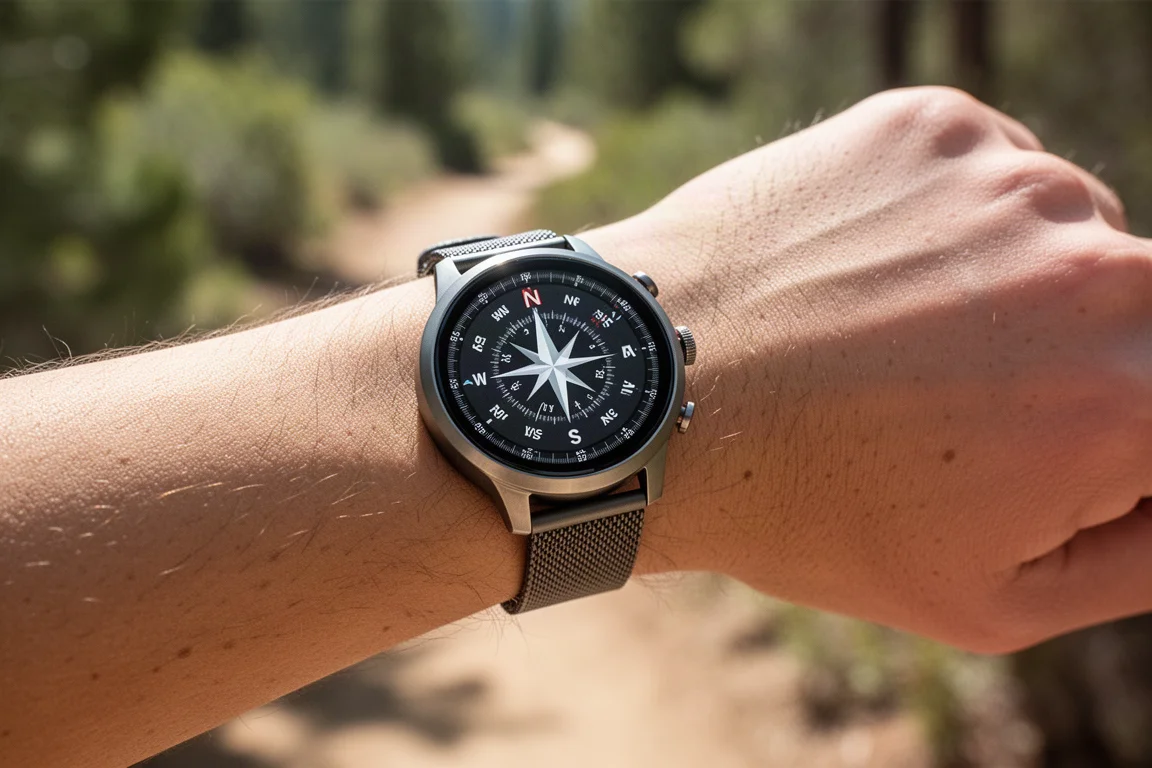
Like the Watch4 before it, it runs Google’s Wear OS with Samsung’s One UI on top. The rotating bezel from older Samsung watches is gone, replaced by a purely touch-based bezel interaction that works similarly, though not identically.
GPX Routing: Useful but Limited
The flagship Pro feature is importing a GPX file and navigating along it. The workflow works, but it is fiddly: create a route in a tool like Strava, export the GPX file, save it to your Samsung phone, then dig through the Samsung Health app’s sport mode settings to import it and sync it to the watch. It is not obvious, and the menu locations shift depending on when you open the app.
Only cycling and hiking sport modes support routing today. There is no routing for running, walking, or other sports, which is a strange gap for anyone planning a marathon route.
Once running, the watch delivers turn-by-turn audio prompts roughly 50 meters before a turn, and warns you are off course about 50 meters after you miss one. You can navigate without your phone, in which case you get a breadcrumb trail and off-course warnings, but no map layer; the map requires the phone connection.
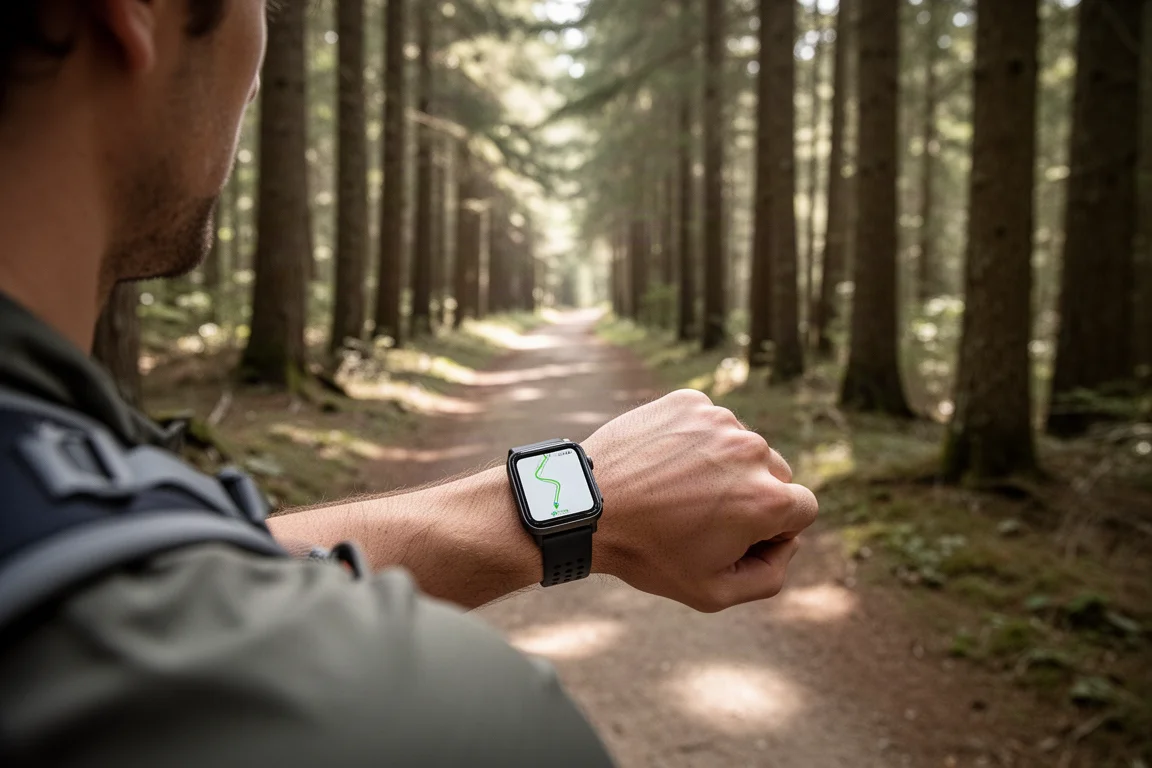
In clear conditions on well-separated trails, this works fine. The 50-meter off-course buffer, though, is generous in the wrong direction. On trail networks where paths run close and parallel, you could wander a good while before the watch tells you something is wrong.
Track Back: Simple and Practical
Track Back retraces your exact outgoing route to your starting point. It works across all sport modes rather than being limited to hiking or cycling, and the navigation behaves just like regular routing, except your endpoint is your original start.
The key caveat: it follows the precise path you took out, including any wrong turns. That makes it ideal for out-and-back outings and useless for loops or figure-eights where you would want a direct line back to start.
Heart Rate and GPS Accuracy on the Run
On a hilly interval run with a chest strap, an Apple Watch Series 7, a Whoop 4.0 band, an Oura ring, and separate GPS watches all recording, the Pro’s optical heart rate sensor got off to a slow, lagging start. After a couple of minutes it locked on and stayed solid for nearly the entire run. It lagged slightly on hard, flat-out intervals at the end, but performed better than the Whoop and was overall respectable.

GPS tells a similar middle-of-the-road story. On open paths it wobbled a bit and was the least accurate of the comparison group. In dense downtown streets with tall buildings, it drifted noticeably and was not as accurate as a multi-band GPS watch, but it avoided a total meltdown. Notably, an Apple Watch Series 7 worn on the same run degraded far worse in the same conditions. The Pro was mediocre in the city, but never disastrous.
Battery Life and Charging
Samsung claims up to 20 hours of GPS time and up to 80 hours of smartwatch standby for the Pro’s 590mAh battery, the largest of the lineup (the 40mm gets 284mAh, the 44mm 410mAh). Real-world GPS testing on a 50-minute run with the always-on display off, the best-case scenario, used about 9% battery. Extrapolated, that lands closer to 10 hours of GPS time, roughly half the claim.
Daily use so far trends toward a strong two and a half days rather than the advertised three and a half. It is early, and software updates may shift things, but temper your expectations versus the marketing numbers.
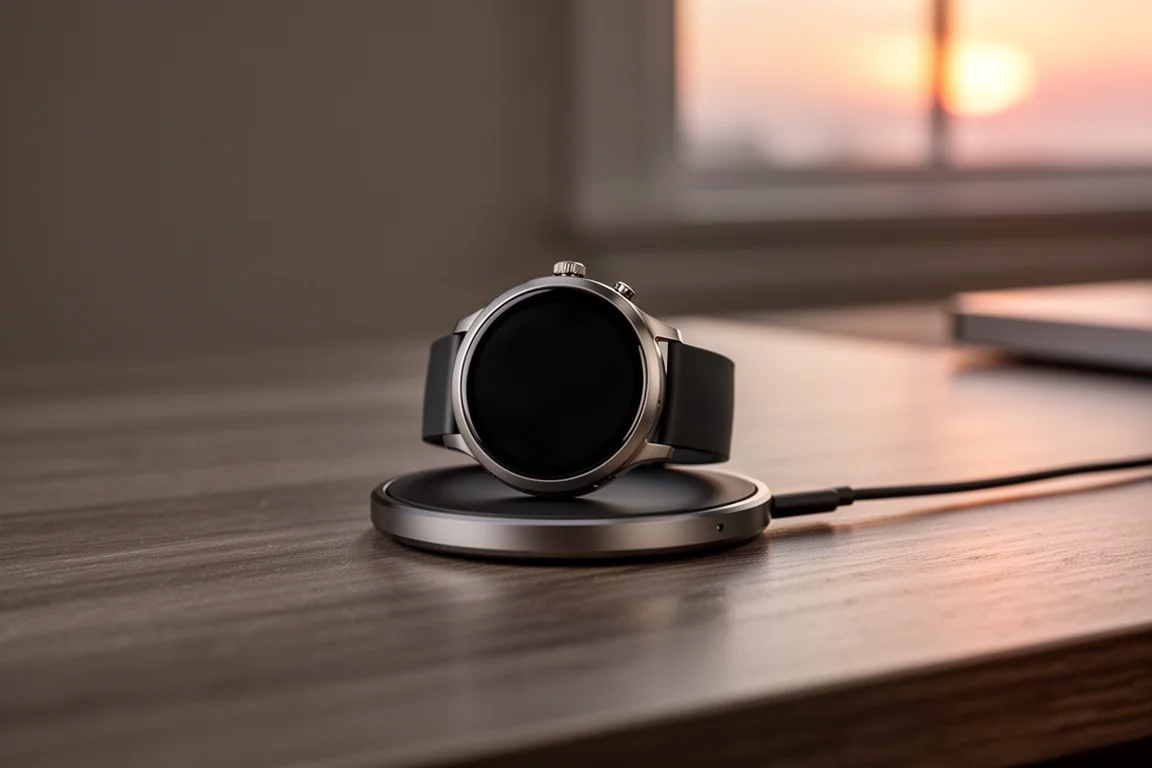
Charging is a genuine bright spot. The new cable takes the watch from 0 to 45% in 30 minutes, and a quick 8-minute top-up covers 8 hours of sleep tracking, a handy rescue if you reach the evening low.
Is It Actually Pro?
The Pro moniker leans on breadcrumb routing and Track Back, features that basic GPS running watches have offered for the better part of a decade. Meanwhile, more genuinely pro-level features are available on the base Watch5 too. The hardware is the real differentiator: titanium, the better sapphire display, the bigger battery, and the clasp system.
Conclusion
The Galaxy Watch5 Pro is a well-built, long-lasting Wear OS watch with genuinely useful, if limited, route navigation. GPX routing and Track Back work as described, heart rate tracking is solid for everyday and most training use, and charging speed impresses. GPS accuracy is average and battery claims run about half of what Samsung advertises in real GPS use.
If you want the most capable Galaxy Watch for hikes and rides with route guidance on your wrist, this is the one in the lineup. If you do not need routing, the standard Watch5 covers the core experience for considerably less. A longer-term look at battery and sleep tracking will tell the rest of the story.
Product link
View more details for Samsung Galaxy Watch5 Pro
This product is mentioned in the review. Check the specifications, options, and compatibility before buying.
View more details for Samsung Galaxy Watch5 ProFurther reading
Related Reviews
Smartwatches
Best Budget Smartwatches 2026: Five Affordable Options That Actually Work
Five budget smartwatches tested for real daily use. From entry-level options to premium features at fraction of the cost, here's what actually delivers.
Smartwatches
Best Smartwatches on AliExpress 2026: Five Practical Options for Different Needs
Five smartwatches with strong customer feedback and competitive pricing, each suited to different priorities: premium design, battery life, outdoor durability, advanced health tracking, and sports versatility.
Smartwatches
Best Smartwatches Under $300: 9 Practical Options for Every Need
A curated selection of nine smartwatches under $300, each excelling in health tracking, durability, battery life, or fitness features. Find the right match for your lifestyle.