Smartwatches
Samsung Galaxy Watch Ultra vs Apple Watch Ultra 2: Which Adventure Smartwatch Makes More Sense?
Two adventure-ready smartwatches go head to head for running and everyday use, with real trade-offs around battery life, GPS accuracy, and smart features.
Introduction
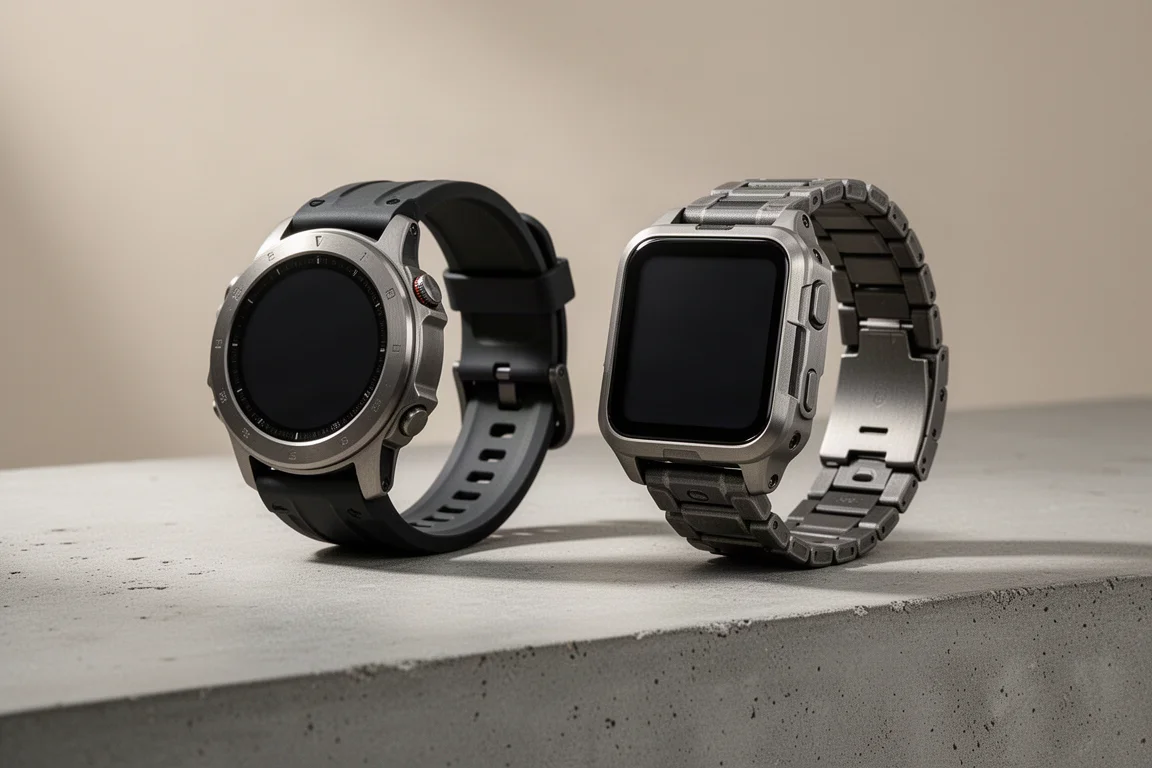
Samsung has finally put a proper adventure smartwatch on the table with the Galaxy Watch Ultra, a titanium-cased outdoor watch clearly positioned as its rival to the Apple Watch Ultra 2. Both sit at the top of their respective ecosystems, and both promise a blend of serious sports tracking and full smartwatch convenience.
The catch, and it matters, is that these watches do not really compete head to head. The Samsung Galaxy Watch Ultra is Android-only, while the Apple Watch Ultra 2 lives firmly inside the iPhone world. Your phone choice largely decides the matchup before you even look at the specs. Still, it is worth knowing how they differ, because if you have flexibility or you are wondering whether to switch sides, the gaps between them are meaningful.
We have been running with both watches over several weeks, dozens of runs, and side-by-side testing against chest straps and other dual-frequency GPS watches. Here is how they stack up.
How We Evaluated Them
The focus here is running first and smartwatch second. That means design and comfort on the wrist, GPS accuracy in both open and built-up environments, optical heart rate reliability, battery behavior during runs and in everyday use, and the quality of the app and navigation experience. If you are purely after a smartwatch and only jog occasionally, some of these trade-offs will matter less. If running is the main event, read the tracking sections carefully.
Samsung Galaxy Watch Ultra: Design and Key Features
The Galaxy Watch Ultra comes in one size, a 47mm titanium case with sapphire crystal, and it looks the part of a big, outdoorsy sports watch. There are home and back buttons plus a quick button built into the crown that works like a shortcut to workout tracking and onboard features such as a torch. Four strap options are available, including a trail-friendly one and a more swimming-friendly one, and they can be swapped easily.
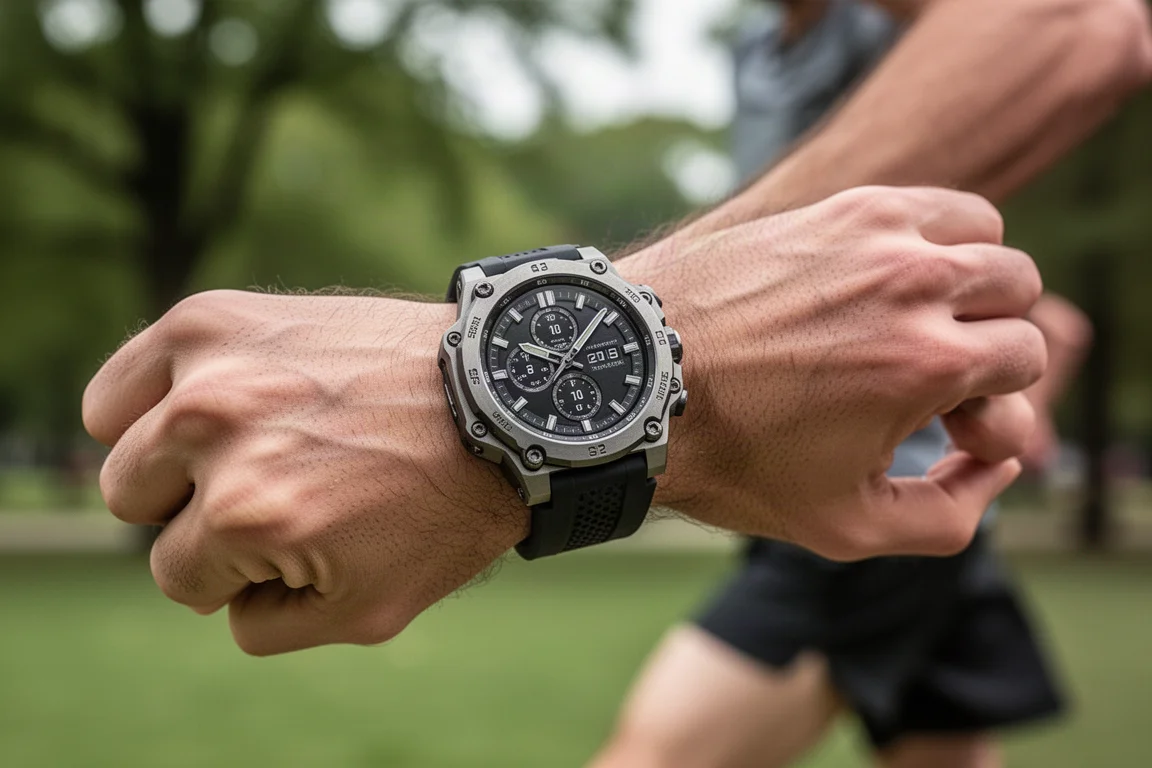
It runs Wear OS 5.0, giving access to the Google Play Store and third-party running apps such as Strava and Komoot, something Samsung’s earlier watches simply could not offer. On the running side you get dual-frequency GPS, route import with backtrack navigation, interval workouts, structured training plans, a track run mode, and Samsung’s advanced running metrics that can be viewed in real time.
Samsung Galaxy Watch Ultra: Screen and Everyday Use
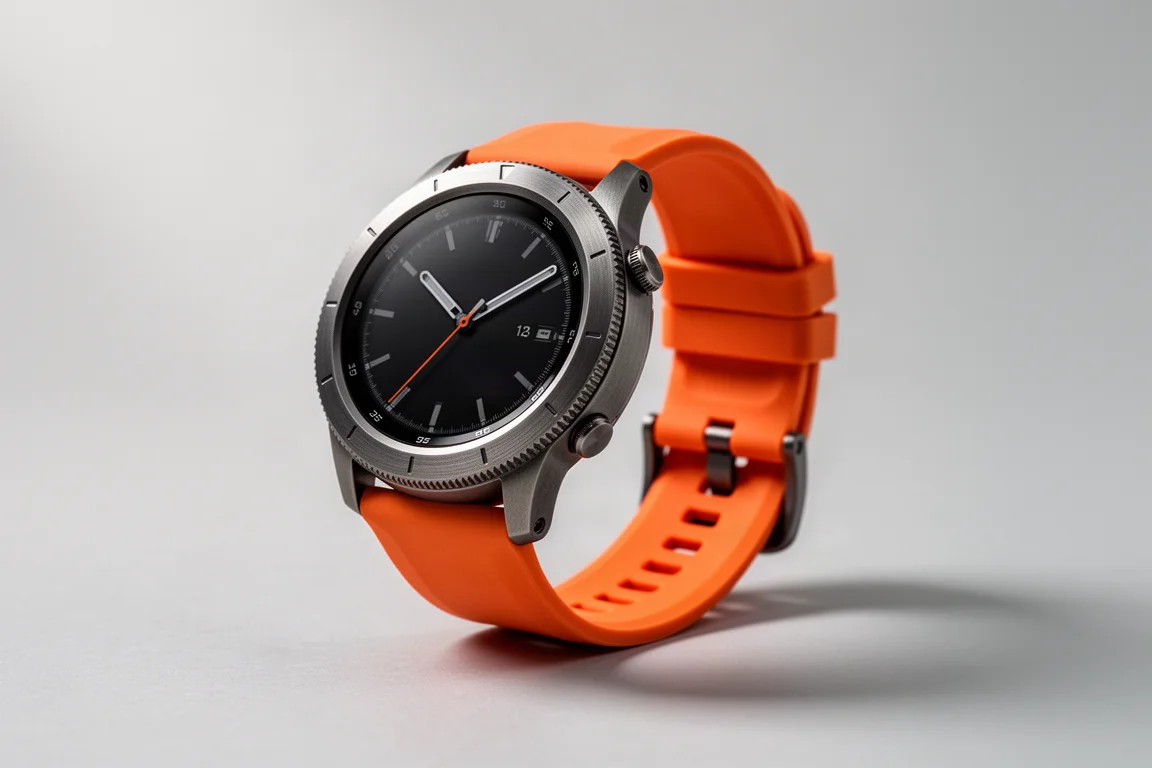
The 1.5-inch, 480 x 480 Super AMOLED touchscreen has been pushed to 3,000 nits peak brightness, matching the Apple Watch Ultra 2 at its brightest. In direct midday sun it was sharp, punchy, and easy to read, on par with Apple’s best.
The build feels robust and solid, if a bit bulky, and the squircle frame plus the chunky silicone strap of the test unit added to the heft. The touchscreen is responsive when dry, but there is no rotating crown to scroll through screens, and with sweaty fingers or rain the swipe-only experience becomes genuinely awkward after a long run.
Apple Watch Ultra 2: Design and Key Features
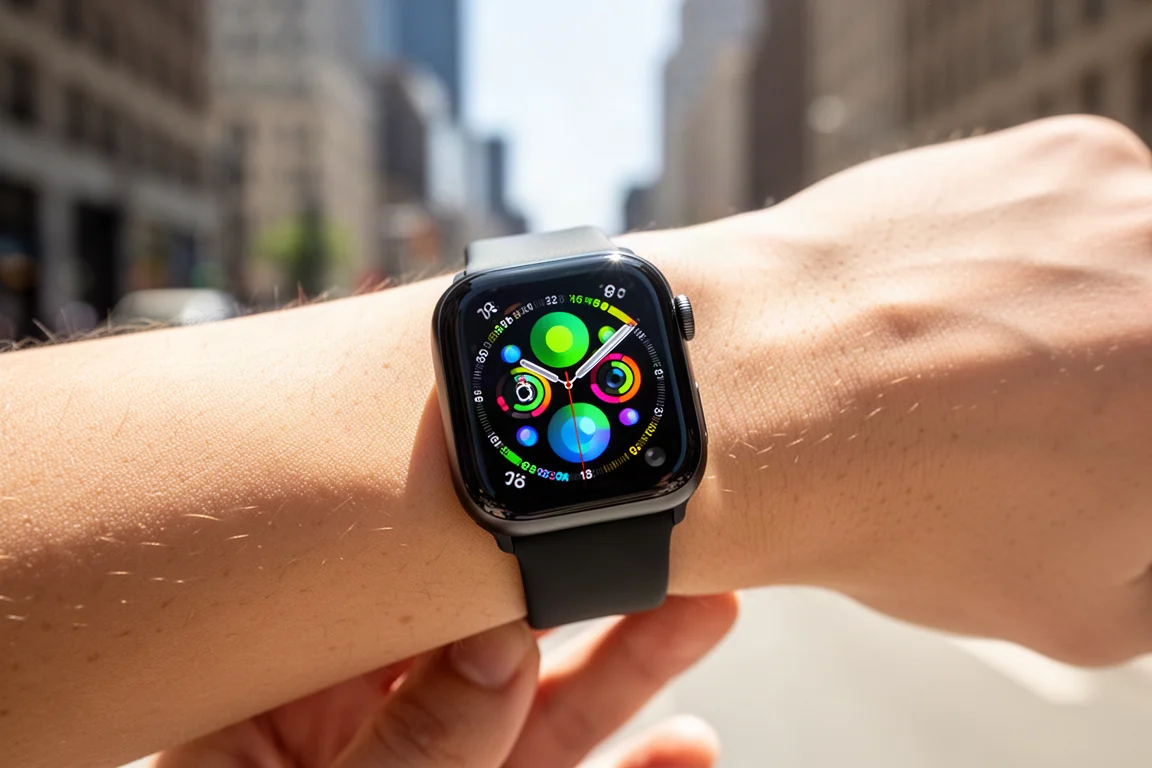
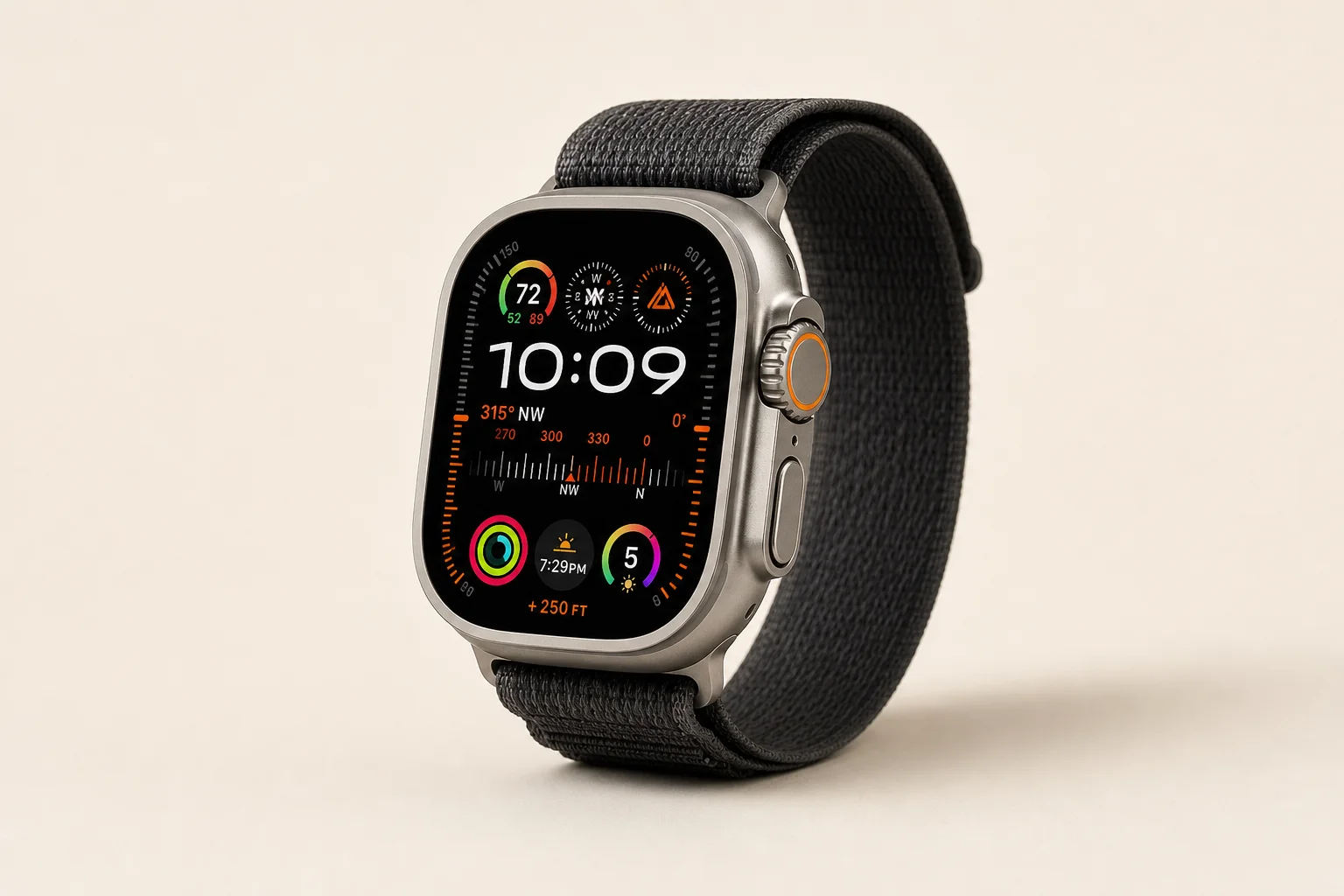
The Apple Watch Ultra 2 remains the benchmark for adventure-ready smartwatches in the iOS world. Its titanium case feels minimal on the wrist next to the Samsung’s chunkier silhouette, and the digital crown is one of those controls you do not appreciate until you use a watch without it. Being able to scroll with a physical crown while tired and sweaty after a long run is a real practical advantage.
On the software side, the wide third-party app support is a genuine strength, including mapping apps that fill gaps in the native experience. Battery life is not in Garmin territory, but it consistently performed better than the Galaxy Watch Ultra in testing, burning under 10 percent overnight on most nights and between roughly 5 and 9 percent per hour-long run.
Running Performance and Tracking Accuracy
With both watches using their highest-accuracy dual-frequency GPS modes, the Galaxy Watch Ultra held up surprisingly well on most routes. On open-sky runs the two traced closely matching lines, and within the margin of error on distance. In more built-up areas, the Samsung occasionally drifted a little wide or placed the runner on the wrong side of the street, though nothing wildly off, and the Apple Watch Ultra 2 had its own moments of drift in places.
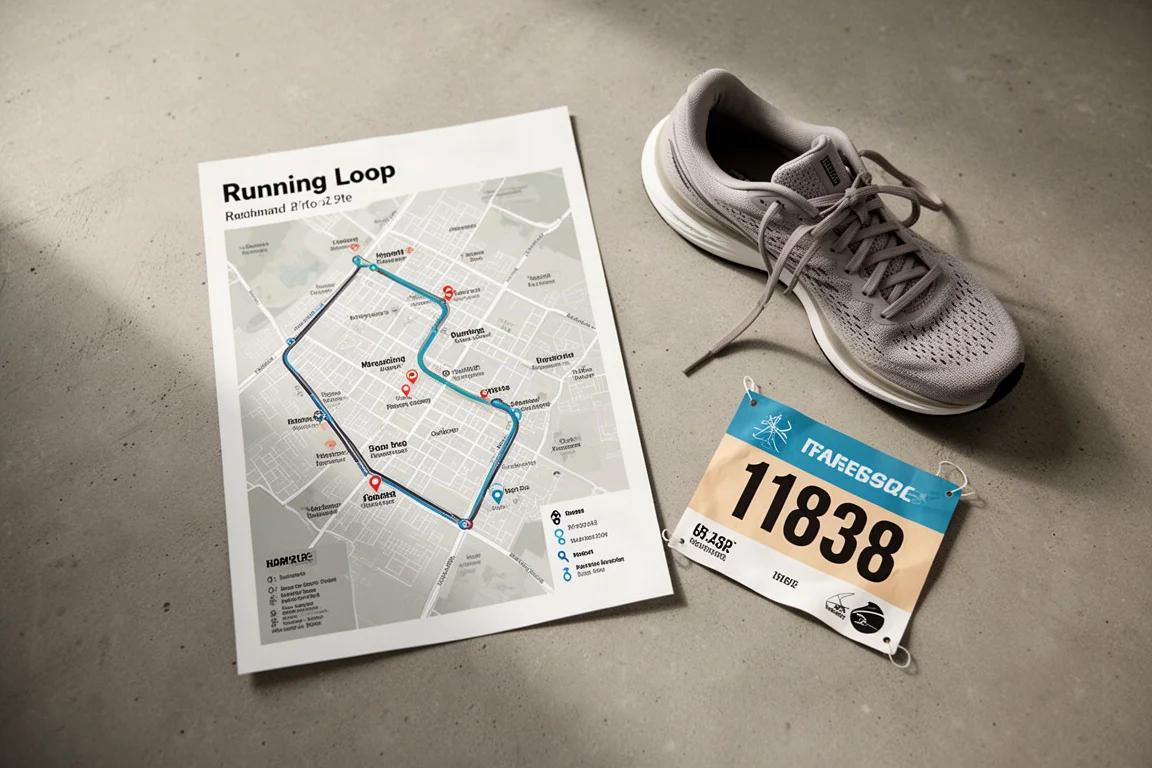
However, when pushed harder in demanding scenarios, the Samsung fell short. During a 10K race in central London, tested against another reliable dual-band GPS watch, distance tracking and pacing both came up short. It is the best GPS Samsung has shipped, but it is not yet as dependable as the leaders.
Heart rate is a brighter story. Compared against an optical reading from the Apple Watch Ultra 2 and a Polar H10 chest strap, the Galaxy Watch Ultra matched the chest strap closely from the start of runs and stayed reliable overall. It is better at steady-state running than intervals, with occasional delayed spikes to a higher peak than the strap recorded, but it is a solid performer.
Battery Life and Charging
This is where the two diverge most sharply. Samsung claims roughly 3 days in smartwatch mode, around two and a half with always-on display, and up to 48 hours of GPS with an exercise power-saving mode that trades GPS and heart rate accuracy for runtime.
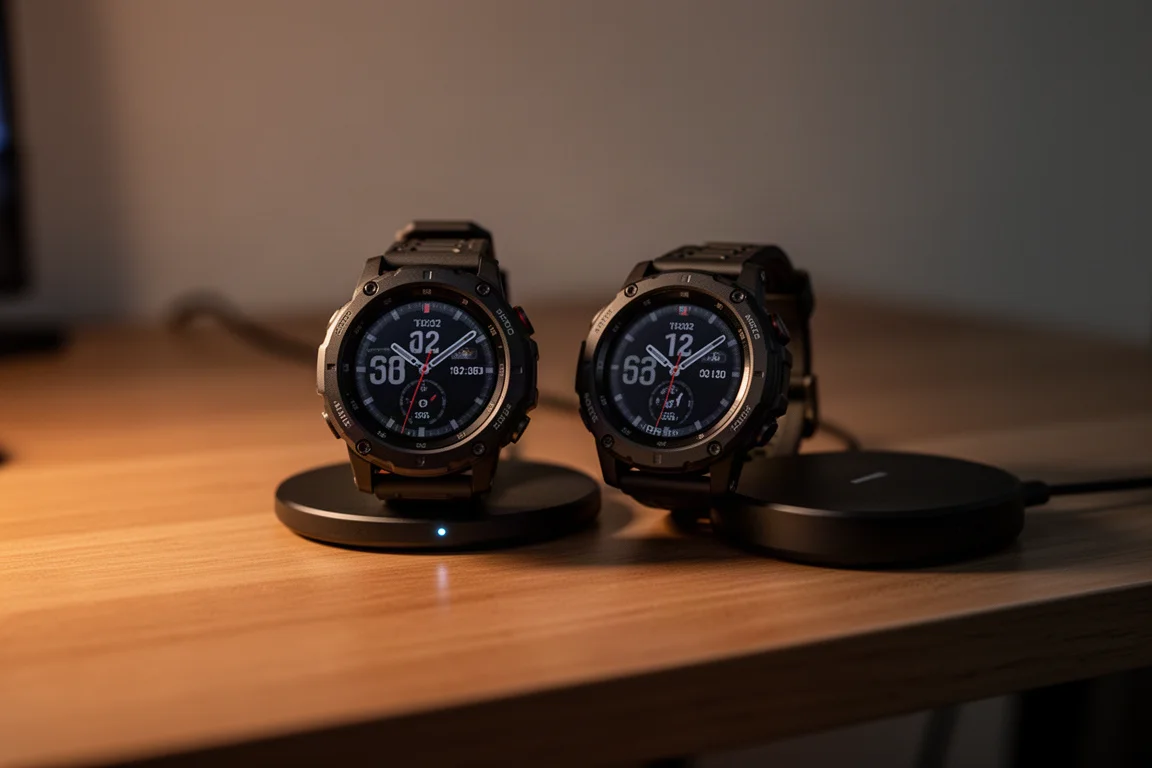
In testing over a month and a half, real-world results were shorter and, worse, unpredictable. On a two-hour run the Galaxy Watch Ultra burned 13 percent against the Apple Watch Ultra 2’s 11 percent, which is respectable. But outside of runs the drain accelerated badly. The best stretch without any training was 3 days, and there were plenty of times it could not last a full 24 hours. Overnight burn ranged from 27 to 51 percent, compared with largely under 10 percent on the Apple Watch Ultra 2. Charging is also noticeably slower than the Apple Watch Ultra 2 when both sat on chargers side by side.
There is also a limitation worth flagging: you cannot pair an external chest strap or heart rate monitor with the Galaxy Watch Ultra, so the optical sensor is your only option. And while it finally has dual-frequency GPS, there is no way to drop to lower-accuracy single-band mode to stretch battery on ultra-distance efforts the way Garmin allows. Your only lever is switching off other features.
What the Samsung Gets Right and Where It Falls Short
The good news first: the Galaxy Watch Ultra is arguably the best Wear OS fitness watch available today. The build is tough and durable, the screen is excellent, GPS is generally solid, heart rate is reliable, and the app selection through the Play Store fills real gaps. For Android users who want a smarter, adventure-ready alternative to Garmin, it fills a genuine void at a price that undercuts some of that competition.
The shortfalls are harder to ignore for runners. There is no real-time topo mapping, only route import and backtrack navigation, with no third-party mapping apps to fill that hole the way Apple’s ecosystem does. Battery life needs to become both longer and more predictable. And GPS accuracy needs to hold up in the conditions where dual-frequency should shine.
Buying Advice
If you are an Android user who wants a smartwatch first with solid running and fitness skills attached, the Galaxy Watch Ultra is a credible and fairly priced choice. If you are a dedicated runner currently on a Garmin Forerunner, Epix, Fenix, or Enduro, this is not a replacement, and switching would mean giving up offline mapping, granular GPS settings, external strap pairing, and dependable battery life.
If you are on iPhone, the Apple Watch Ultra 2 remains the more polished overall package: better design execution, more consistent battery behavior, the crown, and deeper third-party app support. If you are an Android user weighing the alternatives, a Garmin Epix Gen 2 or Epix Pro, now available at reduced prices since the Fenix 8 AMOLED arrived, will likely deliver a better-rounded running experience in tracking accuracy and battery life while still offering a good smartwatch layer.
Conclusion
The Samsung Galaxy Watch Ultra has most of the key ingredients: strong design, a superb screen, generally solid GPS and heart rate, and finally real app support. But from a running perspective it is not quite there yet. The battery life needs to improve and become more reliable, GPS needs to hold up when pushed, and the feature gaps around mapping and accessory pairing need closing. As things stand, the Apple Watch Ultra 2 is the better-delivered adventure smartwatch, and Android-focused runners may find better value in Garmin’s discounted Epix line. Software updates could change the picture, but for now the Samsung is a smartwatch with running skills, not a running watch with smart skills.
Further reading
Related Reviews
Smartwatches
Best Budget Smartwatches 2026: Five Affordable Options That Actually Work
Five budget smartwatches tested for real daily use. From entry-level options to premium features at fraction of the cost, here's what actually delivers.
Smartwatches
Best Smartwatches on AliExpress 2026: Five Practical Options for Different Needs
Five smartwatches with strong customer feedback and competitive pricing, each suited to different priorities: premium design, battery life, outdoor durability, advanced health tracking, and sports versatility.
Smartwatches
Best Smartwatches Under $300: 9 Practical Options for Every Need
A curated selection of nine smartwatches under $300, each excelling in health tracking, durability, battery life, or fitness features. Find the right match for your lifestyle.